
Diving at Encalladora (Spain)
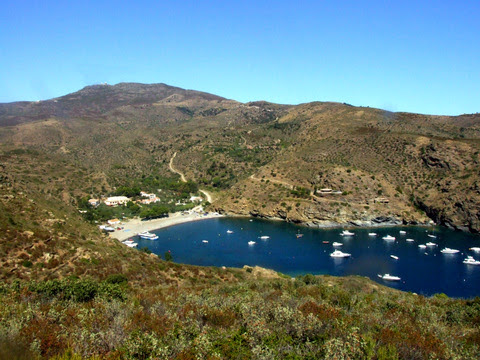
A challenging dive awaits experienced divers at Encalladora, an island site nestled within Spain's Natural Park of Cap de Creus. Positioned between two significant rock formations, this site is notably exposed to strong currents. Its southern zone enjoys partial protection, while the northern side is designated an integral reserve, reflecting its ecological importance and the specific conditions divers will encounter.
Evening condition tracking at Encalladora features an air temperature of 24.5°C. We have recorded wave heights measuring 0.3 m during this period. These figures outline the environmental parameters currently present.
Dive Site Location & Key Facts
Dive Site Overview
Dive planning at Encalladora requires an appreciation for its unique underwater topography. Beneath the surface, dramatic rock formations shape a complex environment, descending from shallower sections at around 12 m (40 ft) to depths well beyond 40 m (130 ft).
These structures create natural canyons and dramatic drop-offs, defining the dive trajectory. Its exposure to open water means divers must anticipate variable current intensities; conditions here demand advanced skills and preparation. Navigating this dynamic landscape reveals a vibrant ecosystem, sustained by the nutrient-rich waters that flow through the area.
The site's ecological importance is reflected in its dual protection status: the northern zone operates as an integral reserve, while the south benefits from partial protection. Respecting these guidelines is crucial, as the rich biodiversity here thrives, with abundant schools of fish and larger pelagic species commonly observed against the rugged backdrop.
Conditions are Good
Optimal conditions expected
Current conditions near Encalladora show 25° air, 24° sea temperature, 0.8 m waves, and 32 km/h wind. Forecast data is refreshed regularly to ensure accuracy.
Best Time to Dive
Timing a dive at Encalladora significantly impacts the experience, primarily due to varying weather and sea conditions. The period from February through November generally offers good diving scores, with optimal conditions typically spanning late spring to early autumn. Air temperatures during these months range from a comfortable 15.5°C (60°F) in April to 26°C (79°F) in July, creating pleasant surface conditions. Rain is minimal during summer, with average wave heights typically lower, often around 0.6 to 0.8 meters (2 to 2.6 ft). Conversely, winter months like January, March, and December are rated moderate for diving, marked by cooler air temperatures around 9.5-12.5°C (49-54°F) and potentially higher wave action or stronger winds, which can affect boat access and overall comfort.
PEAK SEASON SCORE
Scores combine air & water temps, waves, wind & rainfall for overall conditions.
BEST MONTHS TO DIVE
Monthly records compiled from satellite and marine observation nodes over the last 3 years. Data provided by Open-Meteo and MET Norway.
Dive Experience & Conditions
Strong currents frequently define the diving experience at Encalladora, necessitating advanced diver certification and significant experience. This site is exposed, meaning conditions can shift, impacting planning and execution. The dive unfolds between impressive rock formations, dropping rapidly to depths exceeding 40 m (130 ft). Visibility often remains good, allowing for clear views of the abundant bottom and opportunities to scan the blue for larger pelagic species. Divers navigating these underwater structures will observe the dynamic interplay between the strong water flow and the rich biodiversity it sustains. Maintaining situational awareness is crucial due to the variable current intensity.
Dive Difficulty & Safety Guidelines
Effective planning for Encalladora demands a thorough understanding of its challenging nature. Given that the site is suitable only for experienced divers and features dives extending beyond 40 m (130 ft), specialized training in deep diving and current management is highly advisable. Always dive with a reputable local center familiar with the specific characteristics of Cap de Creus.
Respecting the integral reserve status of the north side and the partial protection of the southern zone is paramount; adhere to all park regulations regarding interaction with marine life and the environment. Ensure proper equipment checks and buoyancy control before descending, especially when anticipating strong water movement.
Recommended Equipment
- Dive Computer
This gear list is based on verified equipment signals for Encalladora, Spain. Always confirm final gear choices with your dive operator, guide, or liveaboard.
Recommended Dive Suit
Repeated dives during the same day can gradually reduce overall body warmth.
Environmental readings suggest that the waters surrounding Encalladora are about 24°C (74°F) at the moment. Surface air temperatures are resting at 25°C (76°F). Divers spending extended time underwater often rely on 3-5mm wetsuit for balanced warmth and flexibility. Consider warmer surface protection (like a boat coat) due to brisk winds.
The forecast outlook suggests that temperatures will stay close to current levels.
Emergency & Medical Support
Essential information to help you plan your dive trip to Encalladora.

Hyperbaric chambers are a critical part of dive safety infrastructure. Availability varies significantly by region, and not all dive areas have immediate access.
Before diving, it's recommended to:
- confirm nearest medical facilities
- check emergency procedures with local dive operators
- ensure dive insurance covers evacuation if required
Divers Alert Network
Diving emergency assistance available through DAN Europe.
+39 0642115685- 24/7 emergency hotline
- Diving medical assistance
- Evacuation coordination
Emergency contacts are provided for reference. Always verify local emergency services before diving.
Closest Listed Hyperbaric Chambers
Showing listed hyperbaric chamber facilities within 200 km of this dive site.
Distances are approximate straight-line distances and may not reflect emergency travel time.
Unitat de Medicina Hiperbàrica (UMH)
24/7 ListedPalamos (Girona), Spain•Approx. 55 km straight-line
Unitat de Medicina Hiperbàrica (UMH)
24/7 ListedInformation is provided for reference and planning purposes only. Dive Navigator does not verify operational status, staffing, availability, or quality of care at listed facilities. In an emergency, contact local emergency services, DAN, your dive operator, or the chamber directly. Do not travel to a facility without calling ahead.
UTH-CSI
24/7 ListedICU CapableSant Joan Despí, Spain•Approx. 149 km straight-line
UTH-CSI
24/7 ListedICU CapableInformation is provided for reference and planning purposes only. Dive Navigator does not verify operational status, staffing, availability, or quality of care at listed facilities. In an emergency, contact local emergency services, DAN, your dive operator, or the chamber directly. Do not travel to a facility without calling ahead.
Marine Life at Encalladora
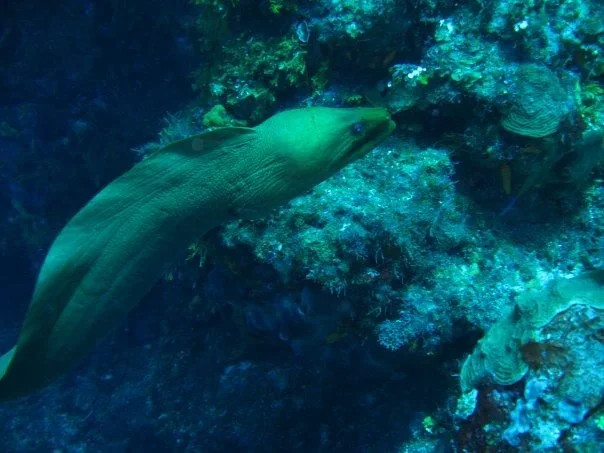
The varied underwater landscape of Encalladora, shaped by its prominent rock formations and nutrient-rich currents, nurtures a diverse marine ecosystem. Divers regularly encounter schools of fish navigating the currents, alongside species like octopus and moray eels finding shelter within crevices.
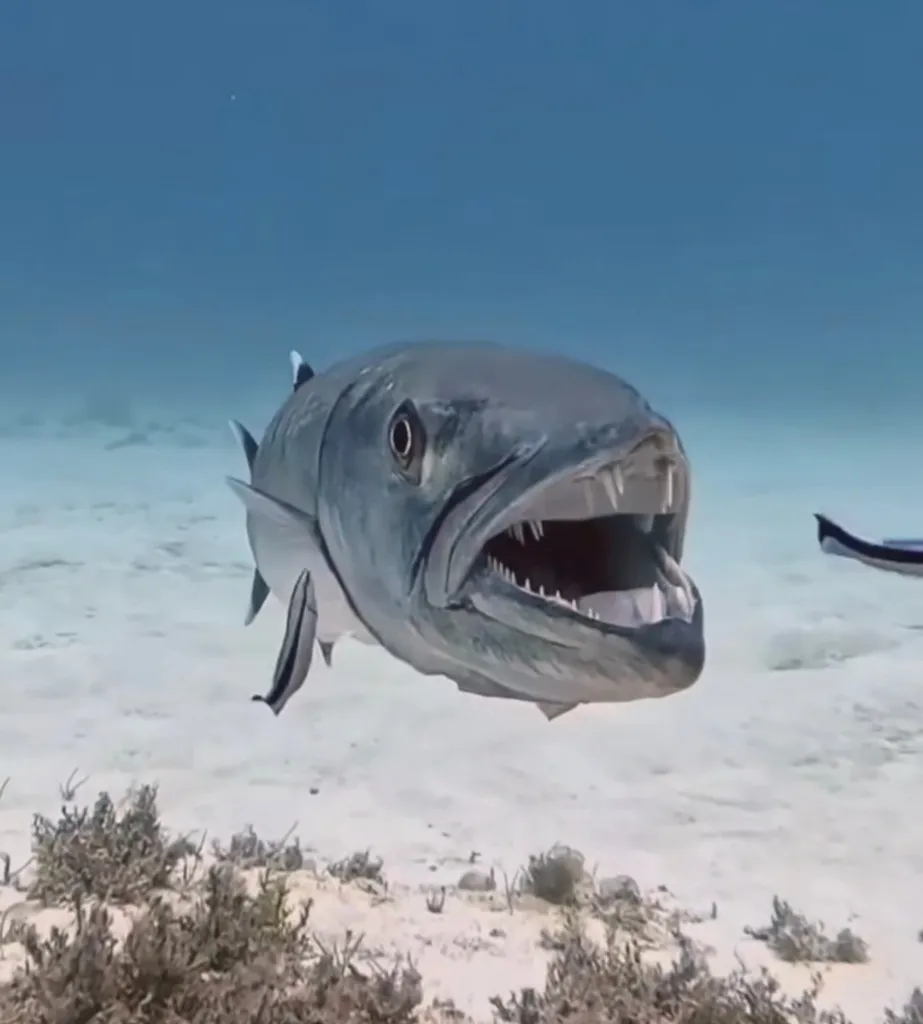
Larger pelagic sightings include barracudas, dentex, and various sea bream patrolling the deeper waters. Occasionally, rays glide across the sandy patches, and observant divers might spot sea hares amongst the benthic life.
Found within the Natural Park of Cap de Creus, the area's protected status helps maintain this abundant biodiversity.

Dive Sites Near Encalladora
View all dive sites in SpainDiscover more underwater gems in this area.
Dive Centers Near Encalladora
Today: 08:00 - 18:00

Nearest Airports
Nearest airports to help plan travel to this dive area.
Search Flights
Check available flights and routes on Expedia, using the nearby airports listed in this section.
Search Flights on ExpediaFrequently Asked Questions
What level of diving experience is required for Encalladora?
This site is exclusively suitable for experienced divers due to its exposure to strong currents and significant depths. Advanced certification and proven experience in challenging conditions are recommended.
What is the typical depth range for a dive at Encalladora?
Dives here generally extend from shallower sections around 12 meters to depths exceeding 40 meters. The terrain includes deep drop-offs between impressive rock formations.
Are there strong currents at Encalladora?
Yes, Encalladora is exposed to currents, which can be strong and variable. Divers should be prepared for these conditions and have appropriate experience in current management.
What marine life can divers expect to see?
The site hosts a rich biodiversity, including octopus, moray eels, rays, barracudas, dentex, sea bream, sea hares, and various schools of fish. Nutrient-rich currents contribute to this abundance.
What are the best months to dive Encalladora?
The months from February to November generally offer good diving conditions. Late spring to early autumn typically provides the most favorable weather, with warmer air temperatures and calmer seas.
What is Encalladora's protection status?
The island is part of the Natural Park of Cap de Creus. Its southern zone is partially protected, while the north side is designated as an integral reserve, requiring strict adherence to environmental guidelines.
Is Encalladora accessible as a shore dive?
No, Encalladora is an island within the Natural Park of Cap de Creus, making it a boat dive. Access is typically arranged through local dive centers.
Planning to dive Encalladora?
Send one inquiry and receive offers directly from the best verified local dive operators.
Conditions are Good
Optimal conditions expected
Current conditions near Encalladora show 25° air, 24° sea temperature, 0.8 m waves, and 32 km/h wind. Forecast data is refreshed regularly to ensure accuracy.