
Diving at Cala Sardina (Spain)
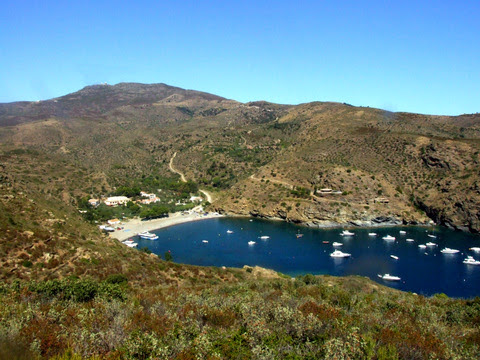
Dramatic rock formations and imposing walls immediately capture attention at Cala Sardina, a dive site nestled within the Natural Park of Cap de Creus. Its underwater landscape offers a vertical journey, descending from shallow areas to significant depths. This site is distinguished by its unique geological features and varied topography. Situated on the Costa Brava, it provides an engaging experience for certified divers seeking diverse environments.
As evening covers Cala Sardina, the local air temperature is measured at 21°C. The current wave height at the surface is recorded at 0.5 m. These late-day readings characterize the surface conditions for the night.
Dive Site Location & Key Facts
Dive Site Overview
Exploring Cala Sardina reveals a multi-faceted dive destination within the Natural Park of Cap de Creus. Its striking underwater architecture features prominent walls, intricate rock formations, and a complex relief that descends from shallower zones to significant depths.
Starting around 5 m (16 ft), the topography drops to a maximum depth of 30 m (100 ft) for recreational divers, with deeper sections available down to 40 m (130 ft). Water movement through certain passages can create dynamic conditions, often guiding schools of fish. Divers navigating this diverse terrain encounter extensive gorgonian fields and vibrant red coral.
The site is suitable for various experience levels; while shallower reefs cater to less experienced divers, its more profound areas and a distinctive underwater canyon appeal to advanced exploration. Observations frequently include groupers, sars, and various benthic species across the sandy bottom sections.
This site's varied routes allow for both focused exploration and broader discovery of the Mediterranean ecosystem.
Conditions are Good
07:00 - 14:00
Optimal conditions expected
Current conditions near Cala Sardina show 21° air, 24° sea temperature, 0.6 m waves, and 29 km/h wind. Forecast data is refreshed regularly to ensure accuracy.
Best Time to Dive
Optimal diving conditions generally emerge from late spring through autumn at Cala Sardina, reflecting consistently higher dive scores. From May to October, air temperatures are comfortably warm, ranging from 18-26°C (64-79°F), with minimal rain (averaging 0.9-2.2 mm). Wave heights during these months are typically lower, often below 0.8 m (2.6 ft), contributing to calmer surface conditions. While specific water temperatures aren't consistently reported, the warmer air and settled weather usually indicate more pleasant immersion. Winter months, conversely, see cooler air temperatures and slightly higher wave activity, making them less ideal for general diving, though February and April still show good dive scores.
PEAK SEASON SCORE
Scores combine air & water temps, waves, wind & rainfall for overall conditions.
BEST MONTHS TO DIVE
Monthly records compiled from satellite and marine observation nodes over the last 3 years. Data provided by Open-Meteo and MET Norway.
Dive Experience & Conditions
Navigating Cala Sardina presents a dynamic underwater experience, characterized by its imposing rock formations and dramatic walls. The site's inherent complexity and potential for currents through certain passages mean that previous experience with varied terrain or drift is beneficial for divers. Depths here cover a significant range, allowing for exploration from relatively shallow zones down to standard recreational limits. Advanced divers can extend their immersion into deeper sections, which reach approximately 40 meters. Expect generally clear visibility, a hallmark of the Mediterranean, allowing for good appreciation of the extensive gorgonian fields and vibrant red coral that beautifully adorn the rock faces. This location offers multi-level immersion opportunities, with various routes providing distinct exploration paths and different challenges. Water temperatures, while not consistently reported, typically align with seasonal Mediterranean averages, making thermal protection important for longer or deeper dives.
Dive Difficulty & Safety Guidelines
For a safe and rewarding dive at Cala Sardina, divers should possess prior experience, particularly due to the potential for currents and the complex relief of the site. It's advisable to carefully plan your dive profile, especially when exploring deeper sections or navigating through constricted underwater passages. Always dive within your certification limits and consider the recommendations for deep diving if venturing beyond standard recreational depths.
Keeping an eye on local conditions and understanding current patterns will help ensure a secure and enjoyable immersion.
Recommended Equipment
- Dive Computer
This gear list is based on verified equipment signals for Cala Sardina, Spain. Always confirm final gear choices with your dive operator, guide, or liveaboard.
Recommended Dive Suit
Divers visiting Cala Sardina today can expect water conditions around 24°C (74°F). Surface air temperatures are resting at 21°C (70°F).
3-5mm wetsuit generally offers enough warmth for most dives under these conditions. Consider warmer surface protection (like a boat coat) due to brisk winds. Surface intervals may feel cooler.
Surface conditions are expected to warm up slightly in the coming days. A warming trend is expected over the next few days.
Emergency & Medical Support
Essential information to help you plan your dive trip to Cala Sardina.

Hyperbaric chambers are a critical part of dive safety infrastructure. Availability varies significantly by region, and not all dive areas have immediate access.
Before diving, it's recommended to:
- confirm nearest medical facilities
- check emergency procedures with local dive operators
- ensure dive insurance covers evacuation if required
Divers Alert Network
Diving emergency assistance available through DAN Europe.
+39 0642115685- 24/7 emergency hotline
- Diving medical assistance
- Evacuation coordination
Emergency contacts are provided for reference. Always verify local emergency services before diving.
Closest Listed Hyperbaric Chambers
Showing listed hyperbaric chamber facilities within 200 km of this dive site.
Distances are approximate straight-line distances and may not reflect emergency travel time.
Unitat de Medicina Hiperbàrica (UMH)
24/7 ListedPalamos (Girona), Spain•Approx. 55 km straight-line
Unitat de Medicina Hiperbàrica (UMH)
24/7 ListedInformation is provided for reference and planning purposes only. Dive Navigator does not verify operational status, staffing, availability, or quality of care at listed facilities. In an emergency, contact local emergency services, DAN, your dive operator, or the chamber directly. Do not travel to a facility without calling ahead.
UTH-CSI
24/7 ListedICU CapableSant Joan Despí, Spain•Approx. 148 km straight-line
UTH-CSI
24/7 ListedICU CapableInformation is provided for reference and planning purposes only. Dive Navigator does not verify operational status, staffing, availability, or quality of care at listed facilities. In an emergency, contact local emergency services, DAN, your dive operator, or the chamber directly. Do not travel to a facility without calling ahead.
Marine Life at Cala Sardina
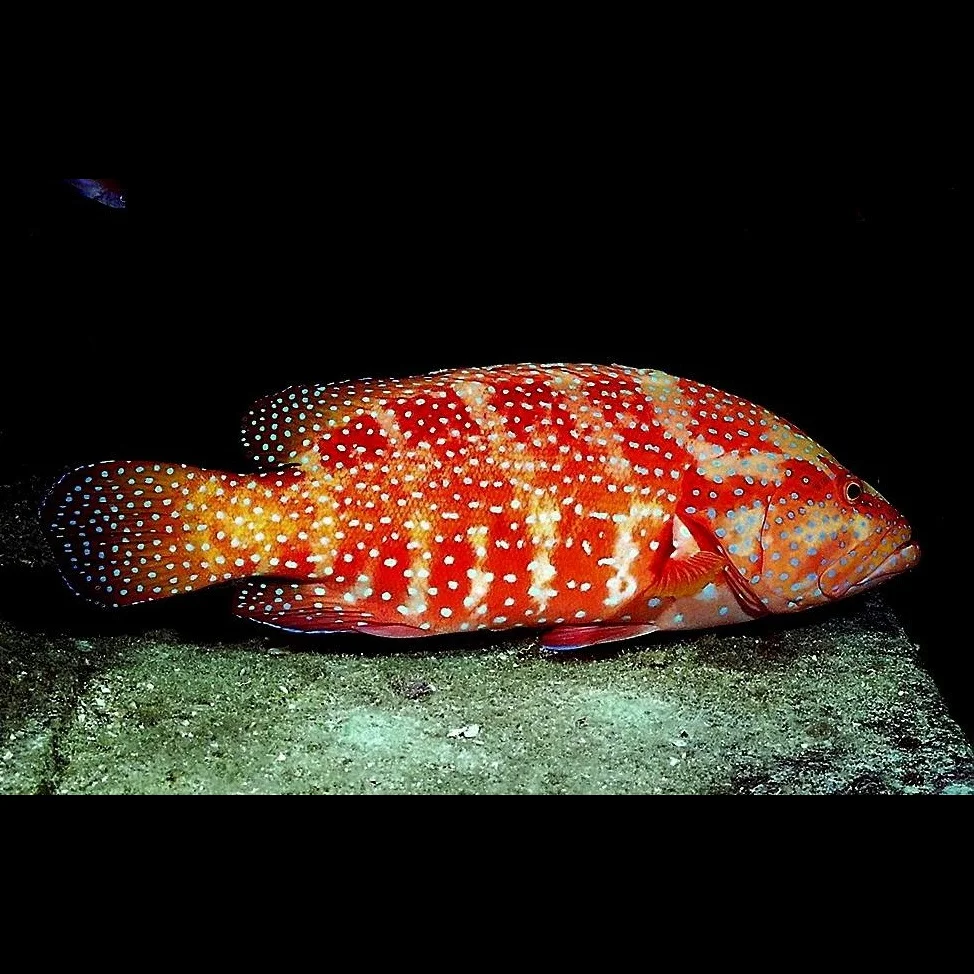
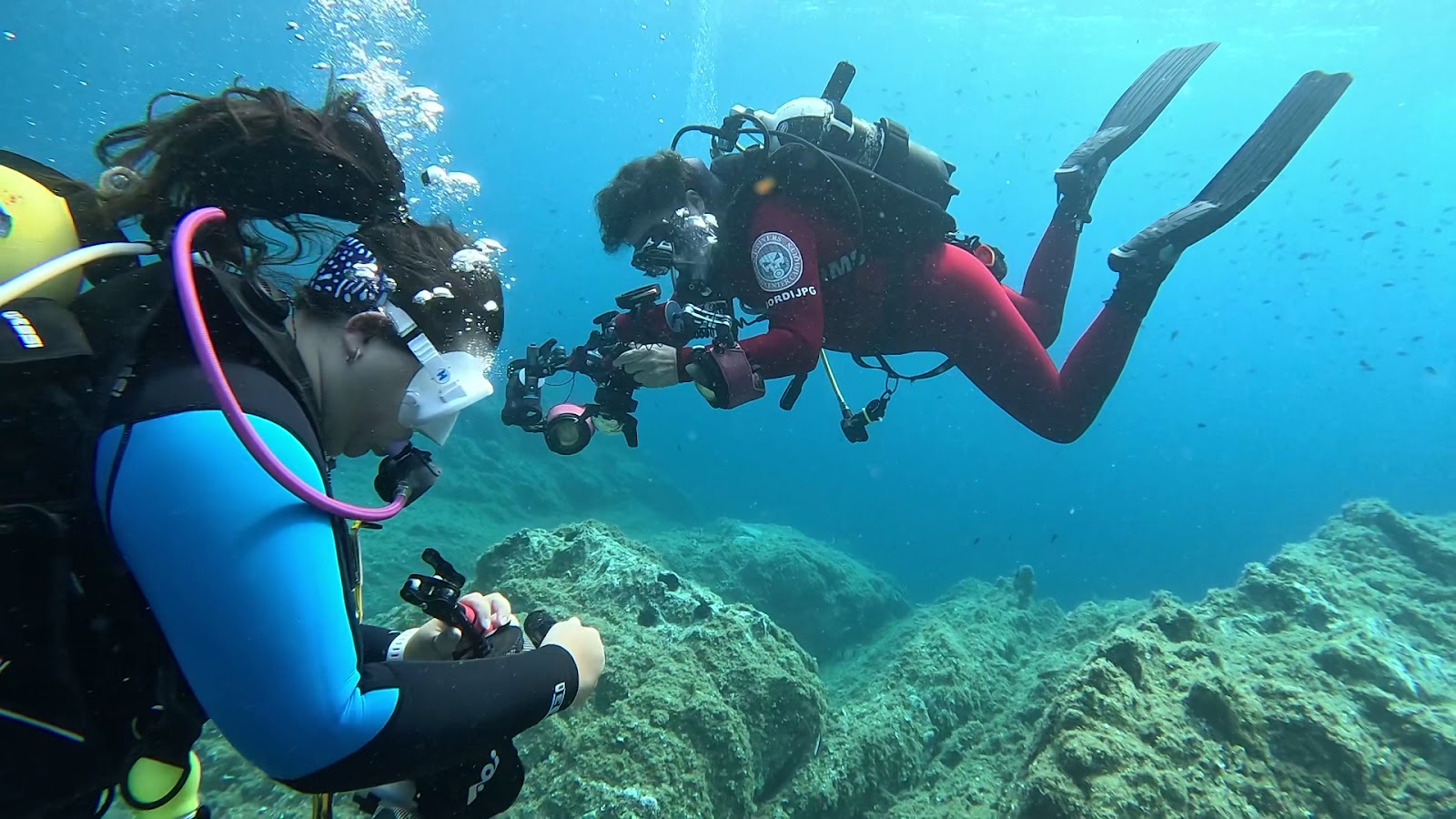
The marine environment at Cala Sardina thrives with diverse life, creating compelling underwater encounters. Descending through the rock formations, divers frequently observe groupers and sars inhabiting the various crevices and ledges.
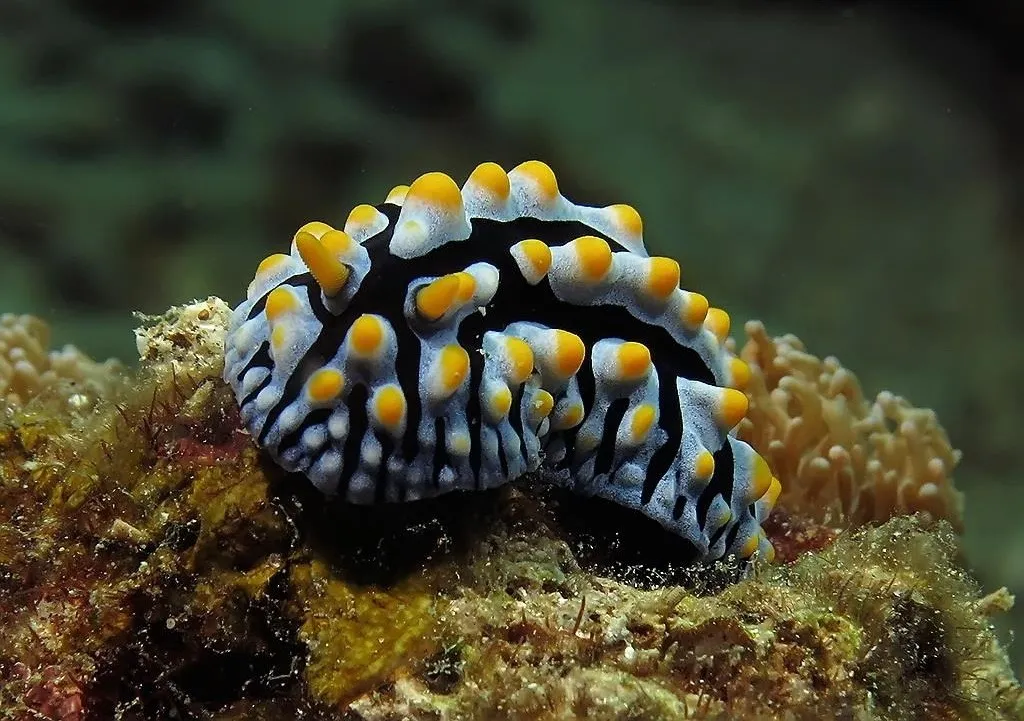
Gorgonians and striking red coral color the walls, providing a vibrant backdrop for nudibranchs. Looking towards the blue, there is a reported passage for larger marine predators, adding an element of anticipation to the dive.
Benthic species also find habitat across the varied seafloor, contributing to the site's rich biodiversity.

Dive Sites Near Cala Sardina
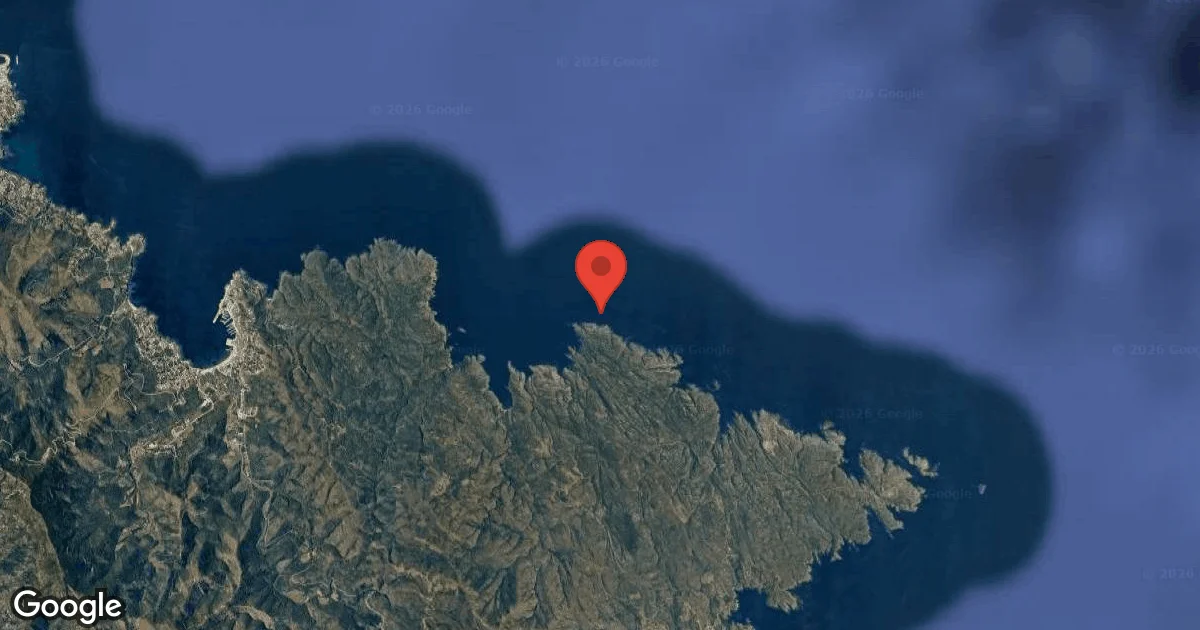
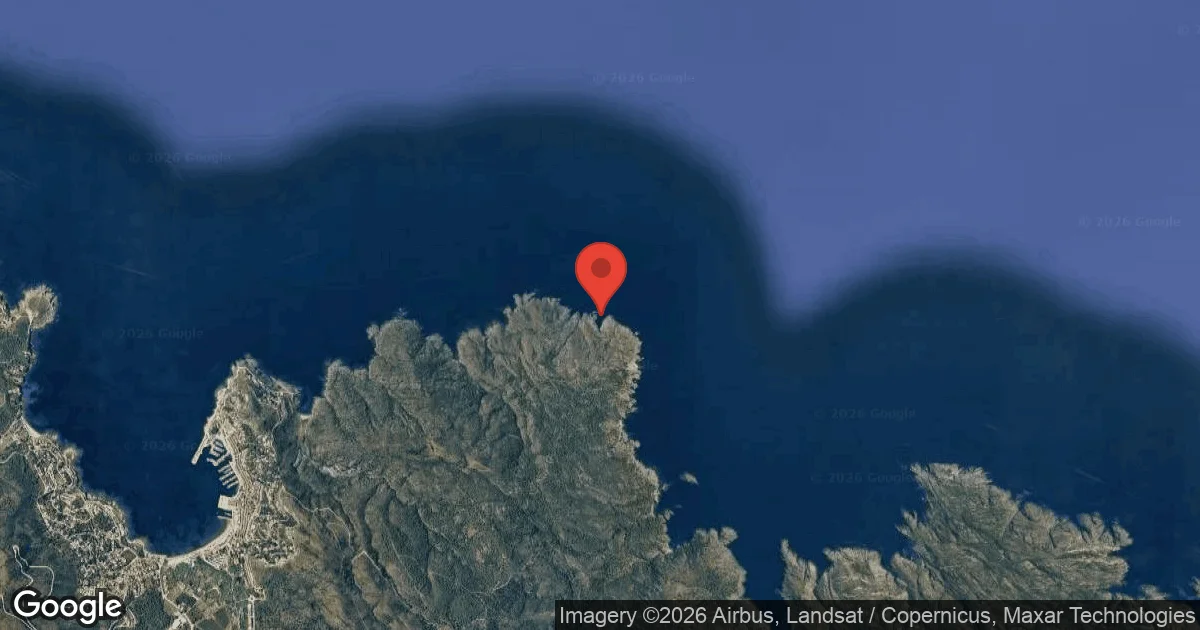
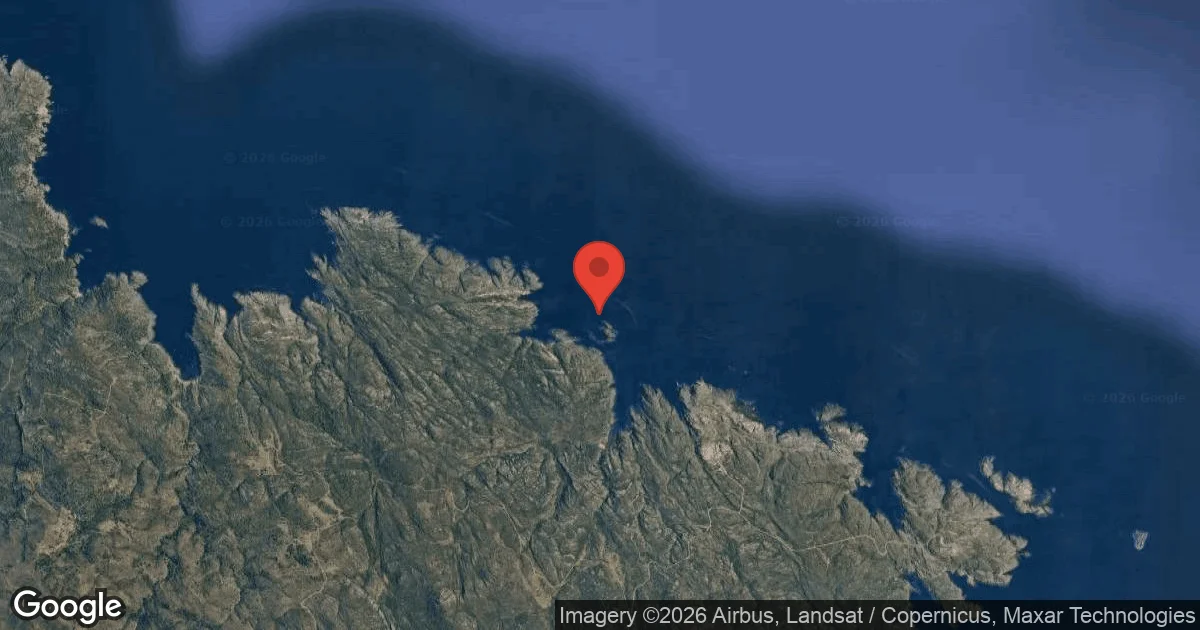
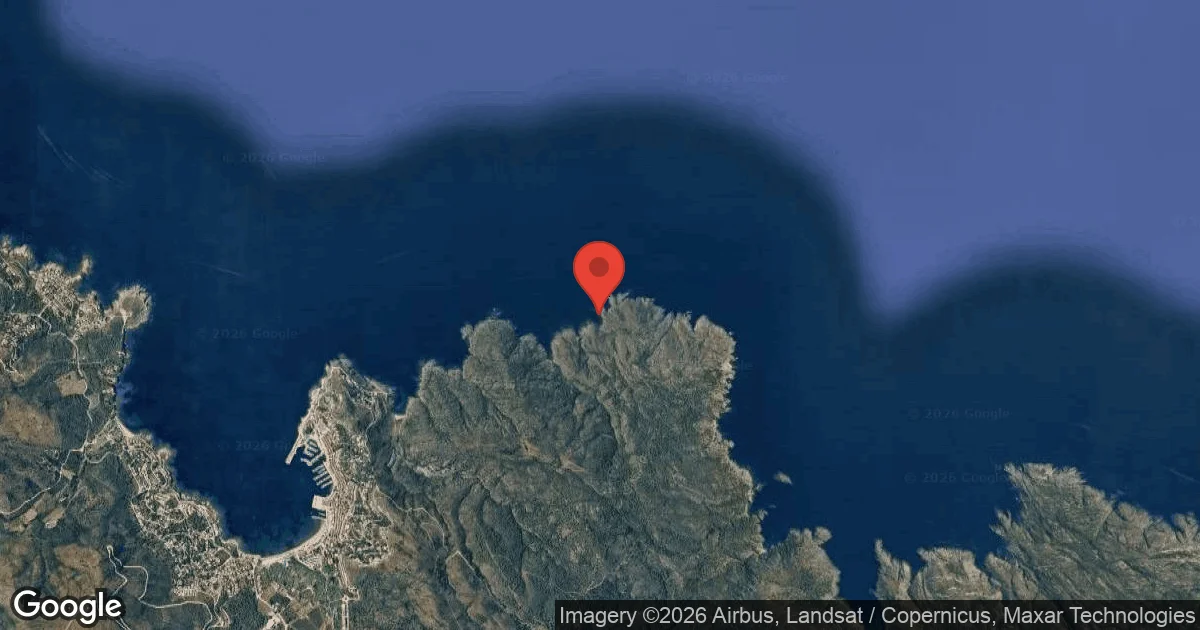
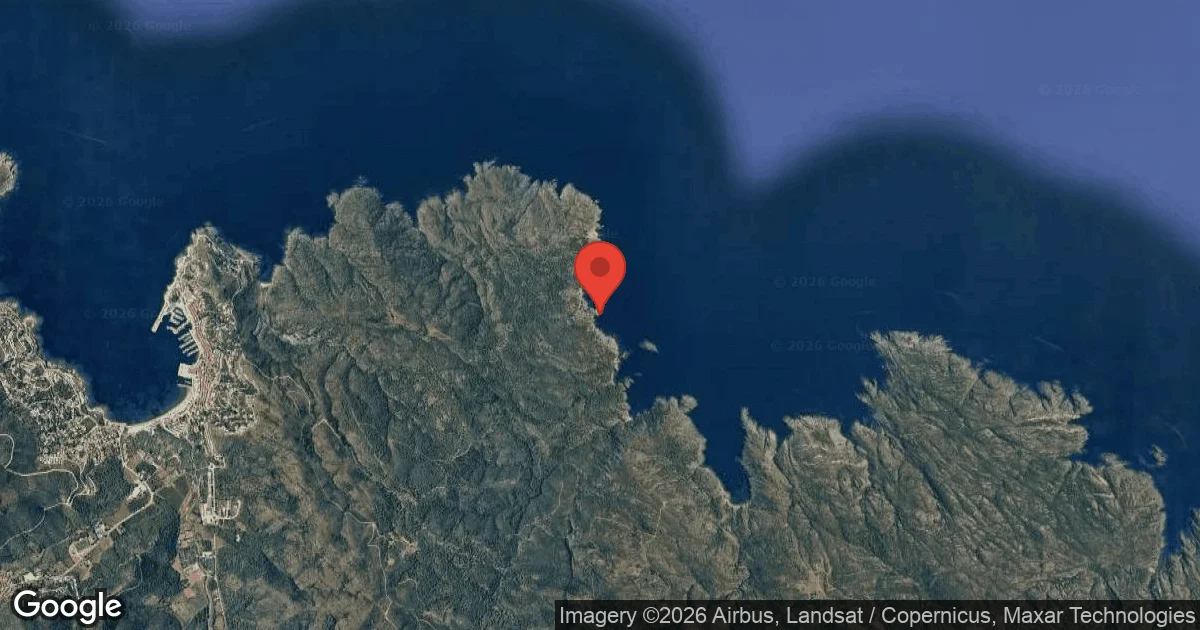
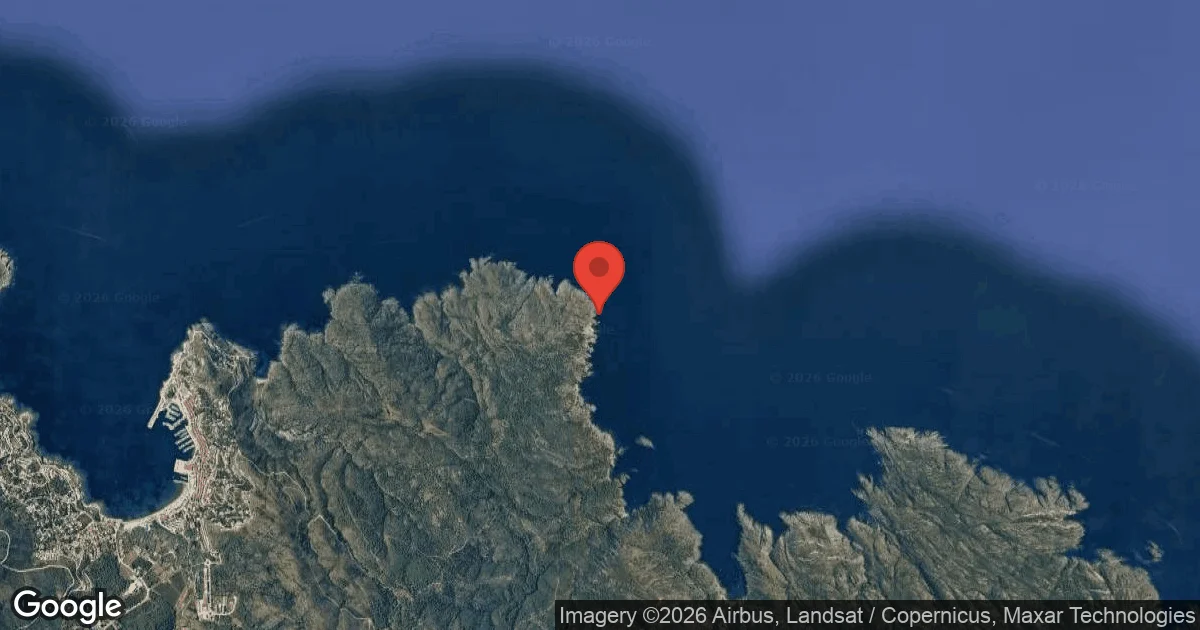
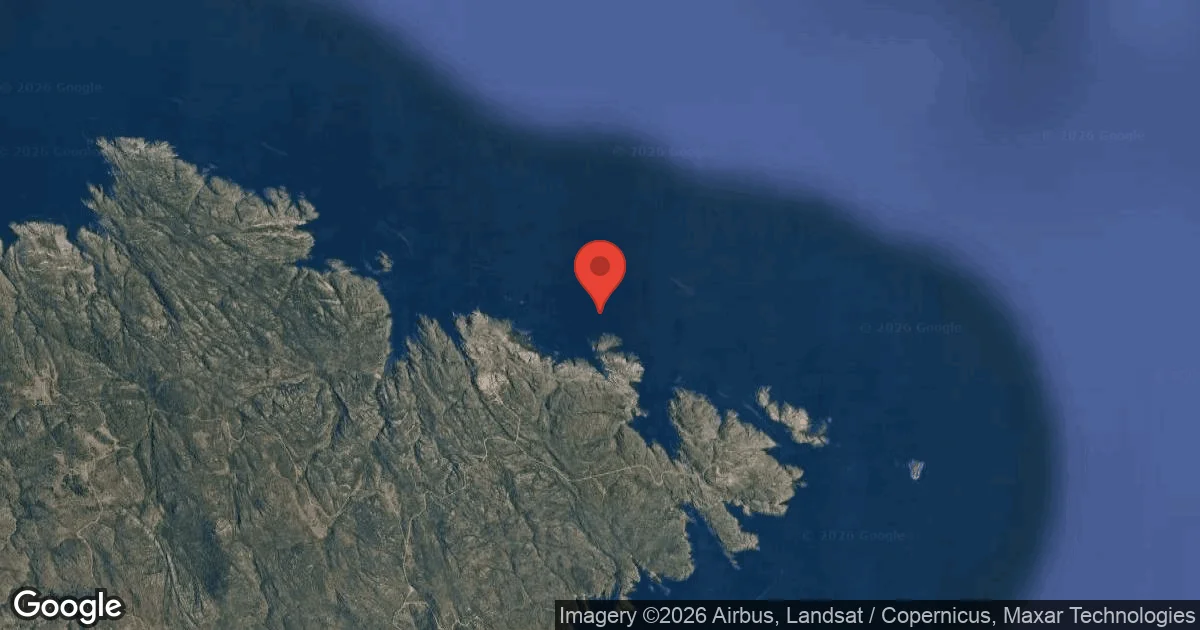
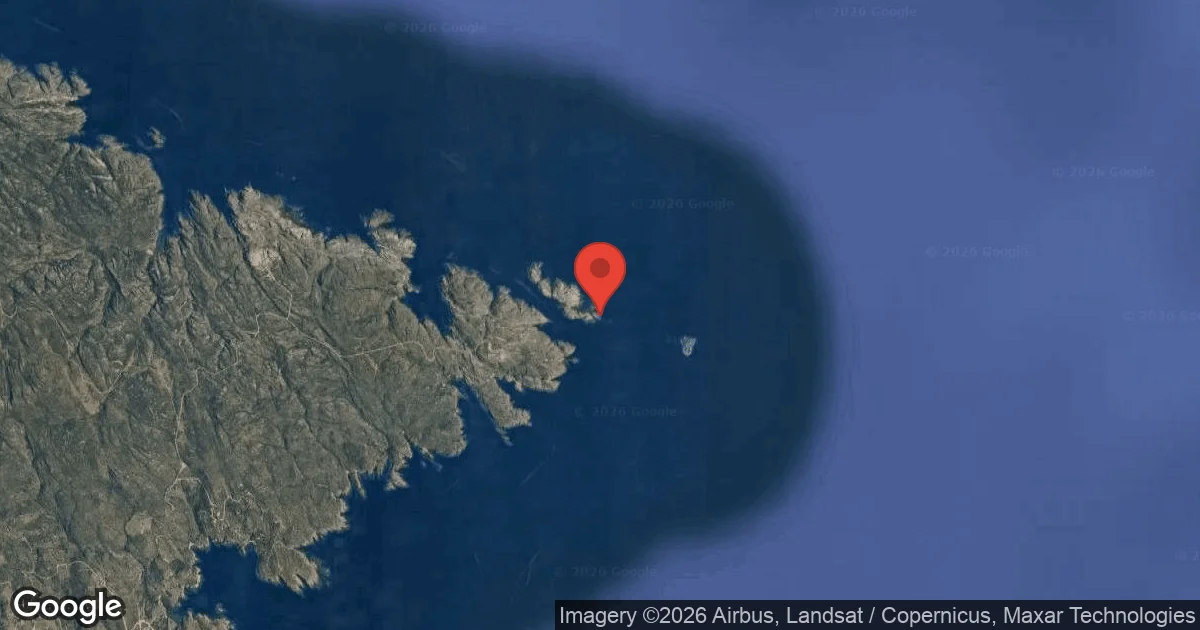
View all dive sites in SpainDiscover more underwater gems in this area.
Dive Centers Near Cala Sardina
Today: 08:00 - 18:00

Nearest Airports
Nearest airports to help plan travel to this dive area.
Search Flights
Check available flights and routes on Expedia, using the nearby airports listed in this section.
Search Flights on ExpediaFrequently Asked Questions
What is the typical depth range for diving at Cala Sardina?
Cala Sardina offers a wide depth range suitable for various certifications. Recreational dives generally stay within 30 meters (100 ft), often starting from shallower zones. Advanced divers can explore deeper areas, sometimes reaching up to 40 meters.
Are there strong currents at Cala Sardina?
The site is noted for possible currents, particularly where water flows through its distinctive rock formations and passages. Divers should be prepared for varying water movements, as these conditions are characteristic of the area. Prior experience is beneficial for navigating the site effectively.
What kind of marine life can I expect to see?
Divers often encounter groupers, sars, and diverse schools of fish. The walls are adorned with colorful gorgonians and red coral, hosting smaller creatures like nudibranchs. There's also a chance to spot larger marine predators passing through.
Is Cala Sardina suitable for beginner divers?
While the site is generally suitable for all levels, previous experience is recommended due to the potential for currents and the complexity of the relief. Shallow areas are accessible, but deeper exploration requires appropriate certification and skill.
Is Nitrox recommended for this dive site?
Nitrox is often recommended for dives in this region that involve multi-level profiles and deeper sections, such as those found at Cala Sardina. Using it can enhance bottom time and enjoyment, particularly when exploring the deeper walls and rock formations.
Can night dives be conducted at Cala Sardina?
The provided information does not specifically mention night diving opportunities for Cala Sardina. However, similar nearby sites are considered great for night dives, suggesting the potential exists, but local dive centers would provide the best guidance.
Planning to dive Cala Sardina?
Send one inquiry and receive offers directly from the best verified local dive operators.
Conditions are Good
07:00 - 14:00
Optimal conditions expected
Current conditions near Cala Sardina show 21° air, 24° sea temperature, 0.6 m waves, and 29 km/h wind. Forecast data is refreshed regularly to ensure accuracy.