
Diving at La LLosa del Patró Pere (Spain)
La Llosa del Patró Pere quickly reveals a vibrant Mediterranean ecosystem. Divers often encounter immense banks of barracudas, corbs, and groupers. In shallower areas, schools of castañuelas and sargos can envelop you, while deeper zones host larger groupers, gilthead sea bream, and dentex. The site's rich biodiversity includes approximately 628 recorded species, ensuring a dynamic underwater experience for every visit.
As evening covers La LLosa del Patró Pere, the local air temperature is measured at 26.5°C. The current wave height at the surface is recorded at 0.2 m. These late-day readings characterize the surface conditions for the night.
Dive Site Location & Key Facts
Dive Site Overview
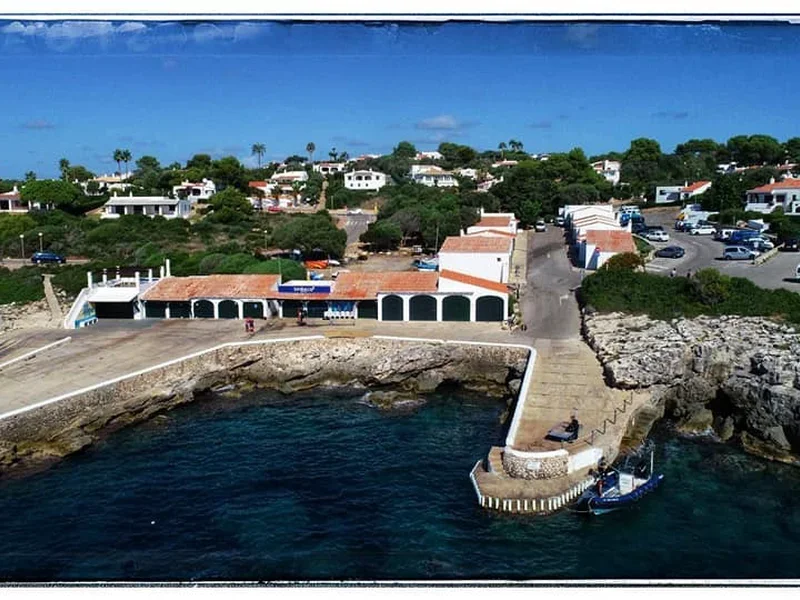
Imagine navigating just ten minutes from Fornells’ harbour to reach La Llosa del Patró Pere, a site that unfolds as a prominent underwater mountain. Divers typically anchor on a large platform before descending towards a terrain elevation that spans from 14 m (46 ft) down to 30 m (100 ft).
A highlight of the dive is passing through a beautiful natural arch, a striking feature near the pinnacle's base, with its bottom estimated at 25 m (82 ft). Often, divers circle the entire rocky mound, combining open sections with intriguing smaller raised areas and crevices. Strong currents, however, can influence the dive plan, sometimes necessitating an out-and-back trajectory to appreciate areas with dramatic backlighting near the platform.
This dynamic environment offers a blend of drift and pinnacle diving, making each exploration unique for certified divers. Underwater topography includes rocky floors interspersed with Neptune grass beds, providing diverse habitats for a variety of marine inhabitants, from small invertebrates to schooling fish. The site's complex layout and potential currents require attentive navigation throughout the dive.
Conditions are Excellent
07:00 - 14:00
Optimal conditions expected
Current conditions near La LLosa del Patró Pere show 27° air, 29° sea temperature, N/A waves, and 5 km/h wind. Forecast data is refreshed regularly to ensure accuracy.
Best Time to Dive
Optimal diving conditions at La Llosa del Patró Pere generally emerge from late spring through early autumn, contrasting sharply with the cooler winter months. From June to September, the air temperatures are consistently warm, averaging between 23.5°C (74°F) and 26.5°C (80°F), creating a pleasant surface environment. Rain chances are notably low during this period, with July seeing minimal rainfall at about 0.28 mm. These months often align with higher dive scores, indicating generally calmer seas and favorable conditions. Conversely, the period from November to March is marked by moderate dive scores, increased wave heights, and cooler air temperatures, typically ranging from 13°C (55°F) to 14°C (57°F). While diving is possible year-round, these colder periods might present more challenging surface conditions. Water temperatures are not consistently reported but generally follow the seasonal air temperature patterns, being warmest in late summer.
PEAK SEASON SCORE
Scores combine air & water temps, waves, wind & rainfall for overall conditions.
BEST MONTHS TO DIVE
Monthly records compiled from satellite and marine observation nodes over the last 3 years. Data provided by Open-Meteo and MET Norway.
Dive Experience & Conditions
A distinctive rocky mound, punctuated by a natural arch, characterizes La Llosa del Patró Pere. Divers can expect to navigate varied environments, from open water segments to small raised areas and deeper crevices. Primarily rocky, the bottom is softened by stretches of Neptune grass. Currents here can be a significant factor, impacting whether a full circuit around the elevation is feasible. Some dives might involve returning along the same path, especially when aiming for the dramatic backlighting visible near the anchoring platform. A medium difficulty dive, it's suitable for those comfortable with varied underwater topography and potential current changes.
Dive Difficulty & Safety Guidelines
Diving La Llosa del Patró Pere requires careful consideration of its conditions. The primary challenge involves navigating strong currents, which can necessitate adjustments to your dive plan. Divers should be prepared to alter their route, potentially performing an out-and-back instead of a full circuit around the pinnacle.
Planning the route according to prevailing currents is crucial for a safe and enjoyable experience. This medium-difficulty dive is well-suited for certified divers holding at least a PADI Open Water Diver certification, with a PADI Advanced Open Water Diver certification further enhancing your preparedness for variable depths and potential drift conditions.
Always dive with a reliable buddy and maintain situational awareness, especially near the arch and during ascents.
Recommended Equipment
Deep dive hazard. Increased narcosis and gas consumption risk.
Current and surface separation risk. Local briefing strongly recommended.
- Dive Computer
- DSMB
- Primary & Backup Lights
- Reel / Spool
This gear list is based on verified equipment signals for La LLosa del Patró Pere, Spain. Always confirm final gear choices with your dive operator, guide, or liveaboard.
Recommended Dive Suit
Dive skin or rash guard is widely used for recreational dives in waters of this temperature. Those diving at La LLosa del Patró Pere today will likely encounter water temperatures in the region of 29°C (85°F). Surface air temperatures are resting at 27°C (80°F).
Forecasts suggest rising temperatures later this week. A warming trend is expected over the next few days.
Water temperatures can occasionally shift throughout the day depending on currents and depth layers.
Emergency & Medical Support
Essential information to help you plan your dive trip to La LLosa del Patró Pere.

Hyperbaric chambers are a critical part of dive safety infrastructure. Availability varies significantly by region, and not all dive areas have immediate access.
Before diving, it's recommended to:
- confirm nearest medical facilities
- check emergency procedures with local dive operators
- ensure dive insurance covers evacuation if required
Divers Alert Network
Diving emergency assistance available through DAN Europe.
+39 0642115685- 24/7 emergency hotline
- Diving medical assistance
- Evacuation coordination
Emergency contacts are provided for reference. Always verify local emergency services before diving.
Closest Listed Hyperbaric Chambers
Showing listed hyperbaric chamber facilities within 200 km of this dive site.
Distances are approximate straight-line distances and may not reflect emergency travel time.
Underwater and Hyperbaric Medicine
Palma de Mallorca, Spain•Approx. 138 km straight-line
Underwater and Hyperbaric Medicine
Information is provided for reference and planning purposes only. Dive Navigator does not verify operational status, staffing, availability, or quality of care at listed facilities. In an emergency, contact local emergency services, DAN, your dive operator, or the chamber directly. Do not travel to a facility without calling ahead.
Marine Life at La LLosa del Patró Pere
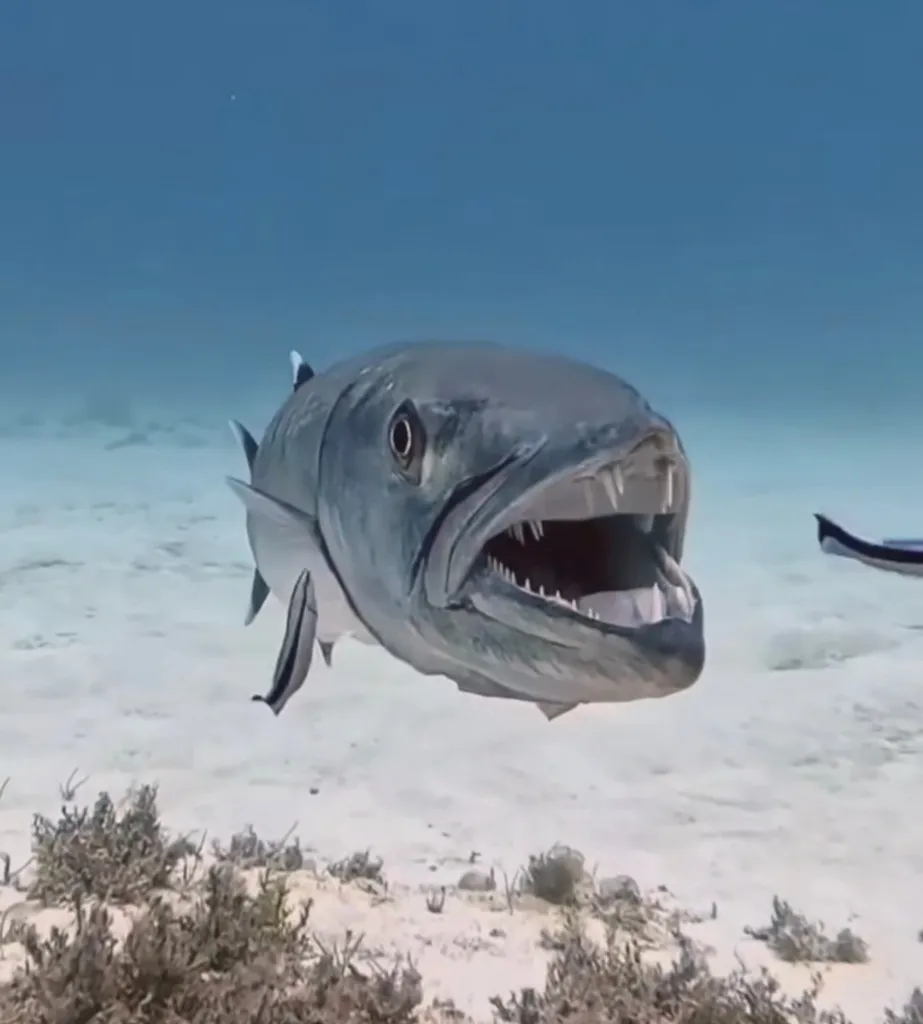
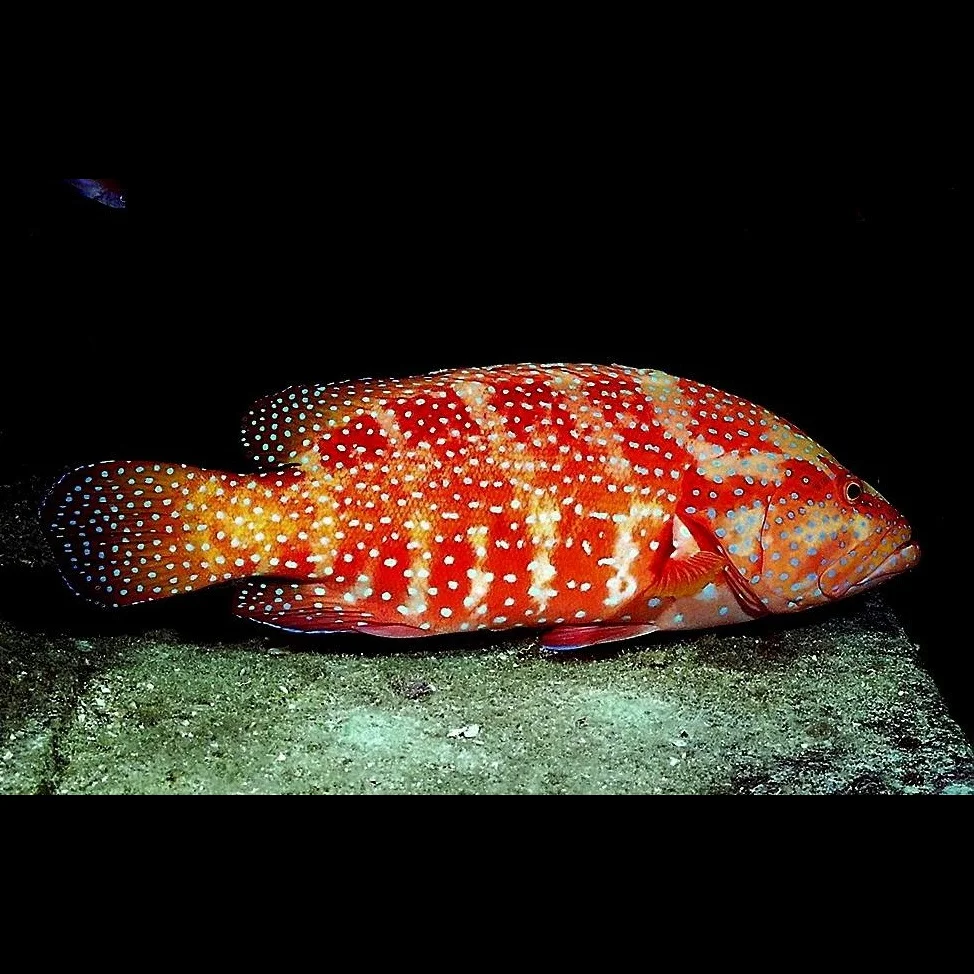
Upon entering the water at La Llosa del Patró Pere, a sheer volume of schooling fish immediately captures attention. Divers often encounter dense banks of barracudas and corbs, while vibrant groups of castañuelas and sargos swarm in shallower zones.
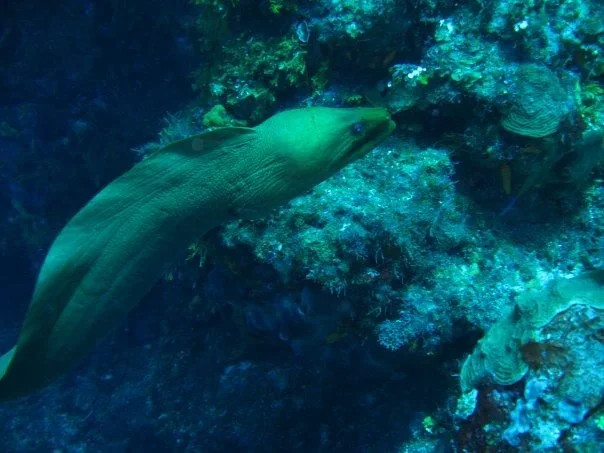
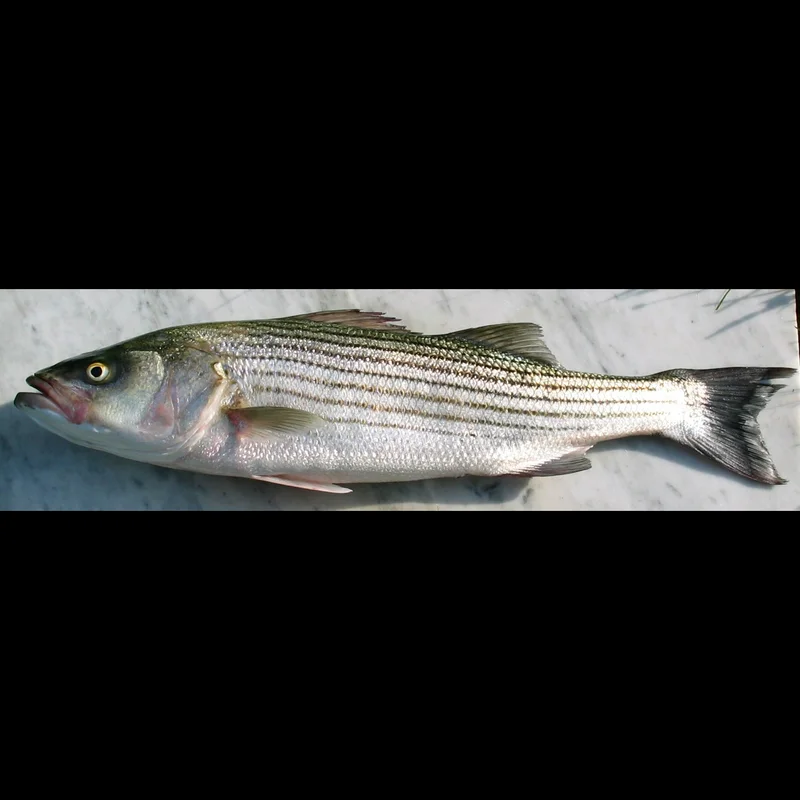
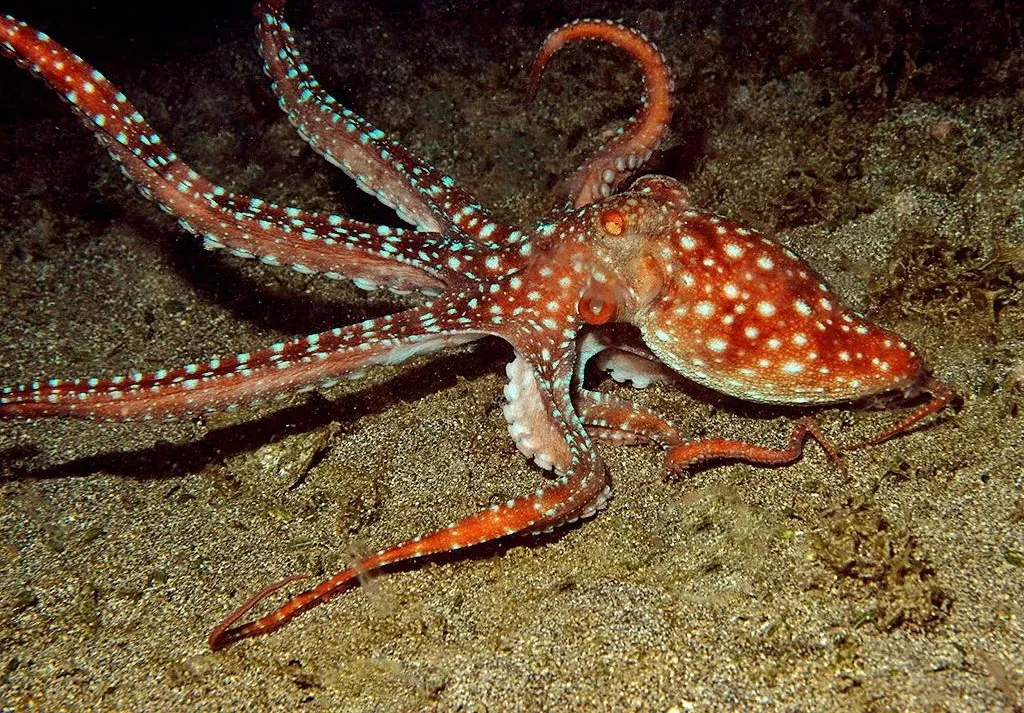
Look closely, and you'll find large octopuses camouflaged within the rocks, alongside elegant nudibranchs and elusive moray eels. Deeper sections of the site frequently reveal impressive groupers and various sea bass.
Depending on the day, gilthead sea bream and sizable dentex might also make an appearance, contributing to a rich tapestry of Mediterranean life present here.
Dive Sites Near La LLosa del Patró Pere
View all dive sites in SpainDiscover more underwater gems in this area.
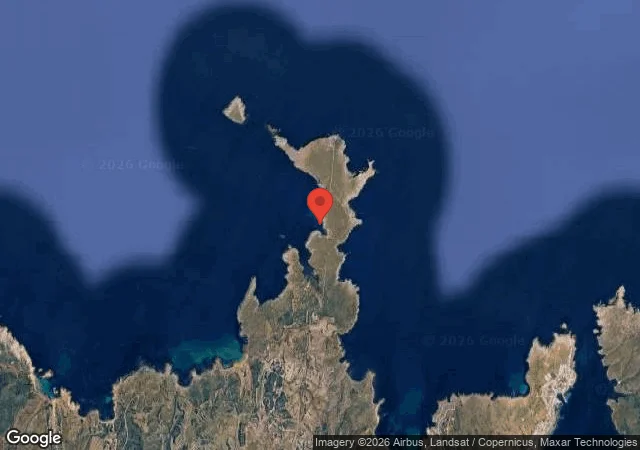
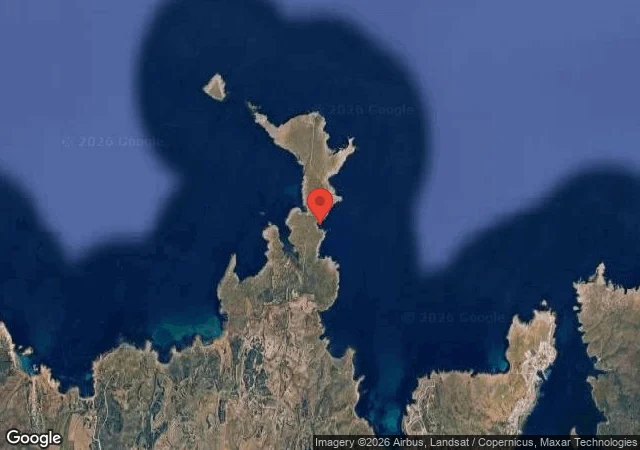
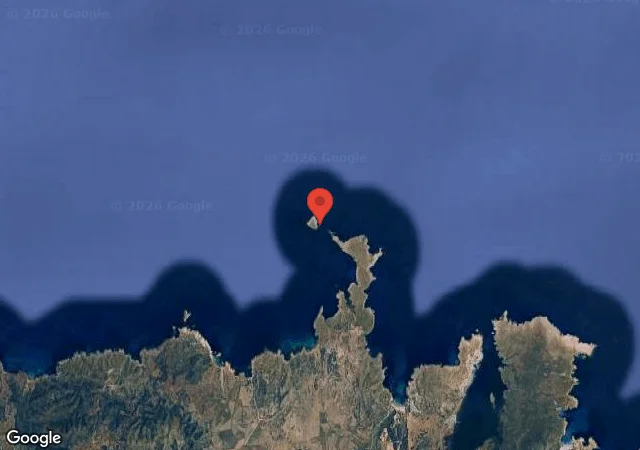
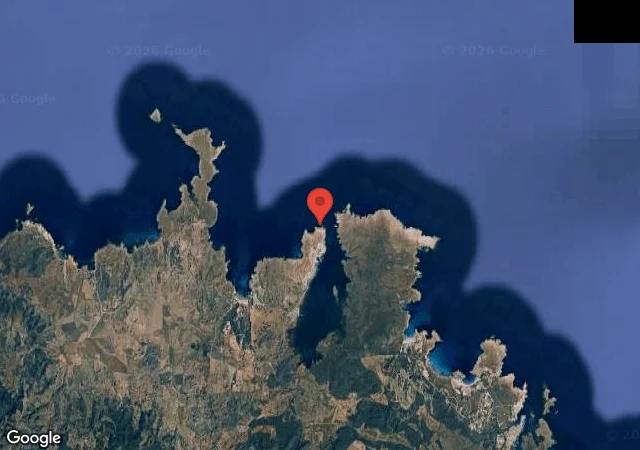
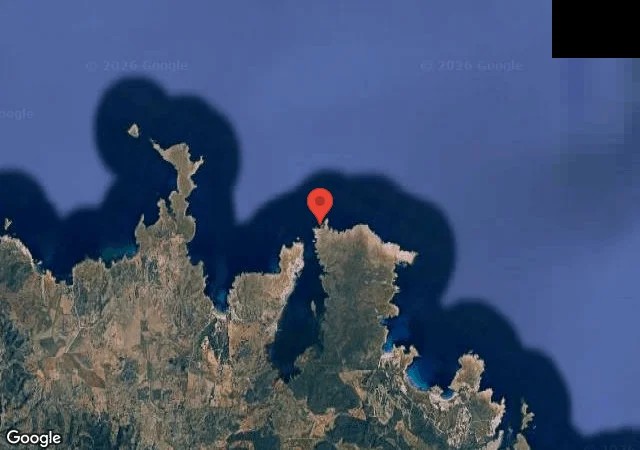
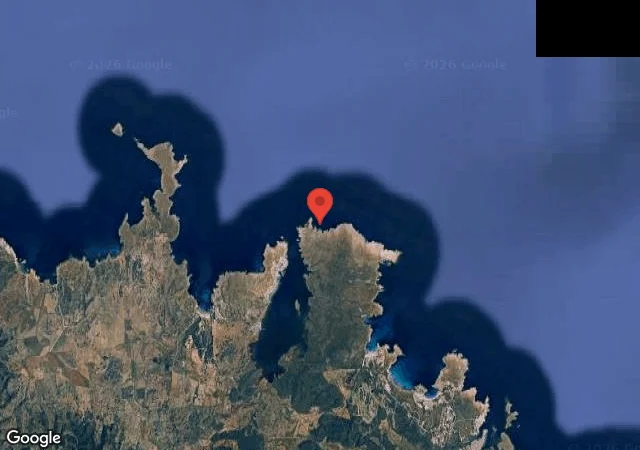
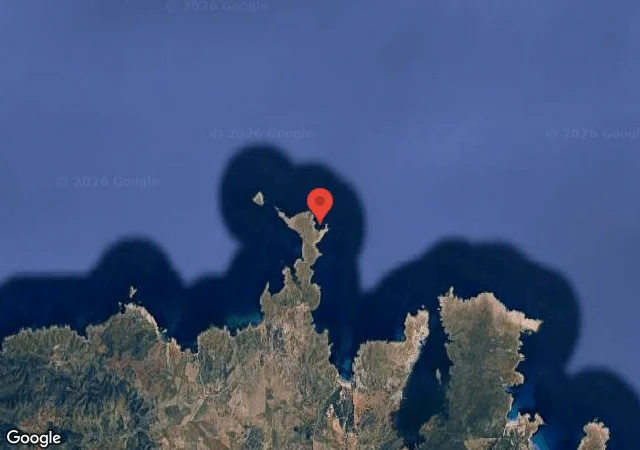
Dive Centers Near La LLosa del Patró Pere
Today: 09:00 - 09:304-6
Nearest Airports
Nearest airports to help plan travel to this dive area.
Search Flights
Check available flights and routes on Expedia, using the nearby airports listed in this section.
Search Flights on ExpediaFrequently Asked Questions
What is the typical depth range for diving at La Llosa del Patró Pere?
Main terrain features at La Llosa del Patró Pere are found between approximately 14 m (46 ft) and a maximum depth of 30 m. A prominent natural arch has its bottom around 25 m, offering a versatile recreational depth experience.
Are there strong currents at this dive site?
Yes, strong currents can be present at La Llosa del Patró Pere. Divers should plan their route accordingly, as currents might affect whether a full circuit around the underwater mound is possible.
What kind of marine life can I expect to see?
Rich Mediterranean marine life can be expected, including large schools of barracudas, corbs, and groupers. Divers often spot octopuses, nudibranchs, moray eels, and various sea bass, along with gilthead sea bream and dentex.
Is the site suitable for beginner divers?
La Llosa del Patró Pere is rated as medium difficulty. While PADI Open Water Diver certification is a minimum, an Advanced Open Water Diver certification is recommended due to potential currents and varied depths.
What are the key underwater features of the site?
A rocky mound with a significant natural arch, approximately 7 meters in diameter, characterizes the site. Features include a rocky floor, areas of Neptune grass, and a combination of open sections and smaller raised areas or crevices.
How do surface conditions vary throughout the year?
Surface conditions are generally best from June to September, with warm air temperatures and minimal rain. Winter months (November to March) are cooler, with higher wave heights and moderate dive scores, making conditions more challenging.
How is the dive typically conducted?
Dives usually start from an anchored platform, descending to the underwater elevation. Depending on currents, divers either circle the entire mound, exploring its features including the arch, or perform an out-and-back dive to appreciate specific views like dramatic backlighting.
Planning to dive La LLosa del Patró Pere?
Send one inquiry and receive offers directly from the best verified local dive operators.
Conditions are Excellent
07:00 - 14:00
Optimal conditions expected
Current conditions near La LLosa del Patró Pere show 27° air, 29° sea temperature, N/A waves, and 5 km/h wind. Forecast data is refreshed regularly to ensure accuracy.