
Diving at Ocean Diver Wreck (Spain)
Descending into Spain's underwater realm, the Ocean Diver wreck presents a distinctive opportunity for certified divers exploring its maritime past. Navigating its structures offers a glimpse into submerged history, resting on a sandy bottom. Dive planning should consider its specific location, often accessible via guided boat trips from nearby dive centers. It provides a focused wreck experience without excessive external distractions.
Tonight's objective overview for Ocean Diver Wreck shows an air temperature of 19.5°C. The measured surface conditions include wave heights around 0.2 m. This environmental data is logged for the close of the day.
Dive Site Location & Key Facts
Dive Site Overview
Ocean Diver wreck primarily offers an exploration of its structural integrity, resting on a sandy seabed. Maximum depth is not consistently reported, but it typically falls within recreational limits, likely around 30 m (100 ft).
Divers approach a vessel that has settled, allowing for a structured tour around its hull and potentially through accessible exterior features. Surrounding sandy expanses can influence visibility and observed marine life. Currents vary depending on local conditions and tidal movements.
Visibility ranges from good to moderate, influenced by weather patterns and any recent sediment disturbance. It serves as an artificial reef, attracting a range of mobile species.
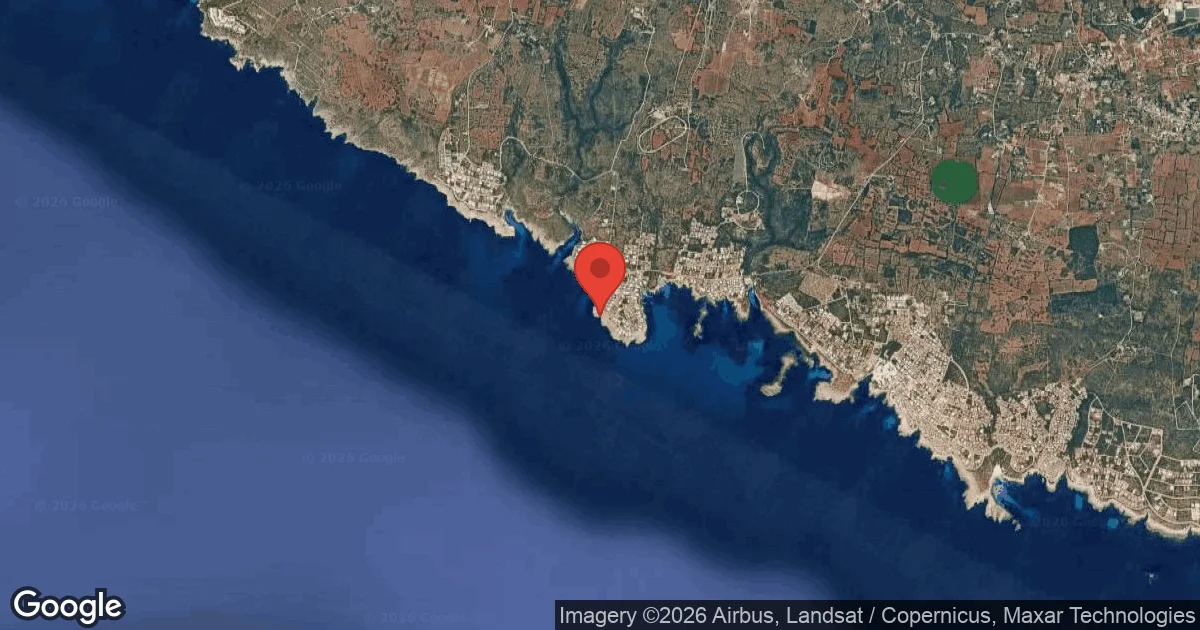
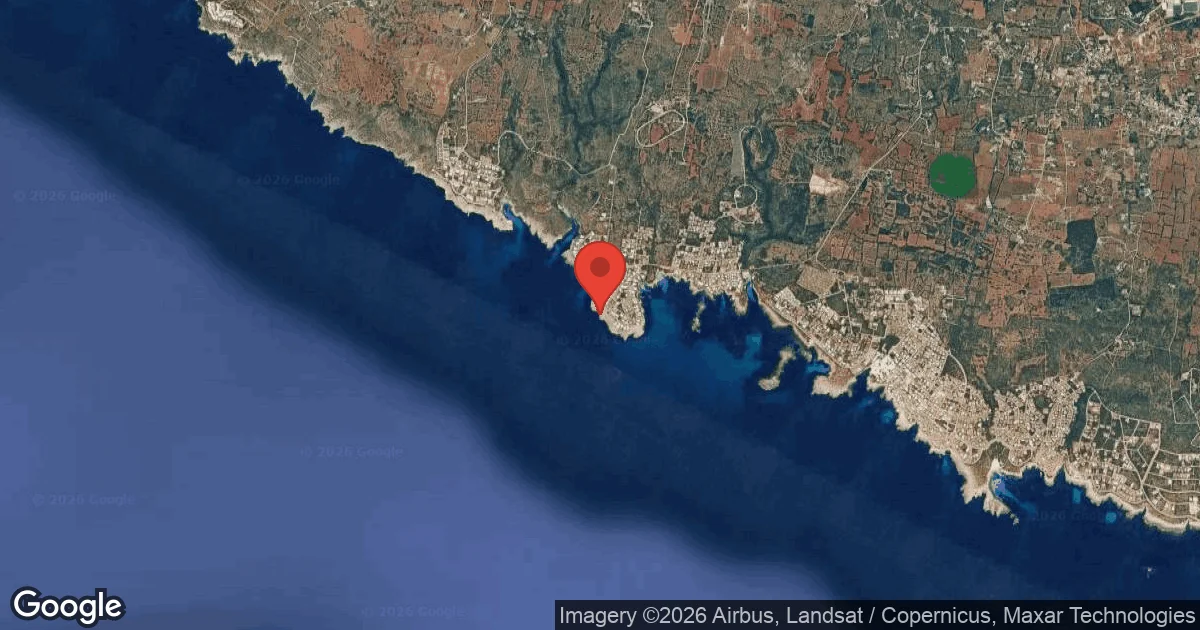
Entry is typically via boat, with operators often offering guided excursions to this site from points along the Spanish coast, such as Santa Ponsa or Port d'Andratx. Preparation for a wreck dive here means understanding basic wreck navigation and buoyancy control to minimize silt disturbance.
Conditions are Excellent
07:00 - 14:00
Optimal conditions expected
Current conditions near Ocean Diver Wreck show 20° air, 27° sea temperature, 0.3 m waves, and 20 km/h wind. Forecast data is refreshed regularly to ensure accuracy.
Best Time to Dive
Most favorable conditions for diving the Ocean Diver wreck typically occur from late spring through early autumn, specifically April to October. During these months, air temperatures are generally comfortable, ranging from 16°C (61°F) in April up to 27°C (81°F) in July, before gradually decreasing. Wave heights are also at their lowest during this period, often below 0.8 meters (2.6 ft), contributing to calmer boat rides and easier entries. Wind speeds remain moderate, averaging below 20 km/h (12.4 mph) for much of this window. While specific water temperature data for the site isn't consistently reported, regional patterns suggest warming significantly through summer months. Winter months, from November to March, present cooler air temperatures and higher average wave heights, sometimes exceeding 1.2 meters (3.9 ft). Rain is minimal year-round. Diving in the warmer months usually provides the most pleasant surface conditions and a stable underwater environment.
PEAK SEASON SCORE
Scores combine air & water temps, waves, wind & rainfall for overall conditions.
BEST MONTHS TO DIVE
Monthly records compiled from satellite and marine observation nodes over the last 3 years. Data provided by Open-Meteo and MET Norway.
Dive Experience & Conditions
Site visibility and prevailing currents define the underwater encounter at the Ocean Diver wreck, where the sensation of history meets the natural progression of an artificial reef. Site visibility can vary, ranging from good to moderate; local conditions like currents and recent weather events influence it directly. Divers should anticipate water temperatures that shift seasonally; while specific data for this site is limited, regional patterns suggest cooler conditions in winter and warmer waters during summer and early autumn. Currents are generally manageable but can become stronger depending on local tides or weather systems. Sandy bottom surrounding the wreck creates potential for silt-out if buoyancy control isn't maintained, emphasizing the need for precision. Distinct points of interest for photography and observation reward careful exploration here.
Dive Difficulty & Safety Guidelines
Primary safety considerations at the Ocean Diver wreck involve careful buoyancy management to prevent disturbing the sandy seabed and minimizing silt. Wreck penetration is not consistently reported as accessible or safe for all divers; unless specifically guided and appropriately trained, external exploration of the wreck is recommended. Always dive within your certification limits and with a qualified buddy.
Currents, while often mild, should be assessed before and during the dive; a surface marker buoy (SMB) is a prudent safety device. Dive operators in Spain, such as those in Santa Ponsa or Port d'Andratx, typically provide thorough briefings on local conditions. Adhere to all local regulations and respect the marine environment.
Recommended Equipment
Overhead / entanglement risk. Wreck penetration requires proper training.
- Dive Computer
- DSMB
- Primary & Backup Lights
- Wreck Reel
- Cutting Tool
This gear list is based on verified equipment signals for Ocean Diver Wreck, Spain. Always confirm final gear choices with your dive operator, guide, or liveaboard.
Recommended Dive Suit
2-3mm shorty or light wetsuit usually provides adequate warmth in water around this temperature. Surface intervals may feel cooler. Water conditions at Ocean Diver Wreck are currently measured at approximately 27°C (81°F). Surface air temperatures are resting at 20°C (67°F).
Forecasts suggest rising temperatures later this week. A warming trend is expected over the next few days.
Conditions can vary slightly across different parts of the same dive site.
Emergency & Medical Support
Essential information to help you plan your dive trip to Ocean Diver wreck.

Hyperbaric chambers are a critical part of dive safety infrastructure. Availability varies significantly by region, and not all dive areas have immediate access.
Before diving, it's recommended to:
- confirm nearest medical facilities
- check emergency procedures with local dive operators
- ensure dive insurance covers evacuation if required
Divers Alert Network
Diving emergency assistance available through DAN Europe.
+39 0642115685- 24/7 emergency hotline
- Diving medical assistance
- Evacuation coordination
Emergency contacts are provided for reference. Always verify local emergency services before diving.
Closest Listed Hyperbaric Chambers
Showing listed hyperbaric chamber facilities within 200 km of this dive site.
Distances are approximate straight-line distances and may not reflect emergency travel time.
Underwater and Hyperbaric Medicine
Palma de Mallorca, Spain•Approx. 127 km straight-line
Underwater and Hyperbaric Medicine
Information is provided for reference and planning purposes only. Dive Navigator does not verify operational status, staffing, availability, or quality of care at listed facilities. In an emergency, contact local emergency services, DAN, your dive operator, or the chamber directly. Do not travel to a facility without calling ahead.
Marine Life at Ocean Diver Wreck
Around the Ocean Diver wreck, a distinct localized habitat supports various marine species drawn to its structure and the surrounding sandy bottom. While specific highlights for this wreck are limited in available data, divers can generally expect to encounter typical Mediterranean reef fish sheltering within its confines.
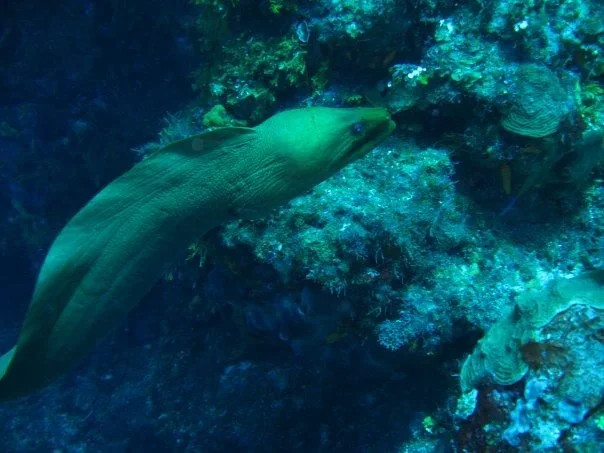
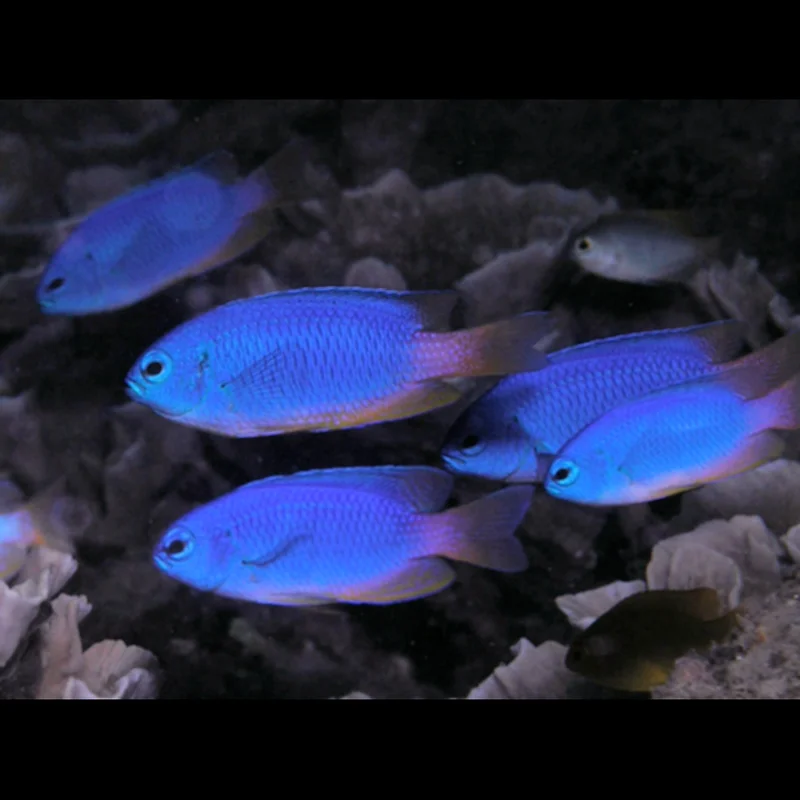
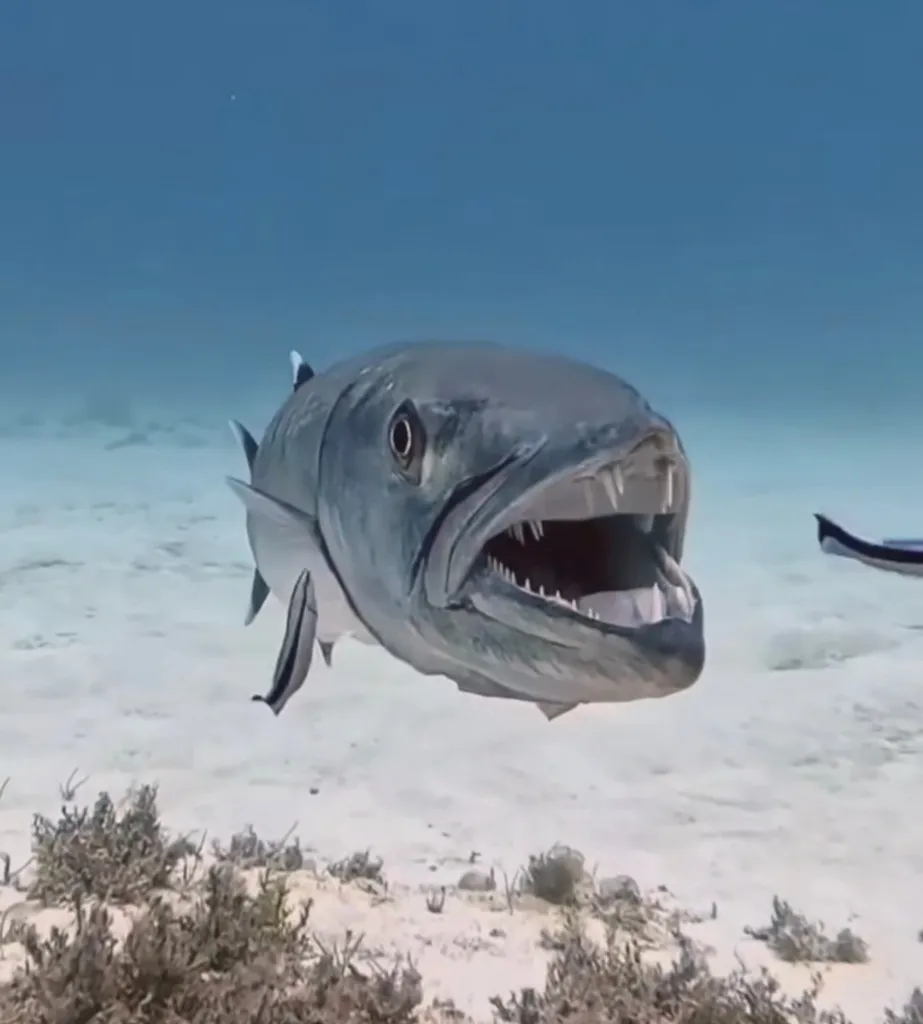
Common sightings might include different species of wrasse, damselfish, or even small schools of barracuda passing by. Octopus and moray eels may reside within crevices, offering interesting observational opportunities.
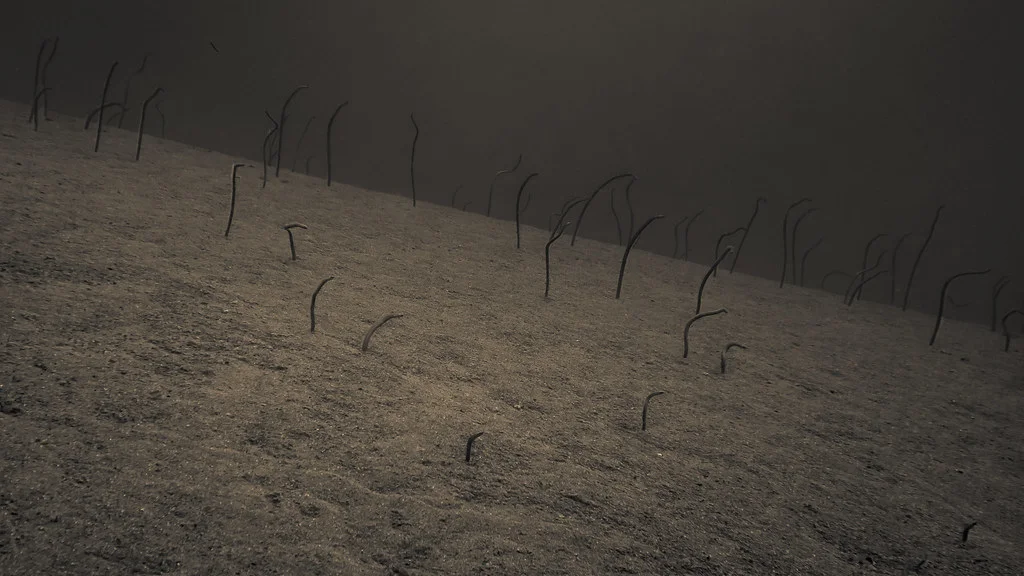
On sandy patches, look for flatfish, garden eels, or crustaceans. Its role as an artificial reef makes it a point of congregation for some pelagic species, which may occasionally visit.
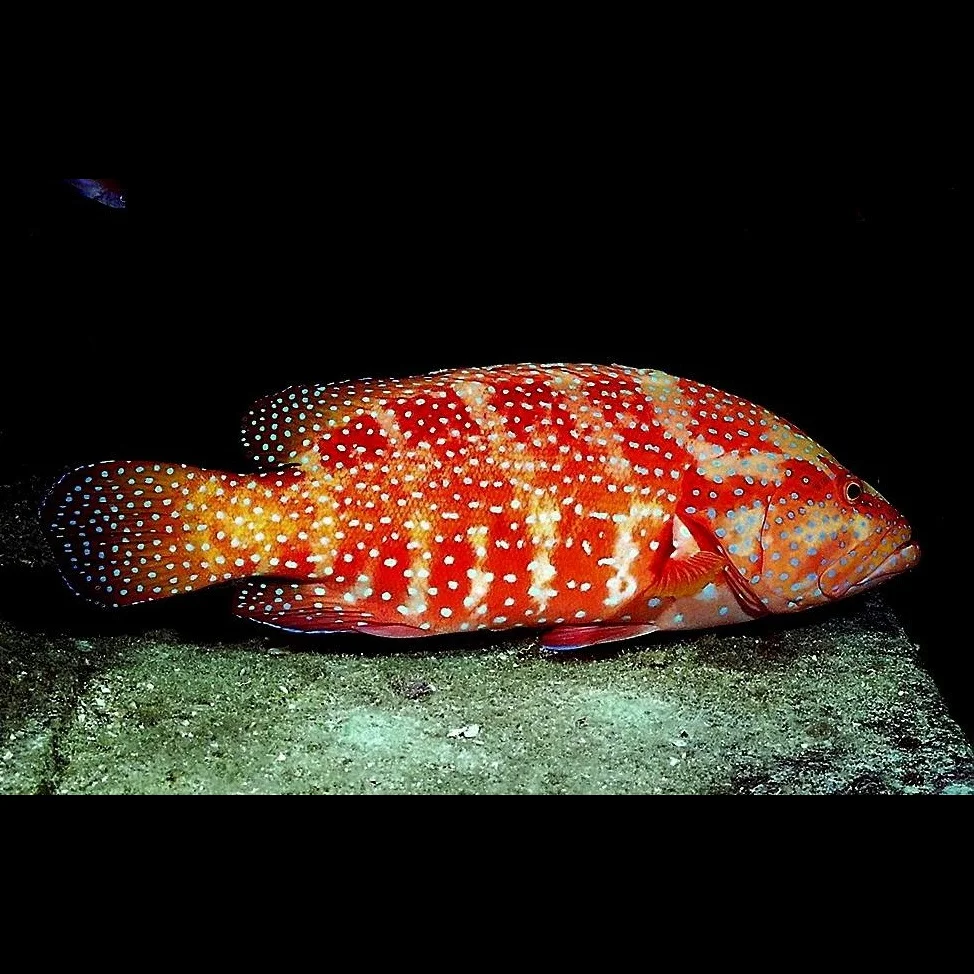
Dive Sites Near Ocean Diver Wreck
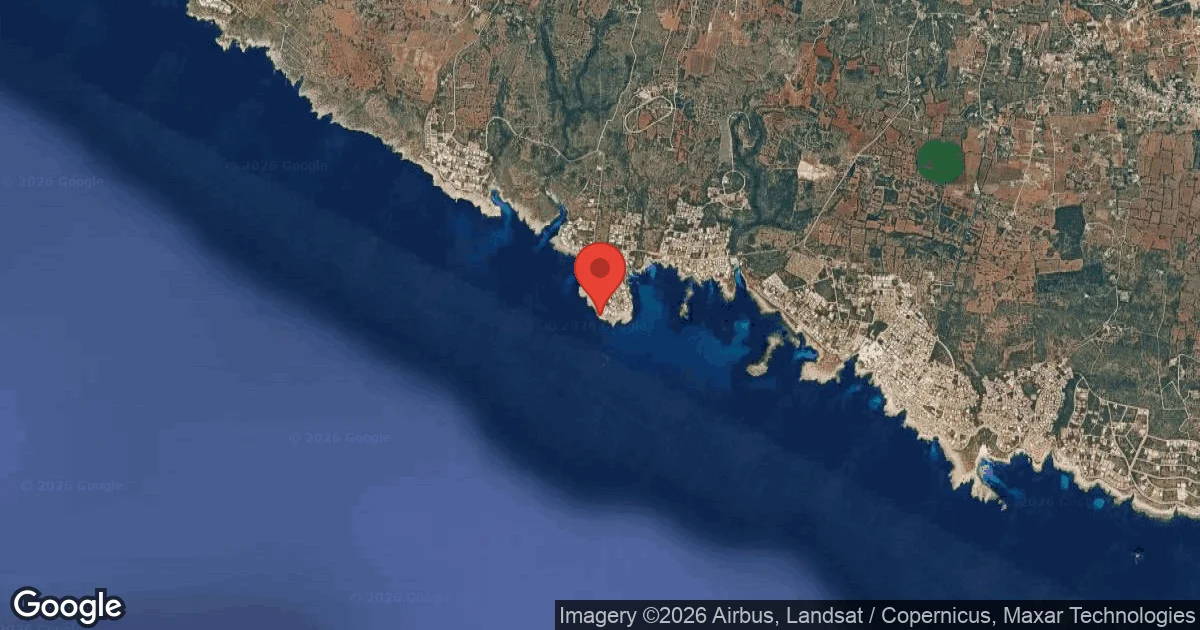
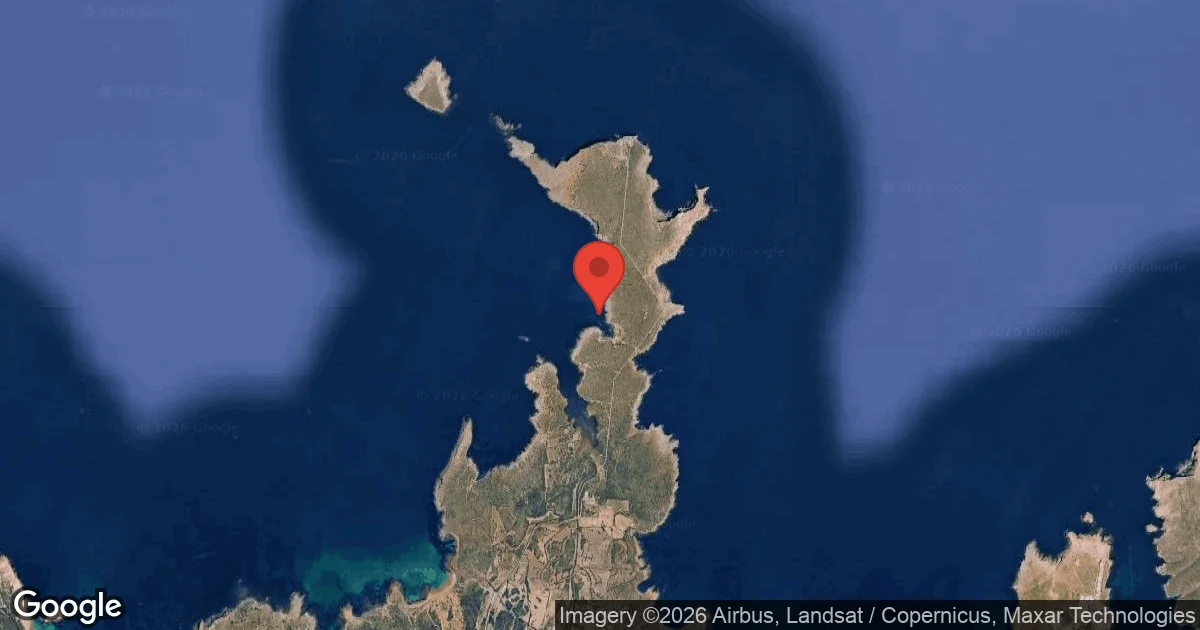
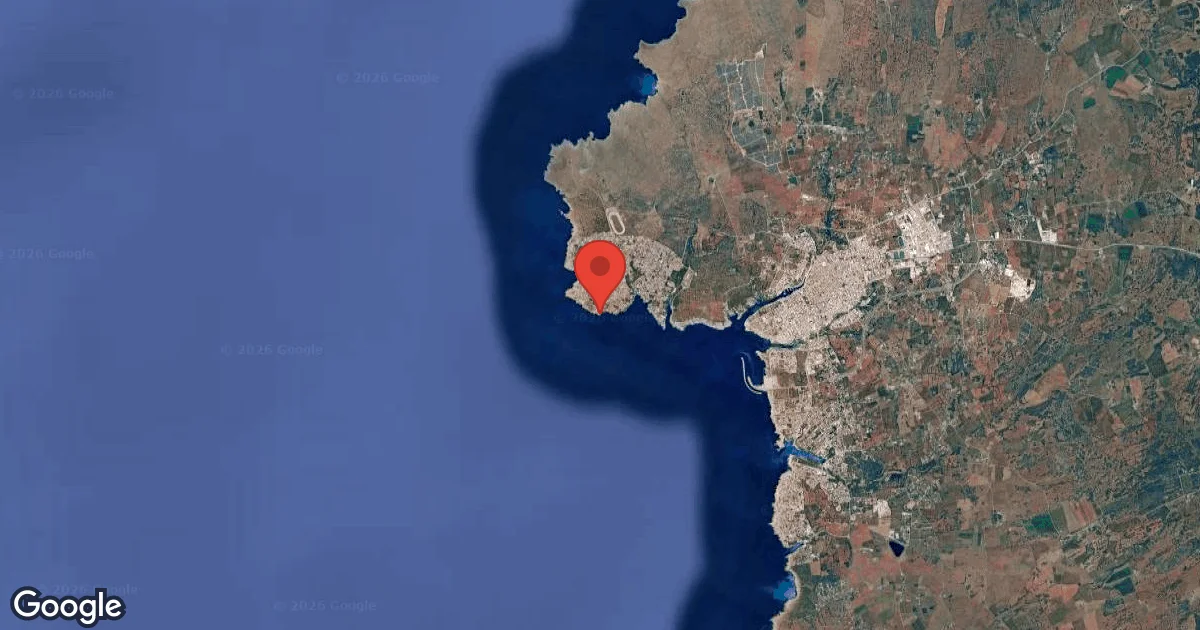
View all dive sites in SpainDiscover more underwater gems in this area.
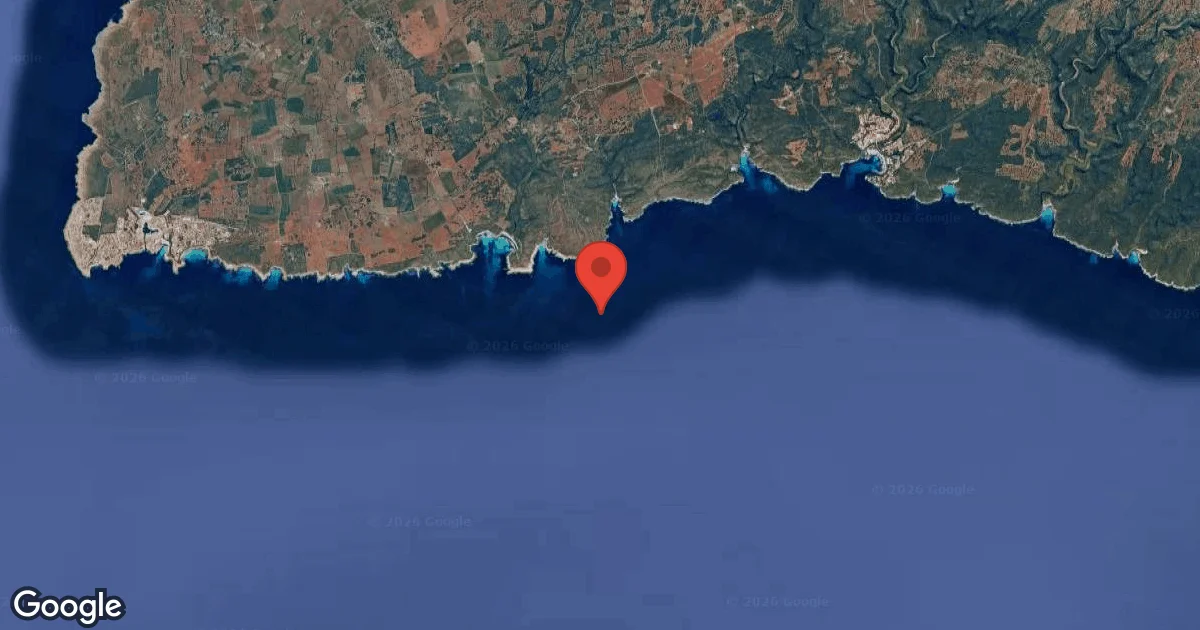
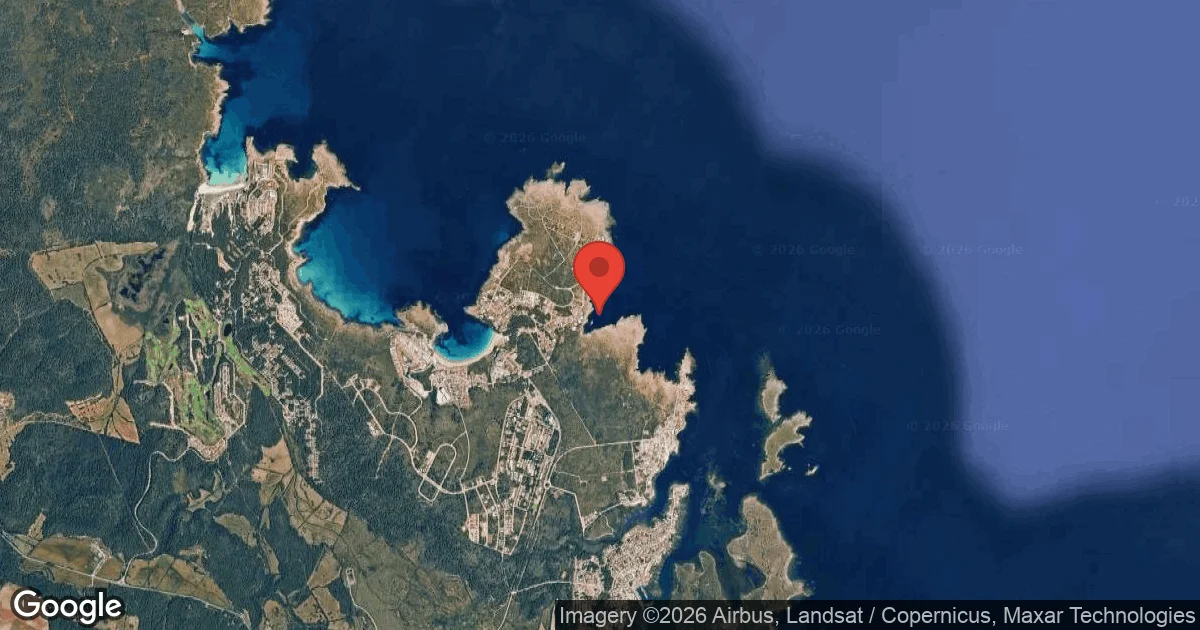
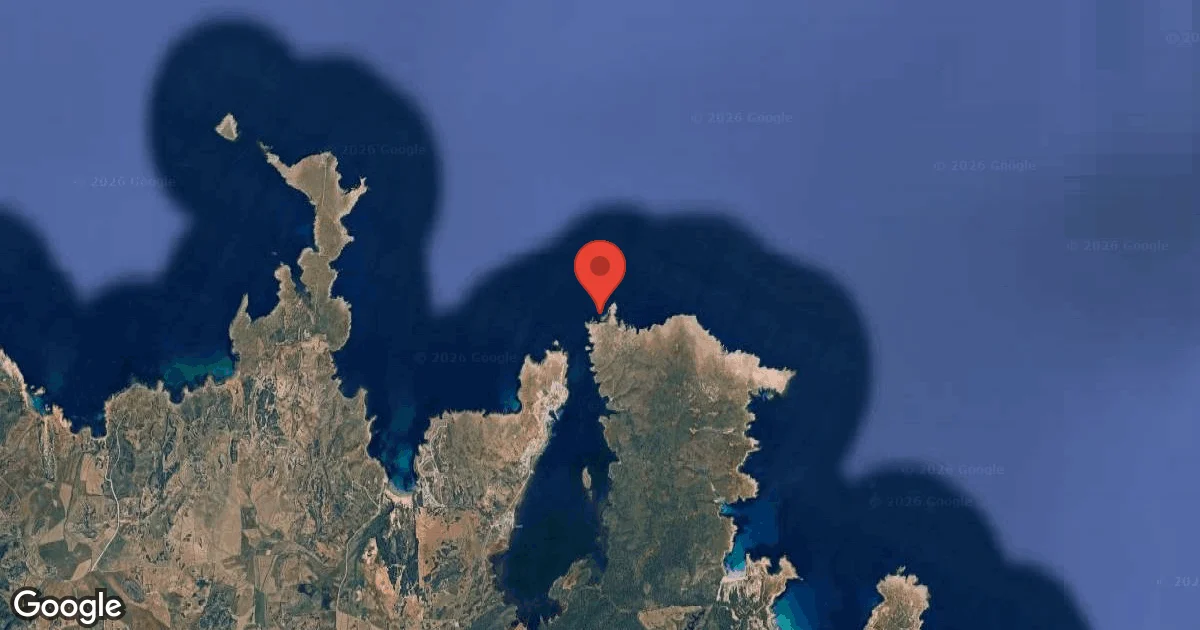
Dive Centers Near Ocean Diver Wreck
Today: 09:00 - 09:304-6
Nearest Airports
Nearest airports to help plan travel to this dive area.
Search Flights
Check available flights and routes on Expedia, using the nearby airports listed in this section.
Search Flights on ExpediaFrequently Asked Questions
What is the maximum depth of the Ocean Diver wreck?
Maximum depth of the Ocean Diver wreck is not consistently reported in detail. However, it typically falls within the recreational diving range, often cited around 30 m (100 ft). This depth makes it generally accessible for advanced open water certified divers.
Is the Ocean Diver wreck suitable for new divers?
While the wreck typically falls within recreational depths, the site involves specific wreck diving considerations. These include managing buoyancy near silt-prone sandy bottoms and navigating around structures. It's generally recommended for divers with advanced open water certification or specific wreck training.
When is the best time of year to dive the Ocean Diver wreck?
The most favorable conditions for diving are usually from late spring through early autumn, specifically April to October. During these months, expect warmer air temperatures, calmer seas, and moderate winds, making for a more comfortable experience.
What kind of marine life can be seen at the wreck?
The Ocean Diver wreck acts as an artificial reef, attracting various Mediterranean species. Divers often observe wrasse, damselfish, and occasional schools of barracuda. Octopus and moray eels may inhabit crevices, while flatfish or garden eels can be found on the surrounding sandy seabed.
Is wreck penetration possible at the Ocean Diver?
Wreck penetration is not consistently reported as accessible or safe for all divers at this site. Unless specifically guided by an experienced instructor and possessing appropriate wreck diver training, external exploration of the wreck is recommended for safety. Always prioritize proper training and guidance for any overhead environment.
What are the typical visibility and current conditions at the site?
Visibility at the Ocean Diver wreck can vary from good to moderate, influenced by local conditions, recent weather, and sediment disturbance. Currents are generally manageable but can occasionally become stronger depending on local tides or specific weather systems, so divers should be prepared.
Planning to dive Ocean Diver Wreck?
Send one inquiry and receive offers directly from the best verified local dive operators.
Conditions are Excellent
07:00 - 14:00
Optimal conditions expected
Current conditions near Ocean Diver Wreck show 20° air, 27° sea temperature, 0.3 m waves, and 20 km/h wind. Forecast data is refreshed regularly to ensure accuracy.