
Diving at Malakoff Wreck (Spain)
Off Ciudadela de Menorca, Spain, Malakoff wreck presents a compelling deep dive. A French freighter, which found its final resting place in 1929, now serves as a significant artificial reef. Lying mostly upright on a sandy bottom, depths range between 30 and 38 meters (100-125 ft); this site is exclusively for experienced and qualified individuals. Its substantial size and depth demand advanced planning and careful execution.
As evening covers Malakoff Wreck, the local air temperature is measured at 22°C. The current wave height at the surface is recorded at 0.4 m. These late-day readings characterize the surface conditions for the night.
Dive Site Location & Key Facts
Dive Site Overview
Exploring Malakoff involves encountering the sunken remains of a French freighter, 'El Malakoff.' This vessel, approximately 110 meters (360 ft) long and 19 meters (62 ft) wide, tragically sank on January 2, 1929. Adverse weather conditions caused it to strike a submerged rock, reportedly leading to its rapid descent within just seven minutes.
Over many decades, the wreck has transformed into a vibrant artificial reef, extensively colonized by marine life. While structures above deck were salvaged and intentionally blown up in the 1950s, the main hull largely remains intact beneath the surface. Divers typically find Malakoff resting upright on a sandy seabed at a maximum depth of around 40 m (130 ft), with the main deck level accessible at approximately 32 m (105 ft).
Navigating around its expansive form reveals a fascinating structure. This historical context adds a significant layer to exploring the encrusted remains, drawing divers into a silent underwater museum and a window into maritime history. Prepare for a substantial deep dive requiring precise execution.
Conditions are Excellent
07:00 - 14:00
Optimal conditions expected
Current conditions near Malakoff Wreck show 22° air, 27° sea temperature, 0.5 m waves, and 26 km/h wind. Forecast data is refreshed regularly to ensure accuracy.
Best Time to Dive
Seasonal planning points to warmer months as ideal for Malakoff wreck expeditions, when conditions are most favorable for deep dives. May through October consistently bring 'Good' dive scores, correlating with higher air temperatures and generally calmer sea states. Air temperatures, for instance, average from 19°C (66°F) in May to 26.5°C (80°F) in July, then gradually decrease to 21°C (70°F) in October. Rainfall is notably low throughout this peak season; July and August experience the least precipitation at around 0.28-0.85 mm. While generally favorable, always check local forecasts. Even with 'Good' dive scores, the site's open nature can lead to varying current and visibility, so flexibility remains key.
PEAK SEASON SCORE
Scores combine air & water temps, waves, wind & rainfall for overall conditions.
BEST MONTHS TO DIVE
Monthly records compiled from satellite and marine observation nodes over the last 3 years. Data provided by Open-Meteo and MET Norway.
Dive Experience & Conditions
As divers begin their descent at Malakoff, a noticeable shift into deeper water occurs, with the wreck gradually materializing. Its substantial structure soon becomes visible. The ship rests upright on a sandy bottom, presenting its full form. Deck access is typically achieved around 32 meters, with parts of the wreck reaching 38-40 meters. This site functions as a flourishing artificial reef, heavily encrusted and densely populated with marine organisms. Visibility can vary, similar to any open water site, but clear days offer impressive views of the entire wreck. Its depth often brings cooler temperatures and potentially stronger currents, necessitating careful buoyancy control and strong situational awareness.
Dive Difficulty & Safety Guidelines
Malakoff wreck diving demands a high level of training and experience due to significant depth and inherent complexities. A site depth range often cited as 30 to 38 meters means it's strictly for experienced, qualified divers. Overhead environments present within the wreck structure pose a key hazard; this necessitates specialized wreck diving training for safe navigation.
Divers must possess robust deep diving skills, excellent buoyancy control, and a thorough understanding of decompression procedures. Always dive with a reliable buddy, maintain situational awareness, and carry appropriate safety equipment.
Respecting the wreck's historical significance and avoiding disturbance to its integrity or marine inhabitants remains paramount.
Recommended Equipment
Deep dive hazard. Increased narcosis and gas consumption risk.
Overhead / entanglement risk. Wreck penetration requires proper training.
- Dive Computer
- DSMB
- Primary & Backup Lights
- Wreck Reel
- Cutting Tool
This gear list is based on verified equipment signals for Malakoff Wreck, Spain. Always confirm final gear choices with your dive operator, guide, or liveaboard.
Recommended Dive Suit
2-3mm shorty or light wetsuit is often considered an appropriate level of exposure protection for conditions like these. Surface intervals may feel cooler.
Divers entering the water at Malakoff Wreck today can expect temperatures near 27°C (81°F) beneath the surface. Surface air temperatures are resting at 22°C (72°F).
Environmental models indicate a modest warming trend ahead. A warming trend is expected over the next few days.
Emergency & Medical Support
Essential information to help you plan your dive trip to Malakoff wreck.

Hyperbaric chambers are a critical part of dive safety infrastructure. Availability varies significantly by region, and not all dive areas have immediate access.
Before diving, it's recommended to:
- confirm nearest medical facilities
- check emergency procedures with local dive operators
- ensure dive insurance covers evacuation if required
Divers Alert Network
Diving emergency assistance available through DAN Europe.
+39 0642115685- 24/7 emergency hotline
- Diving medical assistance
- Evacuation coordination
Emergency contacts are provided for reference. Always verify local emergency services before diving.
Closest Listed Hyperbaric Chambers
Showing listed hyperbaric chamber facilities within 200 km of this dive site.
Distances are approximate straight-line distances and may not reflect emergency travel time.
Underwater and Hyperbaric Medicine
Palma de Mallorca, Spain•Approx. 116 km straight-line
Underwater and Hyperbaric Medicine
Information is provided for reference and planning purposes only. Dive Navigator does not verify operational status, staffing, availability, or quality of care at listed facilities. In an emergency, contact local emergency services, DAN, your dive operator, or the chamber directly. Do not travel to a facility without calling ahead.
Marine Life at Malakoff Wreck
Malakoff wreck has truly blossomed into a vibrant underwater ecosystem, attracting a diverse range of marine inhabitants. Its structures are heavily colonized, providing shelter and hunting grounds for numerous species.
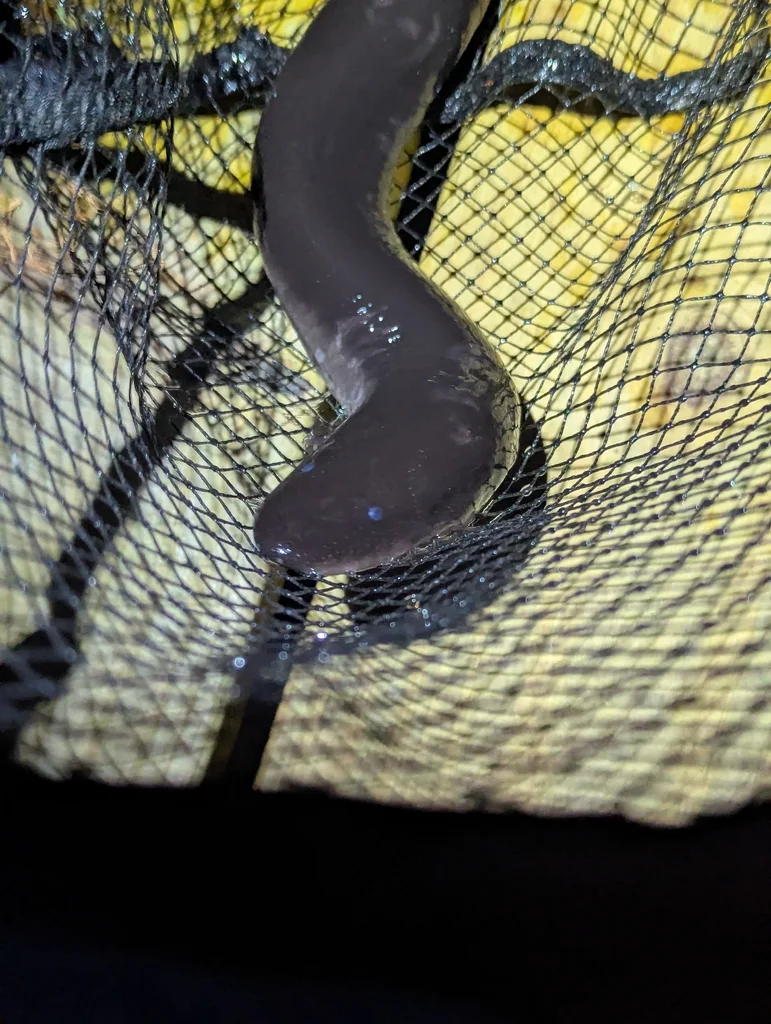
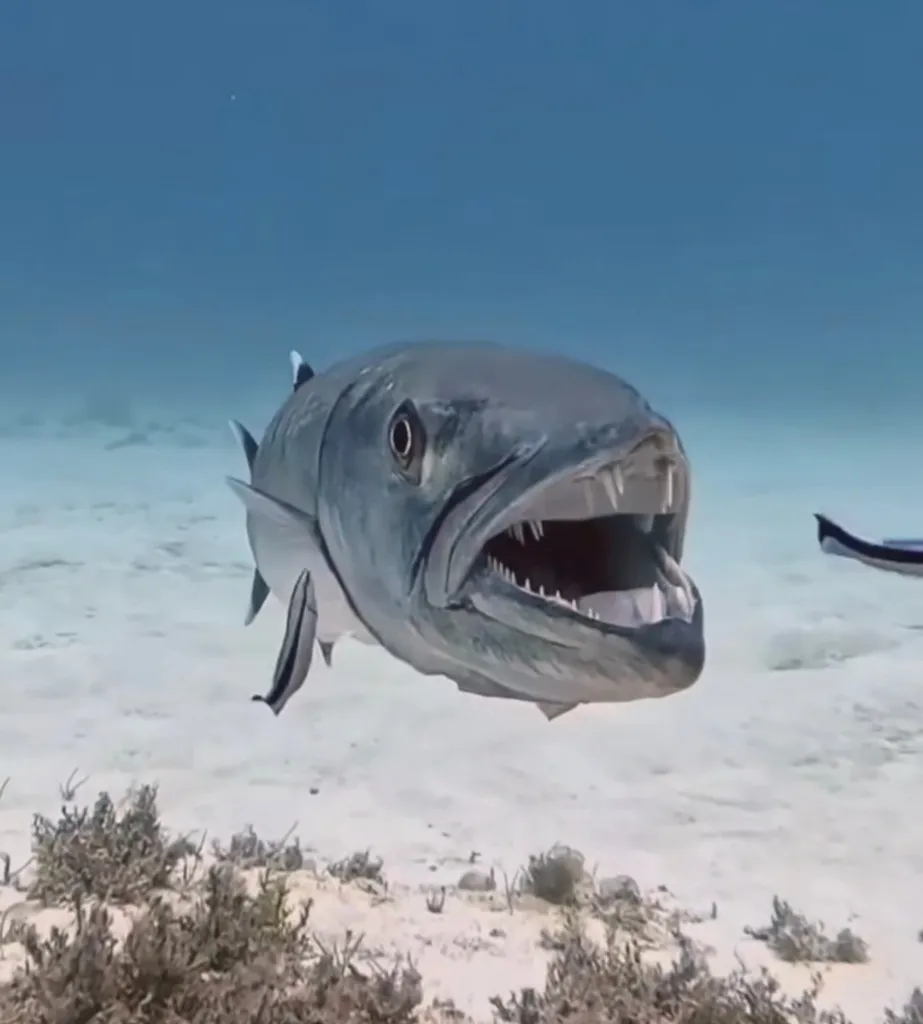
Divers frequently encounter shoals of resident barracudas patrolling the wreck's outline. Inside and around the hull, divers often spot conger eels and large groupers, making homes within crevices and darkened spaces.
Occasionally, some rare species of triggerfish are observed. A deeper location attracts a variety of deep-water pelagics, adding an element of surprise to each dive.

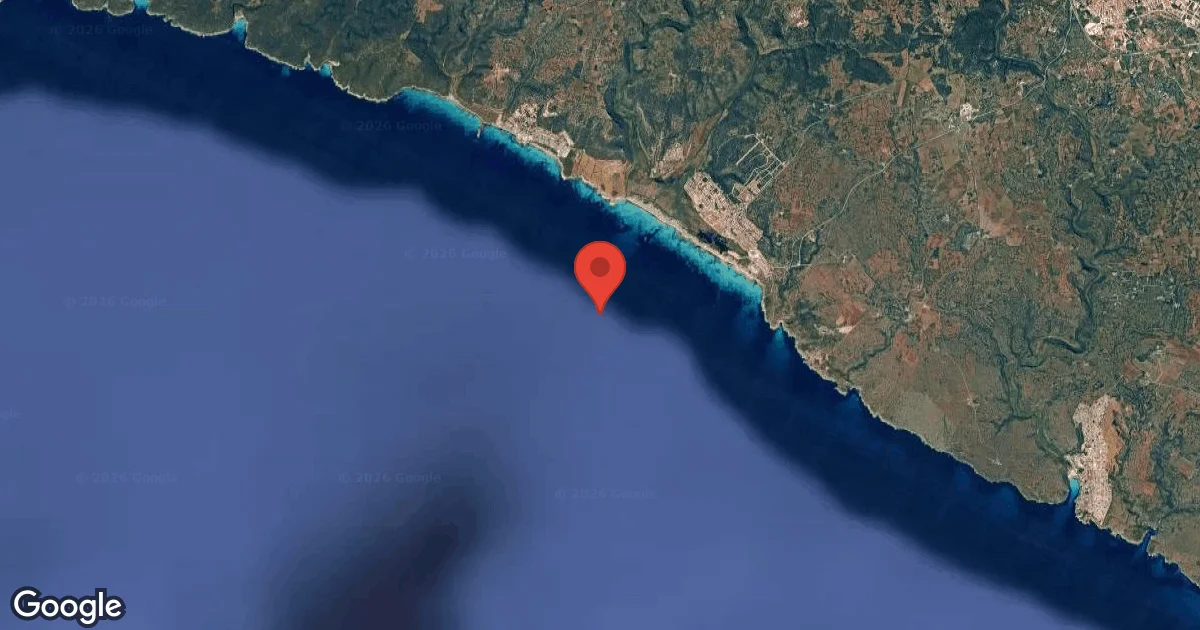
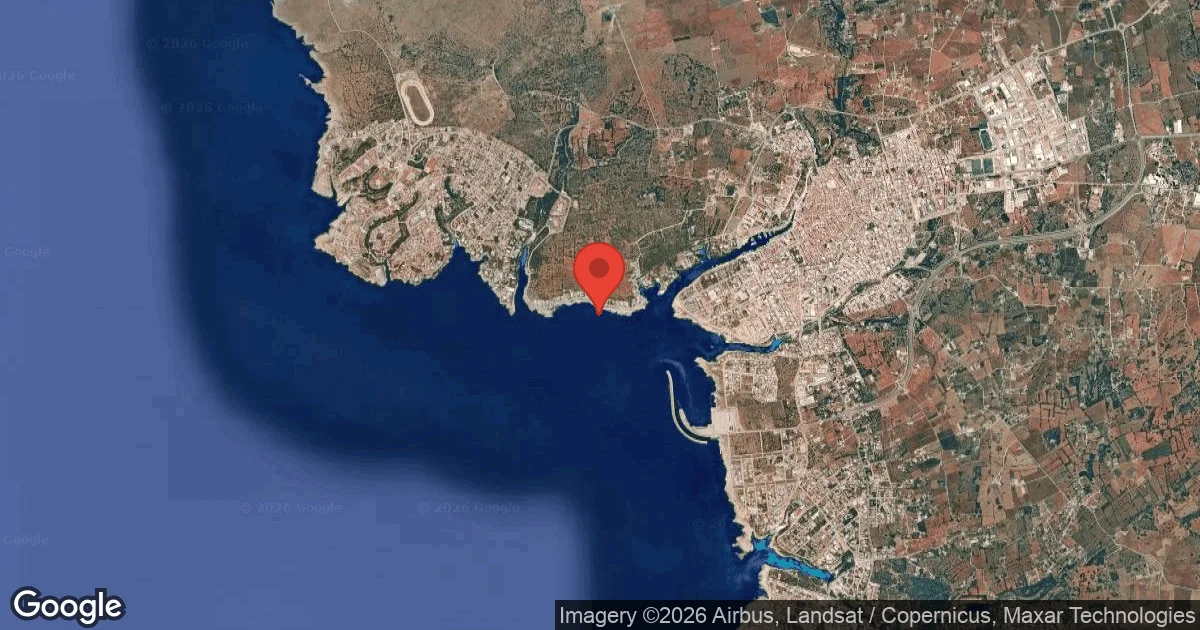
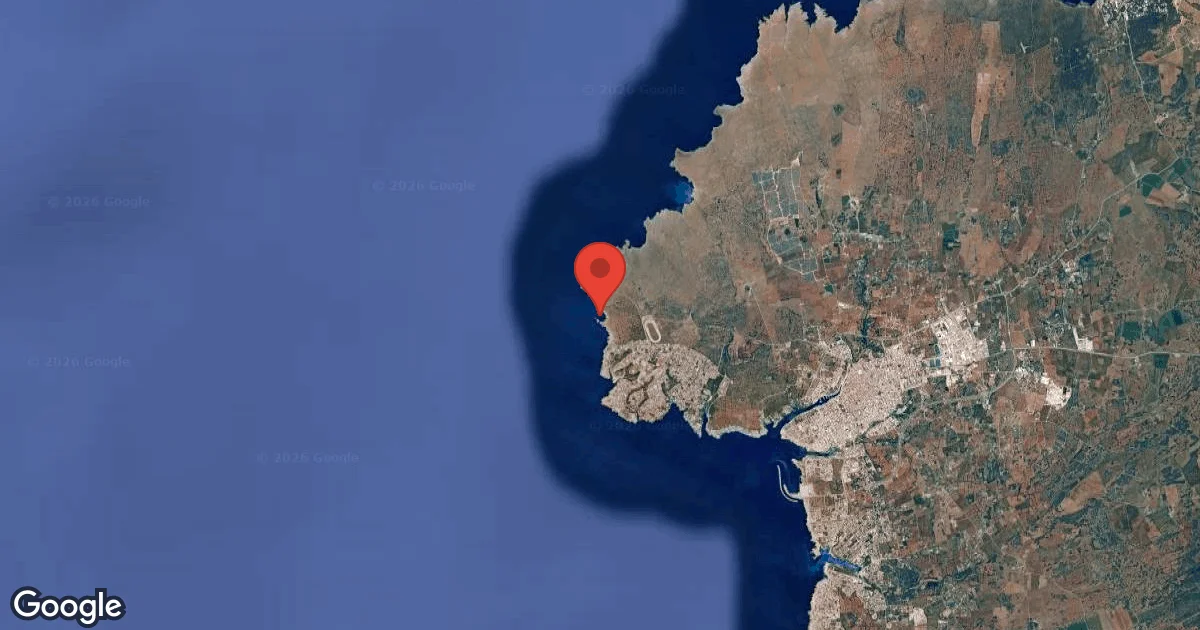
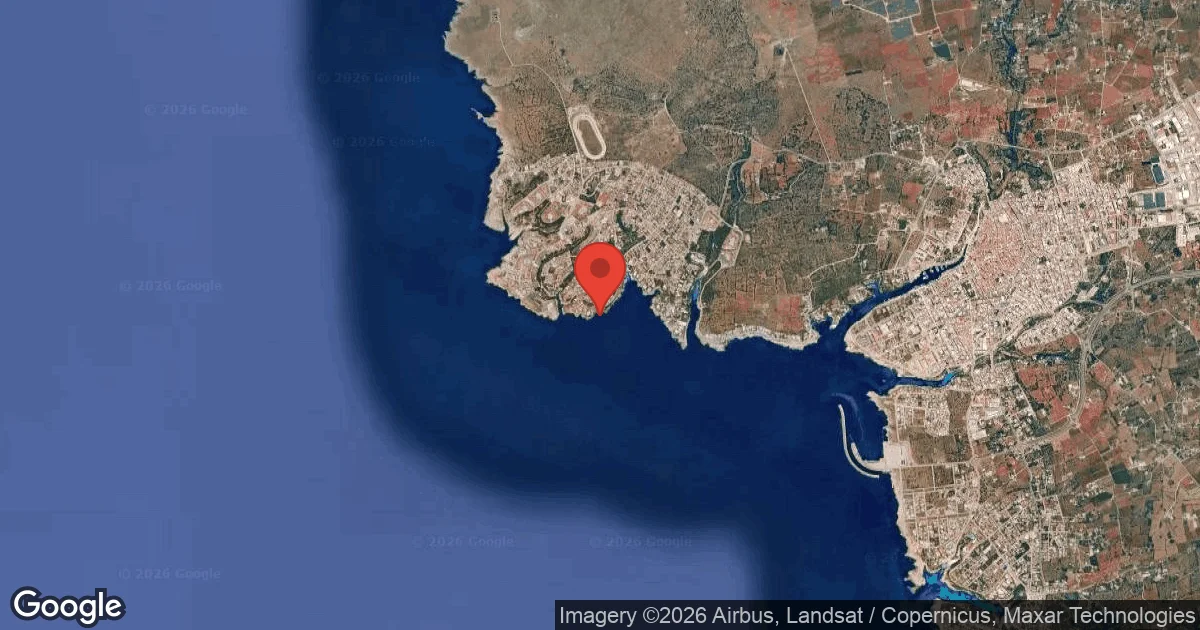
Dive Sites Near Malakoff Wreck
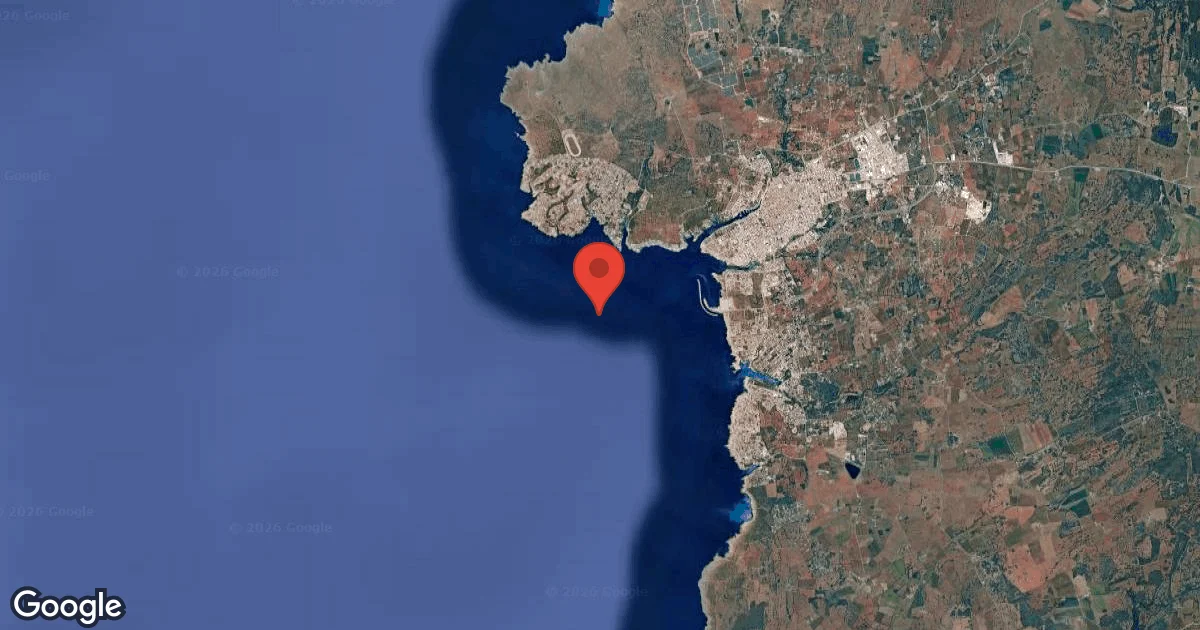
View all dive sites in SpainDiscover more underwater gems in this area.
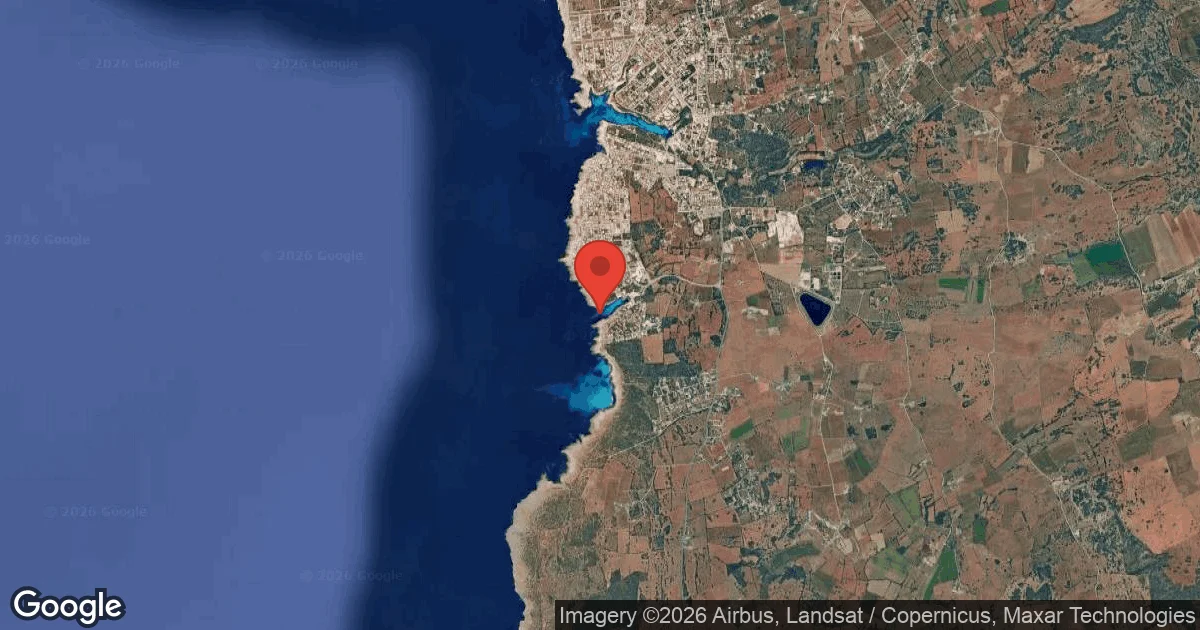
Dive Centers Near Malakoff Wreck
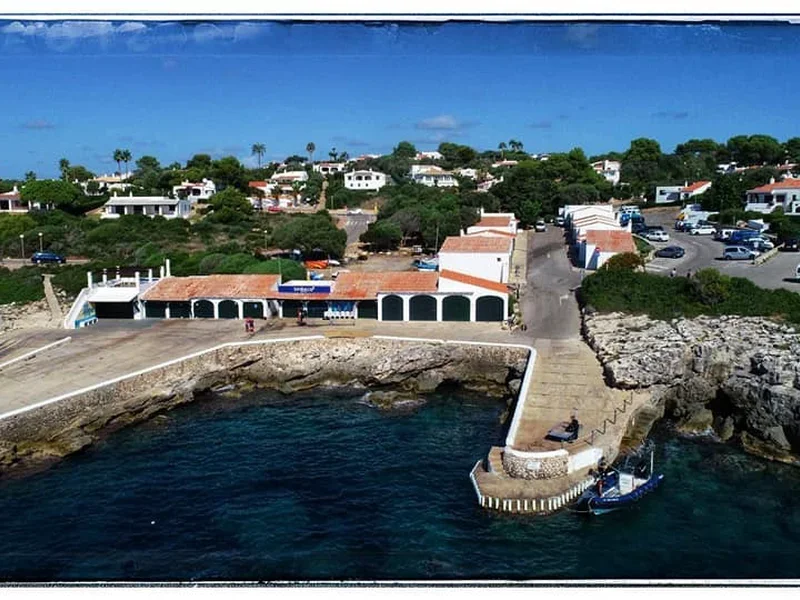
Today: 09:00 - 09:304-6
Nearest Airports
Nearest airports to help plan travel to this dive area.
Search Flights
Check available flights and routes on Expedia, using the nearby airports listed in this section.
Search Flights on ExpediaFrequently Asked Questions
What type of ship was the Malakoff?
Malakoff was a French-owned cargo steamer, or freighter. It measured approximately 110 meters (360 ft) long and 19 meters (62 ft) wide before sinking.
When did the Malakoff wreck sink and why?
Malakoff sank on January 2, 1929. A submerged rock formation, struck during bad weather, led to its rapid sinking in seven minutes.
What is the typical depth range for diving the Malakoff wreck?
Resting on a sandy bottom, Malakoff's wreck lies between 30 and 38 meters. Its deck level is found at approximately 32 meters.
Is the Malakoff wreck suitable for beginner divers?
No, Malakoff wreck is not suitable for beginner divers. Its significant depth and presence of overhead environments mean it's exclusively recommended for experienced, qualified individuals.
What kind of marine life can be observed at the Malakoff wreck?
Malakoff wreck supports a variety of marine life, including resident barracudas, conger eels, and groupers. Divers may also spot rarer species of triggerfish and various deep-water pelagics attracted to the artificial reef.
Are there any specific hazards to be aware of when diving the Malakoff?
Primary hazards at Malakoff wreck include its depth and the presence of an overhead environment. Divers require specialized training and excellent buoyancy control to safely explore this site.
Planning to dive Malakoff Wreck?
Send one inquiry and receive offers directly from the best verified local dive operators.
Conditions are Excellent
07:00 - 14:00
Optimal conditions expected
Current conditions near Malakoff Wreck show 22° air, 27° sea temperature, 0.5 m waves, and 26 km/h wind. Forecast data is refreshed regularly to ensure accuracy.