
Diving at Fossil Cave / Els Fossils (Spain)
Fossil Cave / Els Fossils challenges divers with its unique underwater landscape, revealing a narrow letterbox entrance at 14 meters (45 ft). Once inside, the passage opens into a substantial chamber. This distinct environment is characterized by ancient marine fossils embedded in the ceiling, a testament to Mallorca’s geological past.
As evening covers Fossil Cave / Els Fossils, the local air temperature is measured at 25.5°C. The current wave height at the surface is recorded at 0.5 m. These late-day readings characterize the surface conditions for the night.
Dive Site Location & Key Facts
Dive Site Overview
Initiating a dive at Fossil Cave requires precision and experience; its entrance isn't consistently visible. Divers locate a 'letterbox' opening at approximately 14 meters (45 ft) beneath an overhang, marking the start of a true overhead environment.
Passing through this confined space, a reel and line are essential tools for navigating the initial section and ensuring a clear path for exit. Beyond the entry, the cave expands into a spacious chamber, offering ample room for exploration once inside. Water conditions here tend to be remarkably clear, often showcasing excellent visibility.
As divers ascend slightly within the chamber, a freshwater halocline becomes apparent, signaling the presence of a small air pocket where surfacing is possible. Numerous fossils visible in the chamber's ceiling give the site its name, offering a tangible connection to Mallorca's prehistoric marine life and geological past.
The dive reaches a maximum depth of 20 meters (65 ft), placing it firmly within recreational limits but demanding advanced skills due to the nature of the entry and overhead environment. Preparing for reduced light and potential temperature shifts near the halocline is also prudent.
Conditions are Excellent
07:00 - 14:00
Optimal conditions expected
Current conditions near Fossil Cave / Els Fossils show 25° air, 27° sea temperature, 0.4 m waves, and 24 km/h wind. Forecast data is refreshed regularly to ensure accuracy.
Best Time to Dive
Planning a dive at Fossil Cave often yields the most favorable conditions during the warmer months, particularly from June through September, when dive scores consistently rank as 'Good'. Air temperatures during this period typically range from 23-26°C (73-79°F), with minimal rainfall, often below 0.5 mm per month. Conversely, the colder months, such as January, present a 'Moderate' dive score, with air temperatures around 13°C (55°F) and an increase in wave height, potentially impacting boat entry and overall comfort. While diving is possible year-round, conditions in late spring and early autumn also provide a good balance, with air temperatures in May and October averaging 18-21°C (65-70°F) and generally lower wave activity compared to winter.
PEAK SEASON SCORE
Scores combine air & water temps, waves, wind & rainfall for overall conditions.
BEST MONTHS TO DIVE
Monthly records compiled from satellite and marine observation nodes over the last 3 years. Data provided by Open-Meteo and MET Norway.
Dive Experience & Conditions
This dive site is reserved for very experienced divers, primarily due to the unique entry characteristics. The dive begins at 14 meters (45 ft) where divers must locate and navigate through a constricted 'letterbox' entrance. Within the larger chamber, exploration remains within recreational depth limits, with the deepest sections reaching around 20 meters. Water clarity inside the main chamber is often exceptional. A notable feature is the freshwater halocline encountered when ascending towards the air pocket, which can create interesting visual distortions as saline water mixes with fresh. Divers should anticipate a controlled descent and ascent, with careful buoyancy management crucial throughout the dive.
Dive Difficulty & Safety Guidelines
Fossil Cave is considered suitable only for very experienced divers due to its challenging entry and the nature of overhead environments. The cave entrance is not always visible from the outside, demanding advanced navigation skills and disciplined adherence to cave diving protocols. It's imperative to use a reel and a guideline from the entrance, through the letterbox, and into the main chamber to prevent disorientation and ensure a safe exit path.
Maintaining excellent buoyancy control is non-negotiable within the confined entry and throughout the chamber to avoid silting and damaging the delicate fossil formations. Always dive with a qualified guide familiar with the site.
Recommended Equipment
Overhead environment. Do not enter beyond training and gas planning limits.
- Dive Computer
- DSMB
- Primary & Backup Lights
- Reel / Spool
- Cutting Tool
This gear list is based on verified equipment signals for Fossil Cave / Els Fossils, Spain. Always confirm final gear choices with your dive operator, guide, or liveaboard.
Recommended Dive Suit
2-3mm shorty or light wetsuit is frequently recommended by dive operators for conditions like these. A hood or vest is suggested for sensitive divers due to surface winds. Those diving at Fossil Cave / Els Fossils today will likely encounter water temperatures in the region of 27°C (81°F). Surface air temperatures are resting at 25°C (78°F).
Forecasts suggest rising temperatures later this week. A warming trend is expected over the next few days.
Even small thermoclines can occasionally cause noticeable changes in water temperature.
Emergency & Medical Support
Essential information to help you plan your dive trip to Fossil Cave / Els Fossils.

Hyperbaric chambers are a critical part of dive safety infrastructure. Availability varies significantly by region, and not all dive areas have immediate access.
Before diving, it's recommended to:
- confirm nearest medical facilities
- check emergency procedures with local dive operators
- ensure dive insurance covers evacuation if required
Divers Alert Network
Diving emergency assistance available through DAN Europe.
+39 0642115685- 24/7 emergency hotline
- Diving medical assistance
- Evacuation coordination
Emergency contacts are provided for reference. Always verify local emergency services before diving.
Closest Listed Hyperbaric Chambers
Showing listed hyperbaric chamber facilities within 200 km of this dive site.
Distances are approximate straight-line distances and may not reflect emergency travel time.
Underwater and Hyperbaric Medicine
Palma de Mallorca, Spain•Approx. 138 km straight-line
Underwater and Hyperbaric Medicine
Information is provided for reference and planning purposes only. Dive Navigator does not verify operational status, staffing, availability, or quality of care at listed facilities. In an emergency, contact local emergency services, DAN, your dive operator, or the chamber directly. Do not travel to a facility without calling ahead.
Marine Life at Fossil Cave / Els Fossils
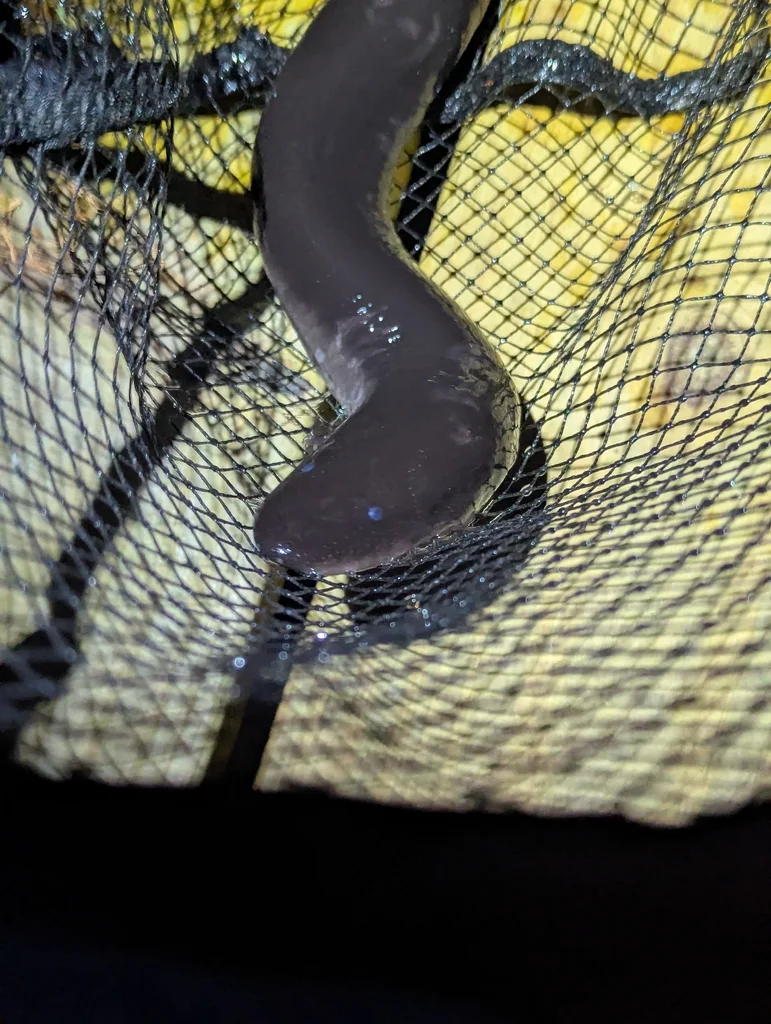
Beyond its geological intrigue, Fossil Cave hosts a resident population of two large conger eels within its depths. These impressive creatures often can be spotted by observant divers as they exit the main chamber. While not abundantly rich in diverse marine species, the specific presence of these eels adds a dynamic element to the cave's otherwise fossil-dominated environment.

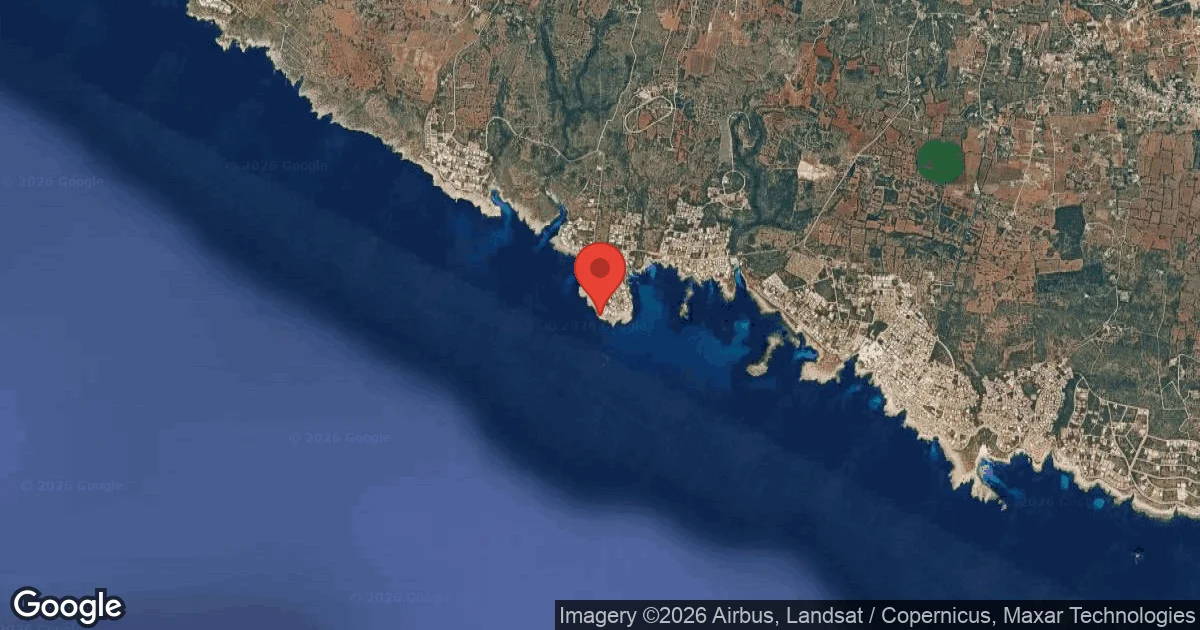
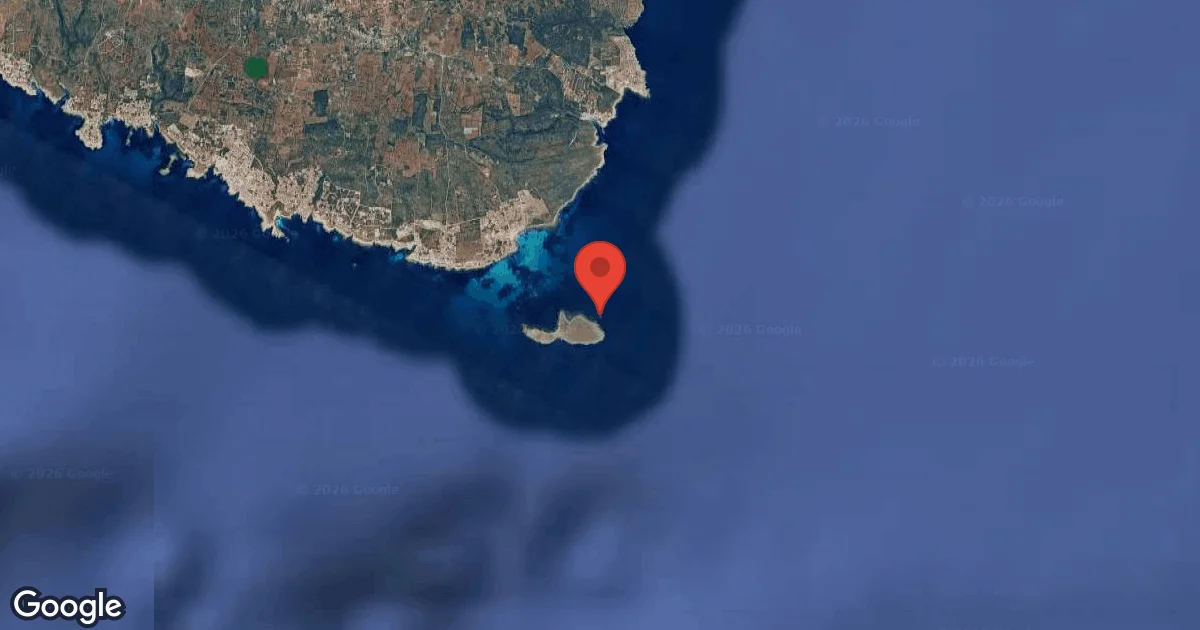
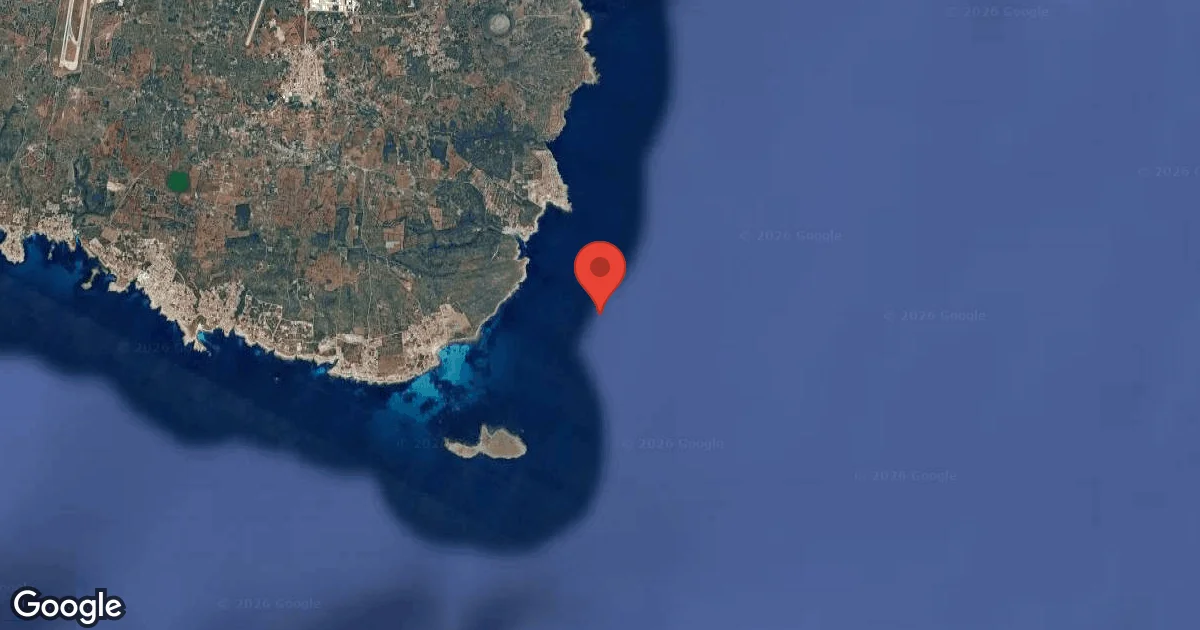
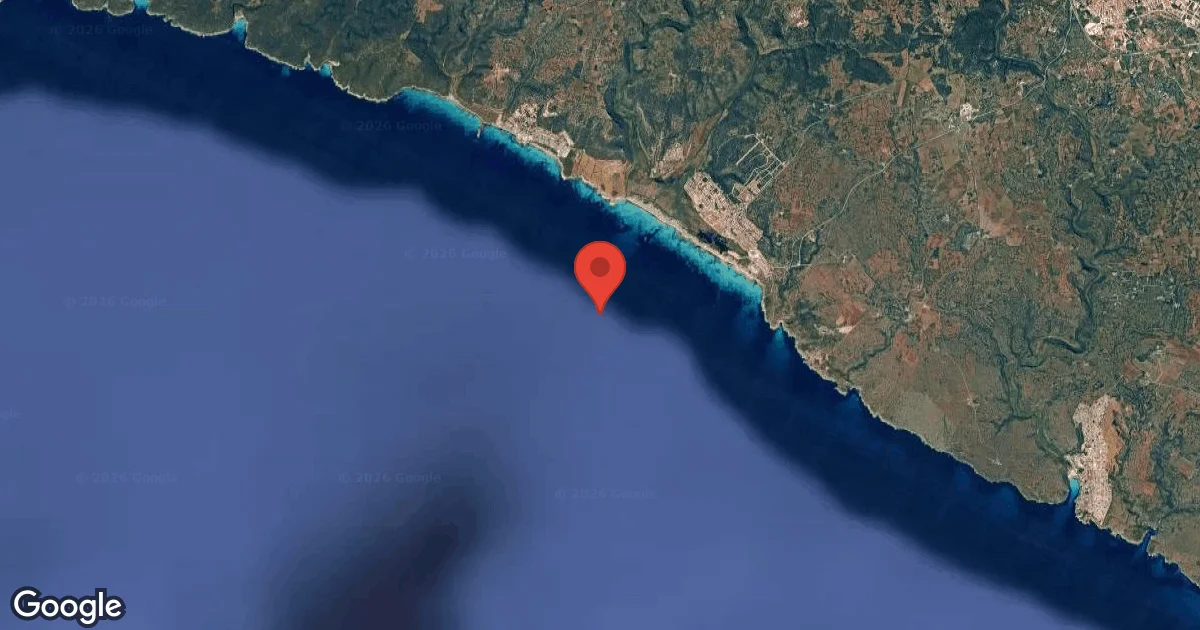
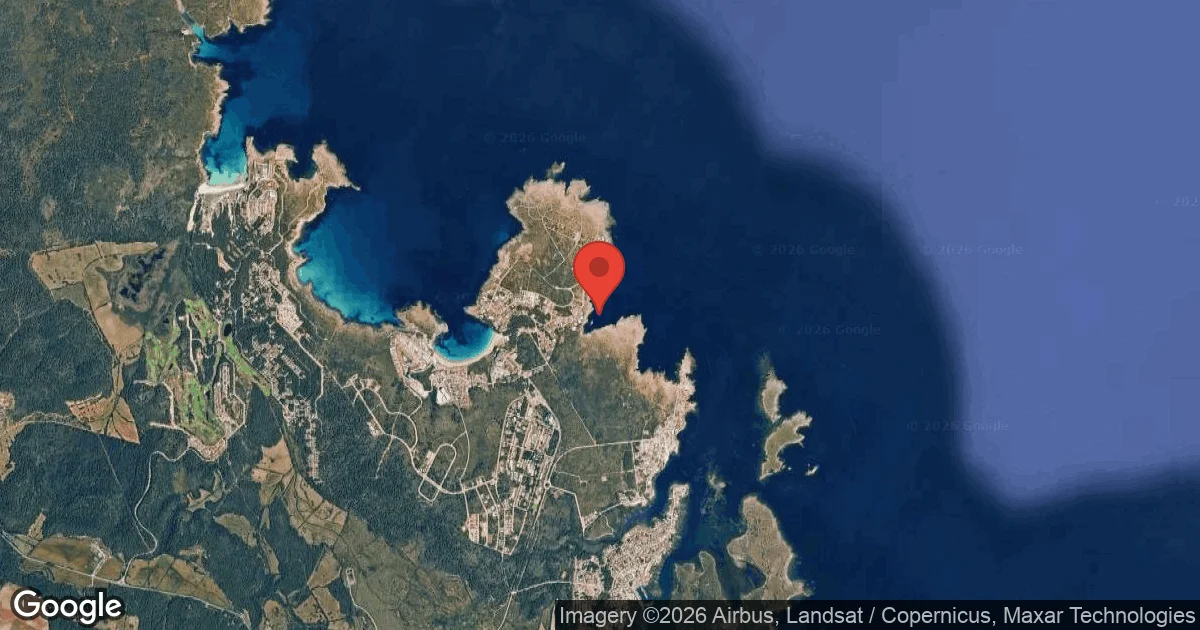
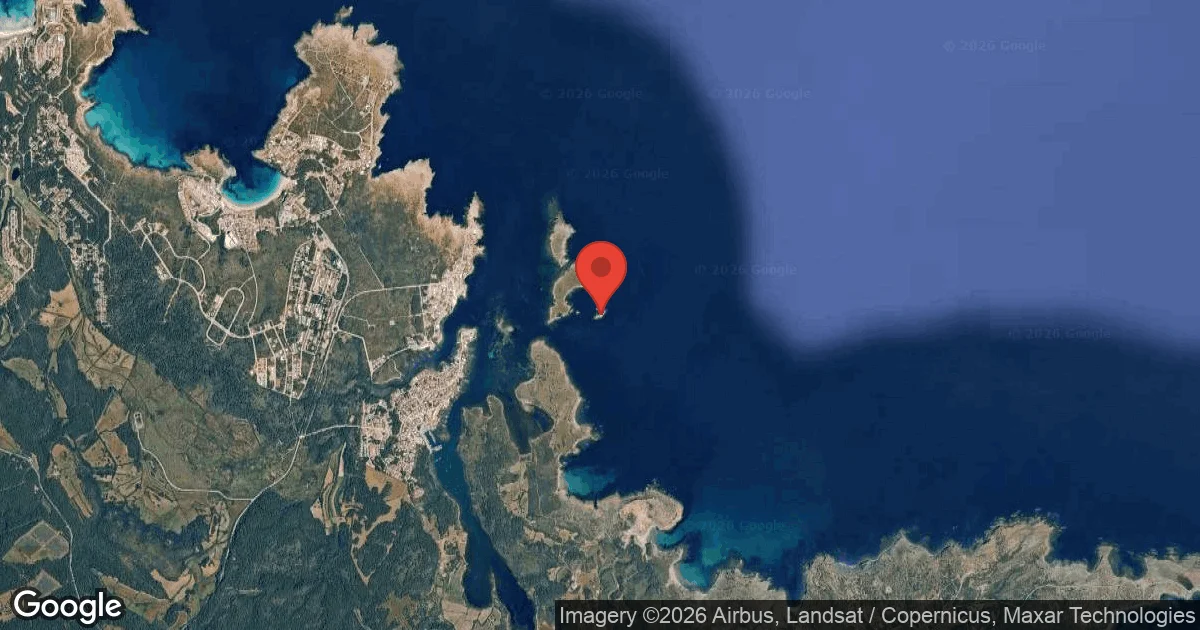
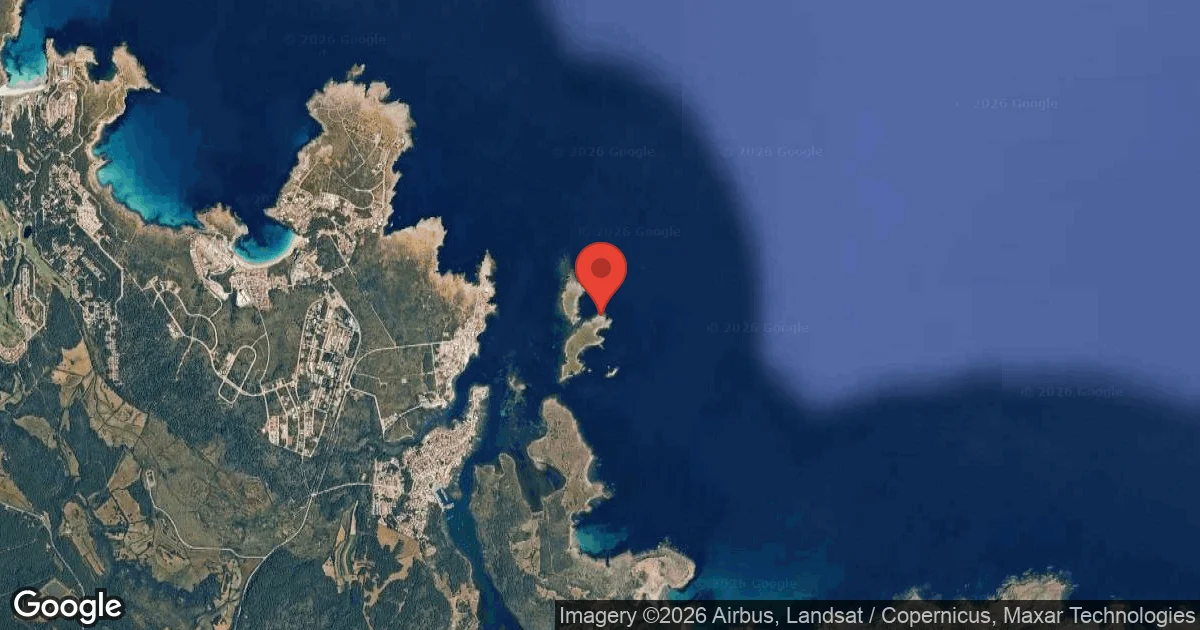
Dive Sites Near Fossil Cave / Els Fossils
View all dive sites in SpainDiscover more underwater gems in this area.
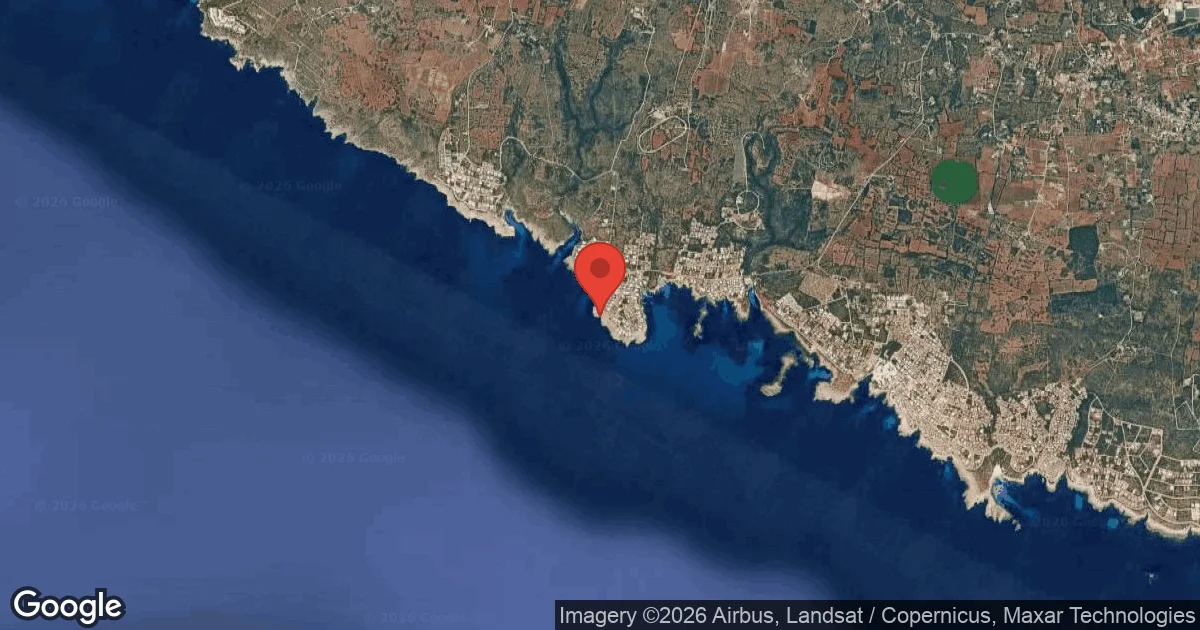
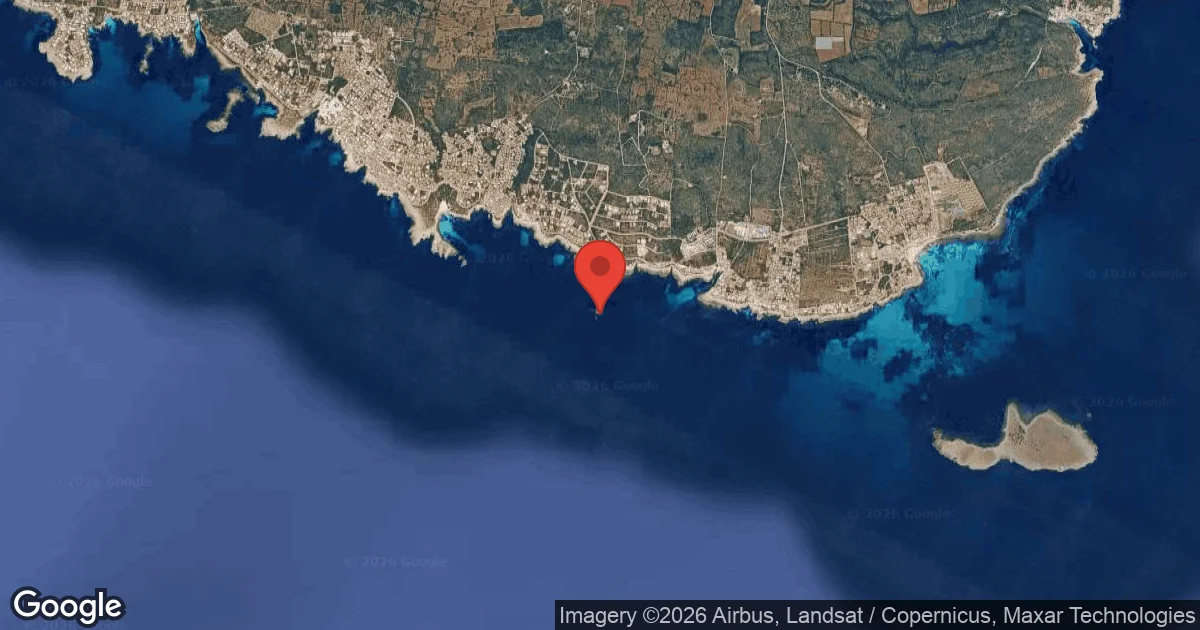
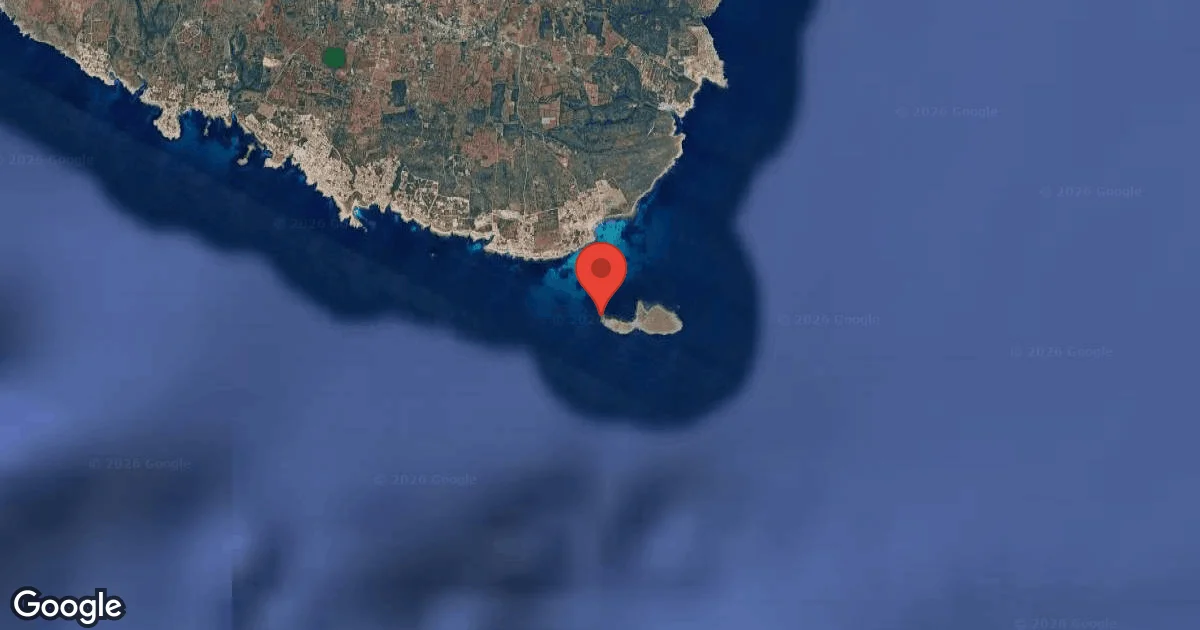
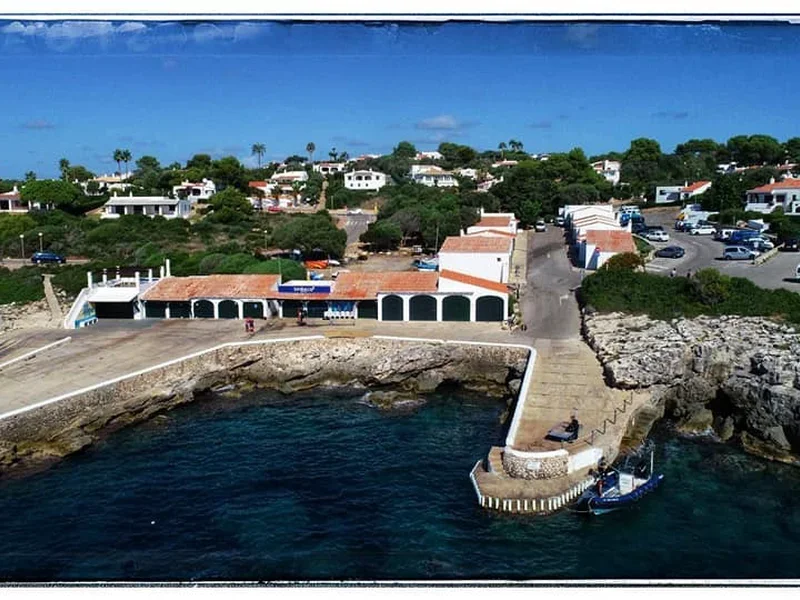
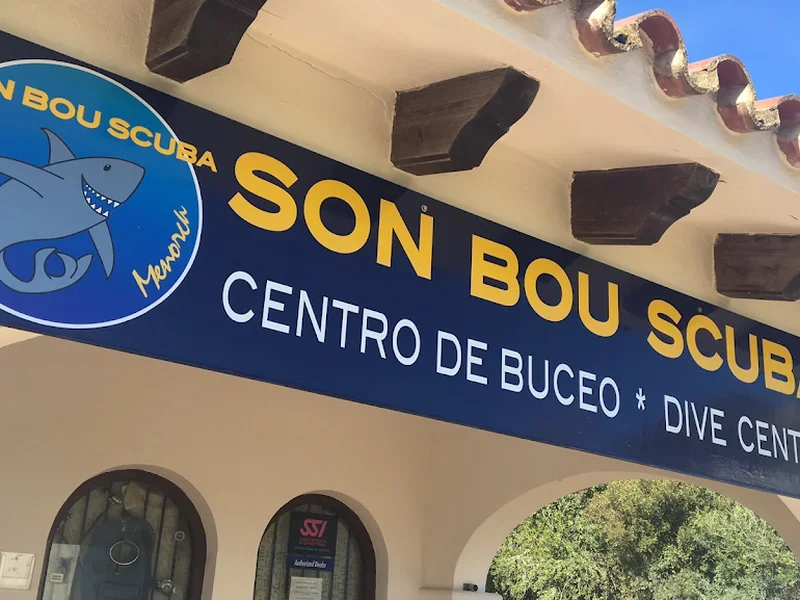
Dive Centers Near Fossil Cave / Els Fossils
Today: 08:30 - 18:00
Nearest Airports
Nearest airports to help plan travel to this dive area.
Search Flights
Check available flights and routes on Expedia, using the nearby airports listed in this section.
Search Flights on ExpediaFrequently Asked Questions
What makes Fossil Cave suitable only for experienced divers?
This site is challenging because the entrance, described as a 'letterbox,' is not always visible from the outside. Divers must be proficient in navigation, buoyancy control, and comfortable in confined overhead environments to safely access and explore the cave.
What is the maximum depth encountered in Fossil Cave?
Divers will reach a maximum depth of 20m. The entry is situated at approximately 14m, and subsequent exploration within the main chamber generally stays within recreational limits.
What is a freshwater halocline and where is it found here?
A halocline is a distinct layer where fresh and saltwater meet, creating a visible shimmer or blur due to differing densities. In Fossil Cave, it's encountered when ascending towards a small air pocket within the main chamber, indicating the presence of freshwater above.
Why is it called Fossil Cave?
The cave gets its name from the prehistoric fossils embedded in the ceiling of its large main chamber. These marine fossils offer a unique glimpse into the region's ancient geological history when it was submerged beneath the ocean.
What marine life can be seen inside the cave?
Divers exploring Fossil Cave can look for the two large conger eels that reside there. While the cave isn't known for a wide variety of marine species, these eels are a consistent highlight for many visitors.
Are there any specific navigation tools required for this dive?
Yes, a dive reel and a guideline are essential. They are used to navigate through the restricted 'letterbox' entrance and into the main chamber, providing a continuous reference line for safe entry and exit in the overhead environment.
Planning to dive Fossil Cave / Els Fossils?
Send one inquiry and receive offers directly from the best verified local dive operators.
Conditions are Excellent
07:00 - 14:00
Optimal conditions expected
Current conditions near Fossil Cave / Els Fossils show 25° air, 27° sea temperature, 0.4 m waves, and 24 km/h wind. Forecast data is refreshed regularly to ensure accuracy.