
Diving at Portitxol (Spain)
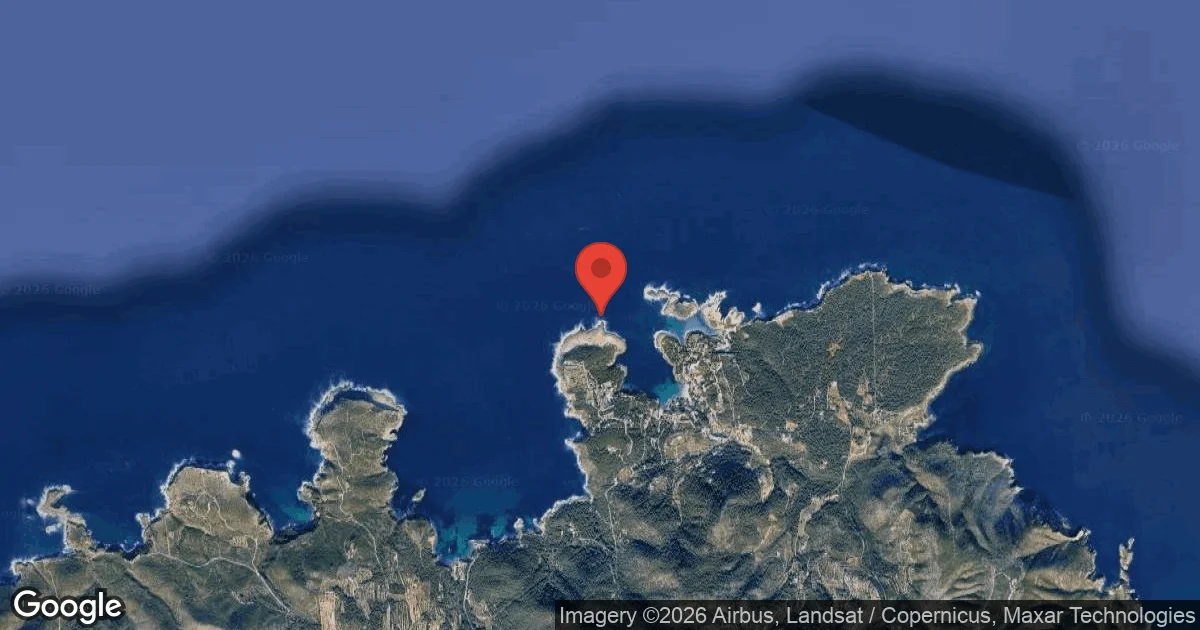
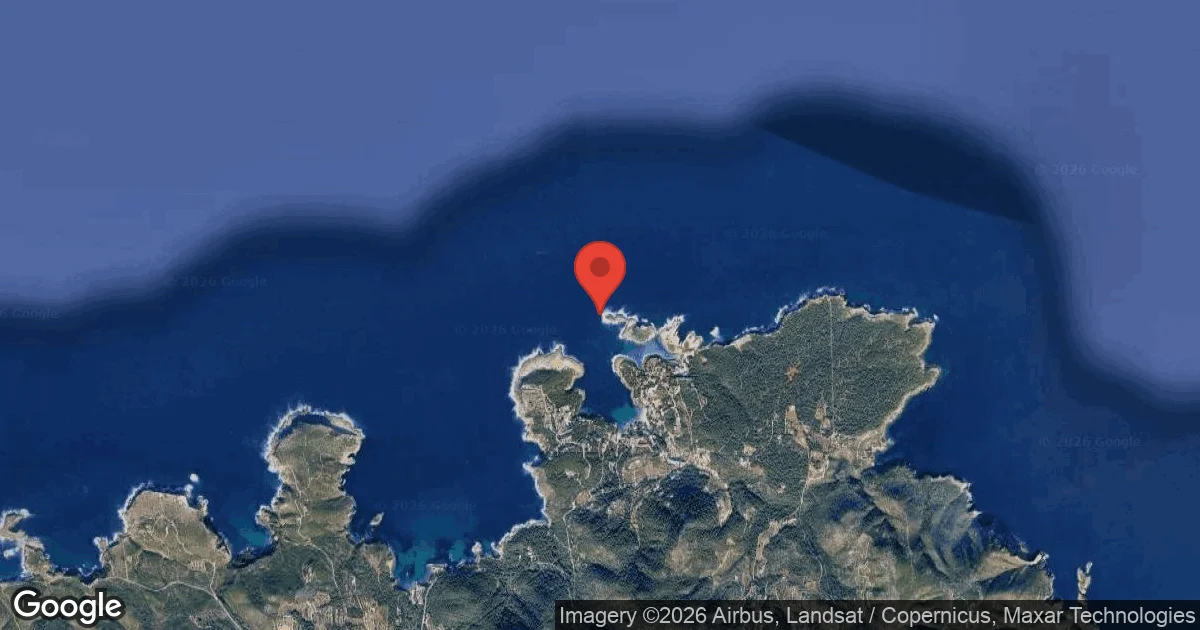
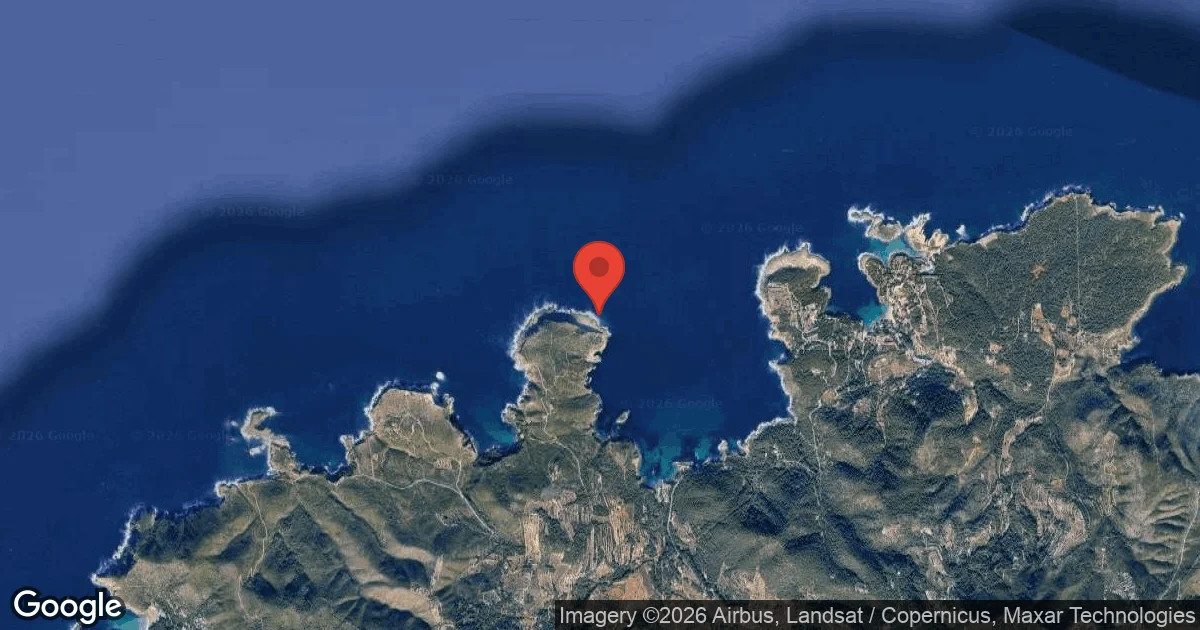
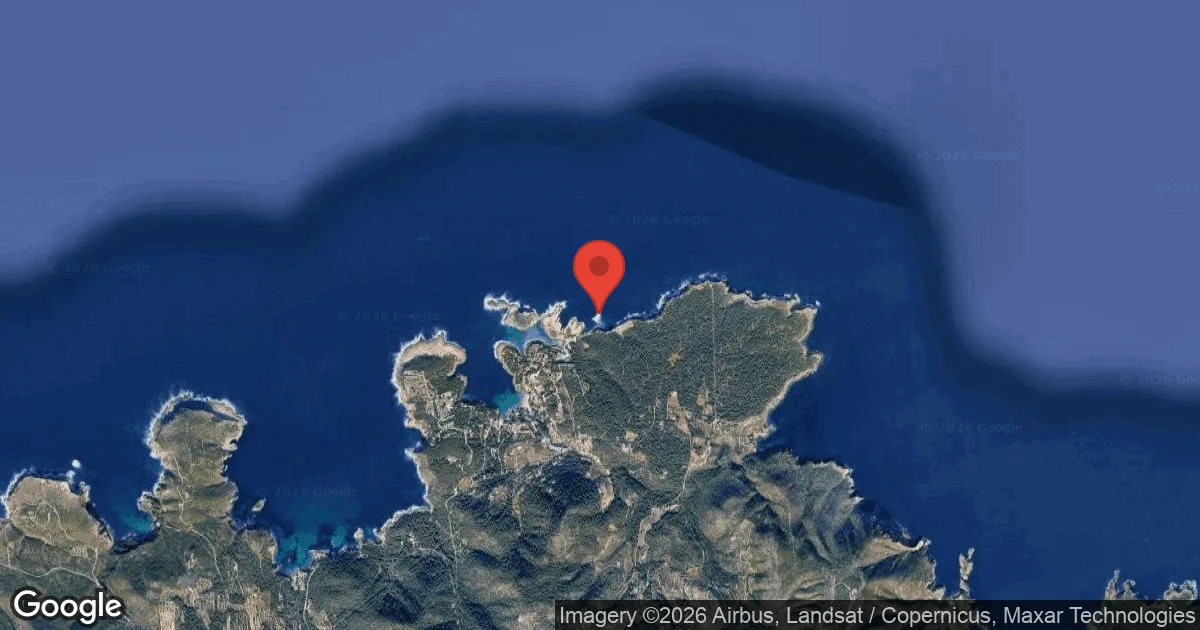
The diving landscape around Portitxol centers on varied topography, featuring distinct rocky systems and the dramatic drops of an escarped bay. Dives here navigate routes often starting around 14 meters and extending to a maximum depth near 20 meters in some sections. Further exploration reveals areas where the seabed extends significantly deeper. Notable underwater structures include an islet with a narrow salient, connecting to the mainland at depths averaging 12 meters before plunging to 30 m (100 ft).
As evening covers Portitxol, the local air temperature is measured at 26°C. The current wave height at the surface is recorded at 0.4 m. These late-day readings characterize the surface conditions for the night.
Dive Site Location & Key Facts
Dive Site Overview
Exploring the Portitxol area reveals a diverse underwater world, appealing to a range of certified divers from beginners to those seeking more extensive depths. While some sections are ideal for new divers, featuring shallow descents starting around 5 meters and progressively reaching 15 meters, other spots offer more complex profiles.
A typical rocky-system dive might involve a route maintained near 14 meters with maximum depths reaching 20 meters. The varied terrain transitions from sandy bottoms in easy access points to extensive rocky formations, and even a large cave is reported at an average depth of 26 meters on the western side of an islet. This site offers distinct experiences, from observing small marine life in shallower, protected coves to encountering larger schools of fish along the deeper rocky walls and drop-offs.
Overall, the dive characteristics reflect a blend of gentle sloping reefs and more pronounced underwater structures, making it a compelling destination for diverse underwater exploration.
Conditions are Good
07:00 - 14:00
Optimal conditions expected
Current conditions near Portitxol show 26° air, 27° sea temperature, 0.4 m waves, and 15 km/h wind. Forecast data is refreshed regularly to ensure accuracy.
Best Time to Dive
Optimal diving conditions at Portitxol typically emerge during late spring through early autumn, corresponding with the highest reported dive scores. June often presents excellent conditions, with air temperatures averaging 24°C (75°F), notably calm waves around 0.5 m (1.6 ft), and moderate wind speeds near 16.8 km/h (10.4 mph). Other 'Good' months, including April, May, July, August, September, and October, also provide favorable environments. During these periods, air temperatures range from 16.5°C (62°F) in April to a peak of 27°C (81°F) in July and August, generally accompanied by minimal rainfall. Although specific water temperature data isn't consistently reported, the warmer air and calmer seas during these months suggest a more comfortable and accessible diving experience. Stronger winds and higher waves are more prevalent in winter months, potentially impacting sea state and dive opportunities.
PEAK SEASON SCORE
Scores combine air & water temps, waves, wind & rainfall for overall conditions.
BEST MONTHS TO DIVE
Monthly records compiled from satellite and marine observation nodes over the last 3 years. Data provided by Open-Meteo and MET Norway.
Dive Experience & Conditions
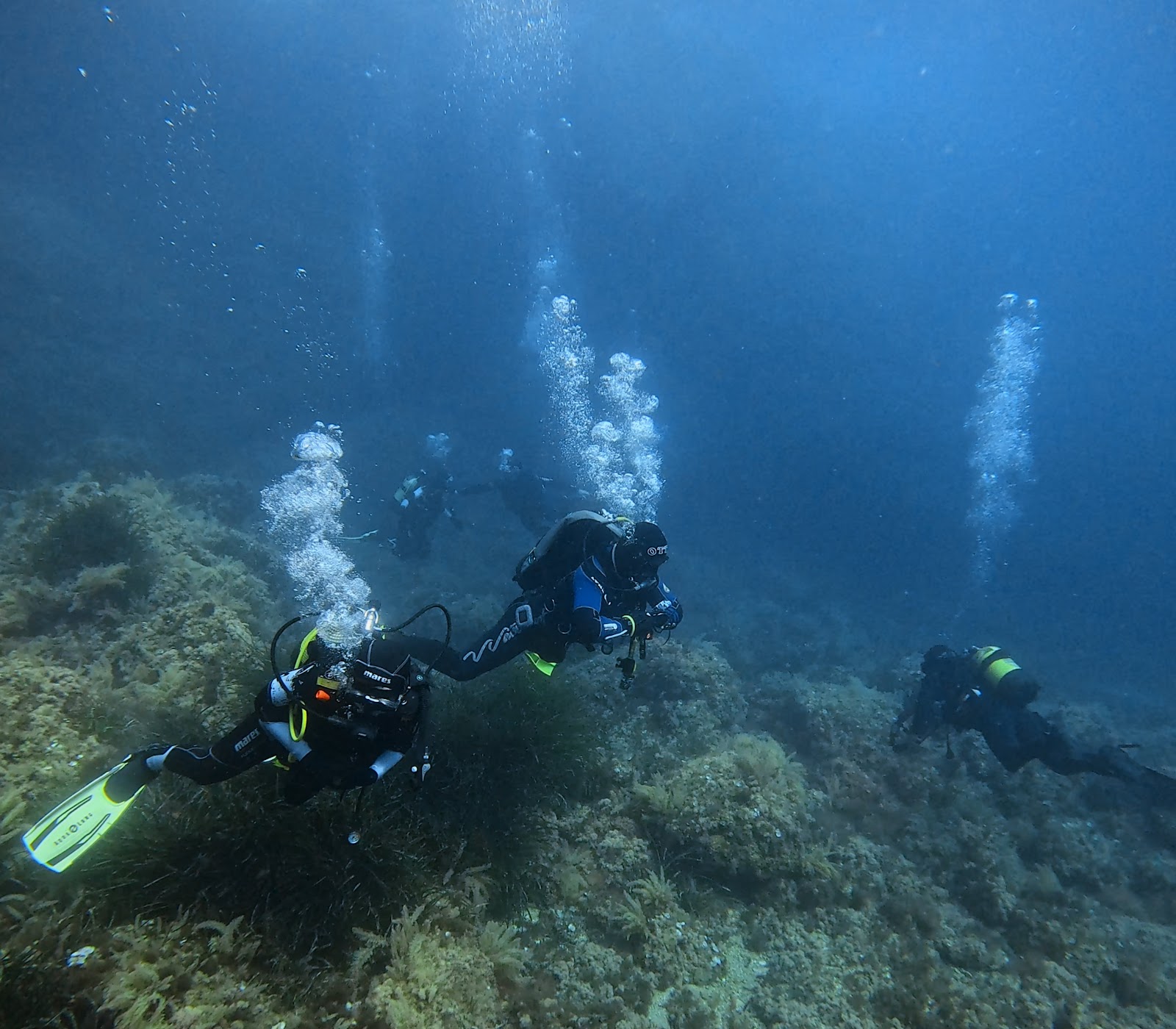
Beginning a dive here, expect good visibility, often described as high, particularly during calmer periods. The descent might start in shallower sections, around 5 meters, before gradually extending to deeper areas. Divers navigating the rocky system will follow contours, observing a route at approximately 14 meters and occasionally reaching a maximum depth of 20 meters. Some locations within Portitxol also feature a wall dive profile, with dramatic drops extending to 30 meters, or a large cave whose entrance is found around 26 meters below the surface. The underwater landscape presents a mix of sandy bottom areas near entry points and rugged rock formations. To fully appreciate the smaller marine life and geological features, moving slowly and closely examining the rocks is recommended, enhancing the overall sensory experience.
Dive Difficulty & Safety Guidelines
Prudent dive planning is essential for enjoying Portitxol's varied sites, particularly given the range of reported depths and dive profiles. While some areas are well-suited for beginners, with low difficulty and shallow routes, other sections involve descents potentially to 30 m (100 ft) or explorations into caves at about 26 meters. Divers should always respect their certification limits and experience levels, choosing sites appropriate for their skills.
Engaging with local dive centers is advisable, as they provide current conditions and guidance specific to the area's diverse dive spots. Maintaining good buoyancy control is crucial when navigating the rocky systems and wall sections to protect the marine environment and ensure personal safety. Always dive with a buddy and check equipment thoroughly before entry.
Recommended Equipment
- Dive Computer
This gear list is based on verified equipment signals for Portitxol, Spain. Always confirm final gear choices with your dive operator, guide, or liveaboard.
Recommended Dive Suit
2-3mm shorty or light wetsuit is often considered an appropriate level of exposure protection for conditions like these.
Divers entering the water at Portitxol today can expect temperatures near 27°C (81°F) beneath the surface. Surface air temperatures are resting at 26°C (78°F).
The upcoming forecast points to generally steady conditions in the area.
Due to technical issues with our weather providers, data hasn't been fetched for over 48 hours. The data above reflects the conditions at the time of the last successful fetch.
Emergency & Medical Support
Essential information to help you plan your dive trip to Portitxol.

Hyperbaric chambers are a critical part of dive safety infrastructure. Availability varies significantly by region, and not all dive areas have immediate access.
Before diving, it's recommended to:
- confirm nearest medical facilities
- check emergency procedures with local dive operators
- ensure dive insurance covers evacuation if required
Divers Alert Network
Diving emergency assistance available through DAN Europe.
+39 0642115685- 24/7 emergency hotline
- Diving medical assistance
- Evacuation coordination
Emergency contacts are provided for reference. Always verify local emergency services before diving.
Closest Listed Hyperbaric Chambers
Showing listed hyperbaric chamber facilities within 200 km of this dive site.
Distances are approximate straight-line distances and may not reflect emergency travel time.
Underwater and Hyperbaric Medicine
Palma de Mallorca, Spain•Approx. 119 km straight-line
Underwater and Hyperbaric Medicine
Information is provided for reference and planning purposes only. Dive Navigator does not verify operational status, staffing, availability, or quality of care at listed facilities. In an emergency, contact local emergency services, DAN, your dive operator, or the chamber directly. Do not travel to a facility without calling ahead.
Unidad Hiperbarica Hospital de Castellon UTH-HGUCS
24/7 ListedICU CapableCastellon, Spain•Approx. 161 km straight-line
Unidad Hiperbarica Hospital de Castellon UTH-HGUCS
24/7 ListedICU CapableInformation is provided for reference and planning purposes only. Dive Navigator does not verify operational status, staffing, availability, or quality of care at listed facilities. In an emergency, contact local emergency services, DAN, your dive operator, or the chamber directly. Do not travel to a facility without calling ahead.
Marine Life at Portitxol
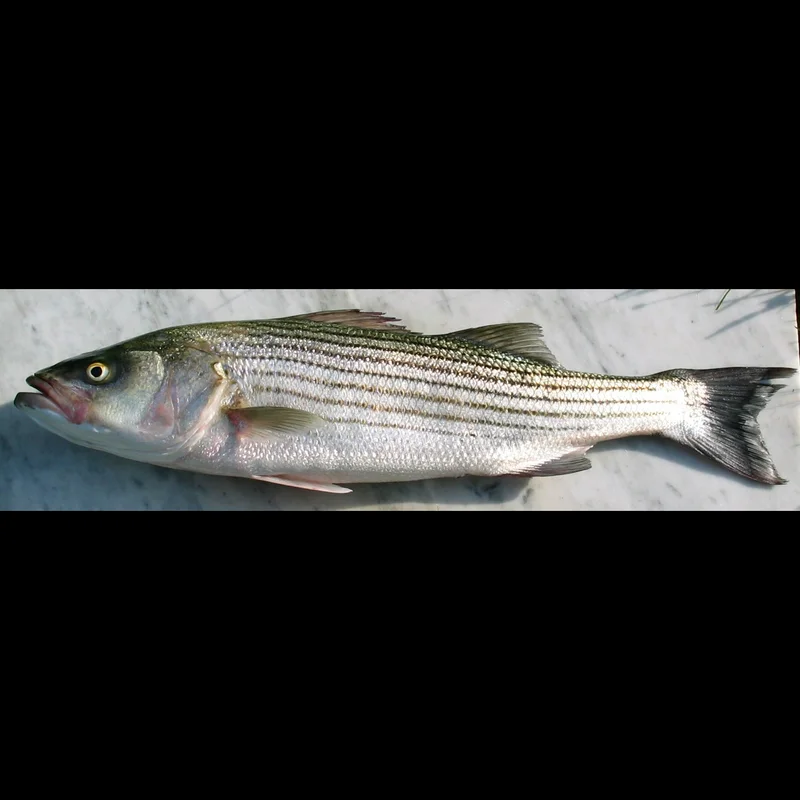
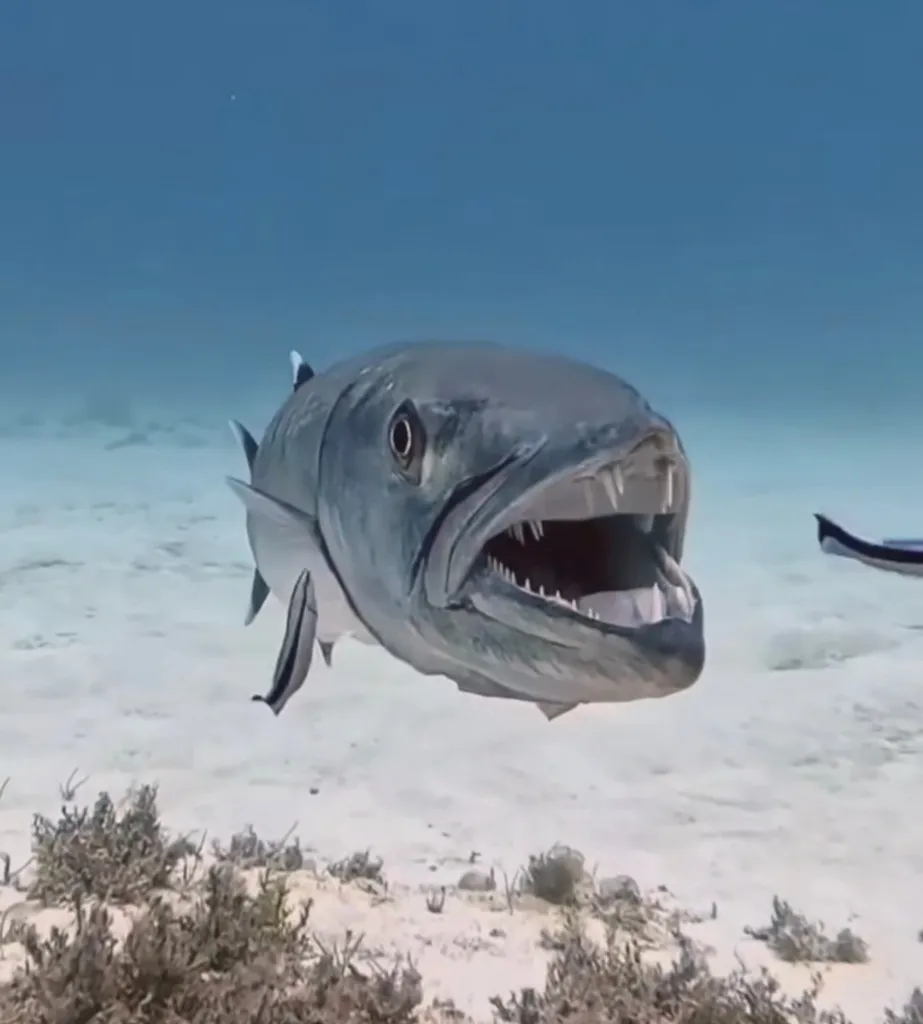
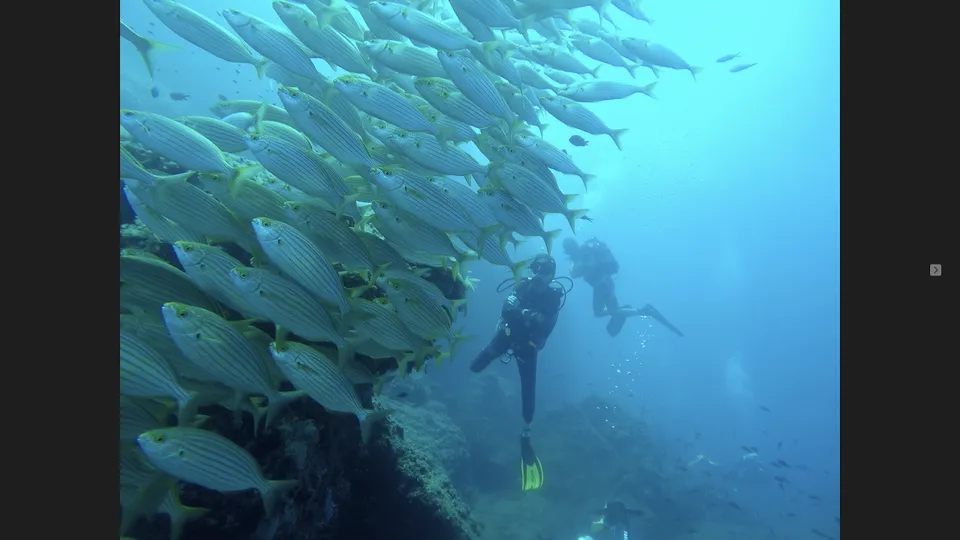
Upon entering the water at Portitxol, marine life immediately captures attention through its striking contrasts. Divers often encounter large schools of barracuda moving along the rocky systems, creating impressive displays.
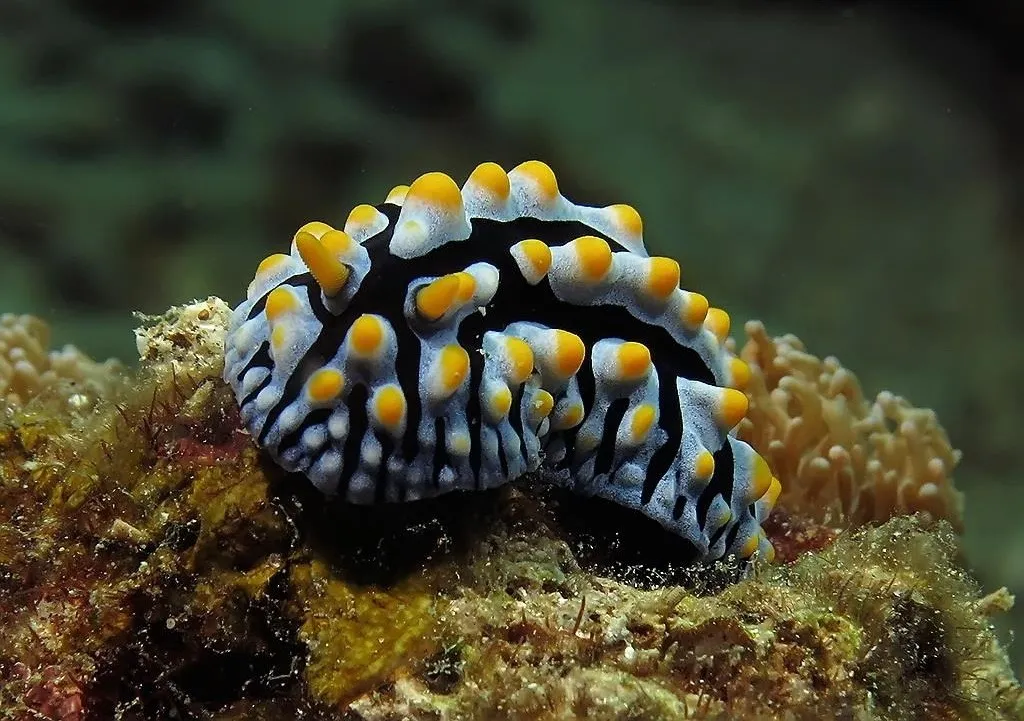
Closer examination of the rock formations and seabed reveals smaller critters, including delicate nudibranchs, alongside blue fish, orange fish, and various species of sea bass and bream. Octopus and starfish are frequently spotted, skillfully camouflaged within the underwater terrain.
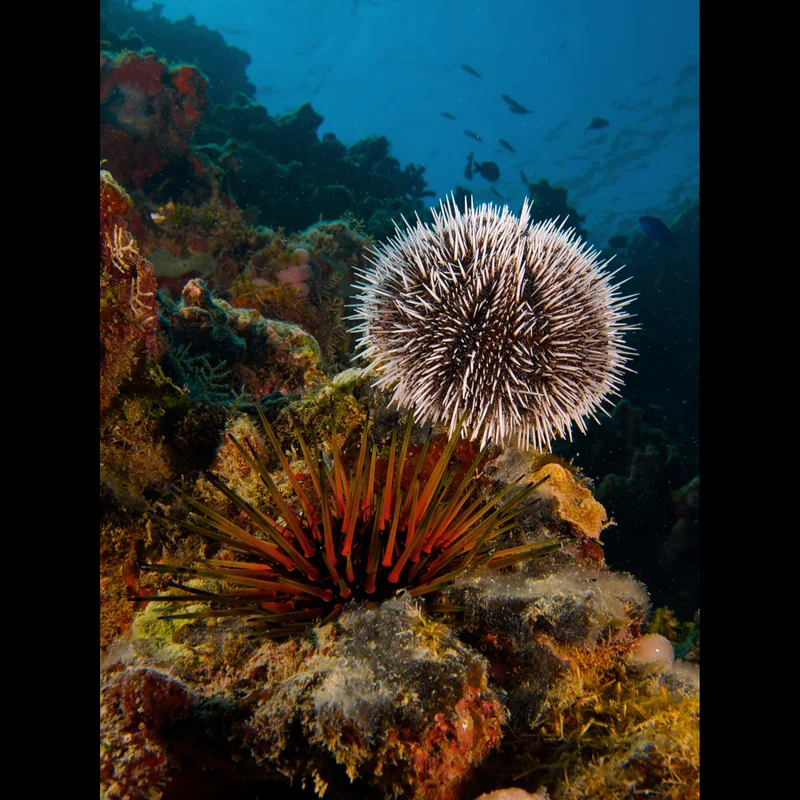
Abundant sea urchins also populate the rocky surfaces, providing further evidence of the vibrant ecosystem. The opportunity to observe both significant schooling fish and intricate macro life makes each dive engaging.

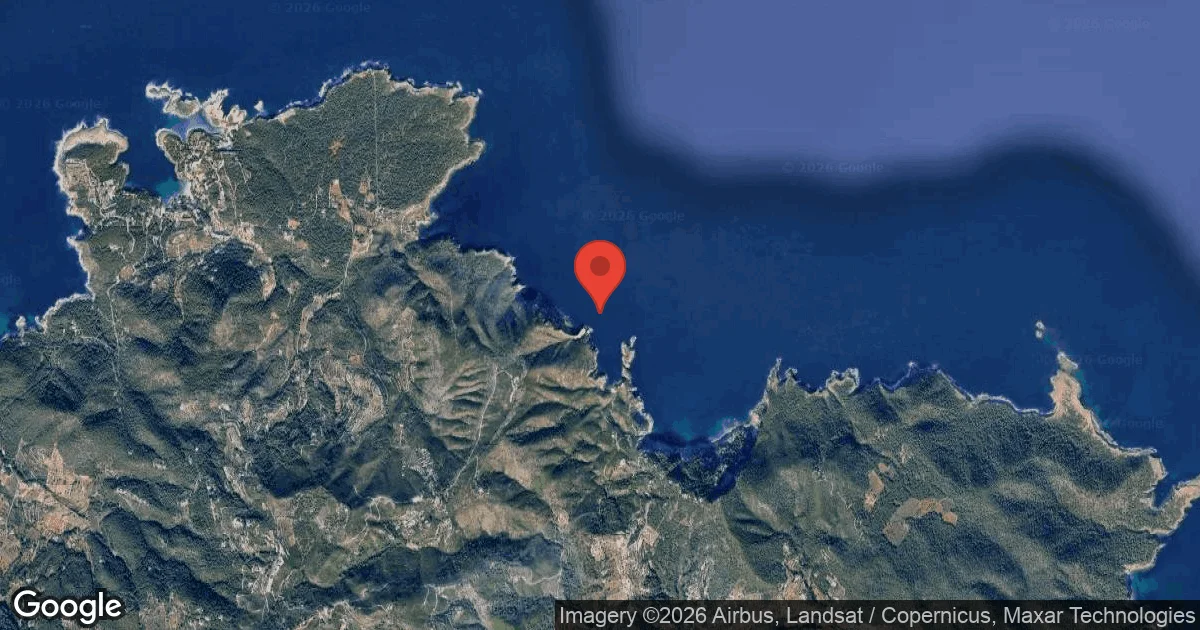
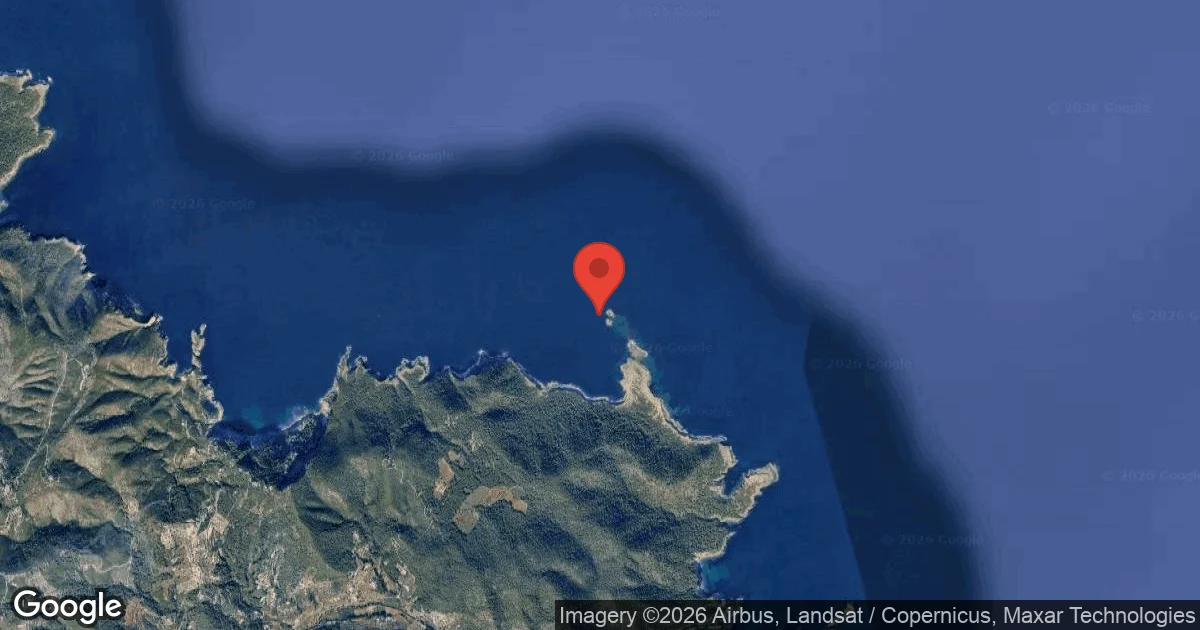
Dive Sites Near Portitxol
View all dive sites in SpainDiscover more underwater gems in this area.
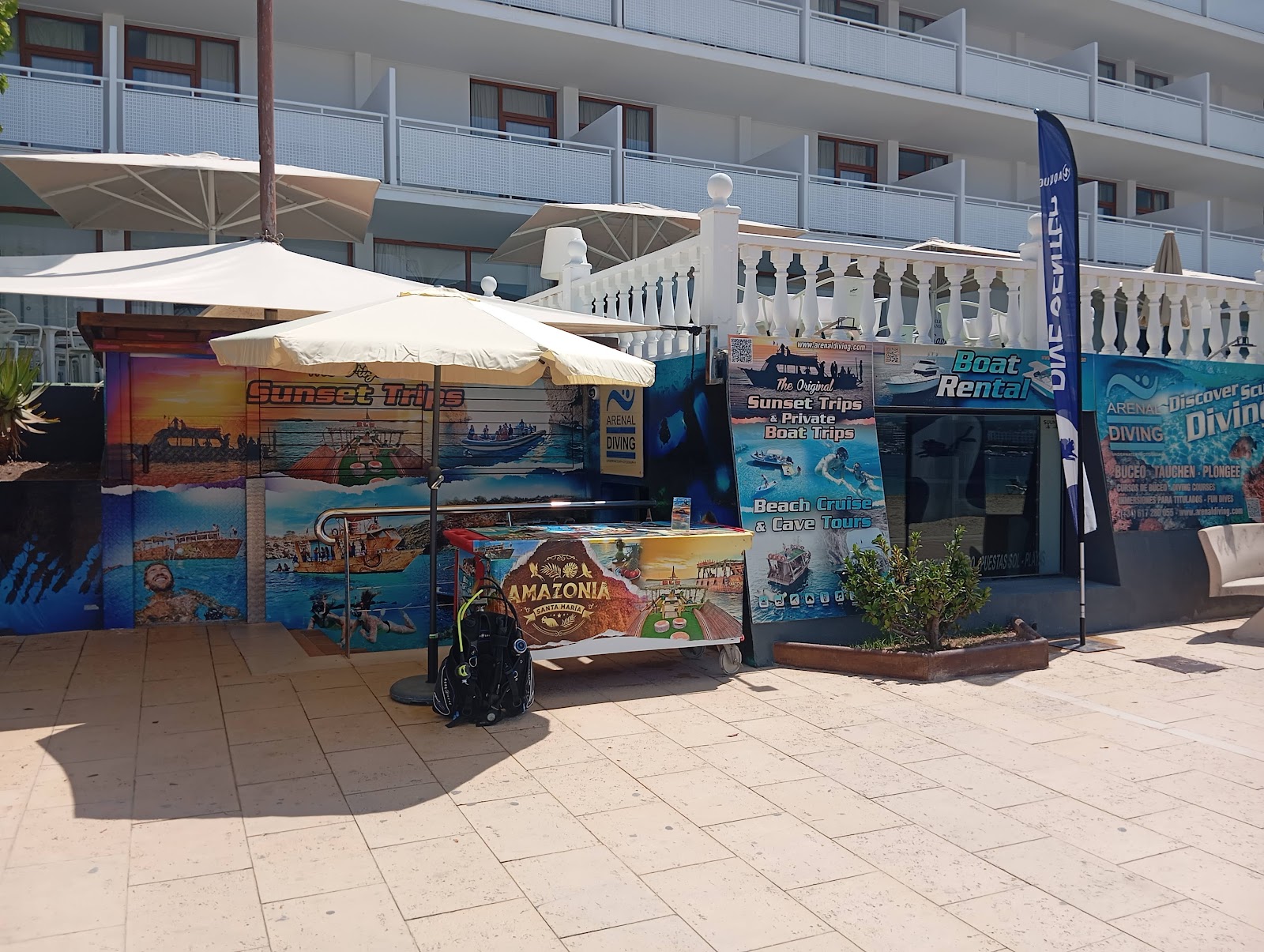
Dive Centers Near Portitxol
Today: 08:30 - 17:30
Nearest Airports
Nearest airports to help plan travel to this dive area.
Search Flights
Check available flights and routes on Expedia, using the nearby airports listed in this section.
Search Flights on ExpediaFrequently Asked Questions
What are the typical depth ranges for diving at Portitxol?
Portitxol offers diverse depth ranges. Some sites are beginner-friendly, descending from 5 m (16 ft) to 15 meters. Other areas feature routes around 14 meters with maximum depths near 20 meters. Certain sections, like near an islet, drop to 30 meters with a cave at 26 meters.
Is Portitxol suitable for beginner divers?
Yes, certain areas of Portitxol are explicitly noted as ideal for beginners, with low difficulty and shallow profiles. These sites allow for a pleasant underwater ride, often starting at 5 m and progressing to 15 m.
What kind of marine life can I expect to see at Portitxol?
Divers here can expect a variety of marine life, from large schools of barracuda to smaller creatures like nudibranchs. Other common sightings include blue fish, orange fish, jellyfish, octopus, starfish, sea urchins, sea bass, and breams, particularly around the rocky systems.
What are the general visibility conditions at Portitxol?
Visibility at Portitxol is generally reported as high. This allows for clear views of the diverse marine life and the varied underwater topography, enhancing the overall dive experience.
When is the best time of year to dive at Portitxol?
The optimal period for diving at Portitxol is typically from late spring through early autumn, with June often rated as excellent. Months like April, May, July, August, September, and October also offer good conditions, characterized by warmer air temperatures and calmer seas.
Are there any specific geological features to explore?
Yes, Portitxol features a distinct rocky system, wall dives, and sandy bottoms. Notably, one area includes a large cave at an average depth of 26 meters, and another highlights a narrow salient connecting an islet to the mainland, with depths plunging significantly.
Planning to dive Portitxol?
Send one inquiry and receive offers directly from the best verified local dive operators.
Conditions are Good
07:00 - 14:00
Optimal conditions expected
Current conditions near Portitxol show 26° air, 27° sea temperature, 0.4 m waves, and 15 km/h wind. Forecast data is refreshed regularly to ensure accuracy.