
Diving at Cueva de la Luz (Spain)
Initiating a dive into Cueva de la Luz means descending towards a grand arch, with its ceiling beginning at a shallow 4 m (13 ft) and dropping to the main cave's maximum depth of 16 m (52 ft). This initial entry leads divers into a vast, open cavern. From there, passages branch off, including swim-throughs and a path to the 'Pillars of Hercules,' a fully submerged cave lying at around 9 m (30 ft) that can be explored as part of the same immersion.
Evening condition tracking at Cueva de la Luz features an air temperature of 20.5°C. We have recorded wave heights measuring 0.3 m during this period. These figures outline the environmental parameters currently present.
Dive Site Location & Key Facts
Dive Site Overview
Beneath the rugged cliffs of Ibiza's Bay of Eubarca, the Cueva de la Luz site unfolds as an intricate cave system. Its primary draw remains the unique topography, carved over millennia.
The main cavity is a large, circular chamber, with its ceiling ascending a full 15 m (49 ft) above the water's surface. Within this space, an accessible air chamber provides a distinctive mid-dive experience. Sunlight provides a spectacular display; during summer midday, rays penetrate a large opening above, forming dramatic light shafts that slice through the clear waters.
These shifting blue illuminations transform the cavern into an ethereal space, a highlight for photographers. A typical dive here often incorporates both the main Cave of Light and the adjacent 'Pillars of Hercules.' This other submerged cave is characterized by two prominent columns that seemingly support its roof, found at about nine meters.
Exploring these formations adds another dimension to the dive. The entire site is exclusively boat-accessible, given its remote and otherwise impenetrable setting.
Operations generally begin approximately 20 meters from the cave's principal entrance, ensuring a smooth transition into the underwater environment.
Conditions are Excellent
07:00 - 14:00
Optimal conditions expected
Current conditions near Cueva de la Luz show 21° air, 27° sea temperature, 0.4 m waves, and 26 km/h wind. Forecast data is refreshed regularly to ensure accuracy.
Best Time to Dive
Visibility for Cueva de la Luz often peaks from late spring into early autumn. This period is especially favored when the midday sun aligns to project its distinctive light beams deep into the cave. Climate averages indicate June through August as prime months, offering high dive scores, with rain averaging a minimal 0.37-0.86 mm. Wave heights are also at their lowest, typically around 0.5 m (1.6 ft). Air temperatures during these ideal months commonly sit between 24-27°C (75-81°F). Specific water temperatures for the immediate site aren't always reported, but the consistent warmth in the air suggests pleasant diving. Generally, good diving conditions persist year-round, evidenced by consistent dive scores of 7 or 8. Even in cooler months, when air temperatures drop to 13-14°C (55-57°F), conditions remain favorable, though with slightly increased wave activity.
PEAK SEASON SCORE
Scores combine air & water temps, waves, wind & rainfall for overall conditions.
BEST MONTHS TO DIVE
Monthly records compiled from satellite and marine observation nodes over the last 3 years. Data provided by Open-Meteo and MET Norway.
Dive Experience & Conditions
Current conditions typically remain manageable at Cueva de la Luz, making it a relatively easy dive suitable for refreshers and underwater photographers seeking unique light displays. The internal cave environment generally offers sheltered conditions, though surface swell and wind influence entry and exit. Average monthly wind speeds vary from a calmer 16-18 km/h (10-11 mph) in summer to stronger periods peaking around 26 km/h (16 mph) in winter. While specific current flow data isn't widely available for inside the cave, the site is recognized for its clear waters and 'amazing light effects.' Divers should anticipate conditions characteristic of an overhead environment, where careful buoyancy control enhances the experience.
Dive Difficulty & Safety Guidelines
Approaching this site demands careful consideration, primarily because it's designated an overhead environment. Divers must hold appropriate training and experience in cave diving to safely navigate its passages. Given its setting beneath rugged cliffs, shore access is highly inadvisable; always book a boat dive for entry.
An additional surface hazard to note is the occasional presence of individuals jumping into the open cavern from above. This activity could pose a risk during your ascent or surface intervals.
Adhering to responsible diving practices remains crucial, including carrying adequate lighting and diligently practicing gas management throughout the immersion.
Recommended Equipment
Overhead environment. Do not enter beyond training and gas planning limits.
- Dive Computer
- Primary & Backup Lights
- Reel / Spool
- Cutting Tool
This gear list is based on verified equipment signals for Cueva de la Luz, Spain. Always confirm final gear choices with your dive operator, guide, or liveaboard.
Recommended Dive Suit
Recent conditions suggest the water at Cueva de la Luz remains near 27°C (80°F), offering typical conditions for the area. Surface air temperatures are resting at 21°C (69°F).
Forecasts suggest rising temperatures later this week. A warming trend is expected over the next few days.
Most divers would typically feel comfortable using 2-3mm shorty or light wetsuit in these conditions. A hood or vest is suggested for sensitive divers due to surface winds. Surface intervals may feel cooler. Dive depth and duration can significantly affect perceived warmth.
Emergency & Medical Support
Essential information to help you plan your dive trip to Cueva de la Luz.

Hyperbaric chambers are a critical part of dive safety infrastructure. Availability varies significantly by region, and not all dive areas have immediate access.
Before diving, it's recommended to:
- confirm nearest medical facilities
- check emergency procedures with local dive operators
- ensure dive insurance covers evacuation if required
Divers Alert Network
Diving emergency assistance available through DAN Europe.
+39 0642115685- 24/7 emergency hotline
- Diving medical assistance
- Evacuation coordination
Emergency contacts are provided for reference. Always verify local emergency services before diving.
Closest Listed Hyperbaric Chambers
Showing listed hyperbaric chamber facilities within 200 km of this dive site.
Distances are approximate straight-line distances and may not reflect emergency travel time.
Underwater and Hyperbaric Medicine
Palma de Mallorca, Spain•Approx. 121 km straight-line
Underwater and Hyperbaric Medicine
Information is provided for reference and planning purposes only. Dive Navigator does not verify operational status, staffing, availability, or quality of care at listed facilities. In an emergency, contact local emergency services, DAN, your dive operator, or the chamber directly. Do not travel to a facility without calling ahead.
Unidad Hiperbarica Hospital de Castellon UTH-HGUCS
24/7 ListedICU CapableCastellon, Spain•Approx. 160 km straight-line
Unidad Hiperbarica Hospital de Castellon UTH-HGUCS
24/7 ListedICU CapableInformation is provided for reference and planning purposes only. Dive Navigator does not verify operational status, staffing, availability, or quality of care at listed facilities. In an emergency, contact local emergency services, DAN, your dive operator, or the chamber directly. Do not travel to a facility without calling ahead.
Marine Life at Cueva de la Luz
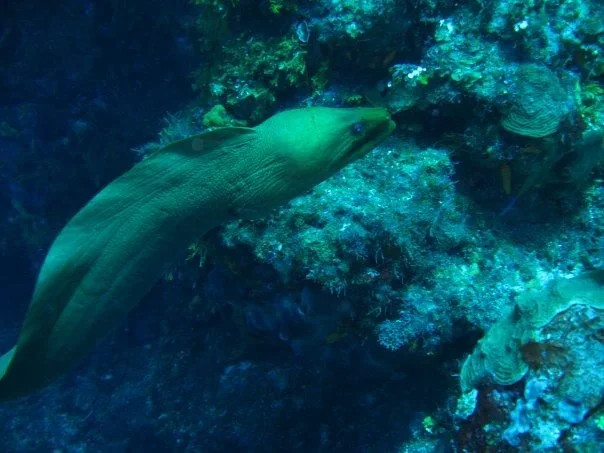
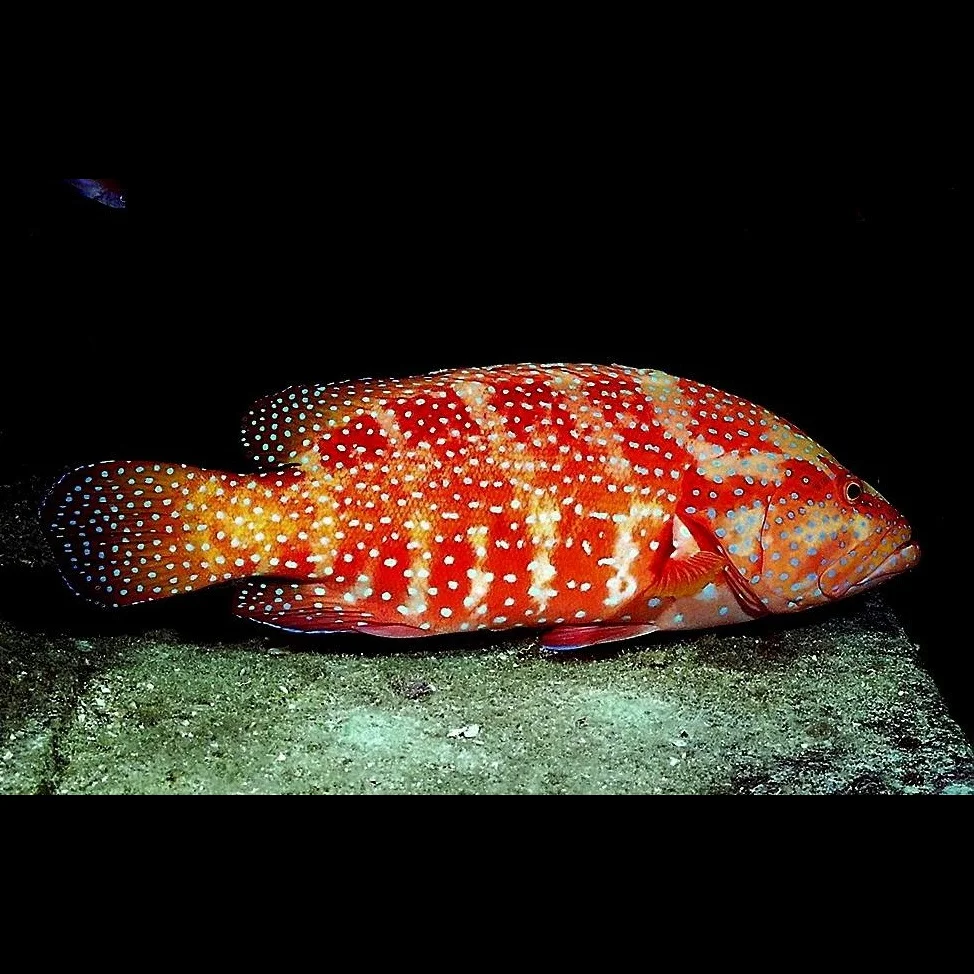
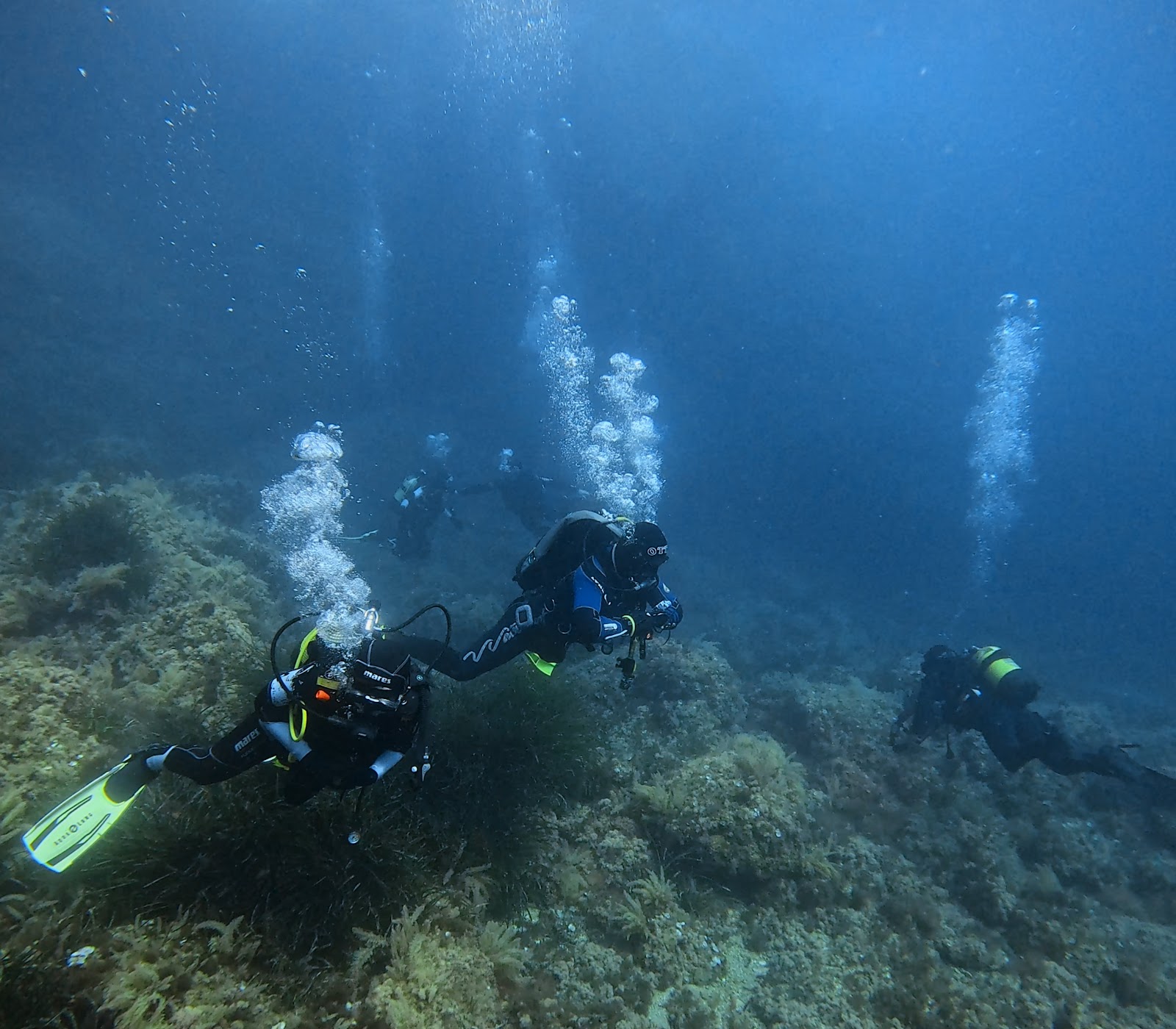
Amidst the distinctive rock formations and vibrant blue hues created by the sunlight, Cueva de la Luz hosts a variety of Mediterranean marine life. Divers might observe groupers, often found sheltering in crevices, alongside graceful octopus and secretive moray eels.
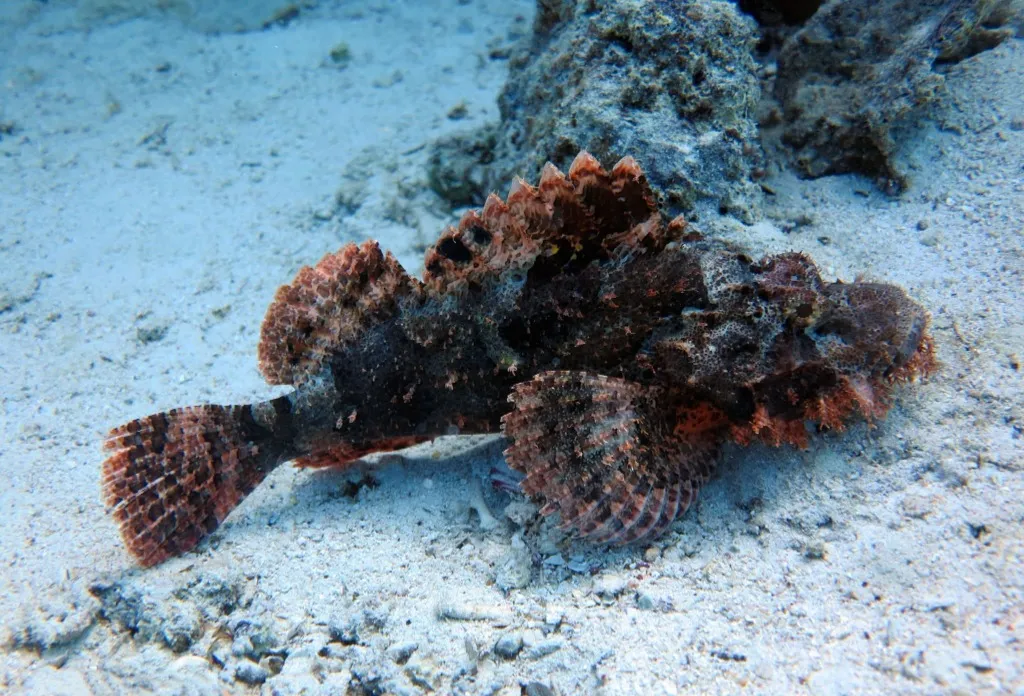
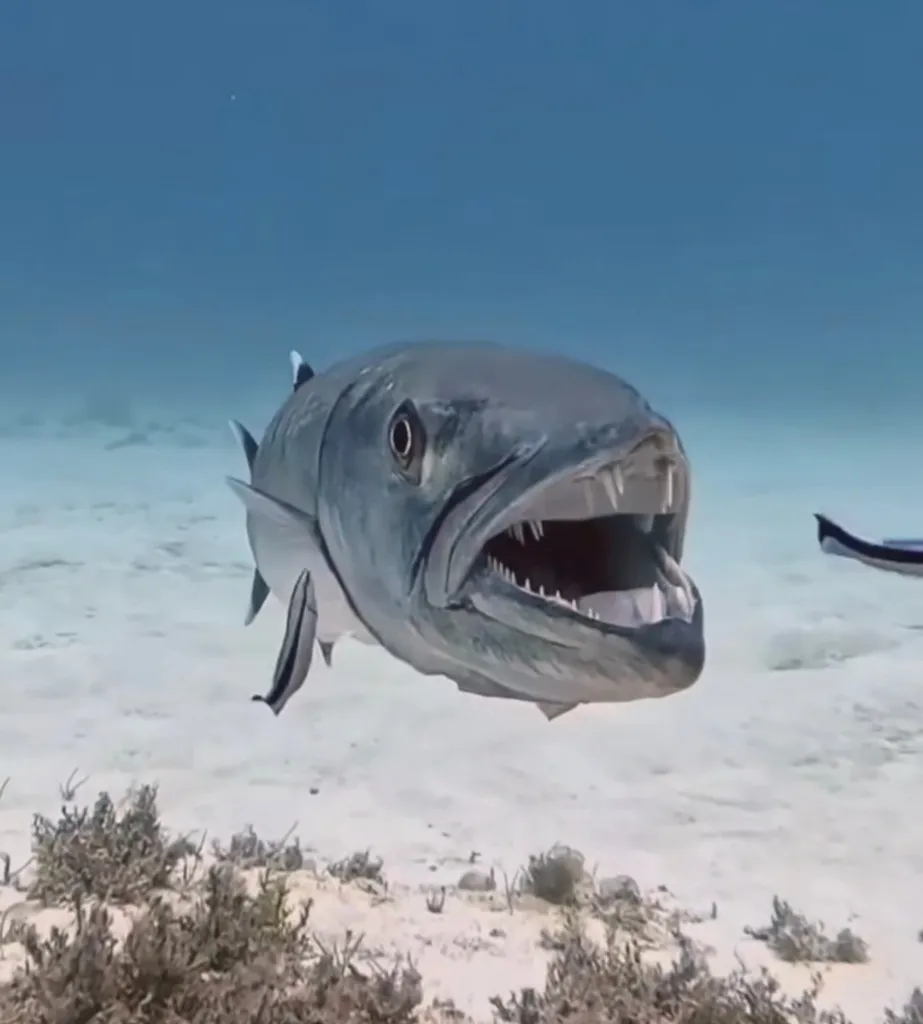
Look for camouflaged scorpionfish blending into the rocky surfaces. Schools of barracuda occasionally patrol the deeper sections.
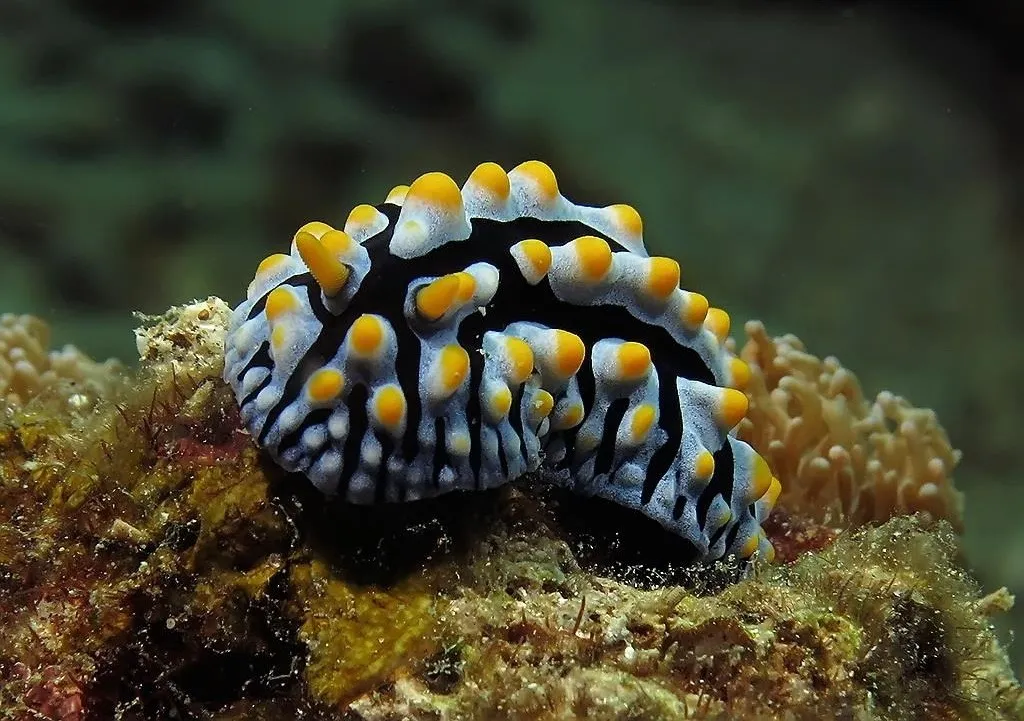
Additionally, the cave walls and surrounding areas are home to salps and diverse nudibranch colonies, providing smaller, colorful details for keen-eyed divers.
Dive Sites Near Cueva de la Luz
View all dive sites in SpainDiscover more underwater gems in this area.
Dive Centers Near Cueva de la Luz
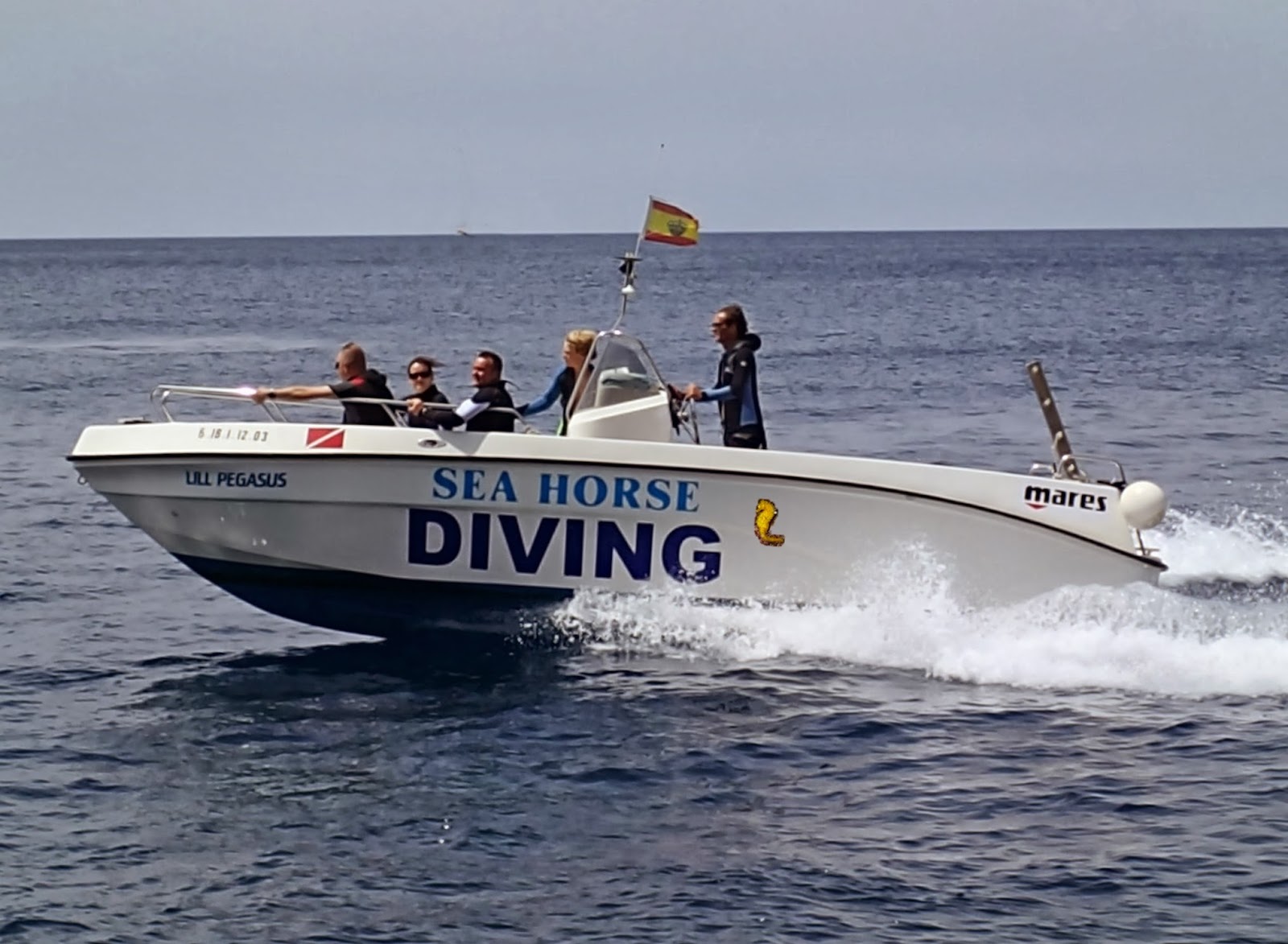
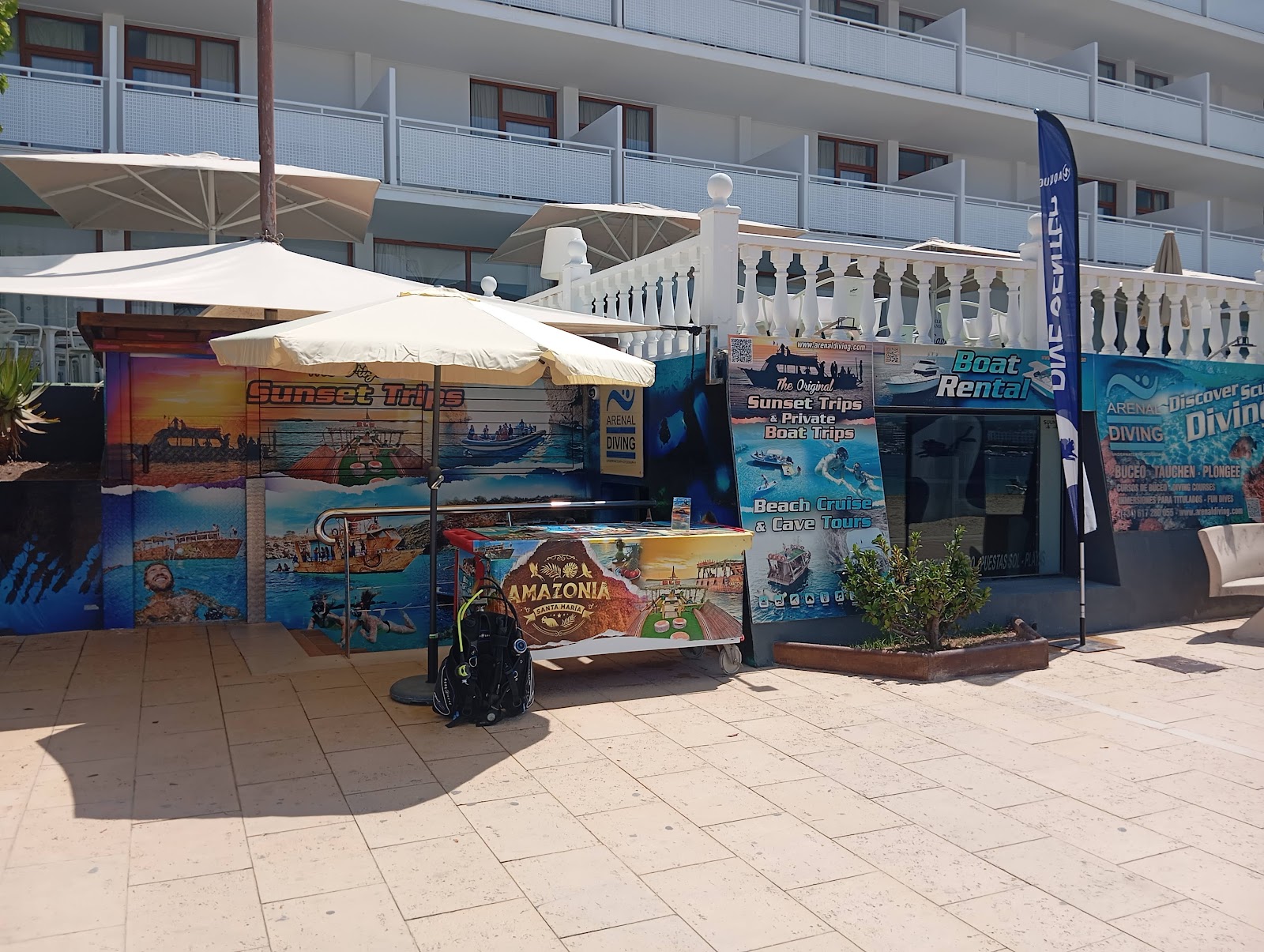
Today: 08:30 - 17:30
Nearest Airports
Nearest airports to help plan travel to this dive area.
Search Flights
Check available flights and routes on Expedia, using the nearby airports listed in this section.
Search Flights on ExpediaFrequently Asked Questions
Where is Cueva de la Luz located?
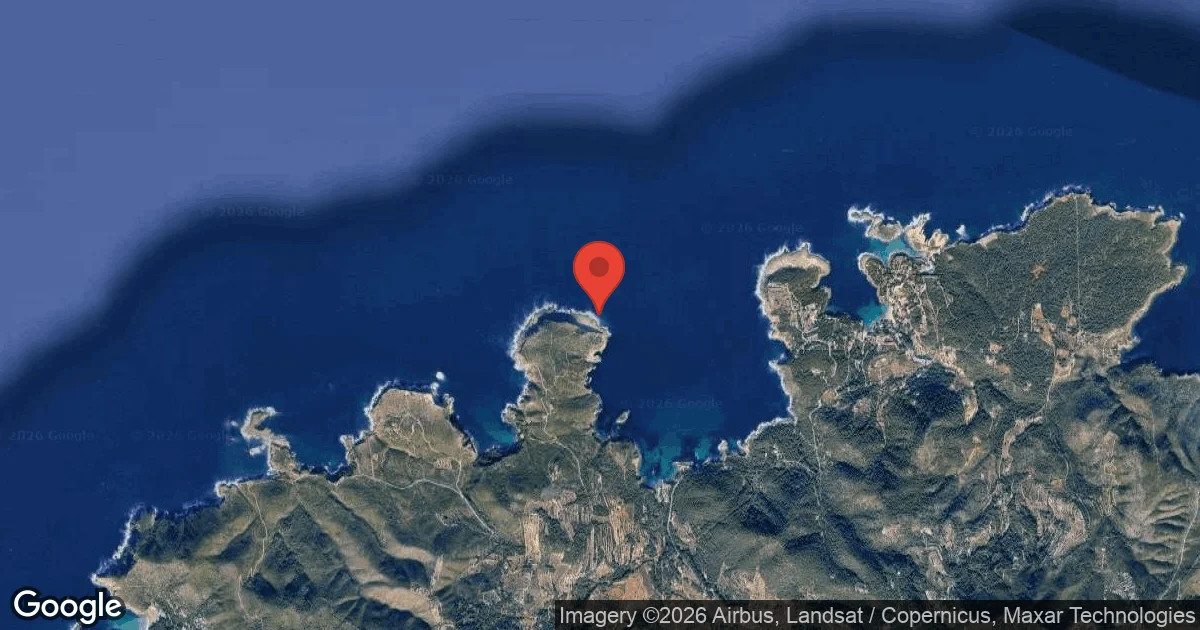
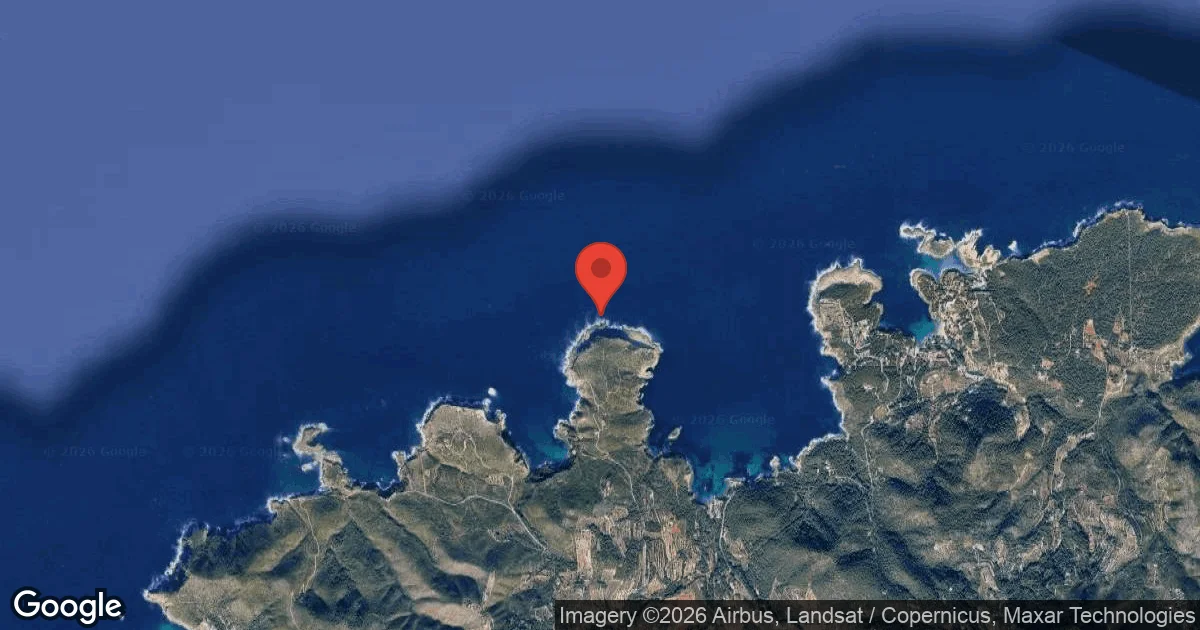
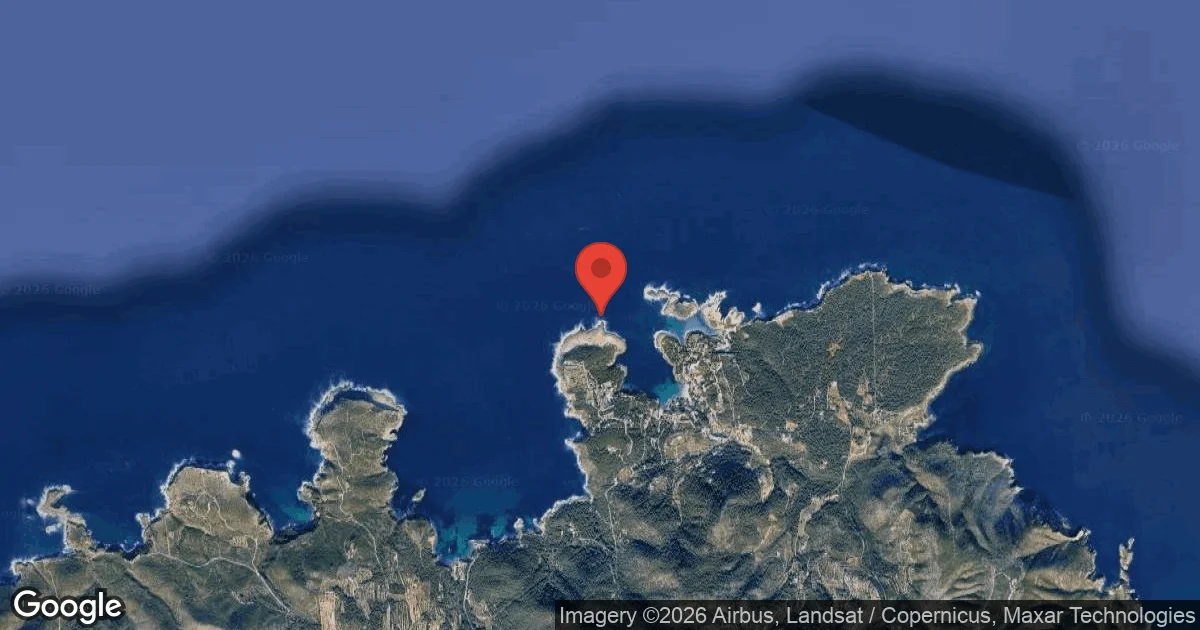
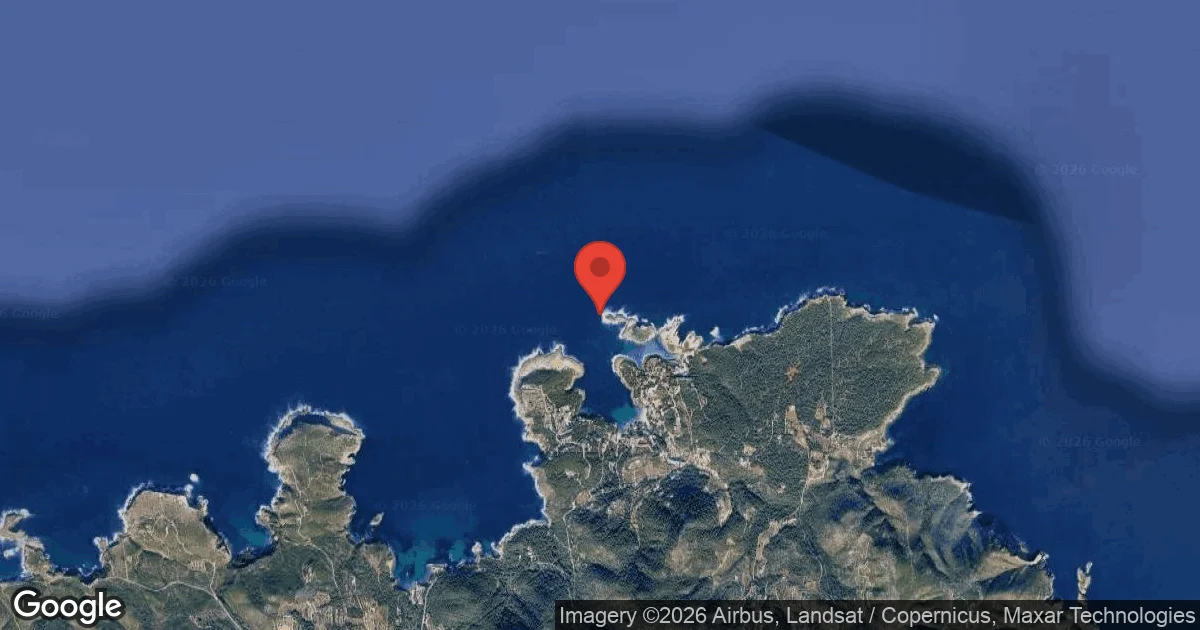
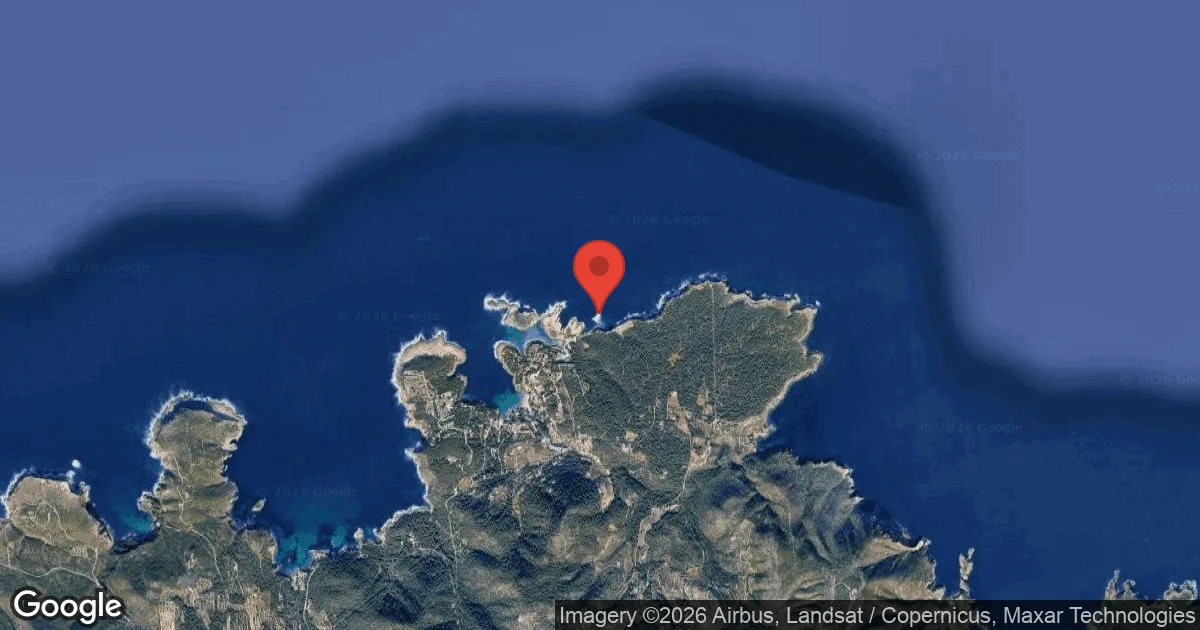
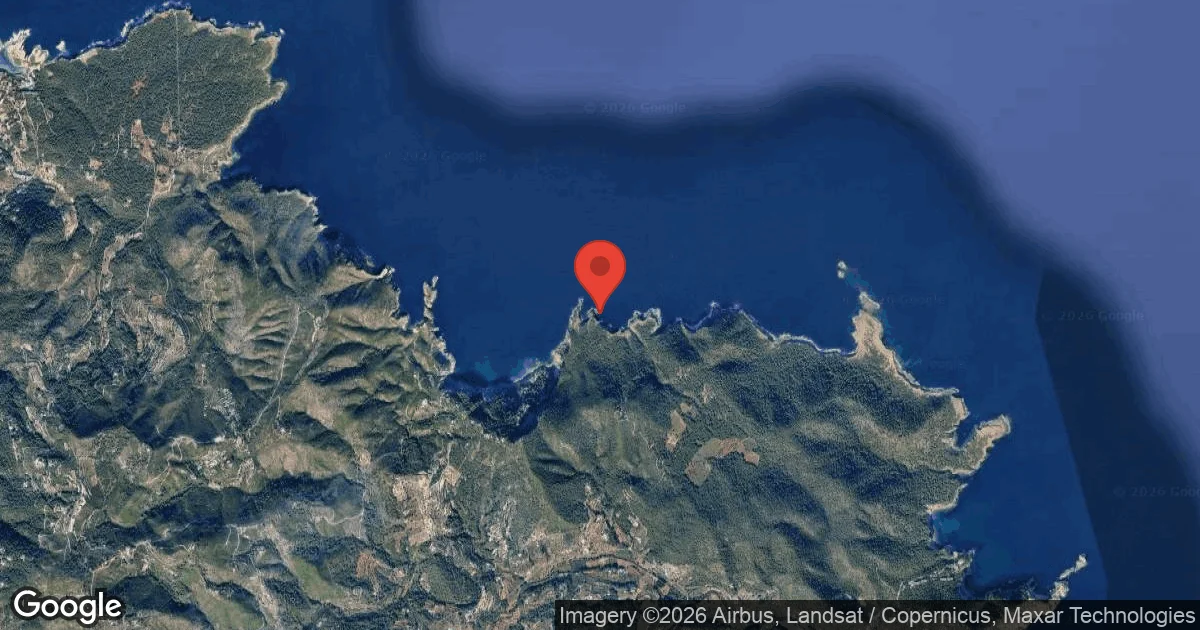
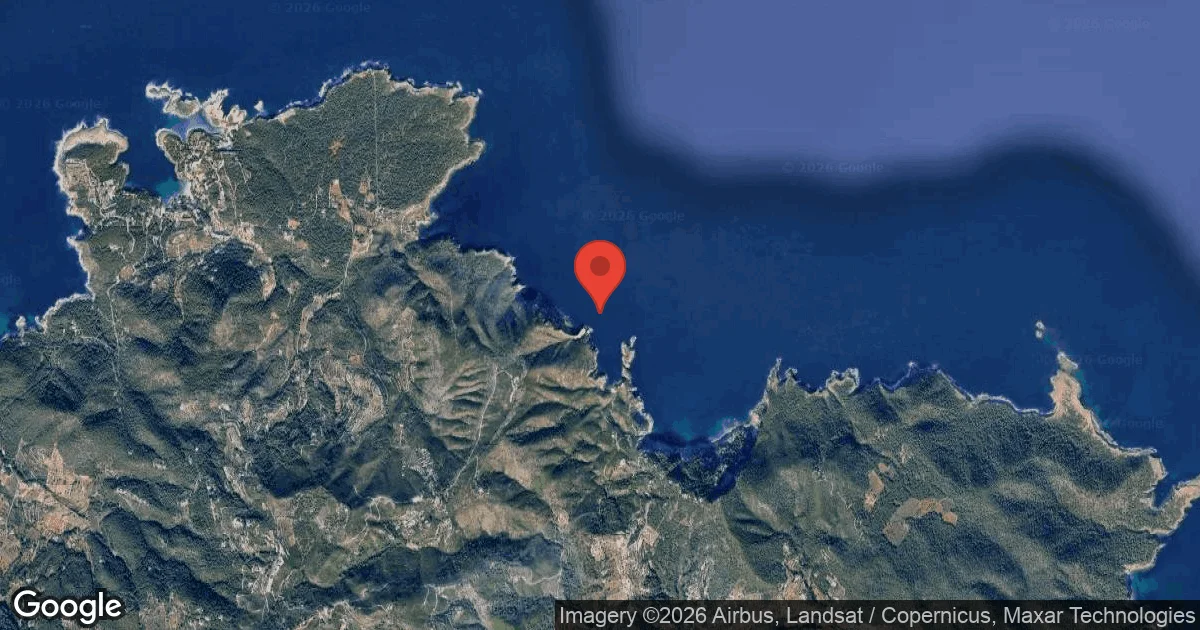
Cueva de la Luz is found on the island of Ibiza, Spain, underneath the cliffs of the Bay of Eubarca. It lies between the towns of Sant Joan de Labritja and Sant Antoni de Portmany.
What is the maximum depth of the dive site?
The main Cueva de la Luz reaches a maximum depth of approximately 16 meters. The entrance arch starts shallow, around four meters, and the 'Pillars of Hercules' cave is found at roughly nine meters.
What gives Cueva de la Luz its name?
The cave earns its name, 'Cave of Light,' from the spectacular light effects created during summer. Around midday, a large opening allows sunlight to stream into the main cavity, illuminating the water with vibrant blue tones.
What marine life can divers expect to see? চিহ্নিত
Divers may encounter groupers, octopus, and moray eels. Other sightings include scorpionfish, barracuda, salps, and various nudibranch colonies along the cave walls and surrounding areas.
Is Cueva de la Luz suitable for new divers or refreshers?
Yes, it's considered a very easy dive with multiple swim-throughs and an air-chamber cave section. It's often recommended for refreshers and those new to overhead environments, provided they have appropriate training.
How is the site accessed?
Cueva de la Luz is only accessible by boat. Shore diving is highly inadvisable due to its remote location and the challenging terrain under the cliffs.
Are there any specific hazards to be aware of?
The primary hazard is the overhead environment of the cave itself, requiring proper training. Additionally, surface hazards may include people jumping into the open cavern from the cliffs above, so divers should exercise caution at the surface.
Planning to dive Cueva de la Luz?
Send one inquiry and receive offers directly from the best verified local dive operators.
Conditions are Excellent
07:00 - 14:00
Optimal conditions expected
Current conditions near Cueva de la Luz show 21° air, 27° sea temperature, 0.4 m waves, and 26 km/h wind. Forecast data is refreshed regularly to ensure accuracy.