
Diving at Black Coral Point (Sri Lanka)
Wave conditions around Black Coral Point, nestled off the coast of Hikkaduwa, Sri Lanka, typically present with average wave heights ranging from 1.1 to 2.2 meters (3.6 to 7.2 ft) and wind speeds between 12.2 and 21.6 km/h (7.6 and 13.4 mph). These varying conditions often influence surface chop and can contribute to considerable current, especially during periods of larger swells. Divers should be prepared for dynamic entry and exit scenarios.
Evening condition tracking at Black Coral Point features an air temperature of 27.5°C. We have recorded wave heights measuring 2 m during this period. These figures outline the environmental parameters currently present.
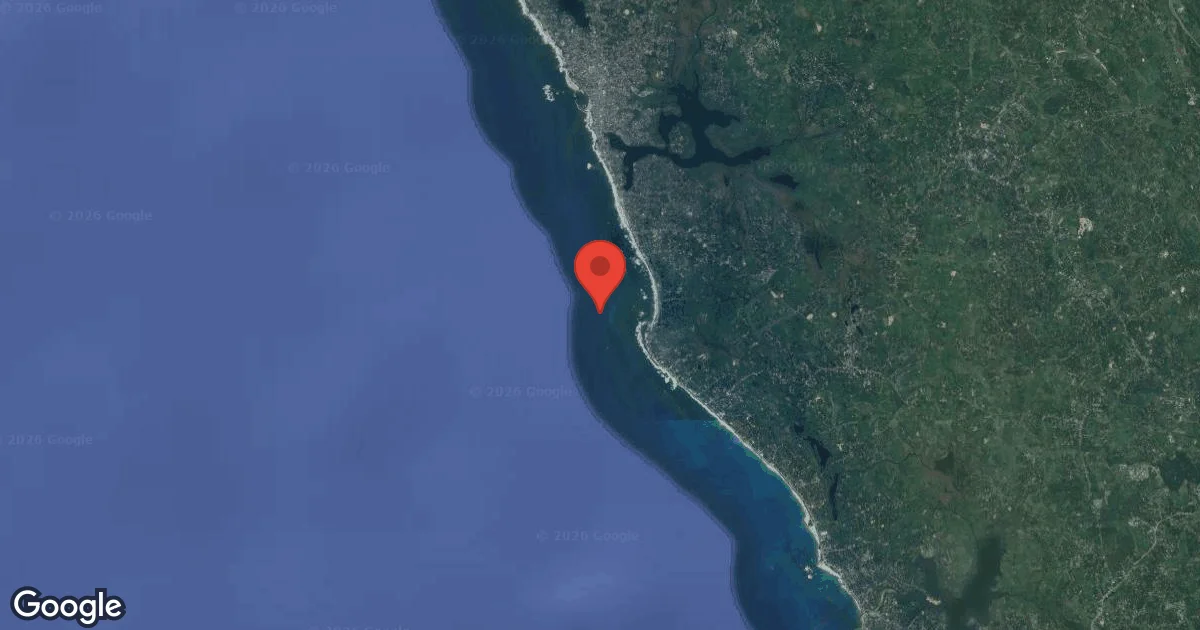
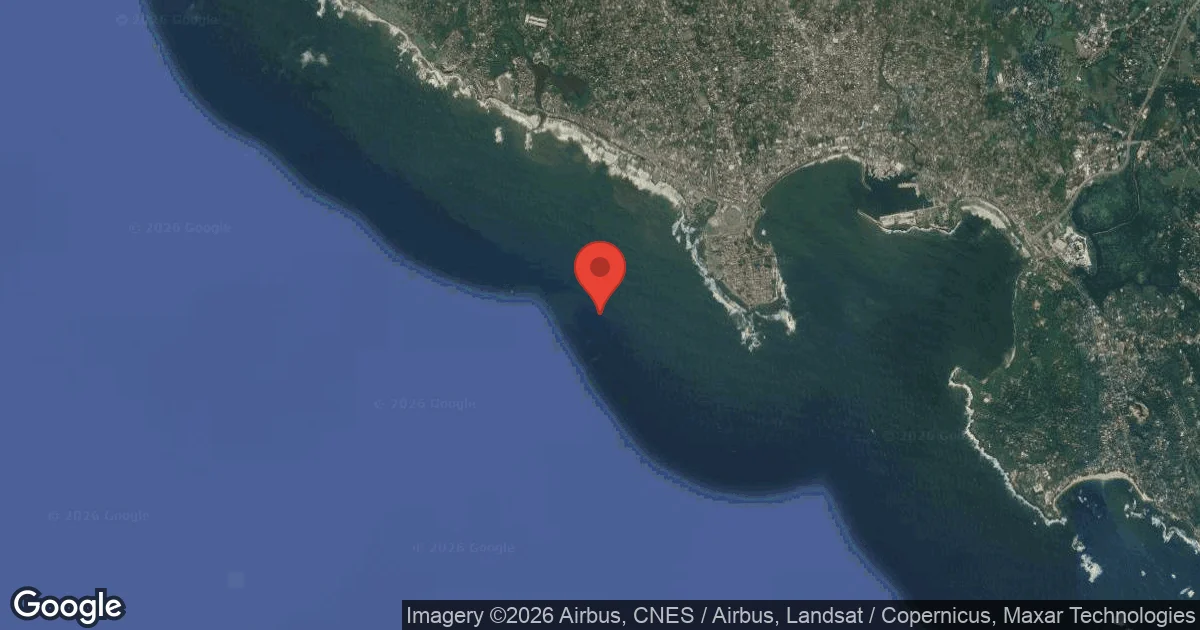
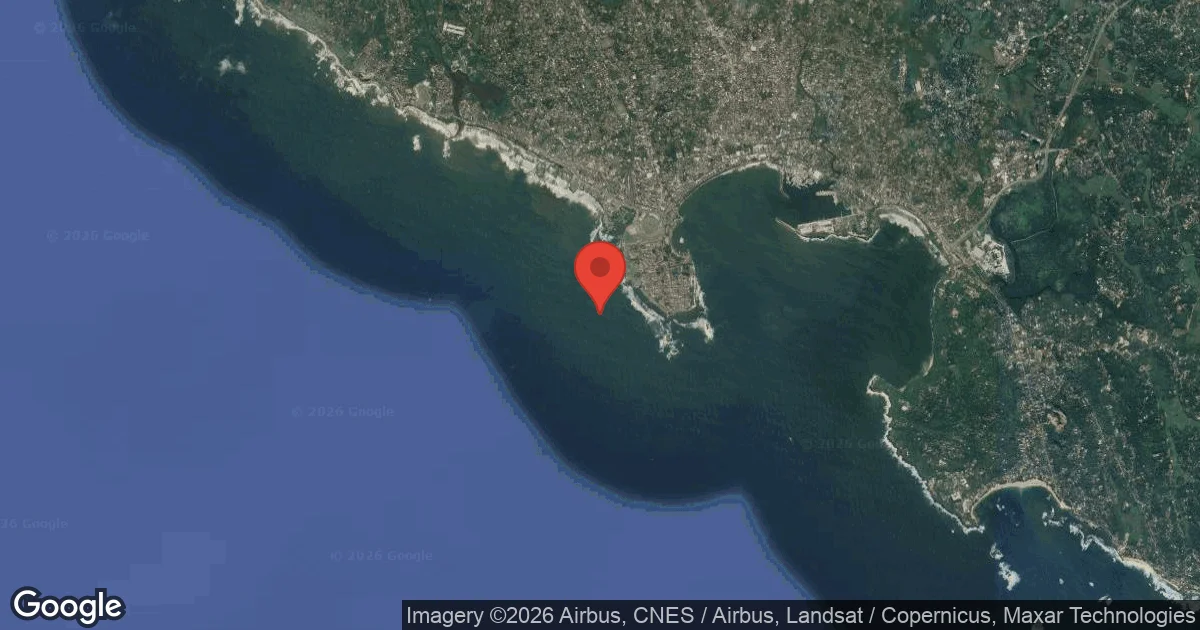
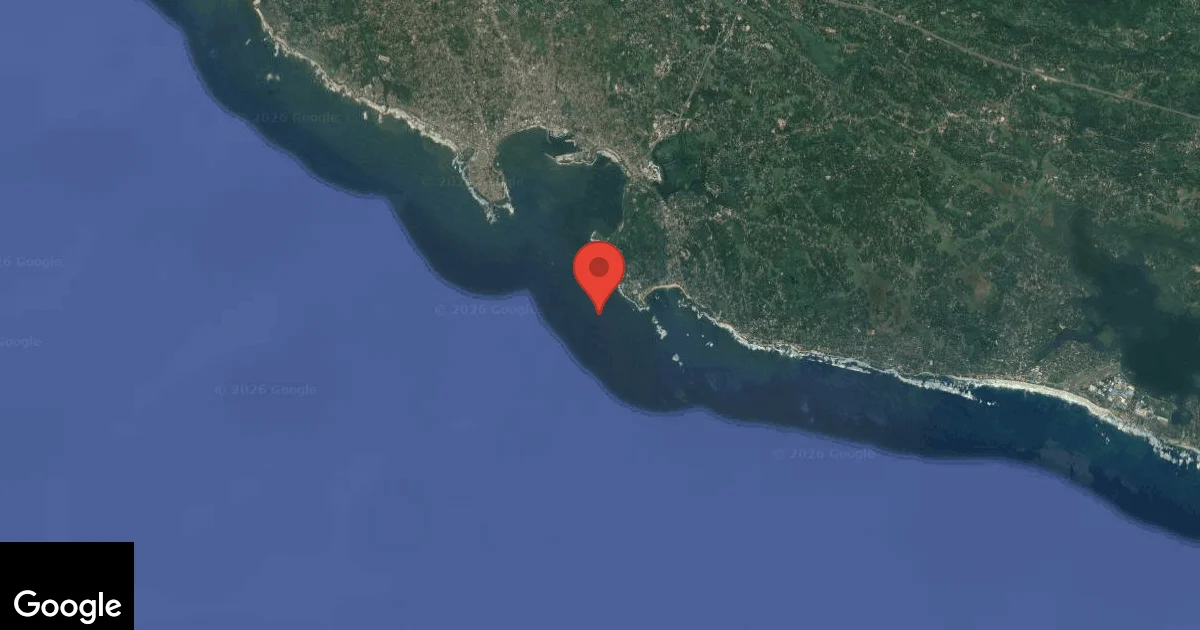
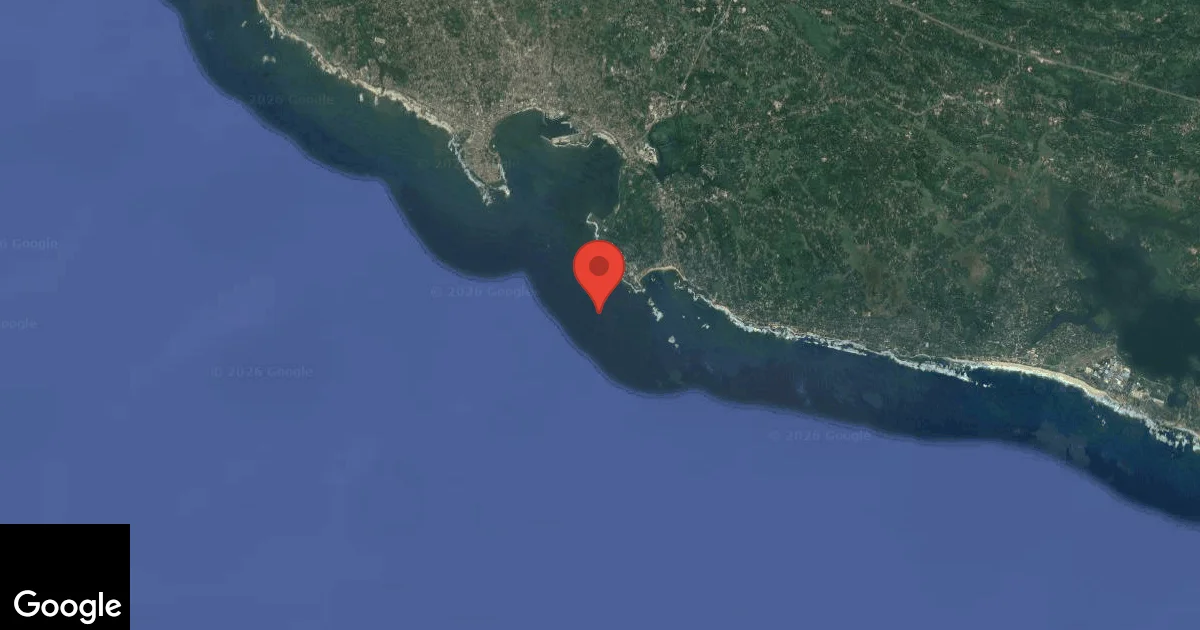
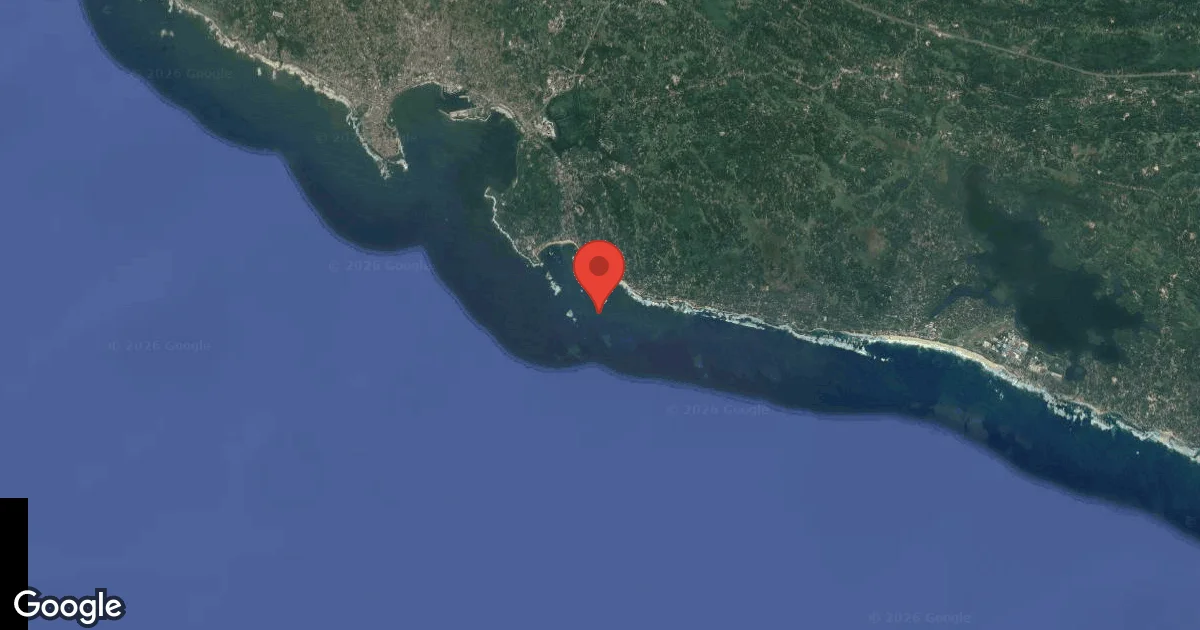
Dive Site Location & Key Facts
Dive Site Overview
Exploring Black Coral Point reveals an intricate underwater landscape, first documented by local dive experts for its distinctive character. This accessible boat dive site, positioned close to shore, invites experienced divers into a world of dramatic geological formations.
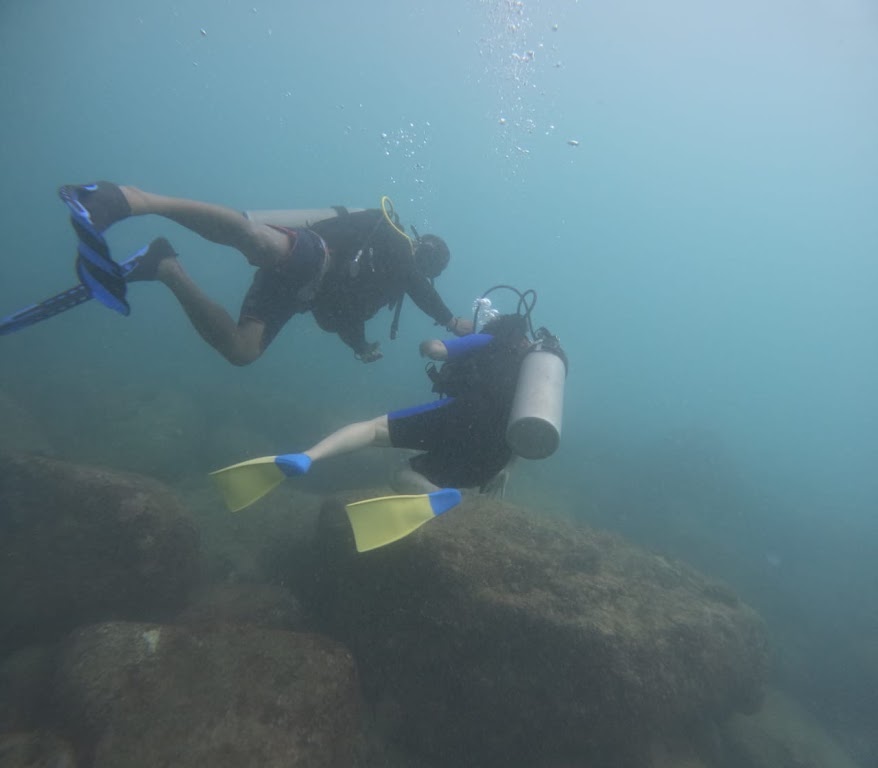
Descending here, divers navigate a vast network of very large rock complexes, which create an elaborate maze of overhangs, swim-throughs, and hidden crevices. These structures provide vital sanctuary for a diverse array of reef life, from small invertebrates to schooling fish seeking refuge from open water. The site earned its name from the remarkable density of black coral trees that thrive across its topography, often showcasing a pale, 'white glory' against the darker rock.
Reaching a maximum depth of 30 m (100 ft), the deeper sections host some of the most impressive black coral gardens, requiring careful buoyancy control to fully appreciate without disturbance. While sightings of larger pelagic species can vary based on conditions, the sheer scale of the rock formations, the vibrant black corals, and the countless smaller inhabitants guarantee an engaging and extensive dive.
The numerous caves and the complex reef structures demand attentive navigation skills, rewarding those who take their time to appreciate this rugged, yet delicate, ecosystem.
Conditions are Poor
Optimal conditions expected
Current conditions near Black Coral Point show 28° air, 29° sea temperature, 2.0 m waves, and 34 km/h wind. Forecast data is refreshed regularly to ensure accuracy.
Best Time to Dive
For an optimal dive experience at Black Coral Point, planning your visit between January and April, or during December, proves most rewarding. These months generally offer 'Good' dive scores, benefiting from the lowest average rainfall, typically ranging from 4.89 to 7.23 mm (0.19 to 0.28 inches). Air temperatures during these periods are pleasant, averaging between 25.5°C and 27°C (81°F)and 81°F). Conversely, the months from June to August receive 'Poor' dive scores, marked by higher wave activity and increased wind speeds, making conditions less favorable for diving. May, September, October, and November offer 'Moderate' conditions, with moderate rain around 11.1 to 14.2 mm (0.44 to 0.56 inches) and higher wave heights, suggesting more variable visibility and current.
PEAK SEASON SCORE
Scores combine air & water temps, waves, wind & rainfall for overall conditions.
BEST MONTHS TO DIVE
Monthly records compiled from satellite and marine observation nodes over the last 3 years. Data provided by Open-Meteo and MET Norway.
Dive Experience & Conditions
The descent at Black Coral Point often begins with navigating potential surface currents generated by larger swells, requiring divers to be proficient with anchor line descent techniques. Upon leaving the shallow waters, a 'dusty haze' can initially reduce visibility. However, as divers descend further, this often clears to reveal a vast panorama of intricate rock complexes. Within these formations, visibility can improve significantly, showcasing the site's rich textures. The underwater topography is dominated by substantial rocks, some looming with a subtle menace, and featuring sharp cracks and crevices throughout. Descending to its maximum depth of 30 m (100 ft) allows for exploration of these deeper formations where the namesake black coral trees are most prominent.
Dive Difficulty & Safety Guidelines
Approaching Black Coral Point demands a certified deep diver skillset due to its significant depth and the potential for considerable currents. Divers should be proficient in managing buoyancy and navigating in variable conditions. Planning dives with a local guide who is familiar with the site's unique characteristics and current patterns is highly advisable.
Furthermore, maintaining situational awareness, especially within the large rock complexes and crevices, is crucial to prevent disorientation. Always monitor your air supply diligently given the site's depth profile.
Recommended Equipment
Overhead environment. Do not enter beyond training and gas planning limits.
- Dive Computer
- Primary & Backup Lights
- Reel / Spool
- Cutting Tool
This gear list is based on verified equipment signals for Black Coral Point, Sri Lanka. Always confirm final gear choices with your dive operator, guide, or liveaboard.
Recommended Dive Suit
Comfort levels can also depend on how active a diver is during the dive.
Environmental readings suggest that the waters surrounding Black Coral Point are about 29°C (84°F) at the moment. Surface air temperatures are resting at 28°C (82°F). When water temperatures fall within this range, many divers dive comfortably with 2-3mm shorty or light wetsuit. Consider warmer surface protection (like a boat coat) due to brisk winds.
Conditions are expected to stay fairly consistent in the days ahead.
Due to technical issues with our weather providers, live updates are temporarily delayed. The data above reflects the conditions at the time of the last successful fetch.
Emergency & Medical Support
Essential information to help you plan your dive trip to Black Coral Point.

Hyperbaric chambers are a critical part of dive safety infrastructure. Availability varies significantly by region, and not all dive areas have immediate access.
Before diving, it's recommended to:
- confirm nearest medical facilities
- check emergency procedures with local dive operators
- ensure dive insurance covers evacuation if required
Divers Alert Network
Diving emergency assistance available through DAN World.
+1-919-684-9111- 24/7 emergency hotline
- Diving medical assistance
- Evacuation coordination
Emergency contacts are provided for reference. Always verify local emergency services before diving.
Marine Life at Black Coral Point
Your attention at Black Coral Point is immediately drawn to the striking abundance of Black Coral trees, often appearing in their 'white glory' against the dark rock formations. Look closely within the many sharp cracks and crevices; they harbor a variety of smaller reef fish.
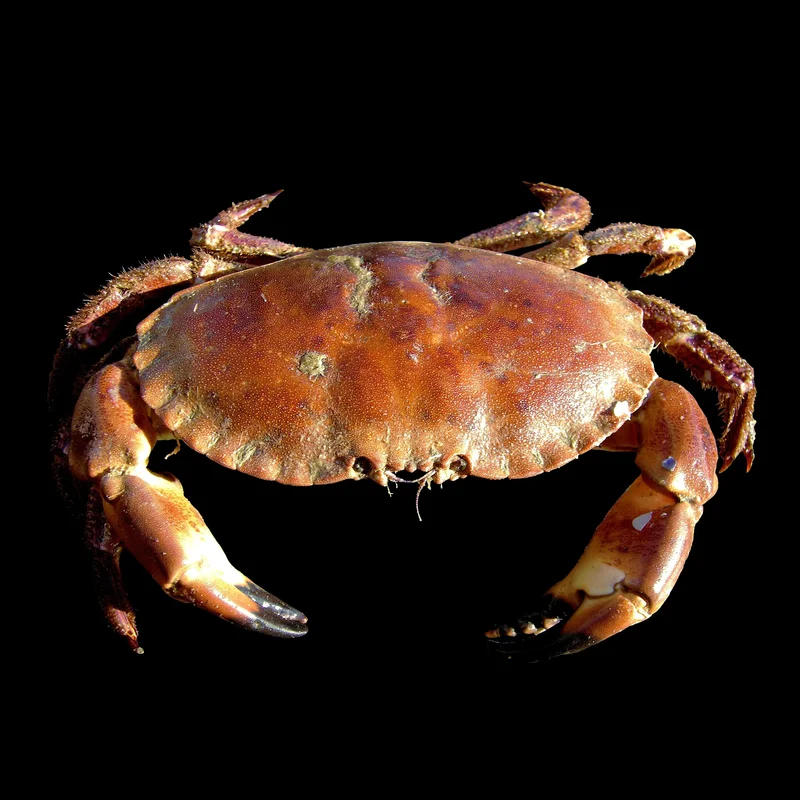
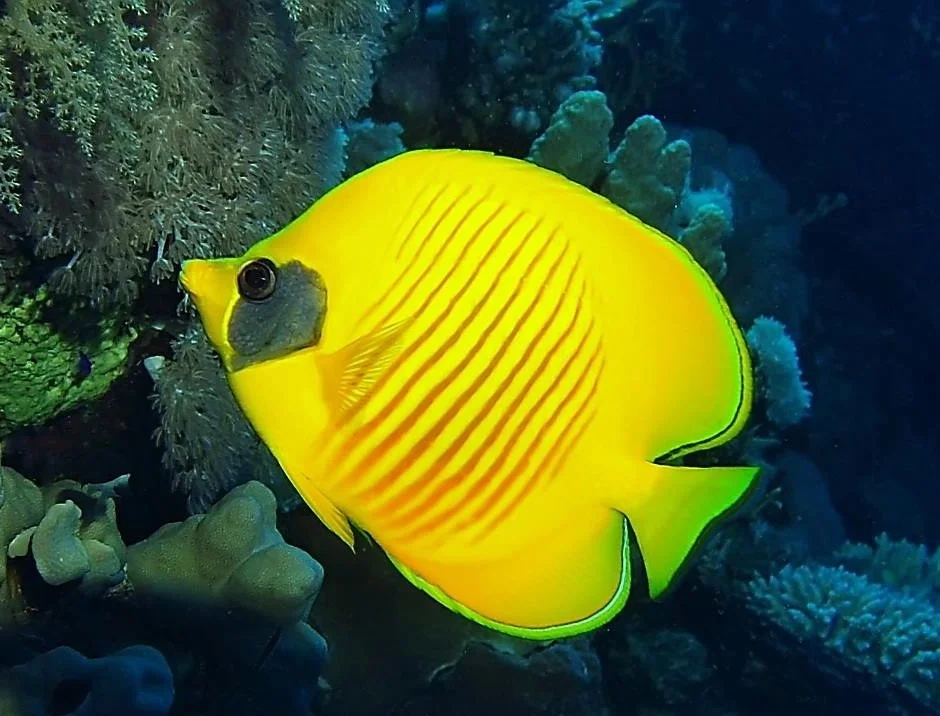
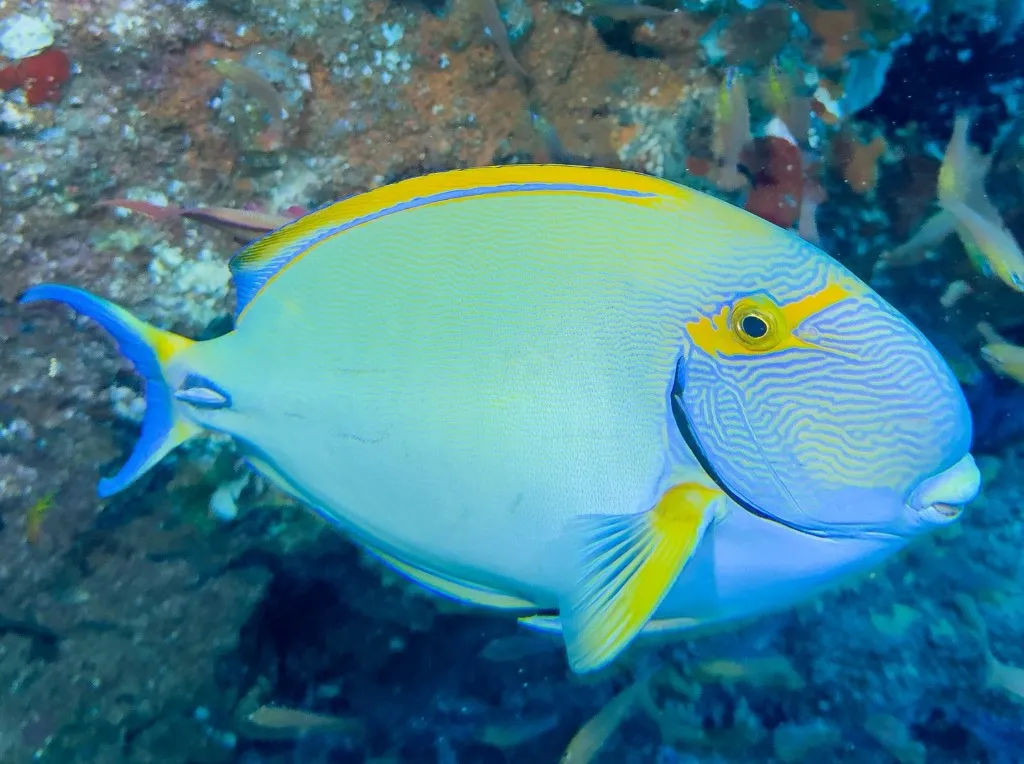
Shining little Crabs and Bandit Shrimps are frequently observed tucked away in these nooks. Additionally, cleaning stations are prevalent, with fish like Butterflyfish and Surgeonfish pausing for the iridescent blue Cleaner Wrasse.
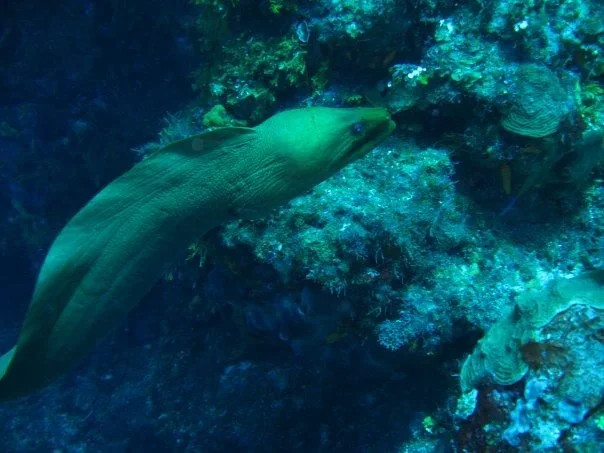
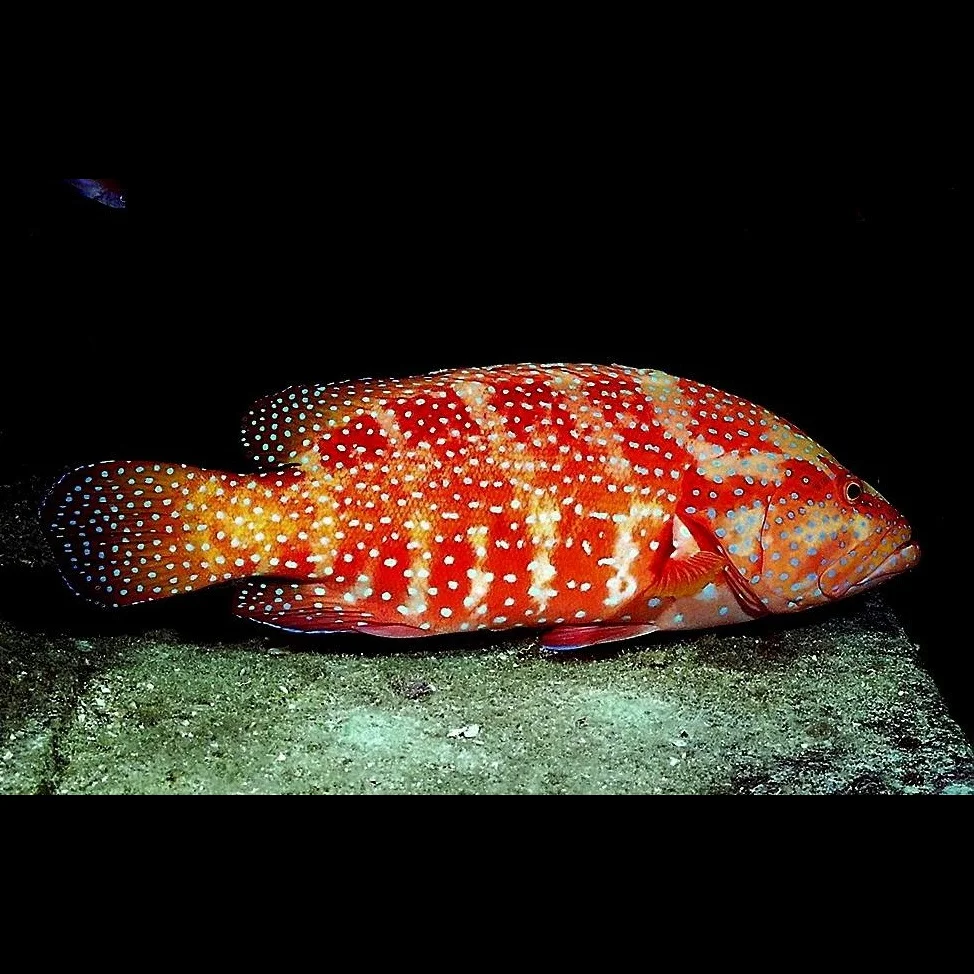
Keep an eye out for Moray Eels peeking from their rocky hideouts, small Groupers, and the occasional Pufferfish. A Vermilion Rock Cod might be seen seeking refuge under a rocky shelf.
Dive Sites Near Black Coral Point
View all dive sites in Sri LankaDiscover more underwater gems in this area.
Dive Centers Near Black Coral Point
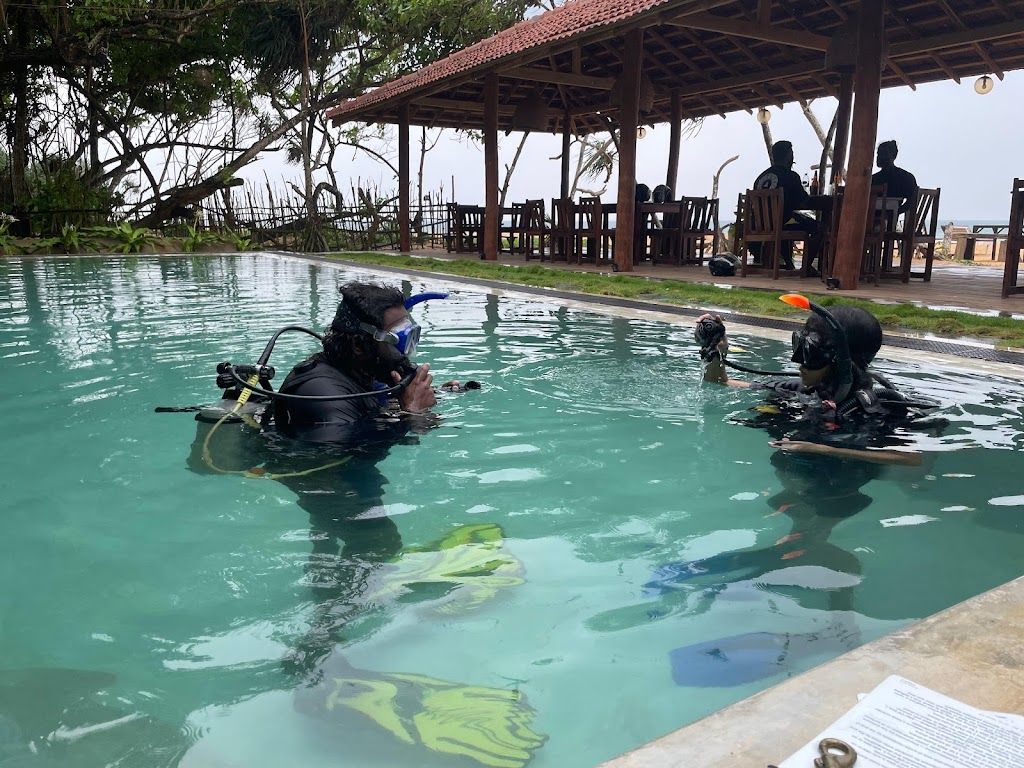
Today: 08:30 - 20:00
Nearest Airports
Nearest airports to help plan travel to this dive area.
Search Flights
Check available flights and routes on Expedia, using the nearby airports listed in this section.
Search Flights on ExpediaFrequently Asked Questions
What is the maximum depth at Black Coral Point?
The maximum depth divers can reach at Black Coral Point is typically 30 m (100 ft). This makes it suitable for certified deep divers seeking more profound underwater exploration.
Are there strong currents at Black Coral Point?
Yes, large swells can produce considerable currents, especially near the surface and during certain tidal conditions. Divers should be prepared for these dynamic water movements and plan accordingly.
What kind of marine life can I expect to see?
The site is notable for its profuse black coral trees. You'll also encounter a variety of reef fish like Moray Eels, Groupers, Pufferfish, Butterflyfish, Surgeonfish, as well as crabs and shrimps within the rock formations.
Is Black Coral Point suitable for beginner divers?
Given its depth of 30 m (100 ft) and potential for strong currents, Black Coral Point is considered a deep dive best suited for experienced and certified divers. Beginners might find the conditions challenging.
What is the best time of year to dive this site?
The optimal period for diving Black Coral Point is from January to April and again in December. These months typically offer the calmest conditions and lowest rainfall, providing the best visibility.
What are the main features of the underwater topography?
The site is characterized by extensive, very large rock complexes with numerous sharp cracks, crevices, and overhangs. These formations create an intricate environment perfect for exploring and discovering hidden marine life.
Planning to dive Black Coral Point?
Send one inquiry and receive offers directly from the best verified local dive operators.
Conditions are Poor
Optimal conditions expected
Current conditions near Black Coral Point show 28° air, 29° sea temperature, 2.0 m waves, and 34 km/h wind. Forecast data is refreshed regularly to ensure accuracy.