
Diving at S S Conch (Sri Lanka)
For certified divers seeking accessible wreck exploration, the S S Conch offers a compelling dive experience off the coast of Hikkaduwa, Sri Lanka. This site is well-suited for advanced open water divers, particularly those with an interest in maritime history and wreck diving. While much of the wreck is within recreational depth limits, penetration into certain sections requires specialized training and a dive master's guidance.
As evening covers S S Conch, the local air temperature is measured at 27°C. The current wave height at the surface is recorded at 1.8 m. These late-day readings characterize the surface conditions for the night.
Dive Site Location & Key Facts
Dive Site Overview
A significant piece of maritime history, the S S Conch was one of the world's first steam-powered oil tankers. Built in 1892 for Shell, this 3555-ton vessel met its end in early June 1903, striking the Akarta rock (Parsi rock or Akurala Reef) en route from Novorossisk to Madras.
Largely scattered across the seabed today, the wreck offers a challenging yet rewarding exploration. Divers will find hundreds of iron parts distributed around the site, making discerning its original form from a distance difficult. Its stern section represents the dive's deepest part, reaching approximately 21 meters (69 ft), with the propeller half-buried in the sand.
A substantial portion of the hull's stern side rests on its port, exposing the engine room. Here, steam engine, propeller shafts, and levers are visible, showing minimal deep corrosion due to their quality materials.
Three large boilers, often mistakenly identified as oil tanks, are also prominent features. While much of the interior is compromised, penetration into a cabin section is possible under the supervision of a dive master, offering glimpses into the ship's past.
Local dive centers have played a crucial role in protecting this historically significant site against salvage efforts.
Conditions are Moderate
Optimal conditions expected
Current conditions near S S Conch show 27° air, 29° sea temperature, 1.9 m waves, and 28 km/h wind. Forecast data is refreshed regularly to ensure accuracy.
Best Time to Dive
Planning your dive to S S Conch during the drier months significantly enhances the experience, with the period from December through April generally offering good conditions. During these months, average air temperatures remain comfortable, typically ranging between 25.5°C (78°F) in January and 27.5°C (82°F) in April. Rainfall is notably lower, averaging from 3.5 mm (March) to 6.2 mm (April), which often correlates with improved underwater visibility. Wave heights also tend to be calmer, with averages around 1.1 to 1.3 meters (3.6-4.3 ft), contributing to smoother boat rides to the site. Conversely, the monsoon season from May to November brings higher rainfall and increased wave activity, leading to less favorable dive conditions. Visibility at the site is consistently reported as stable, often around 15 meters (49 ft), thanks to its rocky bottom.
PEAK SEASON SCORE
Scores combine air & water temps, waves, wind & rainfall for overall conditions.
BEST MONTHS TO DIVE
Monthly records compiled from satellite and marine observation nodes over the last 3 years. Data provided by Open-Meteo and MET Norway.
Dive Experience & Conditions
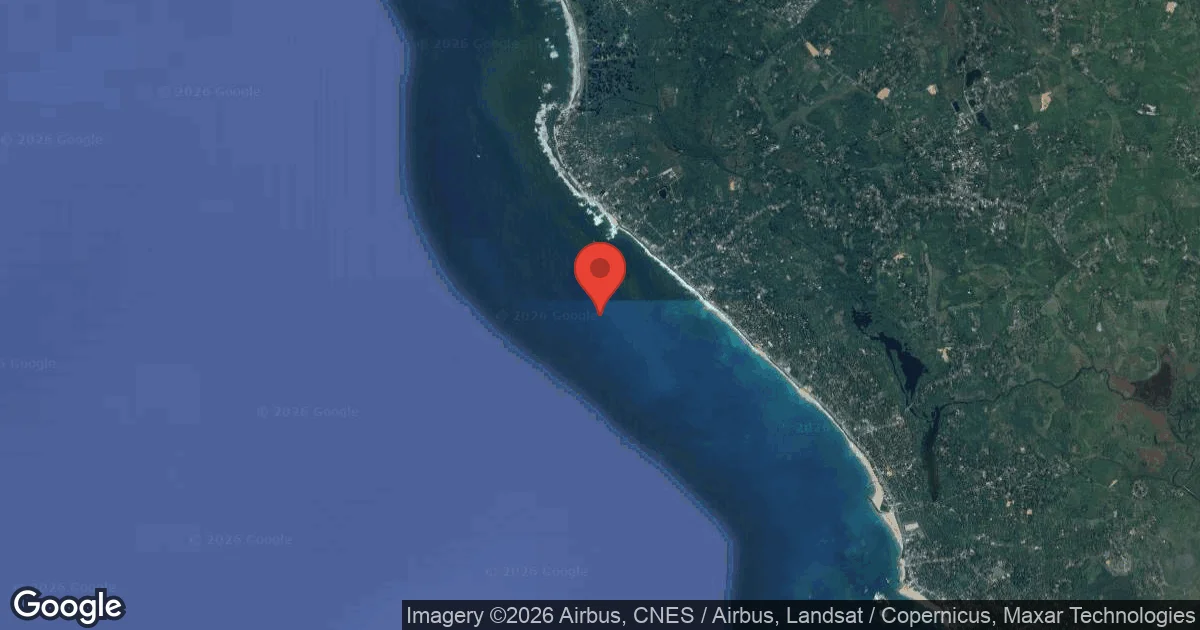
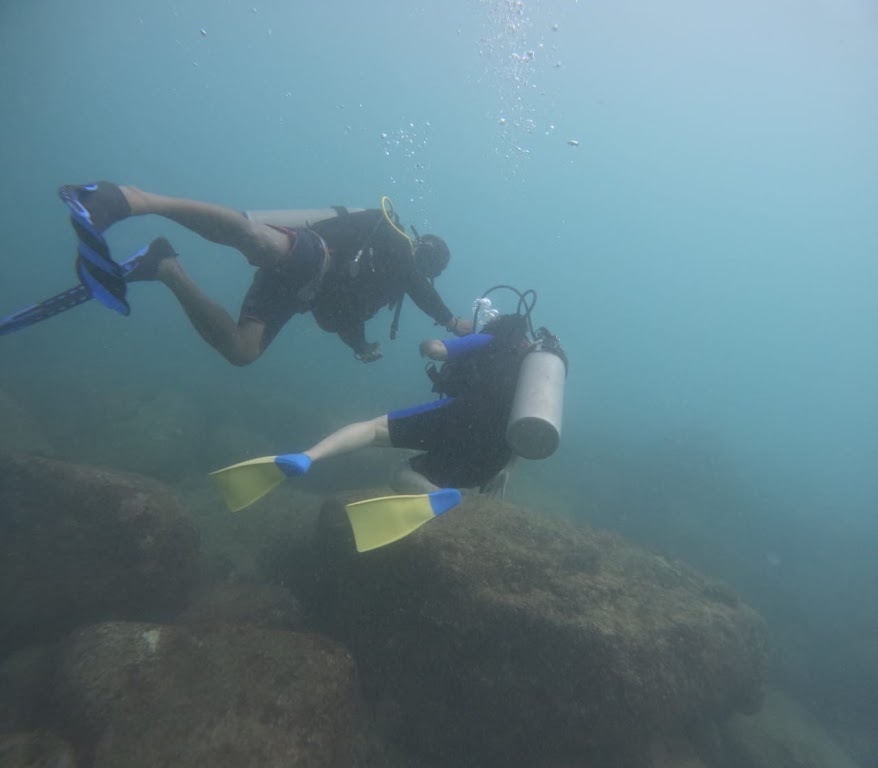
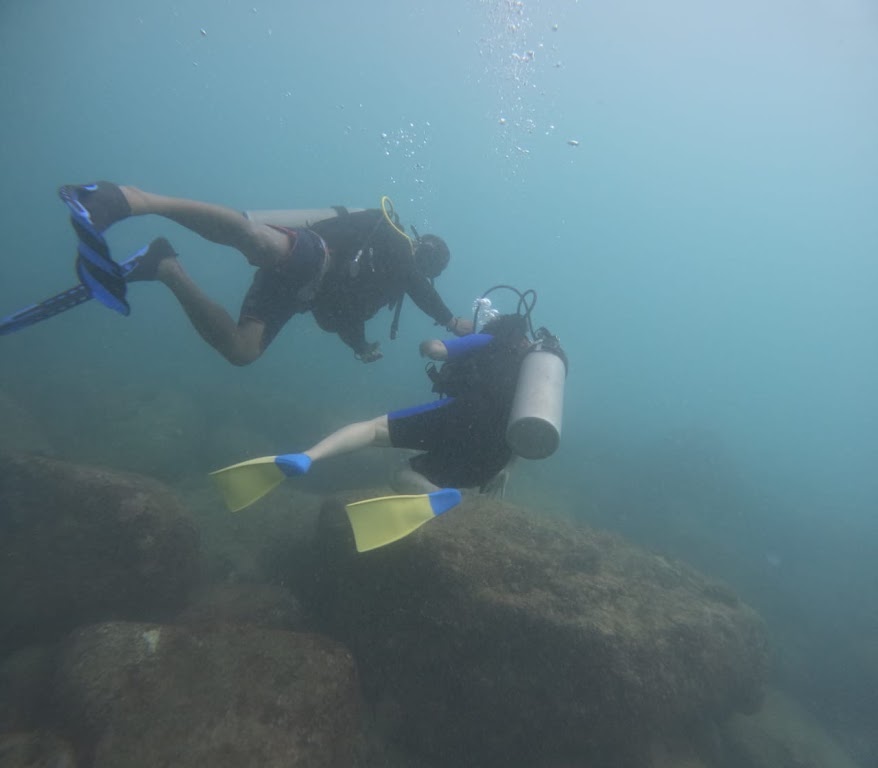
Descending onto the S S Conch, divers first encounter a sprawling field of iron debris, a stark reminder of the ship's violent end. Approximately 3 km (1.9 miles) from the beach, the site is reached by a 10 km (6.2 miles) boat journey from Hikkaduwa, typically a half-hour trip. Depths at the main bottom range around 17 meters (56 ft), with the stern, its deepest section, extending to 21 meters (69 ft). Visibility is often very good, frequently around 15 meters (49 ft), assisting navigation of the scattered wreck. This consistent visibility is attributed to the prevailing rocky seabed. While specific water temperature data isn't consistently reported, warm tropical waters characterize the region, ensuring comfortable dive conditions year-round. A dynamic environment exists within this wreck, virtually without silt inside more intact sections; however, smaller exits present a possibility of entanglement.
Dive Difficulty & Safety Guidelines
Navigating the S S Conch wreck requires careful consideration of safety protocols, especially given its fragmented nature. While the majority of the site is suitable for experienced recreational divers, any planned wreck penetration, such as into the cabin sections, demands specialized wreck diving training.
It's imperative to always dive with a qualified dive master for any overhead environment exploration, as entanglement risks exist within smaller passages. Prior to diving, always consult with local dive professionals familiar with the site's current conditions and adhere strictly to PADI Standard Safe Diving Practices.
The archaeological value of the S S Conch has led to local conservation efforts; respecting the wreck and avoiding disturbance of its historical components is essential for its preservation. There are no reported unique inherent hazards beyond typical wreck diving considerations.
Recommended Equipment
Overhead / entanglement risk. Wreck penetration requires proper training.
- Dive Computer
- Primary & Backup Lights
- Wreck Reel
- Cutting Tool
This gear list is based on verified equipment signals for S S Conch, Sri Lanka. Always confirm final gear choices with your dive operator, guide, or liveaboard.
Recommended Dive Suit
For relaxed exploration dives, 2-3mm shorty or light wetsuit generally provides adequate warmth. Consider warmer surface protection (like a boat coat) due to brisk winds. Those diving at S S Conch today will likely encounter water temperatures in the region of 29°C (83°F). Surface air temperatures are resting at 27°C (81°F).
Conditions in the coming days are expected to stay within a similar temperature range.
A diver's personal tolerance to cold water can play a large role in suit selection.
Emergency & Medical Support
Essential information to help you plan your dive trip to S S Conch.

Hyperbaric chambers are a critical part of dive safety infrastructure. Availability varies significantly by region, and not all dive areas have immediate access.
Before diving, it's recommended to:
- confirm nearest medical facilities
- check emergency procedures with local dive operators
- ensure dive insurance covers evacuation if required
Divers Alert Network
Diving emergency assistance available through DAN World.
+1-919-684-9111- 24/7 emergency hotline
- Diving medical assistance
- Evacuation coordination
Emergency contacts are provided for reference. Always verify local emergency services before diving.
Marine Life at S S Conch
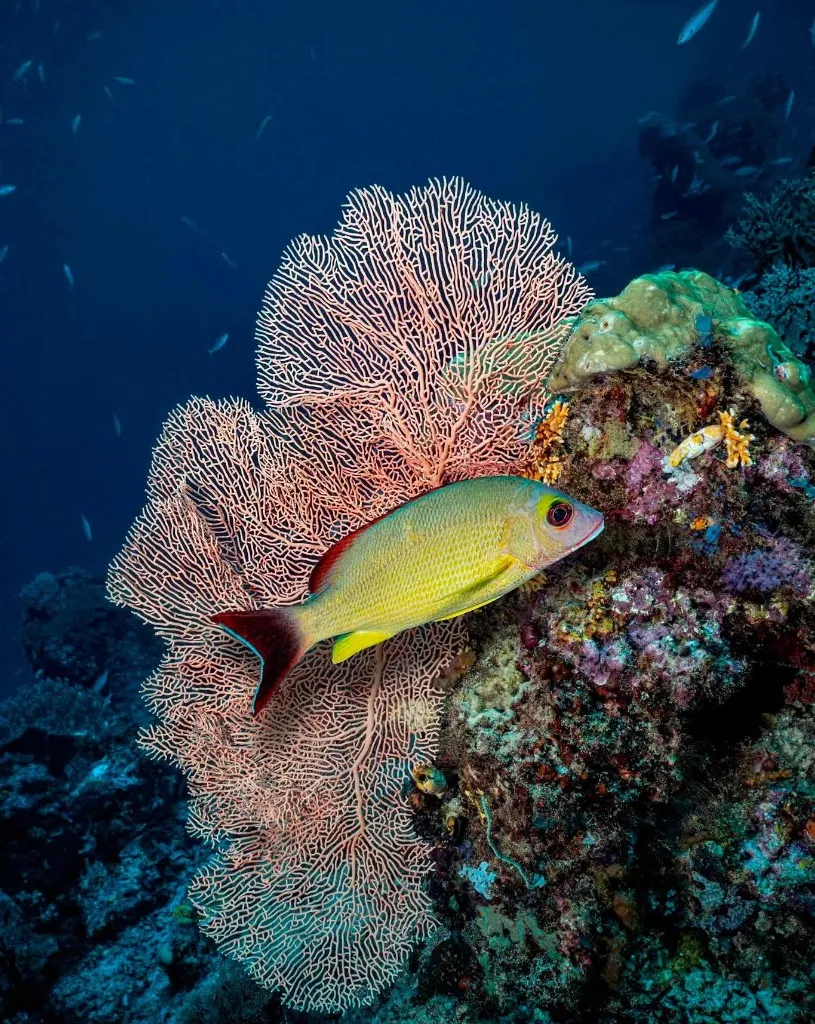
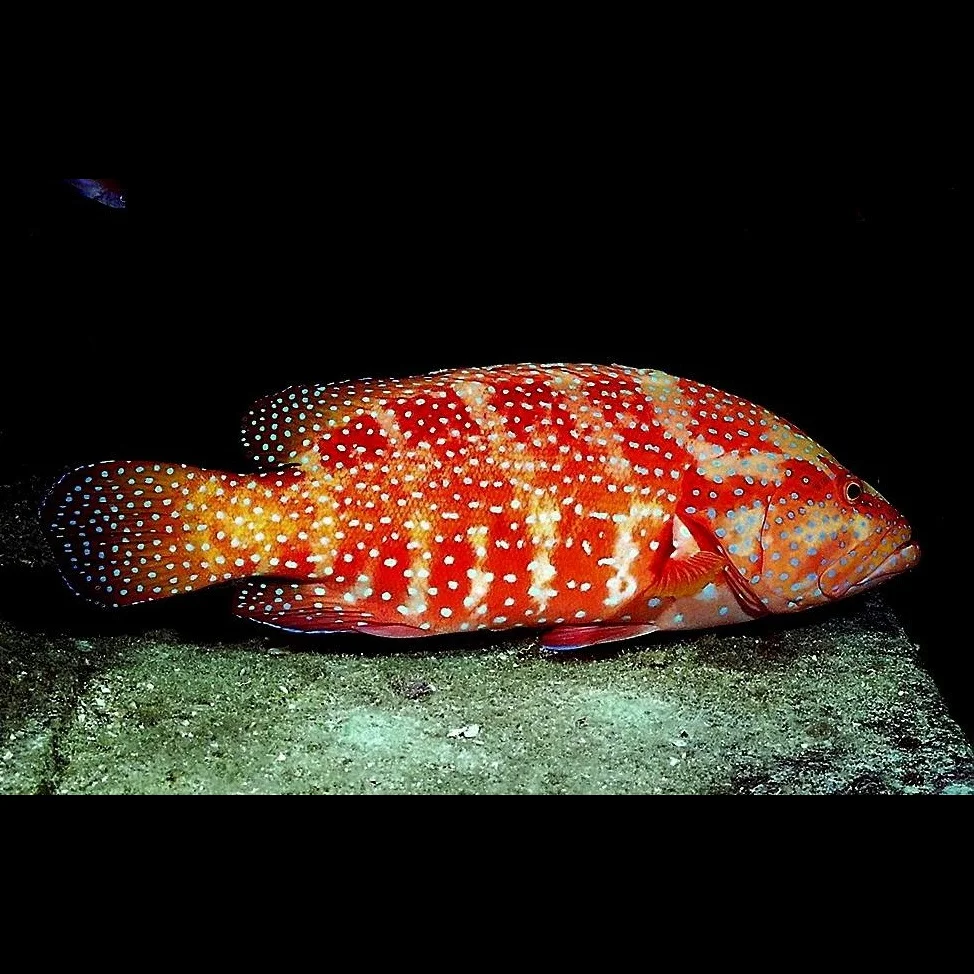
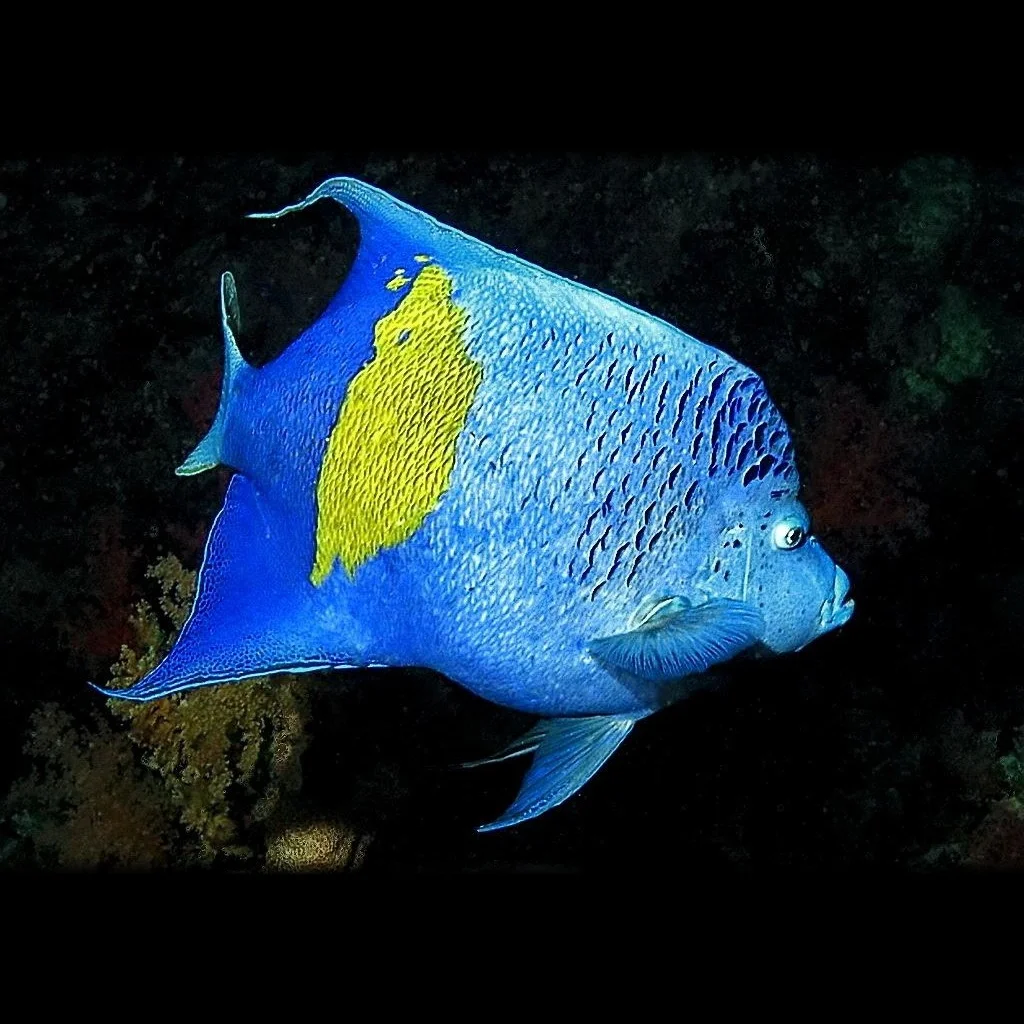
Divers entering the S S Conch area will observe a resident population of smaller reef fish, making this shipwreck their habitat. Its scattered iron parts and remaining hull sections form numerous nooks and crannies, attracting a diverse array of species.
Expect to see various Snappers, Angelfish, Porcupinefish, and Pufferfish, which contribute vibrant colors to the underwater scene. Larger marine inhabitants, such as groupers, napoleons, and the impressive Titan Triggerfish, are regularly encountered.
Giant Morays often peer from within the wreck's crevices, further enhancing the rich biodiversity of this historic site.

Dive Sites Near S S Conch
View all dive sites in Sri LankaDiscover more underwater gems in this area.
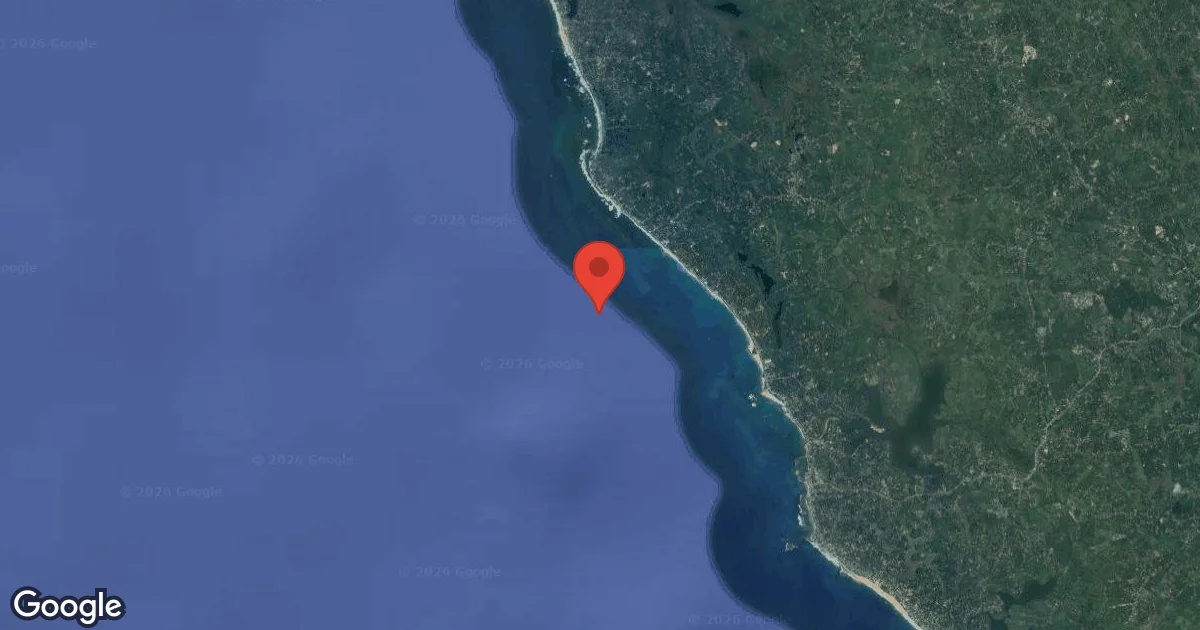
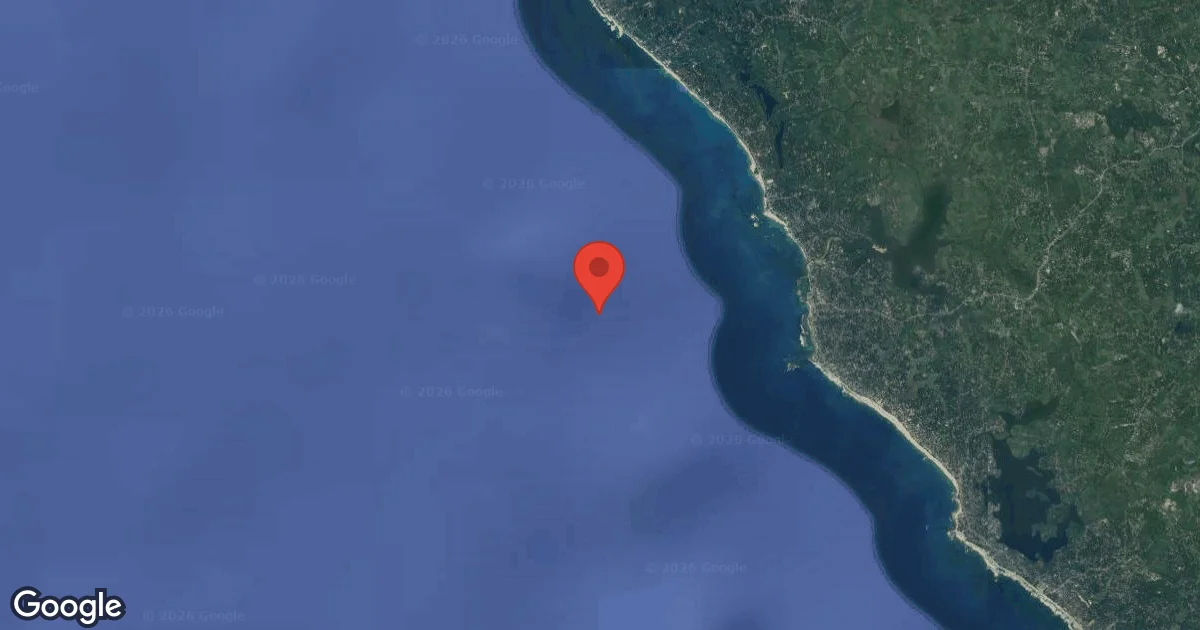
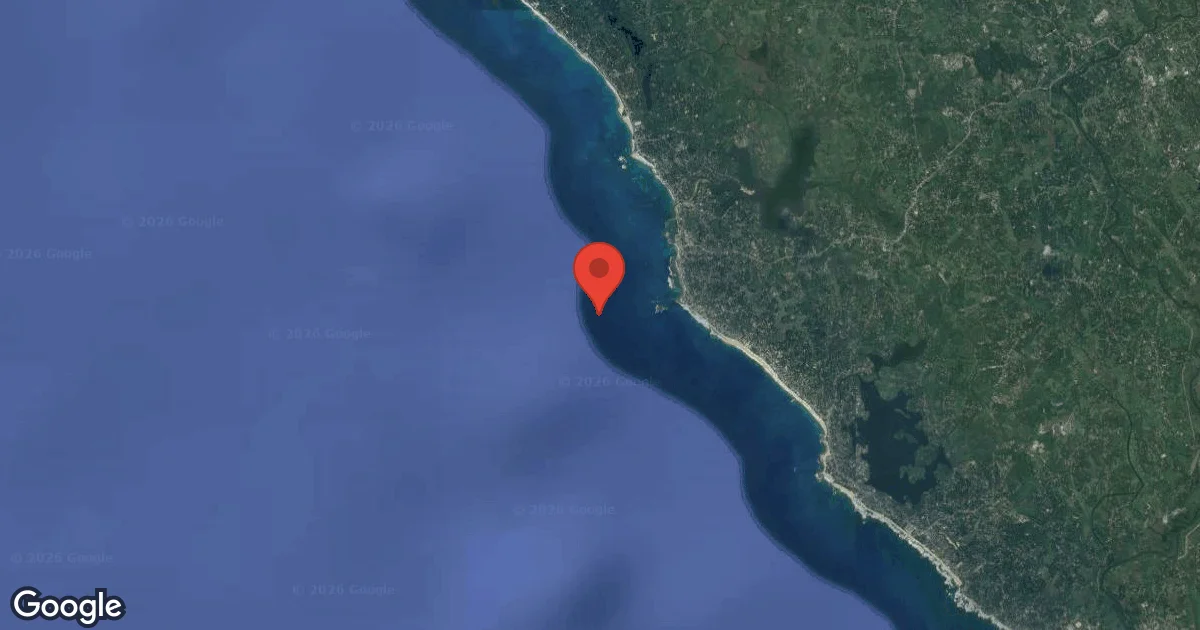
Dive Centers Near S S Conch
Today: 08:00 - 18:00
Nearest Airports
Nearest airports to help plan travel to this dive area.
Search Flights
Check available flights and routes on Expedia, using the nearby airports listed in this section.
Search Flights on ExpediaFrequently Asked Questions
What type of vessel was the S S Conch?
One of the world's first steam-powered oil tankers, the S S Conch was built in 1892 for Shell. It weighed 3555 tons before its sinking.
What is the maximum depth of the S S Conch dive site?
Reaching approximately 21 meters (69 ft), the stern section marks the deepest part of the S S Conch wreck. Shallower sections of the wreck are found around 17 meters (56 ft).
Is wreck penetration possible at S S Conch?
Yes, penetration into certain sections, such as a cabin, is possible. However, this is only recommended for divers with specialized wreck diving training and must be conducted under the supervision of a qualified dive master due to potential entanglement risks.
What marine life can be seen at S S Conch?
A variety of marine life calls the wreck home, including Snappers, Angelfish, Porcupinefish, Pufferfish, Groupers, Napoleon Wrasse, Titan Triggerfish, and Giant Morays. Its structure provides ample habitat for many species.
How far is the wreck from Hikkaduwa beach?
Approximately 3 km (1.9 miles) from the beach in the Akkurala area, the S S Conch wreck is accessible via a roughly 10 km (6.2 miles) boat journey from Hikkaduwa.
When is the best time to dive S S Conch?
Diving the S S Conch is generally best from December to April. During these months, conditions are favorable with lower rainfall, calmer waves, and comfortable air temperatures, leading to better visibility.
Are the large tanks on the wreck actually oil tanks?
No, the three large structures often described as oil tanks are actually the ship's boilers. Near these, the engine room area reveals the steam engine and propeller shafts.
Planning to dive S S Conch?
Send one inquiry and receive offers directly from the best verified local dive operators.
Conditions are Moderate
Optimal conditions expected
Current conditions near S S Conch show 27° air, 29° sea temperature, 1.9 m waves, and 28 km/h wind. Forecast data is refreshed regularly to ensure accuracy.