
Diving at Earl of Shaftesbury (Sri Lanka)
Descending onto the flat sandy seabed, divers encounter the scattered remnants of the Earl of Shaftesbury. This four-masted iron sail ship, which capsized in May 1893, now rests at a depth of 12-15 m (40-50 ft). Its historical presence off the shores of Akurala/Hikkaduwa offers a compelling glimpse into Sri Lanka's maritime past.
As evening covers Earl of Shaftesbury, the local air temperature is measured at 28°C. The current wave height at the surface is recorded at 1.7 m. These late-day readings characterize the surface conditions for the night.
Dive Site Location & Key Facts
Dive Site Overview
Resting on a flat sandy seabed, components of the Earl of Shaftesbury wreck are strewn across the ocean floor, reaching a maximum depth of 15 m (50 ft). This makes it an accessible and engaging dive for many certification levels.
A formidable vessel, the 2100-ton, four-masted iron sail ship measured 85 m (279 ft) in length and 13 m (43 ft) in width. It was en route to Diamond Island from Bombay when tragedy struck in May 1893, causing it to capsize. Constructed with robust iron in Leith, Scotland, discernable hull sections remain, along with some of its masts and parts of the cabin sides, stubbornly resisting time and current.
Exploring these historical remnants forms a key part of the underwater topography. Its scattered layout presents various points of interest spread across a manageable area.
Divers can investigate the main hull section, where original structure is most evident, before tracing the debris field. Considered an easy dive, it allows ample time for observation and photography.
A typical one-hour dive provides sufficient opportunity to thoroughly explore most of the site, appreciating the historical narrative embedded in decaying metal and wood.
Conditions are Poor
High Swell Advisory. Not recommended.
Current conditions near Earl of Shaftesbury show 28° air, 29° sea temperature, 2.3 m waves, and 30 km/h wind. Forecast data is refreshed regularly to ensure accuracy.
Best Time to Dive
Seasonal patterns indicate an optimal period for exploring the Earl of Shaftesbury wreck from January to April and again in December. Conditions during these months are generally favorable. Wave heights are typically lower, averaging around 1.1-1.3 m, with wind speeds around 13-14 km/h. Rainfall also remains minimal, often below 6 mm. Conversely, months from June to August generally present less favorable conditions due to increased wave activity, stronger winds, and higher rainfall. Average air temperatures stay consistently warm throughout the year, usually ranging between 25.5-27.5°C (78-82°F), ensuring comfortable surface intervals regardless of the season. Water temperature recorded at 28°C (82°F) suggests pleasant dive conditions whenever clarity allows.
PEAK SEASON SCORE
Scores combine air & water temps, waves, wind & rainfall for overall conditions.
BEST MONTHS TO DIVE
Monthly records compiled from satellite and marine observation nodes over the last 3 years. Data provided by Open-Meteo and MET Norway.
Dive Experience & Conditions
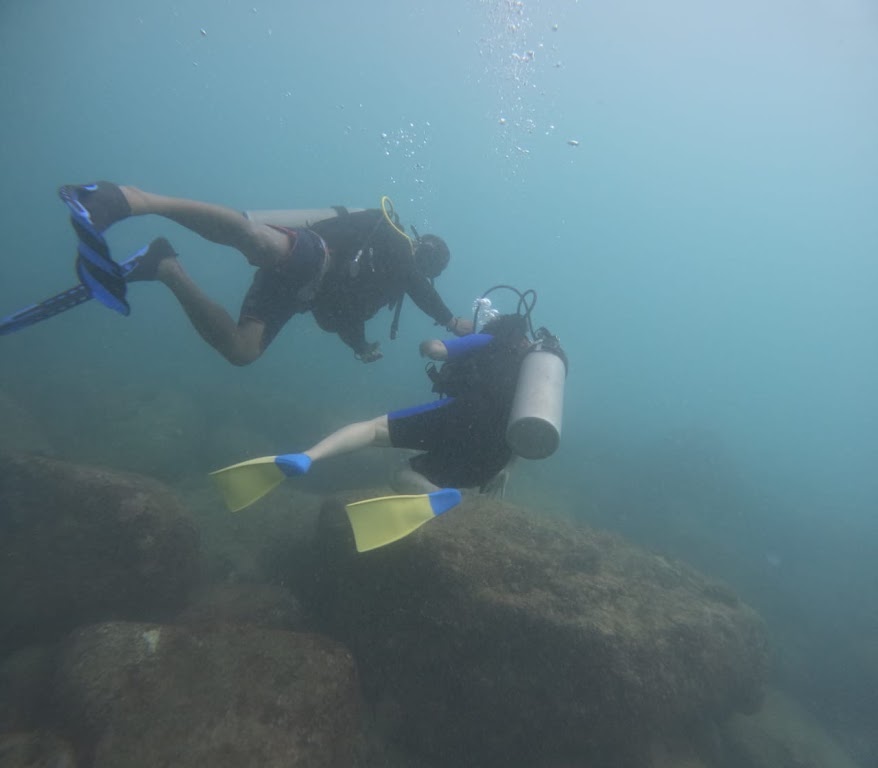
Approaching the Earl of Shaftesbury wreck, divers find a site well-suited for relaxed exploration, often described as enjoyable and straightforward. Visibility tends to vary, depending on recent weather and local conditions, typically falling within the 5-10 m (16-33 ft) range. During periods of excellent clarity, the wreck transforms into a scenic experience, with ambient light casting an ethereal glow upon the historical remnants. This setup provides compelling photographic opportunities and enhances the sense of discovery. Consistently reported strong currents are absent at this specific location, further contributing to its reputation as an unhurried, beginner-friendly dive. A calm environment allows divers to take their time navigating the scattered debris field without significant effort. Water temperatures typically hover around 28°C (82°F), offering a comfortable thermal experience for extended bottom times. Surrounding the wreck, a sandy seabed aids easier navigation and reduces silt-out risk with proper buoyancy, making it accessible for divers of varying experience levels.
Dive Difficulty & Safety Guidelines
Considering the scattered nature of the Earl of Shaftesbury wreck, divers must maintain excellent buoyancy control. This prevents contact with historical remnants and the surrounding sandy bottom. A general awareness of potential sharp edges on decaying metal structures is also prudent, though no specific hazards are frequently reported.
Exploring here is generally considered suitable for certified divers, accommodating various skill levels due to its manageable depth and calm conditions. Consulting local dive operators can provide current conditions and any site-specific recommendations before your dive.
Always adhere to personal training limits and dive with a buddy for safety, ensuring a responsible and enjoyable experience.
Recommended Equipment
Overhead / entanglement risk. Wreck penetration requires proper training.
- Dive Computer
- Primary & Backup Lights
- Wreck Reel
- Cutting Tool
This gear list is based on verified equipment signals for Earl of Shaftesbury, Sri Lanka. Always confirm final gear choices with your dive operator, guide, or liveaboard.
Recommended Dive Suit
Divers who spend more time observing marine life often prefer slightly warmer gear.
Divers exploring Earl of Shaftesbury today will likely encounter water temperatures close to 29°C (84°F). Surface air temperatures are resting at 28°C (83°F). Water temperatures in this range are often well suited to diving with 2-3mm shorty or light wetsuit. A hood or vest is suggested for sensitive divers due to surface winds.
Forecast models indicate that diving conditions should remain largely unchanged.
Due to technical issues with our weather providers, data hasn't been fetched for over 48 hours. The data above reflects the conditions at the time of the last successful fetch.
Emergency & Medical Support
Essential information to help you plan your dive trip to Earl of Shaftesbury.

Hyperbaric chambers are a critical part of dive safety infrastructure. Availability varies significantly by region, and not all dive areas have immediate access.
Before diving, it's recommended to:
- confirm nearest medical facilities
- check emergency procedures with local dive operators
- ensure dive insurance covers evacuation if required
Divers Alert Network
Diving emergency assistance available through DAN World.
+1-919-684-9111- 24/7 emergency hotline
- Diving medical assistance
- Evacuation coordination
Emergency contacts are provided for reference. Always verify local emergency services before diving.
Marine Life at Earl of Shaftesbury
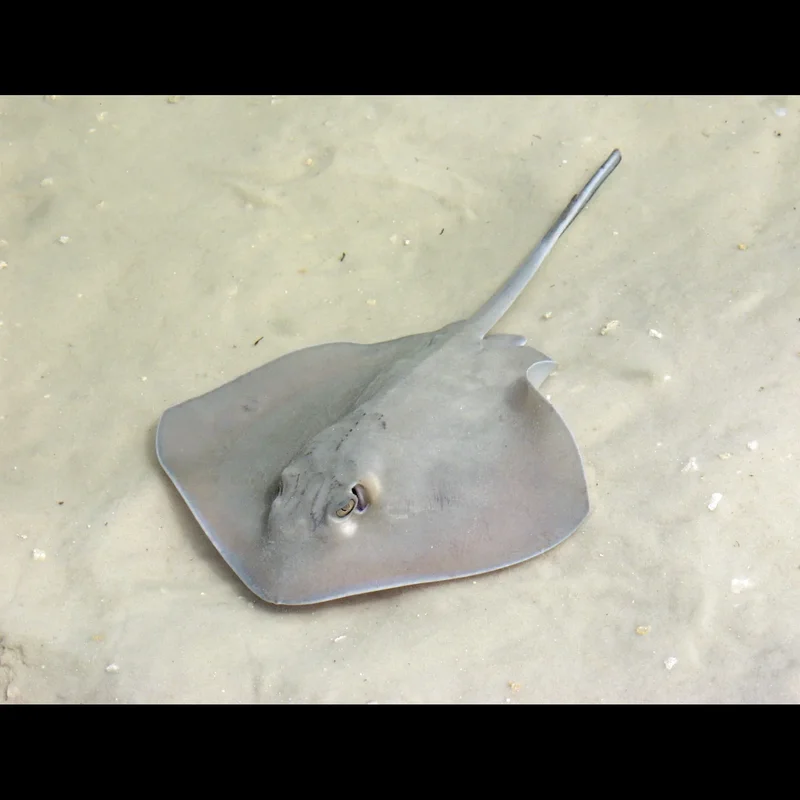
A historical wreck provides varied habitats, attracting diverse marine life finding refuge among scattered structures. Divers commonly encounter large stingrays resting on the sandy bottom near the wreck debris.
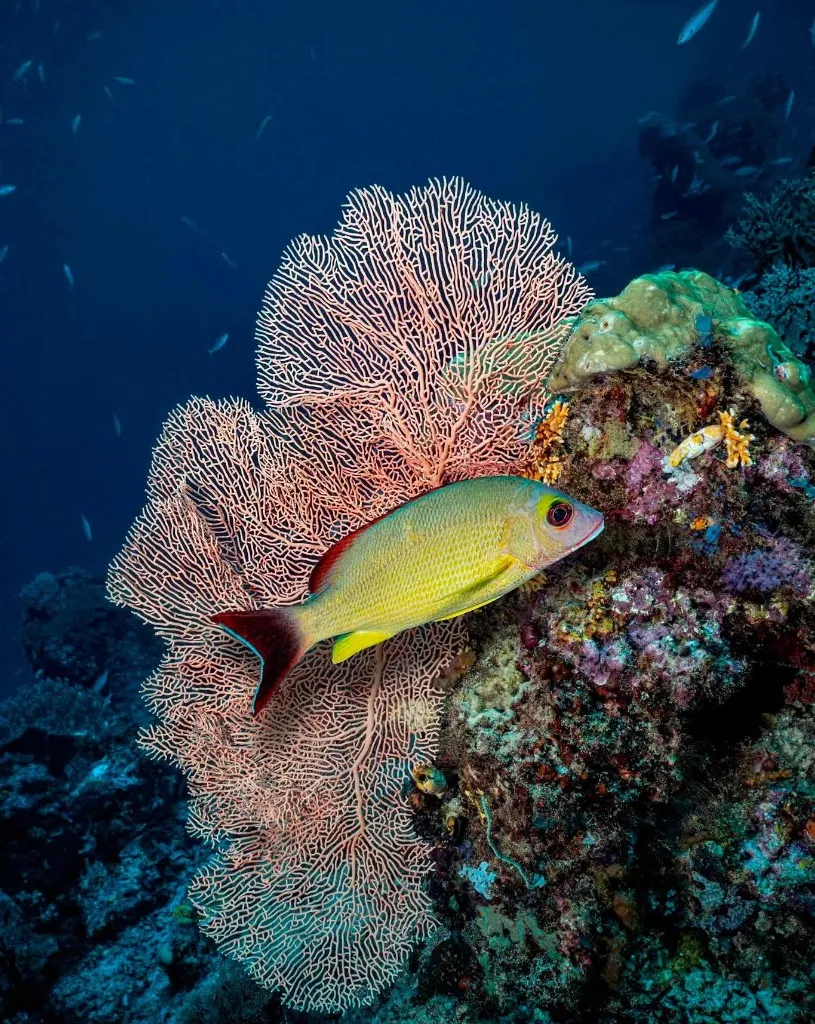
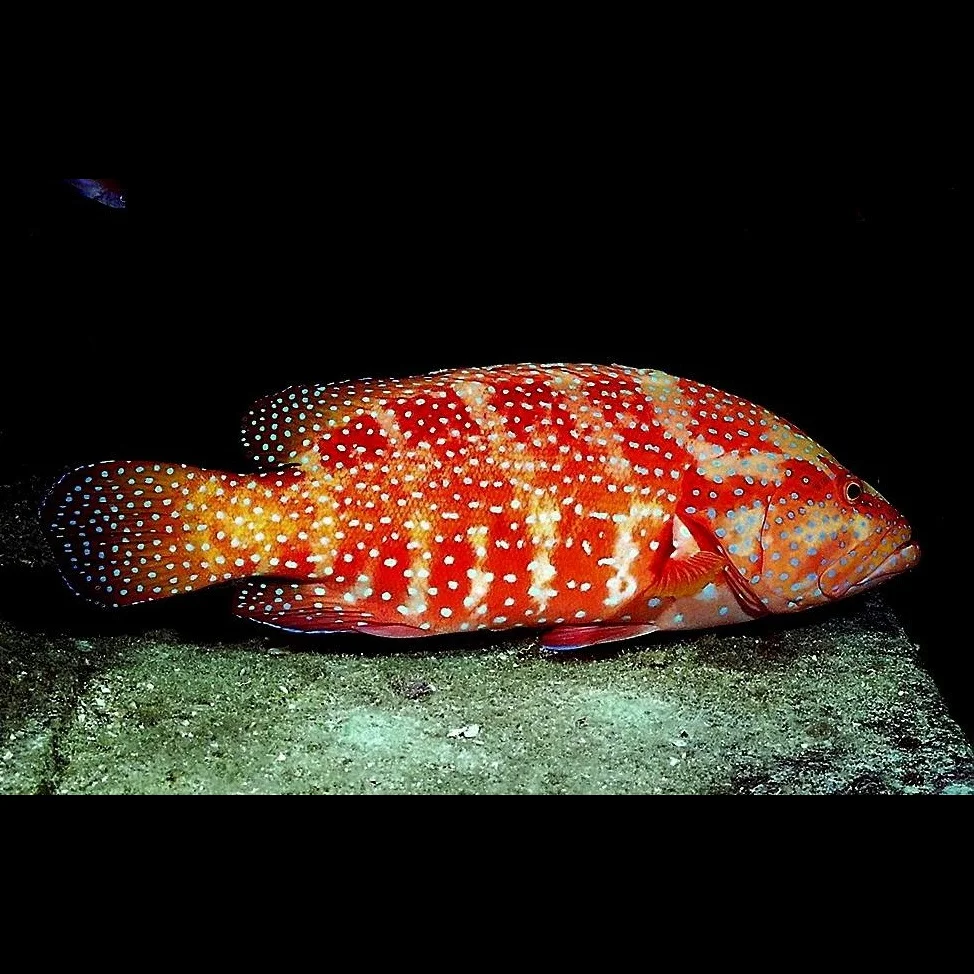
Groupers often lurk within larger sections of the hull, while small schools of snappers may hover above the wreck. Lionfish are frequently observed, along with porcupinefish, moving through the remnants.
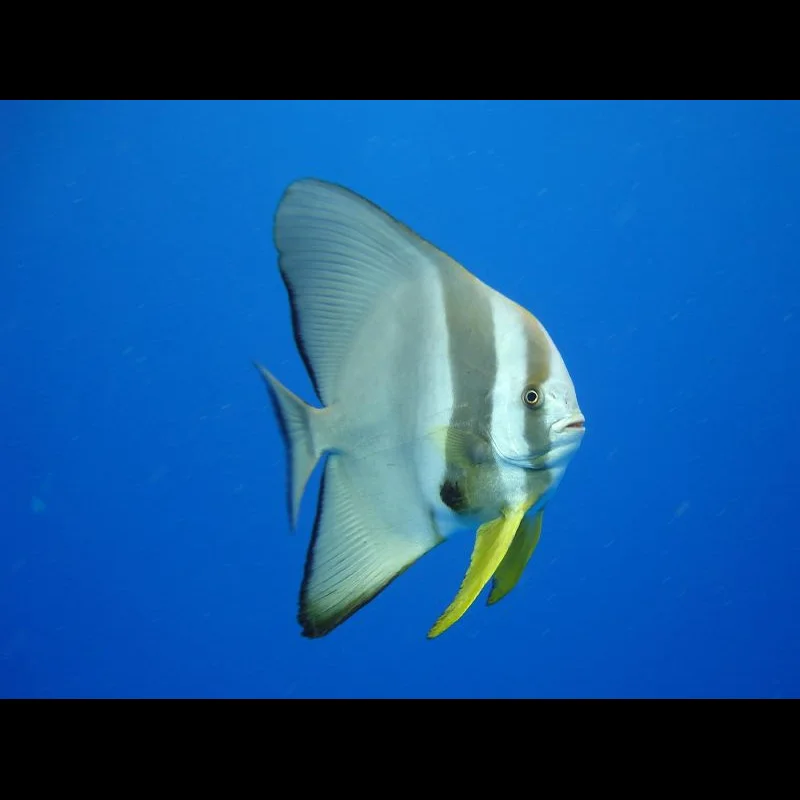
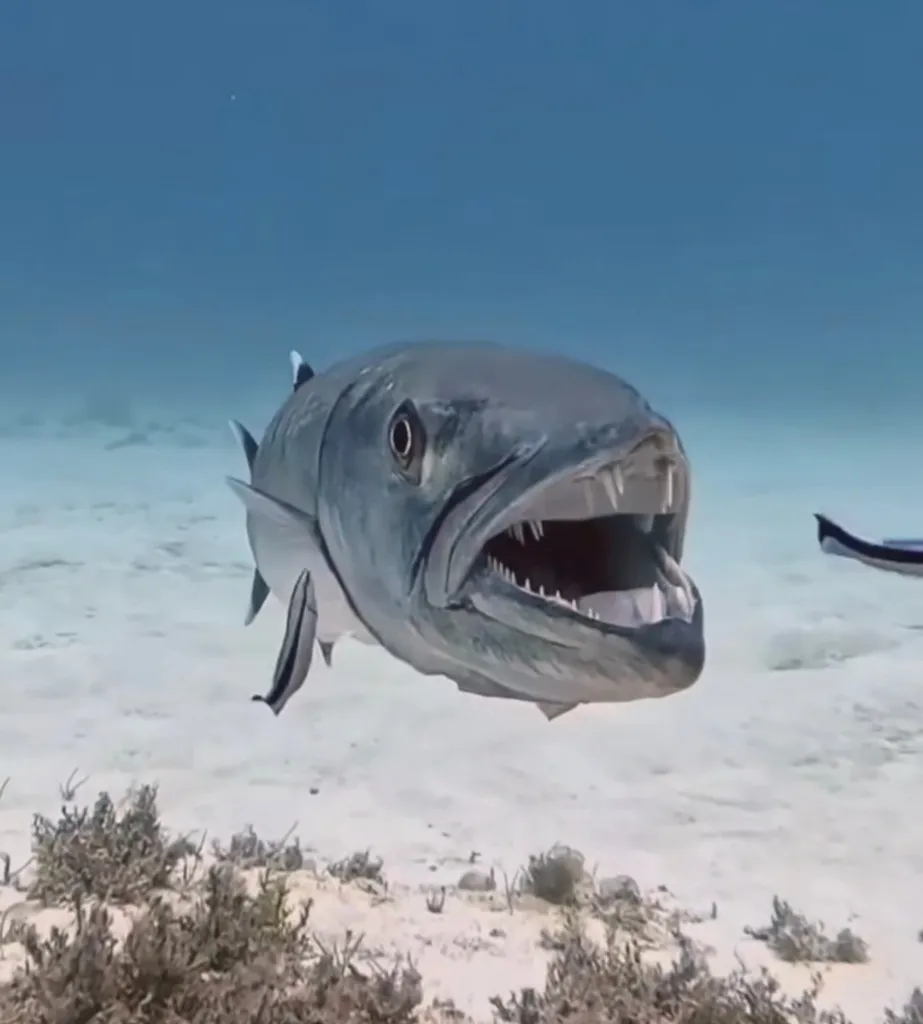
Keep an eye out for native sweetlips, groups of silver batfish, and schools of Fosters barracuda, which contribute to the site's vibrant ecosystem. Intricate nudibranchs and colorful reef fish also add detail to the underwater landscape.
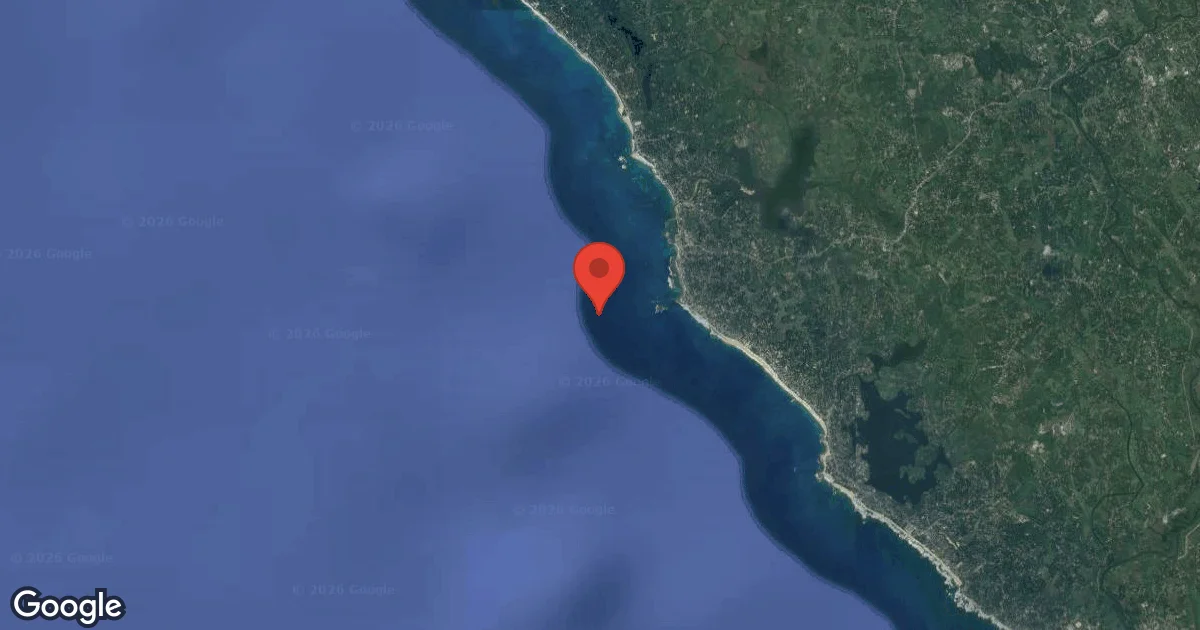
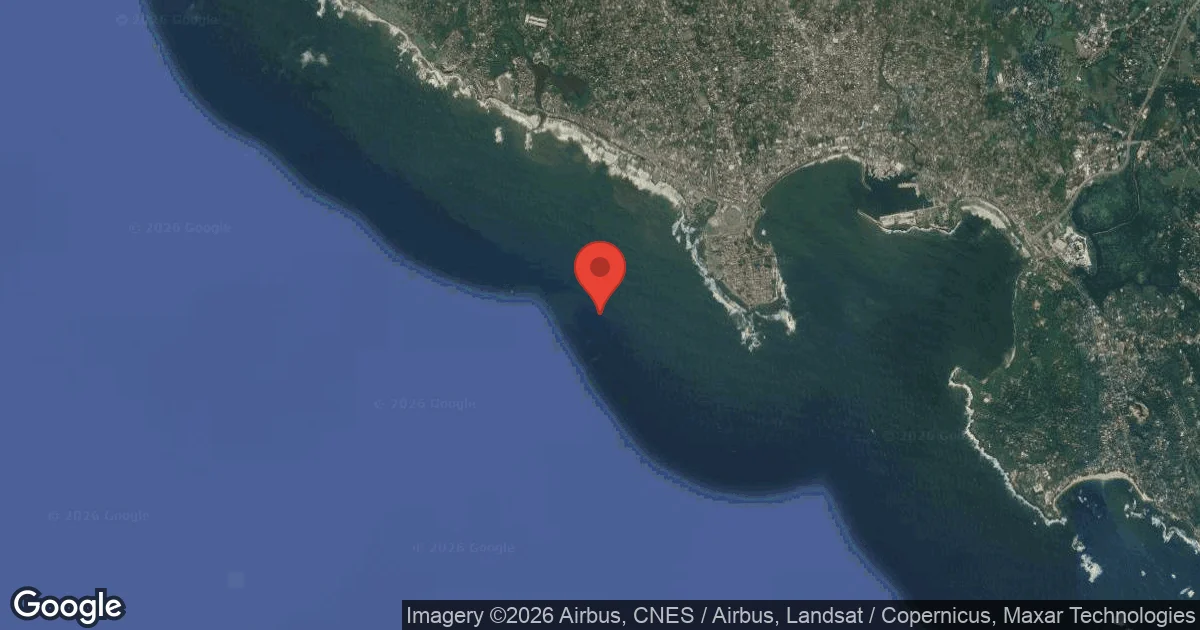
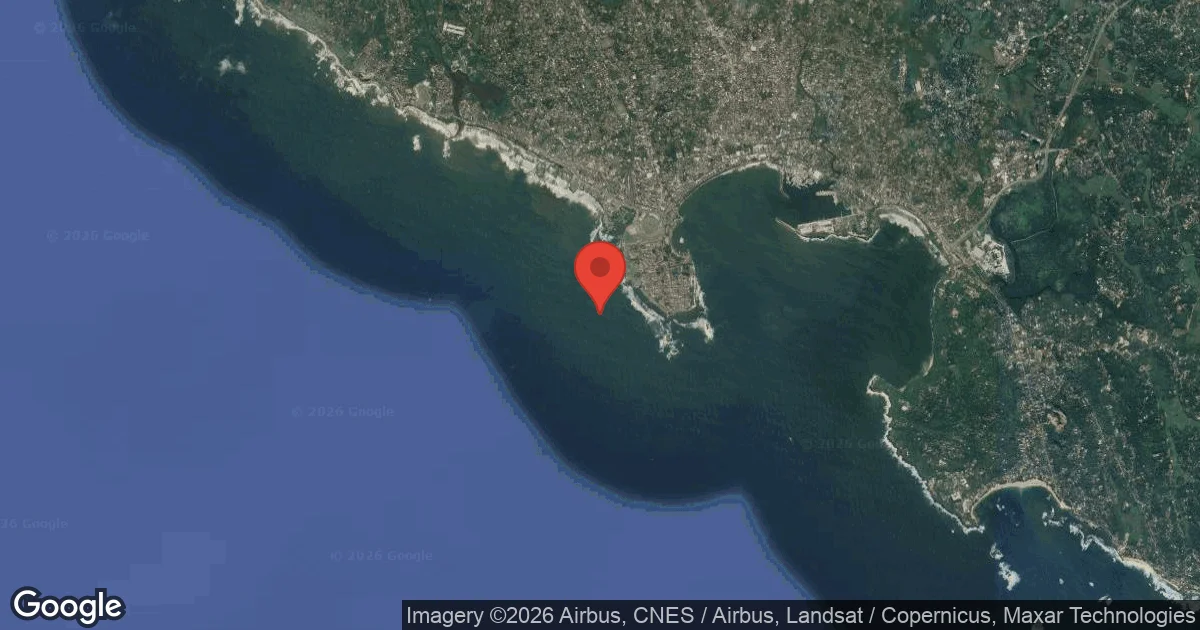
Dive Sites Near Earl of Shaftesbury
View all dive sites in Sri LankaDiscover more underwater gems in this area.
Dive Centers Near Earl of Shaftesbury
Today: 08:00 - 18:00


Nearest Airports
Nearest airports to help plan travel to this dive area.
Search Flights
Check available flights and routes on Expedia, using the nearby airports listed in this section.
Search Flights on ExpediaFrequently Asked Questions
What is the maximum depth of the Earl of Shaftesbury wreck?
The wreck is relatively shallow, typically found between 12 and 15 meters (40-50 ft). This makes it an accessible dive for a wide range of certified divers.
What type of ship was the Earl of Shaftesbury?
It was a four-masted iron sail ship, weighing 2100 tons. It sank in May 1893 while en route from Bombay to Diamond Island.
What marine life can be seen at this dive site?
Divers frequently observe large stingrays, groupers, schools of snappers, lionfish, and porcupinefish. Other sightings include native sweetlips, silver batfish, Fosters barracuda, and various nudibranchs.
Is the Earl of Shaftesbury a difficult dive?
The dive is generally considered easy and fun, resting at a shallow depth on a flat sandy bottom. While visibility varies, there are no consistently reported strong currents, contributing to a relaxed dive experience.
What is the condition of the wreck today?
The wreck lies scattered across a flat sandy terrain. Visible components include sections of the hull, some masts, and parts of the cabin sides, which are still identifiable over a century after it sank.
How long does it typically take to explore the wreck?
A good hour of exploration is usually sufficient to cover most of the scattered remnants of the Earl of Shaftesbury. Its manageable size and layout allow for thorough investigation within a standard dive profile.
Planning to dive Earl of Shaftesbury?
Send one inquiry and receive offers directly from the best verified local dive operators.
Conditions are Poor
High Swell Advisory. Not recommended.
Current conditions near Earl of Shaftesbury show 28° air, 29° sea temperature, 2.3 m waves, and 30 km/h wind. Forecast data is refreshed regularly to ensure accuracy.