
Diving at SS Orestes (Sri Lanka)
Descending towards the SS Orestes shipwreck, divers encounter a historic British steamship resting at a maximum depth of 25 m (82 ft). This site, located off Unawatuna, presents a compelling challenge for advanced divers. Its remnants, scattered across the seabed, tell a silent story of its 1876 sinking, offering a tangible connection to Sri Lanka’s maritime past.
Evening condition tracking at SS Orestes features an air temperature of 26.5°C. We have recorded wave heights measuring 1.8 m during this period. These figures outline the environmental parameters currently present.
Dive Site Location & Key Facts
Dive Site Overview
Once a mystery known only as the 'No-Name Wreck' or 'Tango Wreck,' this site now strongly identifies as the SS Orestes, a British steamship that met its fate on the Gindura reef in 1876. Resting quietly on a sandy bottom, the vessel reaches its maximum depth of 25 m (82 ft), with shallower sections extending upwards to 16 m (52 ft).
The ship lies slightly listing to its port side, its structure fractured into several distinct sections. Divers can navigate through these remnants, observing a large, unusual boiler that stands prominently amid the debris. Towards the stern, the rudder and propeller remain recognizable features, while two masts, dislodged by time and current, now lay stretched across the sandy seabed.
A unique anchor structure marks the bow, a notable detail for explorers. This impressive wreck has evolved into a thriving artificial reef, supporting an intricate and diverse marine ecosystem. Accessing the site involves a 20-25 minute boat ride from Unawatuna beach.
Conditions are Poor
High Swell Advisory. Not recommended.
Current conditions near SS Orestes show 27° air, 29° sea temperature, 2.5 m waves, and 36 km/h wind. Forecast data is refreshed regularly to ensure accuracy.
Best Time to Dive
Optimal diving at the SS Orestes aligns with the region's calm season, typically extending from mid-October to mid-April. During this period, the south coast experiences improved visibility and more settled currents, making exploration of the wreck far more accessible. Air temperatures remain consistently warm, averaging between 26-27°C (79-81°F), with significantly lower rainfall (ranging from 4.3-14.4 mm) compared to other months. Outside this calm window, particularly from May to September, higher wave heights (averaging 2.0-2.3 m) and increased wind speeds (up to 22.5 km/h) can significantly impact dive conditions, often leading to poorer visibility and stronger currents.
PEAK SEASON SCORE
Scores combine air & water temps, waves, wind & rainfall for overall conditions.
BEST MONTHS TO DIVE
Monthly records compiled from satellite and marine observation nodes over the last 3 years. Data provided by Open-Meteo and MET Norway.
Dive Experience & Conditions
Navigating the SS Orestes requires an advanced certification due to its depth and the potential for variable currents. Conditions are generally more favorable during the calm season when currents tend to settle and underwater visibility improves. Water temperatures are typically warm throughout the year, usually comfortable for tropical diving. Expect a boat journey of approximately 20-25 minutes from shore to reach this historic site. While currents are generally manageable during peak season, divers should always be prepared for changing conditions, as they can sometimes pick up, particularly around exposed wreck sections.
Dive Difficulty & Safety Guidelines
Approaching the SS Orestes requires an advanced diver certification; this site is not suitable for beginner divers due to its depth and prevailing conditions. Always dive with a reputable local guide who understands the wreck's layout and current patterns. Exercise caution around the broken-up sections of the ship, as structural integrity may be compromised in places.
While penetration is not explicitly highlighted, divers exploring internal spaces should possess appropriate training and equipment. Adhering to responsible diving practices ensures the preservation of this significant historical wreck for future exploration.
Recommended Equipment
Overhead / entanglement risk. Wreck penetration requires proper training.
- Dive Computer
- DSMB
- Primary & Backup Lights
- Wreck Reel
- Cutting Tool
This gear list is based on verified equipment signals for SS Orestes, Sri Lanka. Always confirm final gear choices with your dive operator, guide, or liveaboard.
Recommended Dive Suit
2-3mm shorty or light wetsuit is often considered an appropriate level of exposure protection for conditions like these. A hood or vest is suggested for sensitive divers due to surface winds.
Divers planning a dive at SS Orestes today will likely encounter water temperatures close to 29°C (83°F). Surface air temperatures are resting at 27°C (80°F).
The forecast outlook suggests that temperatures will stay close to current levels.
Emergency & Medical Support
Essential information to help you plan your dive trip to SS Orestes.

Hyperbaric chambers are a critical part of dive safety infrastructure. Availability varies significantly by region, and not all dive areas have immediate access.
Before diving, it's recommended to:
- confirm nearest medical facilities
- check emergency procedures with local dive operators
- ensure dive insurance covers evacuation if required
Divers Alert Network
Diving emergency assistance available through DAN World.
+1-919-684-9111- 24/7 emergency hotline
- Diving medical assistance
- Evacuation coordination
Emergency contacts are provided for reference. Always verify local emergency services before diving.
Marine Life at SS Orestes
The impressive shoals of Bigeye Trevally are often the first spectacle divers encounter, frequently encircling the wreck in dense, swirling formations. Beyond these charismatic fish, the SS Orestes serves as a haven for a variety of marine species.
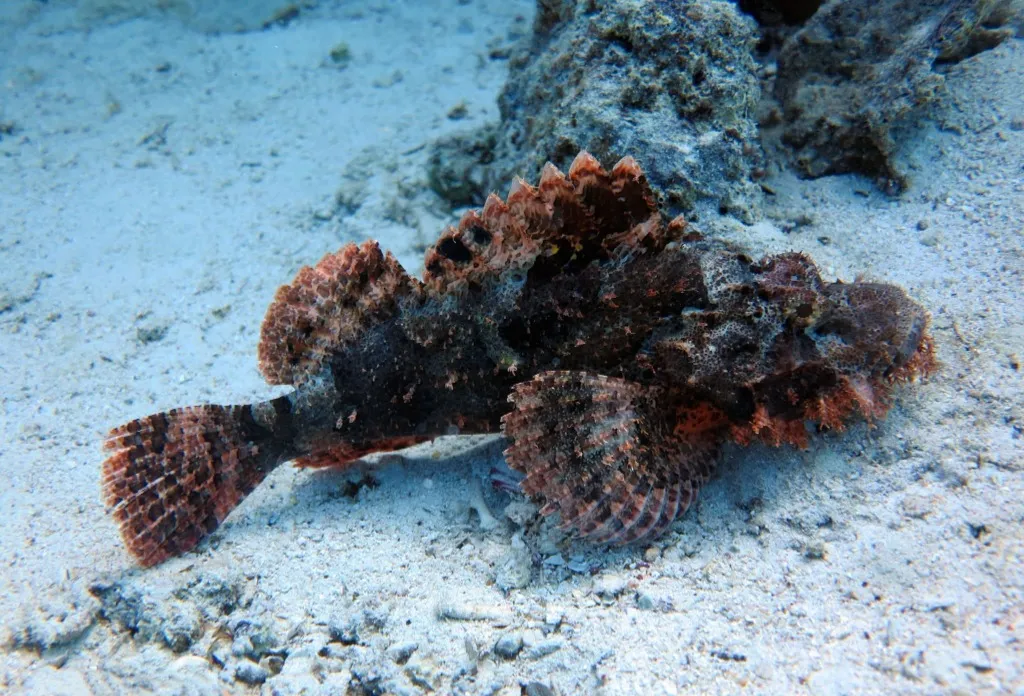
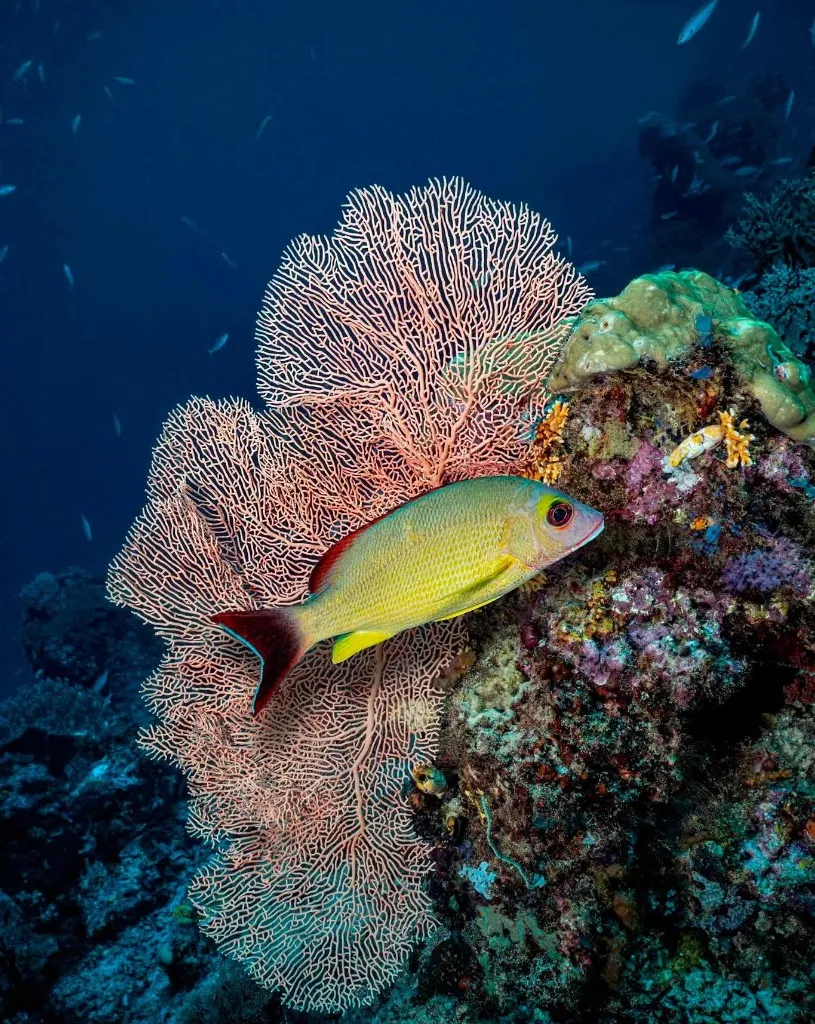
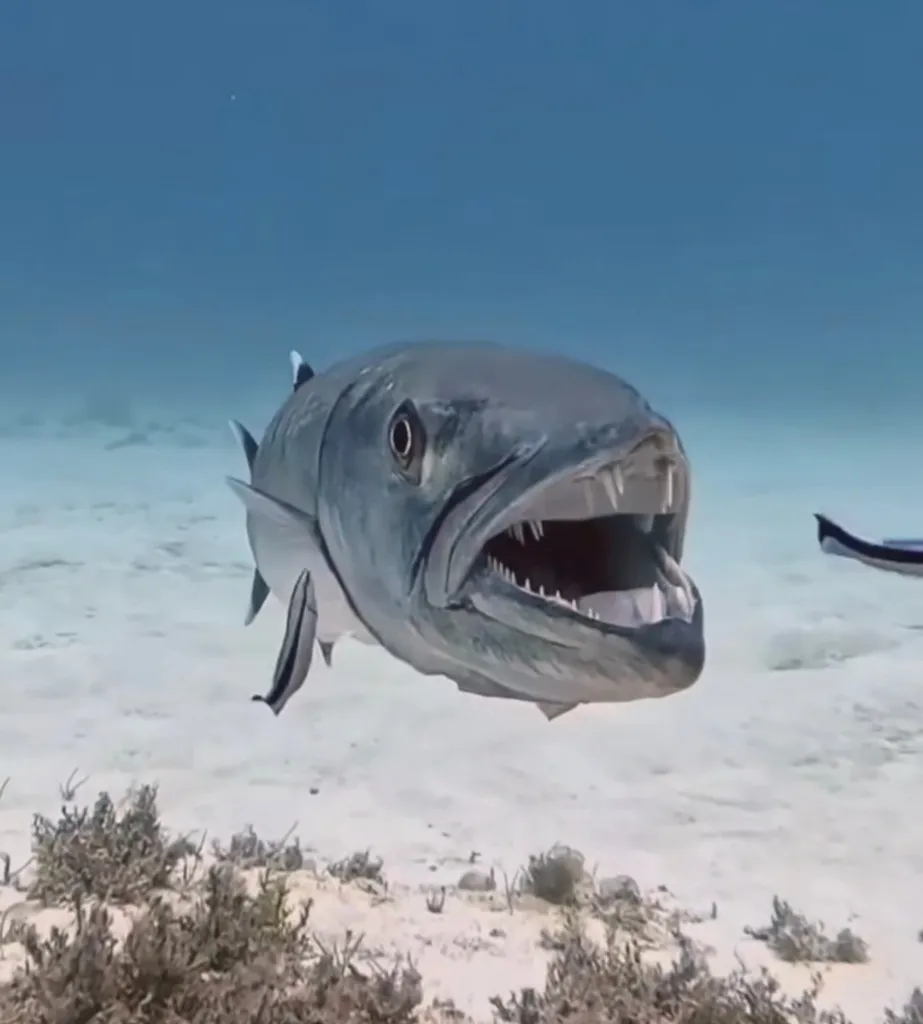
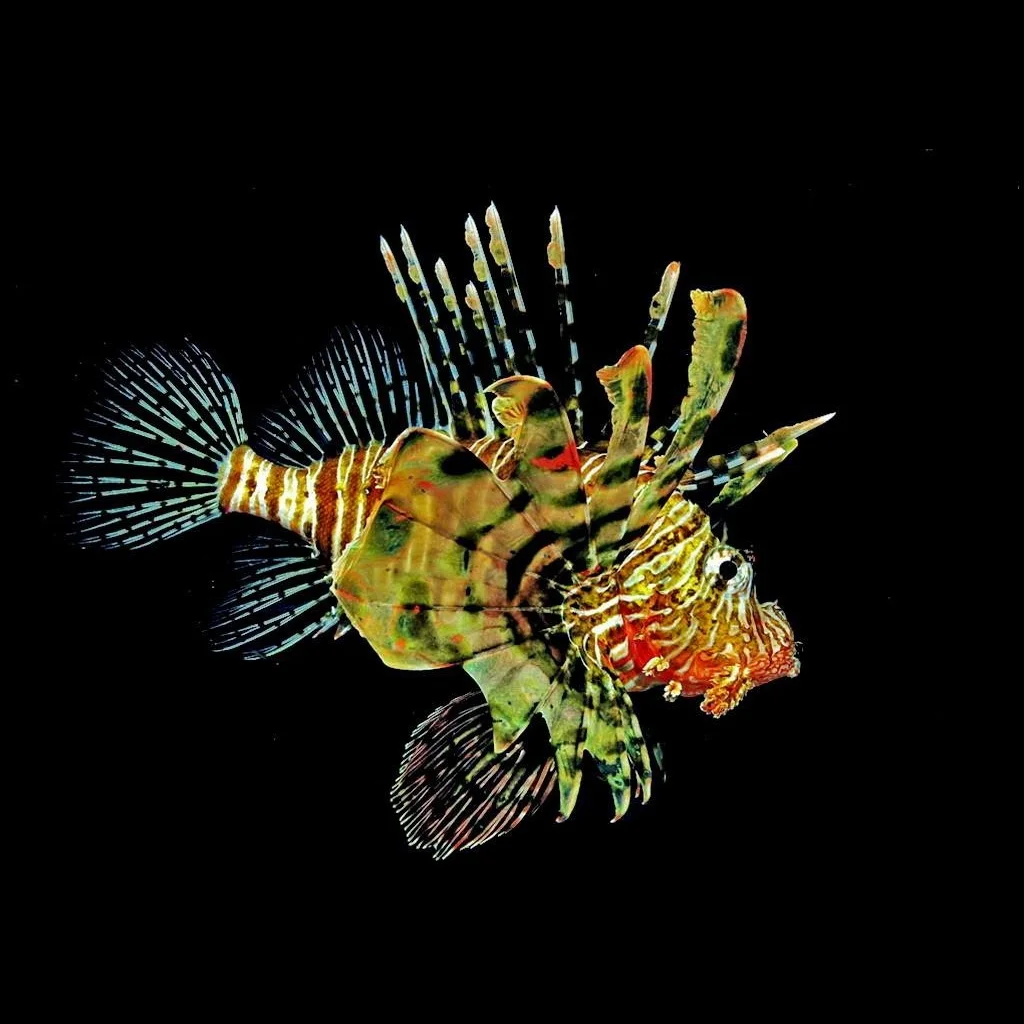
Expect to observe snappers, often hiding amongst the wreck's structure, alongside the distinctive lionfish and camouflaged scorpionfish. Barracudas are also present, often patrolling the perimeter of this artificial reef.
The wreck's transformation into a thriving ecosystem makes it a focal point for diverse marine biodiversity.

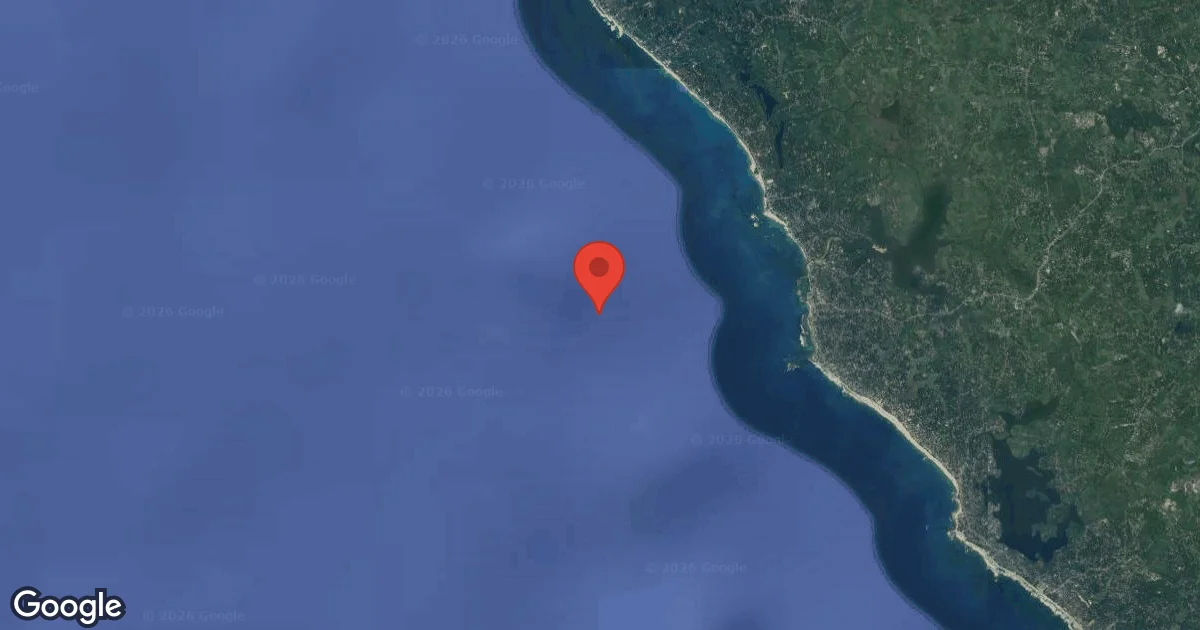
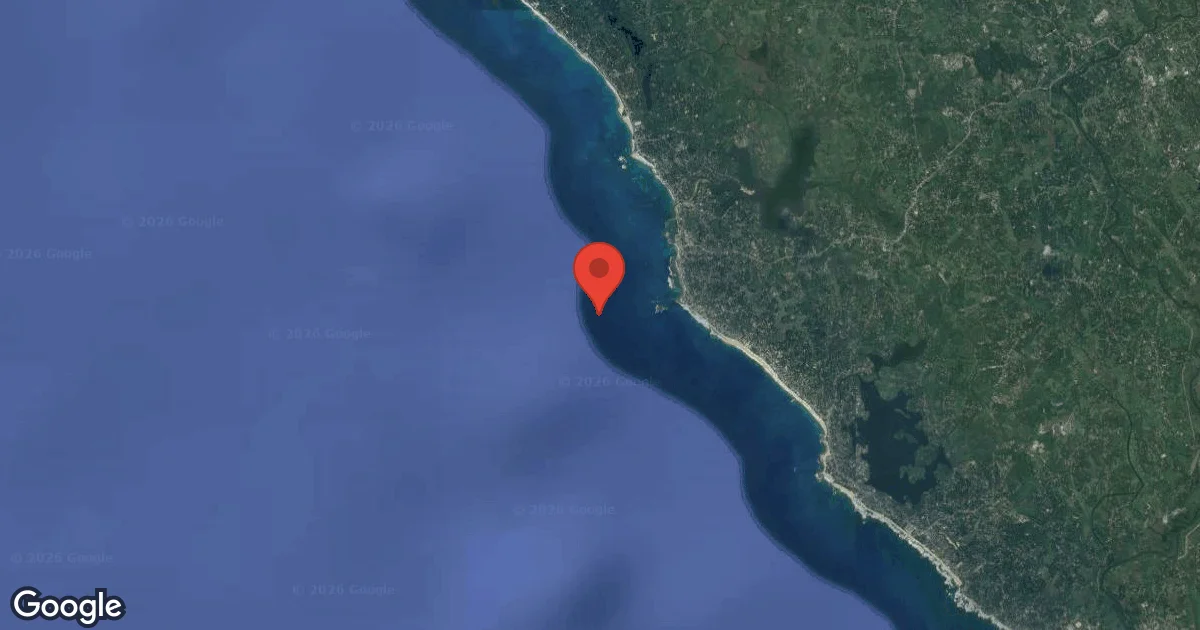
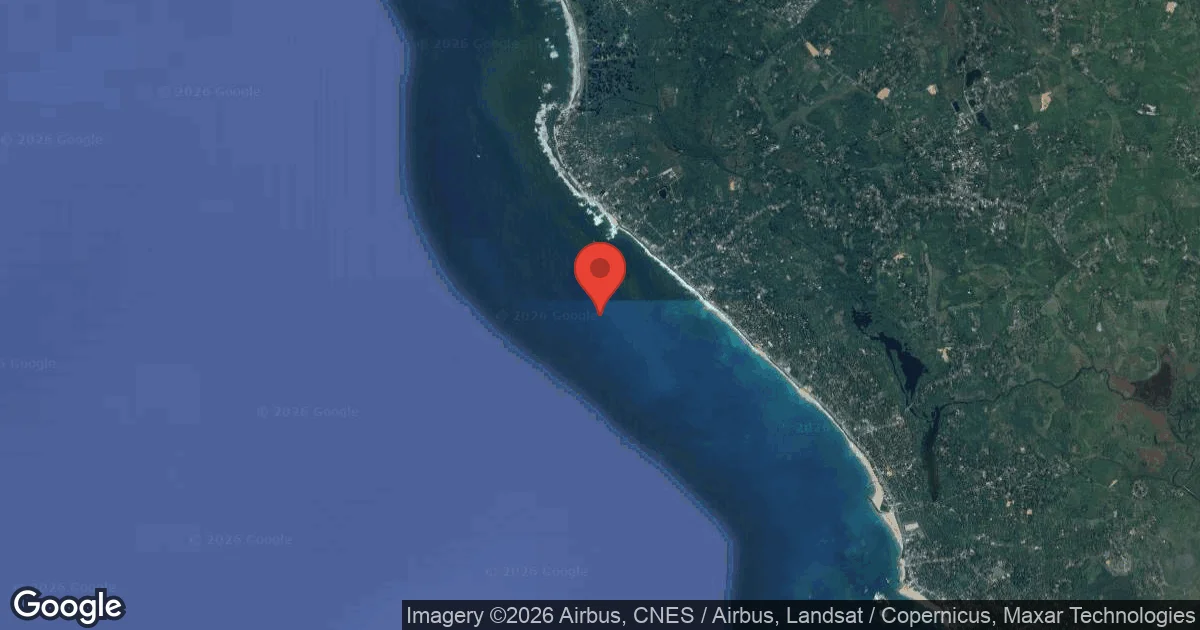
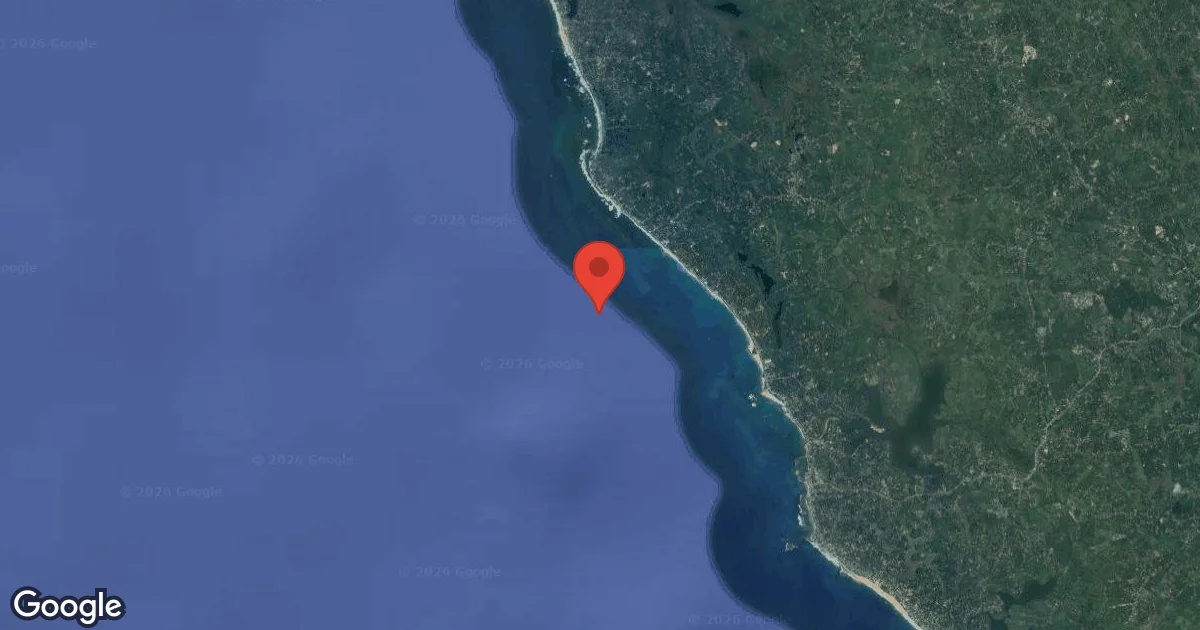
Dive Sites Near SS Orestes
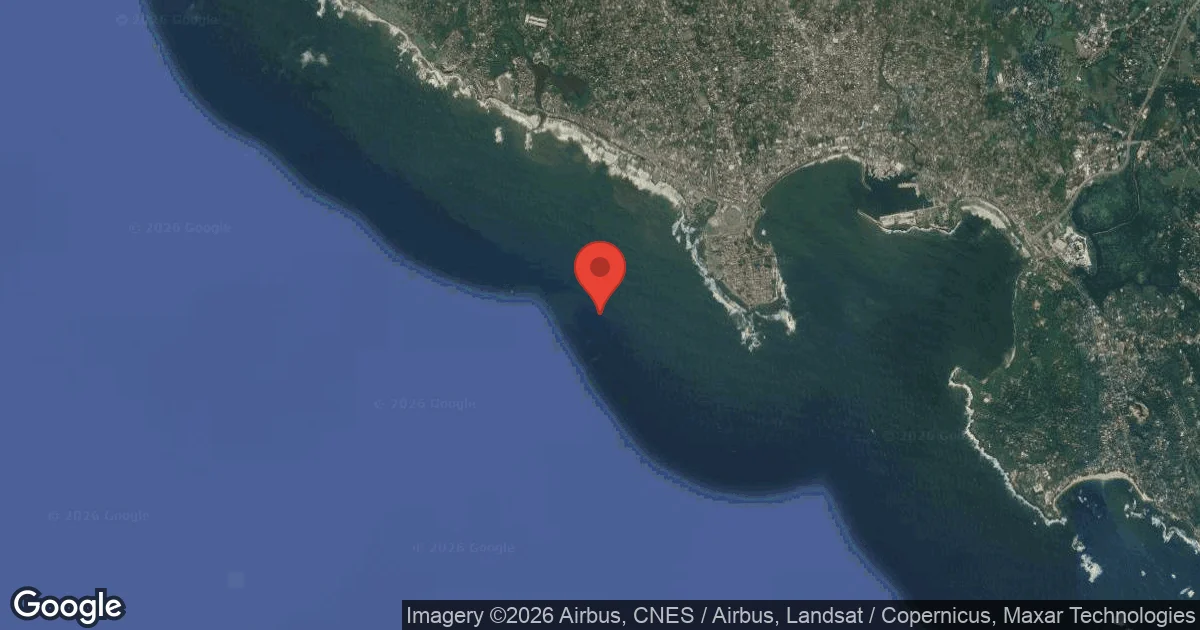
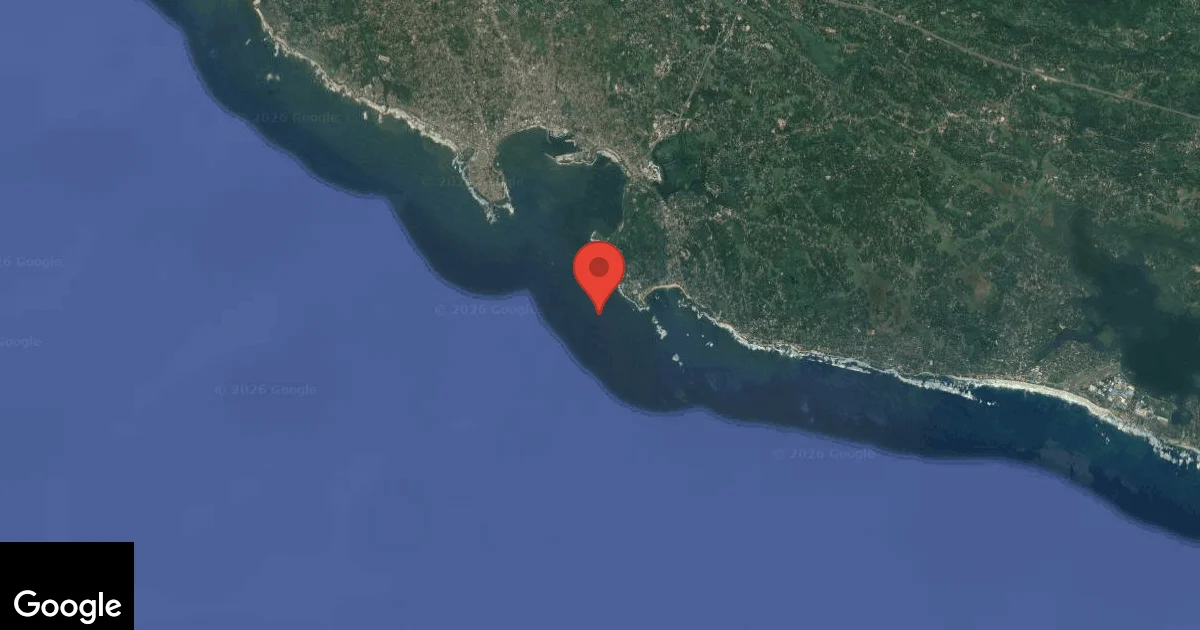
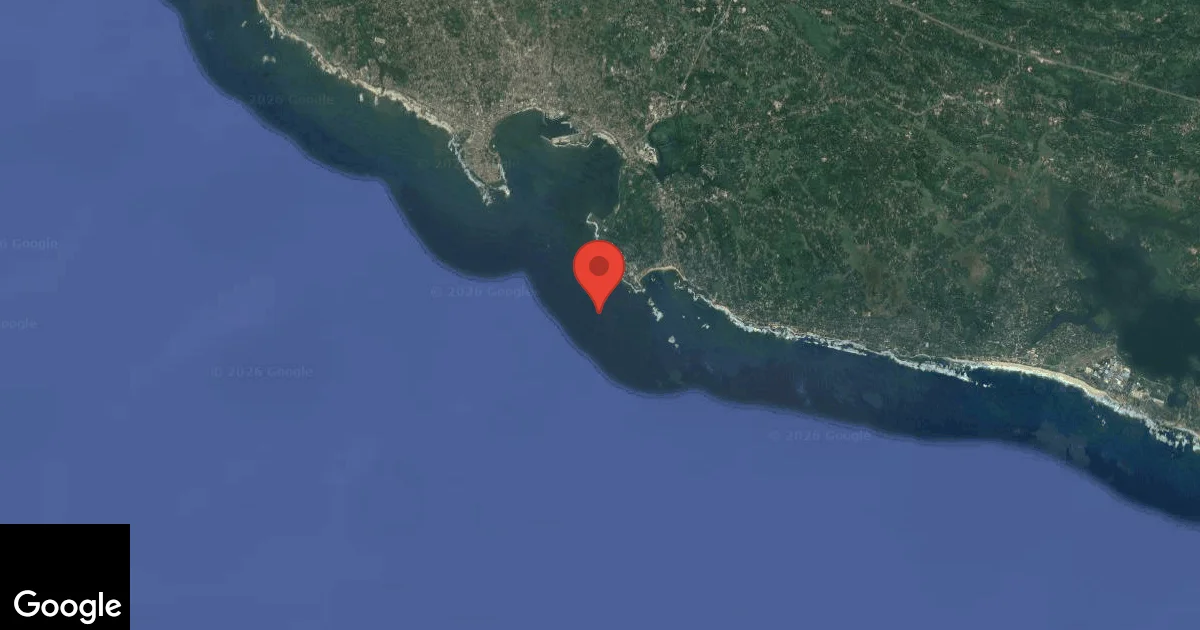
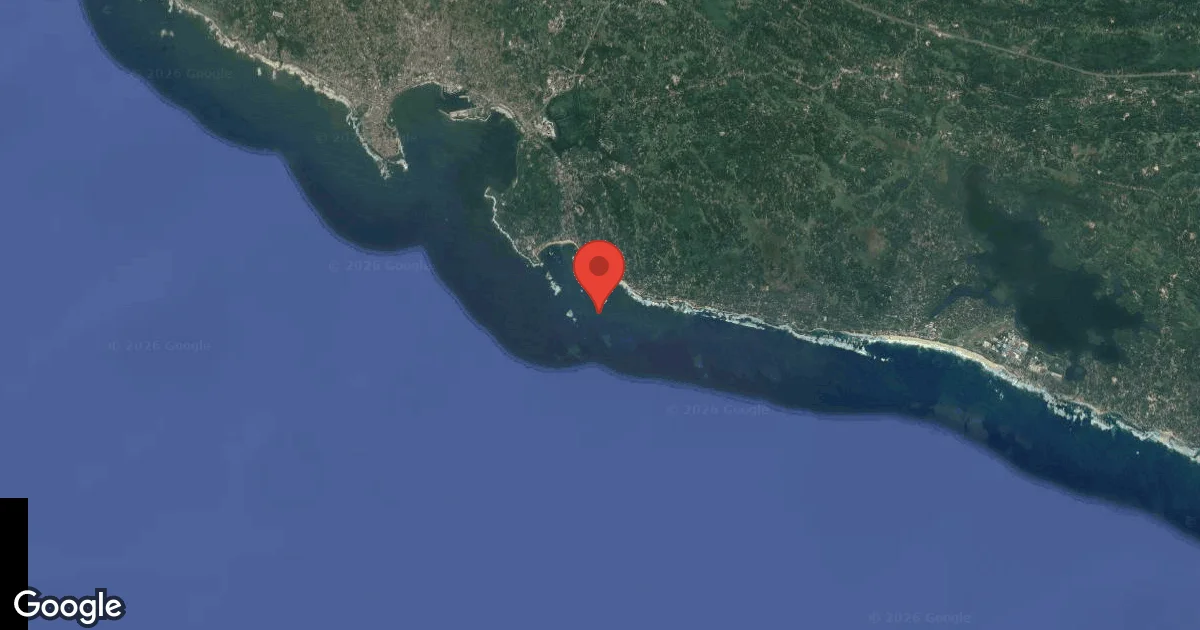
View all dive sites in Sri LankaDiscover more underwater gems in this area.
Dive Centers Near SS Orestes
Today: 09:00 - 17:00

Nearest Airports
Nearest airports to help plan travel to this dive area.
Search Flights
Check available flights and routes on Expedia, using the nearby airports listed in this section.
Search Flights on ExpediaFrequently Asked Questions
What dive certification level is required for the SS Orestes?
An Advanced diver certification is required. The site's maximum depth and potential current conditions make it unsuitable for less experienced divers.
What is the depth range of the SS Orestes wreck?
The wreck typically ranges from a minimum of 16 m down to a maximum depth of 25 m. Shallower areas are around the main wreck structure, while deeper sections extend across the sandy bottom.
What marine life can be seen at the SS Orestes?
Divers often encounter large shoals of Bigeye Trevally. Other commonly observed species include snappers, lionfish, scorpionfish, and barracudas, all making the wreck their home.
How long is the boat trip to the dive site?
A typical boat journey to the SS Orestes wreck takes approximately 20-25 minutes from Unawatuna beach.
Why was it called the 'No-Name Wreck'?
Initially, the exact identity of the ship was unknown, leading divers to refer to it as the 'No-Name Wreck' or 'Tango Wreck.' Subsequent research provided substantial evidence, confirming its likely identity as the SS Orestes.
What historical significance does the SS Orestes hold?
The SS Orestes was a British steamship that sank in 1876 after striking the Gindura reef near Galle. It represents a tangible piece of Sri Lanka's rich maritime history.
Planning to dive SS Orestes?
Send one inquiry and receive offers directly from the best verified local dive operators.
Conditions are Poor
High Swell Advisory. Not recommended.
Current conditions near SS Orestes show 27° air, 29° sea temperature, 2.5 m waves, and 36 km/h wind. Forecast data is refreshed regularly to ensure accuracy.