
Diving at Swami Rock (Sri Lanka)
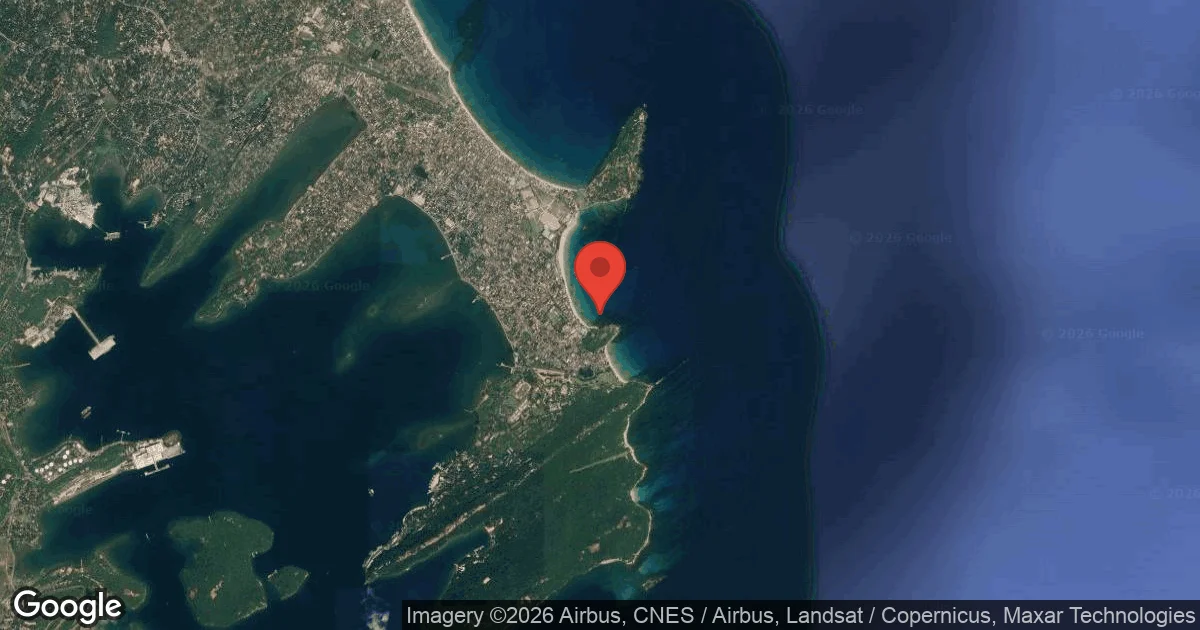
Below the ancient Koneswaram Kovil, Swami Rock in Trincomalee offers a dive experience where spiritual history merges with natural underwater beauty. This site, easily accessible by a short boat ride, provides a compelling contrast between the hallowed grounds above and a vibrant underwater world. Divers find themselves exploring both unique topography and sacred artifacts.
As evening covers Swami Rock, the local air temperature is measured at 27°C. The current wave height at the surface is recorded at 0.3 m. These late-day readings characterize the surface conditions for the night.
Dive Site Location & Key Facts
Dive Site Overview
Swami Rock's underwater topography is defined by unique rock formations, presenting dramatic drop-offs, steep walls, and intricate pinnacles. Exploring these features, divers can reach a maximum recreational depth of 24 m (78 ft) along the deeper sections, while shallower areas offer excellent opportunities for extended bottom times.
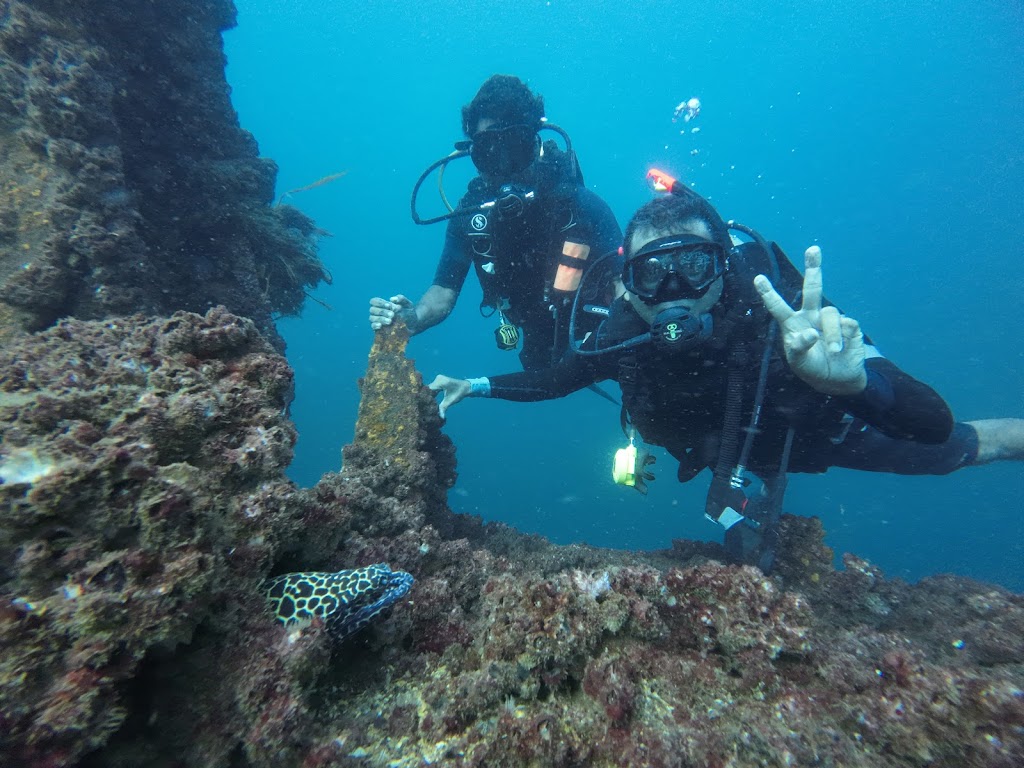
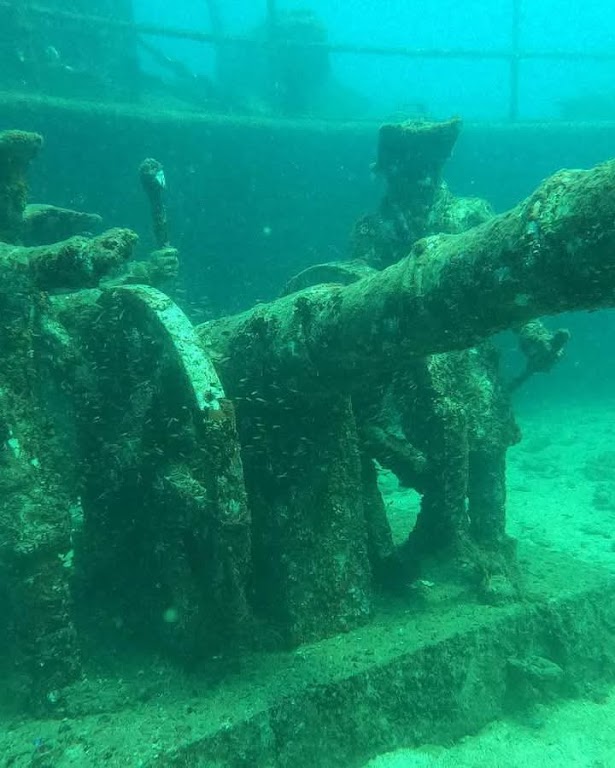
Integrating stretches of sandy bottom, the site also provides refuge for smaller creatures, found alongside the majestic rock structures. Descending into a prominent canyon, divers discover several Hindu statues, including representations of Shiva, Ganesh, and Saraswati, providing a distinct cultural and historical layer to the exploration.
Visibility tends to be excellent, particularly during the May to August peak diving season, often allowing for clear views of both the intricate rock structures and the abundant marine activity. Favorable conditions make navigating the site's various features straightforward and enjoyable.
Accessing this site is exclusively by boat, typically a short ride from Trincomalee's beaches, setting the stage for an engaging underwater journey through both natural formations and fascinating man-made wonders.
Conditions are Good
Optimal conditions expected
Current conditions near Swami Rock show 27° air, 28° sea temperature, 0.4 m waves, and 34 km/h wind. Forecast data is refreshed regularly to ensure accuracy.
Best Time to Dive
Planning a trip to Swami Rock means aligning with Sri Lanka's seasonal patterns to ensure prime diving conditions. The optimal diving season runs from May through August, which typically sees the calmest waters and best visibility. During these months, average air temperatures range from 29°C to 30°C (84.2°F to 86.0°F), with minimal rainfall, often below 5 mm (0.2 inches) per month. Dive scores frequently register 'Excellent.' Outside this window, conditions can still be good, with scores often rated 'Good' from January to April and September to December, though wave heights may increase and November typically records higher rainfall, averaging 21.8 mm (0.86 inches).
PEAK SEASON SCORE
Scores combine air & water temps, waves, wind & rainfall for overall conditions.
BEST MONTHS TO DIVE
Monthly records compiled from satellite and marine observation nodes over the last 3 years. Data provided by Open-Meteo and MET Norway.
Dive Experience & Conditions
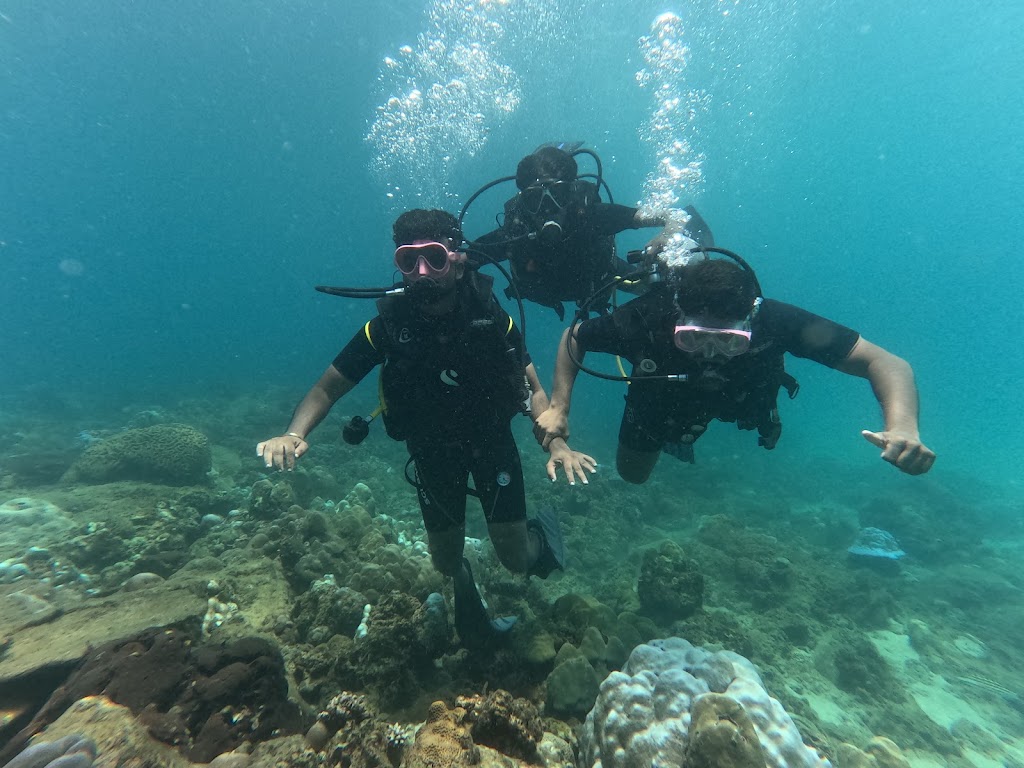
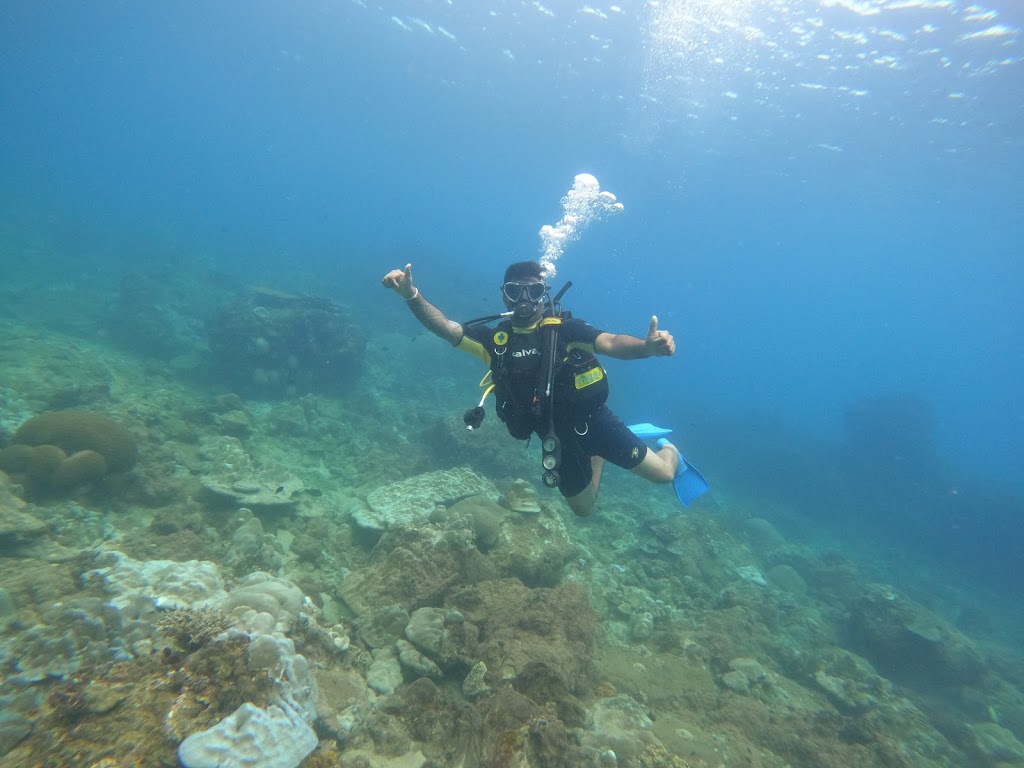
Descending into the waters off Swami Rock, divers encounter varied depths and clear visibility, often exceeding 20 m (65 ft) during favorable conditions. The water maintains a comfortable, warm temperature, generally around 27-30°C (81-86°F) during peak season, although specific water temperature data is not consistently reported. Currents are typically mild, making this site suitable for a range of skill levels from PADI Open Water to Advanced Open Water divers. Shallow areas cater to less experienced divers or those looking for longer bottom times, while deeper walls offer exploration for more advanced certifications. Boat entry is standard, ensuring efficient access to the site's various features.
Dive Difficulty & Safety Guidelines
Prioritizing responsible conduct at Swami Rock involves understanding the site's unique cultural significance. Divers must avoid touching or disturbing the Hindu statues found underwater, respecting them as sacred elements. Always maintain proper buoyancy control, especially when navigating near fragile coral structures or the historical artifacts.
Adhering to standard safe diving practices, such as buddy system protocols and monitoring no-decompression limits, is crucial. Ensure your certification matches the planned depth and complexity of your dive.
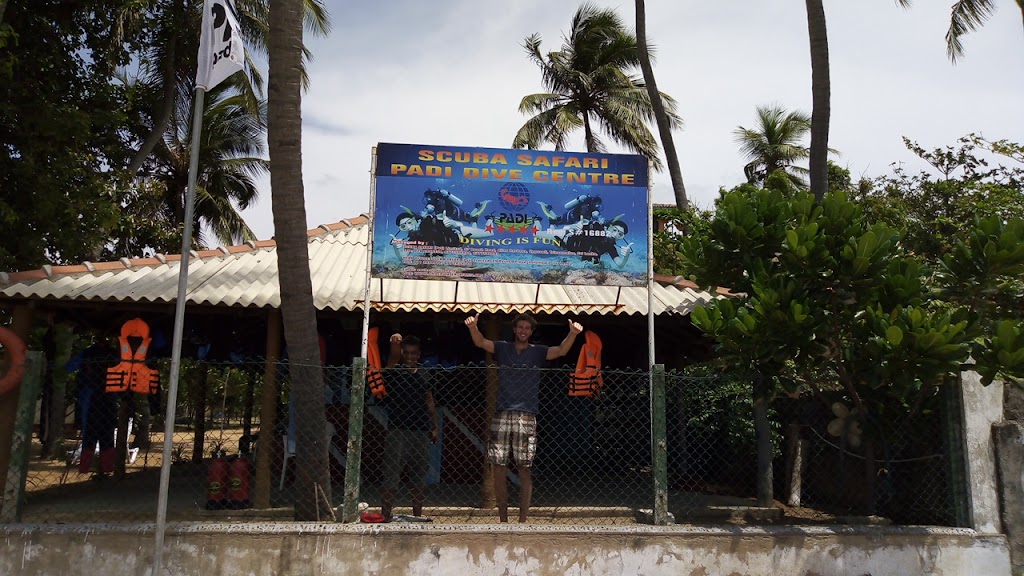
Local dive centers provide professional instructors and well-maintained equipment for a secure diving experience.
Recommended Equipment
- Dive Computer
- DSMB
This gear list is based on verified equipment signals for Swami Rock, Sri Lanka. Always confirm final gear choices with your dive operator, guide, or liveaboard.
Recommended Dive Suit
With water temperatures around 28°C (83°F), many divers find a 2-3mm shorty or light wetsuit provides comfortable protection.
Divers performing multiple dives may appreciate slightly warmer protection later in the day.
Environmental conditions appear stable for the near future.
Emergency & Medical Support
Essential information to help you plan your dive trip to Swami Rock.

Hyperbaric chambers are a critical part of dive safety infrastructure. Availability varies significantly by region, and not all dive areas have immediate access.
Before diving, it's recommended to:
- confirm nearest medical facilities
- check emergency procedures with local dive operators
- ensure dive insurance covers evacuation if required
Divers Alert Network
Diving emergency assistance available through DAN World.
+1-919-684-9111- 24/7 emergency hotline
- Diving medical assistance
- Evacuation coordination
Emergency contacts are provided for reference. Always verify local emergency services before diving.
Marine Life at Swami Rock
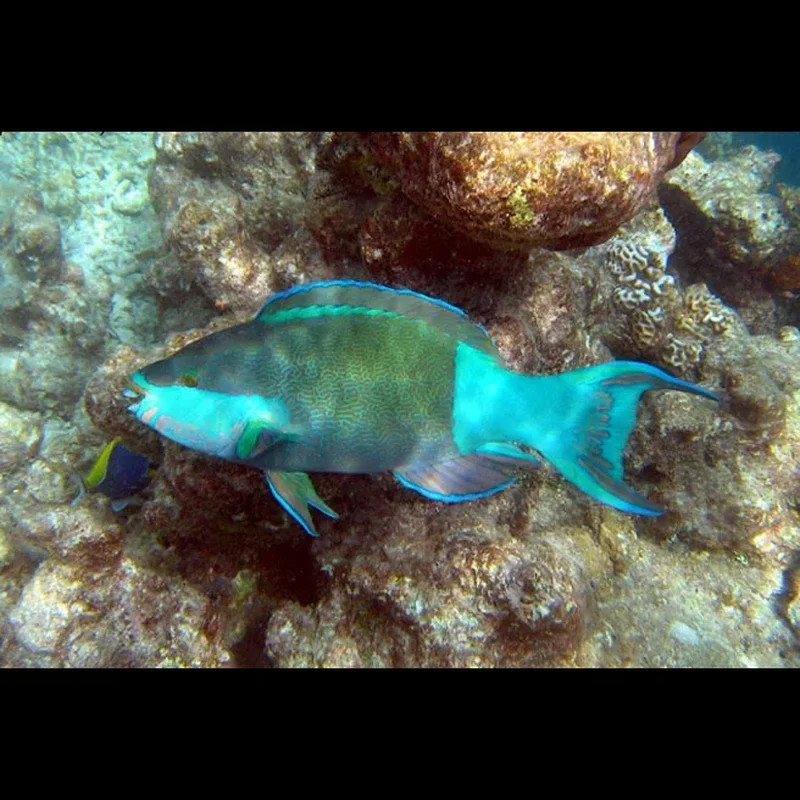
Amidst Swami Rock's unique underwater landscape, a diverse array of marine life finds refuge and hunting grounds. Schools of reef fish, including colorful parrotfish and the distinctive Moorish idol, are frequently observed darting among the rock formations.
Divers often spot turtles gracefully gliding through the water, alongside an incredible variety of eels, which hide within the rocky crevices. Stone fish are occasionally sighted, blending into the sandy bottom and rocky textures.
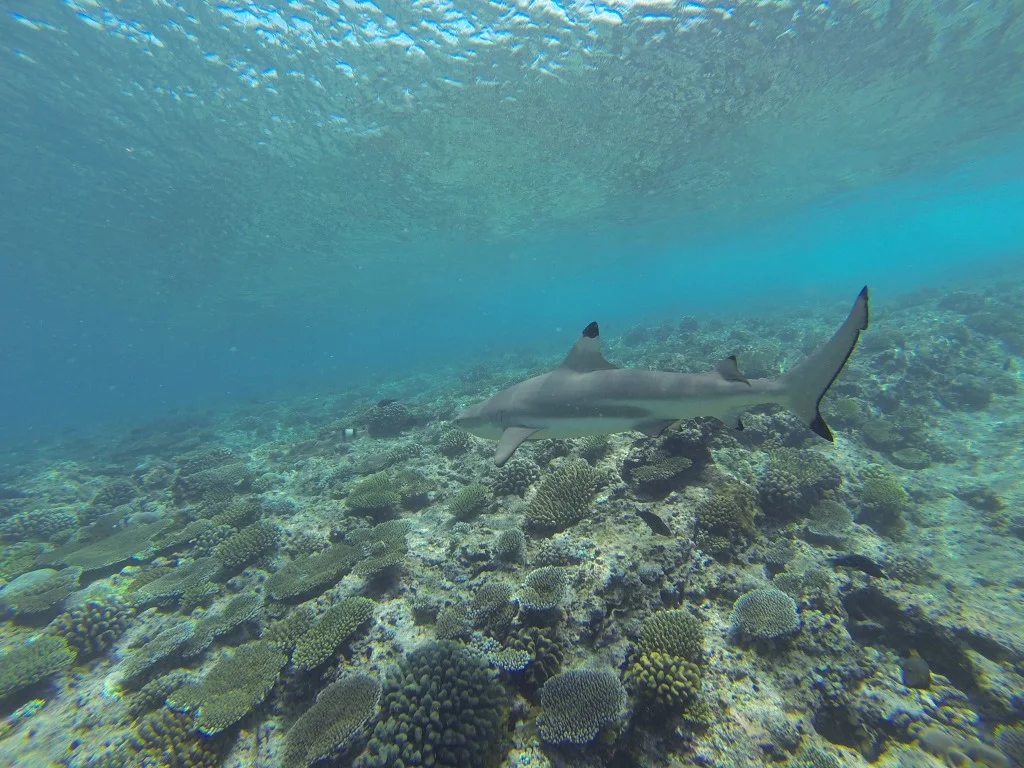
While less common, larger pelagics like sharks, whales, and dolphins are sometimes encountered, particularly during certain migratory seasons.

Dive Sites Near Swami Rock
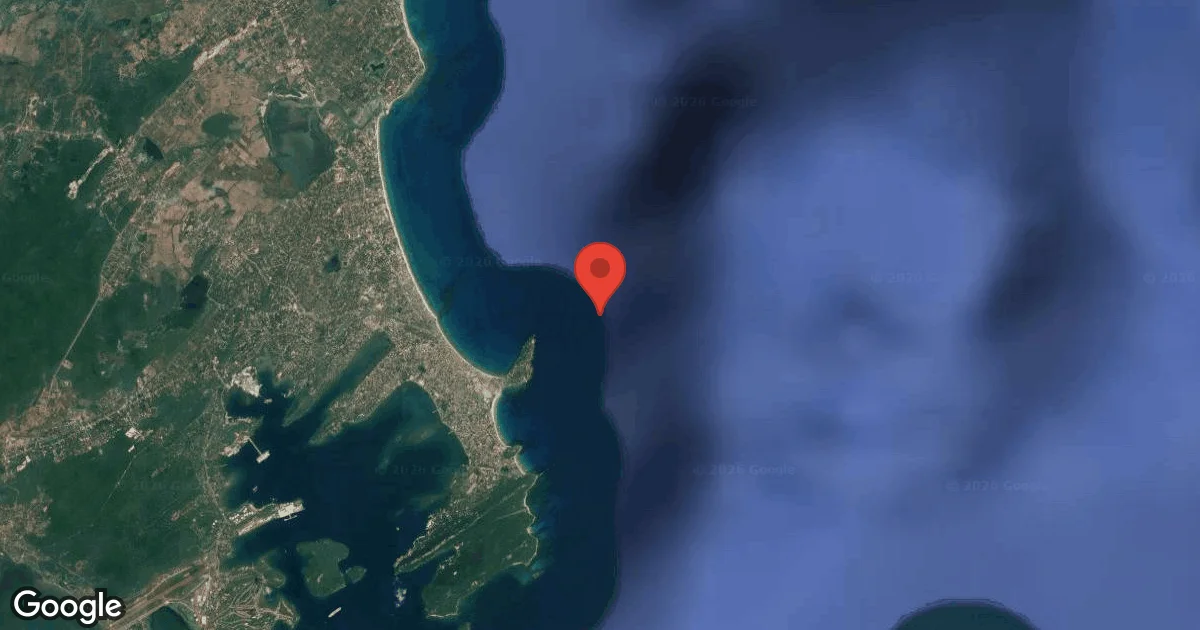
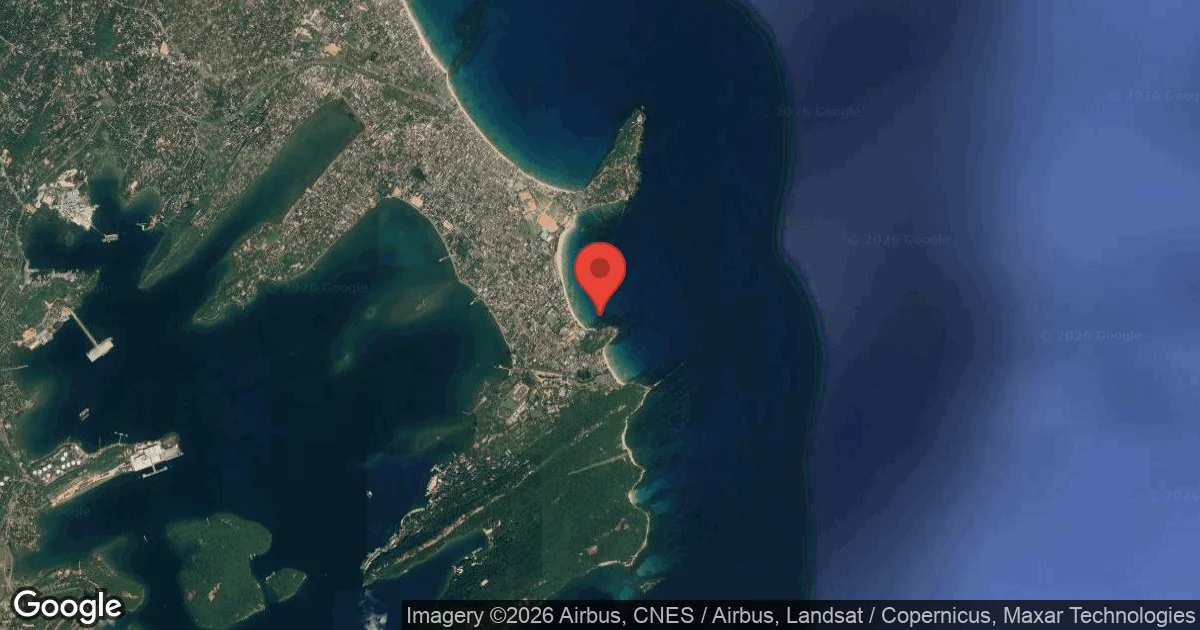
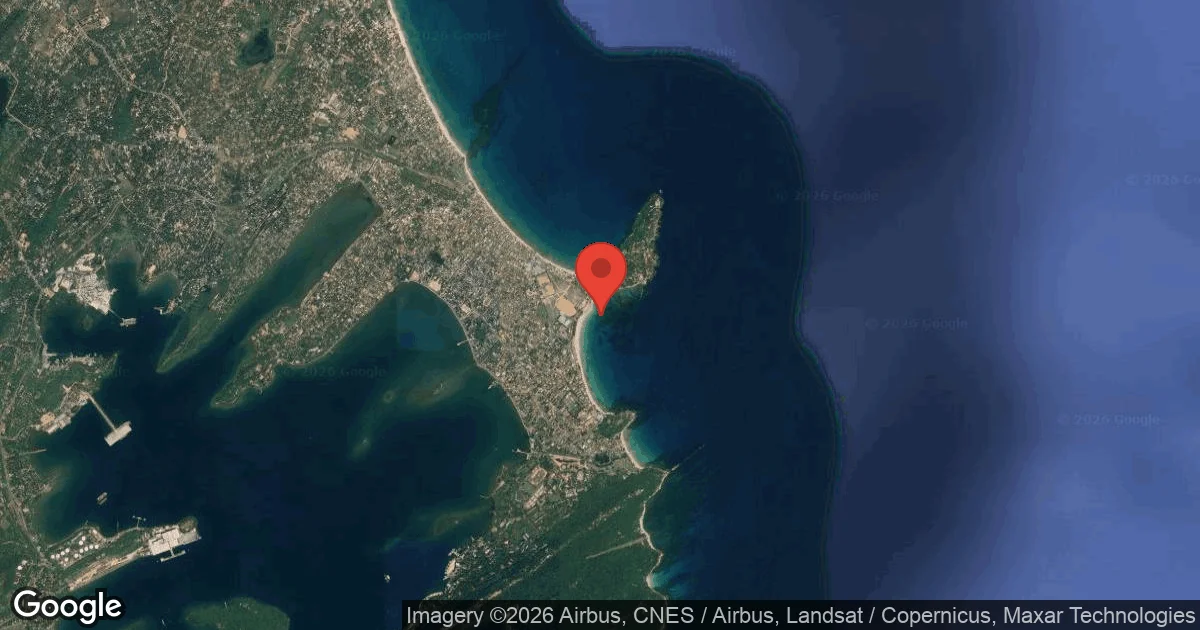
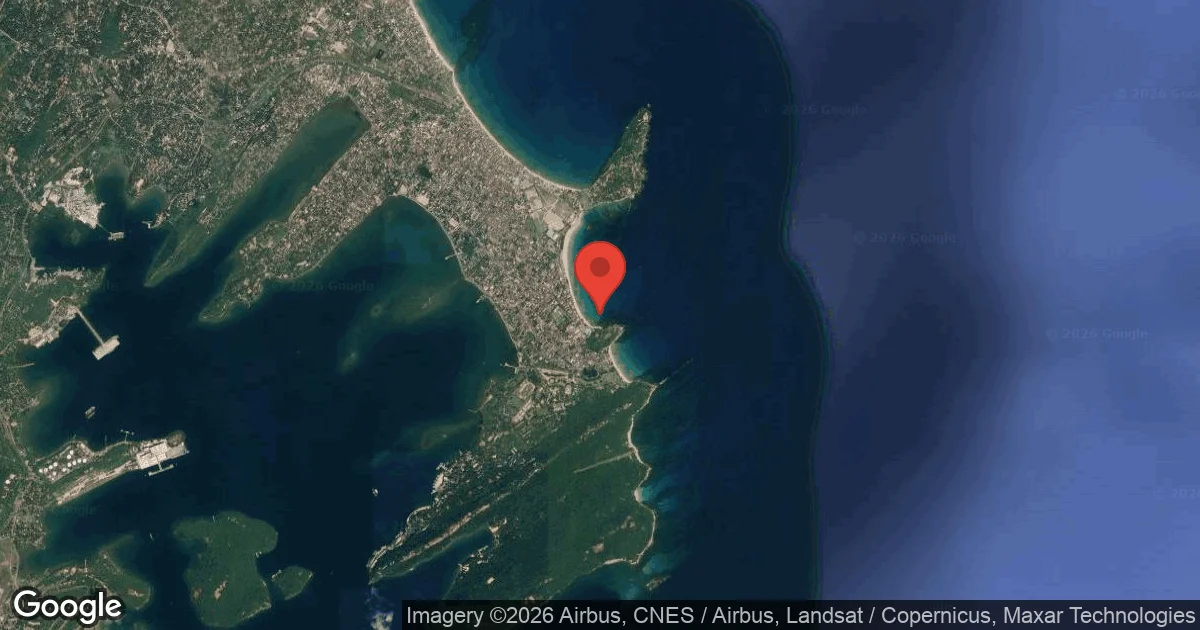
View all dive sites in Sri LankaDiscover more underwater gems in this area.
Dive Centers Near Swami Rock
Today: 06:00 - 20:00
Nearest Airports
Nearest airports to help plan travel to this dive area.
Search Flights
Check available flights and routes on Expedia, using the nearby airports listed in this section.
Search Flights on ExpediaFrequently Asked Questions
What is the maximum depth at Swami Rock?
Swami Rock offers a maximum recreational diving depth of 24 m (78 ft). However, there are also shallower sections available, starting around 8 m (26 ft), which are suitable for less experienced divers.
Is Swami Rock suitable for beginner divers?
Yes, Swami Rock accommodates divers of various skill levels. While PADI-certified divers are ideal, the site features shallower areas perfect for beginners or those undertaking their Open Water certification. Local dive centers provide instruction and guided dives.
What kind of marine life can I expect to see?
Divers can expect to encounter a variety of marine life, including large schools of reef fish like parrotfish and Moorish idols. Sightings often include turtles, various eels, and occasionally stone fish. There's also a chance to spot larger pelagic species such as whales, dolphins, and sharks.
Are there any cultural or historical elements to the dive?
Absolutely. Swami Rock is located beneath the ancient Koneswaram Kovil, and underwater, divers can discover several sacred Hindu statues. These artifacts add a unique spiritual and historical dimension to the diving experience.
How do I access the Swami Rock dive site?
Access to Swami Rock is solely by boat. Dive centers in Trincomalee offer short boat rides to the site, typically taking about 15 minutes from the beach.
What is the typical water visibility like?
Visibility at Swami Rock is generally excellent, especially during the peak diving season from May to August. Divers often report very clear waters, enhancing the viewing of marine life and underwater structures.
When is the best time to visit Swami Rock for diving?
The best time to visit for optimal diving conditions is between May and August. During these months, the waters are typically calm, visibility is excellent, and there's an increased chance of spotting blue whales and other large marine animals.
Planning to dive Swami Rock?
Send one inquiry and receive offers directly from the best verified local dive operators.
Conditions are Good
Optimal conditions expected
Current conditions near Swami Rock show 27° air, 28° sea temperature, 0.4 m waves, and 34 km/h wind. Forecast data is refreshed regularly to ensure accuracy.