
Diving at Navy Underwater Dive Museum and Wreck (Sri Lanka)
Beyond a typical dive site, Sri Lanka's Navy Underwater Dive Museum and Wreck near Trincomalee and Nilwella presents a compelling juxtaposition of human artistry and marine conservation. Here, sunken gunboats and sculptural installations merge with the natural underwater landscape, transforming into a vibrant artificial reef. Divers can explore both recent history and burgeoning ecosystems within a single descent.
Tonight's objective overview for Navy Underwater Dive Museum and Wreck shows an air temperature of 27°C. The measured surface conditions include wave heights around 0.3 m. This environmental data is logged for the close of the day.
Dive Site Location & Key Facts
Dive Site Overview
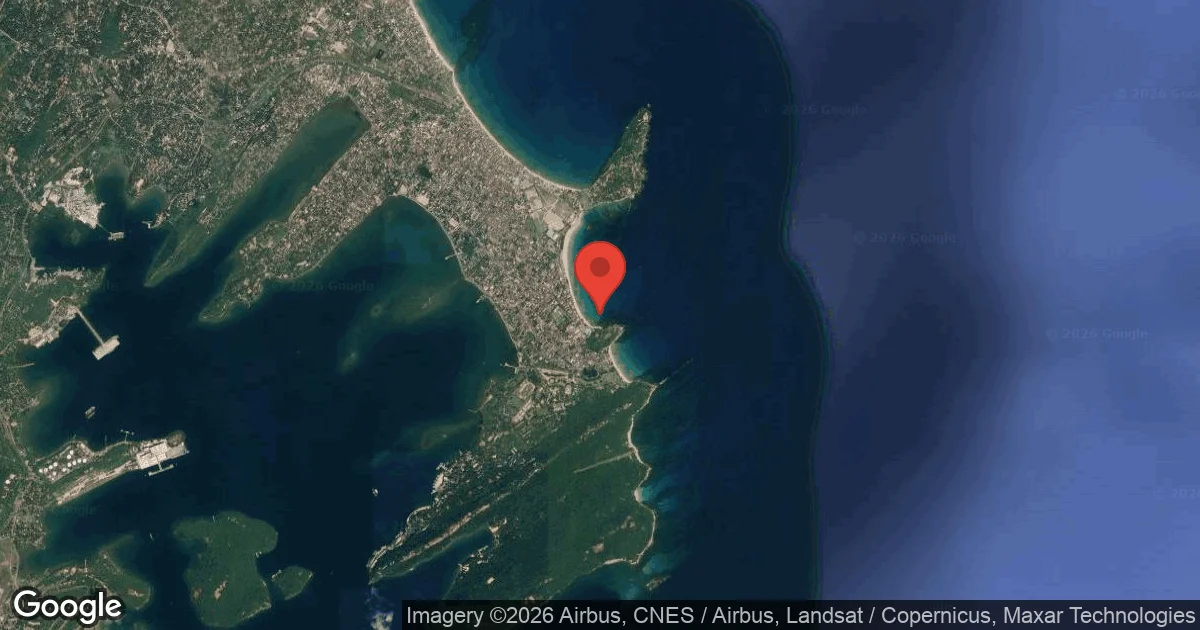
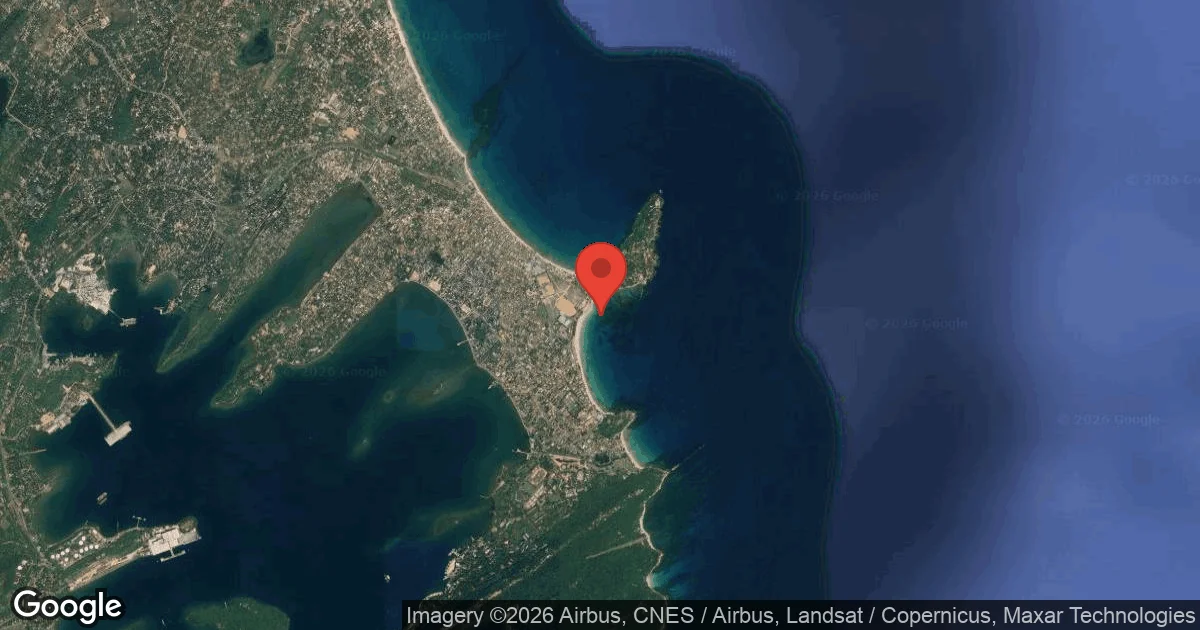
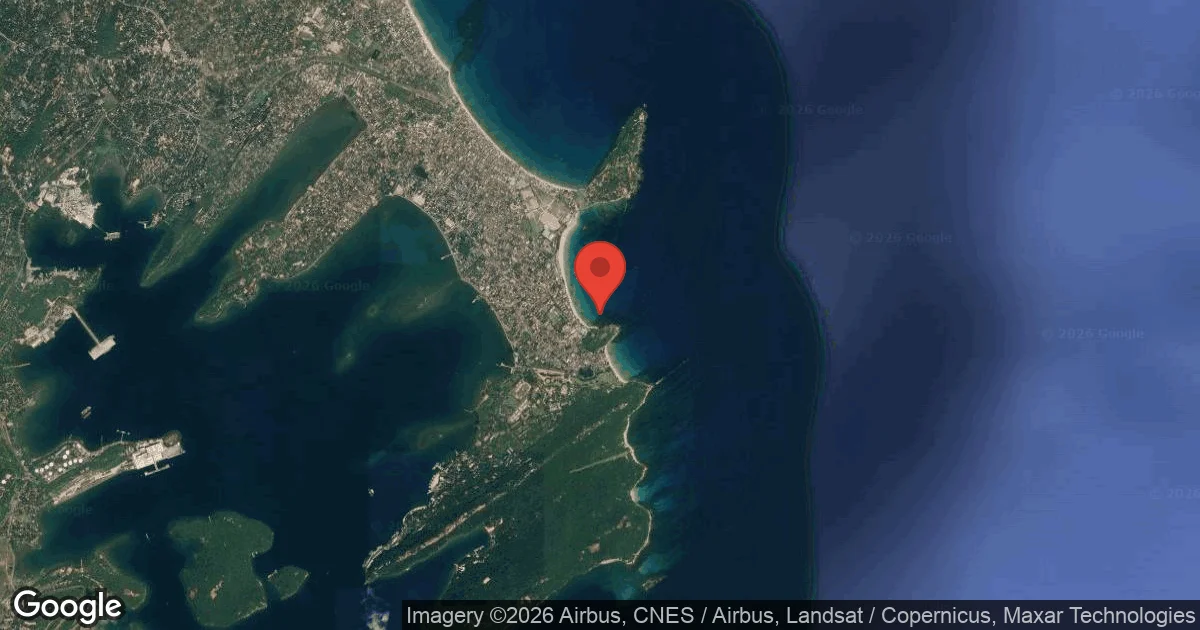
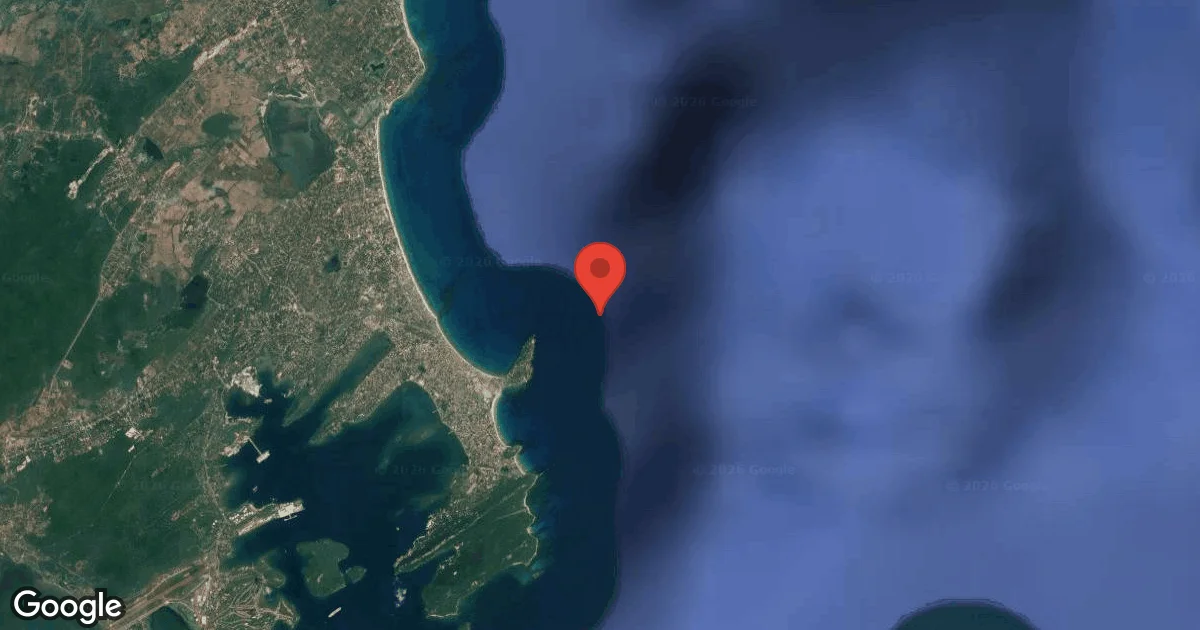
Exploring these sites reveals a fascinating blend of history and marine life, spread across several distinct areas. The Trincomalee Underwater Museum, established in 2020, covers a significant area beneath the harbor, featuring two decommissioned Navy gunboats, the Ex-SLNS Jagatha and Ex-SLNS Weeraya.
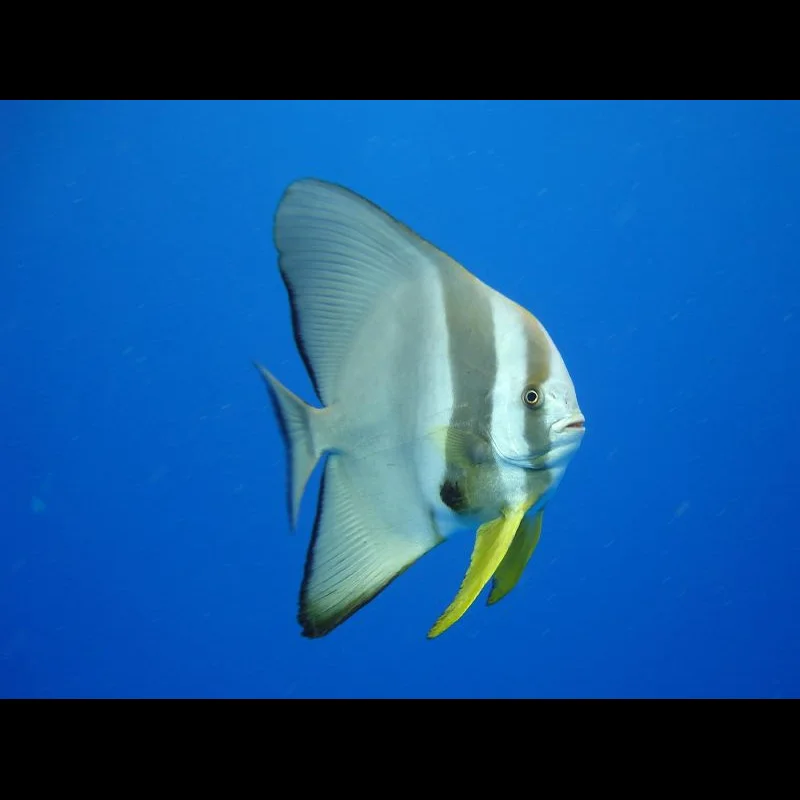
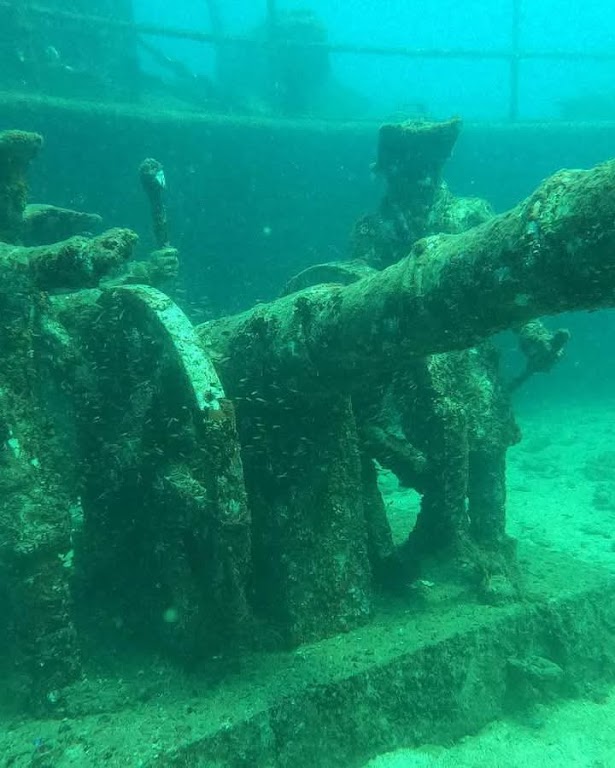
These vessels, resting at about 18 m (60 ft), are covered in encrusting corals and algae, providing small viewing points into their interiors, though they are not penetrable. Surrounding the wrecks, an underwater museum showcases figures and military equipment, purposefully placed to encourage coral growth and provide shelter for fish species like groupers and batfish. Further south, the Nilwella Underwater Museum, covering 100 meters long and 40 meters wide, functions as an expansive underwater art gallery and conservation project.
Depths here range from 4 m to 12 m (12-39 ft), making it accessible for various diver levels. Divers will find human-made sculptures, cultural figures, discarded vehicles, and aircraft parts, all designed to foster a thriving reef ecosystem.
Additionally, the Wombat Barge Wreck, near Nilwella Blue Beach, lies at approximately 24 m (75 ft). This historic Singaporean barge, which sank in 1975, has become a dynamic artificial reef, home to giant groupers and swirling schools of snappers.
Conditions are Good
Optimal conditions expected
Current conditions near Navy Underwater Dive Museum and Wreck show 27° air, 28° sea temperature, 0.4 m waves, and 34 km/h wind. Forecast data is refreshed regularly to ensure accuracy.
Best Time to Dive
The prime season for diving Sri Lanka's underwater museums and wrecks generally extends from March through July, offering 'Excellent' dive scores. During these months, conditions are notably favorable with low wave heights, minimal rain, and pleasant air temperatures averaging between 27°C (81°F) and 30°C (86°F). May and June, for instance, see air temperatures around 29°C (84°F) to 30°C (86°F) with rain as low as 0.98 mm to 4.63 mm. While water temperature data is not consistently reported, the region is known for its warm tropical waters, typically ranging from 22-27°C (72-81°F). Good diving conditions, reflected by 'Good' scores, are also common from August to February. However, November often experiences higher rainfall, averaging 21.8 mm, and increased wave heights, potentially impacting visibility or comfort. January and December also show higher wave action compared to the peak season. Planning visits during the low-rain, calmer periods will generally enhance the dive experience.
PEAK SEASON SCORE
Scores combine air & water temps, waves, wind & rainfall for overall conditions.
BEST MONTHS TO DIVE
Monthly records compiled from satellite and marine observation nodes over the last 3 years. Data provided by Open-Meteo and MET Norway.
Dive Experience & Conditions
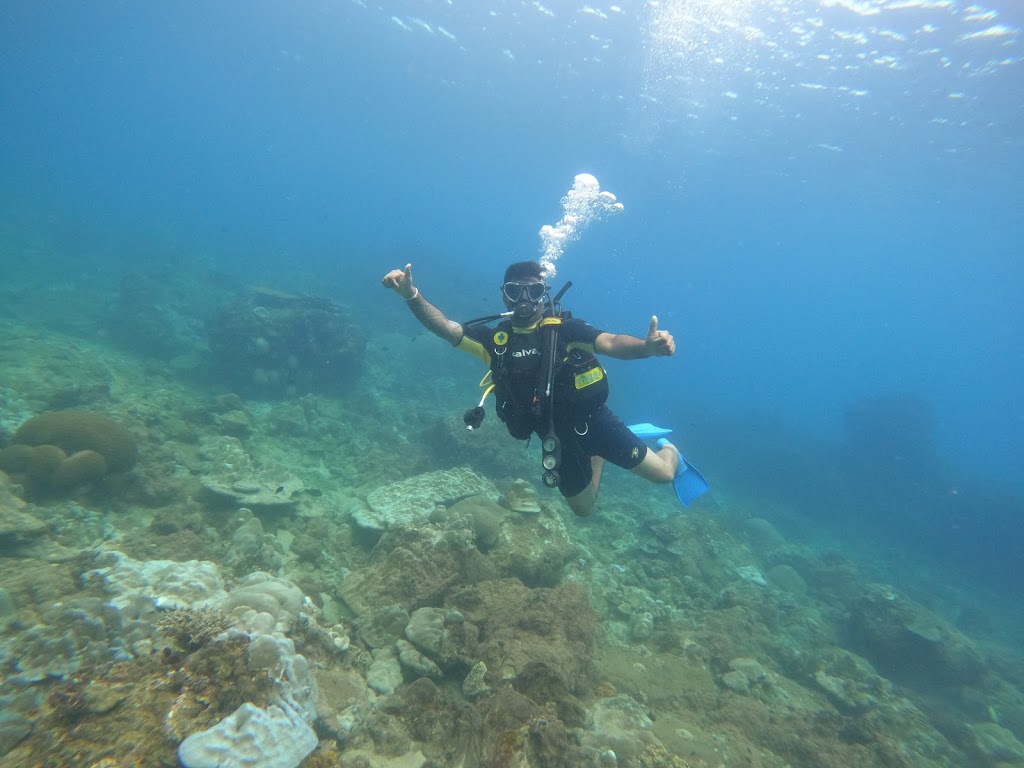
Beginning your exploration, entry to these sites is typically by boat, guiding you into relatively calm waters ideal for various skill levels. Descending into the Nilwella Underwater Museum, which starts at around 4 meters and reaches a maximum depth of 12 meters, divers encounter sculptures and structures swiftly colonized by corals. This site is particularly suitable for beginners due to its easy accessibility and clear visibility, often described as 'excellent' with 'crystal blue water'. For more experienced divers, the Trincomalee museum's gunboats sit at about 18 meters, while the Wombat Barge presents a deeper wreck dive reaching about 24 meters. Across these sites, divers can expect good visibility, though it can vary depending on local weather patterns and currents. The consistent warm water temperatures make for comfortable diving, often requiring only a dive skin or shorty wetsuit.
Dive Difficulty & Safety Guidelines
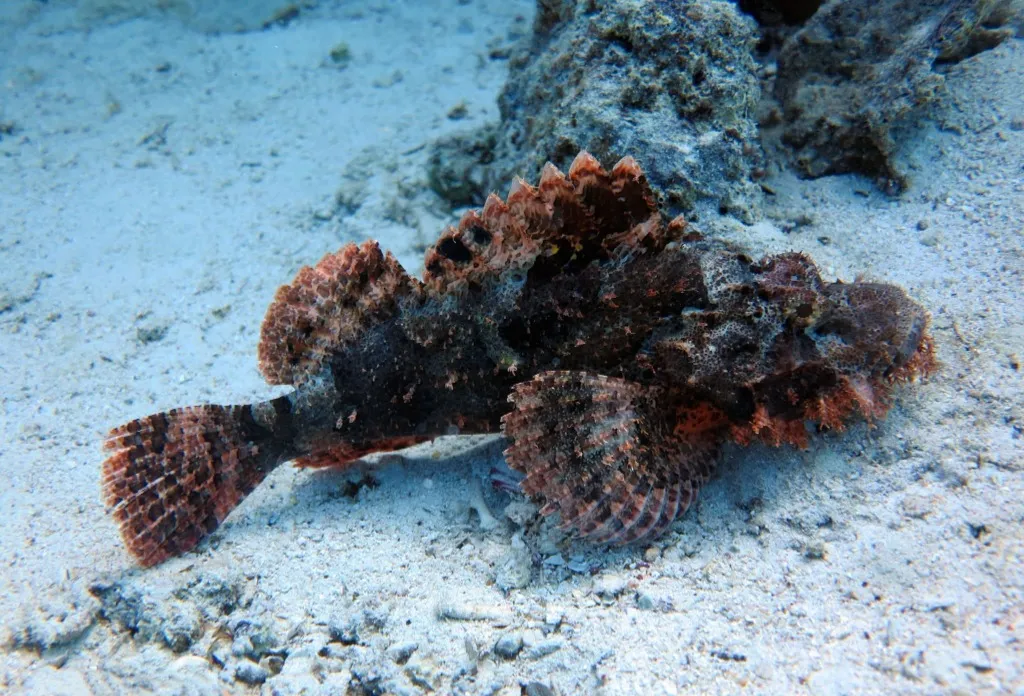
When navigating the structures of these artificial reefs and wrecks, divers must exercise caution for potential hazards. Scorpionfish and stonefish are commonly sighted using these formations as camouflage, blending in with their surroundings. Maintaining excellent buoyancy control is essential not only for personal safety but also to protect the nascent coral growth and delicate marine life colonizing the sculptures and wrecks.
While the gunboats in Trincomalee feature viewing holes, they are not designed for internal penetration. Divers should also be mindful of the maximum depths, especially at the Wombat Barge, which reaches around 24 meters.
Carrying a dive computer is crucial for monitoring depth and bottom time. Recommended training for these sites includes PADI Open Water Diver for the shallower museum areas and PADI Advanced Open Water Diver, or even a Deep specialty or Wreck Diver certification for the deeper wreck components, ensuring proper preparedness for the varied environments.
Recommended Equipment
Overhead / entanglement risk. Wreck penetration requires proper training.
- Dive Computer
- DSMB
- Primary & Backup Lights
- Wreck Reel
- Cutting Tool
This gear list is based on verified equipment signals for Navy Underwater Dive Museum and Wreck, Sri Lanka. Always confirm final gear choices with your dive operator, guide, or liveaboard.
Recommended Dive Suit
With water temperatures around 28°C (83°F), many divers find a 2-3mm shorty or light wetsuit provides comfortable protection.
Being prepared with flexible exposure options is a common approach among experienced divers.
Current forecasts indicate relatively stable conditions for the coming days.
Emergency & Medical Support
Essential information to help you plan your dive trip to Navy Underwater Dive Museum and Wreck.

Hyperbaric chambers are a critical part of dive safety infrastructure. Availability varies significantly by region, and not all dive areas have immediate access.
Before diving, it's recommended to:
- confirm nearest medical facilities
- check emergency procedures with local dive operators
- ensure dive insurance covers evacuation if required
Divers Alert Network
Diving emergency assistance available through DAN World.
+1-919-684-9111- 24/7 emergency hotline
- Diving medical assistance
- Evacuation coordination
Emergency contacts are provided for reference. Always verify local emergency services before diving.
Marine Life at Navy Underwater Dive Museum and Wreck
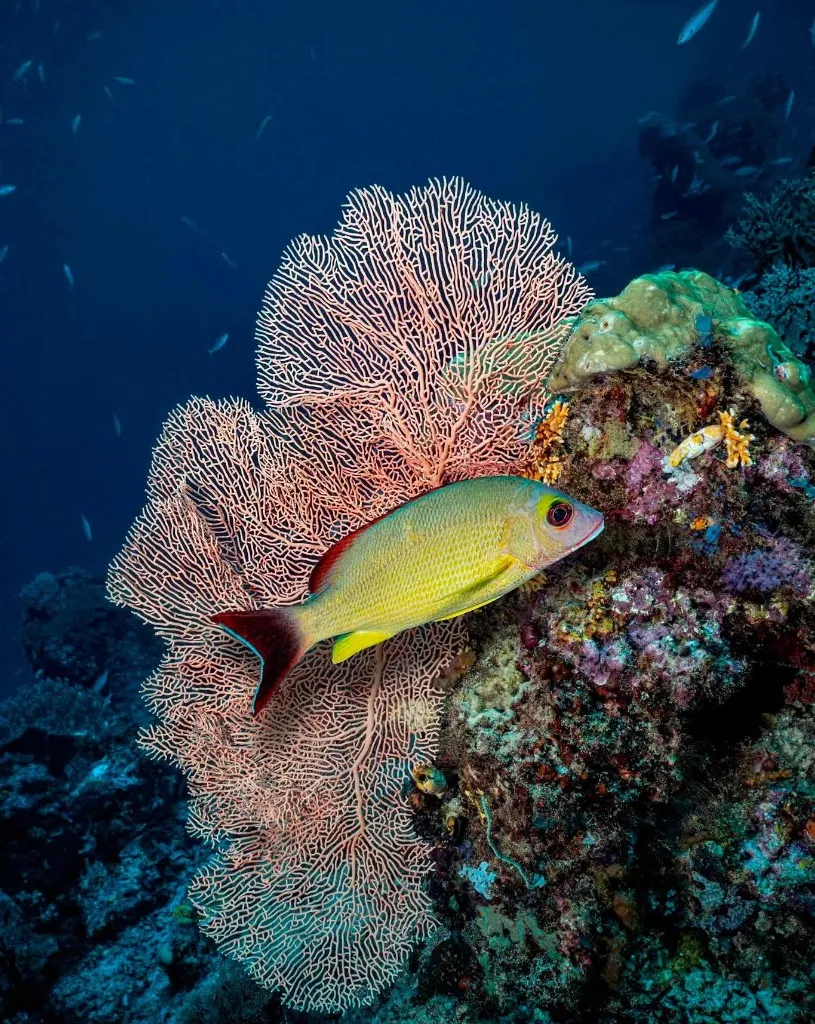
As corals and sponges progressively colonize the artificial structures, these underwater sites now support diverse marine life. Swirling schools of snappers and shimmering fusiliers frequently weave through the gunboats and sculptural formations, while larger giant groupers often inhabit the more sheltered areas of the Wombat Barge.
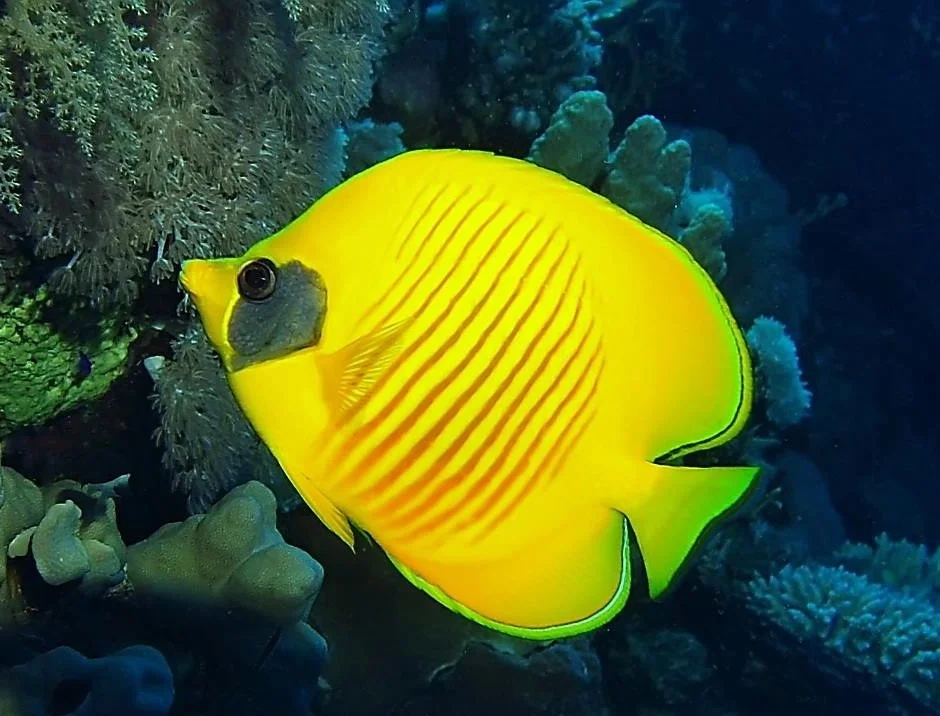
Common sightings include vibrant angelfish, batfish, bannerfish, parrotfish, and butterflyfish, adding splashes of color to the artificial reef. Divers should observe carefully for scorpionfish and stonefish, which are masters of camouflage, often found resting on the structures.
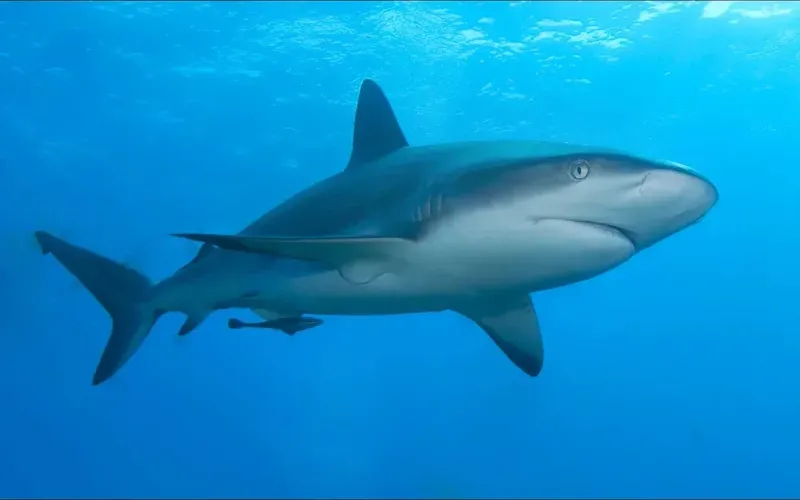
Lionfish, giant morays, and cuttlefish also frequent these habitats. On occasion, a reef shark might be spotted cruising the perimeter, reminding divers of the broader ocean ecosystem at play.
Dive Sites Near Navy Underwater Dive Museum and Wreck
View all dive sites in Sri LankaDiscover more underwater gems in this area.
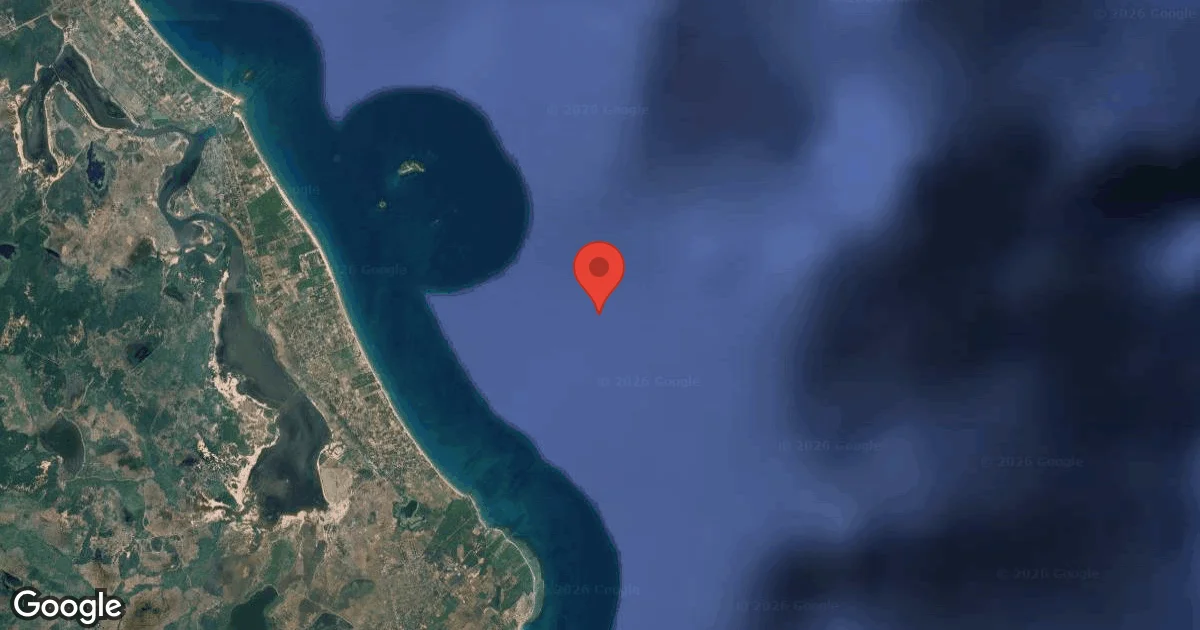
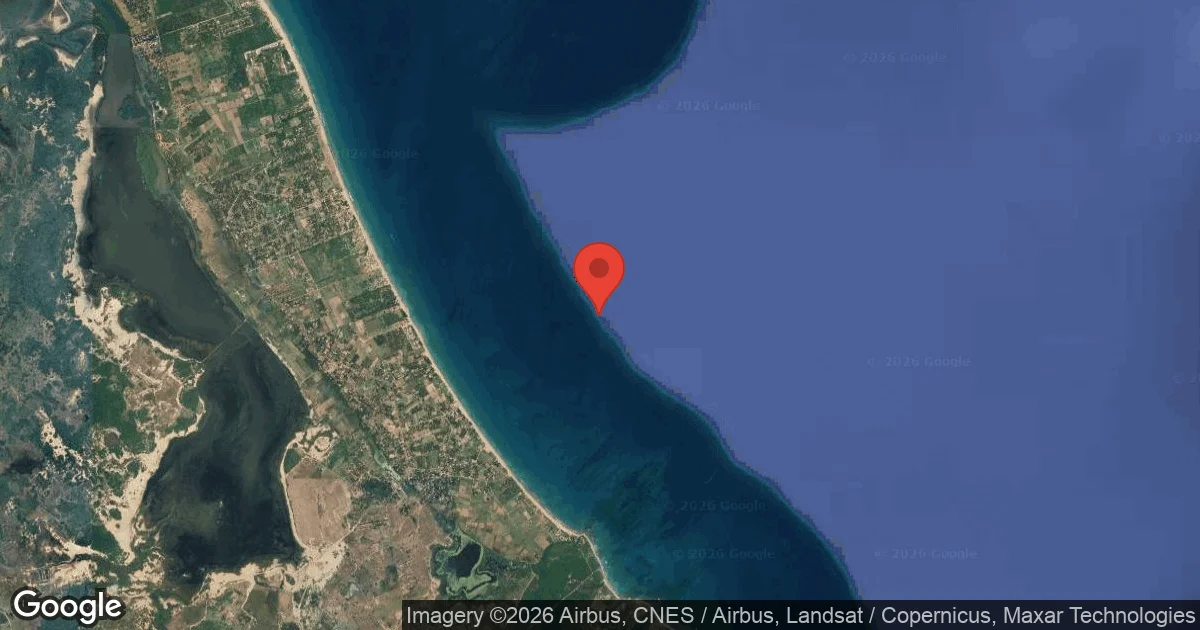
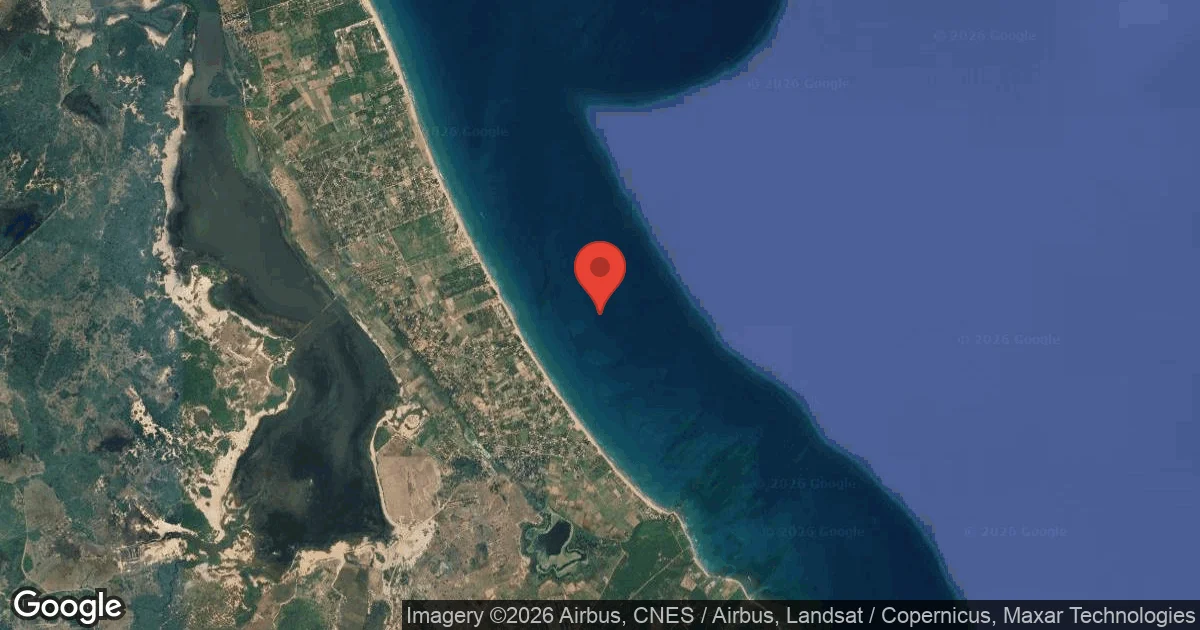
Dive Centers Near Navy Underwater Dive Museum and Wreck
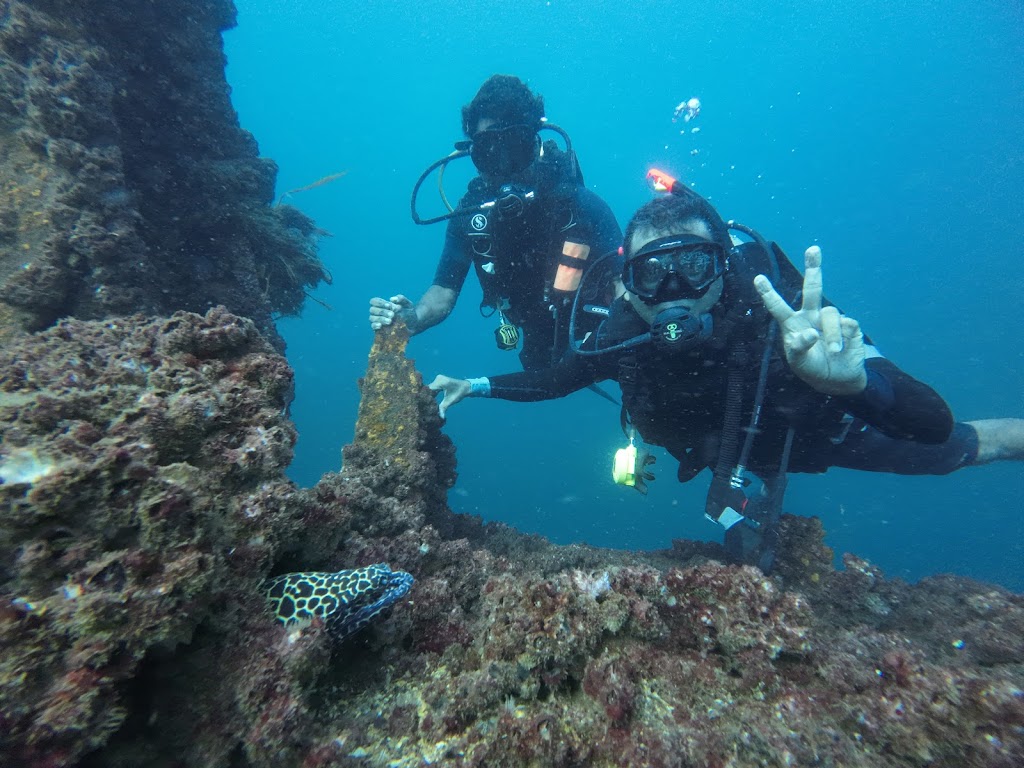
Today: 06:00 - 20:00

Nearest Airports
Nearest airports to help plan travel to this dive area.
Search Flights
Check available flights and routes on Expedia, using the nearby airports listed in this section.
Search Flights on ExpediaFrequently Asked Questions
What is unique about these dive sites in Sri Lanka?
These sites are a distinctive combination of underwater museums and artificial reefs, created through conservation efforts by the Sri Lanka Navy. They blend human-made sculptures, cultural figures, and even sunken vessels with natural marine growth, forming dynamic ecosystems for divers to explore.
What are the primary attractions at the Navy Underwater Dive Museum and Wreck?
Divers can explore sunken gunboats (Ex-SLNS Jagatha and Ex-SLNS Weeraya) and a wide array of artistic sculptures at the Trincomalee and Nilwella Underwater Museums. The Wombat Barge Wreck near Nilwella is another significant historical feature.
What are the typical depths for these dives?
The Nilwella Underwater Museum offers a shallower range, suitable for beginners. Gunboats at the Trincomalee Museum are typically at mid-recreational depths. For the Wombat Barge Wreck, expect deeper recreational limits.
What marine life can I expect to see here?
These sites host a variety of reef fish, including groupers, snappers, fusiliers, angelfish, batfish, and butterflyfish. Look closely for well-camouflaged scorpionfish and stonefish, along with lionfish, giant morays, and occasional reef sharks.
What is the best time of year to dive these locations?
The period from March through July typically offers the best diving conditions, with low rainfall, calm waters, and excellent visibility. Air temperatures are comfortably warm, averaging between 27°C (81°F) and 30°C (86°F).
What dive certifications are recommended?
PADI Open Water Diver certification is sufficient for the shallower museum sections. For the deeper wrecks and more extensive explorations, PADI Advanced Open Water Diver, Deep Specialty, or Wreck Diver certifications are highly recommended to ensure a safe and enjoyable experience.
Planning to dive Navy Underwater Dive Museum and Wreck?
Send one inquiry and receive offers directly from the best verified local dive operators.
Conditions are Good
Optimal conditions expected
Current conditions near Navy Underwater Dive Museum and Wreck show 27° air, 28° sea temperature, 0.4 m waves, and 34 km/h wind. Forecast data is refreshed regularly to ensure accuracy.