
Diving at Klathipa Deep Dive Site (Sri Lanka)
Exploring Klathipa Deep Dive site offers an engaging experience for certified divers. This pinnacle rock structure descends to 40 m / 131 ft, making it a prime location for those seeking deeper exploration and advanced training. Divers can anticipate encountering impressive rock formations and open ocean marine life. The site's character provides a compelling challenge and reward, particularly for deep dive students refining their skills.
Tonight's objective overview for Klathipa Deep Dive Site shows an air temperature of 32.5°C. The measured surface conditions include wave heights around 0.3 m. This environmental data is logged for the close of the day.
Dive Site Location & Key Facts
Dive Site Overview
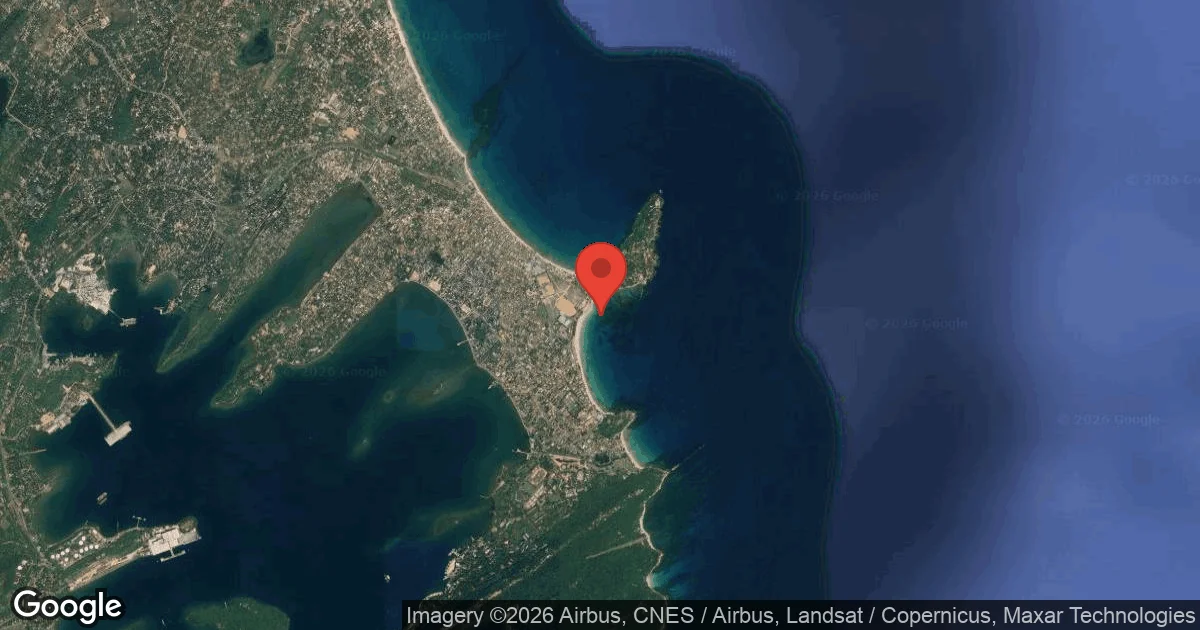
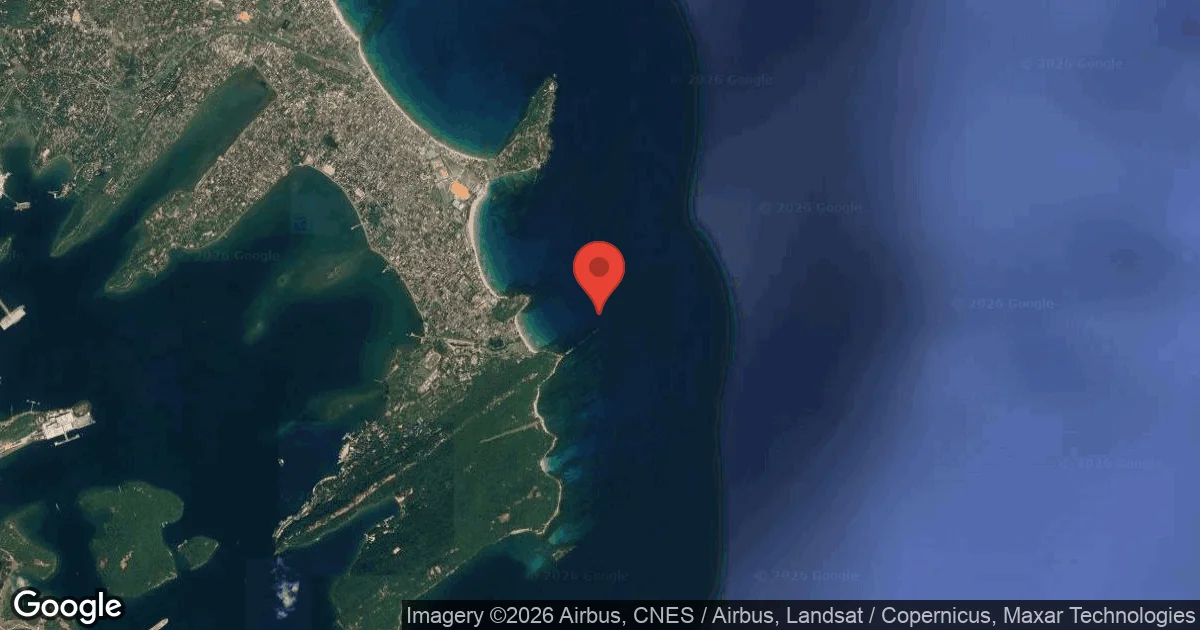
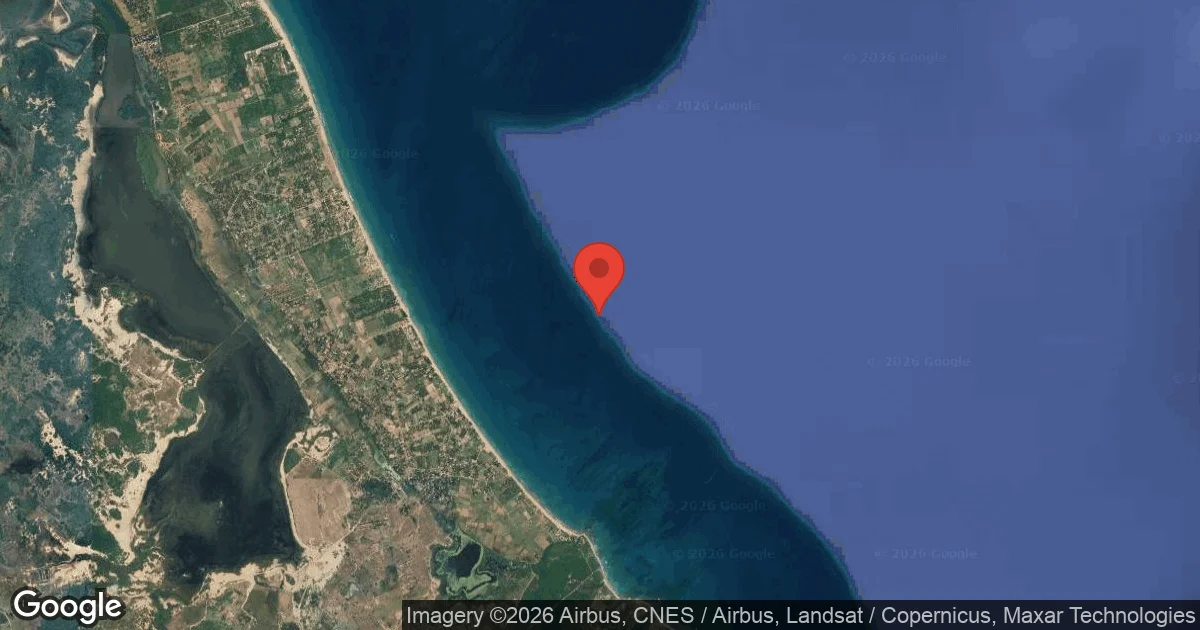
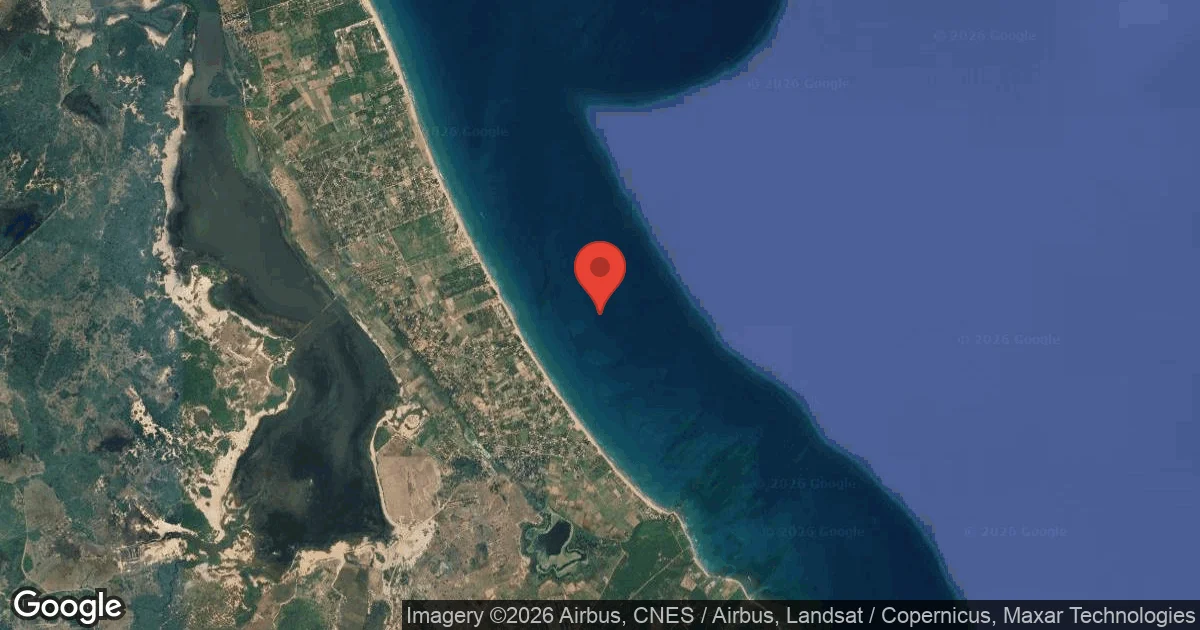
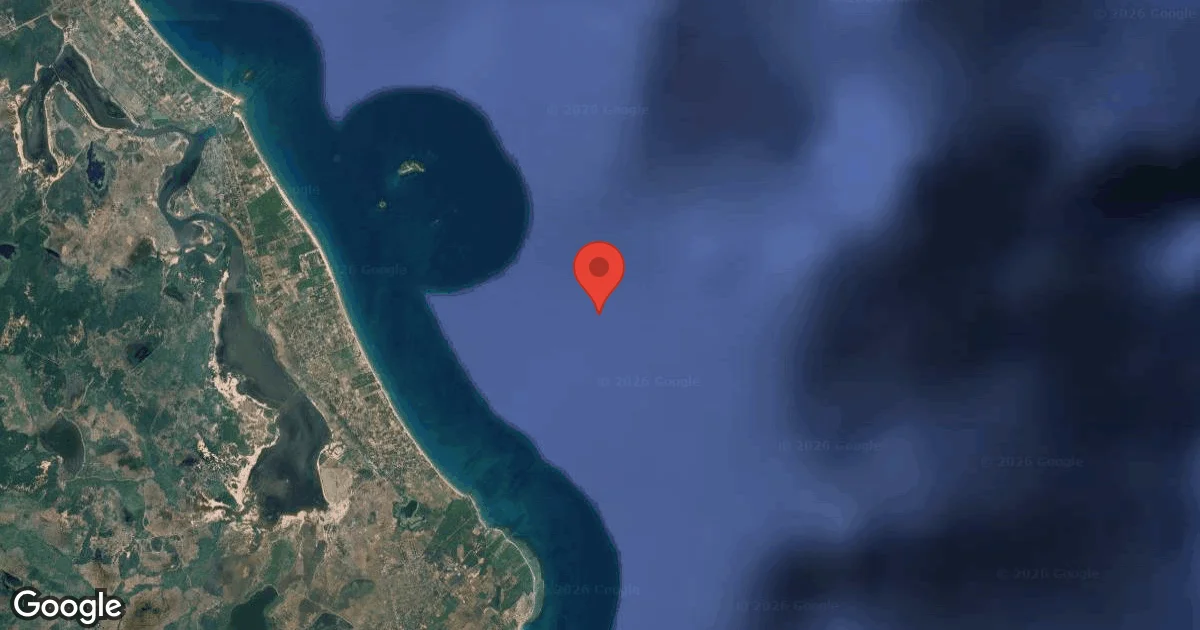
A prominent pinnacle rock formation defines the underwater terrain at Klathipa Deep Dive site, beckoning divers to explore its deep contours off Trincomalee. The structure's peak rises to approximately 18 m / 60 ft, then plunges dramatically to an impressive 40 m / 131 ft and even deeper.
This significant depth variation carves out diverse ecological niches, attracting an array of marine species; you'll observe everything from large schools of barracuda circling the pinnacle to resident groupers patrolling its base. Consistent visibility, frequently exceeding 10 m / 33 ft, allows for expansive views of this impressive geological feature and the vibrant life it sustains. Currents are a defining aspect of the site, oscillating between gentle movements and powerful flows, which enriches the dive experience by bringing active pelagic species into view.
Managing these varying currents is part of the site's challenge and appeal. The site's deep profile and the dynamic interactions of its marine ecosystem make it an exceptional location for divers undertaking PADI Deep Diver training, providing practical experience in a real-world deep-sea environment. Mastering buoyancy and navigation here sharpens deep diving skills.
Conditions are Good
Optimal conditions expected
Current conditions near Klathipa Deep Dive Site show 32° air, 29° sea temperature, 0.4 m waves, and 30 km/h wind. Forecast data is refreshed regularly to ensure accuracy.
Best Time to Dive
Diving during March to June often presents excellent conditions, optimizing your experience at Klathipa Deep Dive site. In these months, wave heights are typically at their lowest, enhancing boat travel and surface conditions. Rain is also minimal, often below 5 mm / 0.2 inches, ensuring clearer skies for your trip. Air temperatures generally range from 27-30°C / 81-86°F, providing comfortable surface intervals between dives. While diving is good year-round, conditions between March and June present the calmest surface conditions and best visibility, according to historical climate data. Mornings are frequently noted as the optimal time to descend, especially when anticipating encounters with larger marine animal groups.
PEAK SEASON SCORE
Scores combine air & water temps, waves, wind & rainfall for overall conditions.
BEST MONTHS TO DIVE
Monthly records compiled from satellite and marine observation nodes over the last 3 years. Data provided by Open-Meteo and MET Norway.
Dive Experience & Conditions
Dive into Klathipa Deep Dive site, and you're immediately immersed in an environment shaped by a prominent pinnacle rock. The dive profile typically begins around 18 m / 60 ft at the rock's peak, then follows its descent to depths of 40 m / 131 ft. Visibility is generally excellent, often more than 10 m / 33 ft, allowing divers to clearly observe the deep structure and passing marine life. While water temperatures aren't consistently reported, the site typically offers comfortable conditions for diving year-round in tropical Sri Lanka. Currents can be a factor, ranging from gentle to strong, which can influence the dive profile and require attention to buoyancy and positioning. This dynamic environment can bring encounters with schooling fish and larger pelagics moving through the open ocean.
Dive Difficulty & Safety Guidelines
Approaching Klathipa Deep Dive site requires a mindful awareness of its characteristics, particularly for newer deep divers. Currents can vary from moderate to strong, necessitating excellent buoyancy control and a readiness for drift diving techniques. All divers should be certified PADI Advanced Open Water, and PADI Deep Diver training is highly recommended given the site's depths of up to 40 m / 131 ft.
Carrying a Delayed Surface Marker Buoy (DSMB) is essential for signaling the boat, especially if currents cause a drift away from the original entry point. A dive computer is also crucial for monitoring no-decompression limits and ascent rates throughout the dive. Always adhere to your dive plan and stay in communication with your buddy.
Recommended Equipment
Deep dive hazard. Increased narcosis and gas consumption risk.
Overhead environment. Do not enter beyond training and gas planning limits.
- Dive Computer
- DSMB
- Primary & Backup Lights
- Reel / Spool
- Cutting Tool
This gear list is based on verified equipment signals for Klathipa Deep Dive Site, Sri Lanka. Always confirm final gear choices with your dive operator, guide, or liveaboard.
Recommended Dive Suit
According to recent observations, water temperatures near Klathipa Deep Dive Site are approximately 29°C (83°F). Surface air temperatures are resting at 32°C (90°F).
A modest cooling trend is expected in the upcoming forecast. Cooler days are ahead; you might want a warmer option for later in the week. A neoprene vest or hood can add flexibility if temperatures feel cooler underwater.
In water temperatures like these, 2-3mm shorty or light wetsuit typically offers sufficient warmth for most recreational dives. A hood or vest is suggested for sensitive divers due to surface winds. Some divers naturally tolerate cooler water better than others.
Emergency & Medical Support
Essential information to help you plan your dive trip to Klathipa Deep Dive site.

Hyperbaric chambers are a critical part of dive safety infrastructure. Availability varies significantly by region, and not all dive areas have immediate access.
Before diving, it's recommended to:
- confirm nearest medical facilities
- check emergency procedures with local dive operators
- ensure dive insurance covers evacuation if required
Divers Alert Network
Diving emergency assistance available through DAN World.
+1-919-684-9111- 24/7 emergency hotline
- Diving medical assistance
- Evacuation coordination
Emergency contacts are provided for reference. Always verify local emergency services before diving.
Marine Life at Klathipa Deep Dive Site
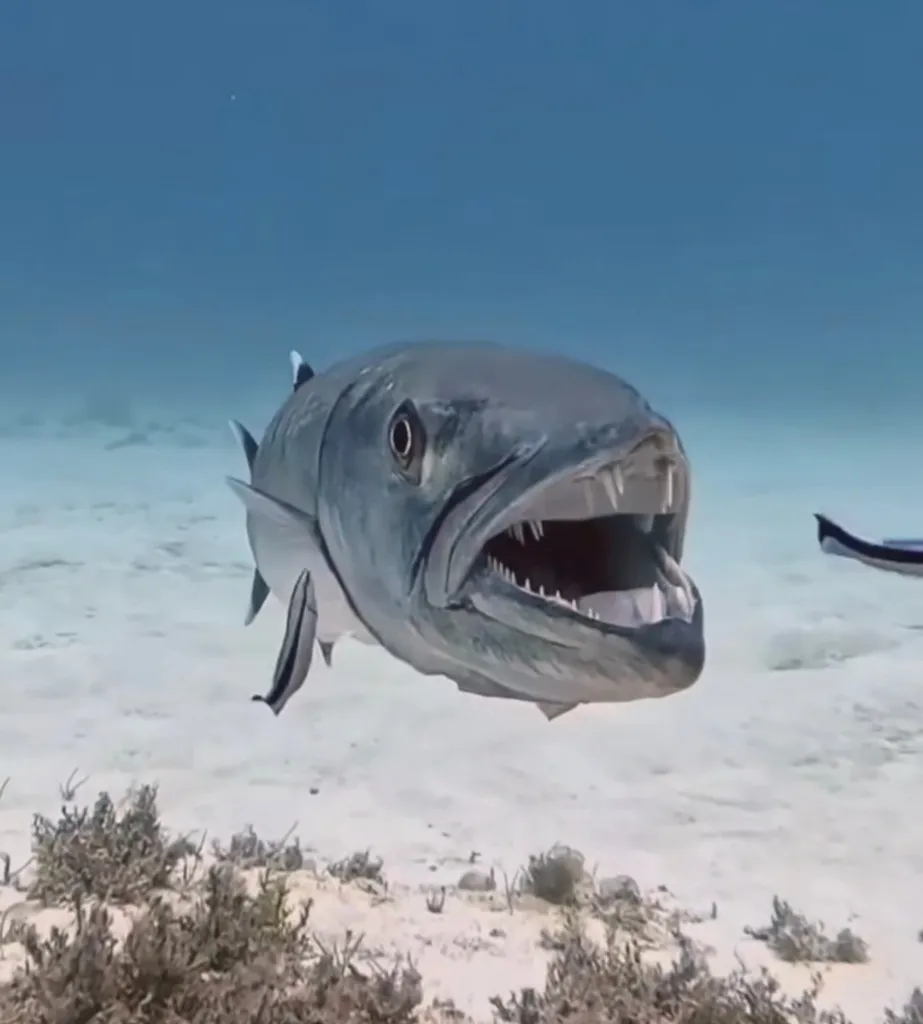
Observing marine life at Klathipa Deep Dive site frequently highlights larger species and schooling fish. Divers often encounter impressive groups of barracuda and various jackfish actively patrolling the pinnacle's structure.
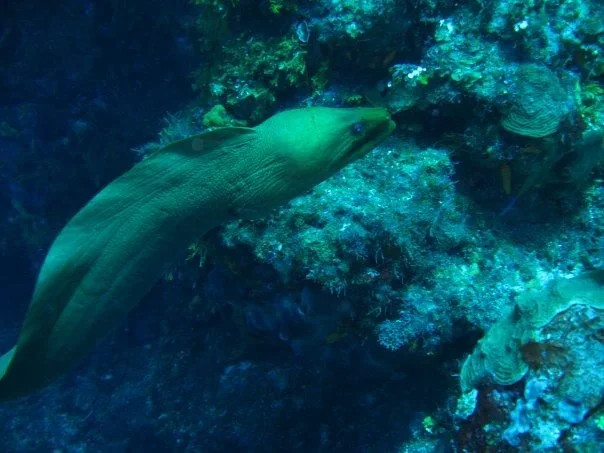
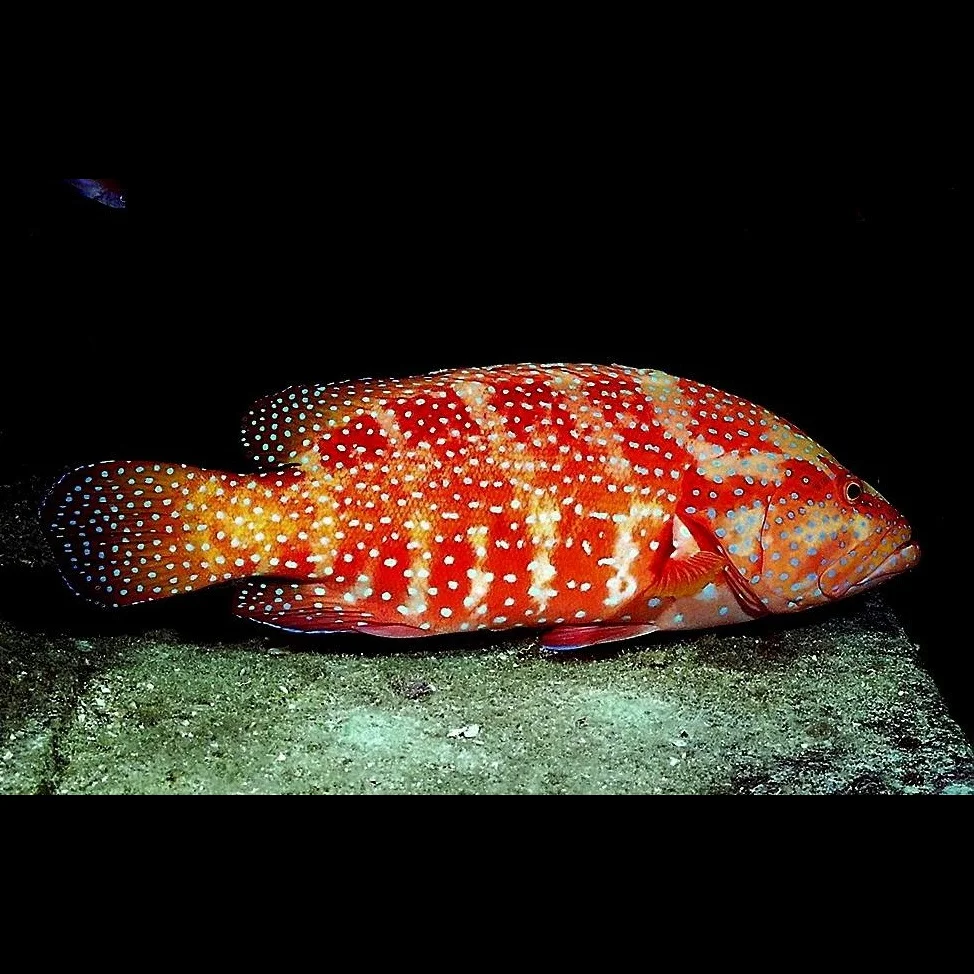
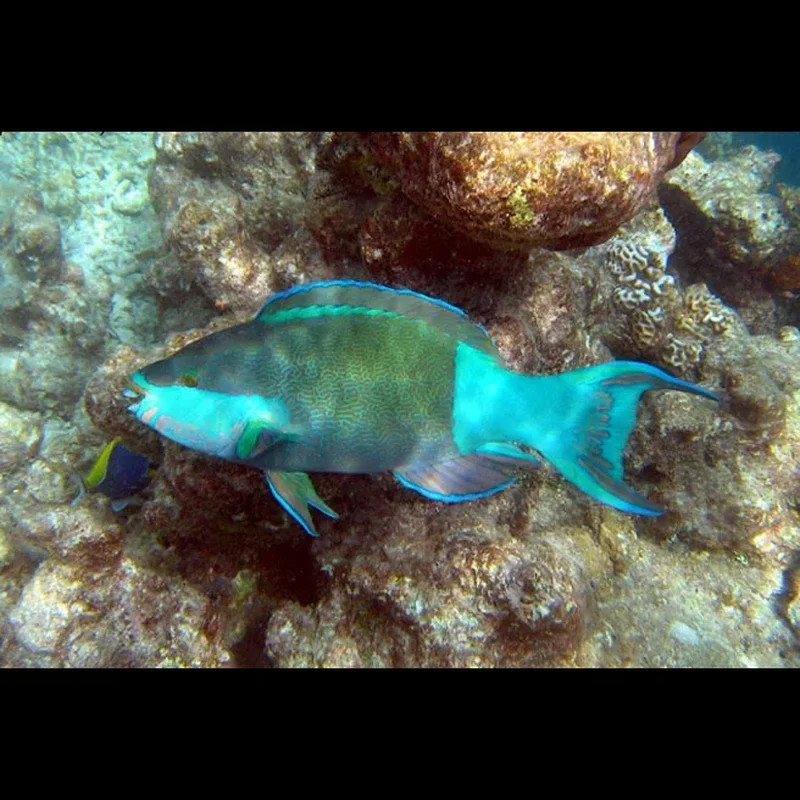
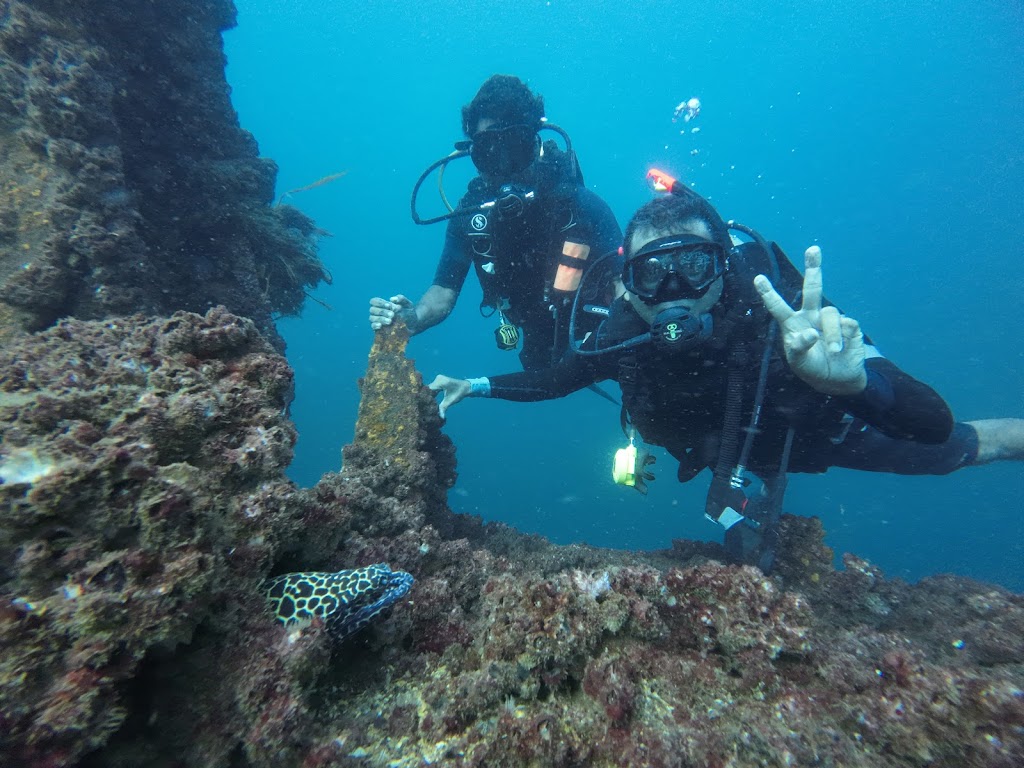
Giant moray eels commonly reside within the rock formations, occasionally accompanied by their diligent cleaner shrimp. Seasonal shifts and prevailing currents can bring opportunities to spot trevally, alongside vibrant parrotfish, Moorish idols, and various grouper navigating the reef.
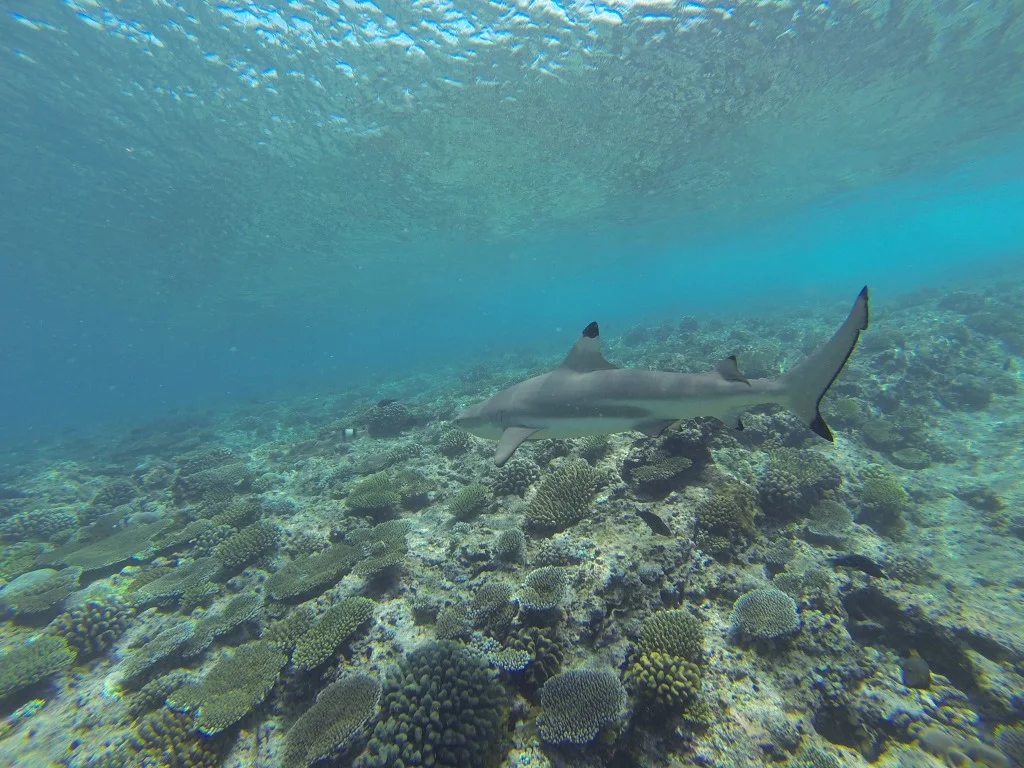
This open ocean environment also presents the potential for larger pelagics, including sharks, whales, dolphins, and turtles, to pass through the area surrounding the pinnacle.
Dive Sites Near Klathipa Deep Dive Site
View all dive sites in Sri LankaDiscover more underwater gems in this area.
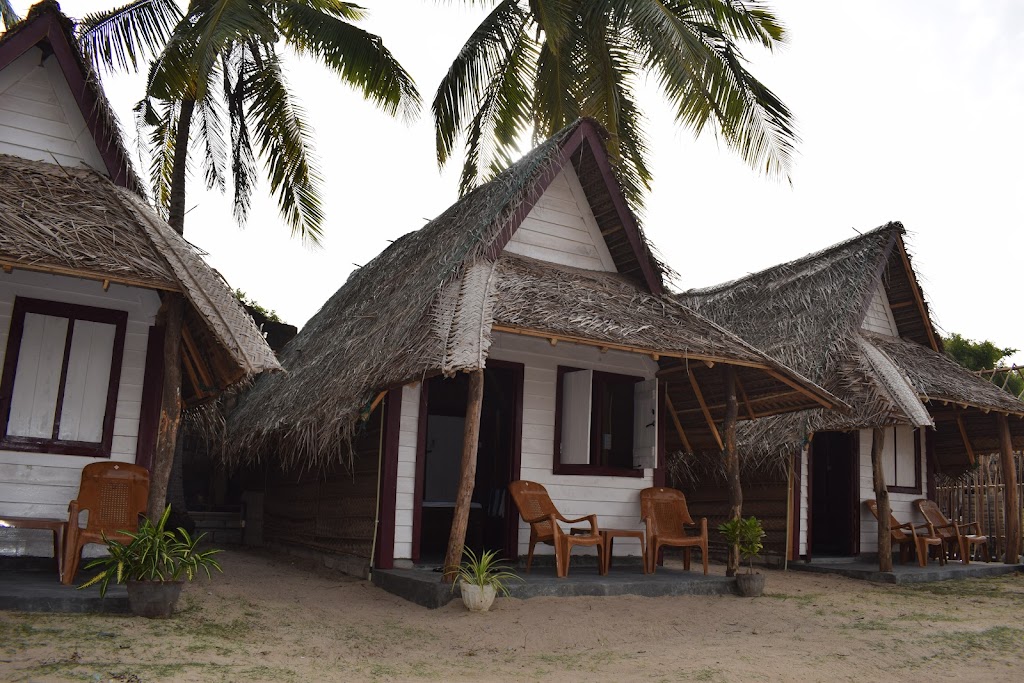
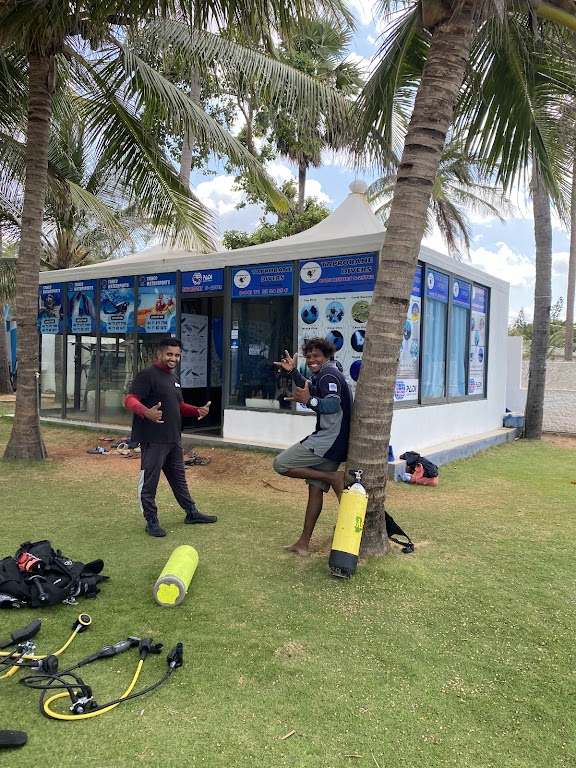
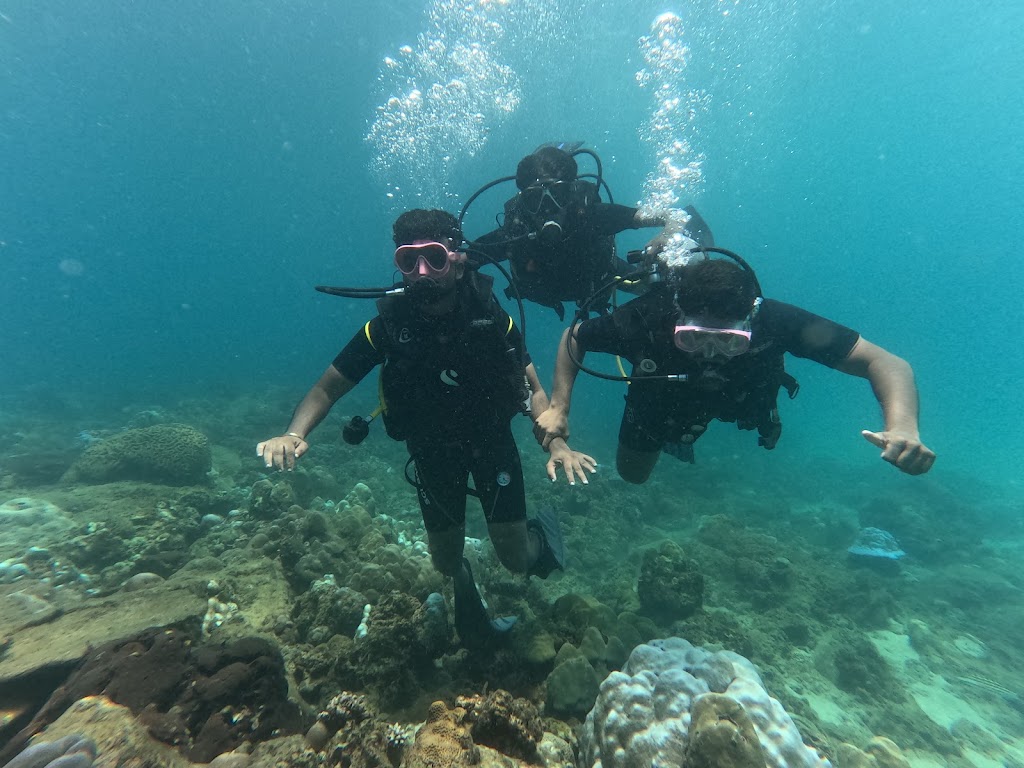
Dive Centers Near Klathipa Deep Dive Site
Today: 06:00 - 20:00
Nearest Airports
Nearest airports to help plan travel to this dive area.
Search Flights
Check available flights and routes on Expedia, using the nearby airports listed in this section.
Search Flights on ExpediaFrequently Asked Questions
What is the maximum depth at Klathipa Deep Dive site?
The site's pinnacle rock descends from a top depth of 18 m / 60 ft down to 40 m / 131 ft, and potentially deeper beyond the main structure. This makes it a significant deep diving location suitable for advanced exploration.
Are there strong currents at this dive site?
Currents at Klathipa Deep Dive site can vary considerably. While sometimes mild, divers should be prepared for strong currents that may be present, requiring good buoyancy control and an understanding of drift diving.
What kind of marine life can I expect to see?
You can anticipate seeing large groups of fish like barracuda and trevally, along with giant moray eels inhabiting the rock formations. Other common sightings include parrotfish, jackfish, and occasionally sharks, whales, dolphins, or turtles passing through the deeper waters.
Is Klathipa Deep Dive site suitable for beginner divers?
No, due to its depths and potential for strong currents, Klathipa Deep Dive site is best suited for advanced certified divers. PADI Advanced Open Water certification and specific Deep Diver training are highly recommended.
When is the best time to dive Klathipa Deep Dive site?
The period from March to June typically offers the calmest surface conditions and minimal rain, making for excellent diving experiences. Morning dives are often suggested as optimal for increased marine life encounters.
Do I need special equipment for this dive?
Yes, a dive computer is essential for monitoring depths and no-decompression limits during your dive. A Delayed Surface Marker Buoy (DSMB) is also highly recommended for safety, especially given the potential for currents.
Planning to dive Klathipa Deep Dive Site?
Send one inquiry and receive offers directly from the best verified local dive operators.
Conditions are Good
Optimal conditions expected
Current conditions near Klathipa Deep Dive Site show 32° air, 29° sea temperature, 0.4 m waves, and 30 km/h wind. Forecast data is refreshed regularly to ensure accuracy.