
Diving at Ledi Wracks (Switzerland)
Ledi Wracks presents a compelling freshwater wreck diving scenario within a Swiss alpine lake. This site's unique character involves exploring various submerged objects, likely a mix of debris and fallen trees, against the backdrop of natural lake walls. Its accessibility from shore, via a metal staircase, positions it as a practical choice for divers. Cold water, typical of the region, and variable visibility define the prevailing conditions, making it an engaging experience for prepared divers.
At Ledi Wracks, the ambient air temperature is currently recorded at 17.5°C. This dive site in Switzerland is operating under normal seasonal weather patterns. Familiarize yourself with the local topography prior to navigating.
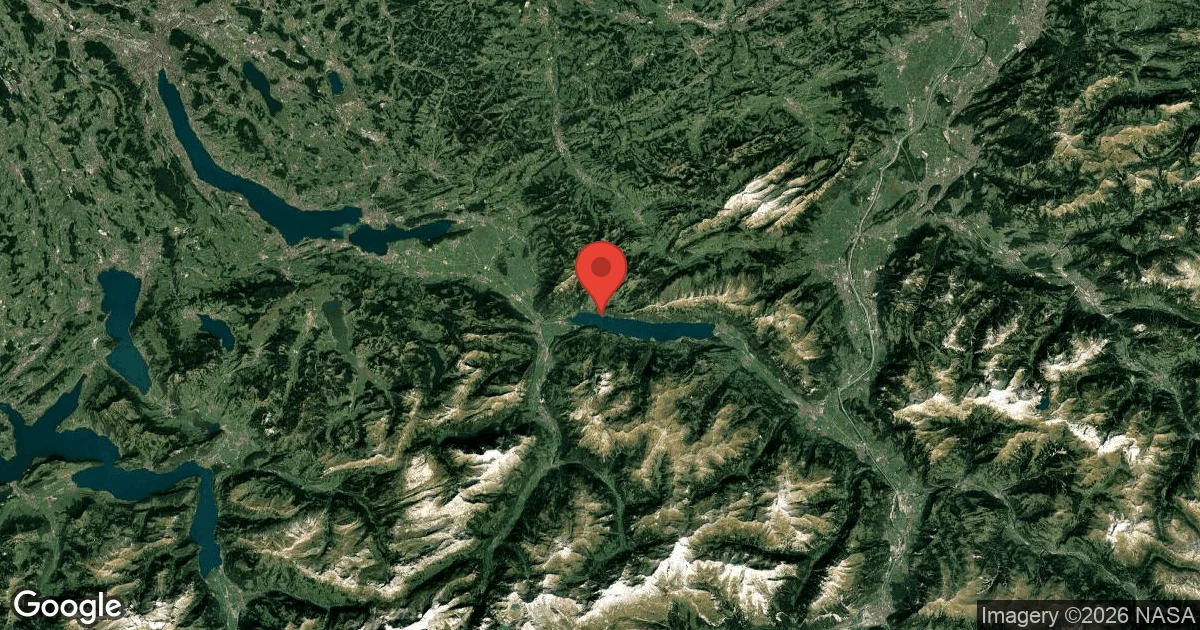
Dive Site Location & Key Facts
Dive Site Overview
Ledi Wracks in Switzerland offers a distinct freshwater wreck diving experience. This site, named for its various submerged objects, provides a unique exploration opportunity within a Swiss lake environment.
Divers access the water directly from shore via a metal staircase, positioned conveniently near a feature known as the 'pulpit'. This entry point makes it a relatively straightforward shore dive compared to some boat-only alternatives in the region. What lies beneath is a combination of these 'wracks' — likely a mix of older submerged debris and natural fallen trees, typical of deep alpine lakes — alongside the characteristic steep lake walls.
This setting allows for an immersive exploration of both artificial and natural underwater topography. While specific details of the 'wracks' are not consistently reported, the general nature of lake diving here means encountering cold water and conditions that can vary significantly with the season and recent weather.
It's an environment best suited for divers comfortable with colder temperatures and potentially lower visibility, offering a different kind of underwater adventure than traditional ocean wrecks.
Conditions are Excellent
07:00 - 14:00
Optimal conditions expected
Current conditions near Ledi Wracks show 18° air, --° sea temperature, N/A waves, and 7 km/h wind. Forecast data is refreshed regularly to ensure accuracy.
Best Time to Dive
The overall dive experience at Ledi Wracks is generally favorable through much of the year, although specific conditions fluctuate. Dive scores remain consistently high from January through March, then again in October through December, rated as "Excellent." These periods typically see lower air temperatures, ranging from 1.5°C (35°F) in January to 13.5°C (56°F) in October. Despite the colder air, winter and shoulder months can offer improved visibility often associated with cooler freshwater. From April to September, dive scores are rated "Good," with warmer average air temperatures peaking around 21°C (70°F) in August. Rain levels are moderate across all seasons, with slightly higher averages in July at 9.1 mm and lower averages around 3.8 mm in January and February. Divers should consider the cooler water temperatures and potential for lower visibility during warmer months when algae blooms can occur. Optimal conditions for exploring the wracks and walls often align with colder periods, enhancing the unique freshwater experience.
PEAK SEASON SCORE
Scores combine air & water temps, waves, wind & rainfall for overall conditions.
BEST MONTHS TO DIVE
Monthly records compiled from satellite and marine observation nodes over the last 3 years. Data provided by Open-Meteo and MET Norway.
Dive Experience & Conditions
Descending into the Ledi Wracks site provides a palpable sense of the freshwater environment. The initial entry from the metal staircase transitions into the cooler embrace of the lake. Visibility here is characteristic of alpine lakes; it can range from excellent during colder months to more restricted during warmer periods when organic particulate might increase. You'll often feel distinct thermoclines as you go deeper, a common trait of freshwater diving. The underwater landscape likely features a steep wall or slope, possibly adorned with large boulders and submerged tree trunks, similar to neighboring sites. Exploring the "wracks" themselves can involve navigating around various submerged objects, which contribute to the site's unique character. Water temperatures are not consistently reported, but divers should anticipate cold conditions typical for a deep Swiss lake. This environment requires attention to buoyancy and trim, especially when exploring around structures or along the lake's natural contours.
Dive Difficulty & Safety Guidelines
Approaching Ledi Wracks demands careful dive planning, particularly due to the specific characteristics of freshwater lake diving. Divers must be prepared for variable water temperatures and the presence of thermoclines, which can impact comfort and gas consumption. While specific hazards are not detailed in available data, divers should always assess visibility before entry, as it can shift rapidly.
The shore entry via a metal staircase requires careful footing, especially when carrying heavy gear. Maintain vigilant buoyancy control when exploring around the "wracks" to avoid disturbing sediment or entangling on submerged objects.
For dives in deeper, colder sections, considering advanced training in dry suit use or specialty lake diving is prudent. Always dive with a reliable buddy and carry appropriate safety equipment, including a cutting tool and signaling devices, given the nature of a freshwater environment with potential for debris.
Recommended Equipment
- Dive Computer
This gear list is based on verified equipment signals for Ledi Wracks, Switzerland. Always confirm final gear choices with your dive operator, guide, or liveaboard.
Recommended Dive Suit
Exposure protection is partly a personal preference.
Based on regional estimates and current weather, the likely required exposure protection is a 5mm or thicker wetsuit. Note that local currents and upwellings can alter this. Due to unpredictable weather patterns, conditions may change rapidly.
Because recent water temperature readings are not available for Ledi Wracks, the guidance below is based mainly on current air conditions and seasonal expectations. Current surface air temperatures are roughly 18°C (64°F).
Due to technical issues with our weather providers, live updates are temporarily delayed. The data above reflects the conditions at the time of the last successful fetch.
Emergency & Medical Support
Essential information to help you plan your dive trip to Ledi Wracks.

Hyperbaric chambers are a critical part of dive safety infrastructure. Availability varies significantly by region, and not all dive areas have immediate access.
Before diving, it's recommended to:
- confirm nearest medical facilities
- check emergency procedures with local dive operators
- ensure dive insurance covers evacuation if required
Divers Alert Network
Diving emergency assistance available through DAN Europe.
+39 0642115685- 24/7 emergency hotline
- Diving medical assistance
- Evacuation coordination
Emergency contacts are provided for reference. Always verify local emergency services before diving.
Closest Listed Hyperbaric Chambers
Showing listed hyperbaric chamber facilities within 200 km of this dive site.
Distances are approximate straight-line distances and may not reflect emergency travel time.
Hospitasuisse SA
24/7 ListedBioggio - Lugano, Switzerland•Approx. 126 km straight-line
Hospitasuisse SA
24/7 ListedInformation is provided for reference and planning purposes only. Dive Navigator does not verify operational status, staffing, availability, or quality of care at listed facilities. In an emergency, contact local emergency services, DAN, your dive operator, or the chamber directly. Do not travel to a facility without calling ahead.
Centre Hyperbare de Bâle
Basel, Switzerland•Approx. 139 km straight-line
Centre Hyperbare de Bâle
Information is provided for reference and planning purposes only. Dive Navigator does not verify operational status, staffing, availability, or quality of care at listed facilities. In an emergency, contact local emergency services, DAN, your dive operator, or the chamber directly. Do not travel to a facility without calling ahead.
Marine Life at Ledi Wracks
Specific marine life highlights at Ledi Wracks are not widely documented. However, as a freshwater lake dive site in Switzerland, it typically hosts species adapted to these conditions.
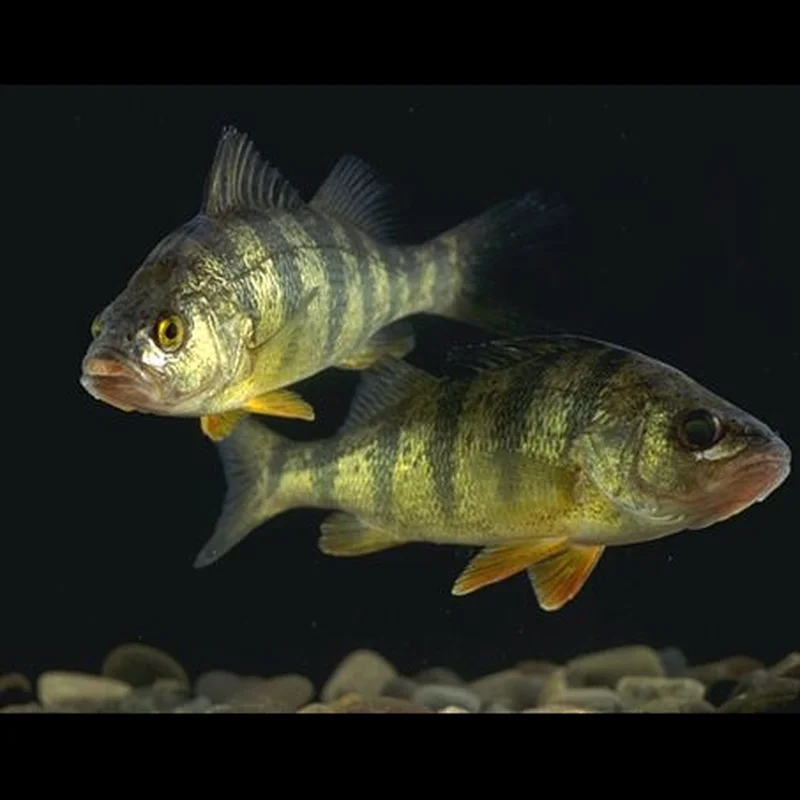
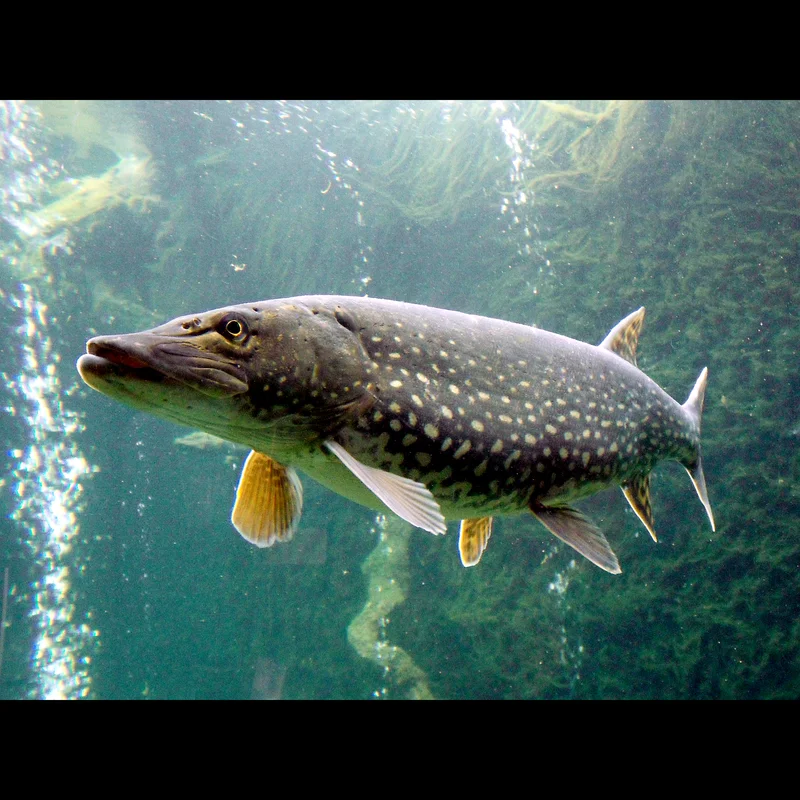
Divers might observe various freshwater fish, such as perch or pike, along with smaller invertebrates common to alpine lakes. The submerged structures of the "wracks" and natural features like fallen trees often provide habitat for these aquatic organisms.
Encounters generally focus on these resident freshwater inhabitants, offering a different observational experience than marine environments. Expect typical lake biodiversity rather than extensive, brightly colored reef species.
Dive Sites Near Ledi Wracks
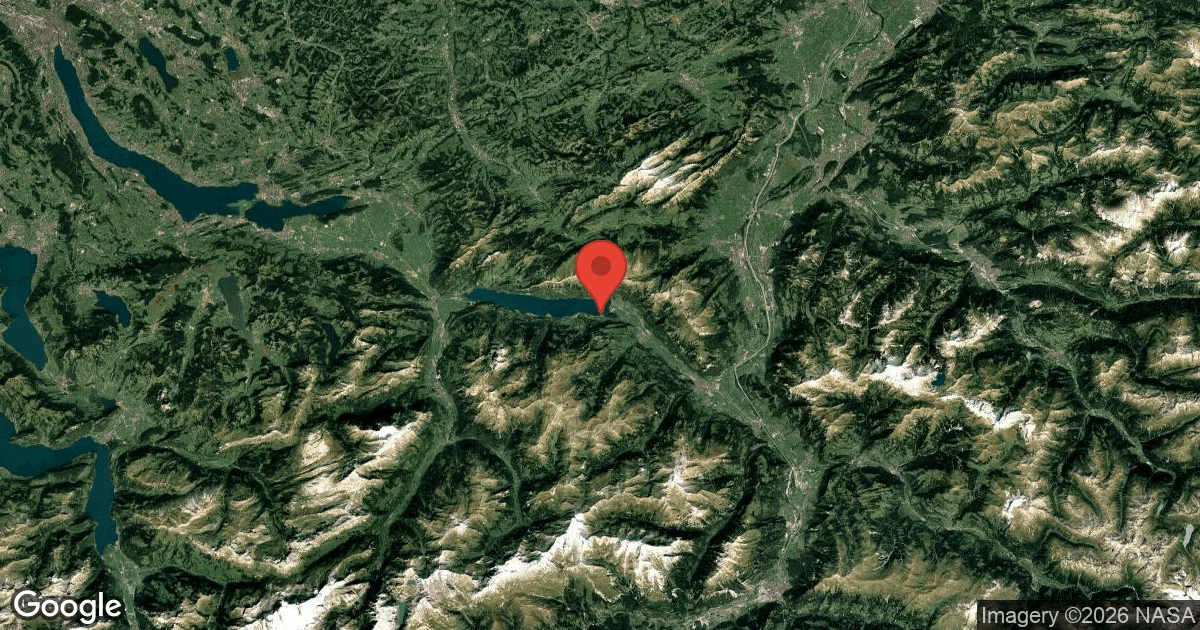
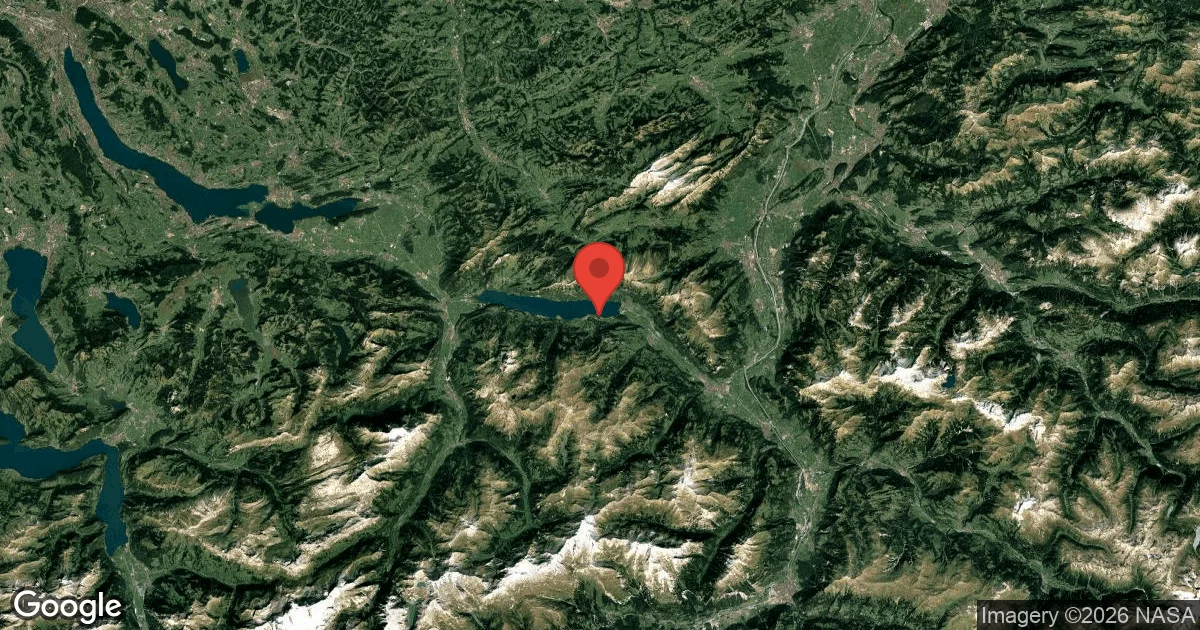
View all dive sites in SwitzerlandDiscover more underwater gems in this area.
Dive Centers Near Ledi Wracks
Today: Open 24 hours
Nearest Airports
Nearest airports to help plan travel to this dive area.
Search Flights
Check available flights and routes on Expedia, using the nearby airports listed in this section.
Search Flights on ExpediaFrequently Asked Questions
What kind of dive environment is Ledi Wracks?
Ledi Wracks operates as a freshwater lake dive site within a Swiss lake. It offers a distinct experience compared to ocean diving, characterized by colder water and specific freshwater aquatic life.
How is the entry and exit at Ledi Wracks?
Access to the water is convenient, typically via a metal staircase found directly below the parking area. This allows for a straightforward shore entry and exit for divers.
What objects constitute the "wracks" at this site?
The "wracks" refer to various submerged objects within the lake. While specific details aren't consistently reported, they likely include a mix of older man-made debris and natural fallen trees, characteristic of deep lake environments.
What are the typical water temperatures for diving here?
Water temperatures are not consistently reported but are characteristic of deep Swiss lakes. Divers should anticipate cold conditions and distinct thermoclines, requiring appropriate thermal protection.
Is Ledi Wracks suitable for beginner divers?
The site is accessible via shore entry, which can be beginner-friendly. However, the cold water, potential for limited visibility, and the presence of deeper sections suggest it's better suited for certified divers comfortable with lake diving conditions.
What marine life can I expect to see?
Specific marine life is not widely documented for Ledi Wracks. Generally, divers can expect to encounter freshwater fish like perch or pike, along with various invertebrates common in alpine lake ecosystems.
When is the best time to dive Ledi Wracks for optimal conditions?
The site offers "Excellent" dive scores during colder months, including January-March and October-December, when visibility is often at its best. Warmer months still offer "Good" diving, but may have reduced visibility due to organic matter.
Planning to dive Ledi Wracks?
Send one inquiry and receive offers directly from the best verified local dive operators.
Conditions are Excellent
07:00 - 14:00
Optimal conditions expected
Current conditions near Ledi Wracks show 18° air, --° sea temperature, N/A waves, and 7 km/h wind. Forecast data is refreshed regularly to ensure accuracy.