
Diving at Artificial Reef and Coral Nursery (Thailand)
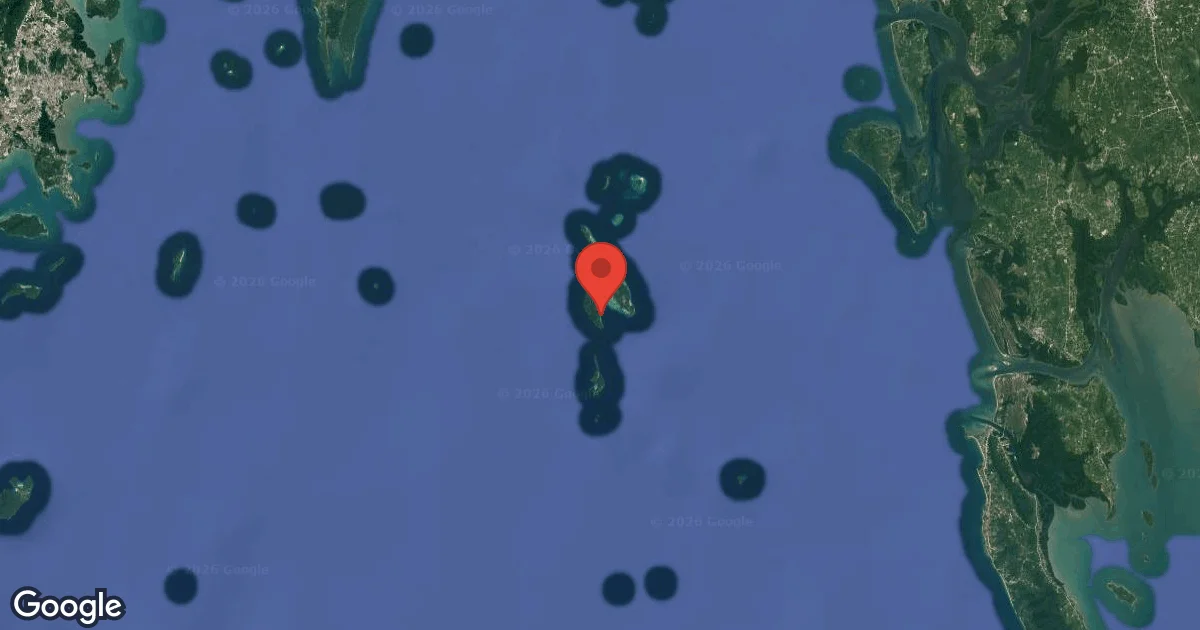
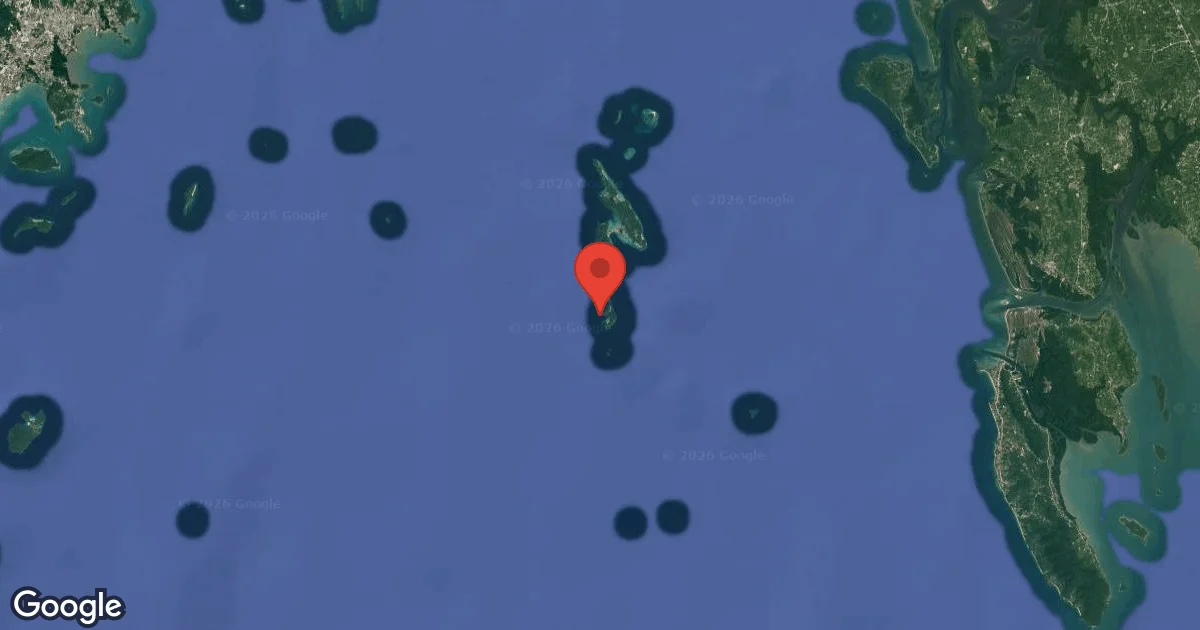
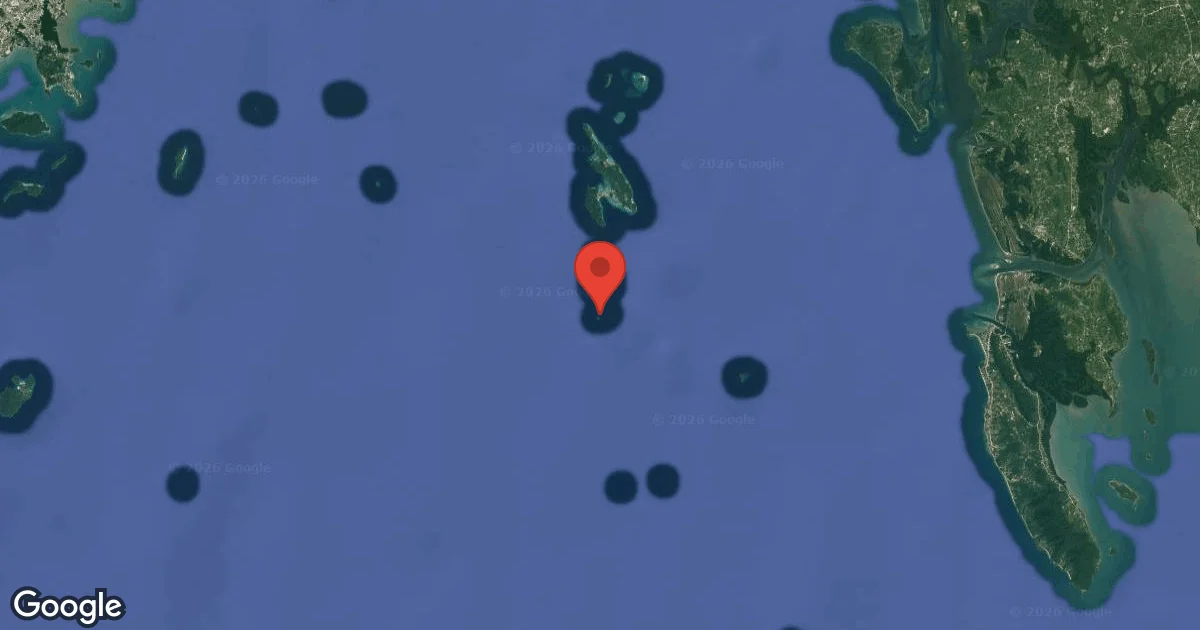
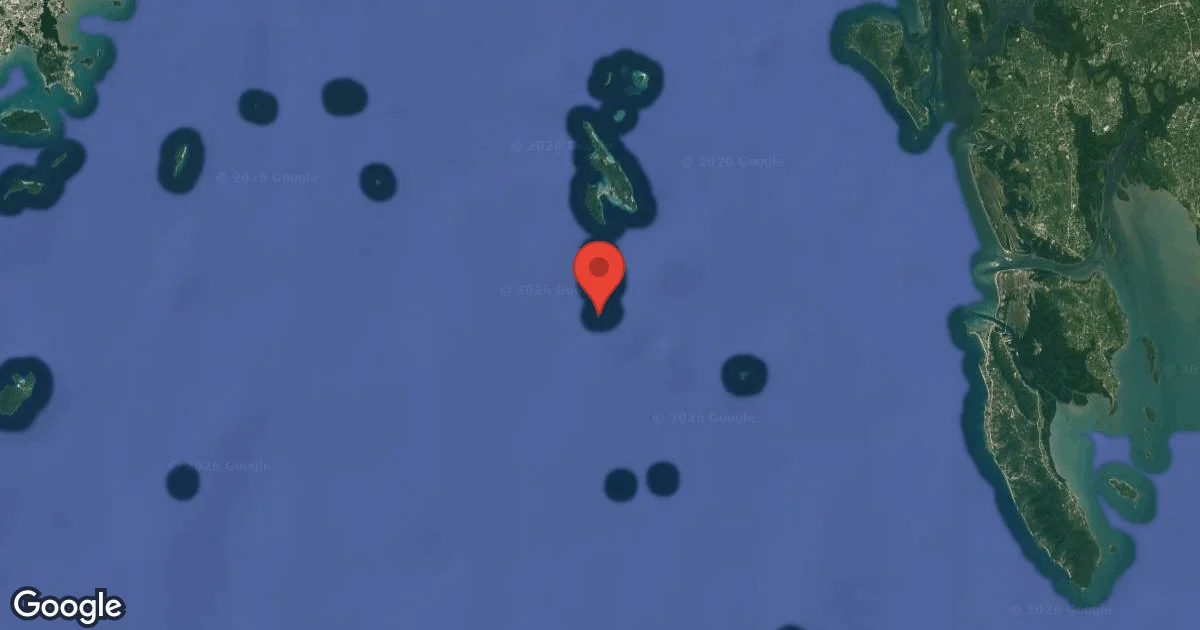
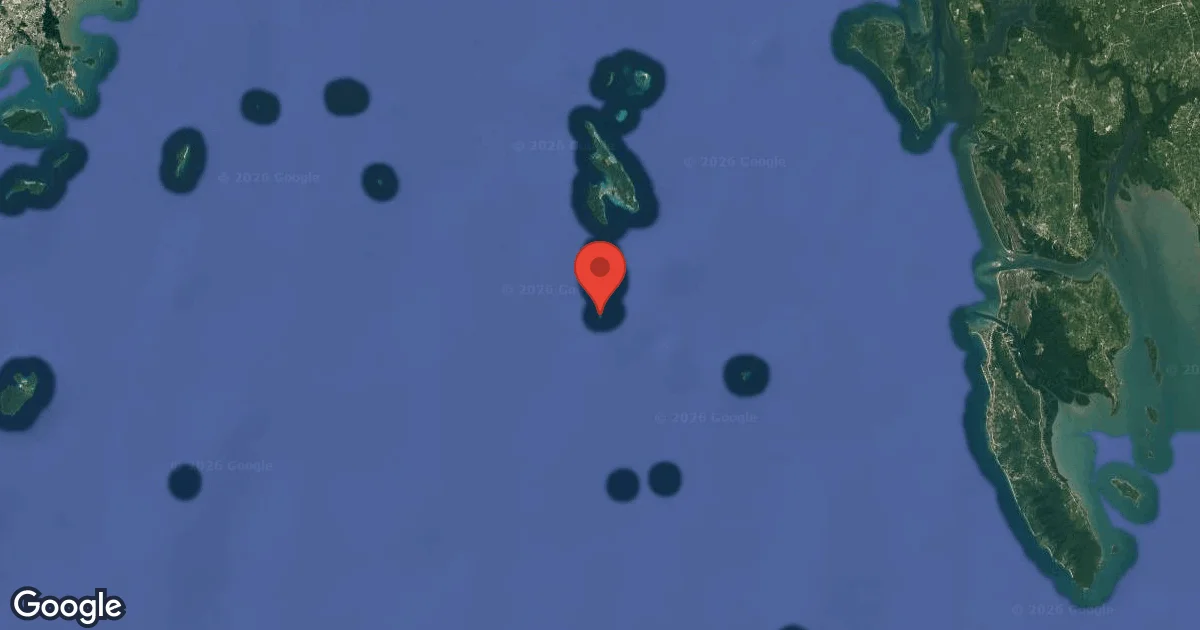
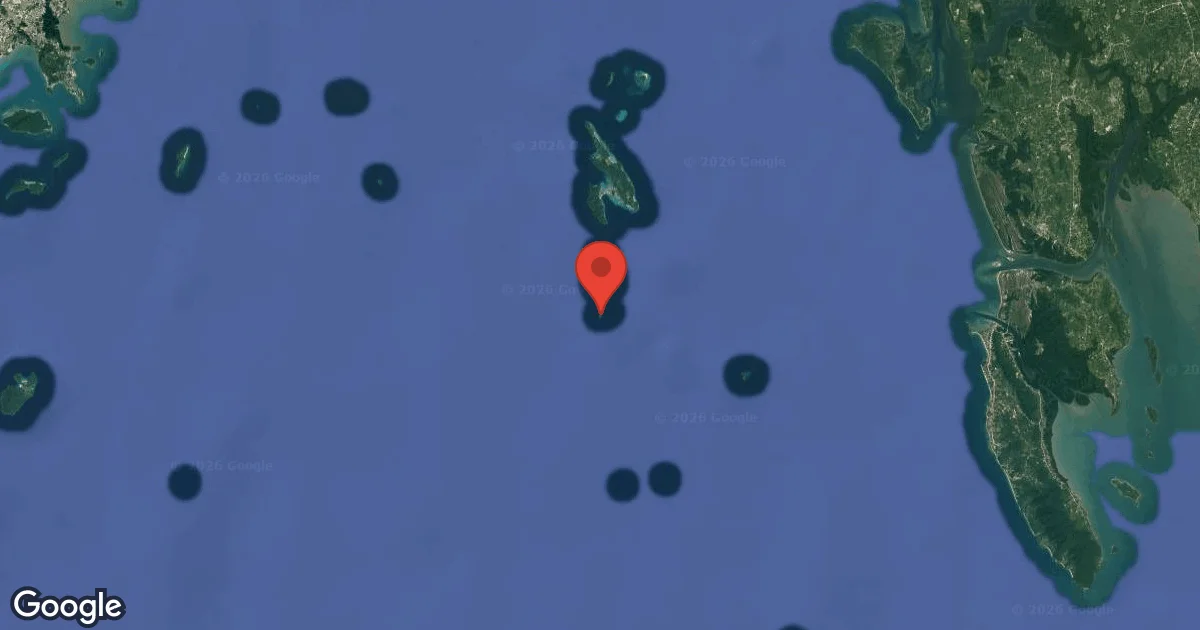
This Artificial Reef and Coral Nursery on the east side of Phi Phi Ley Island welcomes divers across all experience levels. While many artificial reef systems in Thailand cater to Open Water certified divers, certain deeper sections or more complex structures might benefit from Advanced Open Water training due to varying depths and currents. It's a site designed to be accessible, allowing a broad range of certified divers to explore its conservation efforts and marine growth.
Evening condition tracking at Artificial Reef and Coral Nursery features an air temperature of 28°C. We have recorded wave heights measuring 1.4 m during this period. These figures outline the environmental parameters currently present.
Dive Site Location & Key Facts
Dive Site Overview
Thailand's Artificial Reef and Coral Nursery sites offer a unique opportunity to witness active marine restoration and biodiversity enhancement firsthand. Human-made underwater structures serve as vital sanctuaries, meticulously engineered to replicate natural reef conditions and support ecosystem recovery.
On Phi Phi Ley Island, for instance, a concrete reef was carefully assembled by a dedicated dive team who have managed its coral nursery since 2006. More than 15 years old, this particular structure now showcases the substantial benefits of conservation, covered by both transplanted corals and natural settlement. Artificial reefs across the region, like Koh Tao's HTMS Sattakut wreck or Junkyard Reef, are dynamic, evolving habitats demonstrating various construction methods.
Initial colonization by algae and small organisms begins within weeks, with coral attachment and growth typically starting within 6-18 months. Full ecosystem development, often with diverse fish populations and mature coral coverage, usually takes 3-7 years.
Diving these sites provides valuable insights into the resilience of marine life and the ongoing efforts to restore damaged areas.
Conditions are Good
Optimal conditions expected
Current conditions near Artificial Reef and Coral Nursery show 28° air, 30° sea temperature, 1.0 m waves, and 26 km/h wind. Forecast data is refreshed regularly to ensure accuracy.
Best Time to Dive
To maximize your diving enjoyment at Thailand's artificial reefs, consider visiting between December and March. During these months, conditions are consistently rated "Excellent," offering calm seas with average wave heights typically below 0.5 meters. You'll experience some of the driest weather, with monthly rainfall remaining very low, often less than 2 mm (0.08 inches). Air temperatures during this optimal period are pleasantly warm, ranging from approximately 27.5-28.5°C (82-83°F). April and November also provide "Good" diving opportunities, characterized by slightly increased rainfall and air temperatures peaking around 29°C (84°F) in April. While diving is generally feasible year-round, the period from May to October, although still rated "Good," sees higher monthly rainfall, which can sometimes impact visibility and surface conditions. The calmest surface conditions for boat travel and entry are typically found during the excellent season, making for a more comfortable overall dive experience. Water temperatures are not consistently reported, but generally remain warm in this tropical region, typically within a comfortable range for diving.
PEAK SEASON SCORE
Scores combine air & water temps, waves, wind & rainfall for overall conditions.
BEST MONTHS TO DIVE
Monthly records compiled from satellite and marine observation nodes over the last 3 years. Data provided by Open-Meteo and MET Norway.
Dive Experience & Conditions
Descending into these artificial reef environments, you'll feel the transformation from open water to a growing, intricate habitat. The structures, like the concrete reef on Phi Phi Ley Island, offer a visually engaging landscape, textured by over 15 years of coral growth and marine settlement. Sunlight often filters through the shallows, illuminating vibrant coral polyps and the diverse fish life attracted to these burgeoning ecosystems. While specific water temperatures aren't consistently reported, the tropical climate ensures generally warm conditions, typically ranging between 27-29°C (81-84°F). Visibility varies depending on the season and local currents but often provides clear views of the structures and their inhabitants. Depths at many artificial reef sites are within the recreational range, with Open Water friendly sections often between 8-14 m (26-46 ft). For those seeking deeper exploration, some areas might extend to 20 m (66 ft) or even 30 m (100 ft) for Advanced certified divers. A gentle current might be present, requiring attentive buoyancy control, especially around the intricate nursery structures.
Dive Difficulty & Safety Guidelines
Approaching Thailand's artificial reefs safely involves understanding the specific requirements for each site. Most locations are accessible with an Open Water certification, especially the shallower sections.
However, some deeper or more complex artificial reefs, like certain areas of Junkyard Reef or the HTMS Sattakut wreck, often benefit from Advanced Open Water training due to potential stronger currents or maximum depths extending to 30 m (100 ft). Dive operators routinely assess daily conditions and will guide you to appropriate sites based on your certification and experience.
Maintaining excellent buoyancy control is crucial. These sites are active restoration areas, meaning corals are fragile and under cultivation.
Accidental contact with the structures or young coral fragments can cause damage, undermining conservation efforts. Adhere to all guidelines provided by your dive leader, respect established no-touch rules, and maintain a safe distance from all marine life to ensure the longevity of these important habitats.
Recommended Equipment
- Dive Computer
- DSMB
This gear list is based on verified equipment signals for Artificial Reef and Coral Nursery, Thailand. Always confirm final gear choices with your dive operator, guide, or liveaboard.
Recommended Dive Suit
With water temperatures around 30°C (86°F), many divers find a dive skin or rash guard provides comfortable protection.
Local conditions can vary slightly across different parts of the same dive site.
Weather projections show fairly stable environmental conditions ahead.
Due to technical issues with our weather providers, live updates are temporarily delayed. The data above reflects the conditions at the time of the last successful fetch.
Emergency & Medical Support
Essential information to help you plan your dive trip to Artificial Reef and Coral Nursery.

Hyperbaric chambers are a critical part of dive safety infrastructure. Availability varies significantly by region, and not all dive areas have immediate access.
Before diving, it's recommended to:
- confirm nearest medical facilities
- check emergency procedures with local dive operators
- ensure dive insurance covers evacuation if required
Divers Alert Network
Diving emergency assistance available through DAN World.
+1-919-684-9111- 24/7 emergency hotline
- Diving medical assistance
- Evacuation coordination
Emergency contacts are provided for reference. Always verify local emergency services before diving.
Marine Life at Artificial Reef and Coral Nursery
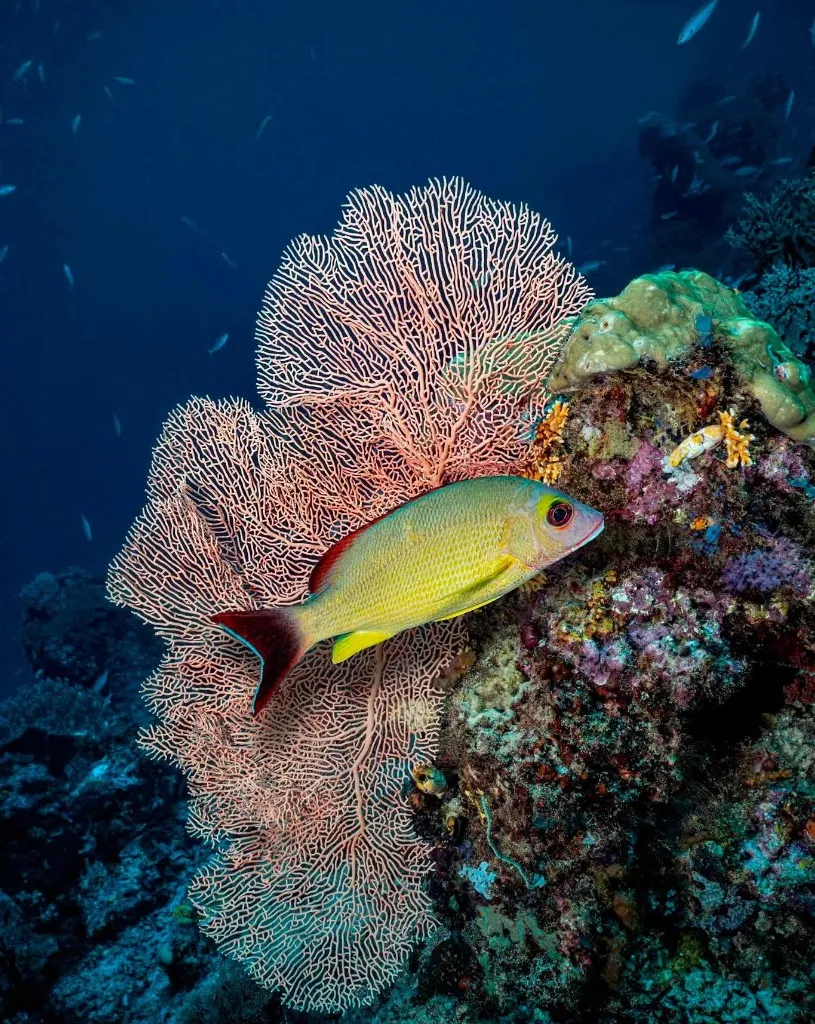
Observing the variety of marine life attracted to these burgeoning artificial habitats is a key aspect of diving in Thailand's nurseries. Structures quickly become home to a diverse array of fish, including schools of snapper that often congregate around established corals.
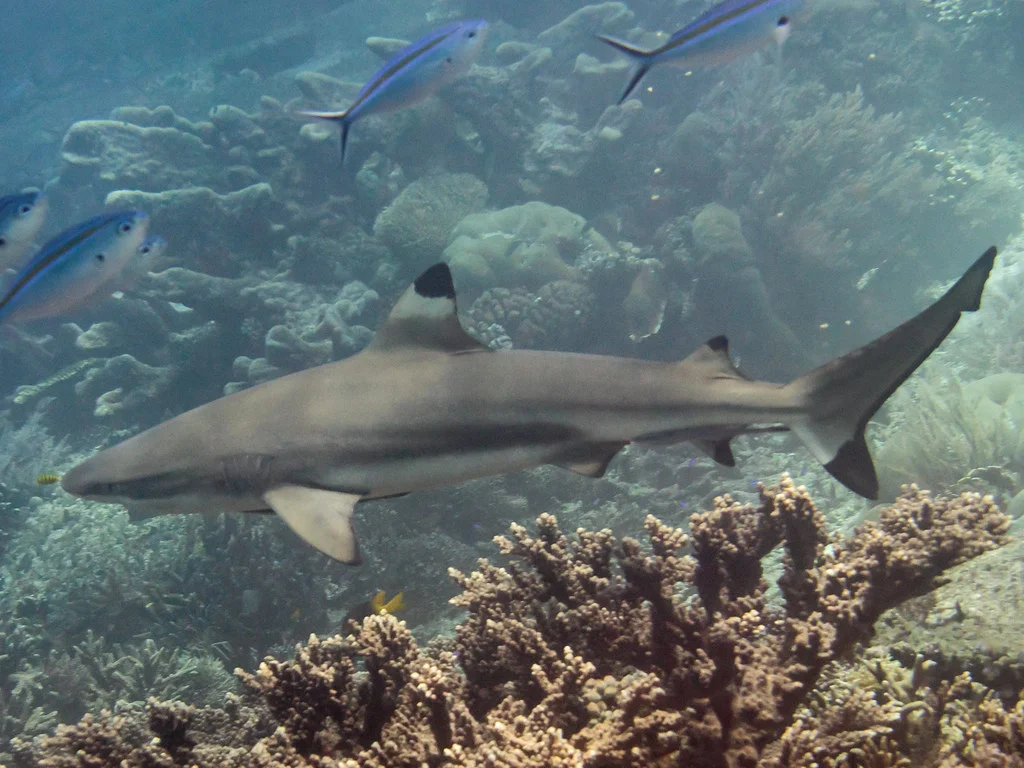
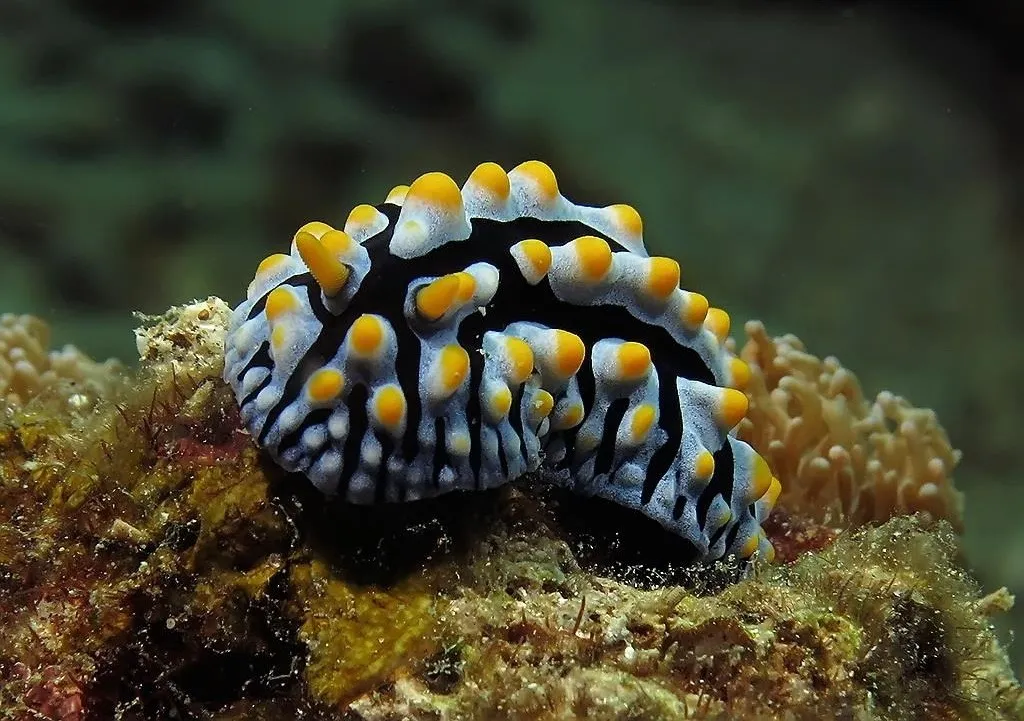
While less frequent, sightings of blacktip reef sharks are also reported, adding an exciting element to the dive. Keep an eye out for smaller reef inhabitants, like nudibranchs and various invertebrates, as artificial substrates provide sheltered nooks for them.
These locations demonstrate how effectively new structures can support and attract an ecosystem, providing essential shelter and feeding grounds for many species.
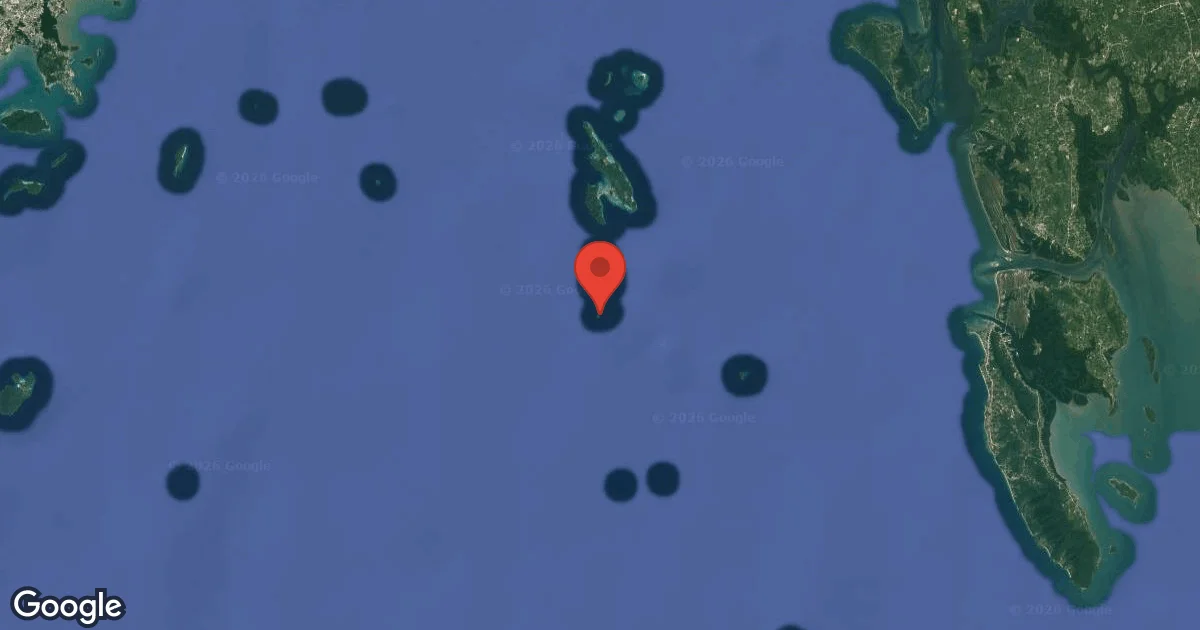
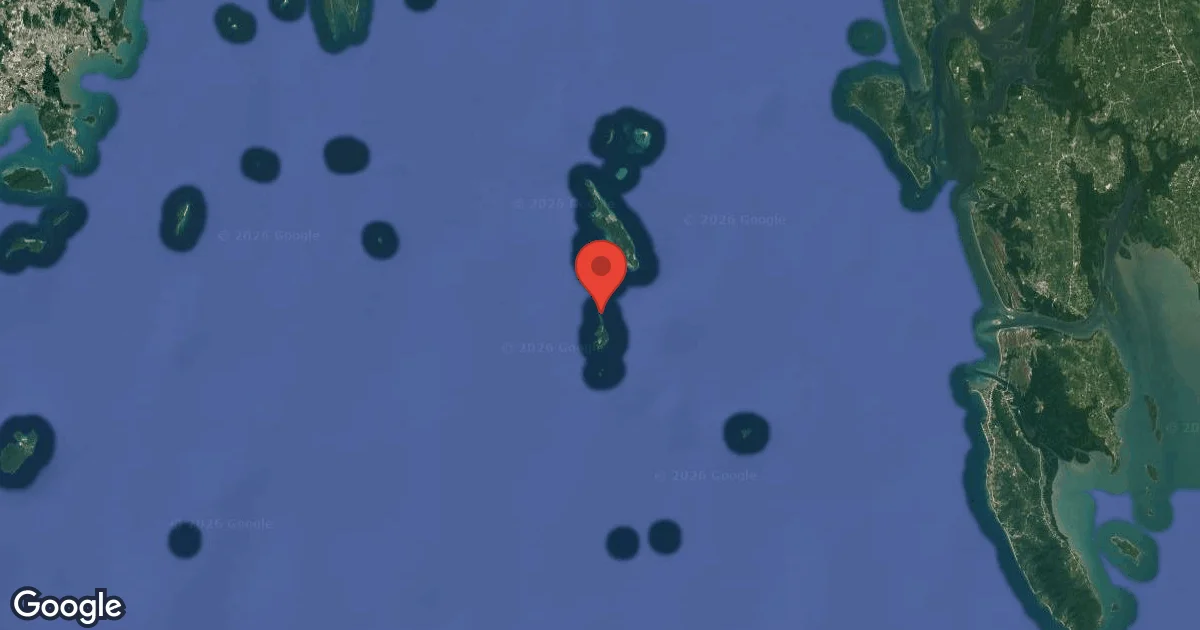
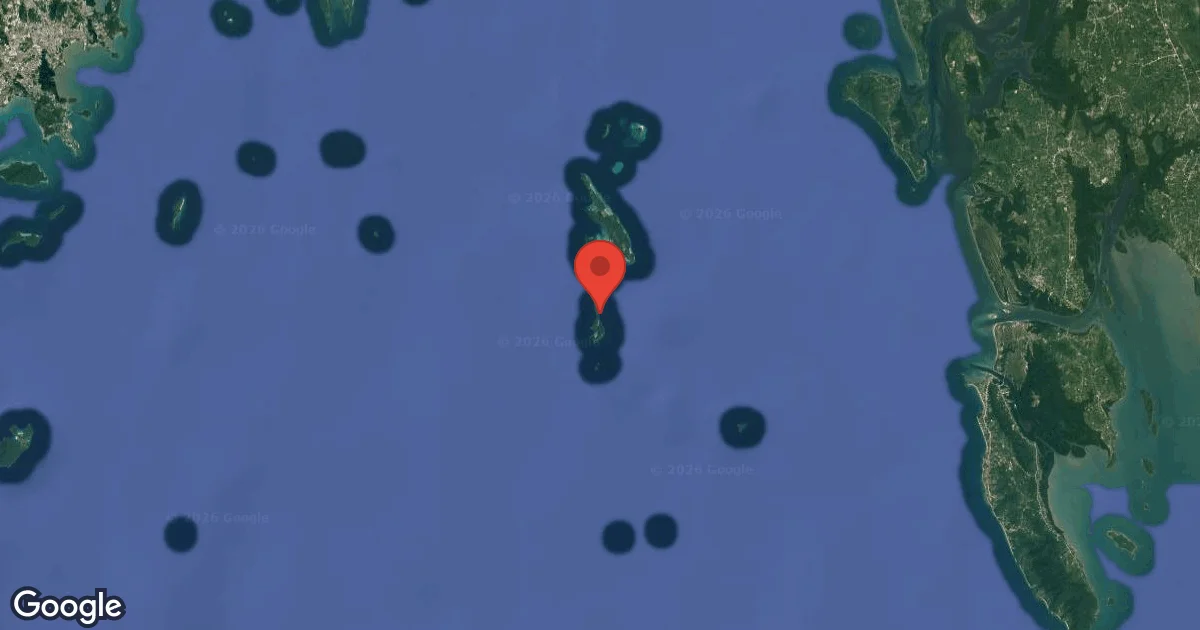
Dive Sites Near Artificial Reef and Coral Nursery
View all dive sites in ThailandDiscover more underwater gems in this area.
Dive Centers Near Artificial Reef and Coral Nursery
Today: 08:00 - 21:00
Nearest Airports
Nearest airports to help plan travel to this dive area.
Search Flights
Check available flights and routes on Expedia, using the nearby airports listed in this section.
Search Flights on ExpediaFrequently Asked Questions
What is the primary purpose of an artificial reef and coral nursery?
These sites are forms of active reef restoration, designed to enhance coral health, diversity, and abundance. They create new habitats from human-made structures, fostering ecosystem development and supporting marine life recovery.
Do I need a special certification to dive Thailand's artificial reefs?
Most artificial reef sites in Thailand require a minimum Open Water certification. However, for deeper sections or areas with stronger currents, Advanced Open Water training is often recommended or required by dive operators.
How long does it take for an artificial reef to develop marine life?
Initial colonization by algae and small organisms can begin within weeks. Coral attachment typically starts within 6-18 months, with full ecosystem development and diverse fish populations usually taking 3-7 years.
What type of structures will I see in these artificial reefs?
Structures vary, from concrete reef modules and repurposed materials at sites like Junkyard Reef to electrically-enhanced BioRock installations. Some sites, like the Phi Phi Ley nursery, use concrete specifically for coral propagation.
Are these artificial reefs safe for marine life?
When properly designed, constructed with appropriate materials, and managed responsibly, artificial reefs are very beneficial for marine life. They provide essential shelter, feeding grounds, and breeding areas, aiding in ocean health.
What are the general water temperatures for diving these sites?
Water temperatures in this tropical region are generally warm. While not consistently reported with exact figures, they typically range between 27-29°C (81-84°F) throughout the year.
Planning to dive Artificial Reef and Coral Nursery?
Send one inquiry and receive offers directly from the best verified local dive operators.
Conditions are Good
Optimal conditions expected
Current conditions near Artificial Reef and Coral Nursery show 28° air, 30° sea temperature, 1.0 m waves, and 26 km/h wind. Forecast data is refreshed regularly to ensure accuracy.