
Diving at Monkey Reef (Thailand)
Monkey Reef in Thailand serves as a versatile dive destination, appealing to those who appreciate both vibrant daytime exploration and captivating nocturnal encounters. An accessible entry point for new divers, its intricate details also engage experienced enthusiasts. A dynamic reef environment, it presents different facets depending on the time of day, making it a compelling choice for various skill levels.
Tonight's objective overview for Monkey Reef shows an air temperature of 28°C. The measured surface conditions include wave heights around 1.2 m. This environmental data is logged for the close of the day.
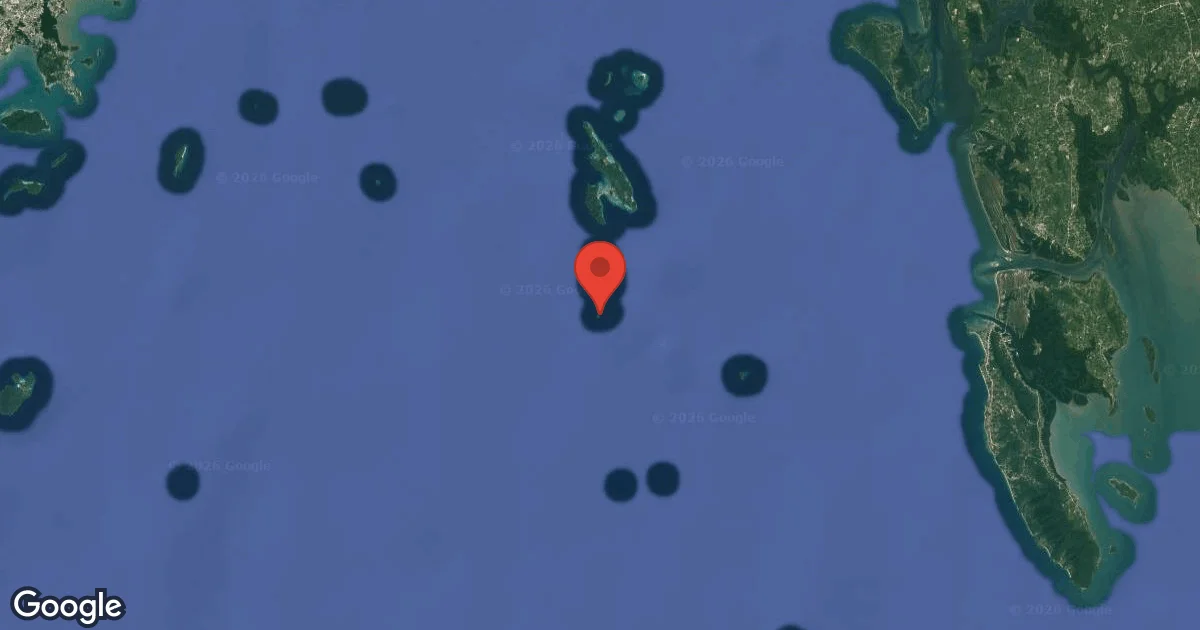
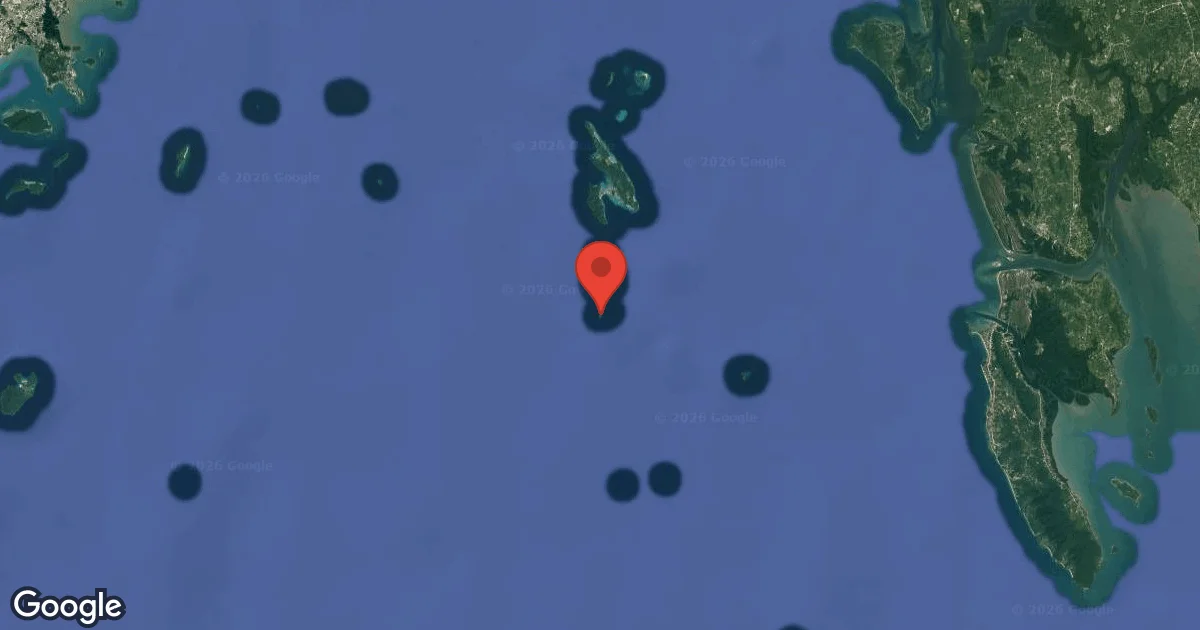
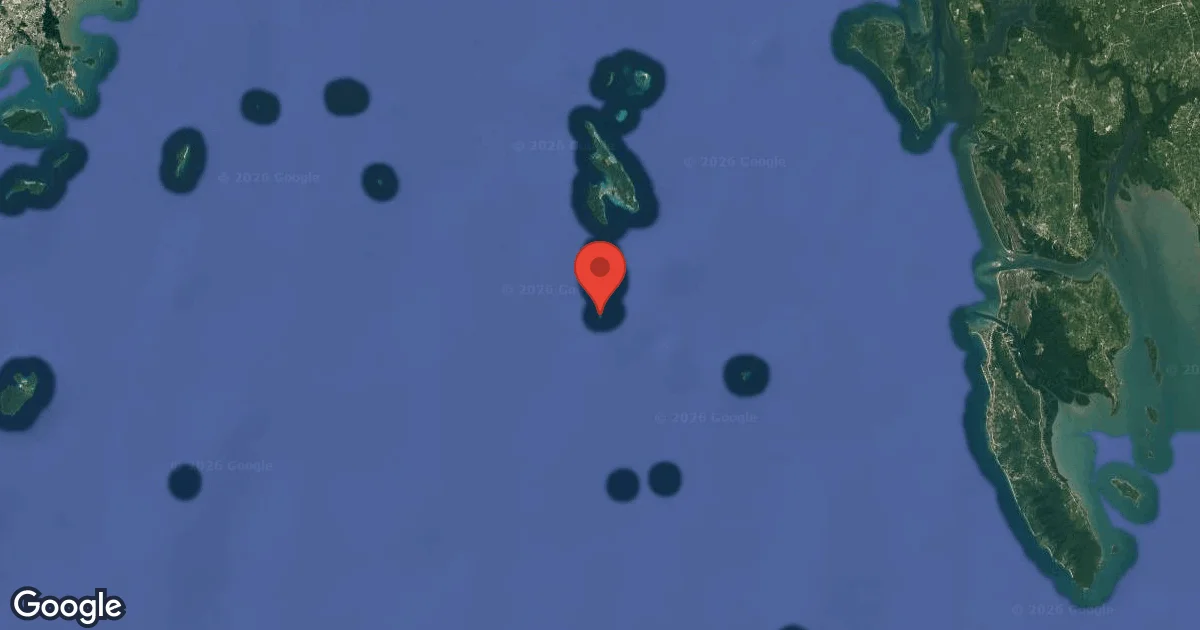
Dive Site Location & Key Facts
Dive Site Overview
Conditions at Monkey Reef reliably offer a sheltered dive experience, making it particularly valuable even during the monsoon season. A vibrant reef ecosystem defines its primary structure, characterized by extensive staghorn coral colonies that create thriving, intricate habitats.
Beyond underwater allure, the site doubles as a designated stop for eco-snorkel tours, enabling surface observation of resident monkey populations, adding a unique topside dimension. Reaching a maximum depth of 18 m (59 ft), its shallow profile and naturally sheltered position firmly establish it as an excellent spot for both snorkeling and entry-level diving. Day dives here reveal active diurnal communities, while nocturnal explorations often uncover distinctly different marine life.
Occasionally, glow plankton presents an unusual spectacle during night dives, adding an ethereal quality to the experience. Its blend of accessibility, varied underwater activity, and unique surface appeal contributes significantly to consistent popularity among diverse underwater enthusiasts, from new divers to those seeking relaxed exploration.
Conditions are Good
Optimal conditions expected
Current conditions near Monkey Reef show 28° air, 30° sea temperature, 1.0 m waves, and 22 km/h wind. Forecast data is refreshed regularly to ensure accuracy.
Best Time to Dive
Seasonal planning for Monkey Reef often points to optimal diving conditions during Thailand's peak season, from November through April, when seas are calmer and visibility clearer. Climate data indicates excellent dive scores for January, February, and March. During these months, air temperatures average between 27.5°C (82°F) and 28.5°C (83°F). Minimal rainfall, ranging from 0.4 mm to 1.6 mm, contributes to stable conditions. Even from May to October, dive scores remain good; however, wave heights can increase slightly and rain averages higher. Water temperature for the site is not consistently reported, though regional trends suggest warmest waters occur from February to May, generally fluctuating between 27-30°C (81-86°F).
PEAK SEASON SCORE
Scores combine air & water temps, waves, wind & rainfall for overall conditions.
BEST MONTHS TO DIVE
Monthly records compiled from satellite and marine observation nodes over the last 3 years. Data provided by Open-Meteo and MET Norway.
Dive Experience & Conditions
Diver experience at Monkey Reef benefits from a gentle depth profile, reaching a maximum of 18 m (59 ft), making it accessible for varied certifications. Extensive staghorn coral colonies characterize its reef environment, providing shelter and structure for numerous species. Due to a sheltered positioning, calm conditions often prevail, ideal for entry-level training or relaxed explorations. Visibility varies, but clear conditions are generally present outside heavier rainfall periods. Primarily accessed by boat, conditions usually favor easy entries and exits. Divers should be aware of potential currents, not consistently reported, but capable of shifting based on tidal movements.
Dive Difficulty & Safety Guidelines
An expert approach to Monkey Reef emphasizes awareness of its unique sheltered environment and its suitability for various dive levels. Given its maximum depth of 18 m (59 ft), it's a site where proper buoyancy control is important to protect the delicate coral formations. PADI Advanced Open Water Diver training is suggested as useful for maximizing the experience, particularly for exploring the site's deeper sections or engaging in night diving.
Always dive with a buddy and conduct thorough equipment checks. No specific site-related hazards have been reported, making general safe diving practices paramount. Respect marine life by maintaining a safe distance and avoiding contact with corals or animals.
Recommended Equipment
- Dive Computer
- DSMB
This gear list is based on verified equipment signals for Monkey Reef, Thailand. Always confirm final gear choices with your dive operator, guide, or liveaboard.
Recommended Dive Suit
Conditions in the coming days are expected to stay within a similar temperature range.
Factors such as dive duration, depth, and activity level can influence how warm a diver feels underwater. Stronger winds may also make surface intervals feel cooler than usual.
Dive skin or rash guard typically balances flexibility and thermal protection in these temperatures. Strong winds are present; please take strong precautions against rapid cooling during surface intervals. Divers preparing to enter the water at Monkey Reef will likely find temperatures around 30°C (86°F) today. Surface air temperatures are resting at 28°C (82°F).
Emergency & Medical Support
Essential information to help you plan your dive trip to Monkey Reef.

Hyperbaric chambers are a critical part of dive safety infrastructure. Availability varies significantly by region, and not all dive areas have immediate access.
Before diving, it's recommended to:
- confirm nearest medical facilities
- check emergency procedures with local dive operators
- ensure dive insurance covers evacuation if required
Divers Alert Network
Diving emergency assistance available through DAN World.
+1-919-684-9111- 24/7 emergency hotline
- Diving medical assistance
- Evacuation coordination
Emergency contacts are provided for reference. Always verify local emergency services before diving.
Marine Life at Monkey Reef
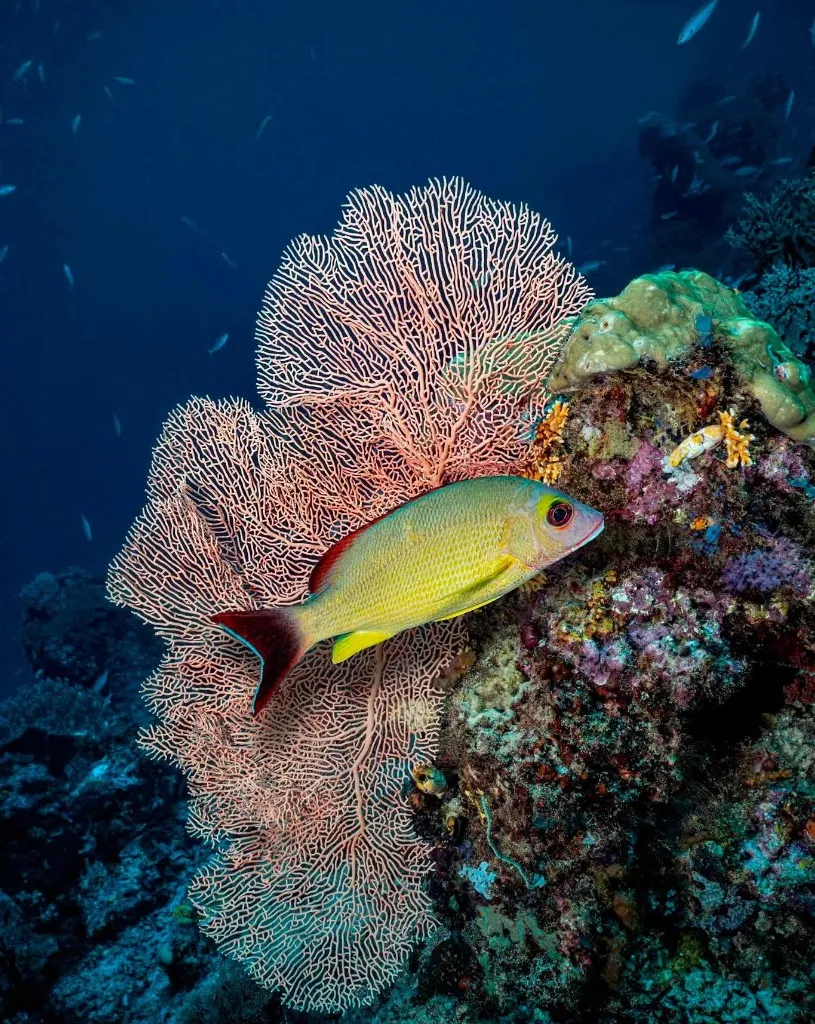
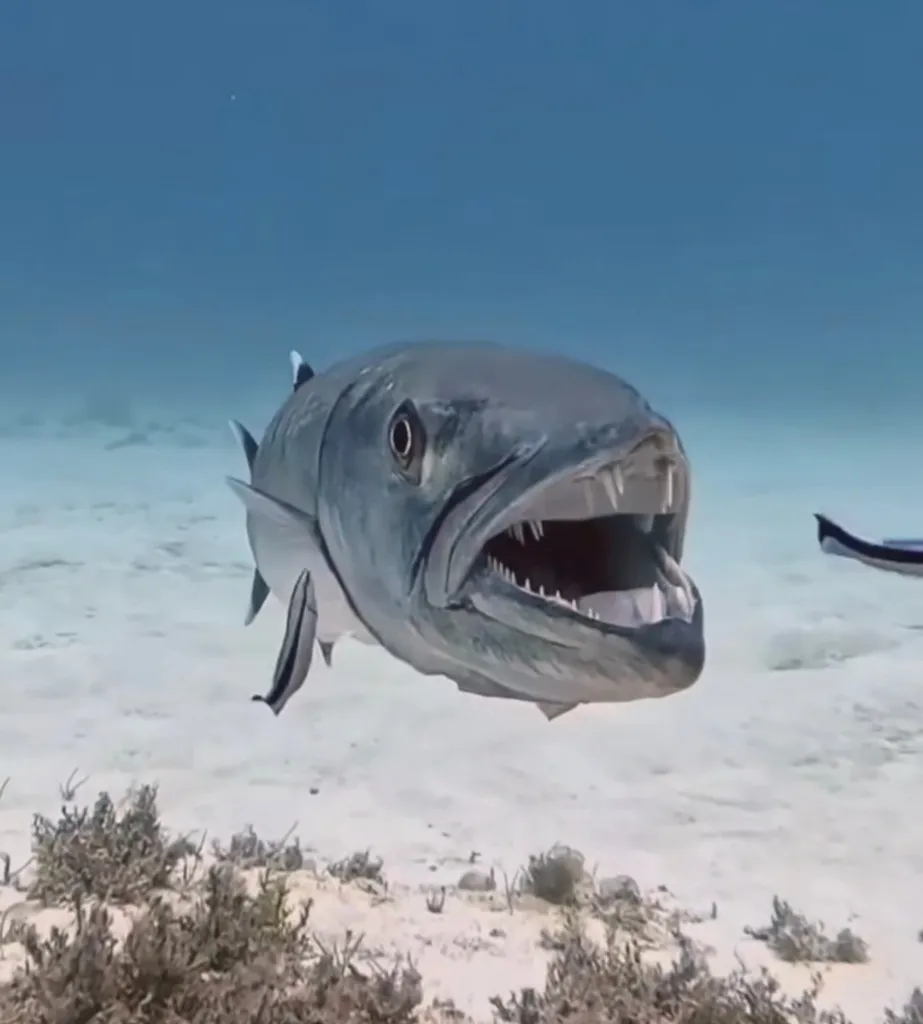
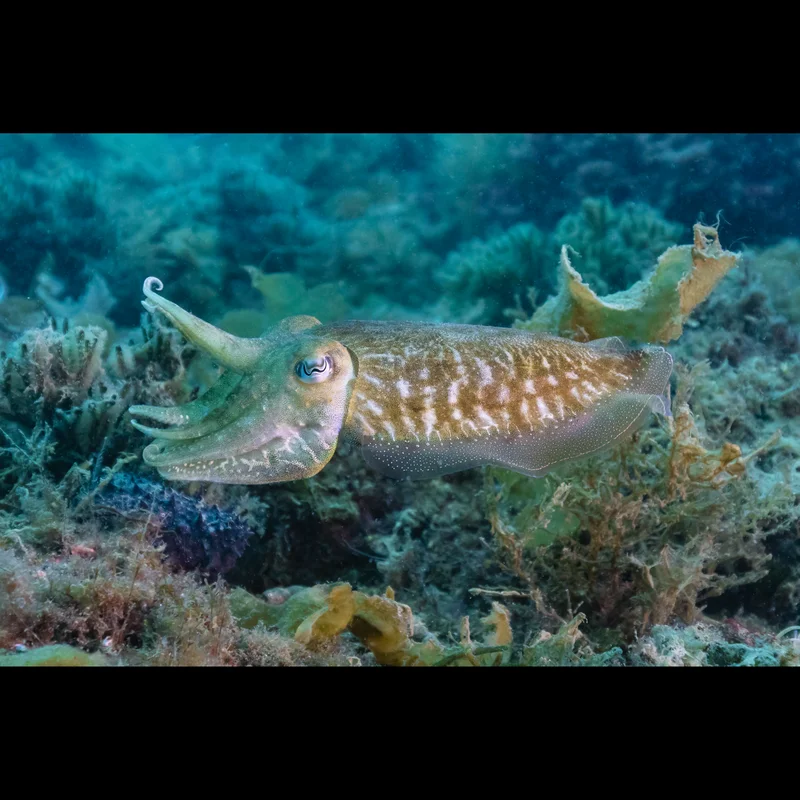
Marine life at Monkey Reef dramatically shifts between day and night, presenting distinct observation opportunities. During daylight hours, divers frequently encounter tigertail seahorses, cuttlefish, and various schools of yellow snappers and barracudas among coral structures.
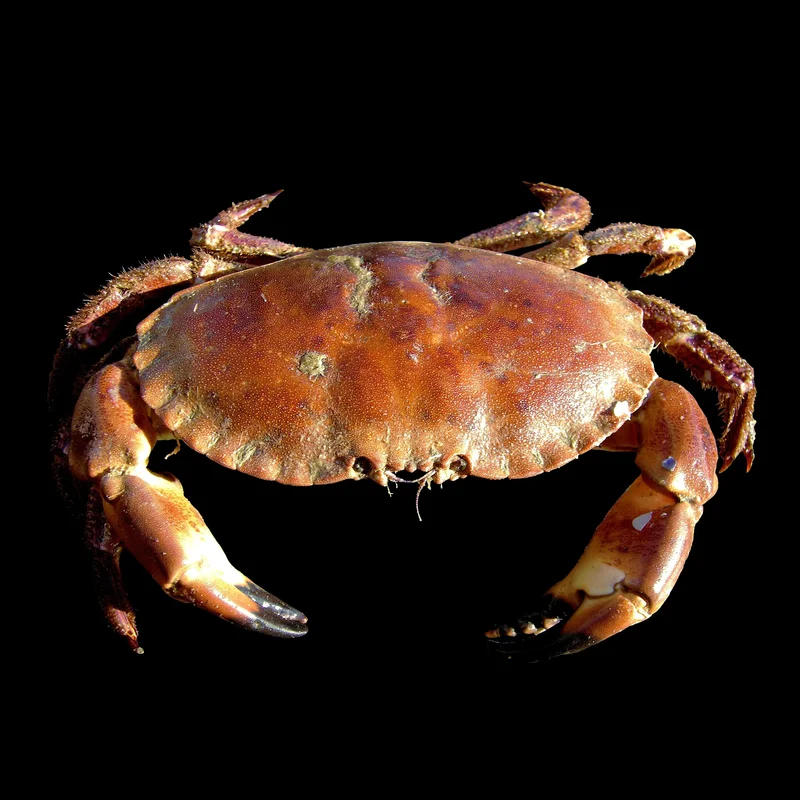
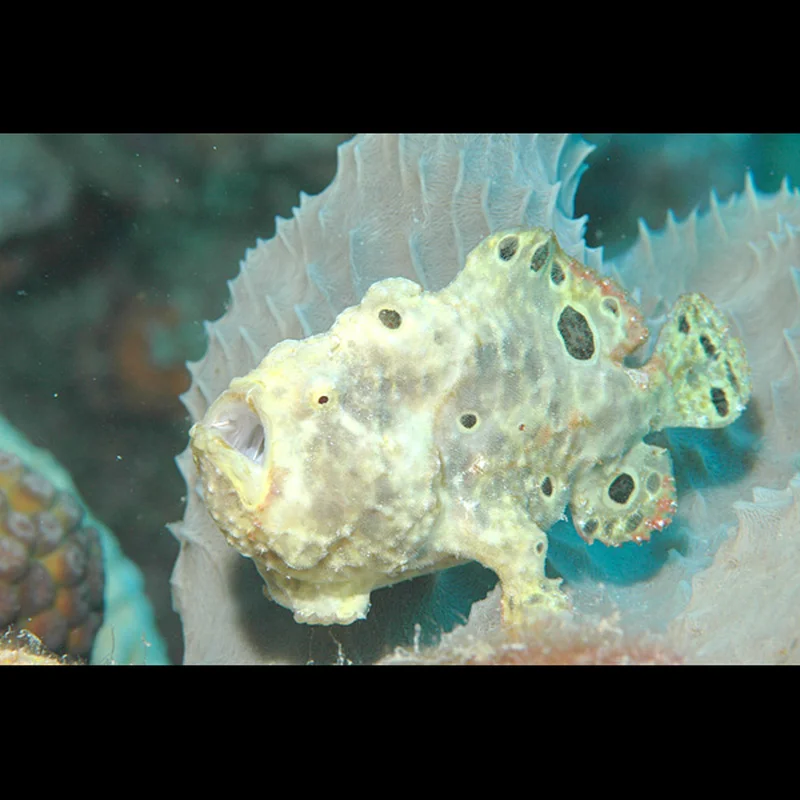
As dusk settles and night descends, the reef undergoes a transformation. Nocturnal dives reveal different inhabitants, including frogfish, flying gurnards, and a diverse array of shrimp and crabs emerging from daytime hiding spots.
Observing glow plankton after dark sometimes adds an ethereal dimension to the night diving experience.
Dive Sites Near Monkey Reef
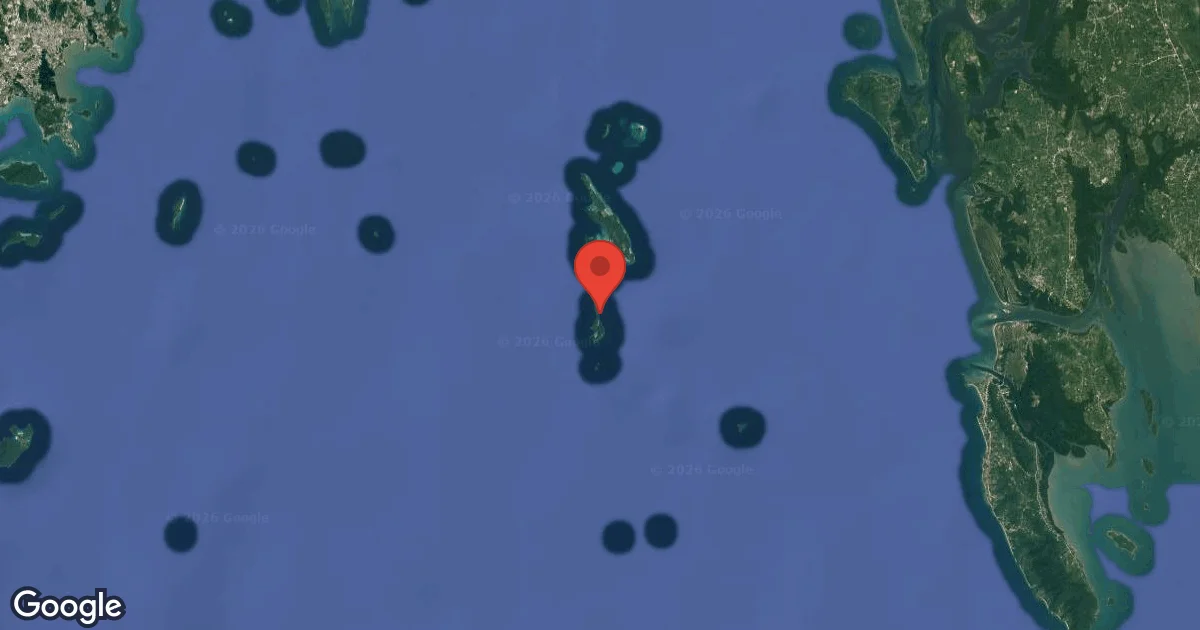
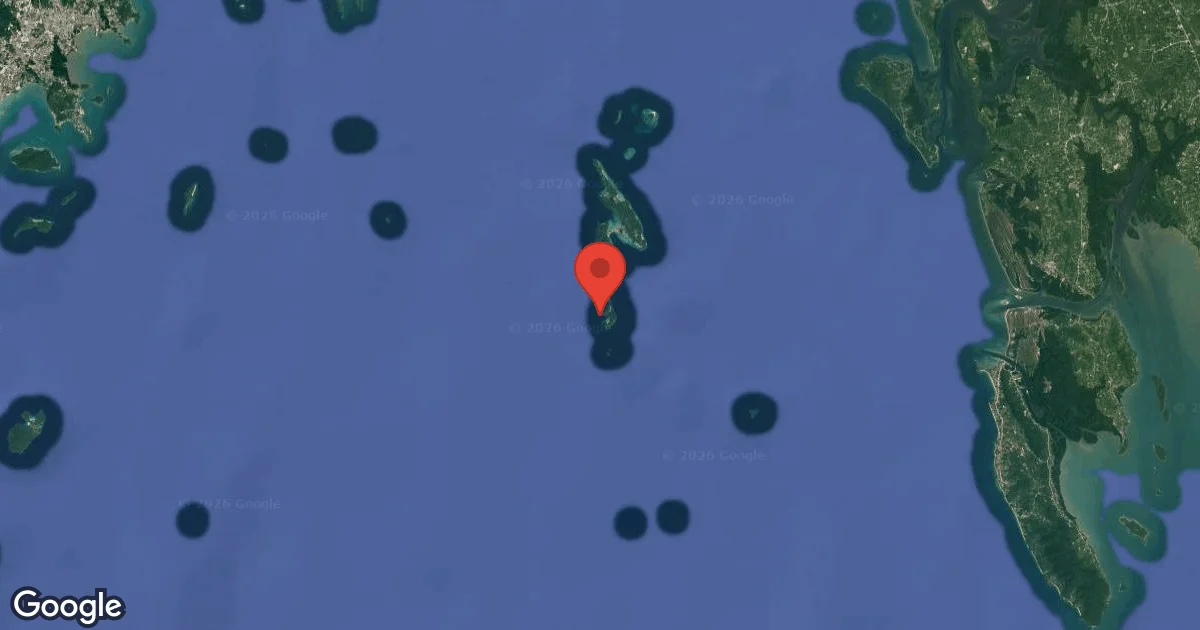
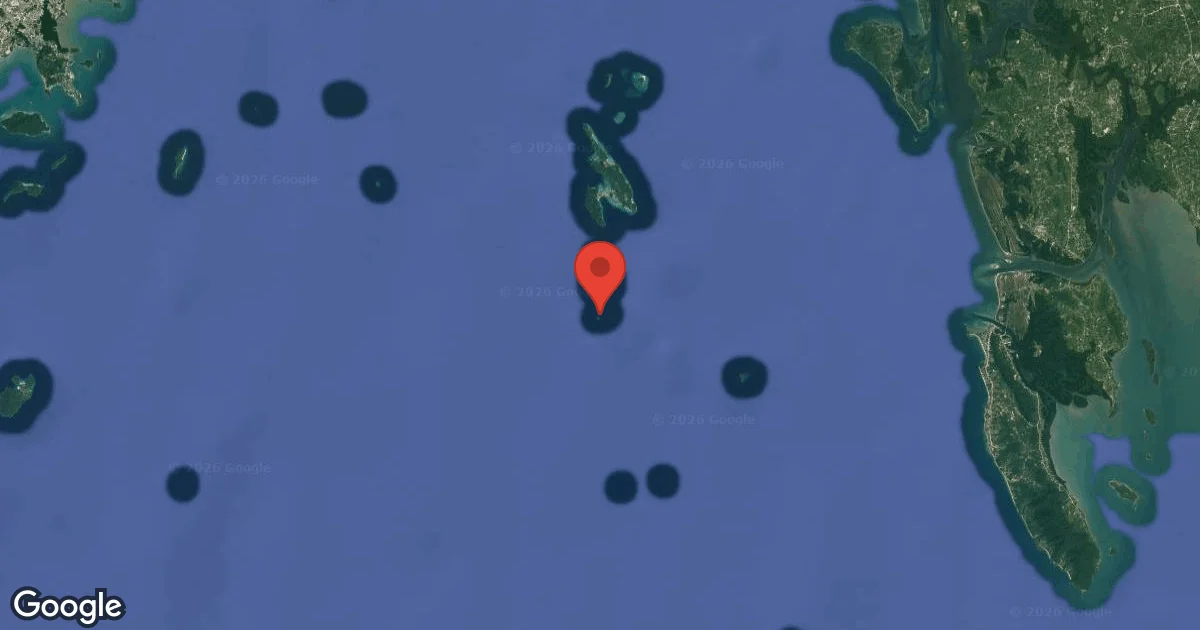
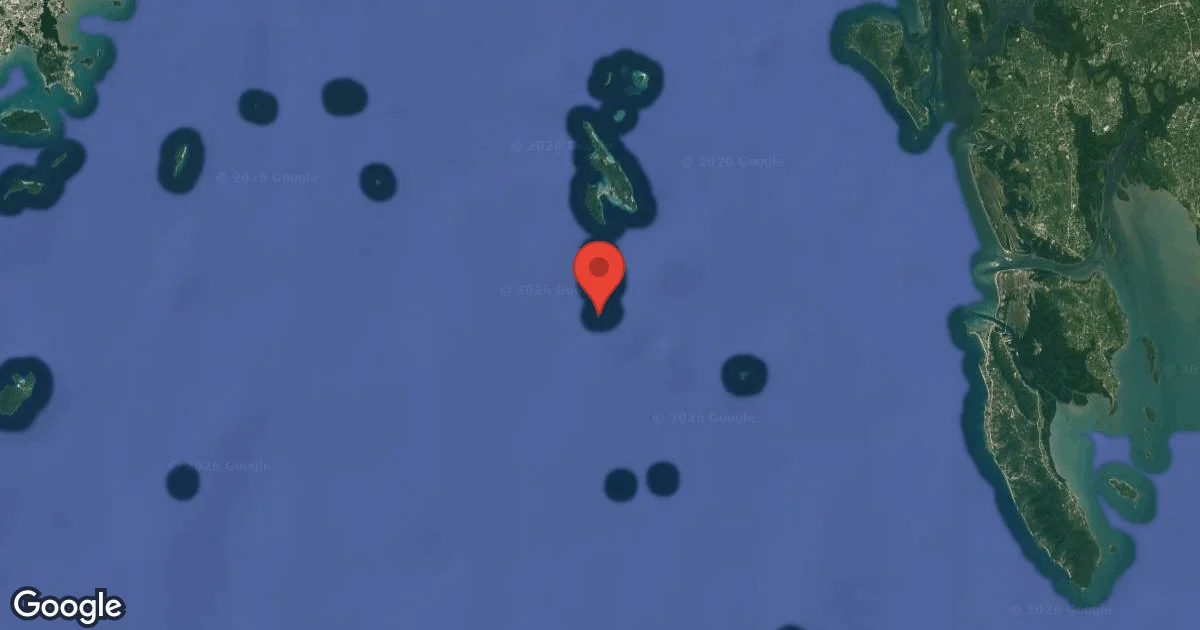
View all dive sites in ThailandDiscover more underwater gems in this area.
Dive Centers Near Monkey Reef
Today: 08:00 - 21:00
Nearest Airports
Nearest airports to help plan travel to this dive area.
Search Flights
Check available flights and routes on Expedia, using the nearby airports listed in this section.
Search Flights on ExpediaFrequently Asked Questions
What is the maximum depth at Monkey Reef?
Monkey Reef offers a gentle dive profile, reaching a maximum depth of 18 m (59 ft). This depth makes it suitable for divers with various certification levels.
Is Monkey Reef suitable for night diving?
Yes, Monkey Reef is an excellent location for night diving. The site's marine life changes significantly after dark, and there's a possibility of observing glow plankton.
What kind of marine life can be seen during the day?
During the day, you can expect to see tigertail seahorses, cuttlefish, yellow snappers, and barracudas inhabiting the staghorn coral colonies.
When is the best time to dive at Monkey Reef?
The optimal diving period aligns with Thailand's peak season, from November to April, offering calmer seas and clearer visibility. However, good diving conditions can extend throughout the year.
Is this site good for beginners?
Monkey Reef is suitable for beginners due to its sheltered nature and maximum depth of 18 m (59 ft). It's also a recommended spot for snorkeling.
Are there actual monkeys visible at this site?
While the reef is underwater, it's associated with areas where monkeys can be seen. Eco-snorkel tours often visit the site, providing opportunities to observe monkeys on shore.
What training is recommended for diving here?
The PADI Advanced Open Water Diver certification is suggested to enhance your dive experience, particularly for exploring deeper sections of the reef and night diving.
Planning to dive Monkey Reef?
Send one inquiry and receive offers directly from the best verified local dive operators.
Conditions are Good
Optimal conditions expected
Current conditions near Monkey Reef show 28° air, 30° sea temperature, 1.0 m waves, and 22 km/h wind. Forecast data is refreshed regularly to ensure accuracy.