
Diving at Koh Phi Phi (Thailand)
Koh Phi Phi presents a diving landscape shaped by rugged limestone walls and vibrant soft coral, offering an accessible yet rewarding underwater challenge. Divers navigating these waters will discover a range of sites, from gentle coral gardens to deeper wreck explorations. The conditions are generally beginner-friendly, but local knowledge is key to understanding the nuances of current and seasonal site closures that can impact any dive plan. It's a place where embracing local guidance enhances the experience and helps protect the fragile reef systems.
Tonight's objective overview for Koh Phi Phi shows an air temperature of 27.5°C. The measured surface conditions include wave heights around 1.4 m. This environmental data is logged for the close of the day.
Dive Site Location & Key Facts
Dive Site Overview
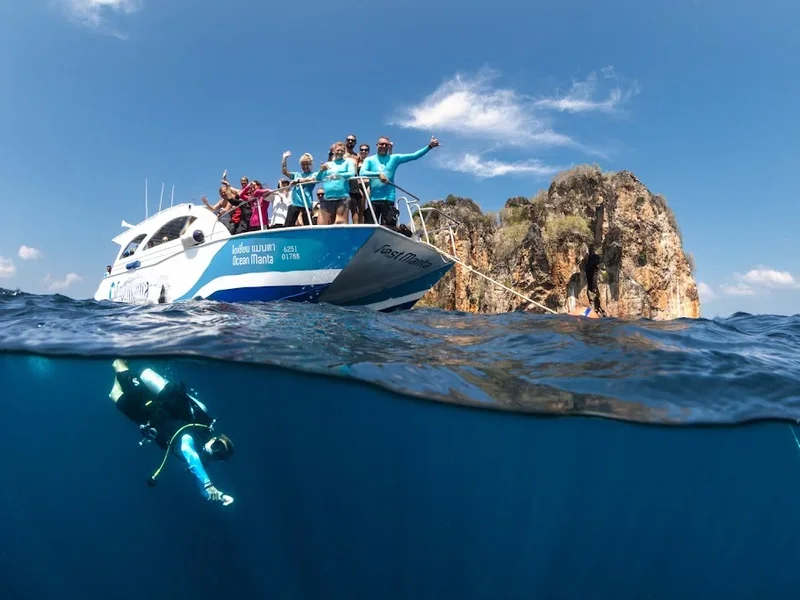
Koh Phi Phi's underwater realm offers an immersive experience, inviting divers into a "fairy tale-like paradise" beneath its iconic limestone cliffs. Located between Phuket and the Straits of Malacca, this island group presents accessible entry points for new divers while still providing engaging topography for more experienced enthusiasts.
Dive sites here are generally known for colorful reefs and vibrant soft corals, alongside rugged limestone walls and gorgonian fans. Natural formations extend from shallower sections down to a maximum depth of 20 m (65 ft) for many reef dives, often featuring sloping coral gardens that make for relaxing safety stops. Beyond natural structures, the Kled Gaeow wreck offers a distinct diving experience.
Intentionally sunk in 2014 after nearly 60 years in the Royal Thai Navy, this artificial reef stands upright and surprisingly intact. Descending onto the wreck feels like going back in history, frequently greeted by myriad marine life, with schools of fish swirling so densely they can momentarily encompass a diver.
Reef, wall, and wreck diving combine to cater to diverse interests, from beginner-friendly explorations to more complex site navigation. While many sites feature calm conditions, some locations can experience moderate currents, requiring appropriate planning.
Conditions are Moderate
Optimal conditions expected
Current conditions near Koh Phi Phi show 28° air, 30° sea temperature, 1.4 m waves, and 38 km/h wind. Forecast data is refreshed regularly to ensure accuracy.
Best Time to Dive
Diving in Koh Phi Phi is a year-round possibility, yet conditions present a clear contrast depending on the season. Peak diving runs from February to May, characterized by the calmest and clearest waters. During these months, average air temperatures are pleasant, ranging from approximately 28°C to 29°C (82-84°F), and rainfall is minimal, averaging between 0.8 mm and 8.7 mm. Visibility can extend up to 30 m (100 ft). Conversely, the low season from June to September sees a shift in conditions. Water temperatures remain warm, never dropping below 28°C (82°F), but seas become rougher with increased wave heights; visibility typically reduces to 10-15 m (33-50 ft). Air temperatures at this time hover around 28°C to 29°C (82-84°F), accompanied by significantly higher rainfall, ranging from 6.7 mm to 10.5 mm monthly, with September being the wettest. January, February, March, and December consistently receive "Excellent" dive scores, indicating optimal conditions for underwater exploration. October and November transition, still offering "Good" diving with air temperatures around 27.5°C (82°F) and moderate rainfall.
PEAK SEASON SCORE
Scores combine air & water temps, waves, wind & rainfall for overall conditions.
BEST MONTHS TO DIVE
Monthly records compiled from satellite and marine observation nodes over the last 3 years. Data provided by Open-Meteo and MET Norway.
Dive Experience & Conditions
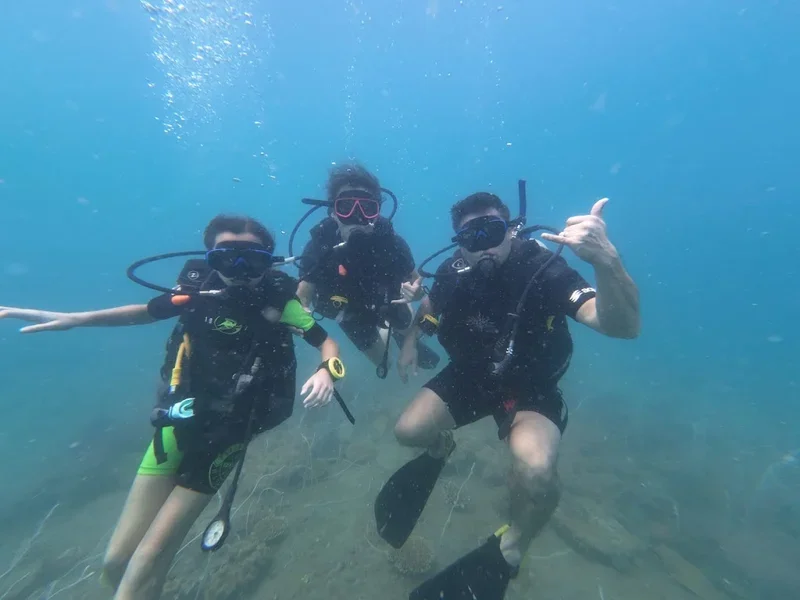
Beginning a dive at Koh Phi Phi often feels effortless, a sensation allowing divers to easily orient themselves amidst the vibrant underwater scenery. Many sites feature conditions described as none to moderate current, which generally supports a relaxed descent and exploration. Visibility here varies, typically ranging from 5 to 20 m (16 to 65 ft), with clearer periods experienced between January and April. Water temperatures consistently stay warm, often between 28-30°C (82-86°F) from February to May, and never dropping below 28°C (82°F) even in cooler months. The underwater topography is a mix of rugged limestone walls, offering plenty of nooks and crevices to investigate, and gently sloping coral gardens. Divers can explore shallow sections down to around 20 m (65 ft) for most recreational dives. This consistent warmth means thermal protection like a 3mm wetsuit or rash guard is usually sufficient. Overall, the forgiving environment and diverse sites make Koh Phi Phi suitable for all experience levels, from beginners undergoing certification to experienced divers seeking serene explorations or wreck photography opportunities.
Dive Difficulty & Safety Guidelines
Navigating Koh Phi Phi's dive sites requires an awareness of local regulations and environmental challenges. Annually, certain zones within Mu Koh Phi Phi National Park close from June 1 to July 31 for reef recovery, impacting sites like Bida Nok, Bida Nai, Palong Wall, and areas around Viking Cave.
Additionally, temporary closures may occur due to coral bleaching, with little advance notice. These closures are vital for reef health, underscoring the necessity to verify site accessibility with a local dive shop before planning any dives.
Responsible diving practices are paramount here. Divers must maintain neutral buoyancy to avoid contact with corals or the seabed, and adhere to a strict "look, don't touch" policy for all marine life.
Choosing operators committed to reef-friendly practices, using reef-safe sunscreen, and picking up small debris when safe also contribute to marine conservation. Adhering to these guidelines helps preserve the fragile underwater ecosystem.
Recommended Equipment
Overhead / entanglement risk. Wreck penetration requires proper training.
Current and surface separation risk. Local briefing strongly recommended.
- Dive Computer
- DSMB
- Primary & Backup Lights
- Wreck Reel
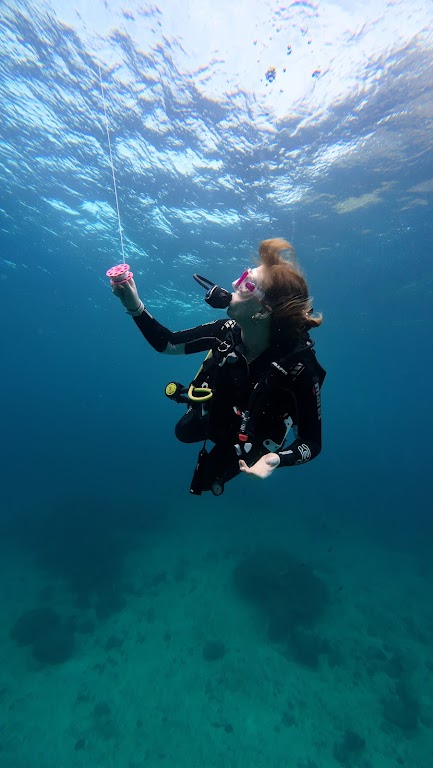
- Reel / Spool
- Cutting Tool
This gear list is based on verified equipment signals for Koh Phi Phi, Thailand. Always confirm final gear choices with your dive operator, guide, or liveaboard.
Recommended Dive Suit
With water temperatures around 30°C (86°F), many divers find a dive skin or rash guard provides comfortable protection.
Being prepared with flexible exposure options is a common approach among experienced divers.
The next few days appear likely to bring similar environmental conditions.
Emergency & Medical Support
Essential information to help you plan your dive trip to Koh Phi Phi.

Hyperbaric chambers are a critical part of dive safety infrastructure. Availability varies significantly by region, and not all dive areas have immediate access.
Before diving, it's recommended to:
- confirm nearest medical facilities
- check emergency procedures with local dive operators
- ensure dive insurance covers evacuation if required
Divers Alert Network
Diving emergency assistance available through DAN World.
+1-919-684-9111- 24/7 emergency hotline
- Diving medical assistance
- Evacuation coordination
Emergency contacts are provided for reference. Always verify local emergency services before diving.
Marine Life at Koh Phi Phi
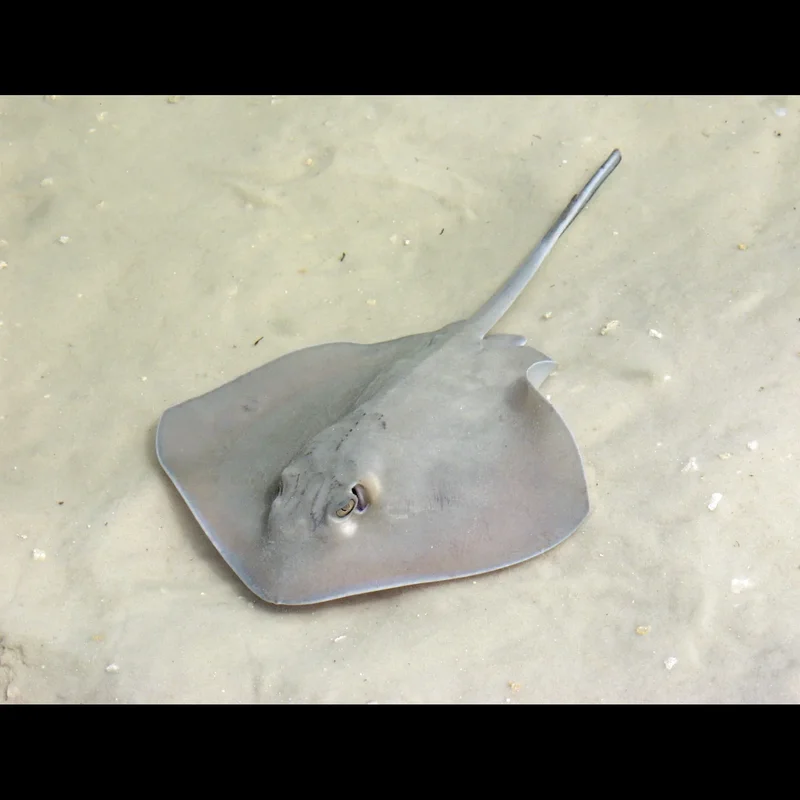
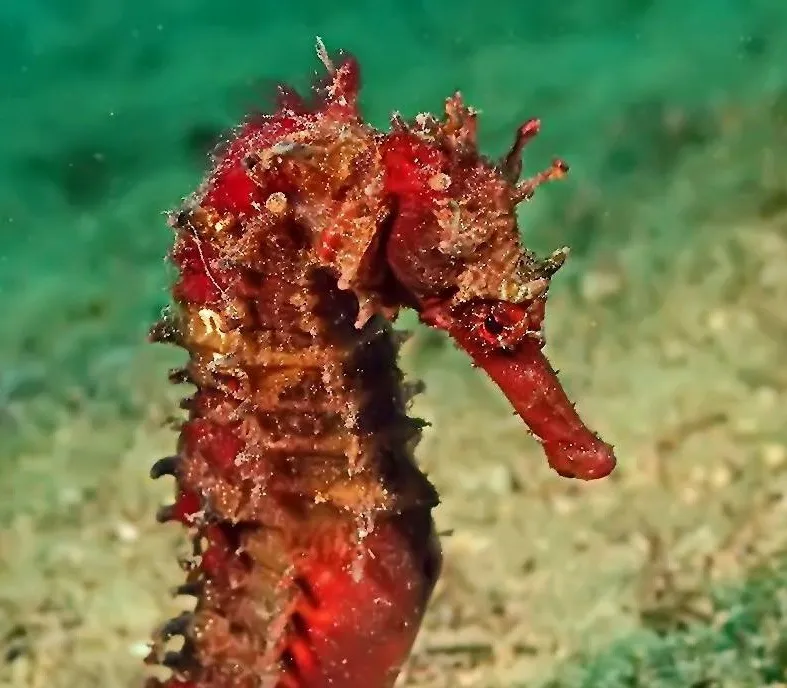
The focus of marine life encounters in Koh Phi Phi ranges from the minute to the magnificent. Keep a keen eye on sandy bottoms for resting leopard sharks and diligently search crevices for mantis shrimp and seahorses.
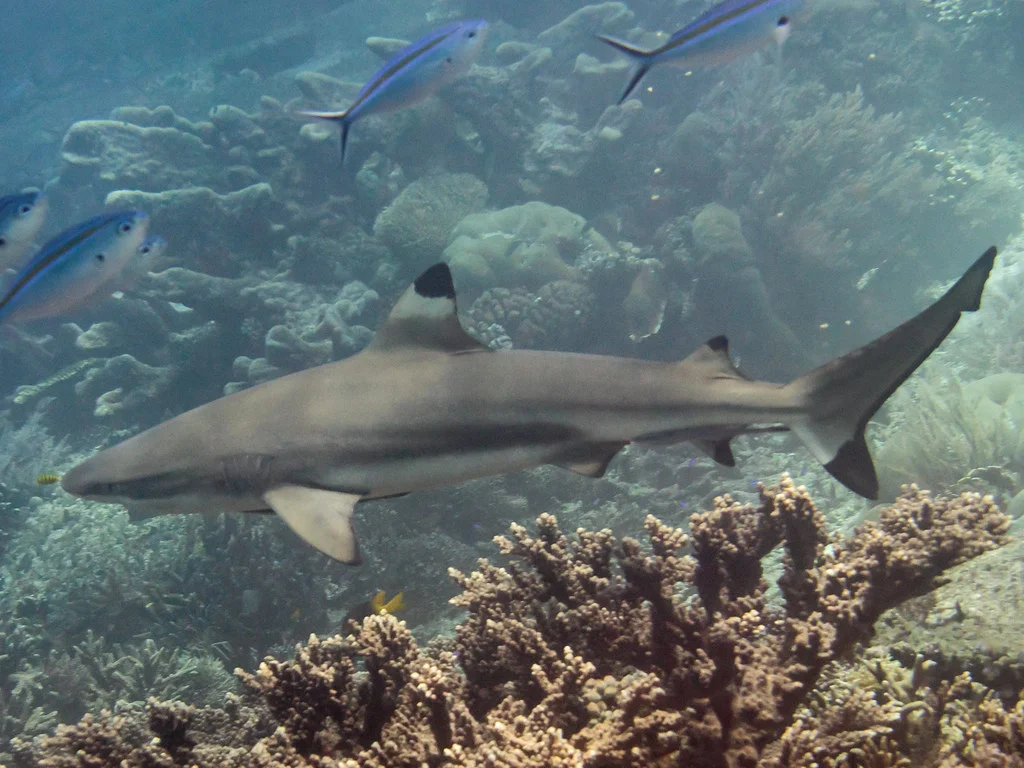
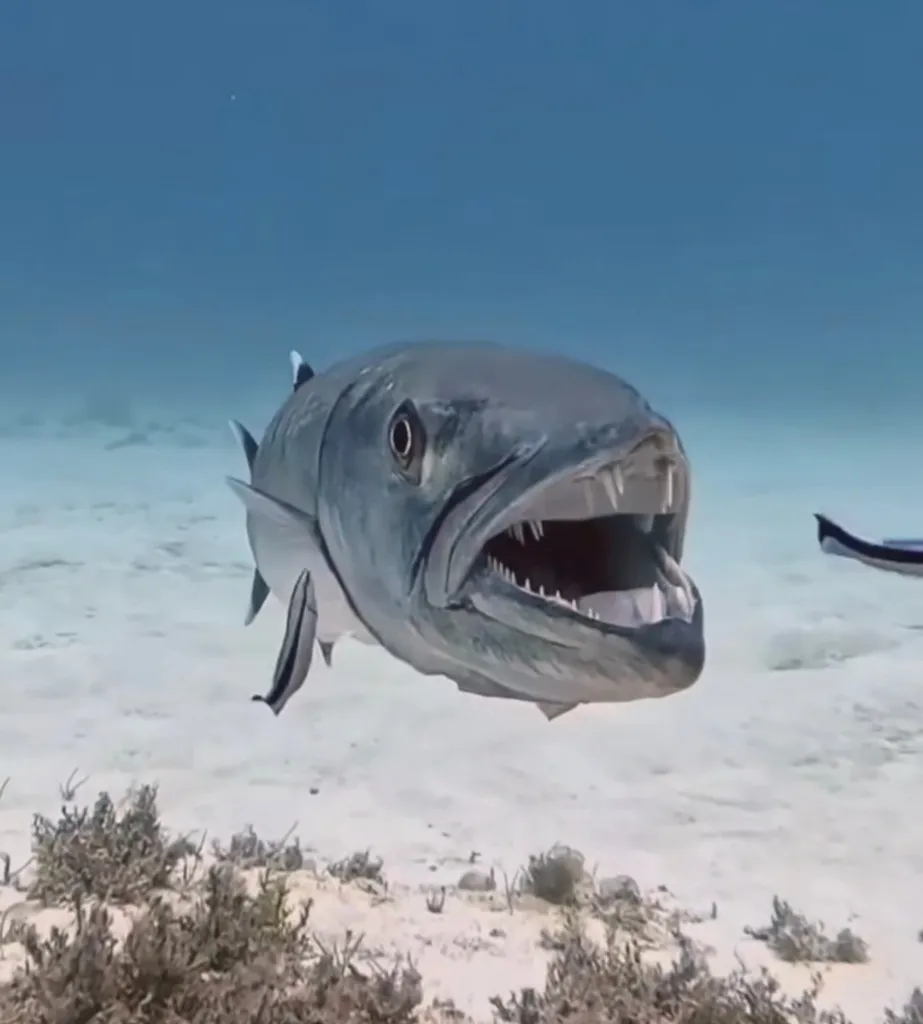
In the blue, divers often spot triggerfish, barracuda, and octopus. Blacktip reef sharks, turtles, bluespotted stingrays, and banded sea snakes are common residents.
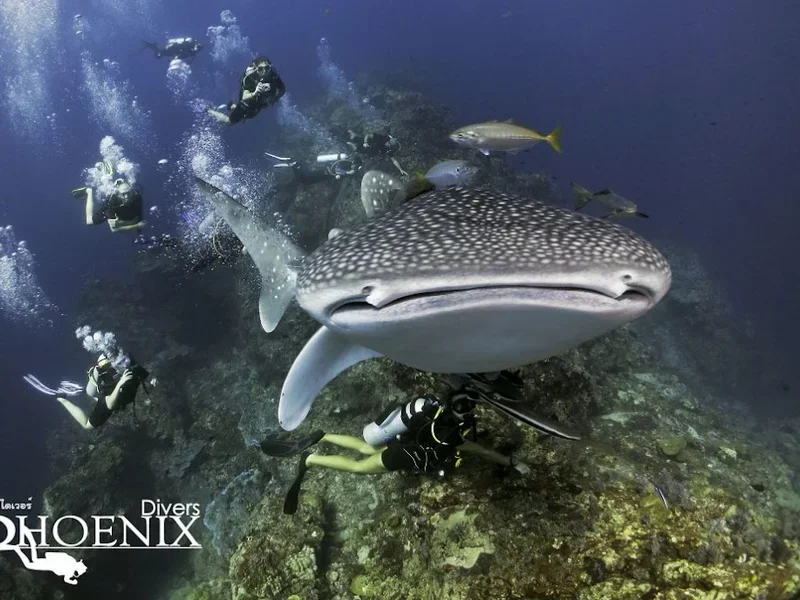
While rarer, whale sharks have been known to pass through these waters, following plankton trails and occasionally gracing dives with their presence. Their sheer size, sometimes reaching lengths of 10 meters, offers an awesome overhead spectacle.

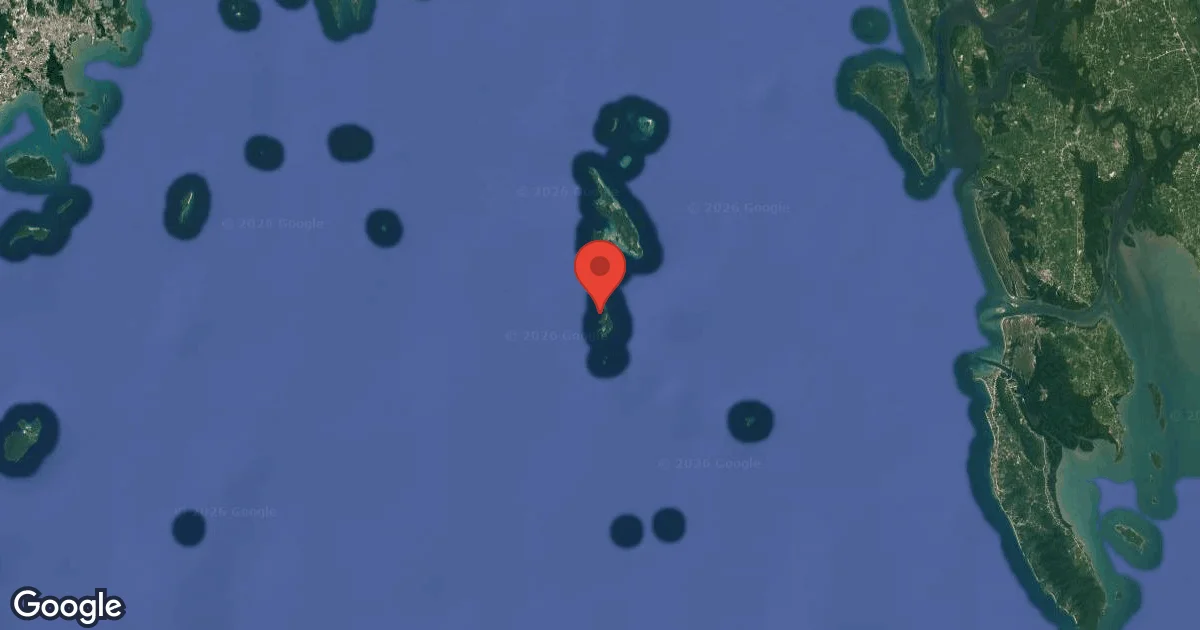
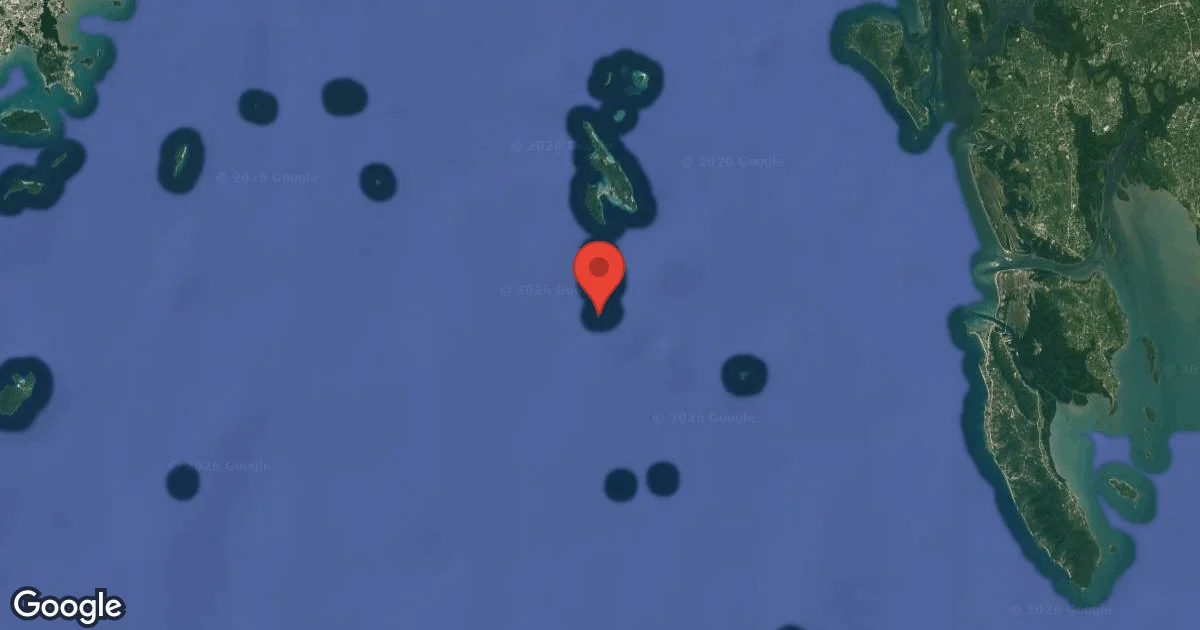
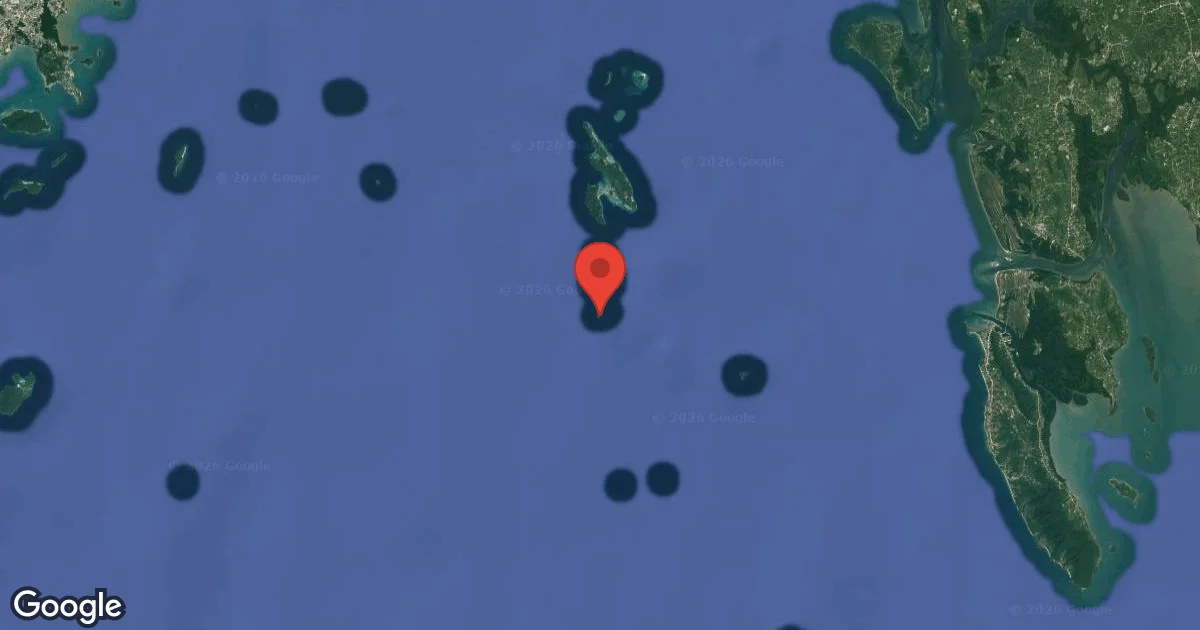
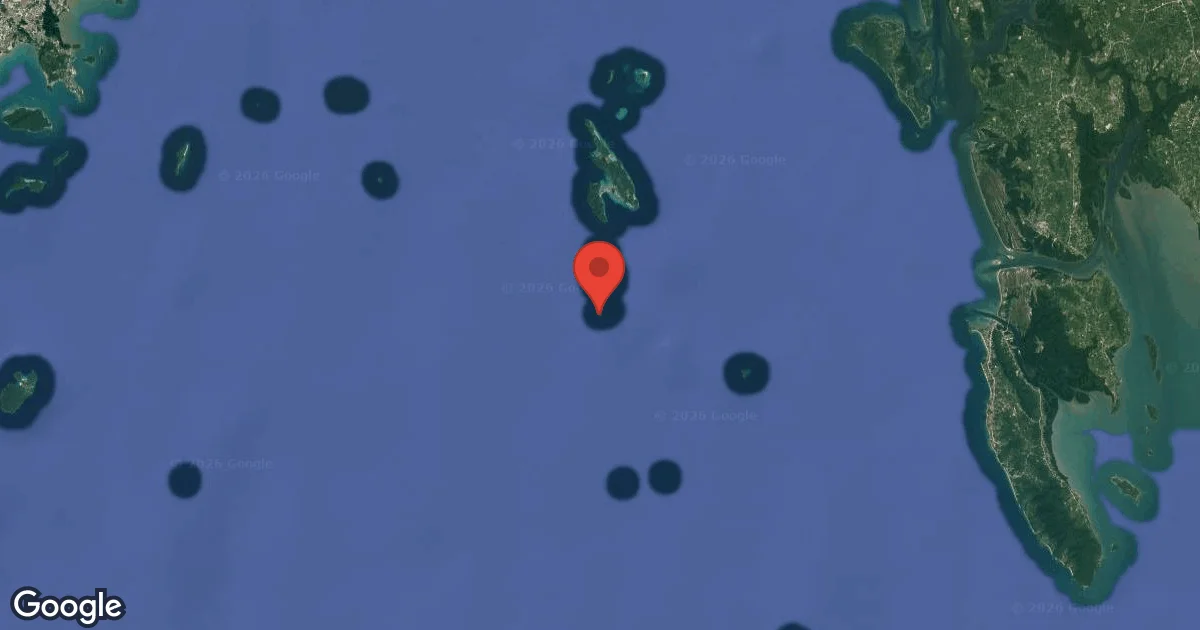
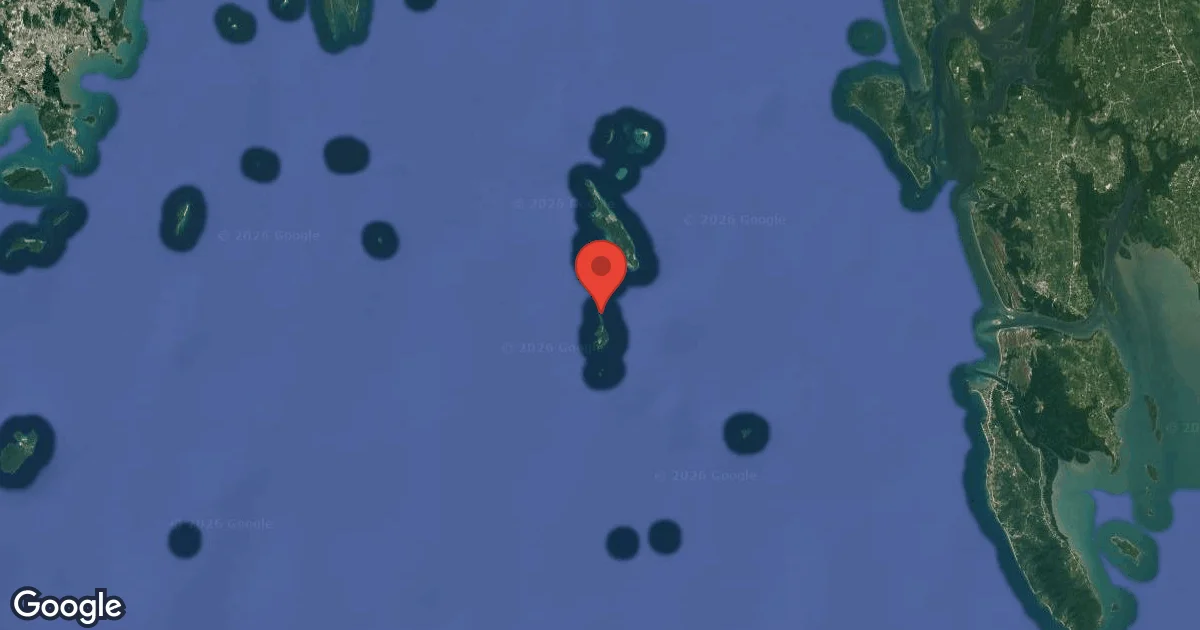
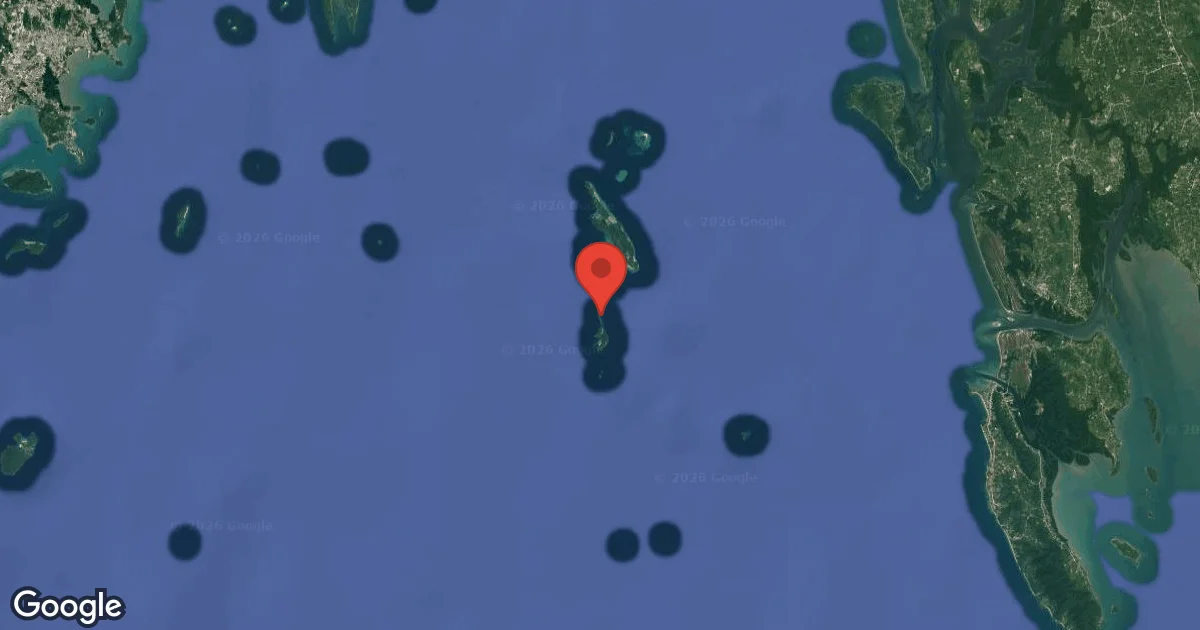
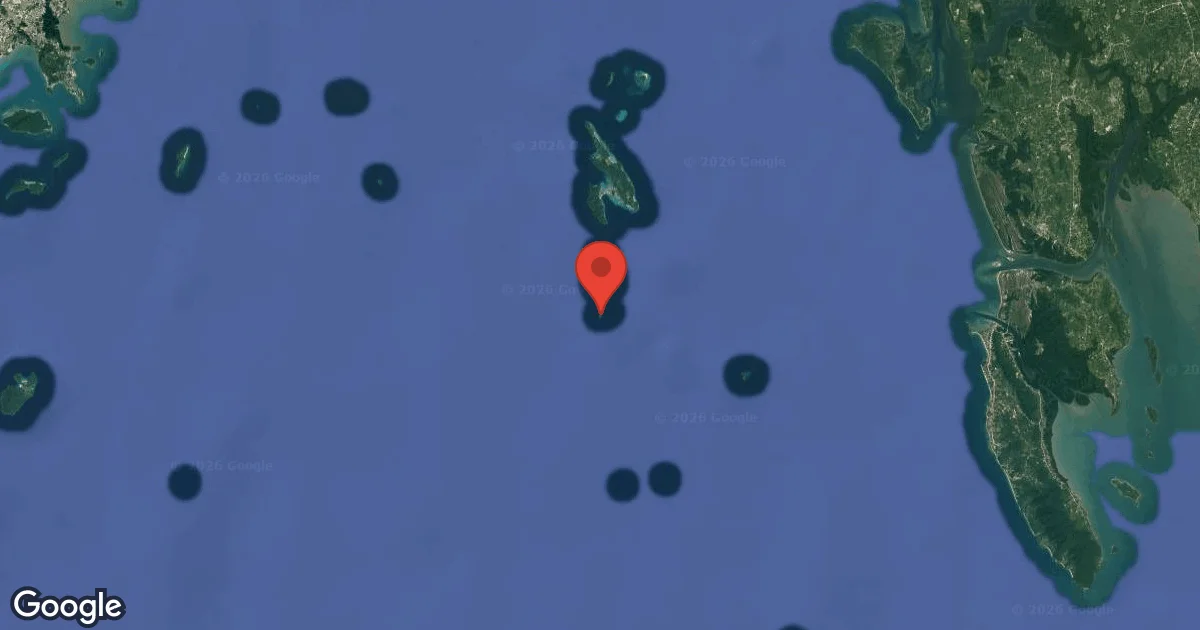
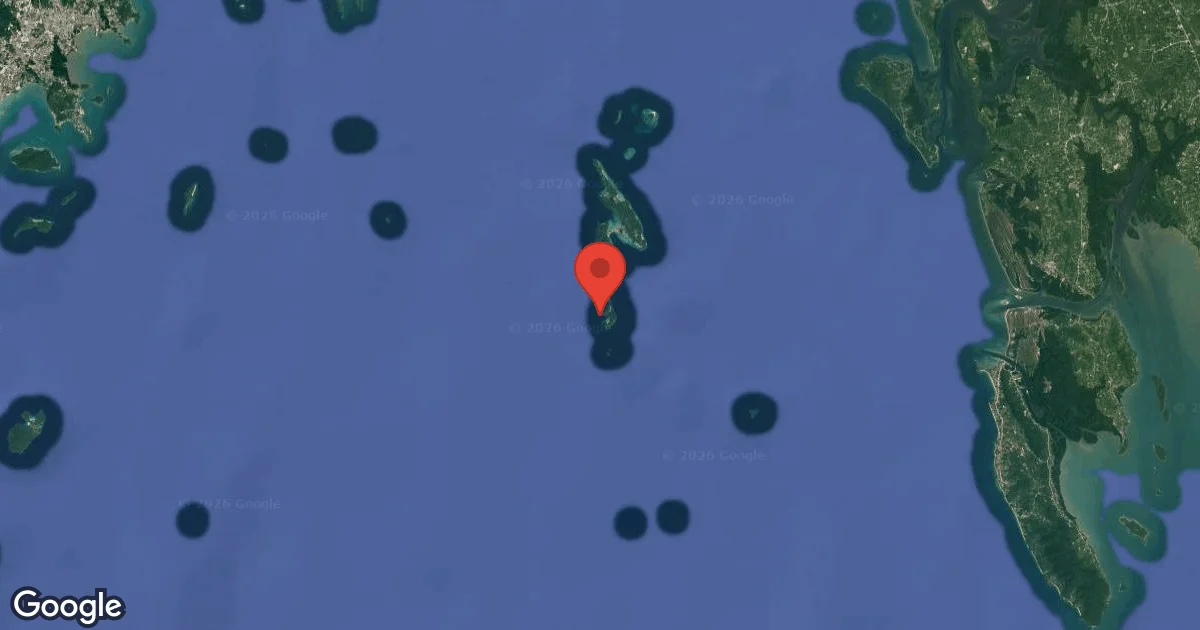
Dive Sites Near Koh Phi Phi
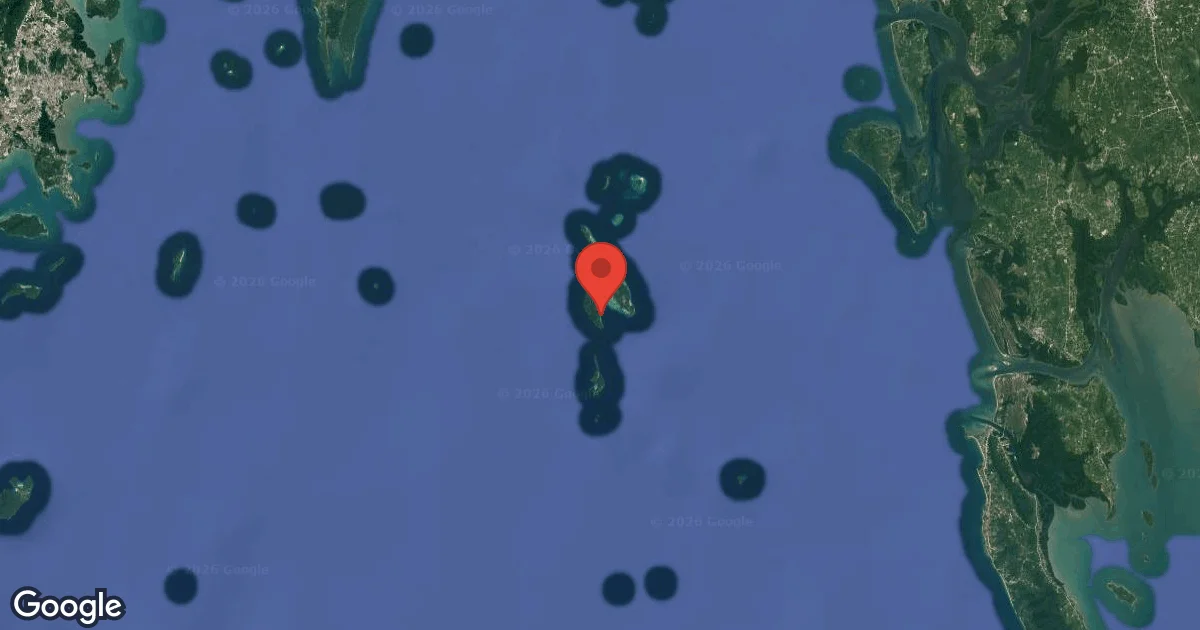
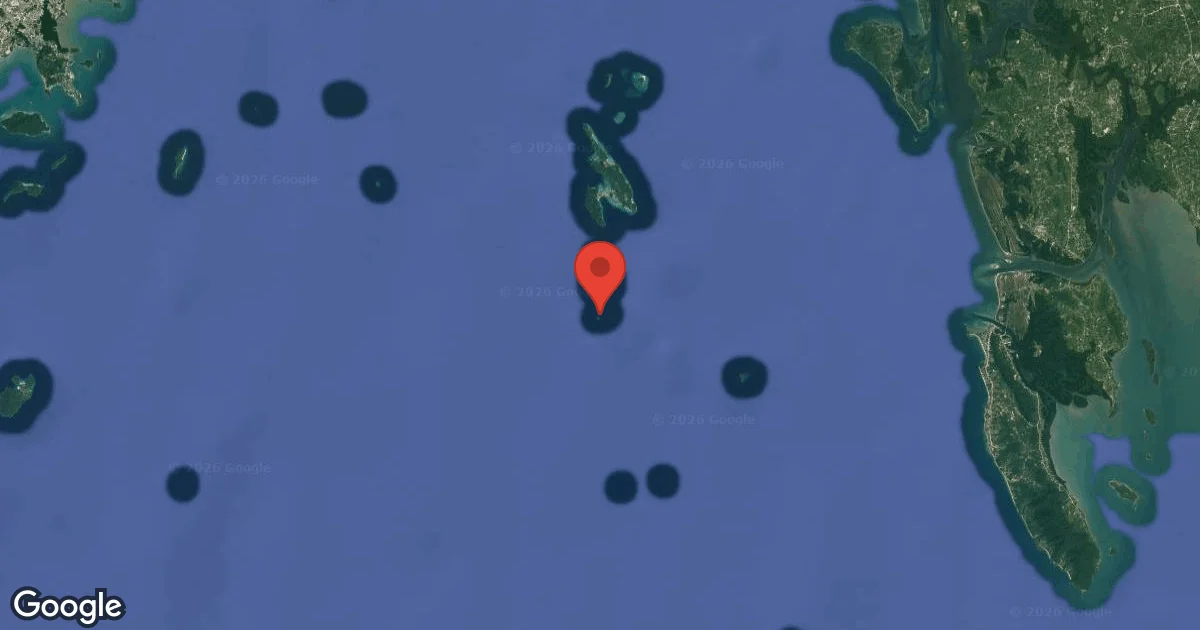
View all dive sites in ThailandDiscover more underwater gems in this area.
Dive Centers Near Koh Phi Phi
Today: 08:00 - 21:00



Nearest Airports
Nearest airports to help plan travel to this dive area.
Search Flights
Check available flights and routes on Expedia, using the nearby airports listed in this section.
Search Flights on ExpediaFrequently Asked Questions
What are the typical diving depths in Koh Phi Phi?
Most recreational dives in Koh Phi Phi are within 0-20 m (0-65 ft). This includes coral gardens and many reef explorations, making it suitable for divers of various experience levels.
How clear is the water for diving?
Visibility typically ranges from 5 to 20 m (16 to 65 ft). The clearest conditions, sometimes extending up to 30 m (100 ft), are generally experienced between January and April.
What are the water temperatures like?
Water temperatures in Koh Phi Phi are consistently warm, usually ranging from 28-30°C (82-86°F) during the peak season. They rarely drop below 28°C (82°F) even in the cooler months.
Are there any dive site closures I should be aware of?
Yes, parts of Mu Koh Phi Phi National Park close annually from June 1 to July 31 for reef recovery. Temporary closures can also occur due to coral bleaching. Always check with a local dive shop for current information.
Is Koh Phi Phi suitable for beginner divers?
Absolutely. Many sites feature relatively easy dive conditions with minimal to moderate currents, along with shallow coral gardens. This makes it an ideal place for new divers or those undertaking certification courses.
What kind of marine life can I expect to see?
Divers frequently encounter leopard sharks, blacktip reef sharks, barracuda, turtles, and various reef fish. Critters like mantis shrimp and seahorses can be found in crevices, and whale sharks are occasionally sighted.
How much does a typical 2-dive trip cost?
A two-fun-dive trip, including equipment, tanks, weights, guide, and lunch, typically costs between 2,800 THB and 3,000 THB. There's an additional National Park fee of 600 THB on the first day, and 200 THB for subsequent consecutive days.
Planning to dive Koh Phi Phi?
Send one inquiry and receive offers directly from the best verified local dive operators.
Conditions are Moderate
Optimal conditions expected
Current conditions near Koh Phi Phi show 28° air, 30° sea temperature, 1.4 m waves, and 38 km/h wind. Forecast data is refreshed regularly to ensure accuracy.