
Diving at Koh Bida Nai & Nok / PhiPhi (Thailand)
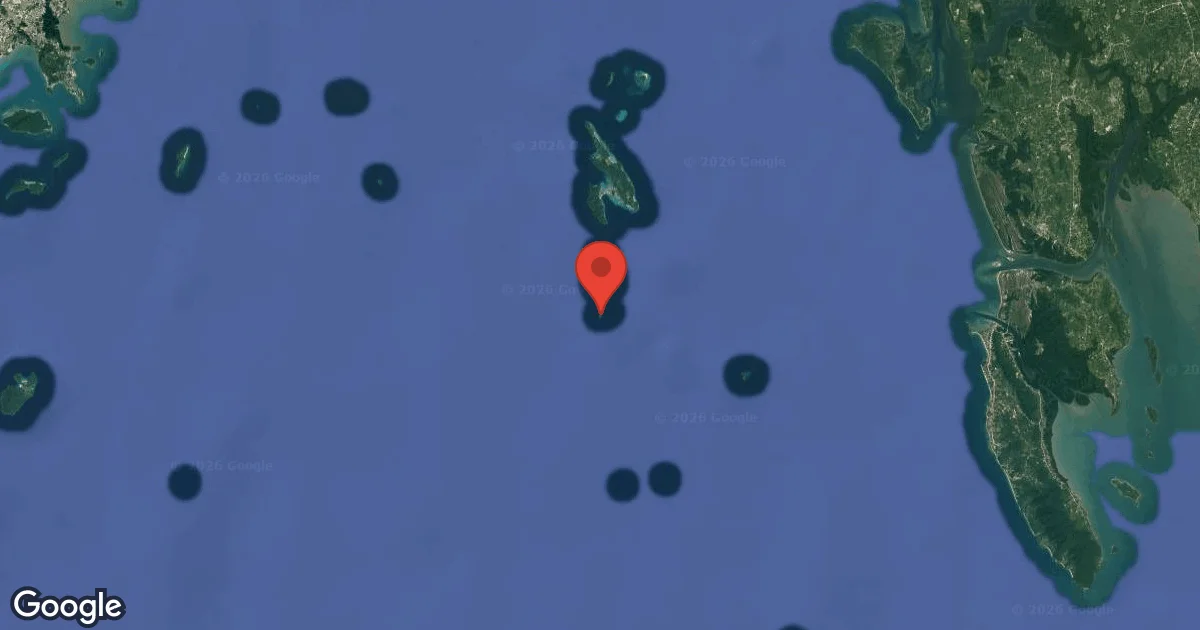
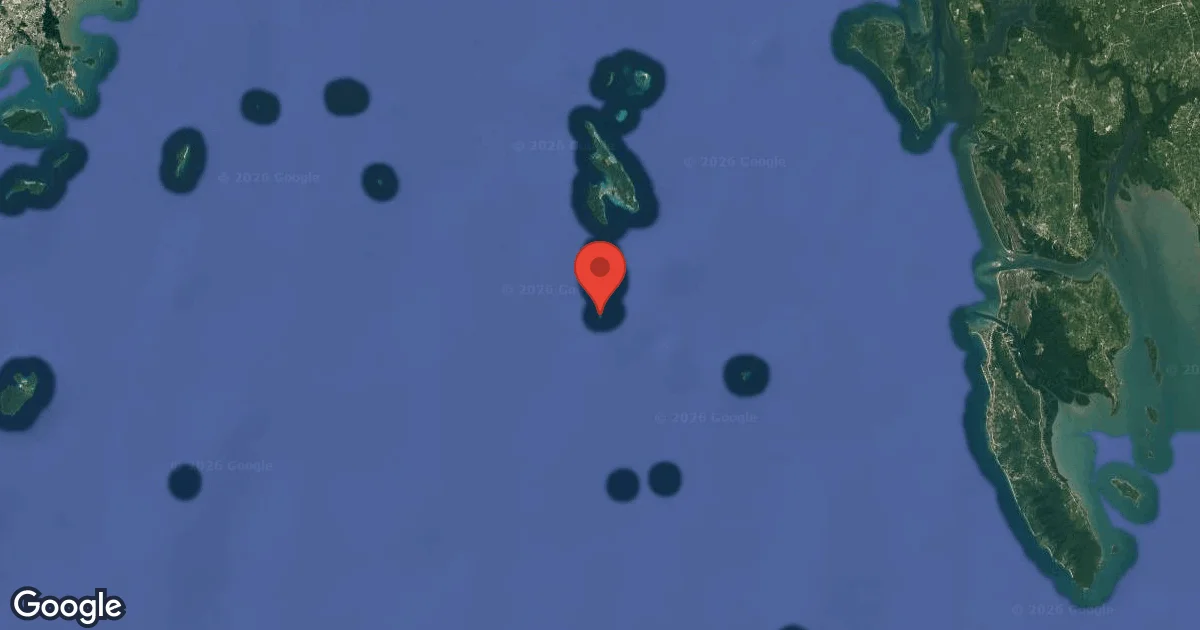
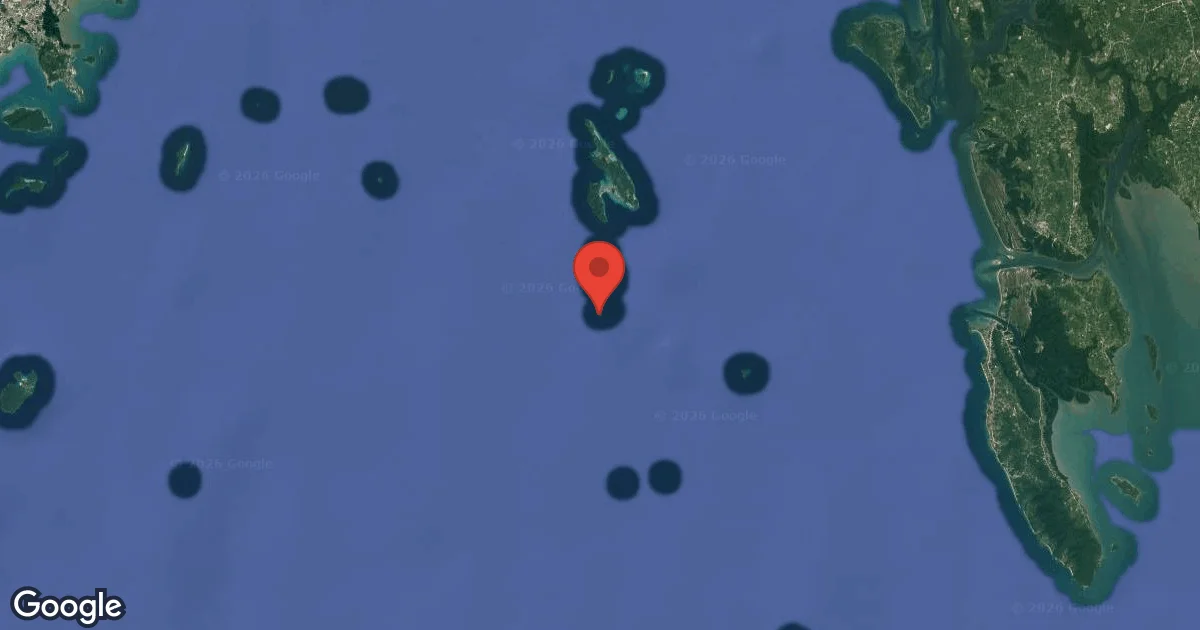
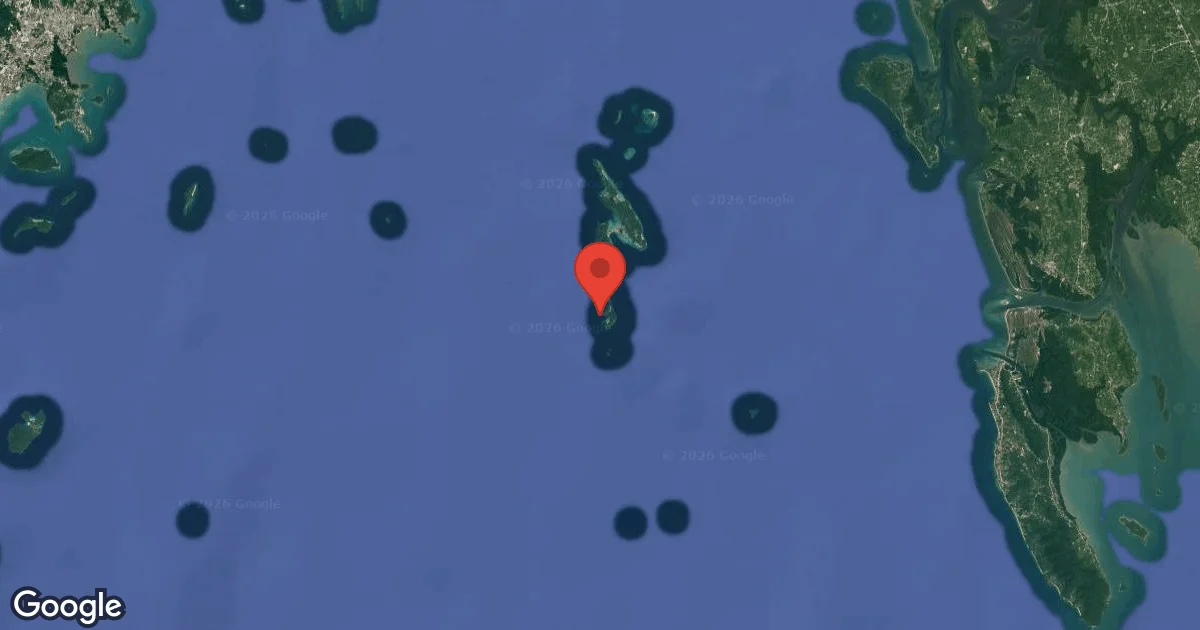
Approaching Koh Bida Nai and Nok, divers prepare for an exploration of two distinct island profiles near Phi Phi. Koh Bida Nok, the larger island, features dramatic walls and extensive reefs to a depth of 28 m (92 ft). Its counterpart, Koh Bida Nai, offers a contrasting mix of sloping reefs and vertical walls. These islands support diverse dive plans, ranging from shallow coral gardens to deeper rocky structures.
Tonight's objective overview for Koh Bida Nai & Nok / PhiPhi shows an air temperature of 27.5°C. The measured surface conditions include wave heights around 1.3 m. This environmental data is logged for the close of the day.
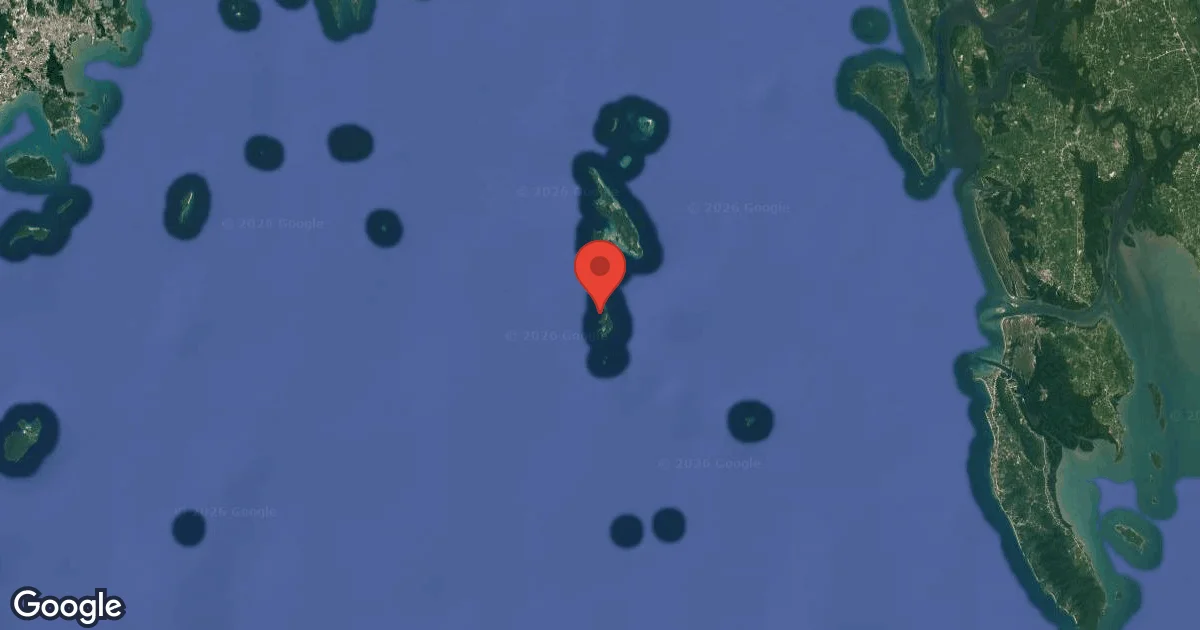
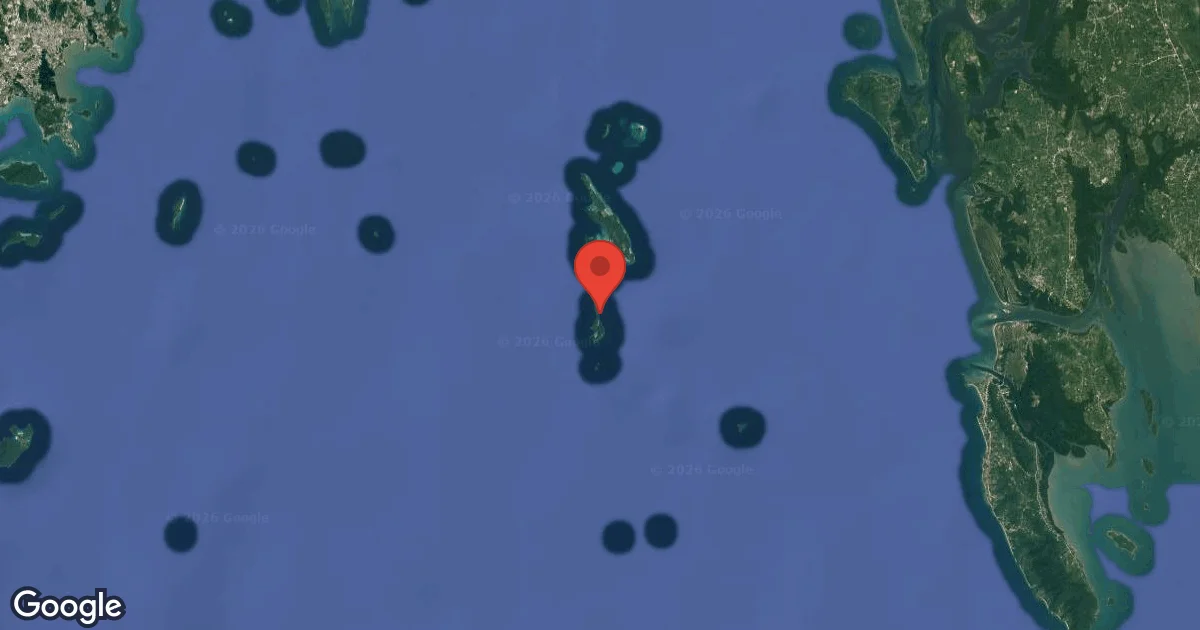
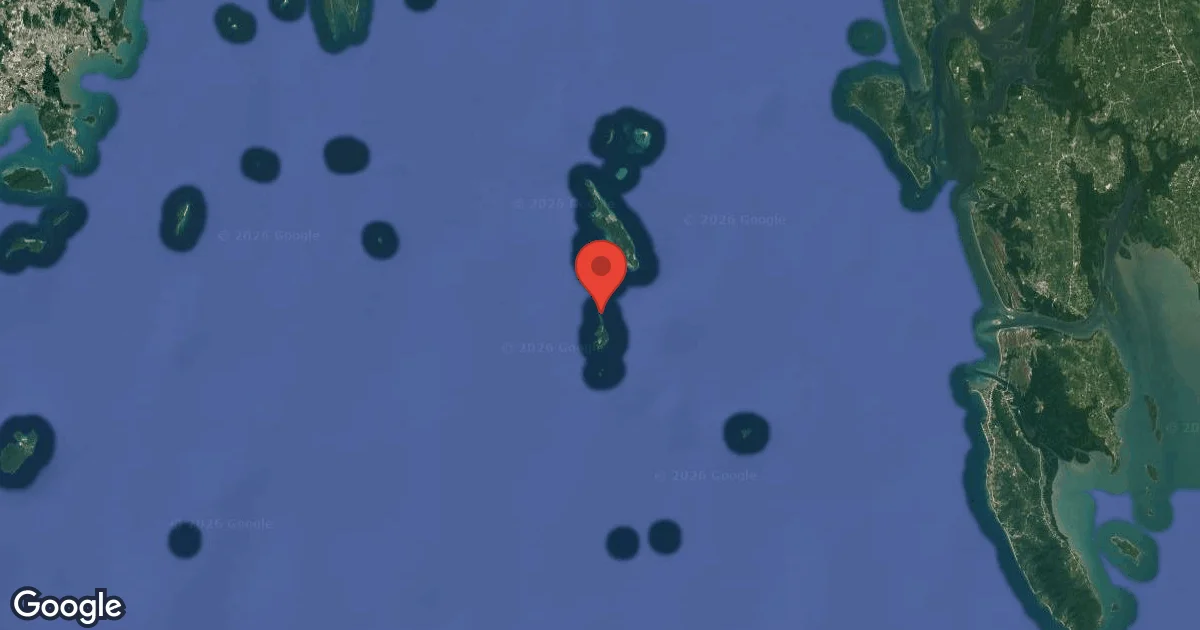
Dive Site Location & Key Facts
Dive Site Overview
Exploring the Koh Bida islands, divers encounter prominent limestone karsts rising from the Andaman Sea near the southern tip of the Phi Phi archipelago. Geologically, these formations feature a mix of dramatic vertical walls, sloping reefs, and sheltered bays, shaped by millennia of erosion.
Bida Nok, the larger island, includes extensive walls and reefs descending to approximately 28 meters. Its west side nurtures diverse corals, while the east presents shallower plateaus starting at 3 m (10 ft). Bida Nai, the smaller island, offers a sloping eastern reef from around 4 meters to 20 meters, contrasting with its western side's vertical wall plunging to about 25 meters.
These distinct topographies create varied underwater environments. Visibility typically ranges from 10 to 30 meters, and currents are generally moderate, though they can strengthen depending on tidal conditions.
The sites cater to all diving levels, with sheltered bays suitable for beginners and deeper sections for more experienced divers. Dive day trips often combine both islands due to their proximity.
Conditions are Good
Optimal conditions expected
Current conditions near Koh Bida Nai & Nok / PhiPhi show 28° air, 30° sea temperature, 1.1 m waves, and 23 km/h wind. Forecast data is refreshed regularly to ensure accuracy.
Best Time to Dive
For an optimal diving experience, consider visiting Koh Bida Nai and Nok during the drier months when conditions are typically more favorable. December through March consistently show high dive scores. Air temperatures during this period average between 27.5°C (82°F) and 28.5°C (83°F), providing comfortable surface conditions. Rainfall remains minimal, especially in January (0.35 mm), February (0.72 mm), and March (1.47 mm), helping maintain excellent underwater visibility. March often stands out with an "Excellent" dive score and pleasant air temperatures. While diving remains possible year-round, May to November sees higher rainfall, peaking in September with 10.88 mm, and more varied sea states. Wetter months can lead to reduced visibility or more challenging surface conditions. Planning a trip within the peak season generally offers the calmest seas and clearest water, enhancing the exploration of intricate reef systems and diverse marine life.
PEAK SEASON SCORE
Scores combine air & water temps, waves, wind & rainfall for overall conditions.
BEST MONTHS TO DIVE
Monthly records compiled from satellite and marine observation nodes over the last 3 years. Data provided by Open-Meteo and MET Norway.
Dive Experience & Conditions
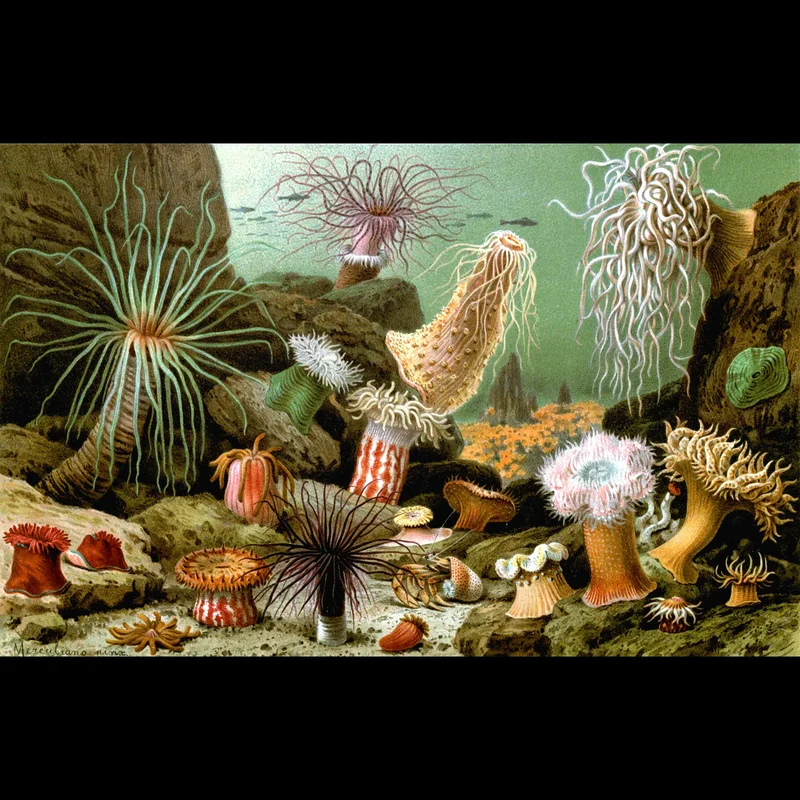
Descending at Koh Bida Nai, divers first encounter the island's eastern shallow reef, which gently slopes from around 4 meters down to 20 meters, rich with anemones. Its western side presents a different character, featuring a vertical wall dropping to about 25 m (82 ft), adorned with Gorgonian fans, sea whips, and soft corals, alongside small caves and passageways. At Koh Bida Nok, a descent might lead to a protected shallow bay ideal for entry-level divers, beginning at depths of around 3 meters before exploring extensive walls and reefs that plunge to about 28 meters. Bida Nok's west side is a vibrant habitat for diverse corals. Moderate currents are common but conditions vary; staying aware of local factors is important. Visibility often spans a generous 10 to 30 meters. Water temperatures are not consistently reported but generally remain warm, expected between 27-30°C (81-86°F) in tropical waters.
Dive Difficulty & Safety Guidelines
Divers planning to explore Koh Bida Nai and Nok should be mindful of currents, which can range from moderate to occasionally strong, especially around exposed sections of the islands. Koh Bida Nok's shallow bay offers a sheltered environment suitable for beginners, but deeper sections and areas around the island's points require proficient buoyancy control and navigation skills. Attempting to circumnavigate Koh Bida Nai is feasible within a single 60-minute dive for experienced individuals; maintaining careful air consumption and situational awareness is critical.
Always dive within your certification limits and consider hiring a local guide, particularly if currents are unfamiliar. No specific hazards are reported beyond typical current considerations, but adhering to safe diving practices and respecting marine life is paramount. Stay clear of delicate coral formations.
Recommended Equipment
- Dive Computer
This gear list is based on verified equipment signals for Koh Bida Nai & Nok / PhiPhi, Thailand. Always confirm final gear choices with your dive operator, guide, or liveaboard.
Recommended Dive Suit
According to recent observations, water temperatures near Koh Bida Nai & Nok / PhiPhi are approximately 30°C (86°F). Surface air temperatures are resting at 28°C (82°F).
Forecast models indicate that diving conditions should remain largely unchanged.
In water temperatures like these, dive skin or rash guard typically offers sufficient warmth for most recreational dives. Consider warmer surface protection (like a boat coat) due to brisk winds. Some divers naturally tolerate cooler water better than others. Stronger winds may also make surface intervals feel cooler than usual.
Emergency & Medical Support
Essential information to help you plan your dive trip to Koh Bida Nai & Nok / PhiPhi.

Hyperbaric chambers are a critical part of dive safety infrastructure. Availability varies significantly by region, and not all dive areas have immediate access.
Before diving, it's recommended to:
- confirm nearest medical facilities
- check emergency procedures with local dive operators
- ensure dive insurance covers evacuation if required
Divers Alert Network
Diving emergency assistance available through DAN World.
+1-919-684-9111- 24/7 emergency hotline
- Diving medical assistance
- Evacuation coordination
Emergency contacts are provided for reference. Always verify local emergency services before diving.
Marine Life at Koh Bida Nai & Nok / PhiPhi
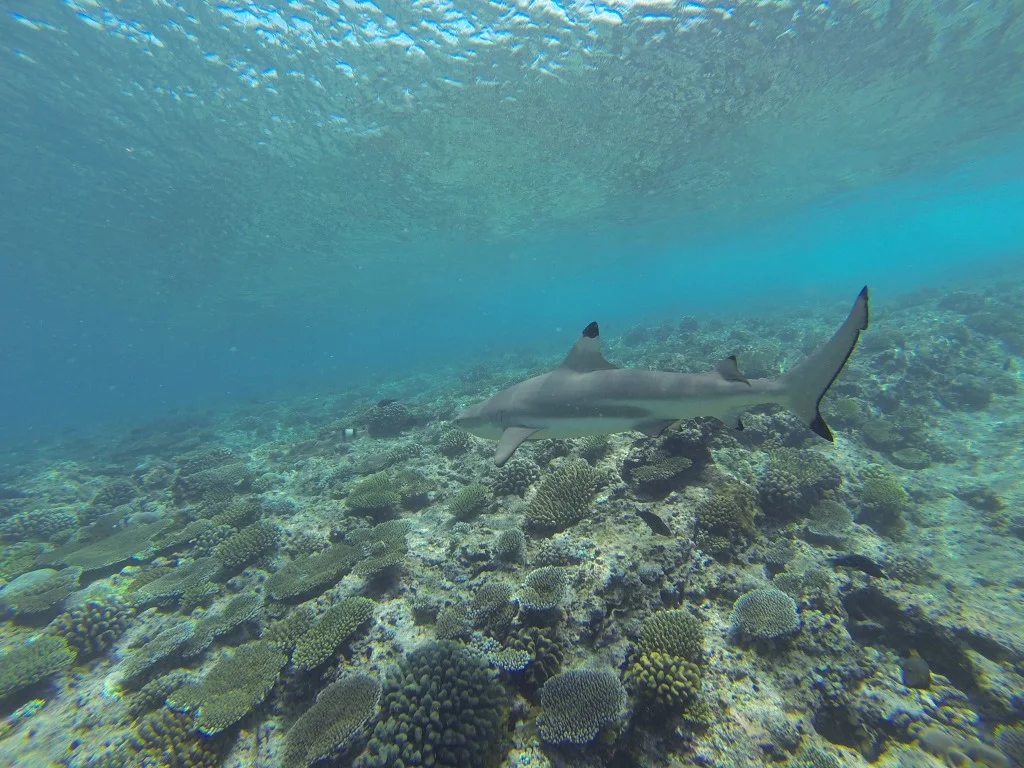
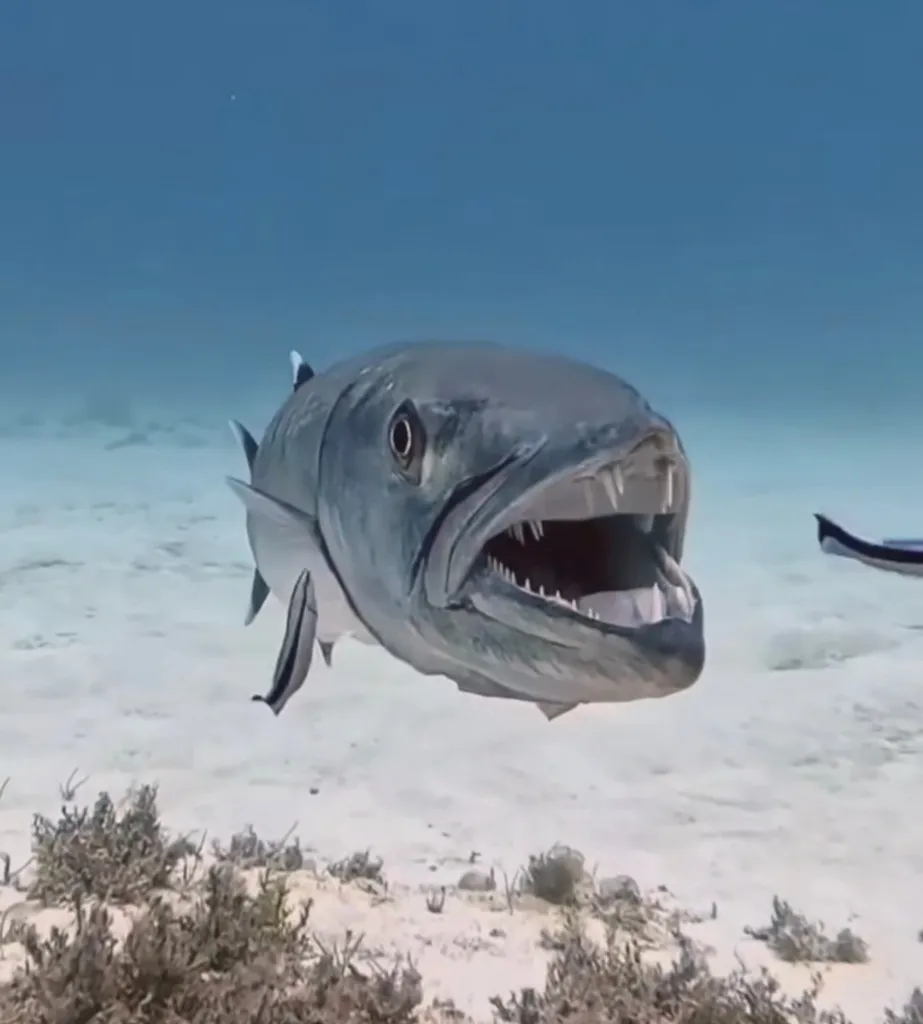
Koh Bida Nai and Nok's underwater landscape supports a diverse array of marine life. Shoals of barracuda and golden trevally frequently patrol open water, while reef blacktip sharks are regular visitors to shallower reef plateaus and bays.
Exploring coral gardens reveals tomato anemonefish and distinctive fire clownfish among vibrant anemones. On sandy bottoms at depths of 20-25 m (66-82 ft), lucky divers might spot zebra and leopard sharks at rest.
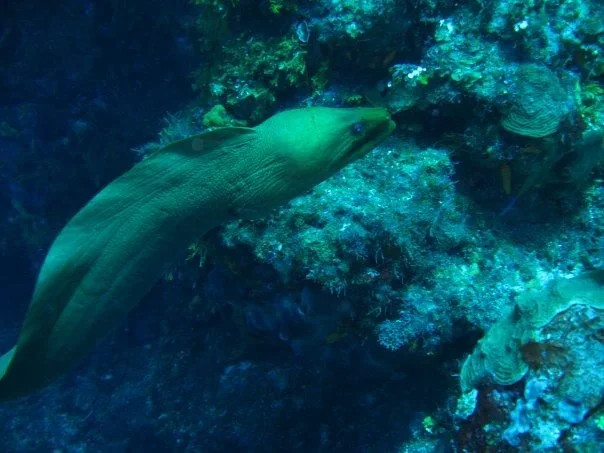
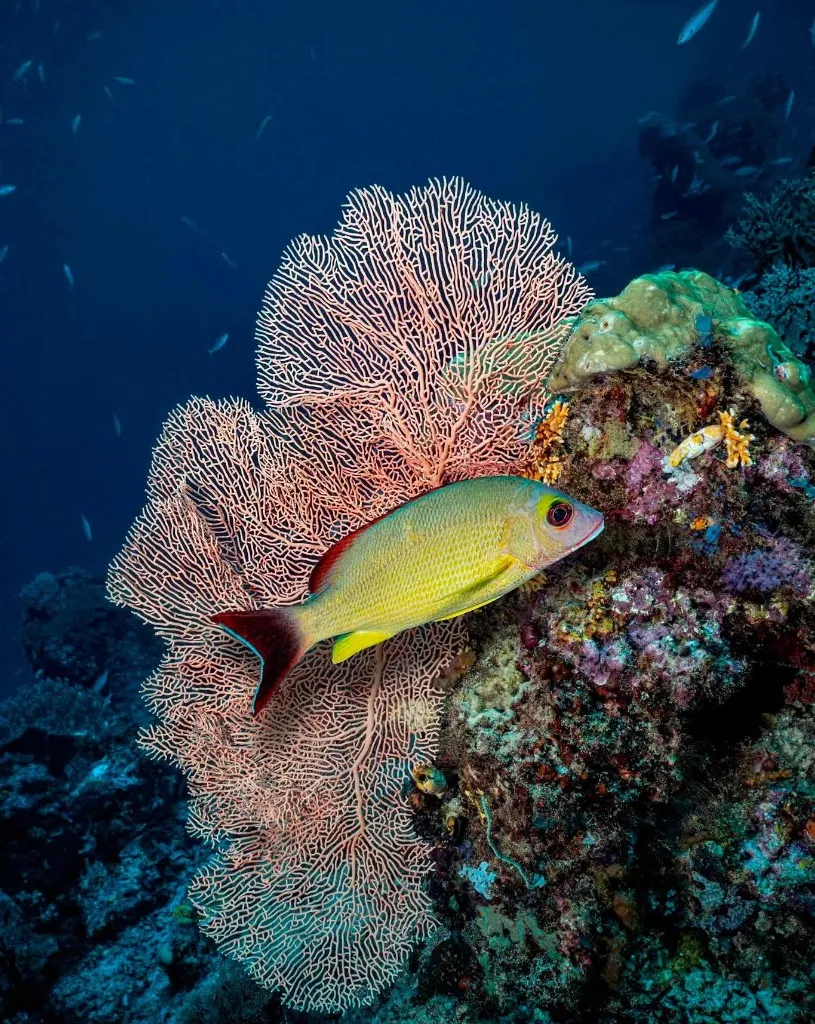
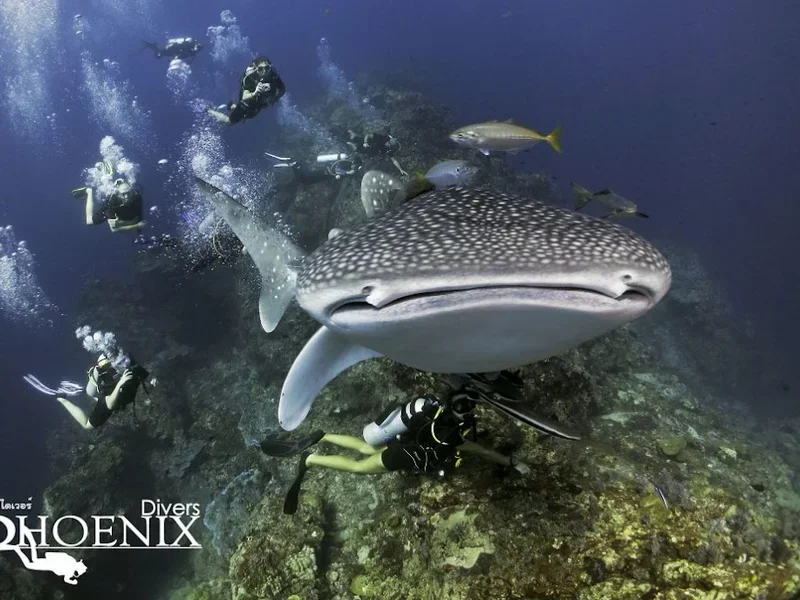
Vertical walls are covered in Gorgonian fans and soft corals, providing habitat for creatures such as ornate ghost pipefish, sea horses, and nudibranchs. Schools of yellow snappers, large moray eels, pufferfish, and turtles are also common sightings. Whale sharks have been known to cruise through this area, moving between the two islands.
Dive Sites Near Koh Bida Nai & Nok / PhiPhi
View all dive sites in ThailandDiscover more underwater gems in this area.
Dive Centers Near Koh Bida Nai & Nok / PhiPhi
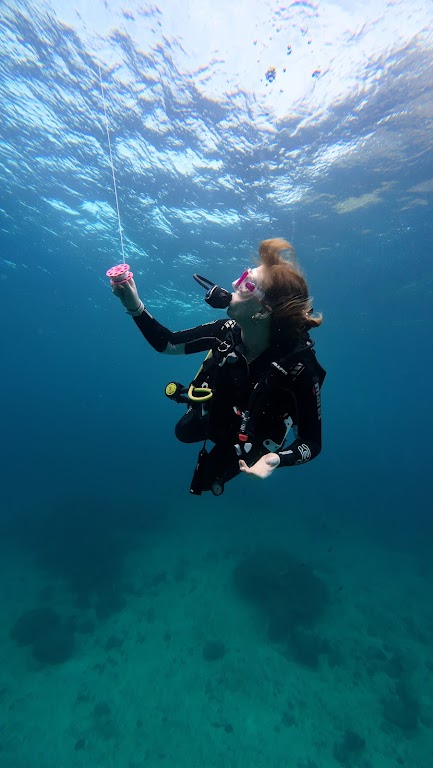
Today: 08:00 - 21:00




Nearest Airports
Nearest airports to help plan travel to this dive area.
Search Flights
Check available flights and routes on Expedia, using the nearby airports listed in this section.
Search Flights on ExpediaFrequently Asked Questions
What are Koh Bida Nai and Koh Bida Nok?
These are two small, uninhabited limestone islands located near the southern tip of the Phi Phi archipelago in Thailand. They are popular dive sites known for their diverse underwater topography and marine ecosystems.
What are the typical dive depths at these sites?
Dive depths vary significantly between the islands and their different faces. Koh Bida Nok generally offers walls and reefs descending to recreational dive limits, while Koh Bida Nai features a sloping reef in shallower sections and walls extending to around 25 meters.
Are Koh Bida Nai and Nok suitable for beginner divers?
Yes, they are suitable for all diving levels, but with specific considerations. Koh Bida Nok's shallow bay is particularly good for beginners due to its protected waters, while deeper wall sections require more experience with buoyancy and currents.
What marine life can divers expect to see?
Divers frequently encounter barracuda, reef blacktip sharks, and schools of golden trevally. Reefs host abundant clownfish, alongside turtles, moray eels, pufferfish, and occasionally zebra or leopard sharks on sandy bottoms.
What are the typical visibility and current conditions?
Visibility at Koh Bida Nai and Nok usually ranges from 10 to 30 meters. Currents are generally moderate, though they can become stronger at certain points or during specific tidal movements, requiring attention from divers.
When is the best time of year to dive here?
The prime diving season is from December to March, offering the most favorable conditions. During these months, air temperatures are comfortable, and rainfall is minimal, leading to excellent underwater visibility and calmer seas.
Is it possible to complete a full circumnavigation of Koh Bida Nai in one dive?
For divers with good air consumption and strong buoyancy control, it is possible to circumnavigate Koh Bida Nai. This can typically be achieved within a 60-minute dive, offering a comprehensive view of the island's varied underwater features.
How far are the Koh Bida islands from Phi Phi?
The Koh Bida islands are located very close to the southern tip of the Phi Phi islands, making them easily accessible for day trips. Travel time by speedboat is typically less than one hour from nearby hubs like Koh Lanta.
Planning to dive Koh Bida Nai & Nok / PhiPhi?
Send one inquiry and receive offers directly from the best verified local dive operators.
Conditions are Good
Optimal conditions expected
Current conditions near Koh Bida Nai & Nok / PhiPhi show 28° air, 30° sea temperature, 1.1 m waves, and 23 km/h wind. Forecast data is refreshed regularly to ensure accuracy.