
Diving at Phi Phi (Thailand)
Beneath Phi Phi's dramatic limestone karsts, a contrasting underwater landscape unfolds, inviting divers of all proficiencies. From serene, shallow coral gardens perfect for initial explorations to towering walls and swim-throughs awaiting experienced hands, the Andaman Sea here offers diverse dive profiles. Easily reached by boat from Phuket or Krabi, this destination provides a blend of accessible discovery and challenging professional development.
As evening covers Phi Phi, the local air temperature is measured at 28°C. The current wave height at the surface is recorded at 1.1 m. These late-day readings characterize the surface conditions for the night.
Dive Site Location & Key Facts
Dive Site Overview
The underwater landscape around Phi Phi mirrors its iconic above-water limestone karsts, extending dramatically beneath the Andaman Sea. Divers explore rugged walls dropping deep, showcasing intricate systems of overhangs, ledges, and small crevices that shelter a variety of marine life.
Beyond these sheer rock faces, extensive and gently sloping coral gardens present themselves, offering expansive areas for extended bottom times or serene safety stops, thriving with soft and hard corals. With over 20 distinct named dive sites, the opportunities cater to a broad spectrum of diving proficiencies. Novices can engage in calm, shallow 'Try Dive' experiences under direct supervision, while certified divers might explore more challenging environments, including sites reaching depths of 30 m / 100 ft.
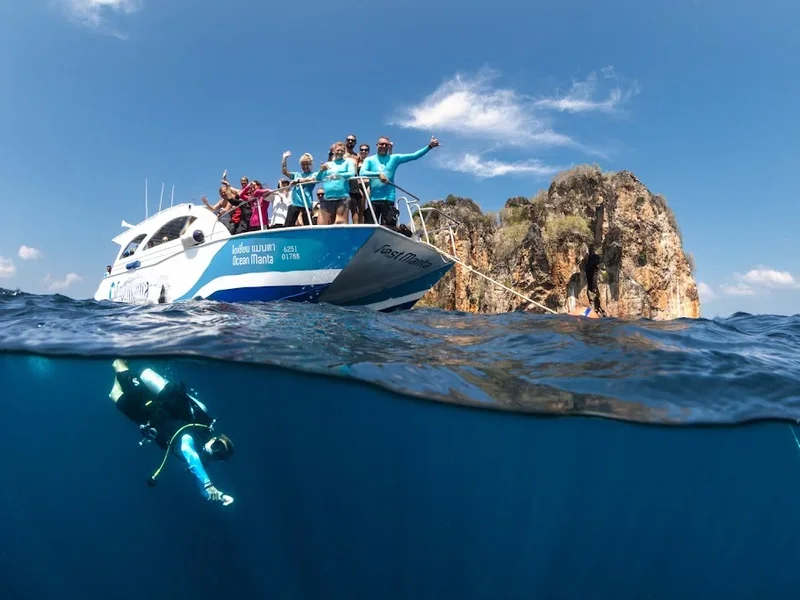
Many local dive operations prioritize comfortable day trips, utilizing spacious, custom-built boats equipped with amenities like shaded decks, fresh water, and often serving meals. This approach allows participants to relax between dives, enjoy the scenic bays, and benefit from experienced local guides who know the sites intimately.
The variety ensures that both those seeking their first breath underwater and seasoned veterans find rewarding experiences here.
Conditions are Moderate
Optimal conditions expected
Current conditions near Phi Phi show 28° air, 30° sea temperature, 1.7 m waves, and 28 km/h wind. Forecast data is refreshed regularly to ensure accuracy.
Best Time to Dive
While diving is possible year-round in Phi Phi, conditions show distinct seasonal patterns for optimal experiences. The peak period, generally from December through May, offers the calmest waters, highest visibility, and warmest temperatures, often reaching 29-30°C / 84-86°F. During these months, air temperatures average between 27.5-29°C, accompanied by significantly lower rainfall, typically under 4.6 mm, which contributes to excellent dive scores. Conversely, the June to September period sees slightly cooler waters, though they rarely drop below 28°C / 82°F. Visibility during this season might range from 10-15m, compared to the best visibility around 30m reported between January and April. Rainfall increases during these months, with September averaging around 10.5 mm.
PEAK SEASON SCORE
Scores combine air & water temps, waves, wind & rainfall for overall conditions.
BEST MONTHS TO DIVE
Monthly records compiled from satellite and marine observation nodes over the last 3 years. Data provided by Open-Meteo and MET Norway.
Dive Experience & Conditions
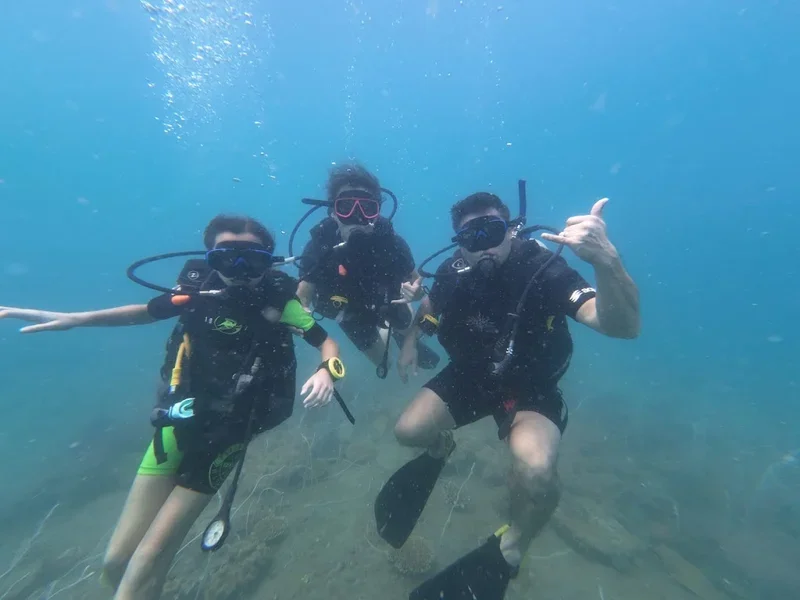
Sliding into Phi Phi's waters evokes a sense of calm and wonder, offering a magical sensation for those breathing underwater for the first time. The clear, shallow areas are ideal for beginners, ensuring close instructor supervision. For certified divers, visibility is often excellent, particularly from January to April, reaching up to 30 m / 100 ft. Water temperatures remain consistently warm, ranging from 28-30°C / 82-86°F throughout the year, making for comfortable dives in a wetsuit or even just swimwear. Dive operators often prioritize small group sizes, fostering a more personalized and relaxed experience, ensuring that each diver receives ample attention and support.
Dive Difficulty & Safety Guidelines
Ensuring diver well-being is a core principle for operations around Phi Phi. Reputable dive centers uphold high safety standards, including regularly servicing all equipment and providing inclusive insurance coverage. For beginners, 'Try Dives' are instructor-led throughout, eliminating the need for prior certification or swimming skills, as participants stay in calm, shallow environments.
Certified divers are encouraged to consider advanced training like the Rescue Diver Course, which builds skills to manage potential emergencies effectively. Adherence to established dive plans and competent supervision are cornerstones of safe diving here.
Recommended Equipment
- Dive Computer
- DSMB
This gear list is based on verified equipment signals for Phi Phi, Thailand. Always confirm final gear choices with your dive operator, guide, or liveaboard.
Recommended Dive Suit
Divers who spend more time observing marine life often prefer slightly warmer gear.
Divers exploring Phi Phi today will likely encounter water temperatures close to 30°C (86°F). Surface air temperatures are resting at 28°C (83°F). Water temperatures in this range are often well suited to diving with dive skin or rash guard. Consider warmer surface protection (like a boat coat) due to brisk winds.
Forecast models indicate that diving conditions should remain largely unchanged.
Emergency & Medical Support
Essential information to help you plan your dive trip to Phi Phi.

Hyperbaric chambers are a critical part of dive safety infrastructure. Availability varies significantly by region, and not all dive areas have immediate access.
Before diving, it's recommended to:
- confirm nearest medical facilities
- check emergency procedures with local dive operators
- ensure dive insurance covers evacuation if required
Divers Alert Network
Diving emergency assistance available through DAN World.
+1-919-684-9111- 24/7 emergency hotline
- Diving medical assistance
- Evacuation coordination
Emergency contacts are provided for reference. Always verify local emergency services before diving.
Marine Life at Phi Phi
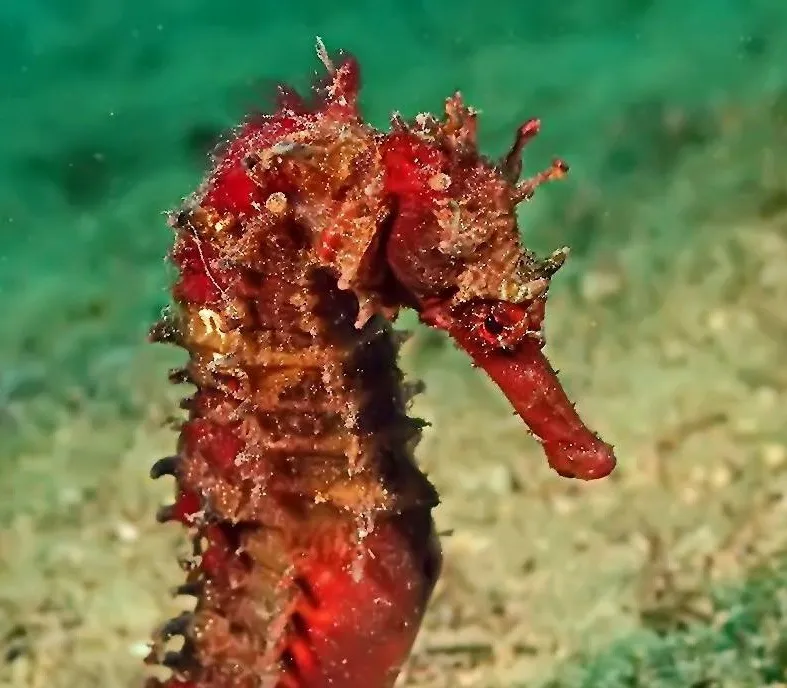
The waters surrounding Phi Phi teem with diverse marine residents, captivating divers at every turn. Keep an eye on the sandy bottoms for resting leopard sharks or search diligently in crevices for mantis shrimp and seahorses.
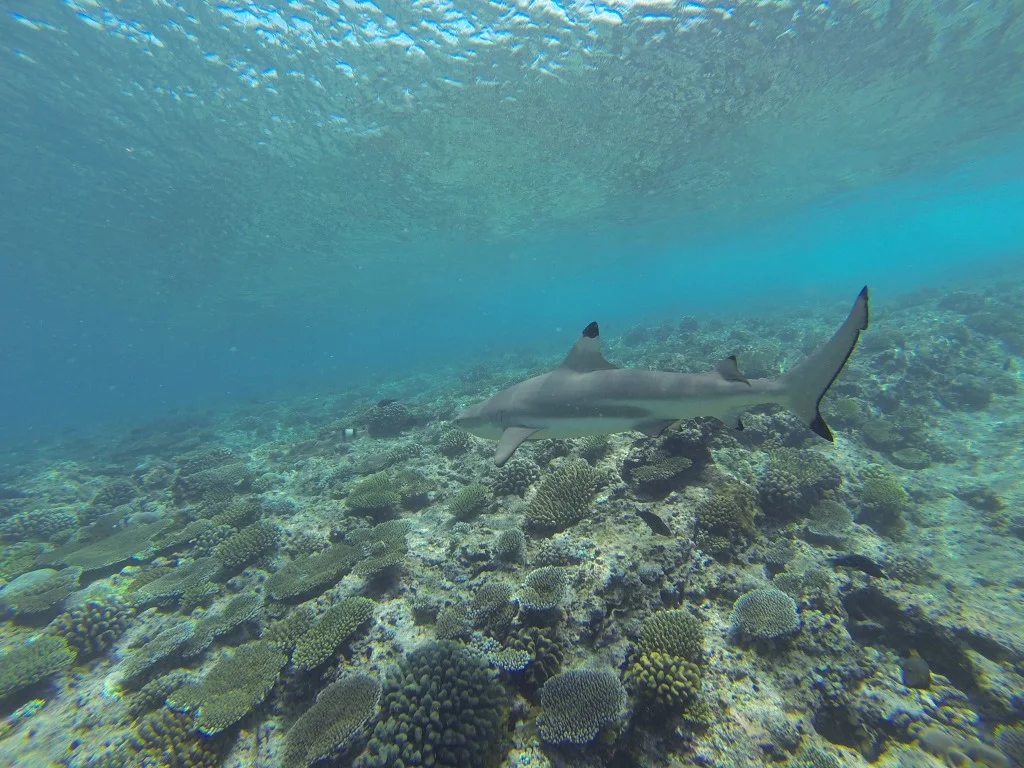
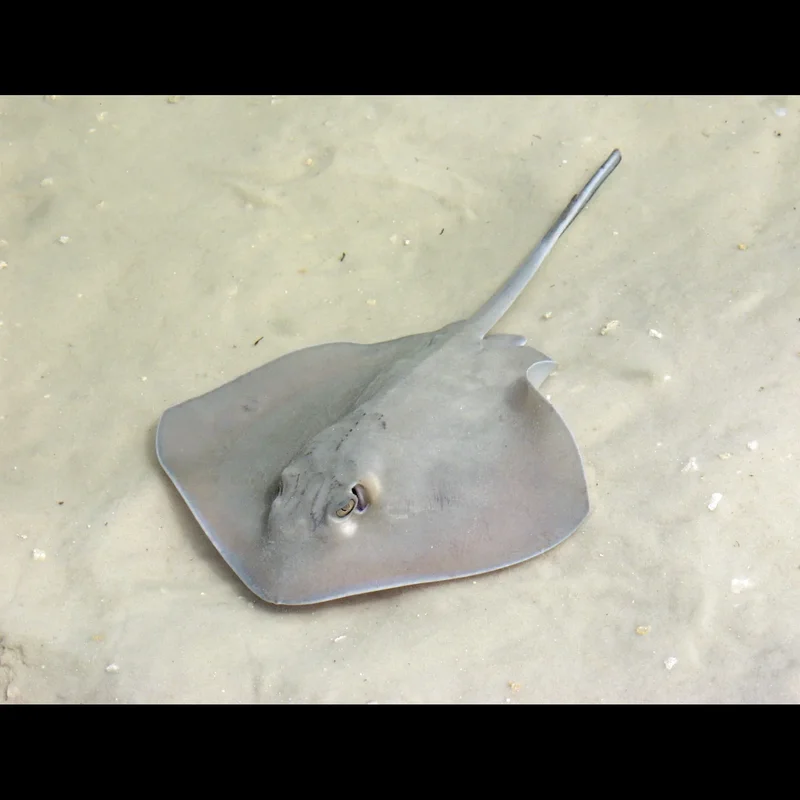
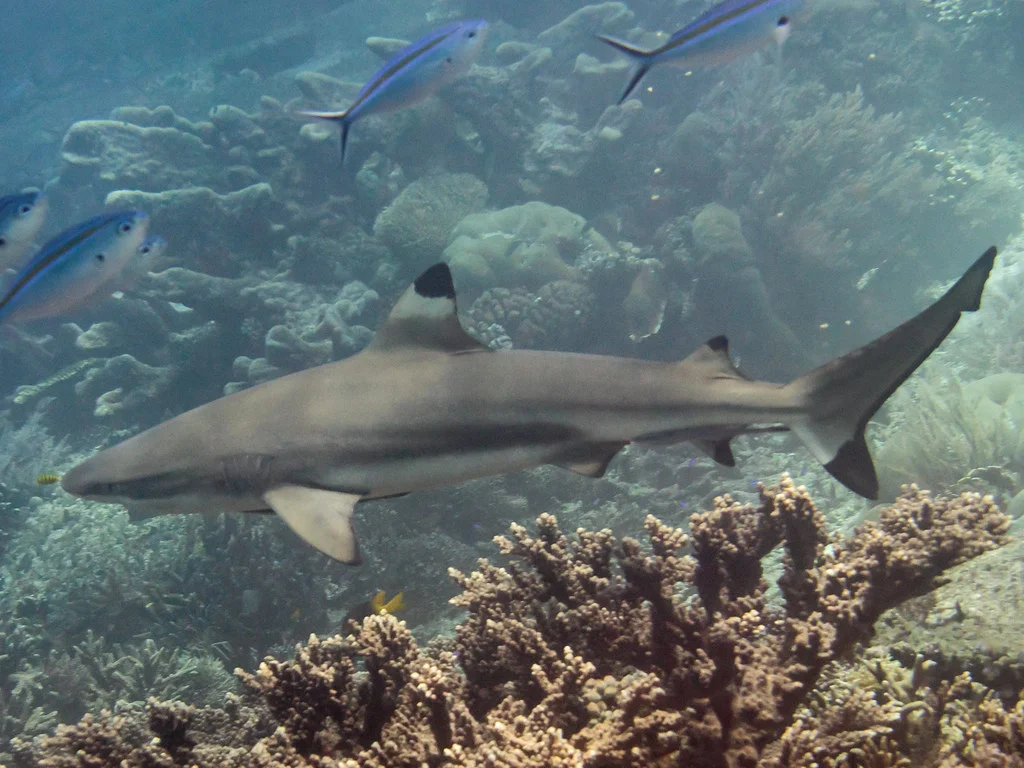
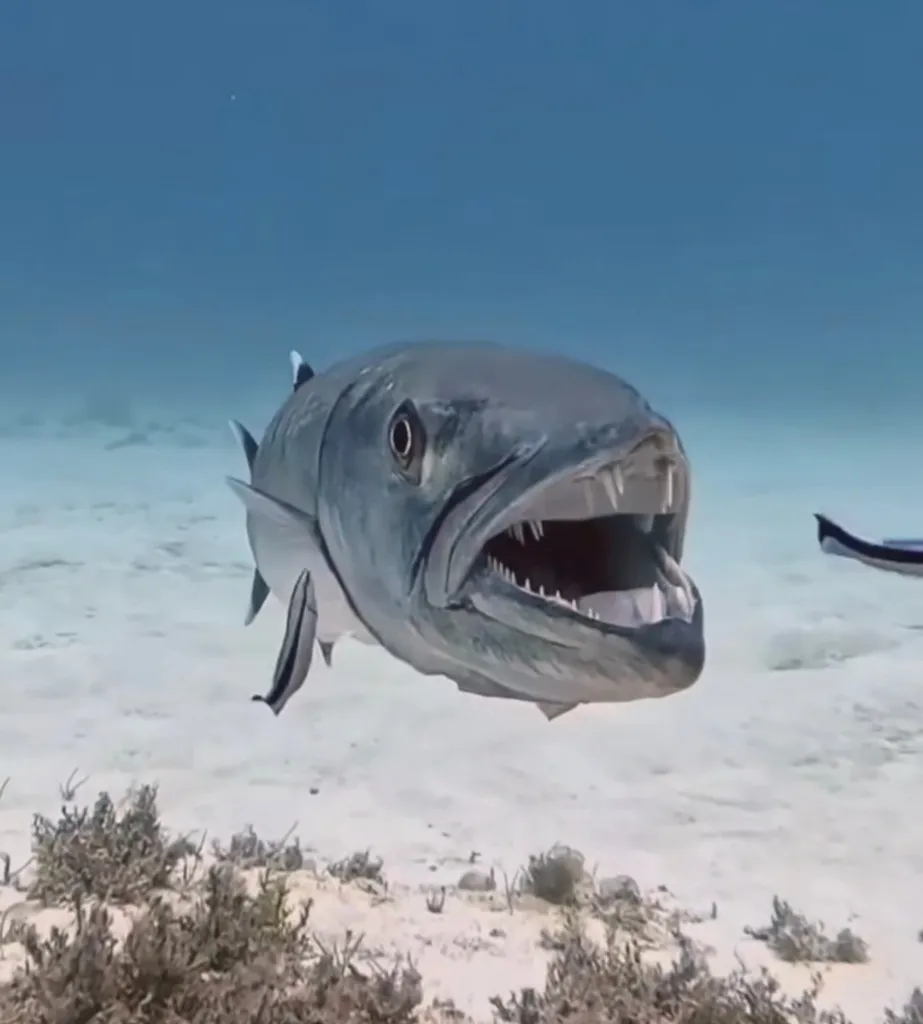
Schools of tropical fish are a constant presence, alongside darting triggerfish and cruising barracuda. Encounters with blacktip reef sharks, various species of turtles, bluespotted stingrays, and banded sea snakes are common.
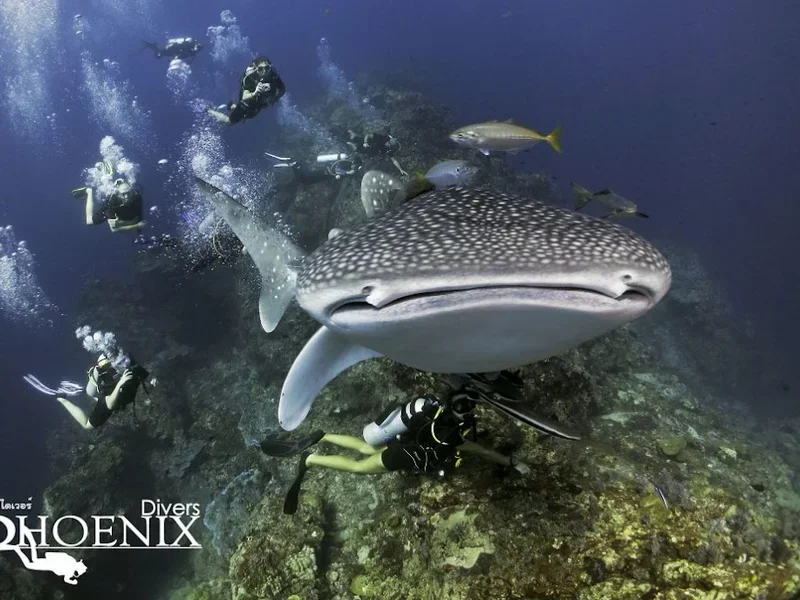
Occasionally, impressive whalesharks traverse these waters, following plankton trails and providing truly memorable sightings for lucky divers.
Dive Sites Near Phi Phi
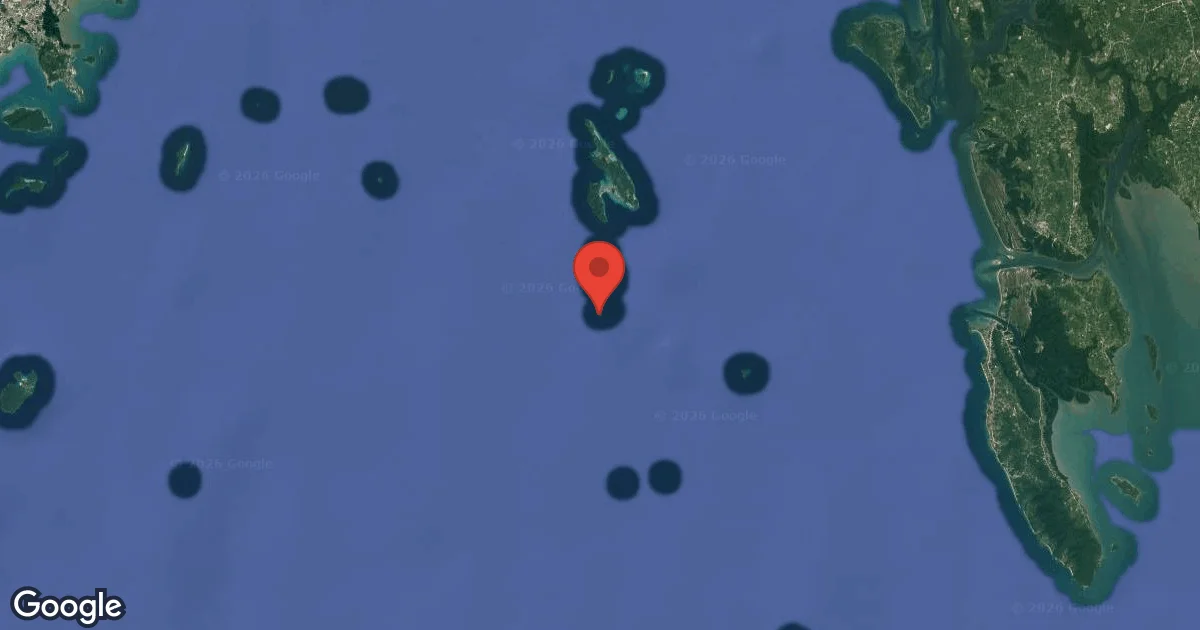
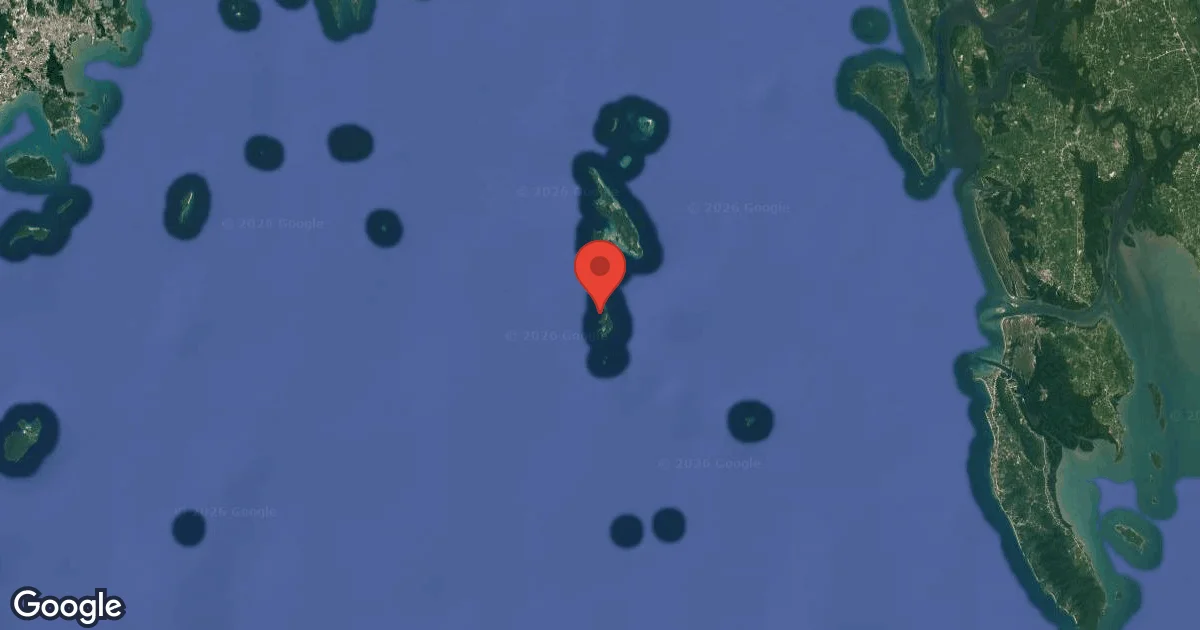
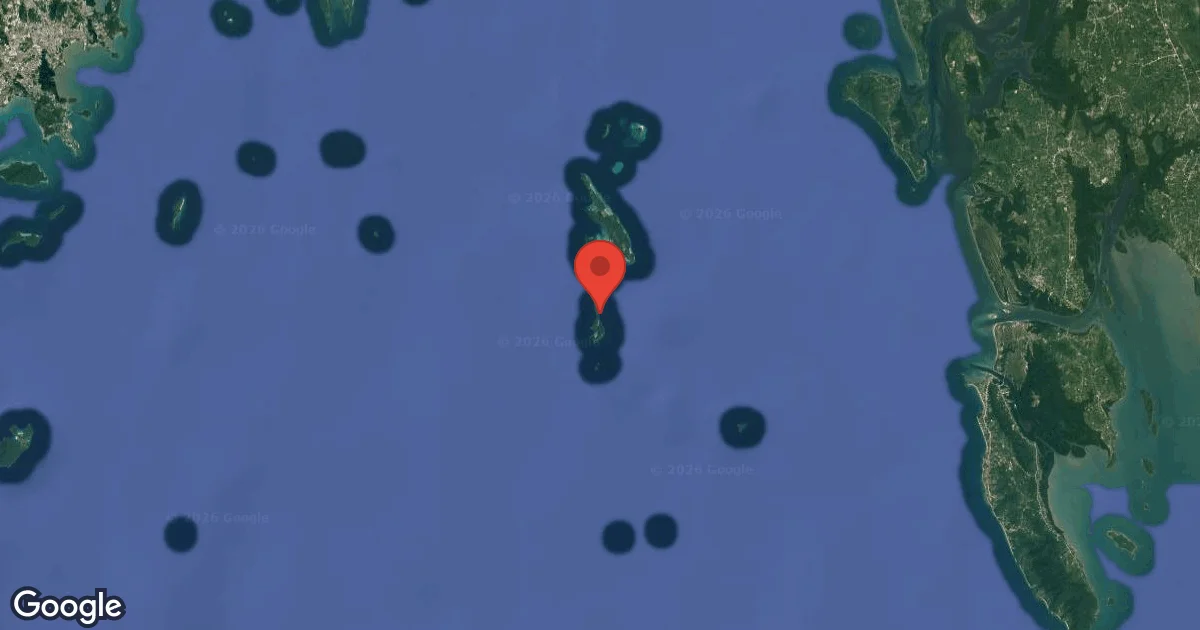
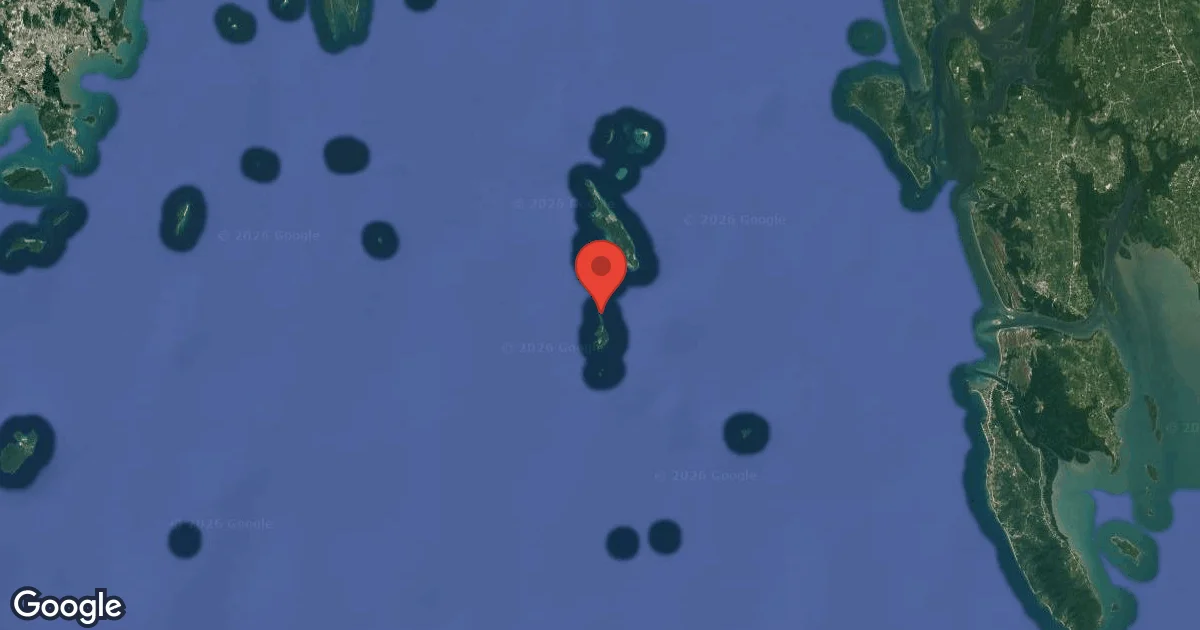
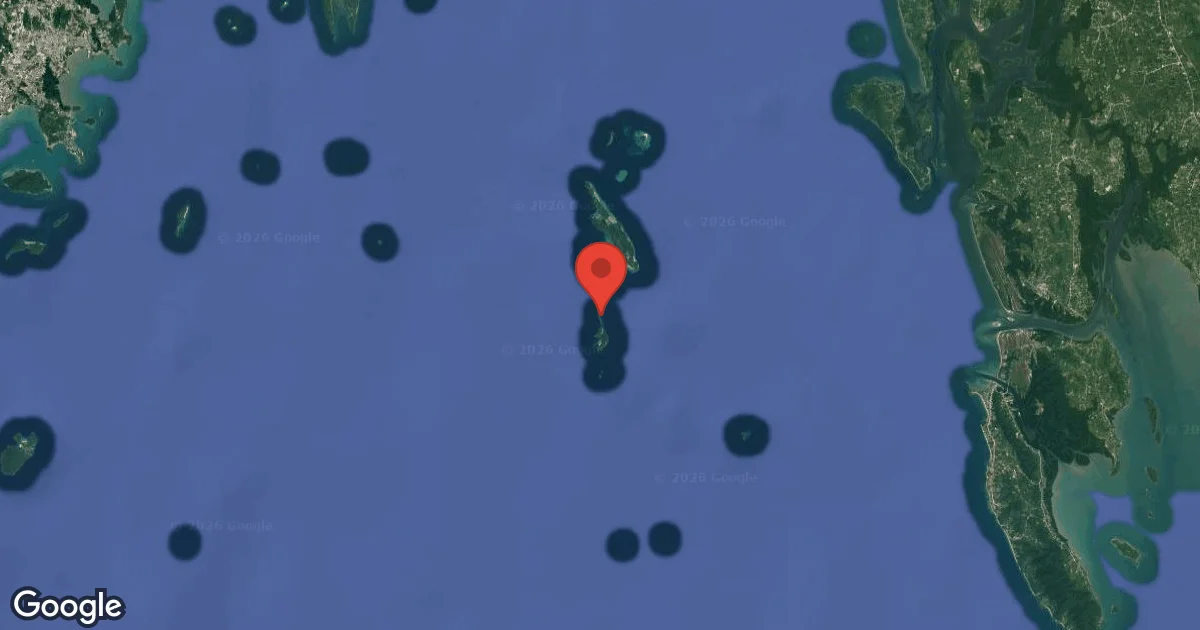
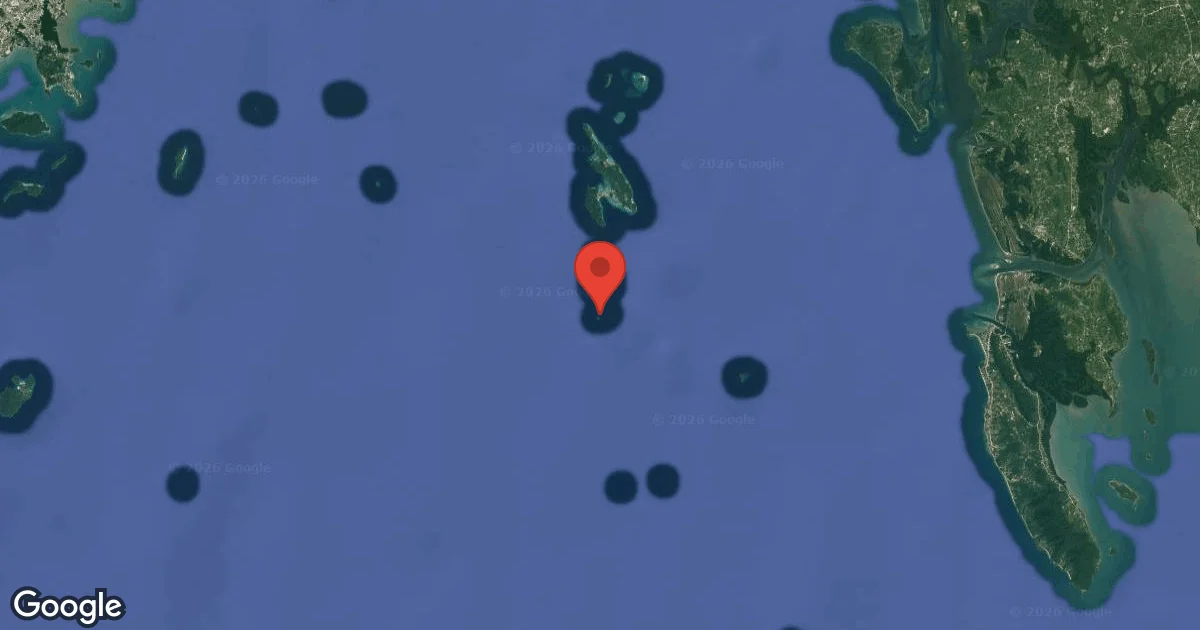
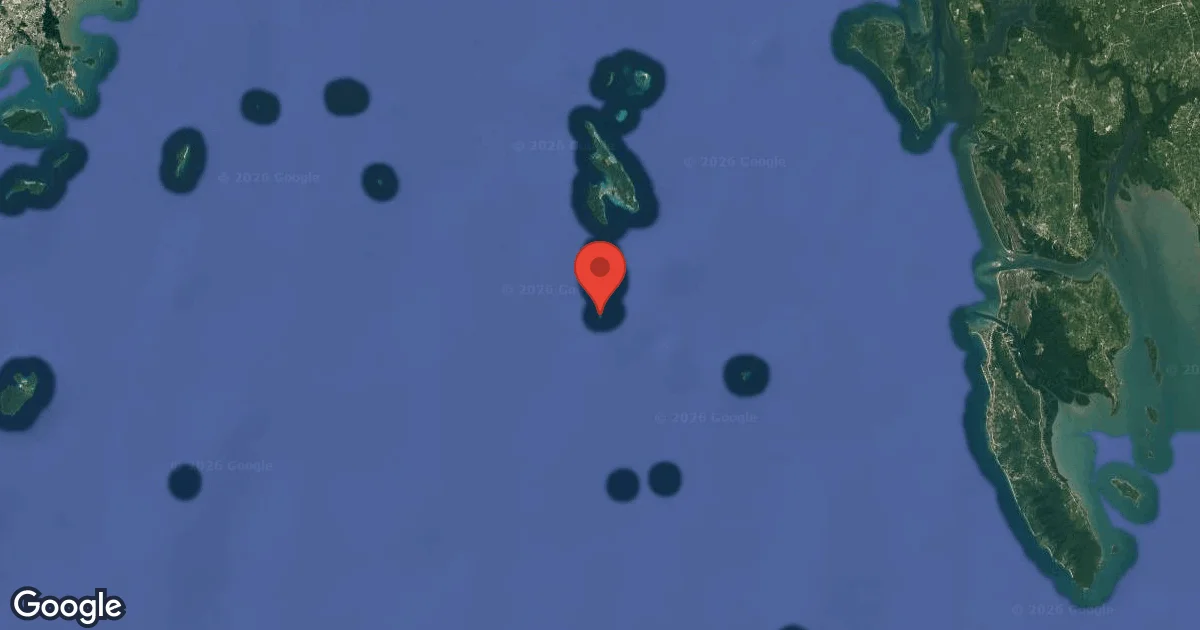
View all dive sites in ThailandDiscover more underwater gems in this area.
Dive Centers Near Phi Phi
Today: 08:00 - 21:00



Nearest Airports
Nearest airports to help plan travel to this dive area.
Search Flights
Check available flights and routes on Expedia, using the nearby airports listed in this section.
Search Flights on ExpediaFrequently Asked Questions
Do I need a license or certification to dive in Phi Phi?
No, a certification isn't always necessary. Beginner 'Try Dive' experiences allow non-certified individuals to explore the underwater world under the direct supervision of a certified instructor. For those seeking independence, courses like Open Water Diver are available.
Do I need to be able to swim to try scuba diving?
Swimming ability isn't a prerequisite for a 'Try Dive.' These experiences are specifically designed for non-swimmers, taking place in calm, shallow waters with continuous instructor supervision.
What's the best way to get to Phi Phi Island?
Phi Phi is exclusively accessible by boat. Ferries and speedboats depart daily from popular hubs like Phuket and Krabi, with journey times typically ranging from 45 to 90 minutes depending on the vessel and departure point.
Do I need to stay overnight on Phi Phi to dive?
Yes, an overnight stay is generally required to participate in diving activities. Many visitors choose to stay two to three nights to fully enjoy the island and its diving opportunities.
Can diving be done year-round in Phi Phi?
Diving is available year-round in Phi Phi. While the best conditions usually occur from December to May with calm, clear, and warm waters, diving remains good even outside this window, with slightly cooler temperatures and varying visibility.
What is the difference between PADI and SSI certifications?
Both PADI and SSI are globally recognized certification agencies for scuba diving. SSI often features a more flexible and digital-first learning system, while PADI traditionally uses physical materials. Both offer comprehensive training and certifications acknowledged worldwide.
Planning to dive Phi Phi?
Send one inquiry and receive offers directly from the best verified local dive operators.
Conditions are Moderate
Optimal conditions expected
Current conditions near Phi Phi show 28° air, 30° sea temperature, 1.7 m waves, and 28 km/h wind. Forecast data is refreshed regularly to ensure accuracy.