
Diving at Ban's Artificial Reef (Thailand)
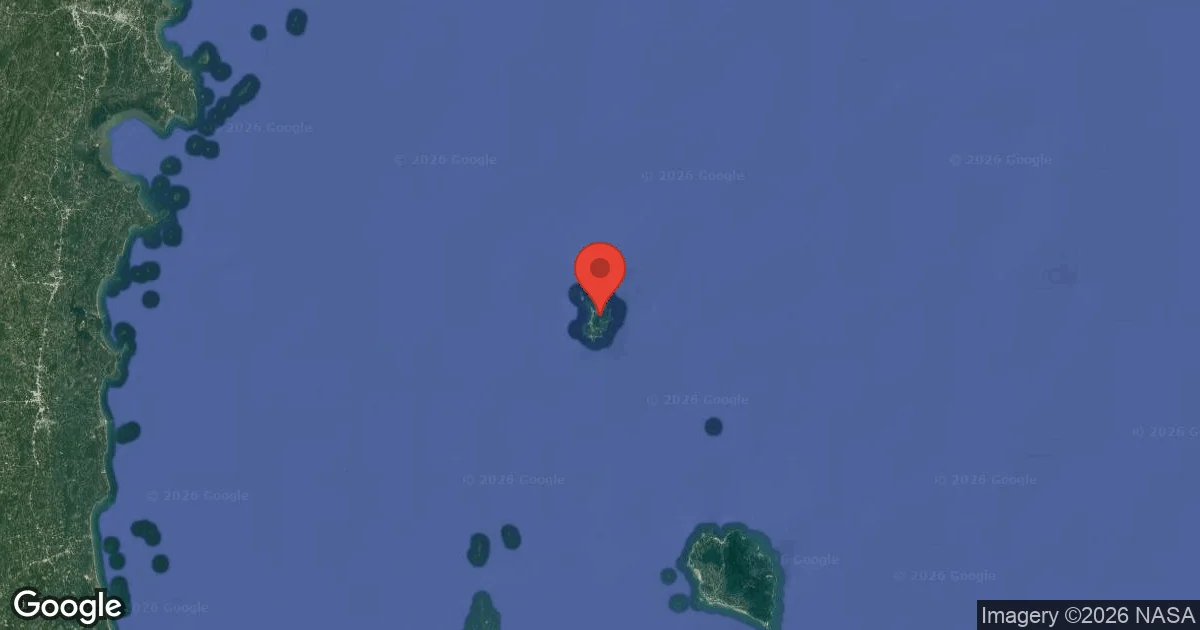
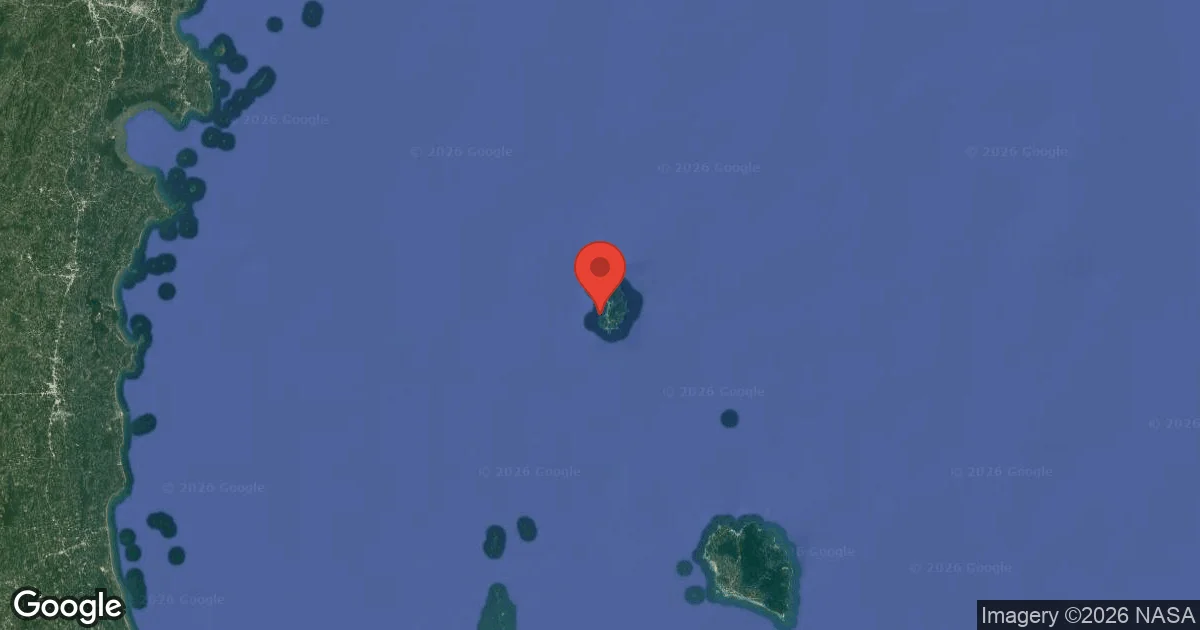
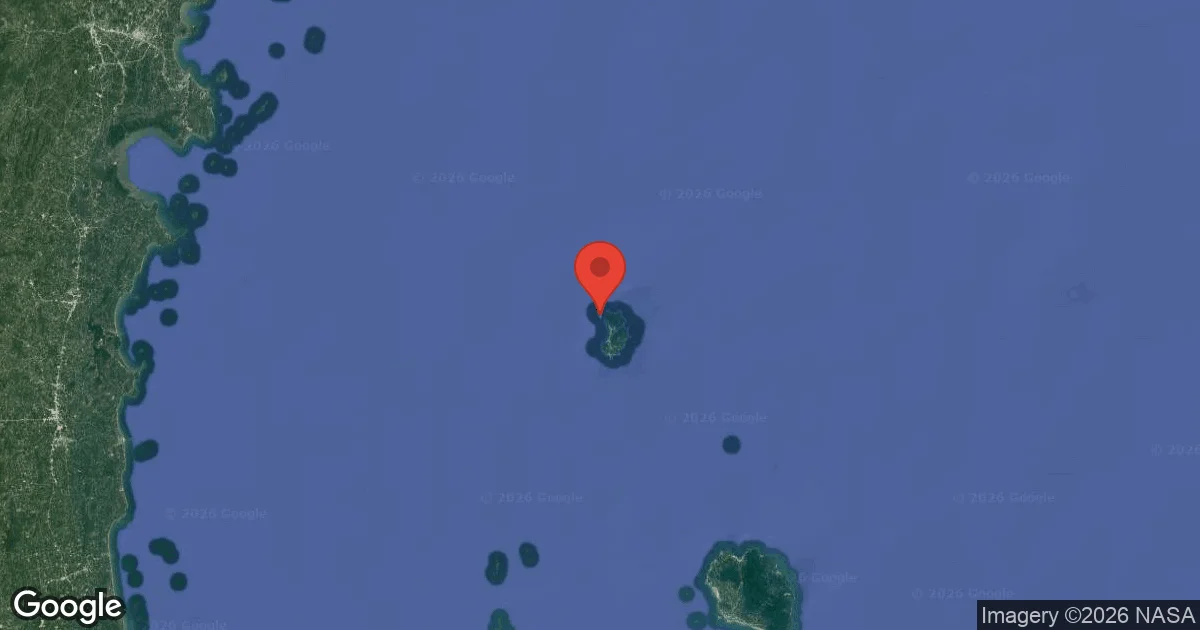
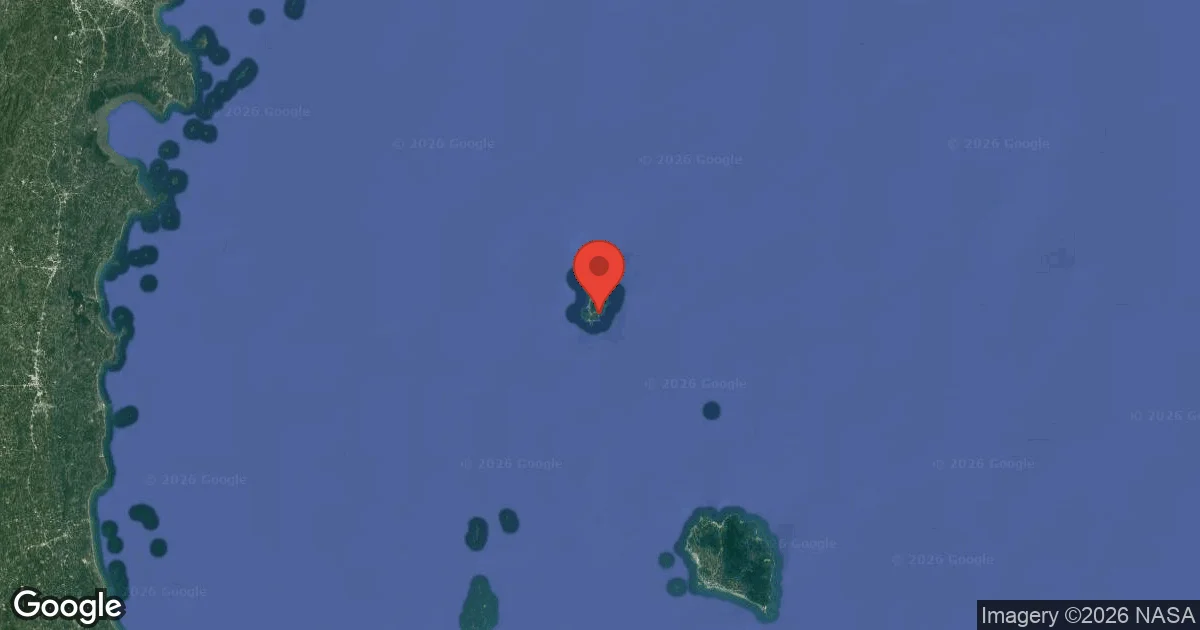
Ban's Artificial Reef presents a distinctive underwater landscape, meticulously crafted to foster marine life and diver interaction. More than a natural coral area, this functions as a living gallery featuring submerged structures like a whaleshark, a school house, and various vehicles. New additions include turtle and ray sculptures alongside farm animal figures, creating an engaging, evolving environment. It provides an unusual blend of conservation effort and exploratory fun for those diving Koh Tao's waters.
Evening condition tracking at Ban's Artificial Reef features an air temperature of 28°C. We have recorded wave heights measuring 0.4 m during this period. These figures outline the environmental parameters currently present.
Dive Site Location & Key Facts
Dive Site Overview
This intricate underwater project originated as a deliberate effort to create new habitats and relieve pressure on natural coral systems around Koh Tao. It began with a vision to rehabilitate and expand marine ecosystems through strategic placement of diverse structures.
Over time, the site has evolved into a sprawling artificial reef, inviting marine species to colonize its various components. Divers can explore dozens of unique submerged installations, from an impressive whaleshark sculpture to a playful buoyancy obstacle course and even decommissioned vehicles. Recent additions further diversify the environment, introducing structures shaped like turtles, rays, and farm animals.
Ongoing development ensures a dynamic dive experience, attracting a variety of fish and providing shelter. Reaching a maximum depth of 12 meters / 39 feet, it's accessible to a wide range of certified divers.
The reef truly functions as a successful coral transplant site, showcasing how human intervention can positively contribute to marine biodiversity and offer intriguing dive explorations.
Conditions are Good
Optimal conditions expected
Current conditions near Ban's Artificial Reef show 28° air, 30° sea temperature, 0.6 m waves, and 28 km/h wind. Forecast data is refreshed regularly to ensure accuracy.
Best Time to Dive
For the most favorable conditions, consider planning dives during the drier, calmer months, specifically March and April, which consistently show 'Excellent' dive scores. During this peak period, average air temperatures hover around 28.5-29.5°C (83-85°F), contributing to comfortable surface intervals. Rainfall is minimal, averaging 1.0-1.6 mm, which helps maintain visibility. Waves are generally low, at approximately 0.3-0.5 meters, and wind speeds are around 21-23 km/h (13-14 mph), ensuring smooth boat entries and calm underwater environments. While diving is considered 'Good' for much of the rest of the year, November and December experience higher average wave heights (0.8-0.9 meters) and increased rainfall (9.4 mm and 4.9 mm respectively), potentially impacting surface conditions and visibility. Even in less ideal months, the site remains accessible, though surface conditions might be choppier.
PEAK SEASON SCORE
Scores combine air & water temps, waves, wind & rainfall for overall conditions.
BEST MONTHS TO DIVE
Monthly records compiled from satellite and marine observation nodes over the last 3 years. Data provided by Open-Meteo and MET Norway.
Dive Experience & Conditions
Divers approach Ban's Artificial Reef via both boat and shore entries, offering flexibility depending on the dive operator and preferred logistics. Once submerged, depths reach around 12 meters, making this an ideal site for various certification levels, including newer divers. Conditions are typically calm, with mild currents that enhance drift around structures rather than posing a challenge. Underwater visibility varies but generally allows for clear views of the intricate artificial installations. A unique buoyancy obstacle course provides a practical and engaging way for divers to hone their skills amidst the various sculptures. Navigating between the whaleshark, school house, vehicles, and newer turtle and ray structures feels like an underwater treasure hunt, each section revealing new details. Structures themselves act as focal points, making navigation straightforward.
Dive Difficulty & Safety Guidelines
Approaching Ban's Artificial Reef requires a foundational understanding of responsible diving practices. Due to the presence of numerous artificial structures and delicate coral transplants, maintaining excellent buoyancy control is paramount. Divers should consciously avoid contact with any part of the reef, both natural and artificial, to prevent damage and protect marine inhabitants.
While there are no consistently reported severe hazards, it's always prudent to dive within your certification limits and with a buddy. A shallow maximum depth of 12 meters makes it suitable for Open Water divers, but advanced buoyancy skills enhance the experience and reduce environmental impact.
Always adhere to local dive center briefings, which will cover any specific site conditions or temporary guidelines. Respecting the marine environment here means leaving everything as found, except for photographic memories.
Recommended Equipment
- Dive Computer
This gear list is based on verified equipment signals for Ban's Artificial Reef, Thailand. Always confirm final gear choices with your dive operator, guide, or liveaboard.
Recommended Dive Suit
With water temperatures around 30°C (85°F), many divers find a dive skin or rash guard provides comfortable protection.
Local conditions can vary slightly across different parts of the same dive site.
Weather projections show fairly stable environmental conditions ahead.
Emergency & Medical Support
Essential information to help you plan your dive trip to Ban's Artificial Reef.

Hyperbaric chambers are a critical part of dive safety infrastructure. Availability varies significantly by region, and not all dive areas have immediate access.
Before diving, it's recommended to:
- confirm nearest medical facilities
- check emergency procedures with local dive operators
- ensure dive insurance covers evacuation if required
Divers Alert Network
Diving emergency assistance available through DAN World.
+1-919-684-9111- 24/7 emergency hotline
- Diving medical assistance
- Evacuation coordination
Emergency contacts are provided for reference. Always verify local emergency services before diving.
Marine Life at Ban's Artificial Reef
Ban's Artificial Reef's intricate landscape provides varied habitats for a range of marine creatures. As structures mature and coral transplants thrive, they attract a growing diversity of fish species seeking shelter and feeding grounds.
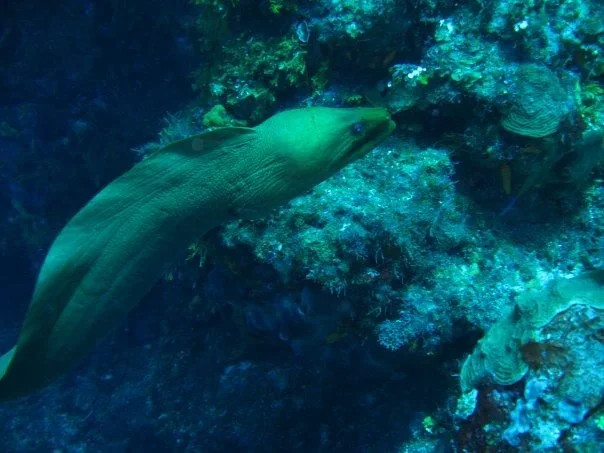
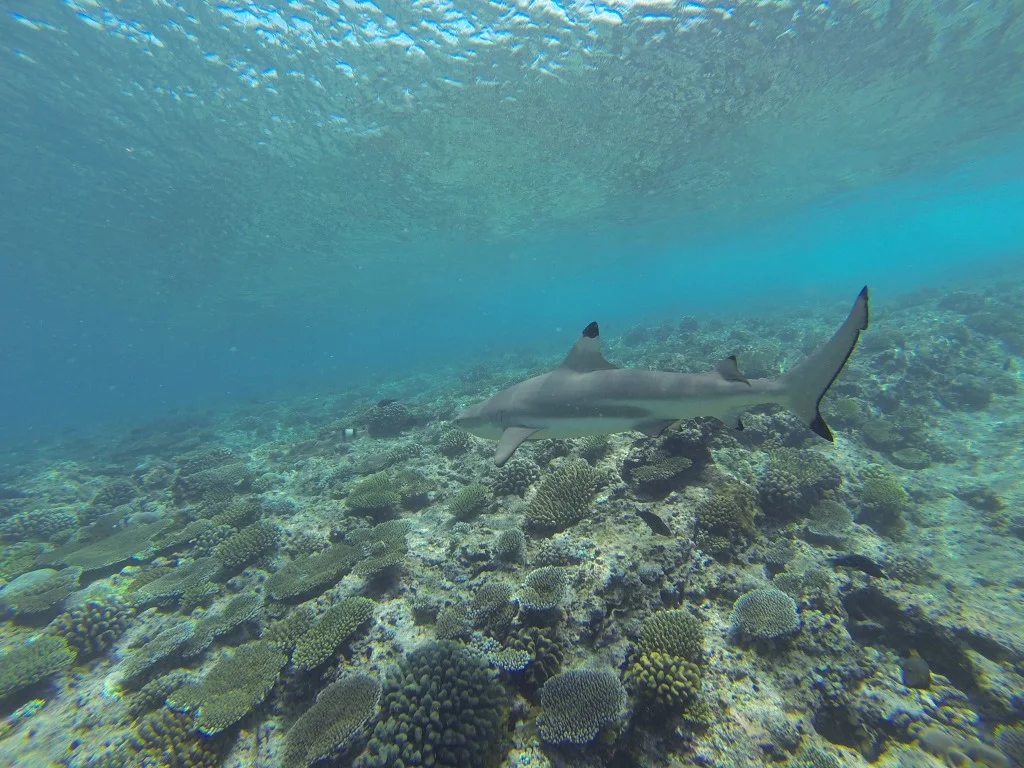
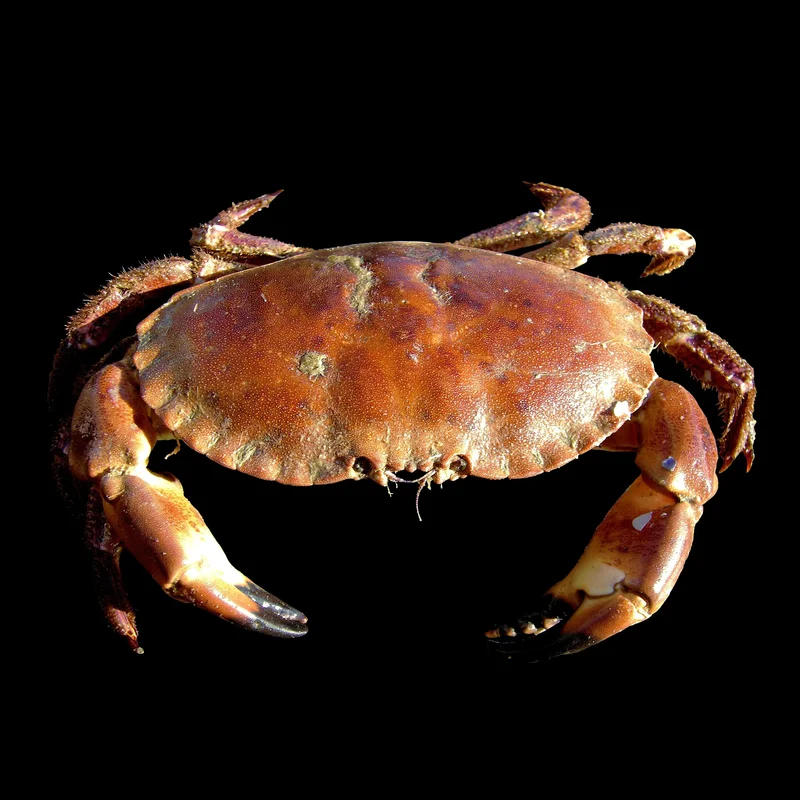
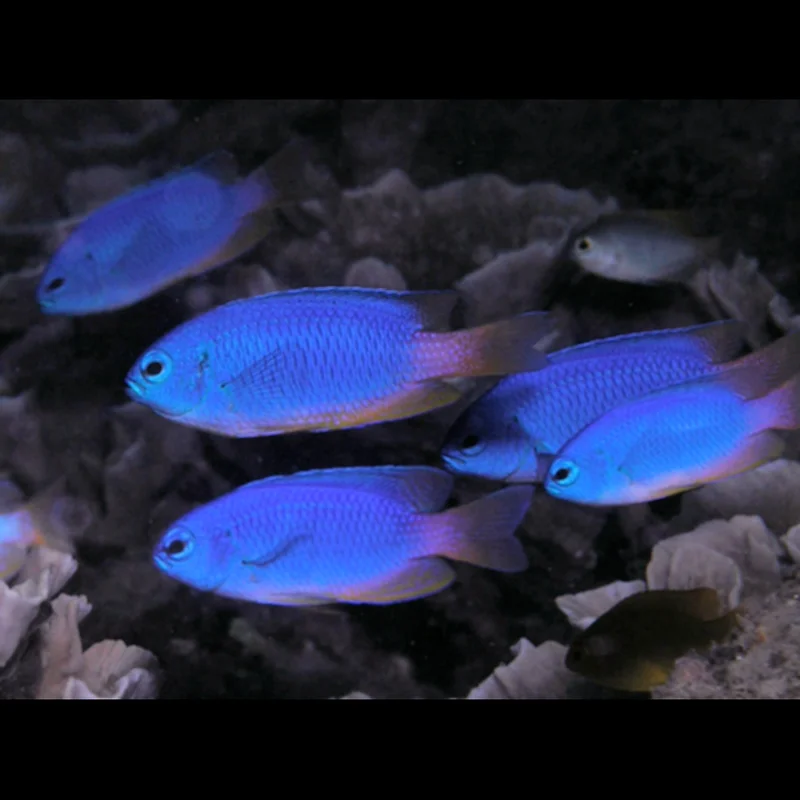
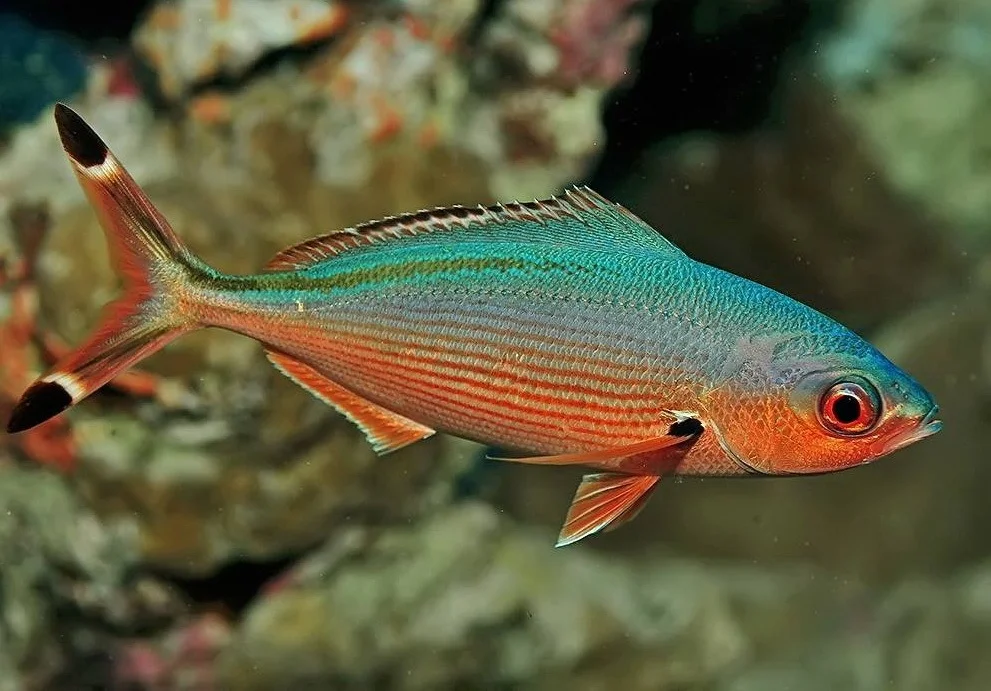
While consistent reports of larger pelagics like sharks, whales, or dolphins at this specific site are not uniformly documented for a 12-meter reef, sightings of turtles occur periodically. Artificial elements, including the school house and vehicle frames, become home to smaller reef fish, crabs, and nudibranchs. Keep an eye out for resident damselfish, fusiliers, and perhaps a moray eel peeking from a crevice.
Dive Sites Near Ban's Artificial Reef
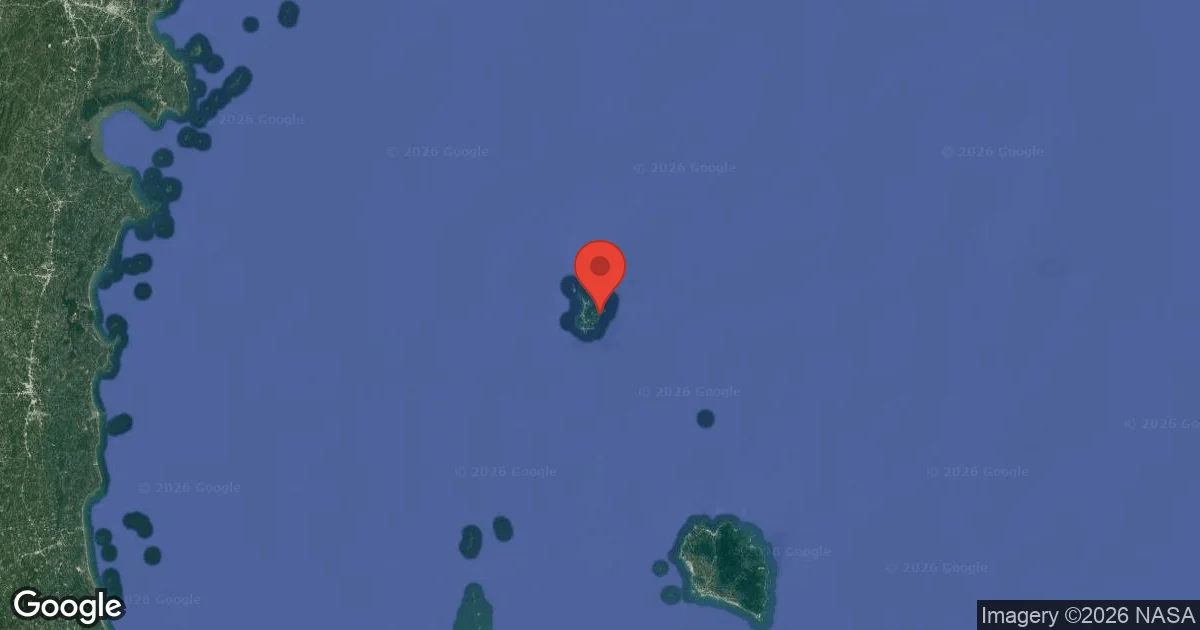
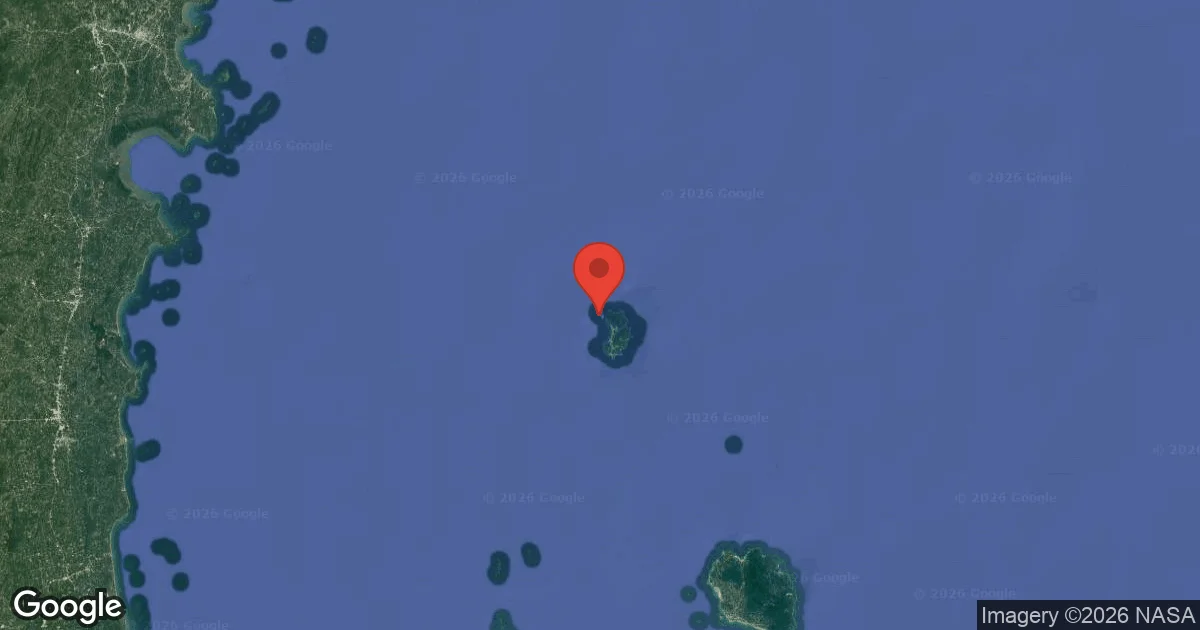
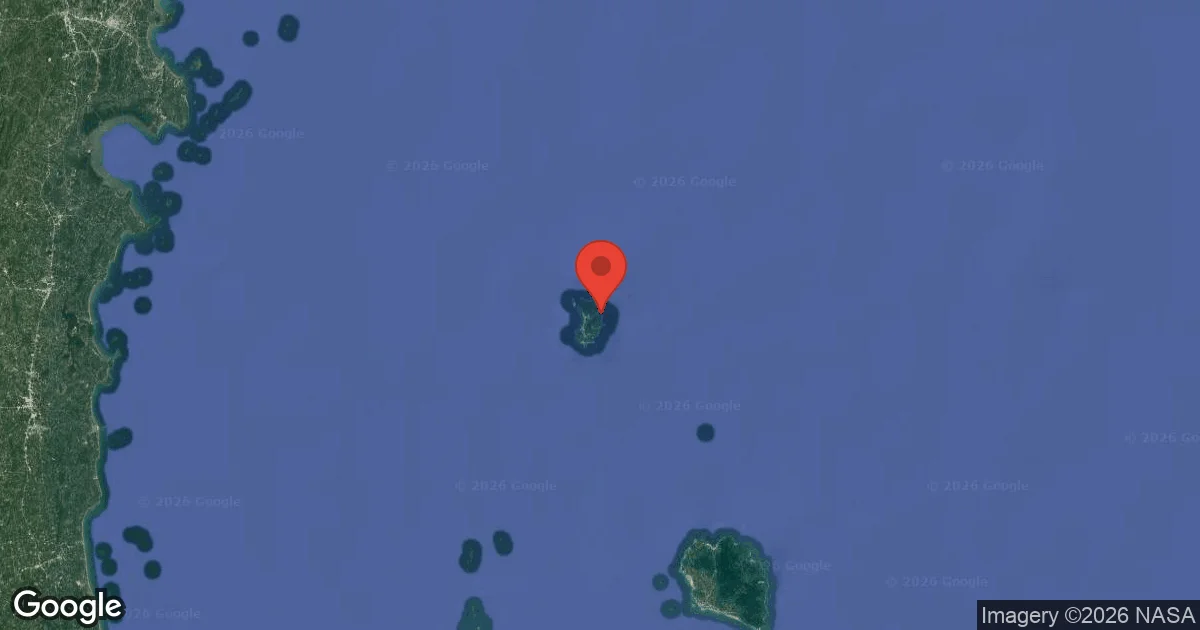
View all dive sites in ThailandDiscover more underwater gems in this area.
Dive Centers Near Ban's Artificial Reef
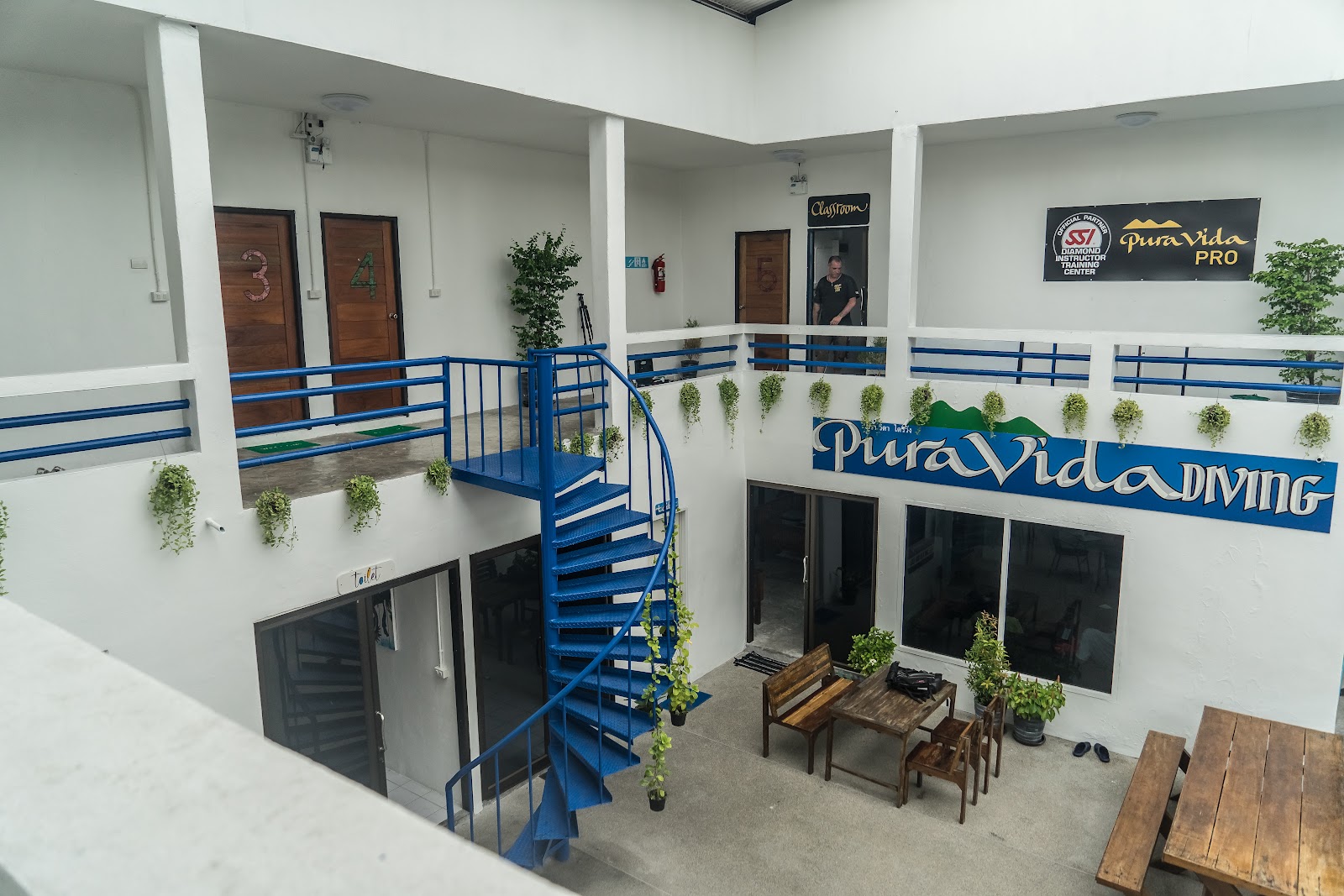
Today: 09:00 - 19:00

Nearest Airports
Nearest airports to help plan travel to this dive area.
Search Flights
Check available flights and routes on Expedia, using the nearby airports listed in this section.
Search Flights on ExpediaFrequently Asked Questions
What is Ban's Artificial Reef?
Ban's Artificial Reef is a man-made dive site designed to promote marine life and relieve pressure on natural reefs. It features various structures like sculptures of a whaleshark, a school house, vehicles, and more recent additions of turtles and rays. The site serves as a coral transplant area, continuously evolving to create new habitats.
What is the maximum depth at Ban's Artificial Reef?
The site reaches a maximum depth of 12 meters / 39 feet. It's accessible and enjoyable for divers of various certification levels, including those with Open Water certification. This depth also contributes to longer bottom times and good ambient light.
What kind of structures can divers explore?
Divers can explore a variety of unique submerged installations, including a large whaleshark sculpture, a school house, and even decommissioned vehicles. Newer structures shaped like turtles, rays, and farm animals have also been added. There is also a buoyancy obstacle course for skill practice.
Is Ban's Artificial Reef suitable for beginner divers?
Yes, with depths reaching 12 meters, it is well-suited for Open Water certified divers and those still gaining experience. Typically calm conditions and mild currents contribute to an accessible and enjoyable dive. However, good buoyancy control is always recommended around structures.
What marine life can be seen at this artificial reef?
The artificial structures attract various marine species, including numerous reef fish, crabs, and nudibranchs. While sightings of larger pelagics like sharks or whales are not consistently reported for this shallow reef, turtles are seen periodically. Keep an eye out for smaller inhabitants like damselfish and fusiliers that utilize the structures for shelter.
How do divers access Ban's Artificial Reef?
Divers can access Ban's Artificial Reef via both boat and shore entries. Most dive operators in Koh Tao arrange boat trips to the site. Shore entry is also possible, offering flexibility depending on your dive plan and logistical preferences.
What are the best months to dive Ban's Artificial Reef?
The best months for diving are typically March and April, which offer excellent conditions with minimal rain and calm seas. While diving is good for much of the year, these months provide the most comfortable surface intervals and generally clearer underwater visibility. Other months might experience slightly higher waves or rainfall.
Planning to dive Ban's Artificial Reef?
Send one inquiry and receive offers directly from the best verified local dive operators.
Conditions are Good
Optimal conditions expected
Current conditions near Ban's Artificial Reef show 28° air, 30° sea temperature, 0.6 m waves, and 28 km/h wind. Forecast data is refreshed regularly to ensure accuracy.