
Diving at Bida Nok (Thailand)
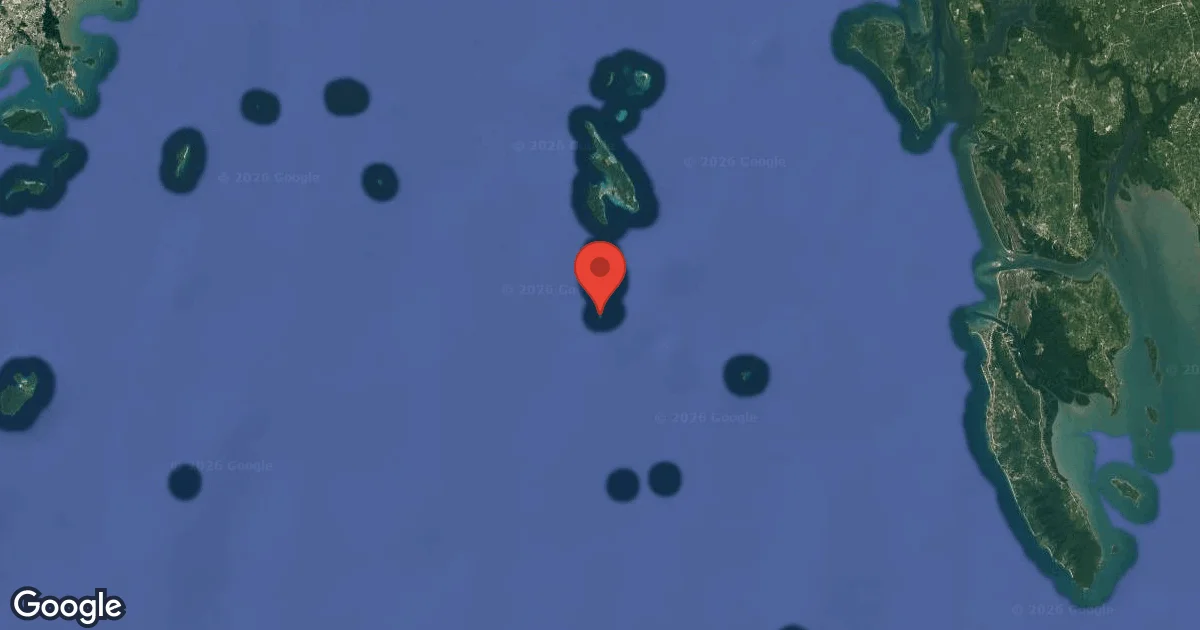
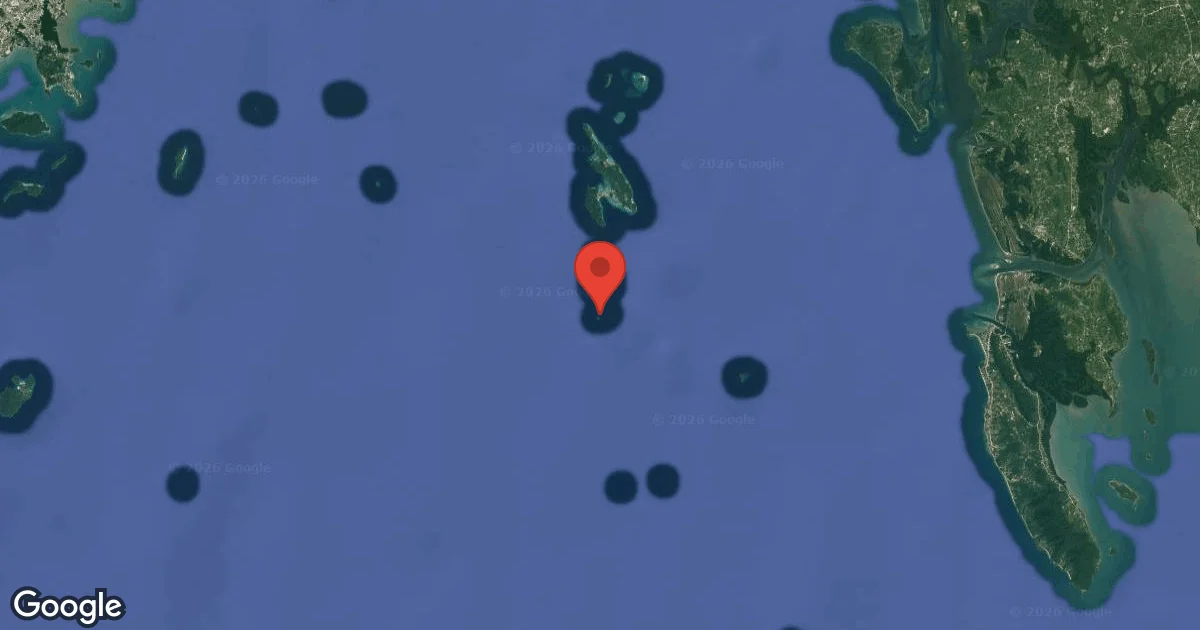
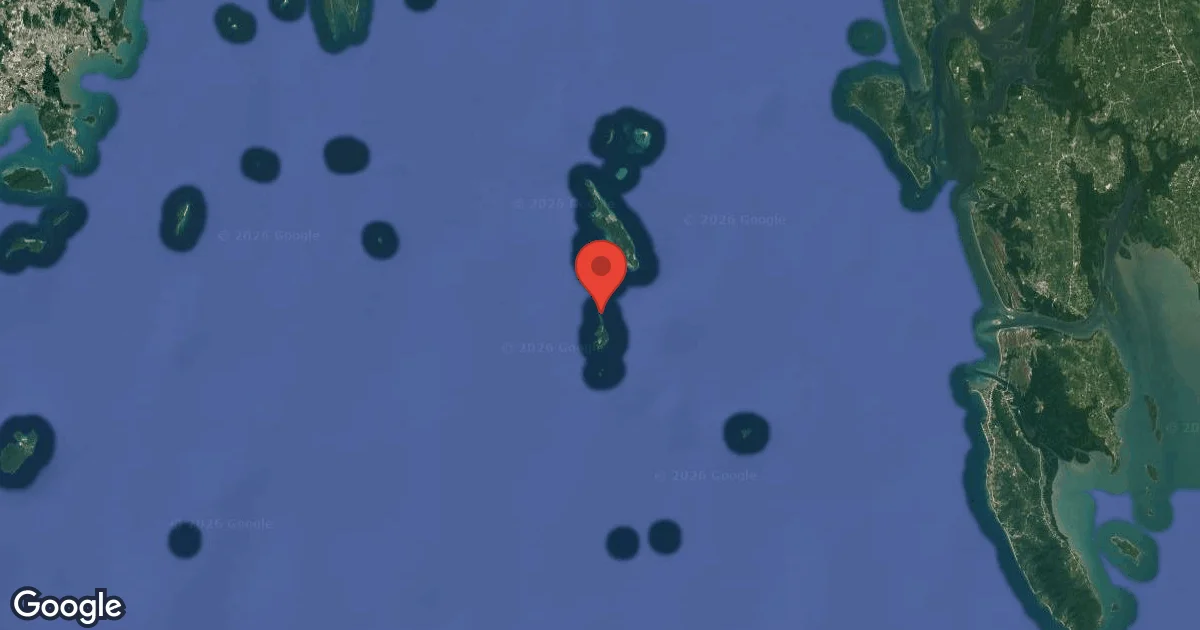
While Bida Nok offers incredible marine diversity and stunning underwater topography, divers should be prepared for potential currents, particularly near the northern entry point. This exposed island site, a significant boat journey from major hubs, features dramatic walls, sloping reefs, and sandy expanses. Its varied conditions cater to a broad range of experience levels, from beginner-friendly shallow bays to deeper areas suitable for advanced drift diving. Always assess local conditions and consult your dive guide for the safest approach.
Afternoon measurements for Bida Nok show the air has reached 28.5°C. The recorded surface conditions at this location feature wave heights of 0.2 m. These metrics are updated to reflect the ongoing daily shifts.
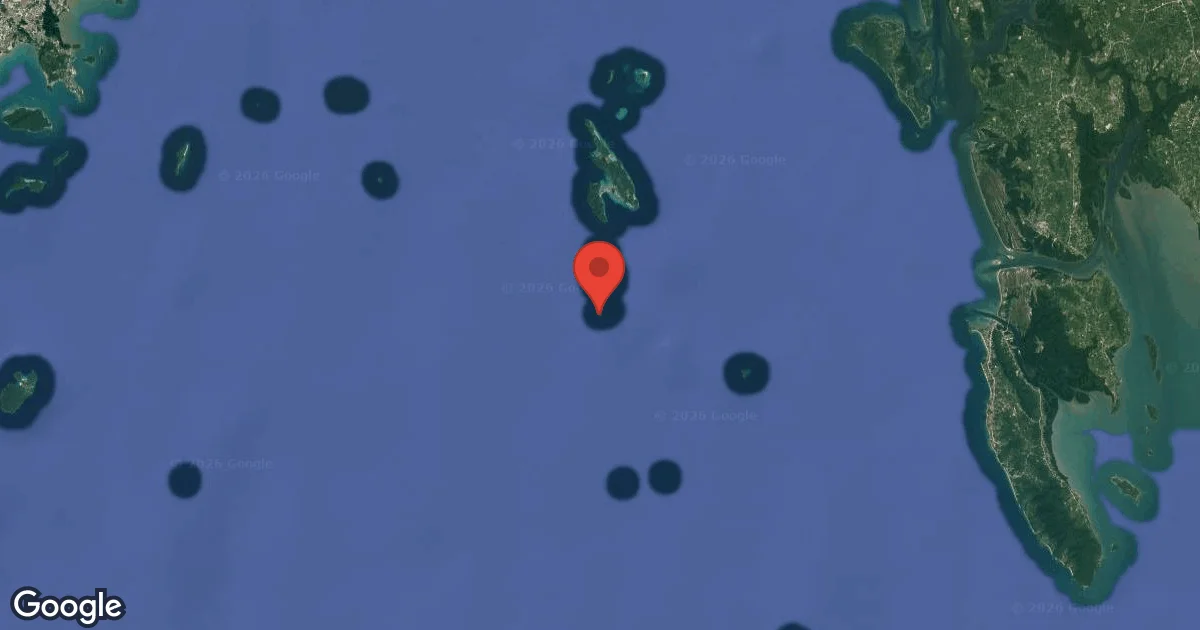
Dive Site Location & Key Facts
Dive Site Overview
Bida Nok has long been recognized as a standout dive destination within the Phi Phi Islands, consistently earning its reputation among divers for exceptional visibility and a remarkable diversity of marine life. A prominent feature of the Andaman Sea, this impressive limestone island has become a cherished site for both recreational and technical divers due to its rich underwater topography and vibrant ecosystem.
Over the years, it's particularly gained acclaim as one of the premier locations for encountering blacktip reef sharks in the region. A varied underwater landscape transitions from shallow reefs and plateaus around 3 m / 10 ft to dramatic walls and sloping reefs that descend to depths of approximately 30 m / 100 ft. Its extensive depth range and varied terrain, including sandy bottoms, small caverns, and expansive crevices, accommodate all certification levels, often serving as the memorable conclusion for PADI Open Water Diver courses in its calmer, shallower southern bay.
More experienced divers often explore the deeper western walls or enjoy extended dives with rebreathers, drawn by the sheer volume of life. Its consistent draw underscores its enduring appeal as a quintessential Thai dive experience.
Conditions are Good
Optimal conditions expected
Current conditions near Bida Nok show 29° air, 31° sea temperature, 0.4 m waves, and 21 km/h wind. Forecast data is refreshed regularly to ensure accuracy.
Best Time to Dive
To truly appreciate Bida Nok's full splendor, targeting the dry season months offers the most favorable conditions for divers. From December through April, site conditions generally yield its highest dive scores, indicating excellent overall conditions. During this period, average air temperatures comfortably range between 27.5-29°C / 82-84°F, with minimal rainfall. January, February, and March stand out, recording the lowest average rainfall, often less than 1.5 mm, which typically contributes to calmer seas and better underwater visibility. While diving remains good throughout the year, the monsoon season, particularly from May to November, sees increased rainfall and slightly higher wave heights, potentially impacting surface conditions and visibility on certain days. Even during these months, average air temperatures remain warm, hovering around 28-29°C / 82-84°F. However, for an optimal experience focused on clear waters and comfortable boat rides to this slightly exposed island, the drier, calmer months are generally preferred, minimizing the likelihood of rougher surface conditions.
PEAK SEASON SCORE
Scores combine air & water temps, waves, wind & rainfall for overall conditions.
BEST MONTHS TO DIVE
Monthly records compiled from satellite and marine observation nodes over the last 3 years. Data provided by Open-Meteo and MET Norway.
Dive Experience & Conditions
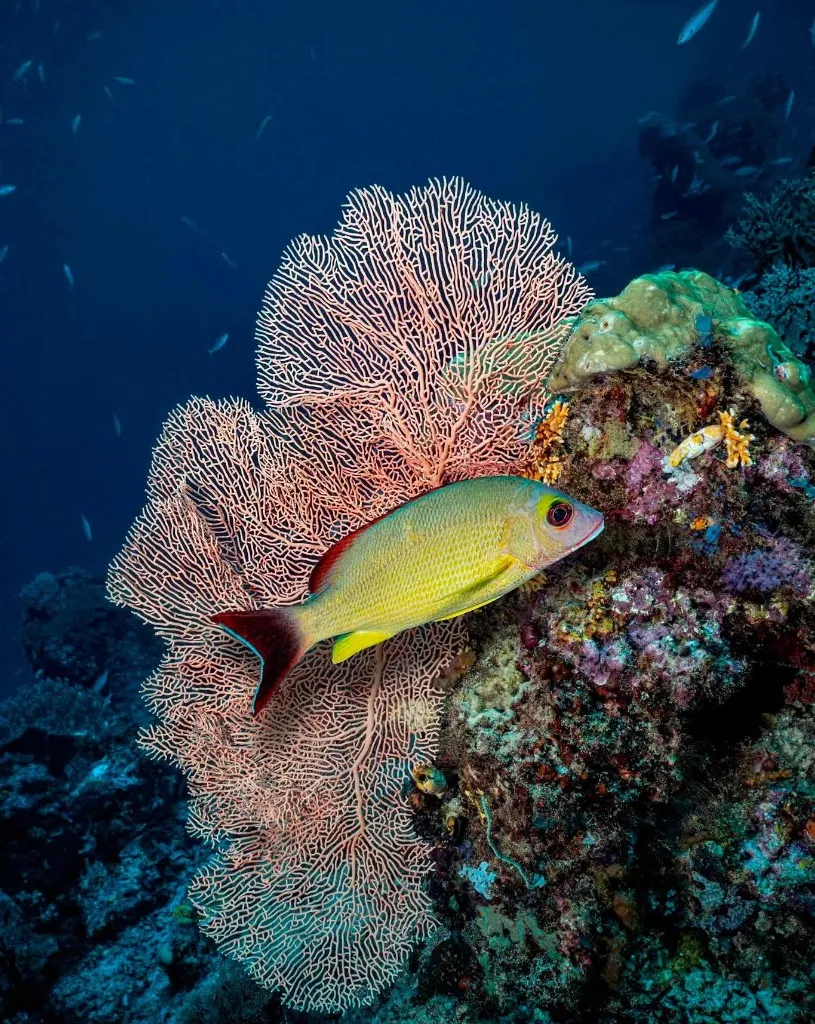
Descending into Bida Nok, divers will encounter a topography that transforms dramatically based on the chosen entry point. For beginners and those completing certifications, a southern bay offers a gentle introduction, with shallow reefs and plateaus starting around 3 m / 10 ft, gradually sloping to about 20 m / 65 ft on the east side. Here, the sandy bottom is dotted with hard coral pinnacles, providing sheltered areas. Experienced divers often begin their descent from the northern entry, immediately exploring the deeper sections along the western wall. This route allows for a gradual ascent, following the vibrant wall as it slopes upwards. At approximately 18 m / 60 ft, divers often discover sandy patches interspersed with coral outcroppings, a known area for spotting blacktip reef sharks. Further along the western side, a small coral garden leads to an impressive swim-through, often teeming with glassfish. Dives typically conclude in the picturesque shallow bay at around 6 m / 20 ft, an ideal spot for a safety stop amidst snappers and sea fans.
Dive Difficulty & Safety Guidelines
Approaching Bida Nok requires consideration of diver skill levels and the specific conditions of each dive. A northern entry point is generally recommended for advanced and experienced divers, who can comfortably navigate potential currents that vary with tidal movements. Conversely, a southern entry provides a more protected and beginner-friendly experience, making it an excellent choice for training dives or less experienced divers.
Regardless of your entry, always dive with a local guide who understands the site's nuances and can advise on prevailing conditions, especially regarding currents. Site marine life includes blacktip reef sharks; these animals are typically on the move and pose minimal threat, but maintaining a respectful distance and observing passively is always advised.
Prioritize safety by staying aware of your depth, air consumption, and no-decompression limits, particularly when exploring deeper walls or swim-throughs.
Recommended Equipment
Current and surface separation risk. Local briefing strongly recommended.
- Dive Computer
- DSMB
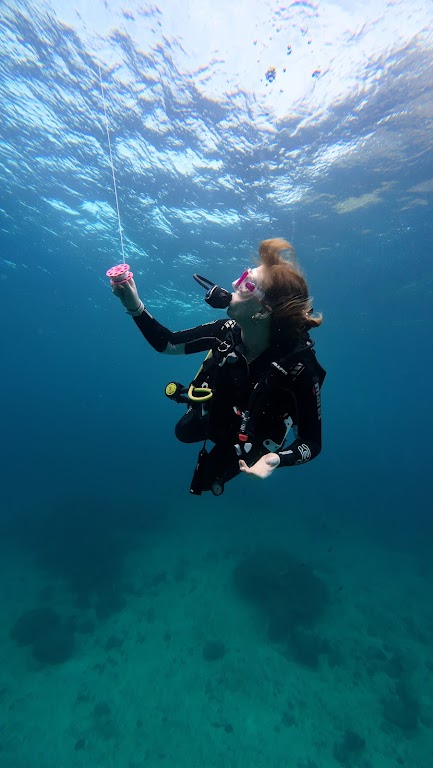
- Reel / Spool
This gear list is based on verified equipment signals for Bida Nok, Thailand. Always confirm final gear choices with your dive operator, guide, or liveaboard.
Recommended Dive Suit
The latest conditions reported around Bida Nok place the water temperature close to 31°C (87°F). Surface air temperatures are resting at 29°C (83°F).
Dive skin or rash guard generally offers enough warmth for most dives under these conditions.
Forecast trends indicate little change in overall diving conditions during the next few days.
Due to technical issues with our weather providers, live updates are temporarily delayed. The data above reflects the conditions at the time of the last successful fetch.
Emergency & Medical Support
Essential information to help you plan your dive trip to Bida Nok.

Hyperbaric chambers are a critical part of dive safety infrastructure. Availability varies significantly by region, and not all dive areas have immediate access.
Before diving, it's recommended to:
- confirm nearest medical facilities
- check emergency procedures with local dive operators
- ensure dive insurance covers evacuation if required
Divers Alert Network
Diving emergency assistance available through DAN World.
+1-919-684-9111- 24/7 emergency hotline
- Diving medical assistance
- Evacuation coordination
Emergency contacts are provided for reference. Always verify local emergency services before diving.
Marine Life at Bida Nok
Divers exploring Bida Nok regularly observe a diverse array of marine life, thriving across varied habitats. Along the sloping reefs and sandy bottoms, stingrays are frequently spotted on the substrate.
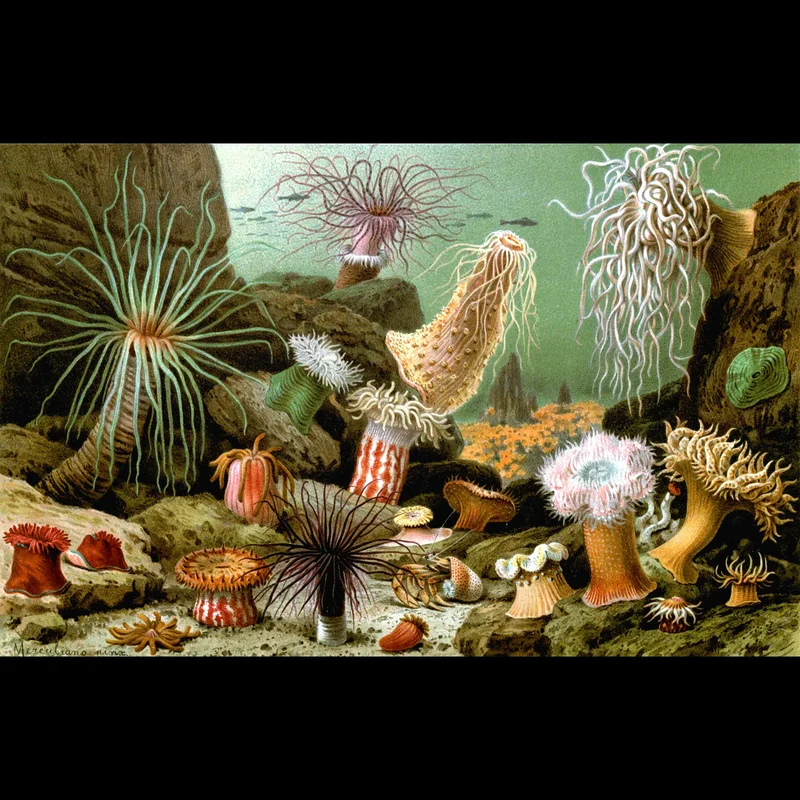
With careful observation, divers might discover seahorses and ornate ghost pipefish camouflaged amongst the vibrant hard and soft corals. Limestone walls are adorned with stunning sea fans, anemones, and barrel sponges, creating intricate backdrops.
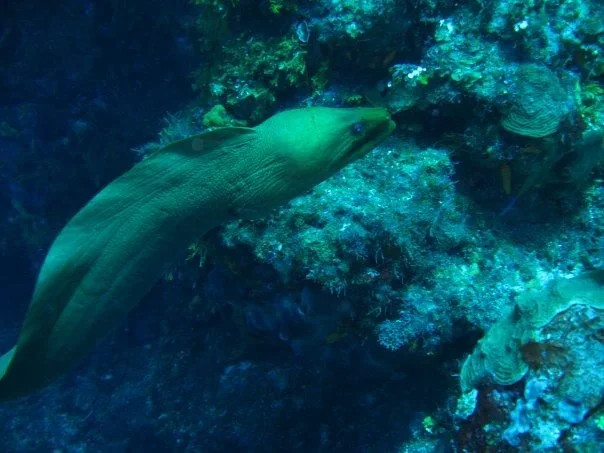
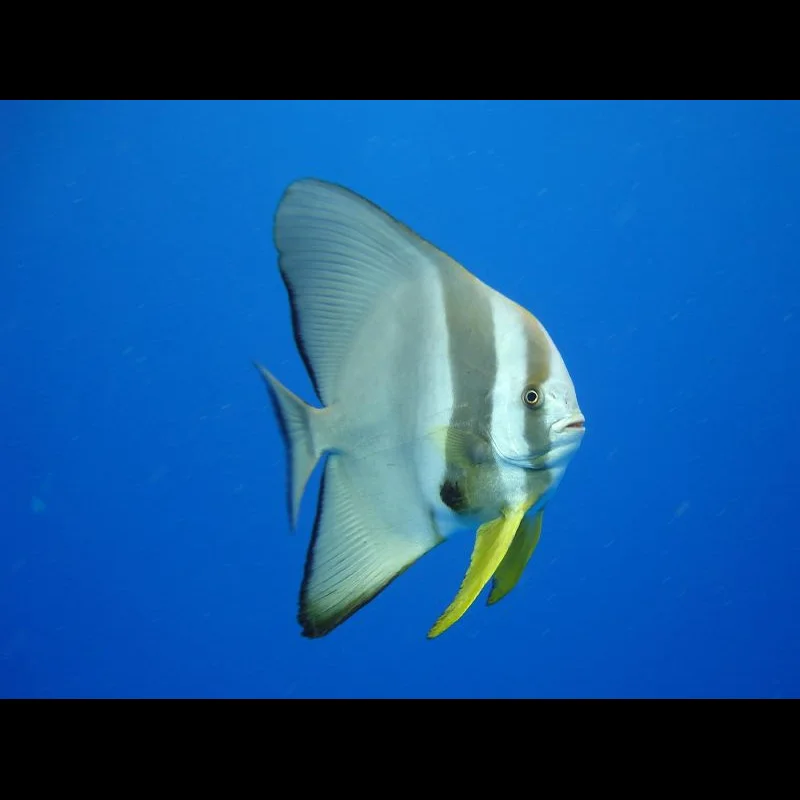
Giant moray eels, emperor angelfish, and batfish are resident here. The site is particularly recognized for encounters with blacktip reef sharks, which often patrol deeper sandy areas and shallow plateaus. Schools of yellow and five-lined snappers are a common sight, sometimes enveloping divers.
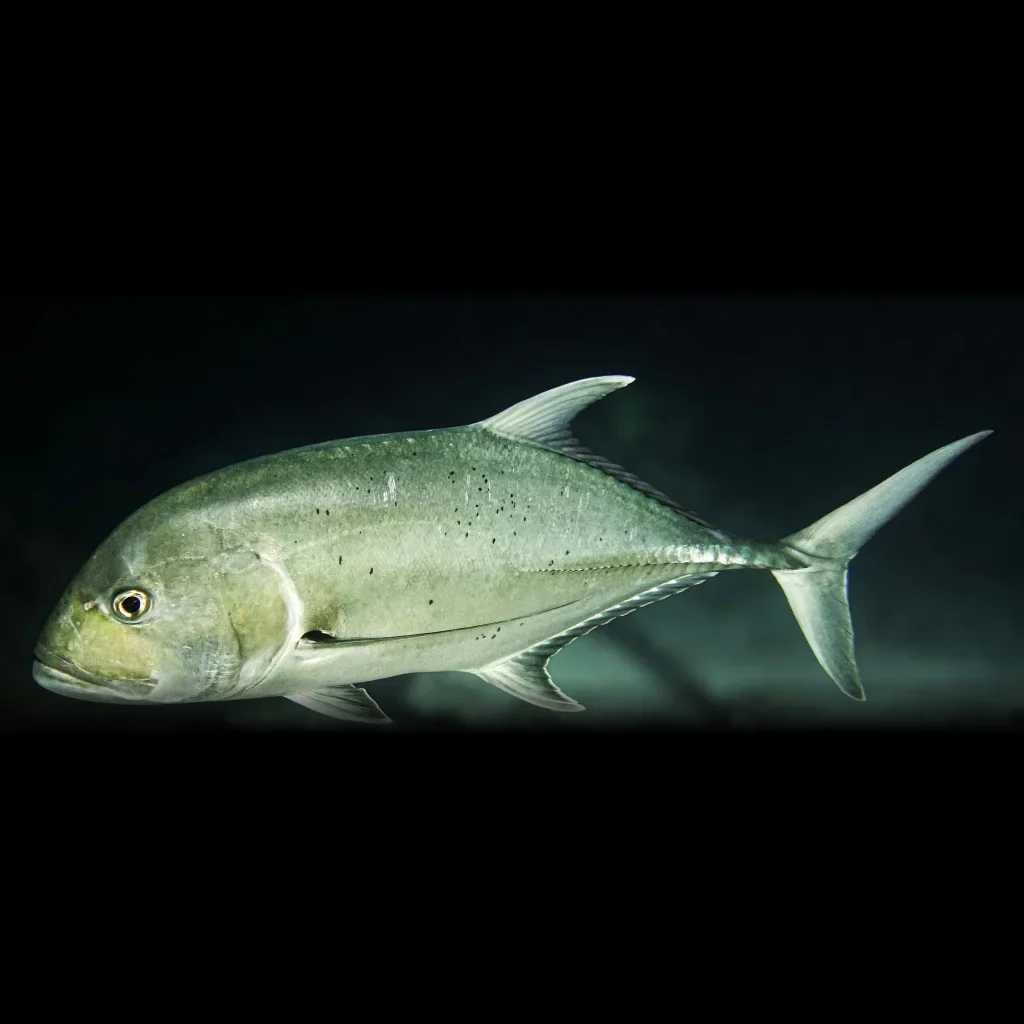
Giant trevally can also be observed hunting glassfish near the reef. Turtles and leopard sharks are also regular visitors, further enhancing the rich biodiversity.
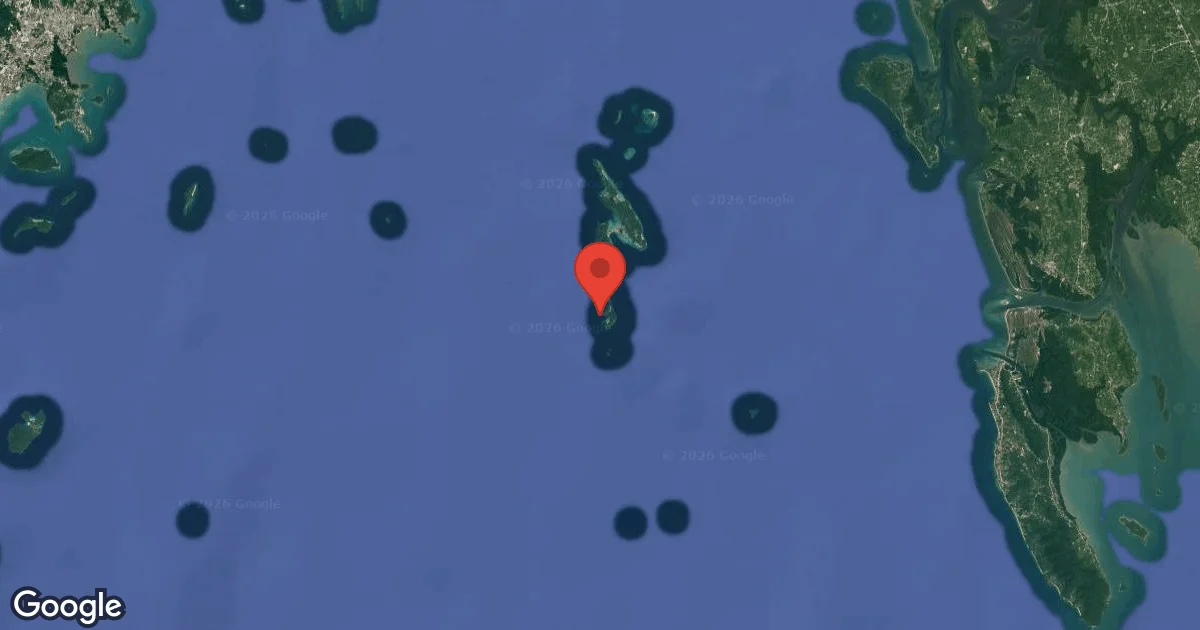
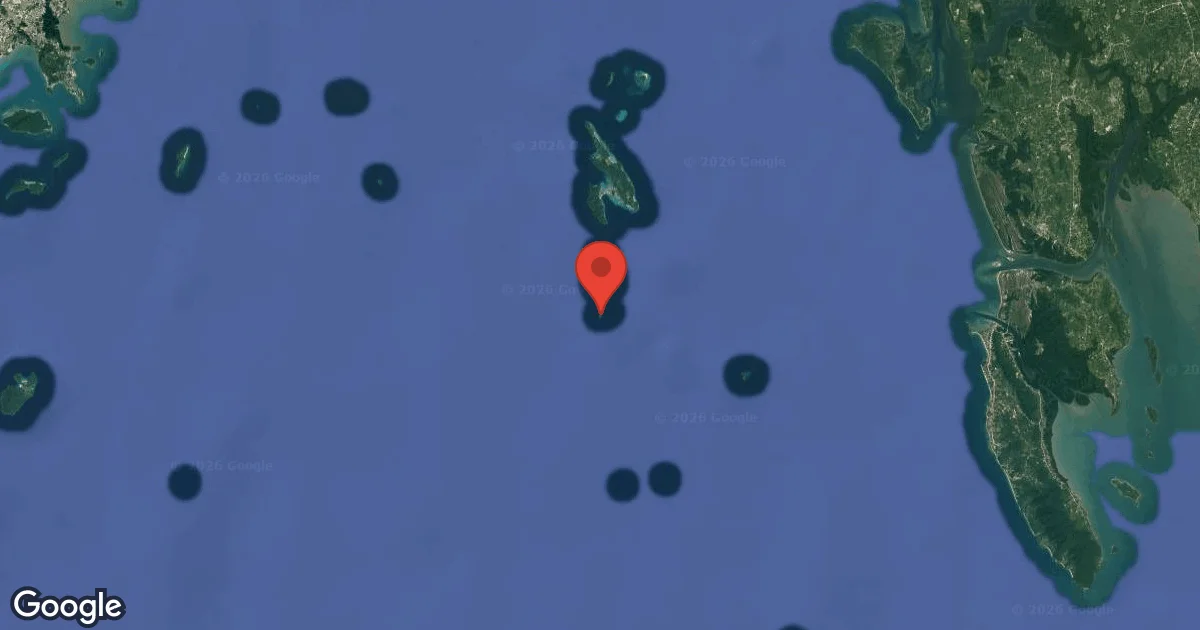
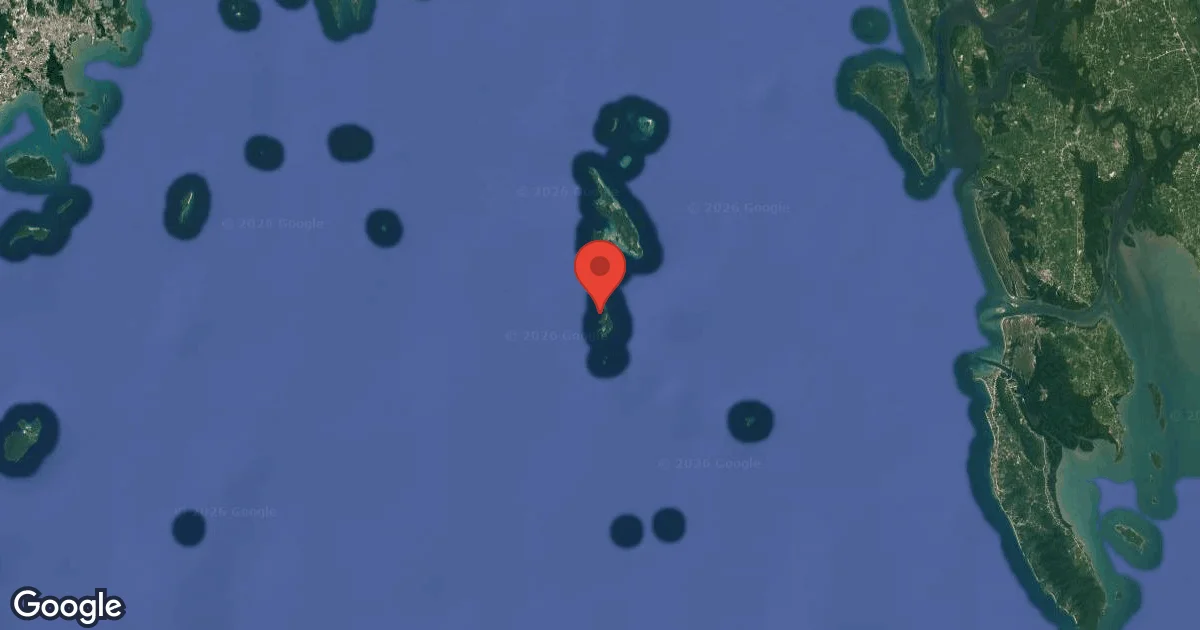
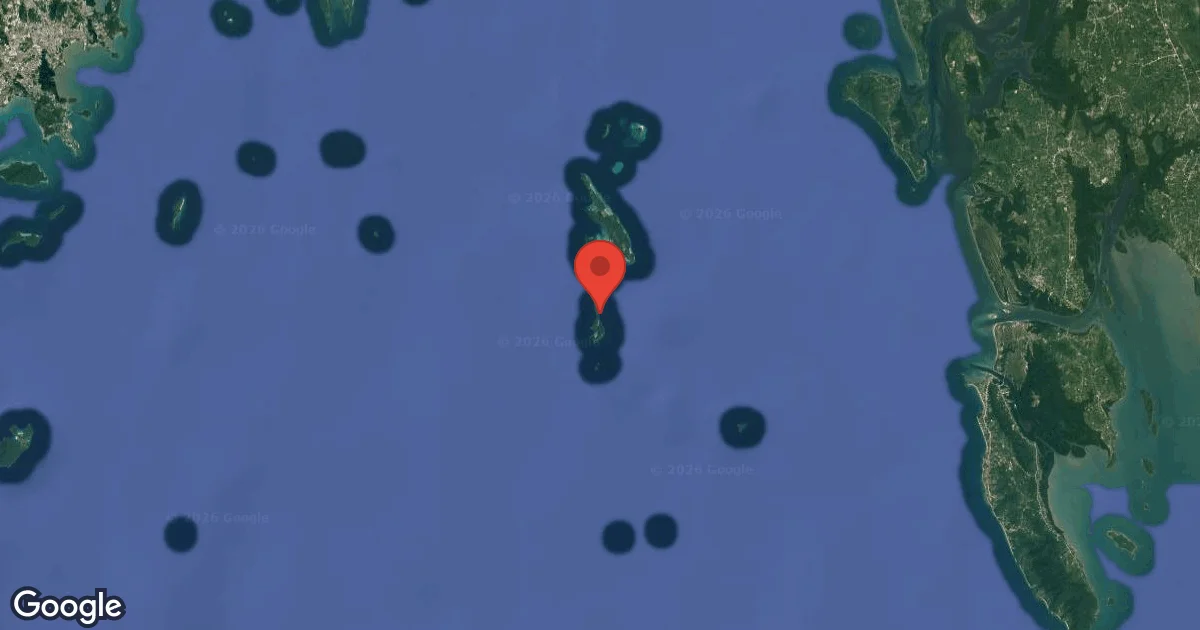
Dive Sites Near Bida Nok
View all dive sites in ThailandDiscover more underwater gems in this area.
Dive Centers Near Bida Nok



Nearest Airports
Nearest airports to help plan travel to this dive area.
Search Flights
Check available flights and routes on Expedia, using the nearby airports listed in this section.
Search Flights on ExpediaFrequently Asked Questions
Is Bida Nok suitable for beginner divers?
Yes, Bida Nok accommodates all levels of divers. The southern entry point provides a shallow, protected bay ideal for beginners and open water training, with gentle slopes and abundant marine life. More experienced divers can explore the deeper, more exposed northern sections.
What is the typical depth range at Bida Nok?
Bida Nok offers a diverse depth profile, ranging from very shallow reefs at approximately 1 m / 3 ft down to deeper walls and sandy bottoms reaching around 30 m / 100 ft. This extensive range allows for varied dive plans catering to different experience levels.
What marine life can be seen at Bida Nok?
The site is rich with tropical marine life, including blacktip reef sharks, turtles, and leopard sharks. Divers can also encounter stingrays, seahorses, moray eels, batfish, and large schools of snappers and glassfish. Vibrant hard and soft corals, sea fans, and anemones also thrive here.
Are there strong currents at Bida Nok?
Current conditions at Bida Nok can vary, with stronger currents more common around the northern entry point. The site is known for drift diving, which adds to the experience for advanced divers. Always consult your dive guide for the day's specific conditions.
How far is Bida Nok from major diving hubs?
Bida Nok is a significant boat journey from major hubs. It's approximately a two-and-a-half-hour boat ride from Phuket, making it a popular day trip destination from Phuket, Phi Phi, Koh Lanta, and Krabi.
Is Bida Nok a good site for underwater photography?
Yes, Bida Nok offers excellent opportunities for underwater photography. The vibrant corals, diverse marine life from macro subjects like seahorses to larger sharks and schools of fish, and stunning topography provide endless subjects. PADI Underwater Photo courses are often recommended here to enhance skills.
Planning to dive Bida Nok?
Tell us your dates and diving needs. We'll review your request and seek offers from relevant local dive centers.
Request Dive OffersConditions are Good
Optimal conditions expected
Current conditions near Bida Nok show 29° air, 31° sea temperature, 0.4 m waves, and 21 km/h wind. Forecast data is refreshed regularly to ensure accuracy.