
Diving at Phi Phi Islands (Thailand)
Approaching the Phi Phi Islands presents divers with a fascinating challenge, balancing the region's accessible beauty with its diverse underwater topography. Certified divers will discover a blend of shallow coral gardens and dramatic deep walls, requiring adaptable navigation skills. These sites call for precise buoyancy control, especially when exploring intricate rock formations and swimthroughs. Every dive here rewards careful observation.
Evening condition tracking at Phi Phi Islands features an air temperature of 28.5°C. We have recorded wave heights measuring 1 m during this period. These figures outline the environmental parameters currently present.
Dive Site Location & Key Facts
Dive Site Overview
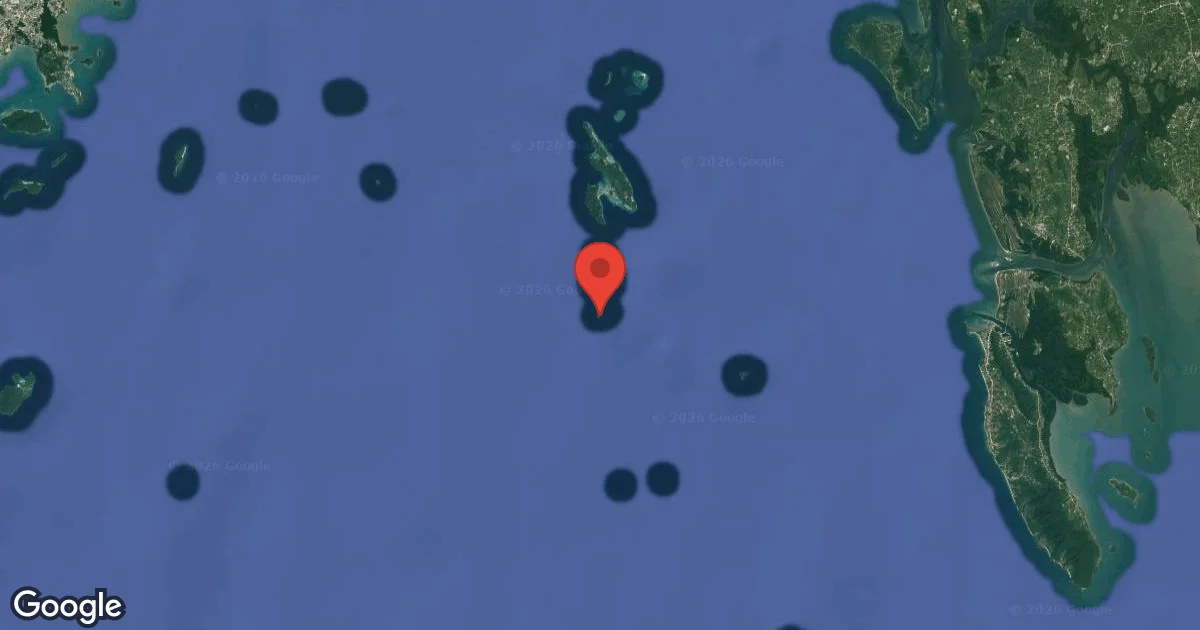
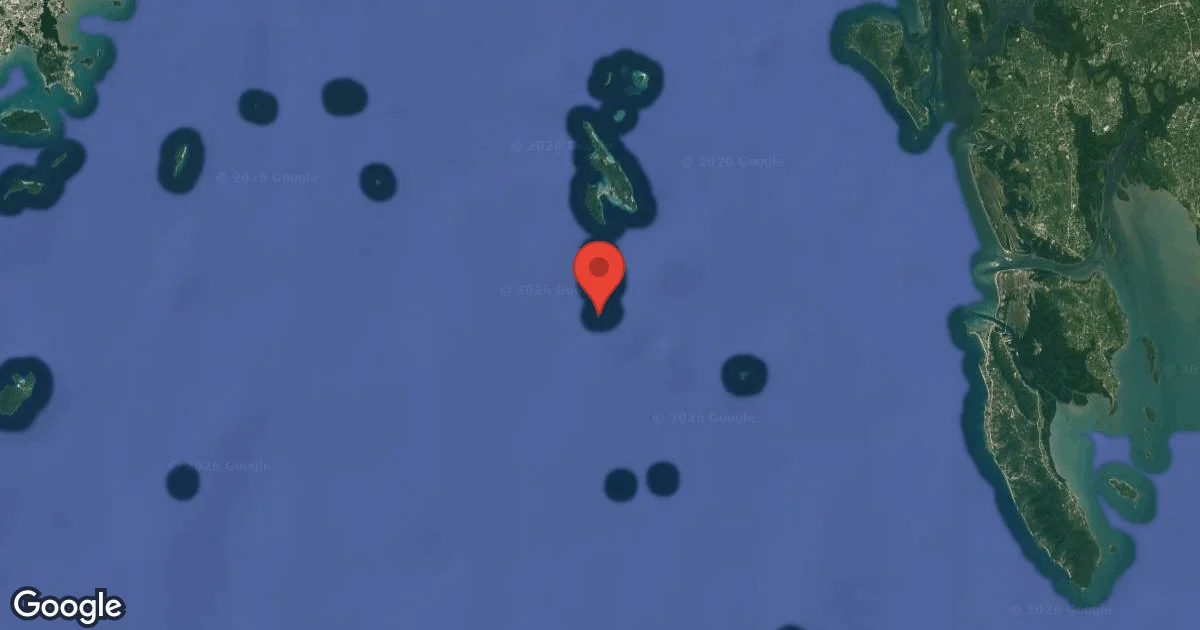
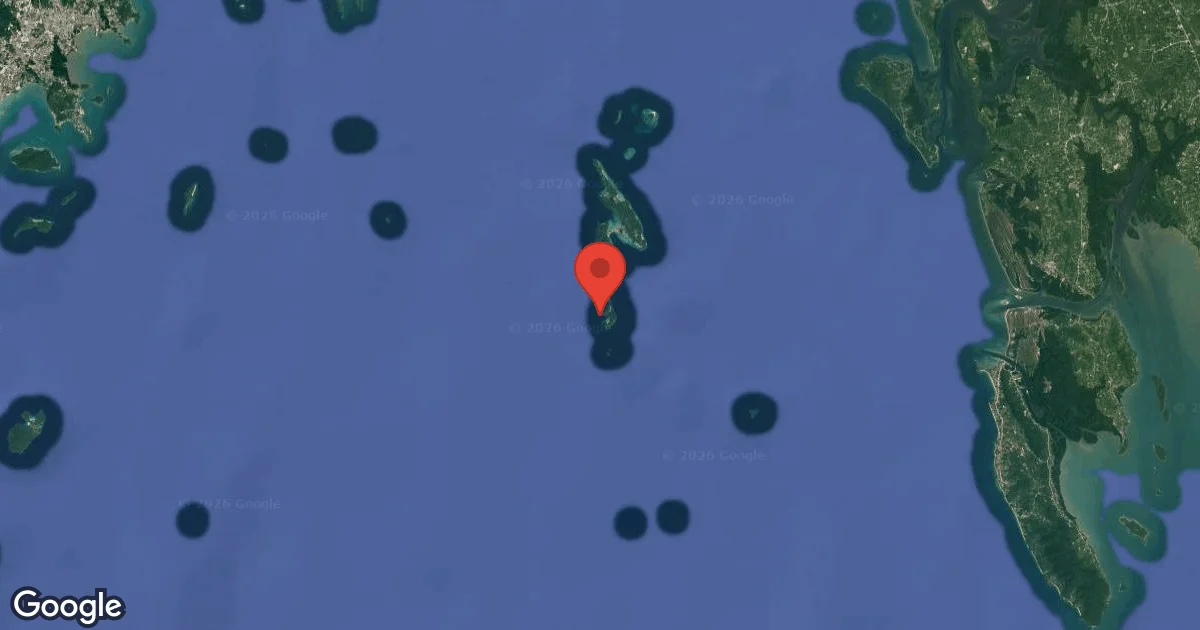
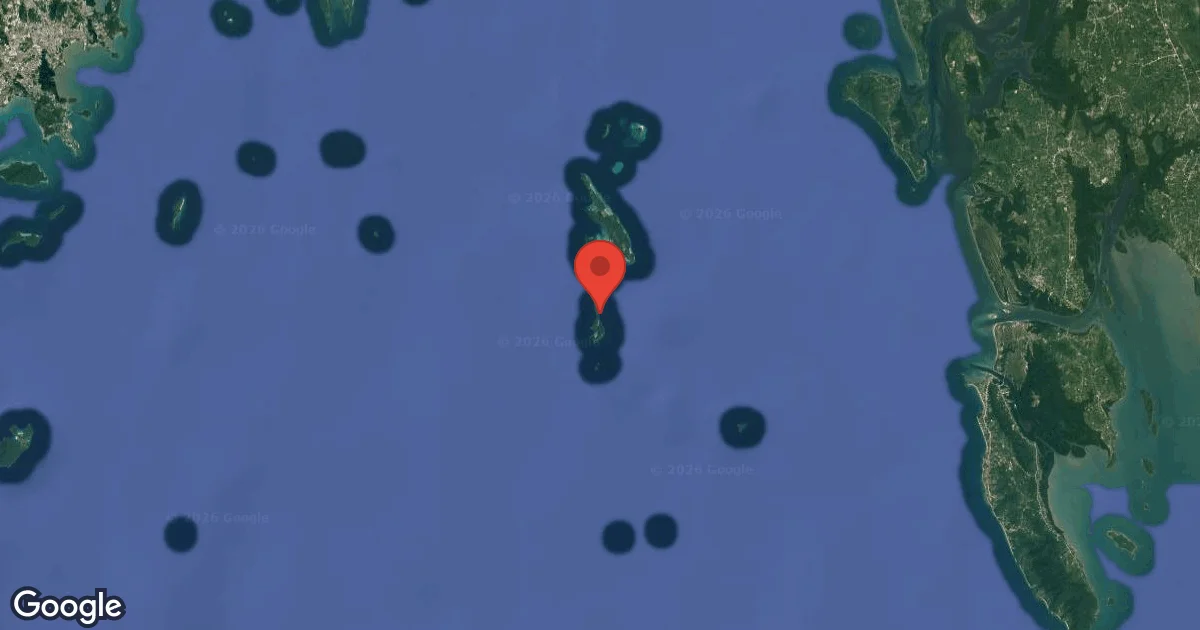
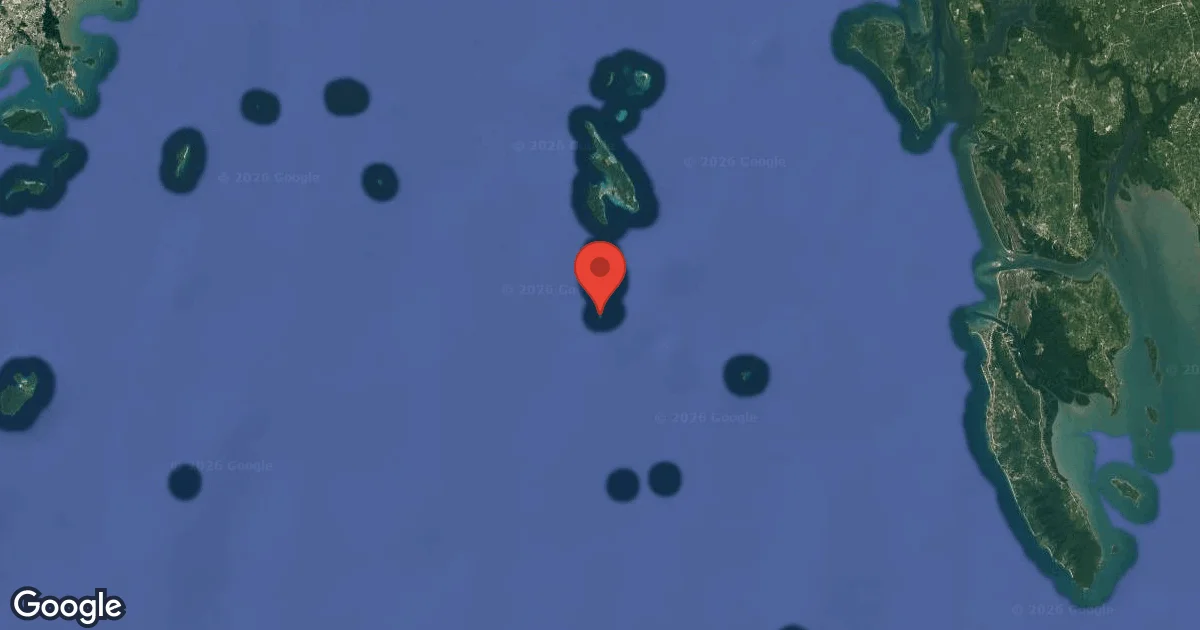
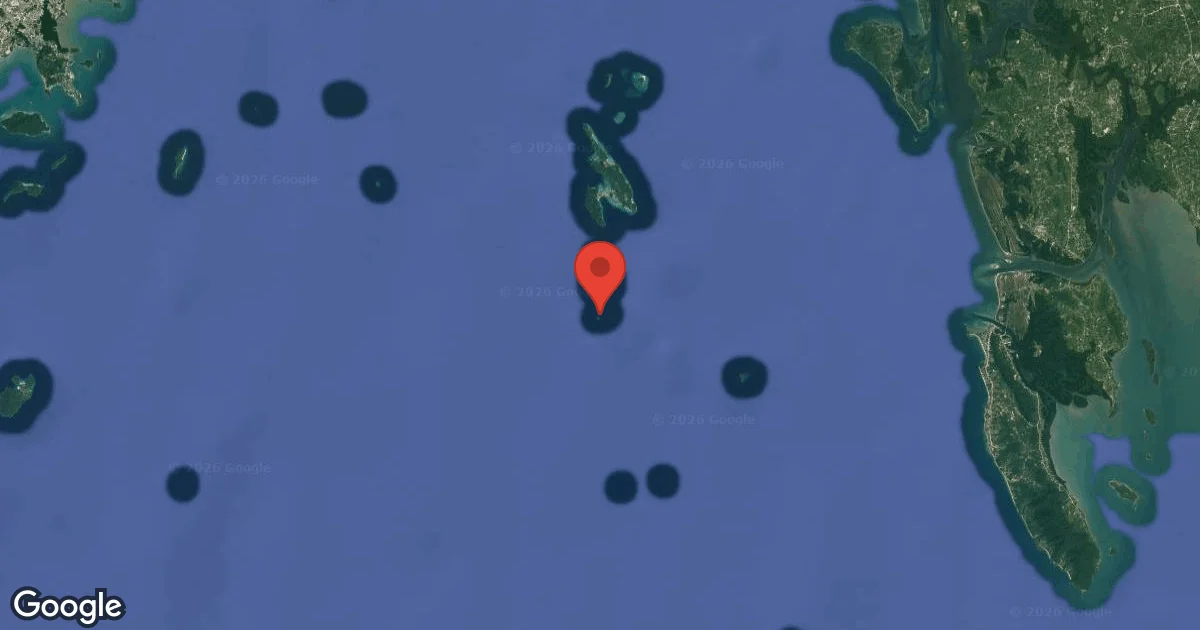
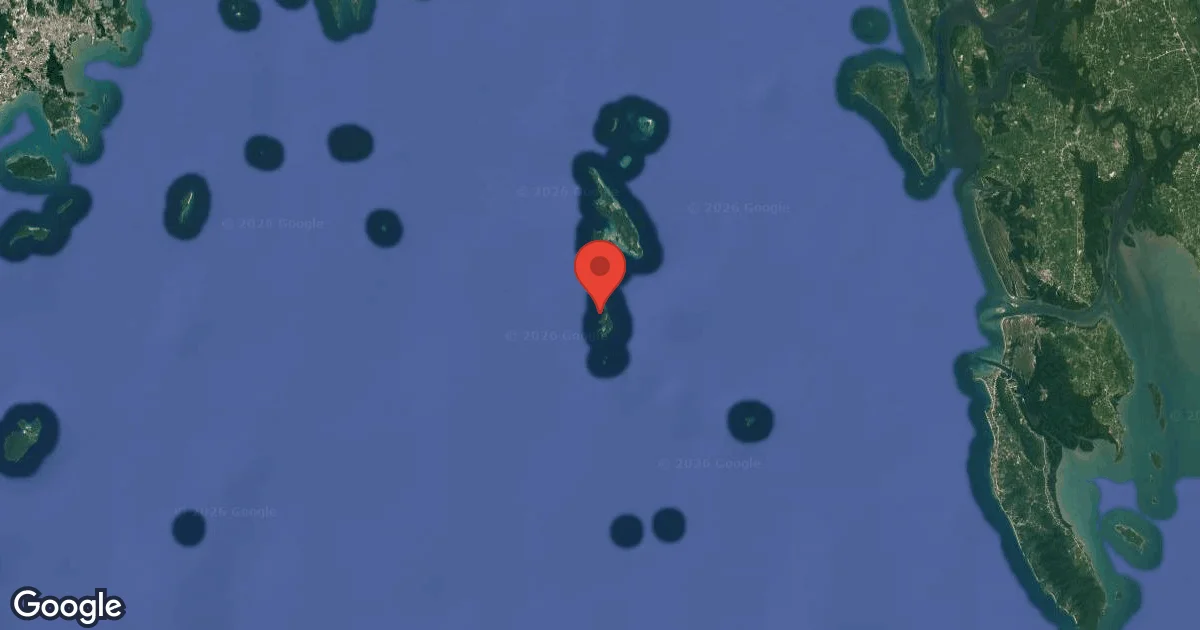
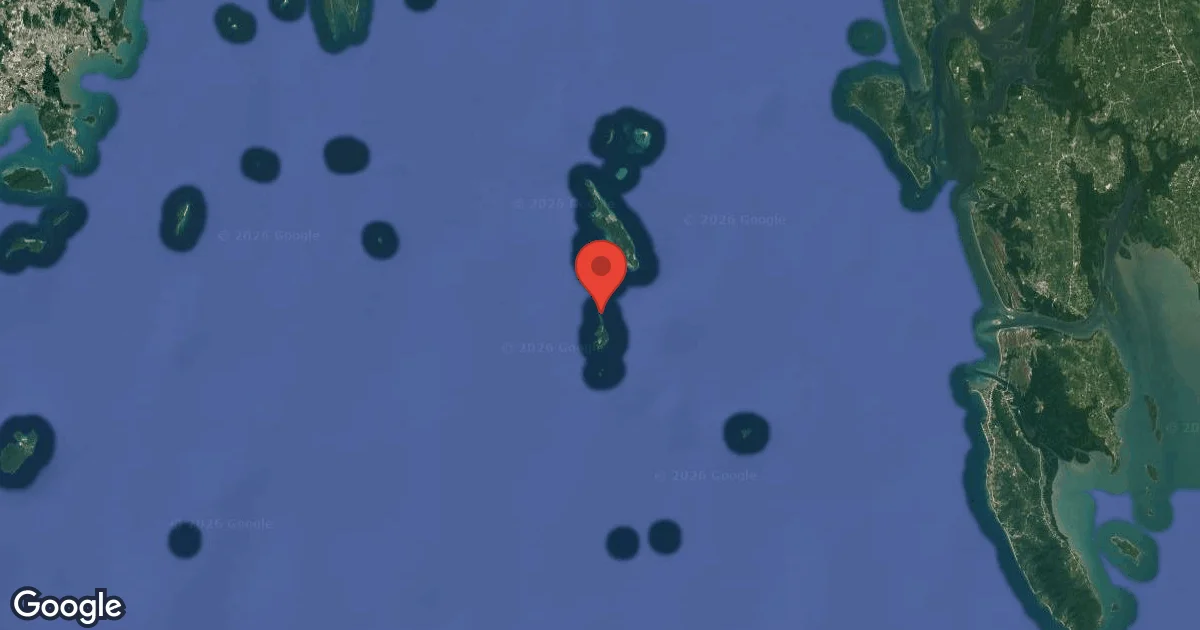
The underwater realm of the Phi Phi Islands unfolds as a captivating narrative for divers exploring the Andaman Sea. Located about 45 km (28 miles) east of Phuket, this chain of islands offers a variety of dive sites suitable for different experience levels.
Many locations feature expansive shallow hard coral gardens, creating ideal conditions for both snorkeling and scuba diving. Koh Bida Nok and Koh Bida Nai, at the chain's southern end, are particularly notable, dropping from a shallow reef to a maximum depth of 28 m (92 ft).
Koh Bida Nai features a distinctive archway that opens into a shallower coral garden, often filled with baitfish. Further north, Maya Corner presents a sloping reef with significant rock formations and a notable swimthrough between 16-18 m (52-59 ft).
Loh Samah Bay, on the east of Koh Phi Phi Le, provides a different experience with an extensive hard coral garden in shallower sections, generally 2-12 m (7-39 ft), and a long canyon on its eastern side. Hin Bida, sometimes referred to as 'Phi Phi Shark Point,' offers a rock formation that breaks the surface at low tide, descending to 18-22 m (59-72 ft) amidst boulders and staghorn corals.
These sites collectively offer steep walls, swimthroughs, and sandy bottoms, ensuring varied underwater exploration.
Conditions are Good
Optimal conditions expected
Current conditions near Phi Phi Islands show 29° air, 30° sea temperature, 1.0 m waves, and 24 km/h wind. Forecast data is refreshed regularly to ensure accuracy.
Best Time to Dive
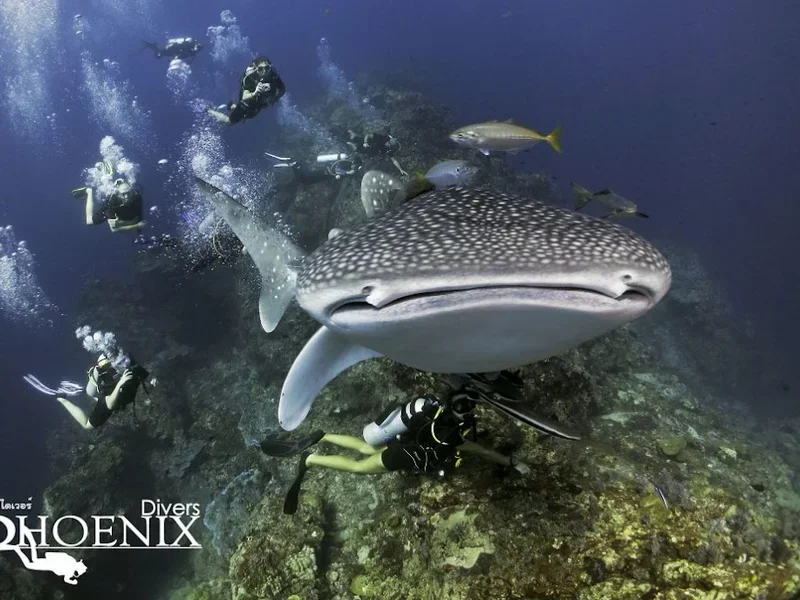
While the Phi Phi Islands generally offer good diving conditions year-round, distinct patterns emerge with the seasons. March stands out as an excellent month, with an average air temperature of 28.5°C (83°F) and minimal rain, averaging 1.48 mm. December also provides excellent conditions, reporting an average air temperature of 27.5°C (82°F) and only 2.30 mm of rain. Throughout the year, average air temperatures generally range between 27.5°C (82°F) and 29°C (84°F). Months from May to November experience higher rainfall, with September typically having the most precipitation at 10.88 mm. During these periods of increased plankton in the water, larger pelagic species like manta rays and whale sharks are more likely to make an appearance. Divers can generally expect gentle currents consistently, making navigation comfortable regardless of the specific time of year.
PEAK SEASON SCORE
Scores combine air & water temps, waves, wind & rainfall for overall conditions.
BEST MONTHS TO DIVE
Monthly records compiled from satellite and marine observation nodes over the last 3 years. Data provided by Open-Meteo and MET Norway.
Dive Experience & Conditions
Descending into the Andaman Sea around Phi Phi, divers encounter a varied underwater topography that transitions from vibrant shallow reefs to dramatic vertical walls. Many sites, such as Koh Bida Nok and Koh Bida Nai, reach maximum recreational depths, providing ample space for exploration within standard limits. Water temperatures in the region are not consistently reported but generally fall within tropical warm ranges, often between 27-30°C (81-86°F). Currents typically remain gentle, facilitating easier navigation through coral gardens and around rock formations; occasionally, stronger surges might be present near exposed pinnacles. Divers will experience a mix of soft and hard corals blanketing the reef structures, forming intricate habitats. Visibility varies depending on plankton blooms and weather, but often offers clear views for observing marine activity across the reef. Expect conditions suitable for a wide range of skill sets.
Dive Difficulty & Safety Guidelines
Navigating the diverse dive sites within the Phi Phi Islands system demands a conscious approach to safety. Always adhere to PADI Standard Safe Diving Practices and consult a local dive professional familiar with current site conditions. Particular attention is needed when exploring sites with swimthroughs or caverns; specific training and appropriate equipment are mandatory for any cave penetration.
Maintaining proper buoyancy is crucial to protect delicate coral formations and to ensure safe passage through tighter sections of the reef. Awareness of your dive profile and no-decompression limits is vital, especially when making multiple dives over several days. Ensure you carry your certification card and have appropriate dive insurance.
Recommended Equipment
Overhead environment. Do not enter beyond training and gas planning limits.
Current and surface separation risk. Local briefing strongly recommended.
- Dive Computer
- DSMB
- Primary & Backup Lights
- Reel / Spool
- Cutting Tool
This gear list is based on verified equipment signals for Phi Phi Islands, Thailand. Always confirm final gear choices with your dive operator, guide, or liveaboard.
Recommended Dive Suit
In conditions like these, many divers prefer diving with dive skin or rash guard. A hood or vest is suggested for sensitive divers due to surface winds.
Divers planning a dive at Phi Phi Islands today will likely encounter water temperatures close to 30°C (86°F). Surface air temperatures are resting at 29°C (83°F).
Environmental conditions appear stable for the near future.
Emergency & Medical Support
Essential information to help you plan your dive trip to Phi Phi Islands.

Hyperbaric chambers are a critical part of dive safety infrastructure. Availability varies significantly by region, and not all dive areas have immediate access.
Before diving, it's recommended to:
- confirm nearest medical facilities
- check emergency procedures with local dive operators
- ensure dive insurance covers evacuation if required
Divers Alert Network
Diving emergency assistance available through DAN World.
+1-919-684-9111- 24/7 emergency hotline
- Diving medical assistance
- Evacuation coordination
Emergency contacts are provided for reference. Always verify local emergency services before diving.
Marine Life at Phi Phi Islands
The underwater landscapes of Phi Phi Islands are often punctuated by diverse marine inhabitants. Leopard sharks are a frequent sight, commonly resting on the sand, particularly at sites like Koh Bida Nok and Hin Bida.
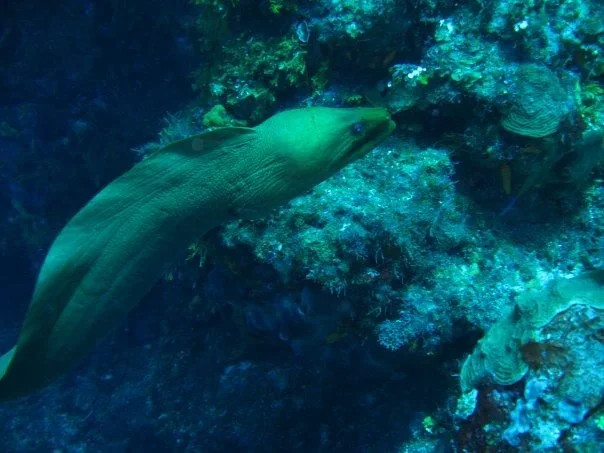
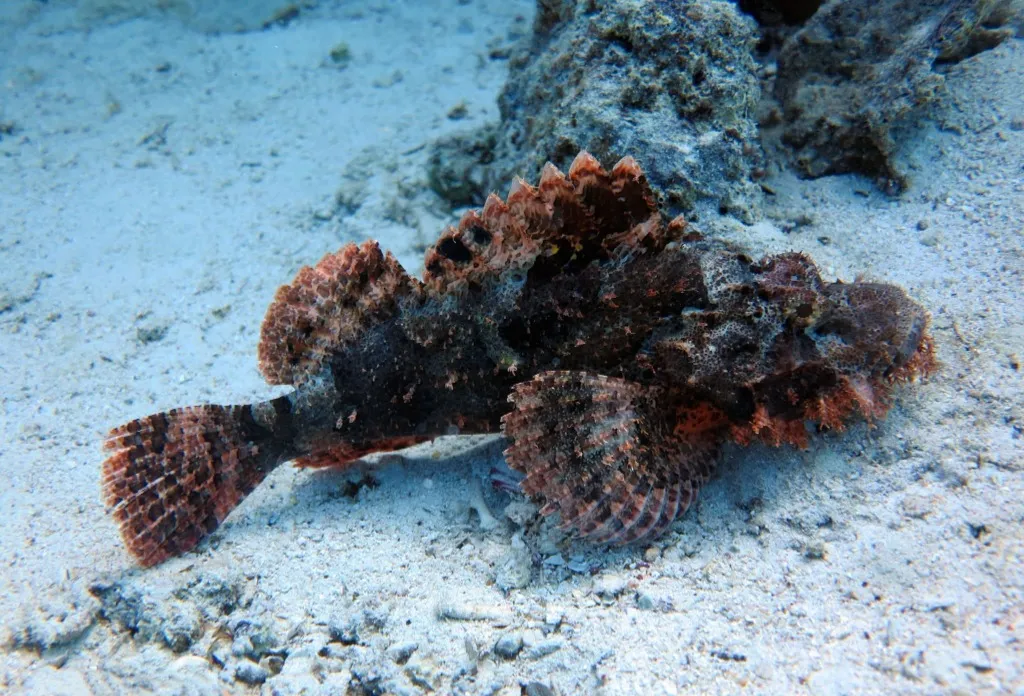
Divers may also encounter turtles grazing on the reef or hiding among the hard and soft corals. Moray eels and scorpionfish are often observed camouflaged within the vibrant reef structures.
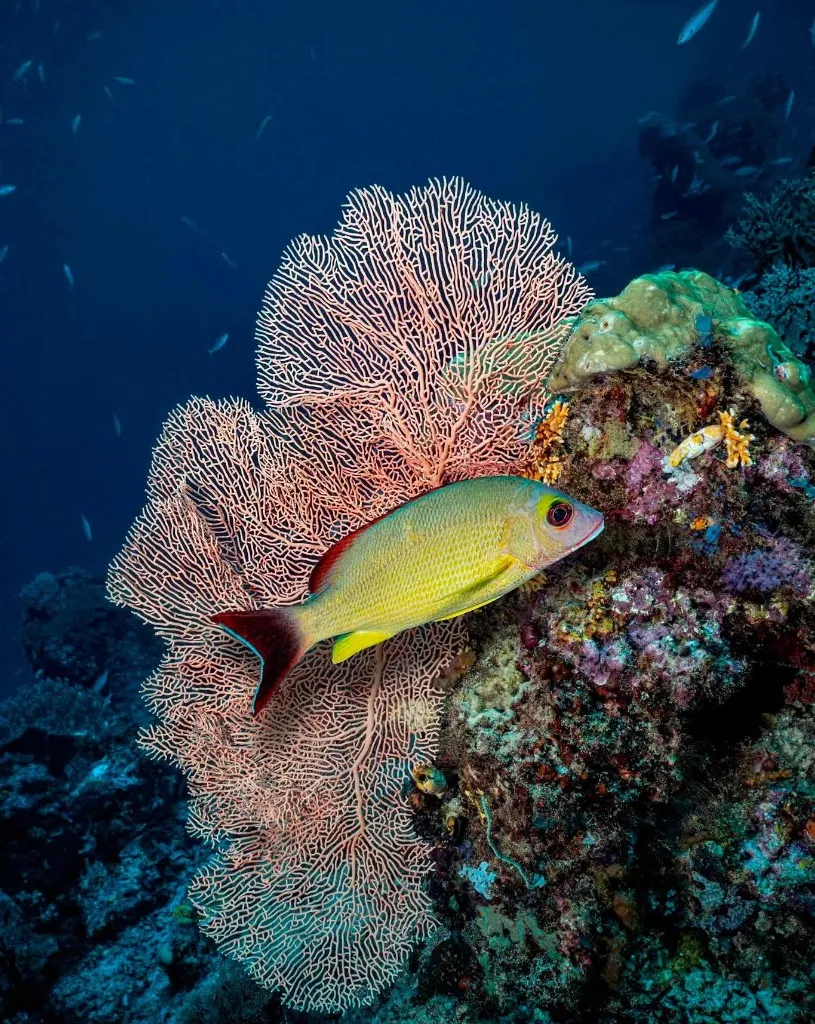
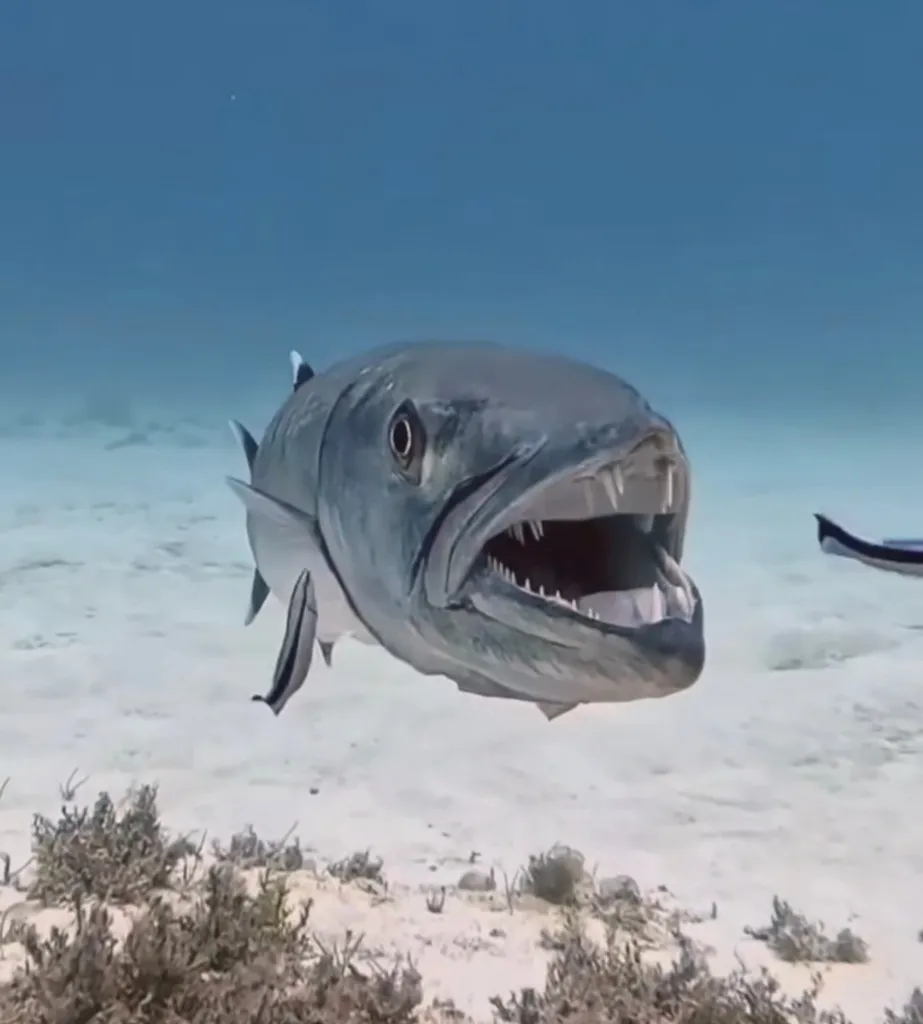
Furthermore, blacktip and whitetip reef sharks make occasional appearances, adding to the pelagic activity. Careful observation might reveal bamboo sharks tucked under rocks or within reef cracks. Schooling barracuda and trevally are frequently sighted near pinnacles, alongside snappers and mackerel.
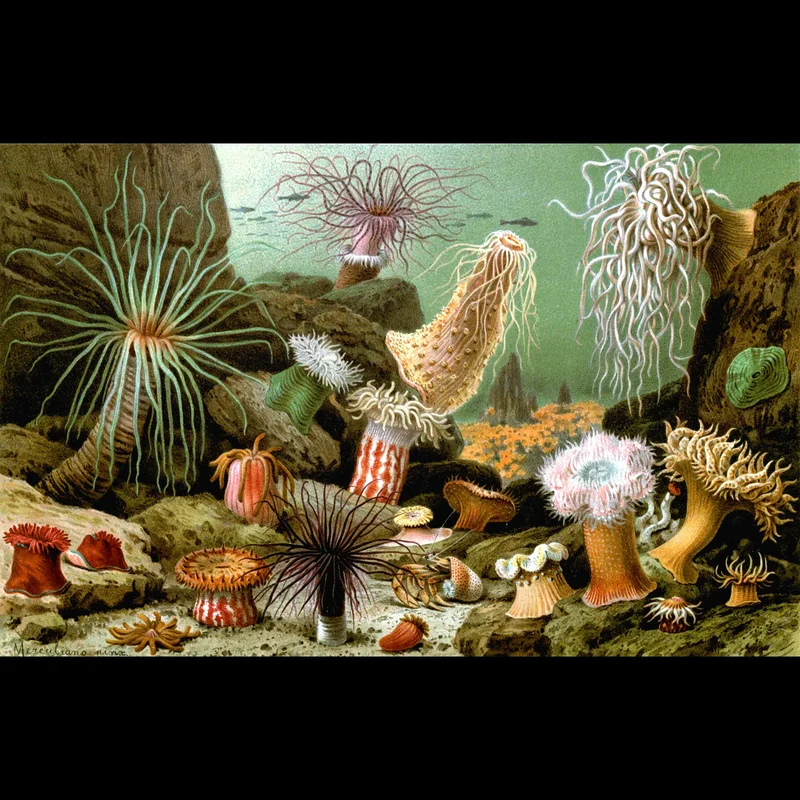
Other intriguing finds include seasnakes, cuttlefish, Kuhl’s stingrays, and various sea anemones, while seahorses sometimes inhabit the canyons of Loh Samah Bay.
Dive Sites Near Phi Phi Islands
View all dive sites in ThailandDiscover more underwater gems in this area.
Dive Centers Near Phi Phi Islands
Today: 08:00 - 21:00



Nearest Airports
Nearest airports to help plan travel to this dive area.
Search Flights
Check available flights and routes on Expedia, using the nearby airports listed in this section.
Search Flights on ExpediaFrequently Asked Questions
What level of diving experience is needed for Phi Phi Islands?
Phi Phi Islands offer dive sites suitable for all levels, from beginners to experienced divers. Many sites feature shallow hard coral gardens perfect for newer divers, while others present deeper walls and swimthroughs for more advanced exploration.
Are there strong currents in Phi Phi Islands?
Currents around the Phi Phi Islands are generally gentle throughout the year. This helps to create a comfortable diving experience across most sites.
What is the average water temperature for diving?
Water temperatures in the Phi Phi Islands are consistently warm, generally ranging between 27-30°C (81-86°F). This tropical warmth makes a 3mm wetsuit or shorty typically sufficient.
What marine life can I expect to see?
Divers often encounter leopard sharks, blacktip and whitetip reef sharks, and turtles. Other common sightings include moray eels, barracuda, trevally, and various reef fish. Sea anemones are abundant on the coral gardens.
Which are some of the popular dive sites?
Koh Bida Nok and Koh Bida Nai are popular for their varied topography and frequent leopard shark sightings. Loh Samah Bay is a good shallow option, often used for night dives, and Maya Corner offers interesting rock formations and a swimthrough.
Is it possible to dive in Phi Phi year-round?
Yes, diving is possible year-round in Koh Phi Phi. While the peak season offers drier conditions, months with more plankton can increase the chances of spotting larger pelagic species.
Planning to dive Phi Phi Islands?
Send one inquiry and receive offers directly from the best verified local dive operators.
Conditions are Good
Optimal conditions expected
Current conditions near Phi Phi Islands show 29° air, 30° sea temperature, 1.0 m waves, and 24 km/h wind. Forecast data is refreshed regularly to ensure accuracy.