
Diving at Koh Chuang (Thailand)
Koh Chuang's diving conditions are often shaped by variable currents, which can influence dive planning and execution. While typically manageable, occasional stronger flows are reported, warranting attention to local conditions. Understanding these underwater movements is key for maximizing a dive's enjoyment and navigating the site effectively. It's an environment where dynamic water flow interacts with reef structures, impacting drift and visibility.
As evening covers Koh Chuang, the local air temperature is measured at 28°C. The current wave height at the surface is recorded at 0.6 m. These late-day readings characterize the surface conditions for the night.
Dive Site Location & Key Facts
Dive Site Overview
Alongside Koh Chan, the islands of Koh Chuang represent a primary natural reef alternative to Pattaya's many wreck sites. Divers have historically sought these smaller islands for their vibrant, living coral formations instead of submerged vessels.
This destination is particularly valued for its distinct rocky outcrops which host prolific hard and soft corals. Exploration often reveals a lively marine ecosystem within a comfortable recreational depth range. Over many years, it's proven a consistent spot for observing dynamic smaller fish life.
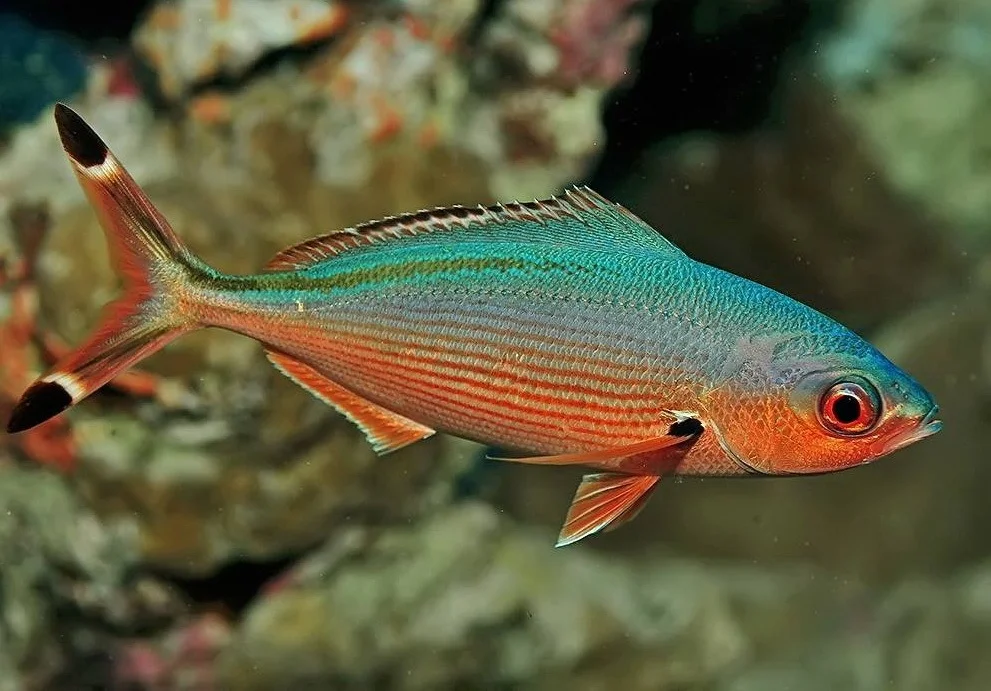
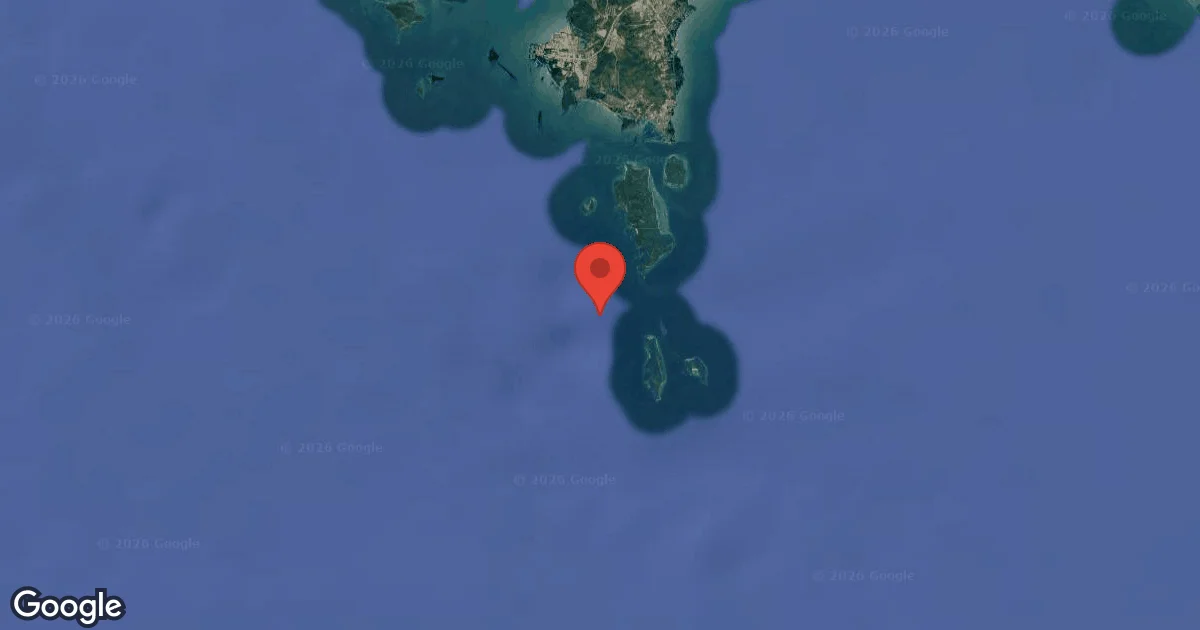
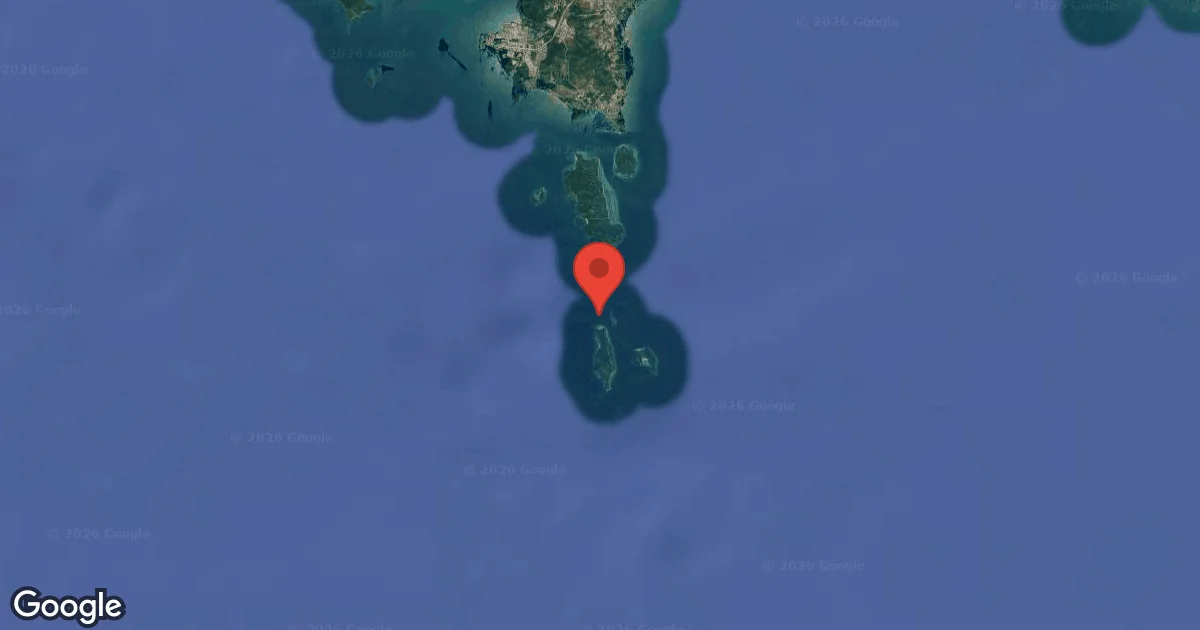
Reports frequently mention encountering species like yellowtail jacks and fusiliers moving in active schools around the abundant corals. Located off the coast of Samaesan, reaching Koh Chuang typically involves a boat journey of around 90 minutes.
This journey helps frame the experience, building anticipation before divers reach the underwater areas. Most dives here occur between 5 m (16 ft) and 12 m (39 ft), making it quite accessible for a broad range of certified divers.
Visibility at the site generally spans 5 m to 15 m, varying with seasonal and daily conditions. Its relatively shallow profile allows for extended bottom times and thorough exploration of the reef's intricacies.
Conditions are Good
Optimal conditions expected
Current conditions near Koh Chuang show 28° air, 30° sea temperature, 0.7 m waves, and 26 km/h wind. Forecast data is refreshed regularly to ensure accuracy.
Best Time to Dive
Optimal diving conditions at Koh Chuang typically materialize between December and March, offering favorable environmental factors. During these months, the regional climate data indicates air temperatures averaging 26°C (79°F) in December, rising to 28°C (82°F) by March. This period also experiences some of the lowest rainfall totals, with January and February seeing minimal precipitation at 0.26 mm (0.01 inches) and 1.16 mm (0.05 inches) respectively. Wave heights are generally lower, averaging around 0.4-0.6 m (1.3-2.0 ft), which contributes to calmer sea surfaces and easier boat access. Winds during the December to March window remain moderate, averaging between 21.2-22.5 km/h (13.2-14.0 mph), further enhancing surface comfort for divers. While water temperature specifics aren't consistently reported, the generally warm air and stable conditions suggest pleasant underwater experiences. As the year progresses into the monsoon season (June-September), wave heights and rainfall tend to increase, potentially impacting dive accessibility and visibility. Plan your trip within the drier, calmer months for the best experience.
PEAK SEASON SCORE
Scores combine air & water temps, waves, wind & rainfall for overall conditions.
BEST MONTHS TO DIVE
Monthly records compiled from satellite and marine observation nodes over the last 3 years. Data provided by Open-Meteo and MET Norway.
Dive Experience & Conditions
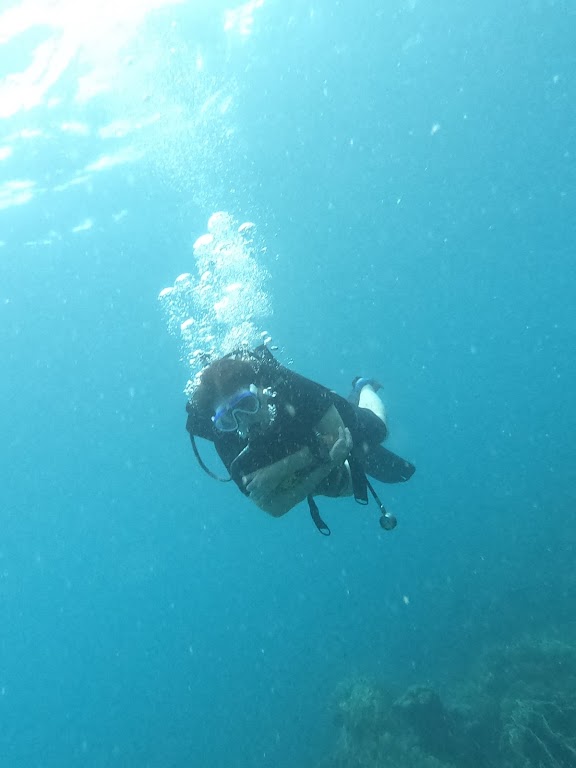
Upon descending at Koh Chuang, divers quickly encounter a vibrant reef system, beginning in shallower sections around 5 meters. Primary dive areas extend to approximately 12 meters, allowing ample time to explore the diverse hard and soft coral gardens. Water conditions are generally temperate, facilitating comfortable diving without requiring excessive thermal protection. Visibility typically ranges from 5 to 15 meters, influenced by plankton levels and recent weather. Navigating the site, divers should be mindful of occasional currents, which can vary in strength. These flows sometimes create gentle drift opportunities, enhancing exploration across the rocky outcrops and coral structures. Expect to see numerous smaller fish species during the dive. Observing the interaction between abundant yellowtail jacks and fusiliers within the reef provides a consistent highlight. Its topography includes both extensive coral patches and prominent rocky formations, creating varied habitats.
Dive Difficulty & Safety Guidelines
For a safe and enjoyable dive at Koh Chuang, seasoned divers advise close attention to current conditions. While typically mild, currents can occasionally strengthen, so understanding local reports and communicating with your dive guide is crucial. Always maintain appropriate buoyancy control, particularly when navigating around delicate coral formations and rocky outcrops.
This practice minimizes accidental contact and protects the fragile ecosystem. Monitoring depth and bottom time is also vital given the maximum depth, ensuring no-decompression limits are respected.
As with any dive in a remote location, carrying a signaling device and remaining with your buddy or group is standard procedure. Visibility can fluctuate, making it important to stay aware of surroundings and group position. Proactive measures contribute to a well-managed and responsible dive outing.
Recommended Equipment
- Dive Computer
This gear list is based on verified equipment signals for Koh Chuang, Thailand. Always confirm final gear choices with your dive operator, guide, or liveaboard.
Recommended Dive Suit
Dive skin or rash guard usually provides adequate warmth in water around this temperature. A hood or vest is suggested for sensitive divers due to surface winds. Those diving at Koh Chuang today will likely encounter water temperatures in the region of 30°C (85°F). Surface air temperatures are resting at 28°C (83°F).
Weather models currently point toward consistent diving conditions over the next several days.
Conditions can vary slightly across different parts of the same dive site.
Emergency & Medical Support
Essential information to help you plan your dive trip to Koh Chuang.

Hyperbaric chambers are a critical part of dive safety infrastructure. Availability varies significantly by region, and not all dive areas have immediate access.
Before diving, it's recommended to:
- confirm nearest medical facilities
- check emergency procedures with local dive operators
- ensure dive insurance covers evacuation if required
Divers Alert Network
Diving emergency assistance available through DAN World.
+1-919-684-9111- 24/7 emergency hotline
- Diving medical assistance
- Evacuation coordination
Emergency contacts are provided for reference. Always verify local emergency services before diving.
Marine Life at Koh Chuang
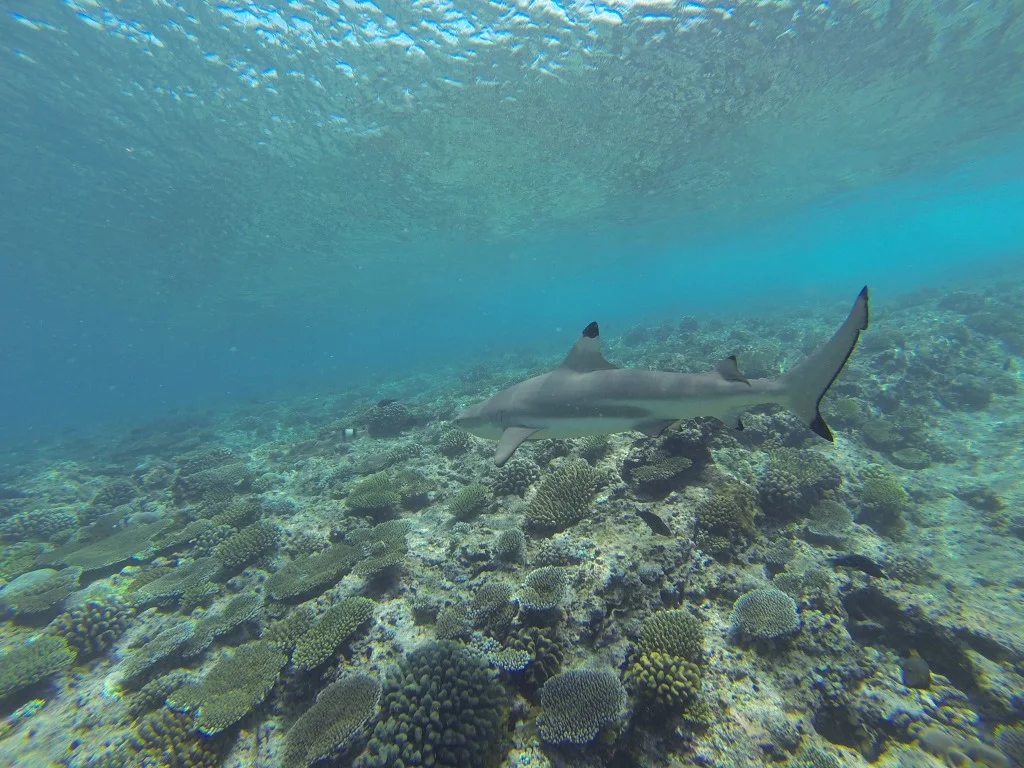
The underwater landscape of Koh Chuang provides a thriving environment for various marine species, particularly within its extensive coral gardens and around the rocky outcrops. Divers will frequently observe schools of yellowtail jacks and fusiliers, which are often a focal point against the colorful hard and soft corals.
While smaller fish life predominates, the occasional presence of sharks, whales, dolphins, and turtles has been noted in the broader area. Encounters with these larger pelagics are not guaranteed but contribute to the site's allure.
The reef structure itself serves as a habitat for a diverse array of smaller invertebrates and reef fish, making careful observation rewarding.

Dive Sites Near Koh Chuang
View all dive sites in ThailandDiscover more underwater gems in this area.
Dive Centers Near Koh Chuang
Today: 08:00 - 18:00
Nearest Airports
Nearest airports to help plan travel to this dive area.
Search Flights
Check available flights and routes on Expedia, using the nearby airports listed in this section.
Search Flights on ExpediaFrequently Asked Questions
What are the typical depths at Koh Chuang?
Dives at Koh Chuang generally range between 5 and 12 meters. This shallow profile makes it suitable for recreational divers and allows for extended bottom times.
What kind of marine life can I expect to see?
The site is known for smaller fish like yellowtail jacks and fusiliers. Occasional sightings of sharks, whales, dolphins, and turtles have also been reported in the general area.
Are there strong currents at Koh Chuang?
Currents are usually manageable but can be occasional and vary in strength. It's advisable to check local conditions with your dive operator before entering the water.
How long does it take to get to Koh Chuang?
Accessing Koh Chuang typically involves a boat journey of approximately 90 minutes from the coast of Samaesan. This travel time allows for preparation and anticipation of the dive.
What is the visibility like?
Visibility at Koh Chuang generally ranges from 5 to 15 meters. Conditions can fluctuate based on factors like plankton bloom and recent weather patterns.
Is Koh Chuang suitable for beginner divers?
With depths mainly within the recreational range (5-12m) and prolific coral, it can be suitable for beginners. However, occasional currents mean beginners should dive with an experienced guide or instructor.
Planning to dive Koh Chuang?
Send one inquiry and receive offers directly from the best verified local dive operators.
Conditions are Good
Optimal conditions expected
Current conditions near Koh Chuang show 28° air, 30° sea temperature, 0.7 m waves, and 26 km/h wind. Forecast data is refreshed regularly to ensure accuracy.