
Diving at Koh Rin (Thailand)
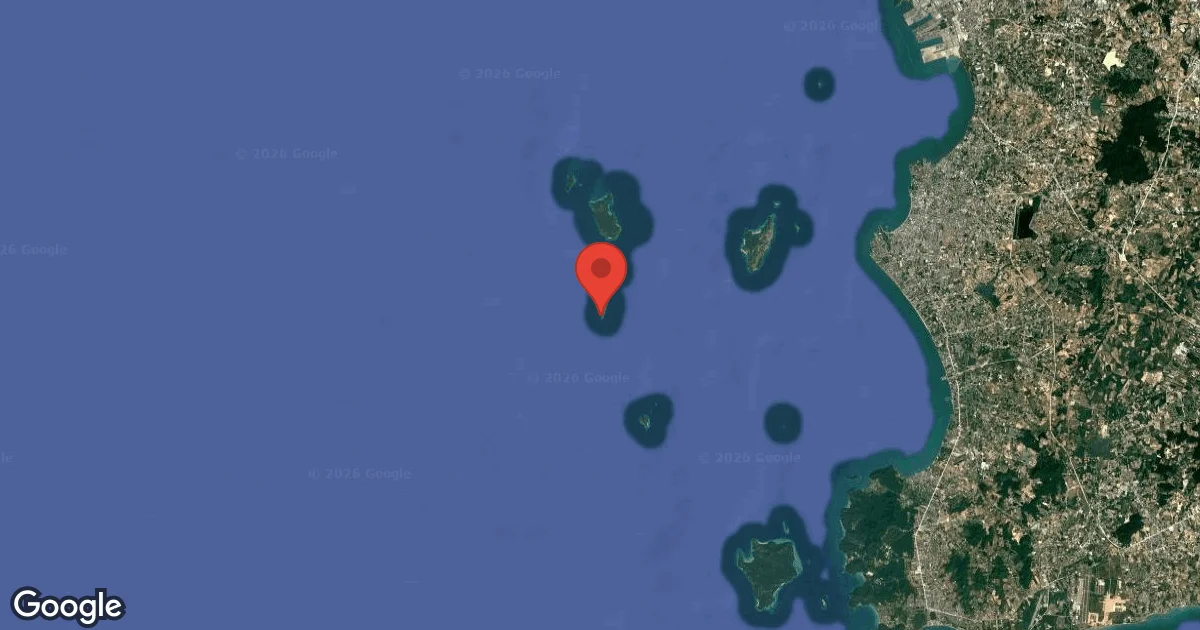
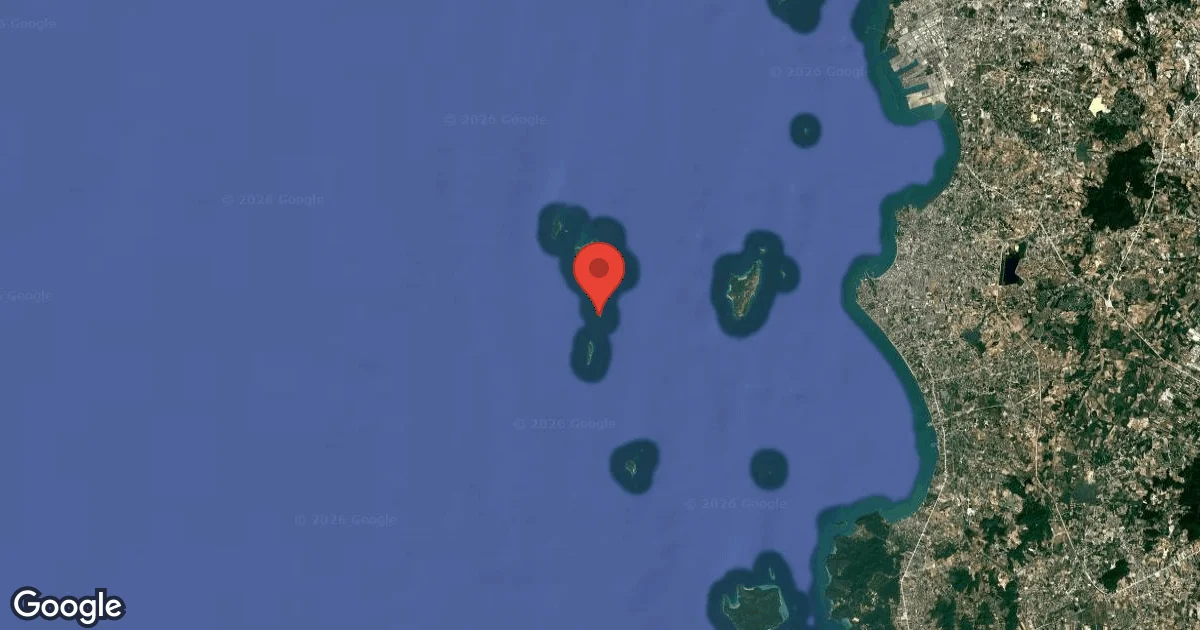
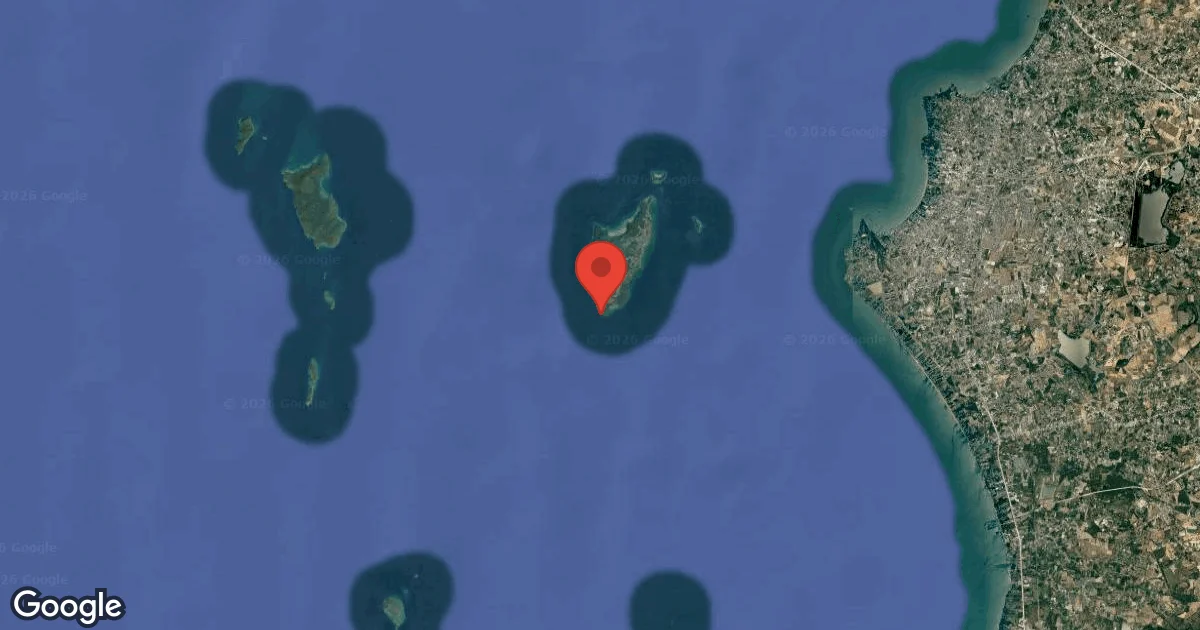
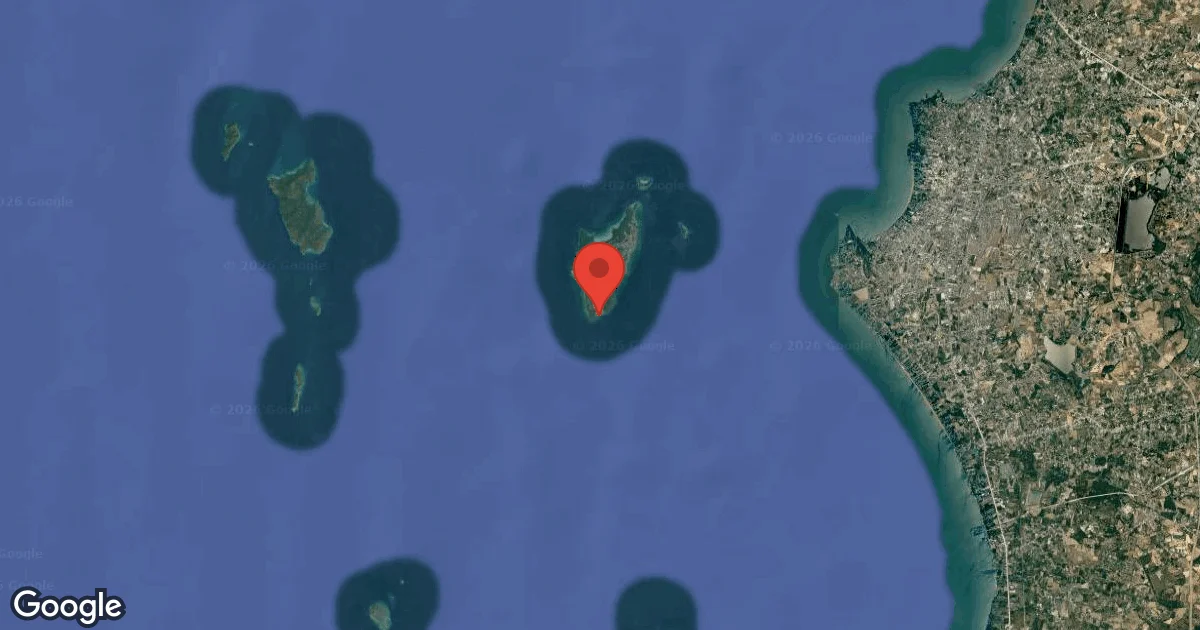
Koh Rin, a reef diving destination near Pattaya, Thailand, offers an experience distinct from closer sites. Its journey requires a three-hour boat ride from the mainland, emphasizing its relative isolation. This distant island features no public ferry services or resort accommodations, a deliberate lack that preserves its natural state for dedicated divers.
Tonight's objective overview for Koh Rin shows an air temperature of 29°C. The measured surface conditions include wave heights around 0.5 m. This environmental data is logged for the close of the day.
Dive Site Location & Key Facts
Dive Site Overview
Long-standing interest in Koh Rin stems from its remarkably untouched underwater environments, offering a stark contrast to more accessible regional sites. Comprising eight primary dive areas, the distant island presents a distinct underwater character at each, along with a diverse array of aquatic inhabitants.
Extensive reef formations, ranging from delicate soft corals to robust hard coral structures, provide critical habitat for numerous marine species across many of these spots. Without heavy human development, public ferries, or resort accommodations, these ecosystems have flourished in a more pristine state.
Divers frequently encounter various species across different spots; no two dive experiences are identical. Repeat visits become worthwhile, as new discoveries emerge often within its varied topography.
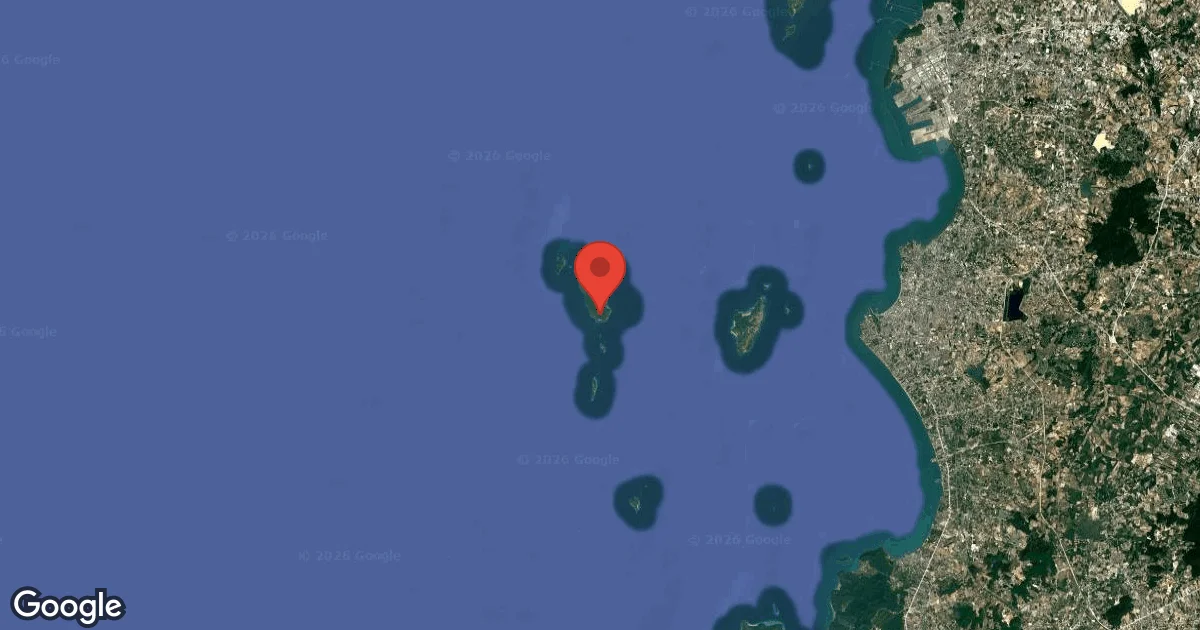
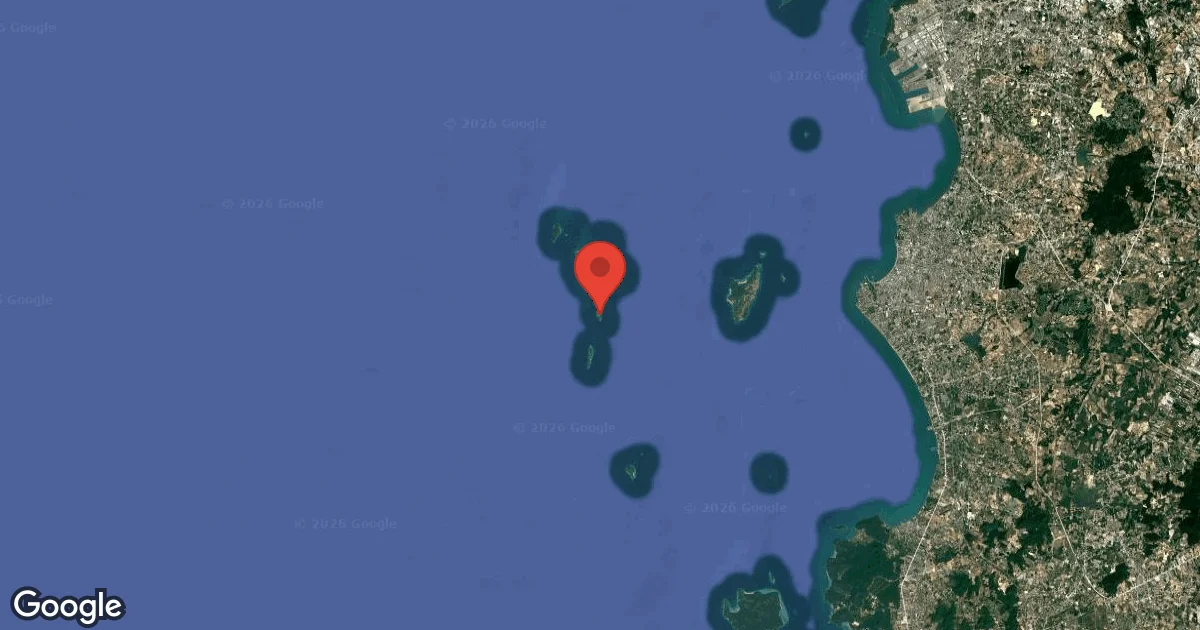
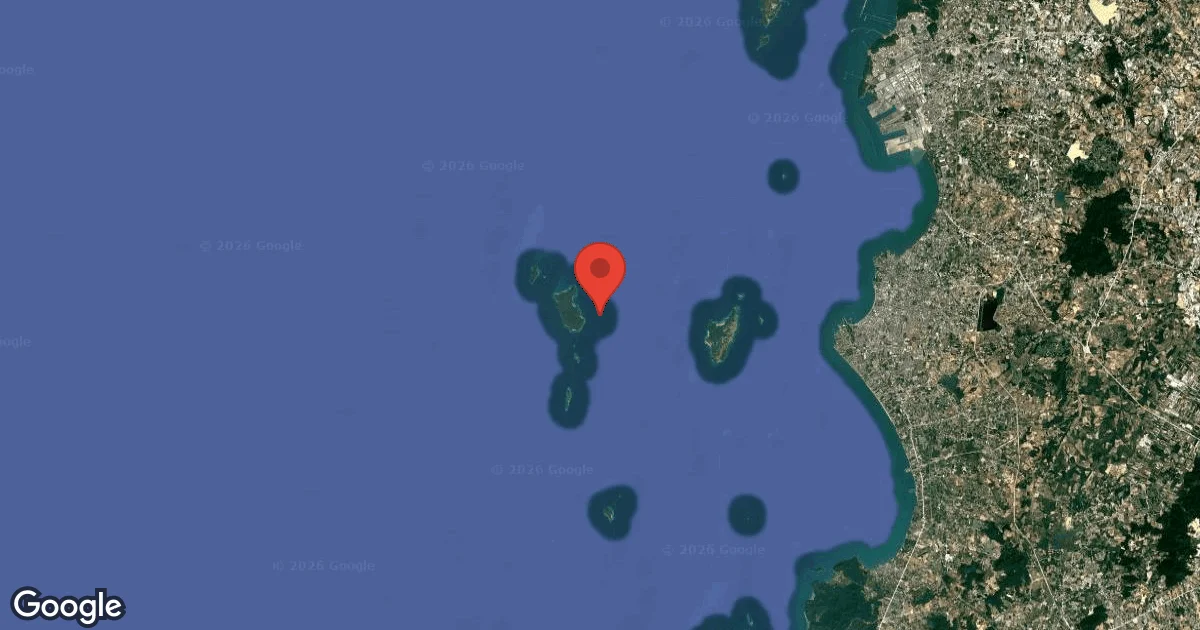
Key attractions include sites such as Hin Ton Mai (South Rock) and Hin Khao (North Rock), each featuring unique geological characteristics and established marine life patterns. Reaching Koh Rin involves a three-hour boat journey from mainland Pattaya.
Arriving early allows ample time to explore these isolated, vibrant dive spots effectively. Waters surrounding the island support a rich biodiversity, making it a compelling destination for those interested in natural marine science.
Conditions are Good
Optimal conditions expected
Current conditions near Koh Rin show 29° air, 30° sea temperature, 0.5 m waves, and 27 km/h wind. Forecast data is refreshed regularly to ensure accuracy.
Best Time to Dive
Optimal diving conditions for Koh Rin frequently emerge during months with stable weather patterns and reduced rainfall. The period from January through February and again in November consistently registers "Excellent" dive scores, according to internal climate data. During these months, average air temperatures hover around 26-27°C (79-81°F), paired with minimal rain, typically less than 1.2 mm (0.05 inches). Wave heights tend to be lower, generally below 0.5 meters (1.6 ft), and wind speeds are more moderate, around 22-26 km/h (14-16 mph). Conditions remain "Good" through March, April, and December, and even during the rainier periods from May to October, divers can still experience favorable conditions, though rain averages climb to 4.5-6.0 mm (0.18-0.24 inches). While specific water temperatures aren't consistently reported, the tropical climate suggests generally warm waters suitable for diving year-round.
PEAK SEASON SCORE
Scores combine air & water temps, waves, wind & rainfall for overall conditions.
BEST MONTHS TO DIVE
Monthly records compiled from satellite and marine observation nodes over the last 3 years. Data provided by Open-Meteo and MET Norway.
Dive Experience & Conditions
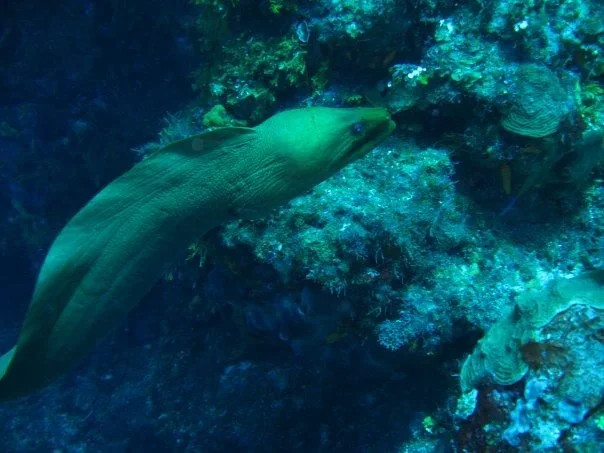
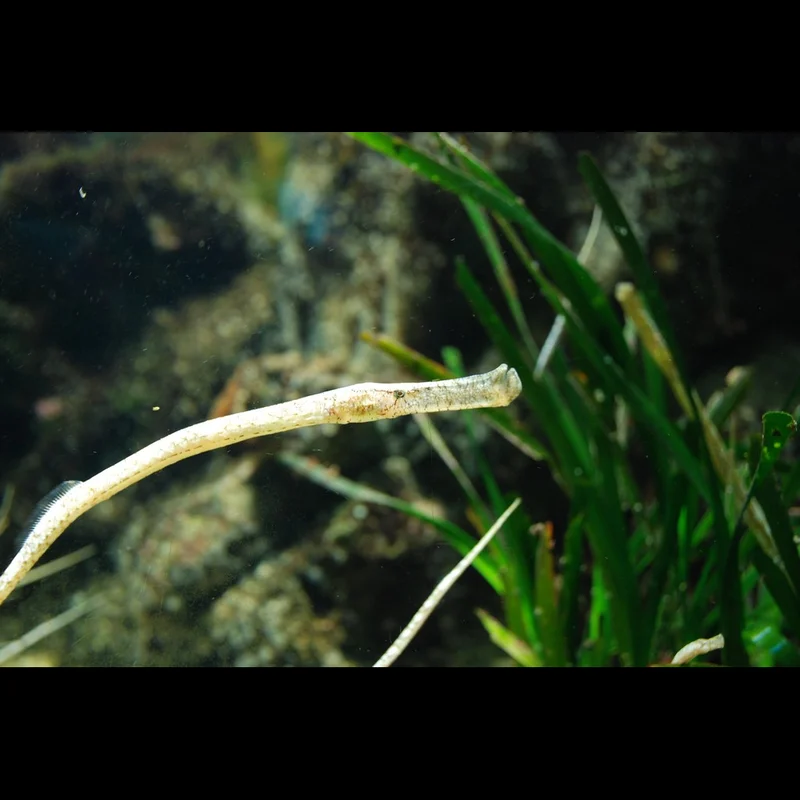
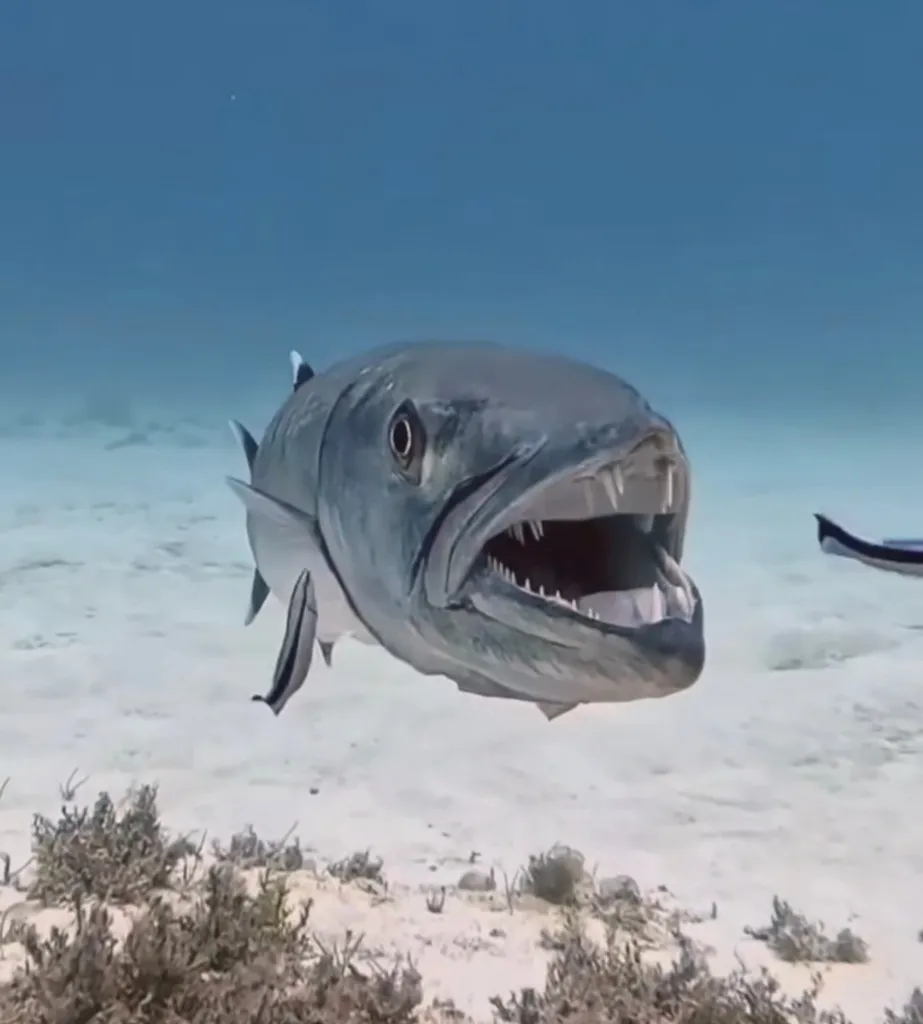
Divers exploring Koh Rin encounter a varied depth profile, accommodating both entry-level and experienced individuals across its distinct sites. Hin Ton Mai, also known as South Rock, reaches depths up to 22 meters (72 ft), making it a popular choice for recreational divers seeking moray eels and barracuda. Conditions here generally present as manageable. Conversely, Hin Khao, or North Rock, features impressive rocky outcrops and a wall extending approximately fifteen meters high (50 ft), creating shelter for various fish species like pipefish. At this site, conditions are often stable, though currents can sometimes pick up, requiring awareness. Koh Rin Bay, closer to the main island, is shallower, reaching max depths of 16 meters (52 ft). The bay's exposure means it requires calmer weather for optimal enjoyment, as it isn't well-protected from stronger currents. A more protected area exists on Koh Rin's western side. It offers excellent training grounds for new divers, yet still presents an acceptable challenge for qualified individuals, particularly when surface waves are significant, demonstrating the site's adaptability.
Dive Difficulty & Safety Guidelines
Understanding your own certification level and current sea state remains paramount for a safe dive at Koh Rin. Given its isolation and distance from mainland Pattaya, planning ahead is essential. Always consult with a local dive professional familiar with the site and its present conditions before entering the water.
Certain areas, such as Koh Rin Bay, are noted as being less protected from currents and dependent on good weather for safe diving; therefore, assessing real-time conditions is critical here. While no specific hazards are reported, standard safe diving practices apply, including proper buddy procedures and ascending slowly.
Divers should remain aware of their surroundings, particularly around rocky outcrops and walls where marine life may be encountered. Choosing a reputable dive operator who prioritizes safety briefings and environmental protection contributes to a positive and secure experience.
Recommended Equipment
- Dive Computer
This gear list is based on verified equipment signals for Koh Rin, Thailand. Always confirm final gear choices with your dive operator, guide, or liveaboard.
Recommended Dive Suit
Forecast conditions over the next few days suggest temperatures will remain relatively stable.
Divers who prefer a balanced level of warmth often select dive skin or rash guard in water temperatures like this. A hood or vest is suggested for sensitive divers due to surface winds.
Current dive conditions indicate that water temperatures around Koh Rin are sitting at roughly 30°C (86°F). Surface air temperatures are resting at 29°C (84°F).
Emergency & Medical Support
Essential information to help you plan your dive trip to Koh Rin.

Hyperbaric chambers are a critical part of dive safety infrastructure. Availability varies significantly by region, and not all dive areas have immediate access.
Before diving, it's recommended to:
- confirm nearest medical facilities
- check emergency procedures with local dive operators
- ensure dive insurance covers evacuation if required
Divers Alert Network
Diving emergency assistance available through DAN World.
+1-919-684-9111- 24/7 emergency hotline
- Diving medical assistance
- Evacuation coordination
Emergency contacts are provided for reference. Always verify local emergency services before diving.
Marine Life at Koh Rin
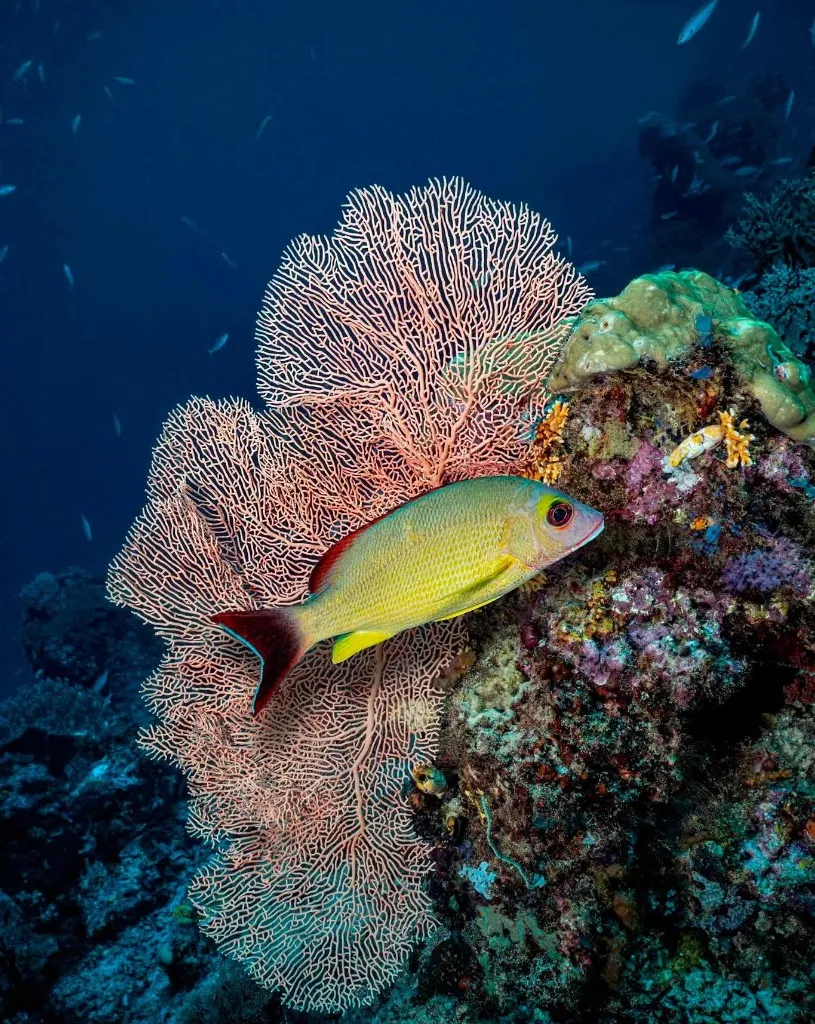
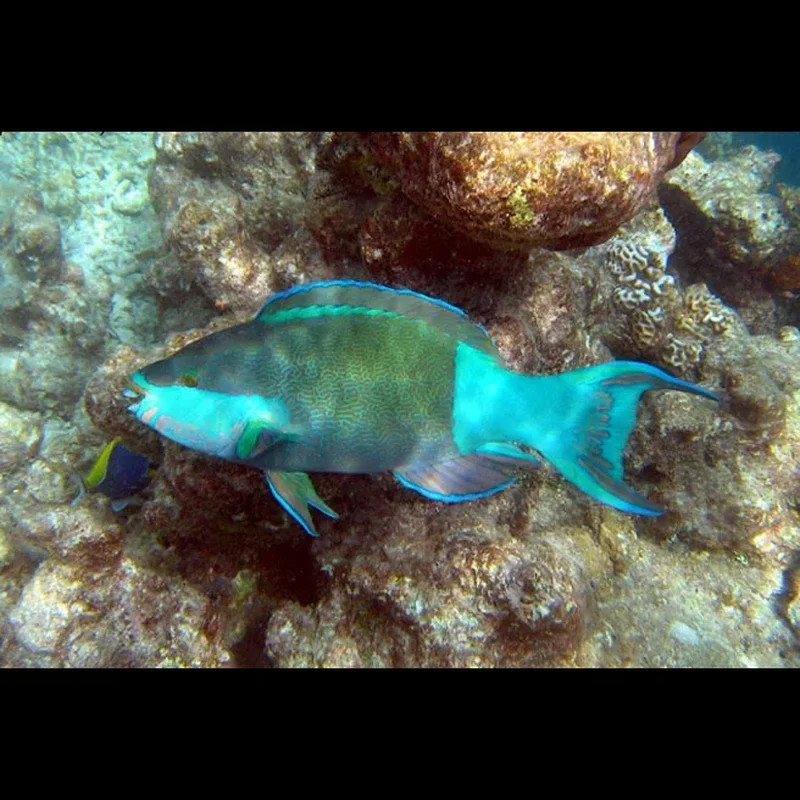
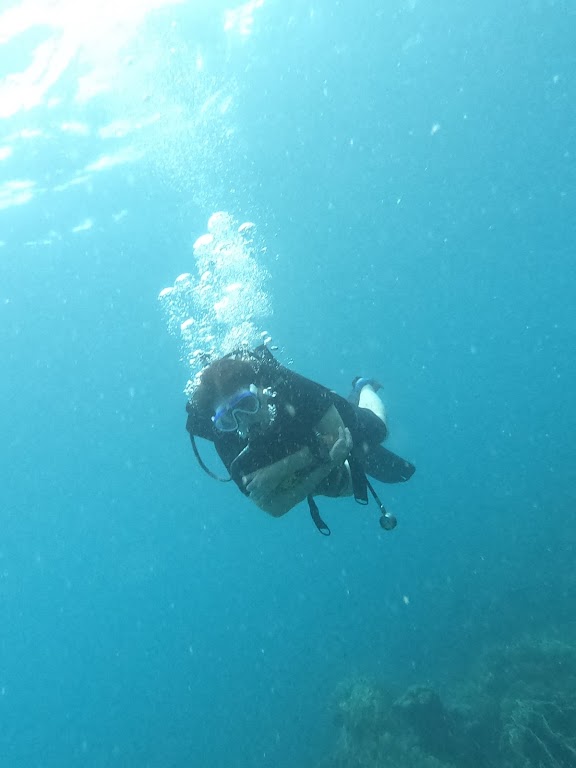
Upon descending into Koh Rin's waters, divers frequently first notice the vibrant coral formations, which host a considerable diversity of fish. These healthy reef systems provide shelter for species like the harlequin sweetlips, various snappers, squirrelfish, and lionfish.
Exploring Hin Ton Mai (South Rock) often yields sightings of moray eels and barracuda, with occasional rare encounters of marble rays. At Hin Khao (North Rock), divers may spot pipefish nestled among the rocky outcrops.
Both sites also reveal parrotfish, brittle stars, and feather stars. Keep an eye out for larger pelagics and turtles, which are known to visit the walls and deeper sections, adding another layer to the rich marine environment.
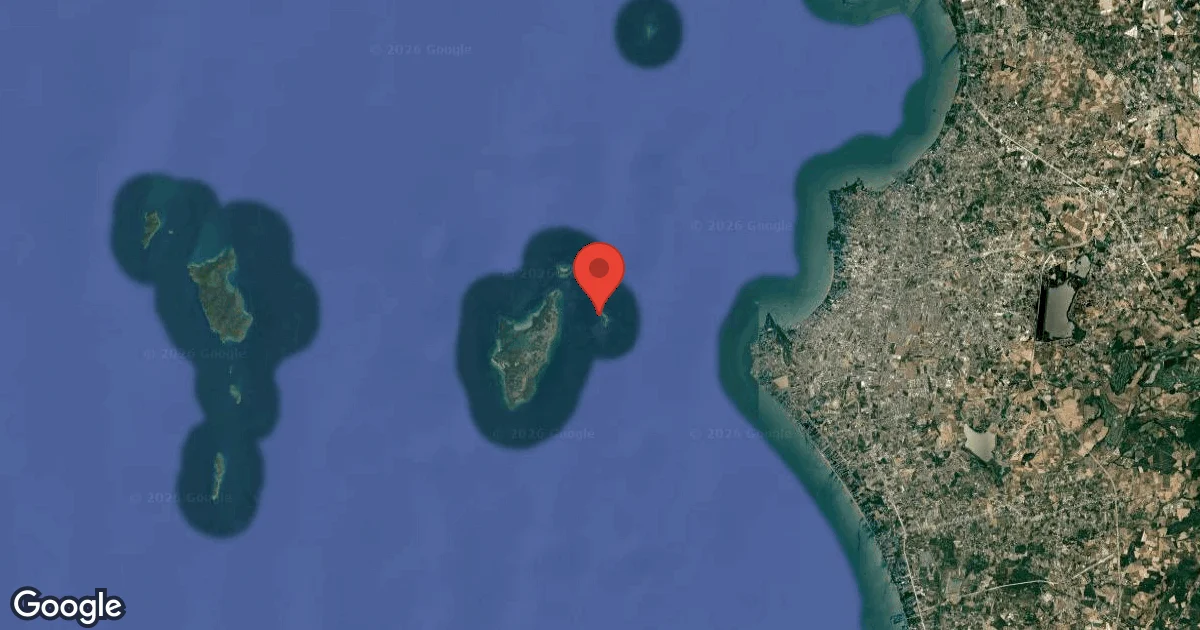
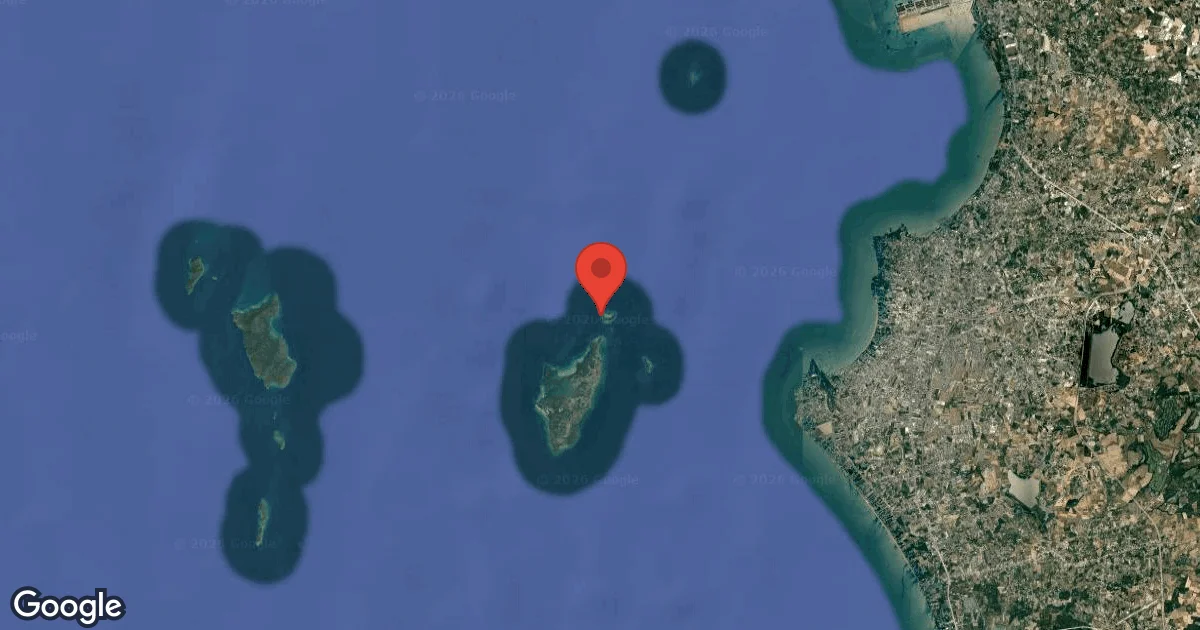
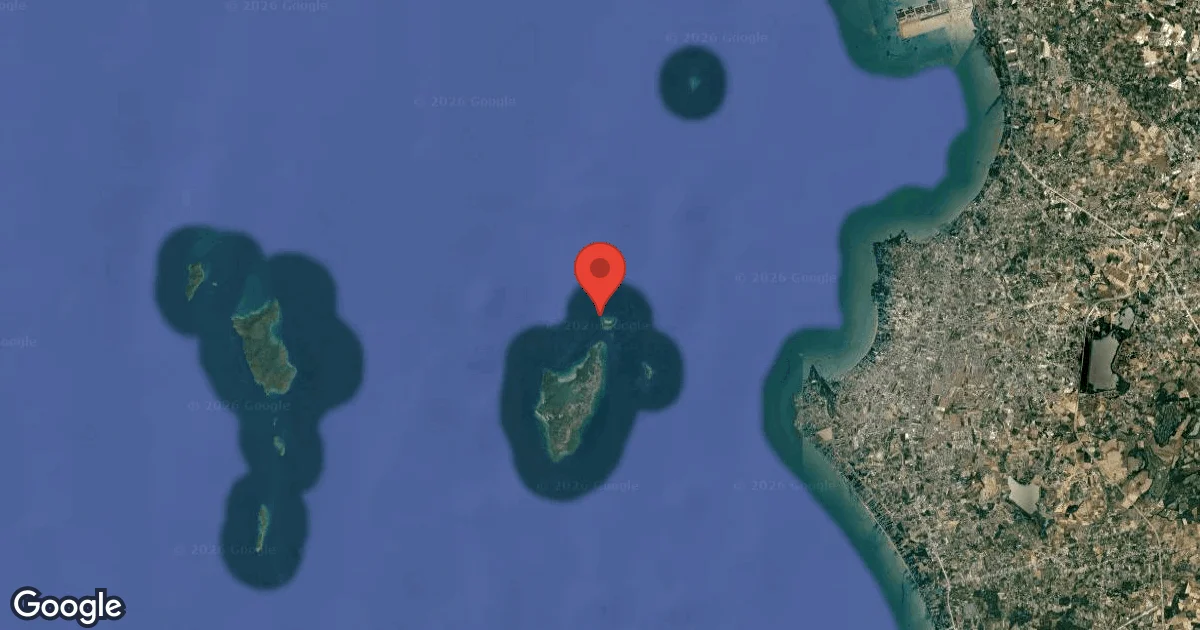
Dive Sites Near Koh Rin
View all dive sites in ThailandDiscover more underwater gems in this area.
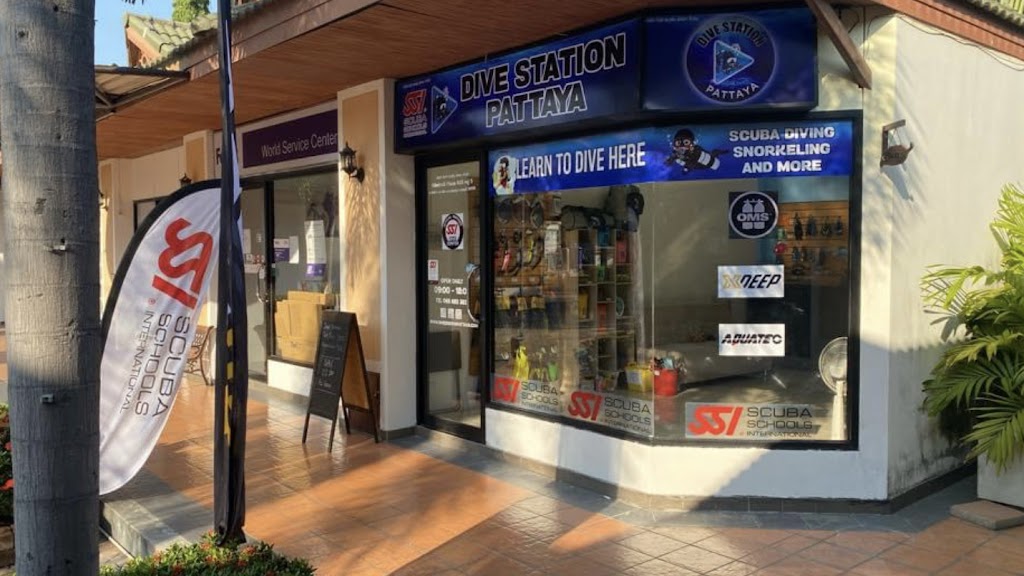
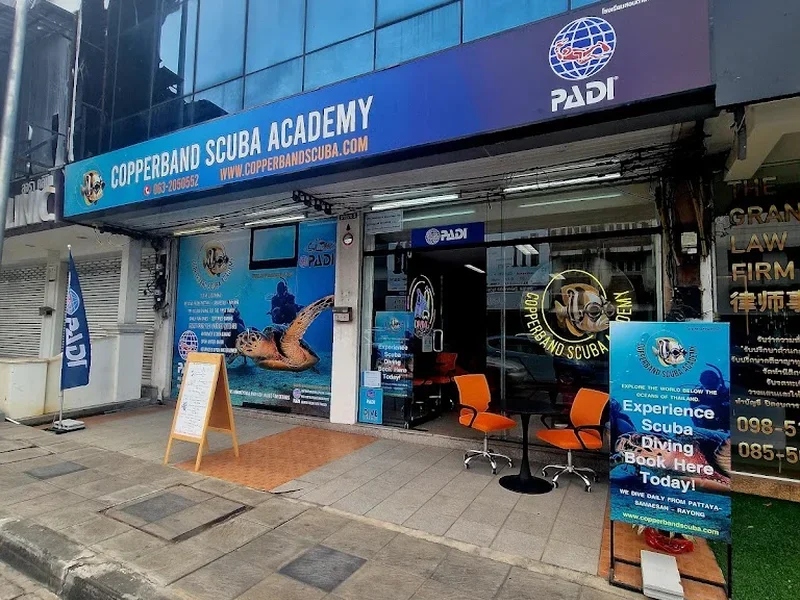
Dive Centers Near Koh Rin
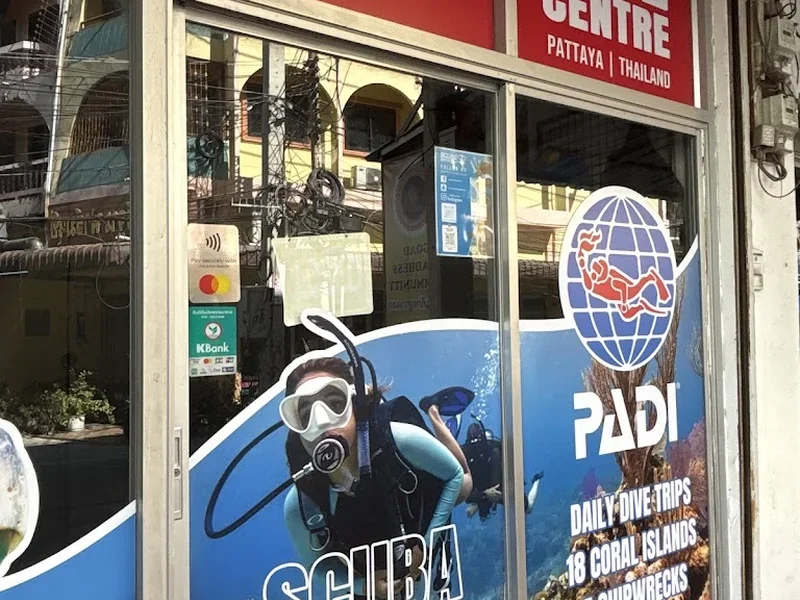
Today: 08:00 - 18:00
Nearest Airports
Nearest airports to help plan travel to this dive area.
Search Flights
Check available flights and routes on Expedia, using the nearby airports listed in this section.
Search Flights on ExpediaFrequently Asked Questions
How far is Koh Rin from mainland Pattaya, and how can I get there?
Koh Rin is approximately a three-hour boat ride from mainland Pattaya. There isn't a dedicated public ferry service, so access is typically arranged through private dive operators.
Are there accommodations available on Koh Rin?
No, Koh Rin remains untouched by human development in terms of public infrastructure. The island does not have resort accommodations or public facilities, preserving its natural state.
What are the primary types of marine life I can expect to see?
Divers regularly encounter a variety of reef fish, including harlequin sweetlips, snappers, squirrelfish, and lionfish. Larger species like moray eels, barracuda, and occasional turtles are also common sights.
Is Koh Rin suitable for beginner divers?
Yes, Koh Rin has dive sites suitable for various experience levels. The protected western side, for instance, is ideal for training new divers, while other areas cater to qualified individuals.
What are the typical depths at Koh Rin dive sites?
Depths vary significantly across the sites. Hin Ton Mai (South Rock) reaches up to 22 meters (72 ft), while Koh Rin Bay is shallower, with a maximum depth of 16 meters (52 ft).
Are there strong currents at Koh Rin?
Currents vary by site and conditions. Koh Rin Bay, for example, is not well-protected and relies on good weather for enjoyable diving, suggesting potential for stronger currents there.
What are the best months for diving at Koh Rin?
The months of January, February, and November typically offer "Excellent" diving conditions. Reduced rainfall and stable weather patterns during these periods contribute to clearer waters.
Planning to dive Koh Rin?
Send one inquiry and receive offers directly from the best verified local dive operators.
Conditions are Good
Optimal conditions expected
Current conditions near Koh Rin show 29° air, 30° sea temperature, 0.5 m waves, and 27 km/h wind. Forecast data is refreshed regularly to ensure accuracy.