
Diving at Angel Reef (Trinidad and Tobago)
Underwater photographers find this reef an excellent canvas, particularly for macro subjects. Its clear waters and generally quiet currents establish an excellent environment for detailed close-up shots. A calm nature also positions it as a prime spot for night diving, where specific cleaning stations offer captivating interactions with local marine life. It's a site celebrated for intimate encounters rather than grand vistas.
Evening condition tracking at Angel Reef features an air temperature of 27°C. We have recorded wave heights measuring 1.1 m during this period. These figures outline the environmental parameters currently present.
Dive Site Location & Key Facts
Dive Site Overview
Angel Reef invites exploration of its moderate depths, typically ranging from 4 to 18 m (15 to 60 ft). Such a profile makes it an accessible choice for new divers, yet sufficient detail engages experienced eyes.
The reef presents a naturally varied assortment of corals, including star, starlet, honeycomb, and plate formations, often interspersed with sea plumes, black sea rods, and bent sea rods. Conditions generally feature good visibility and quiet currents, contributing to relaxed drift dives. A particular draw lies in the numerous cleaning stations.
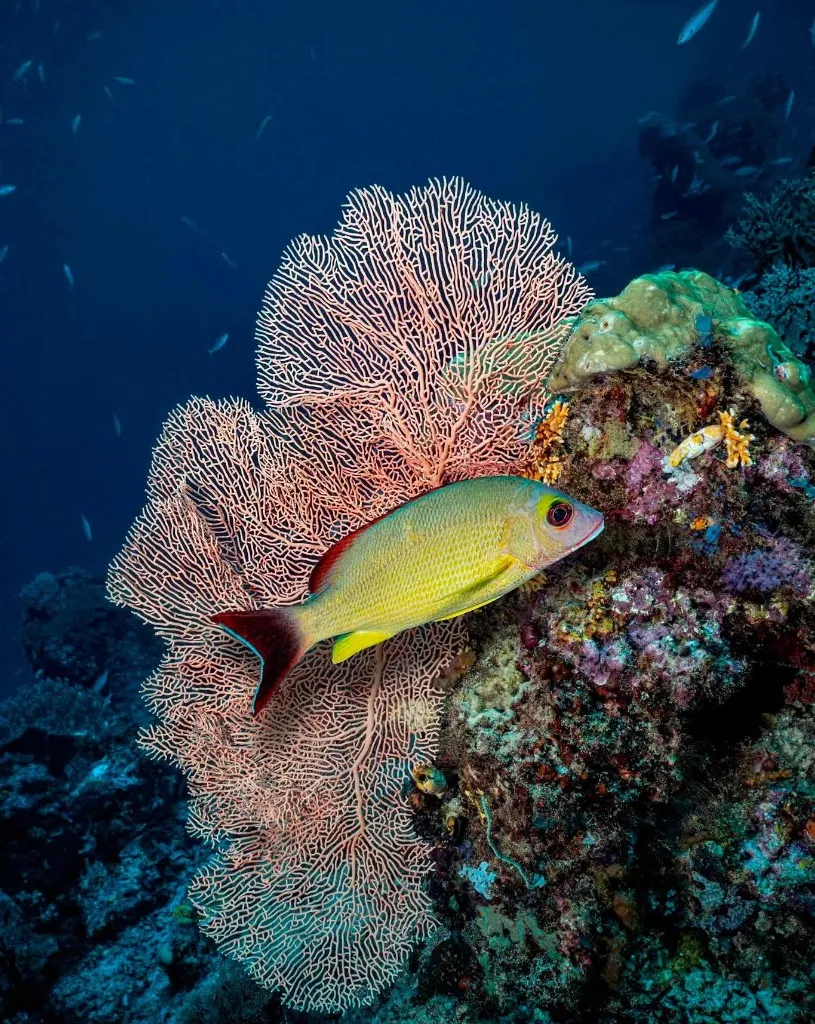
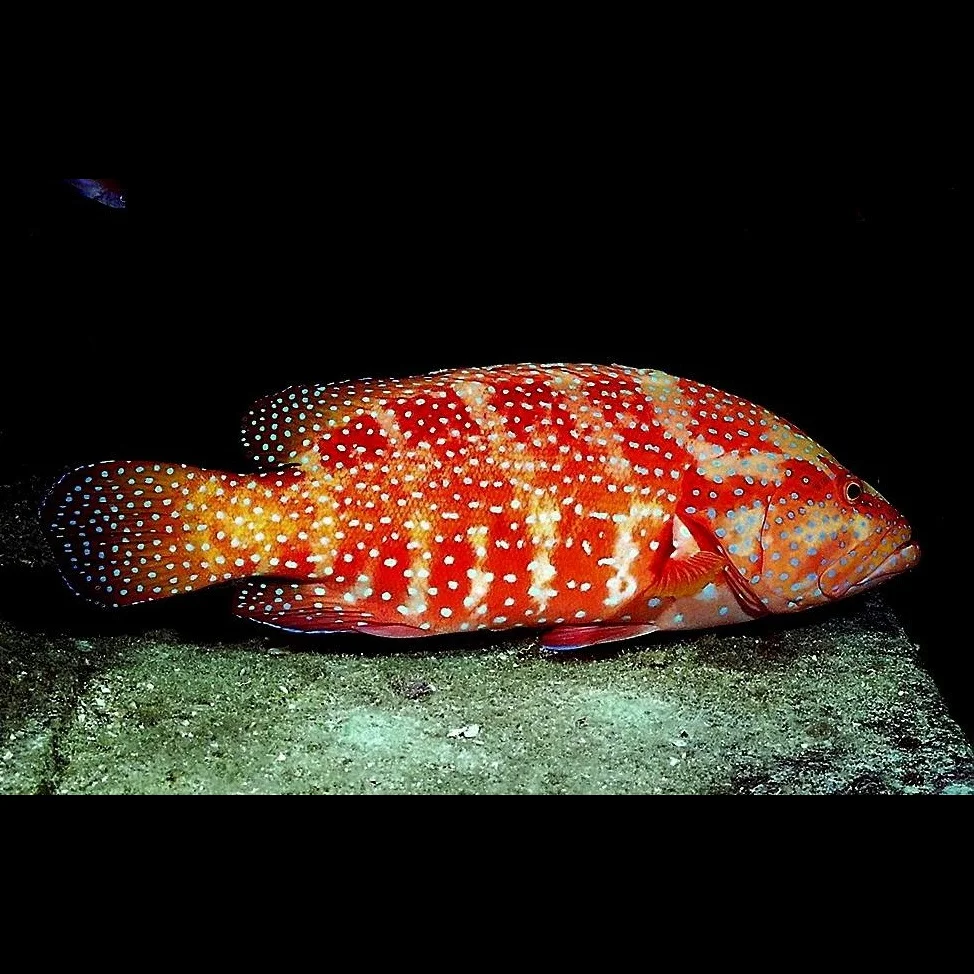
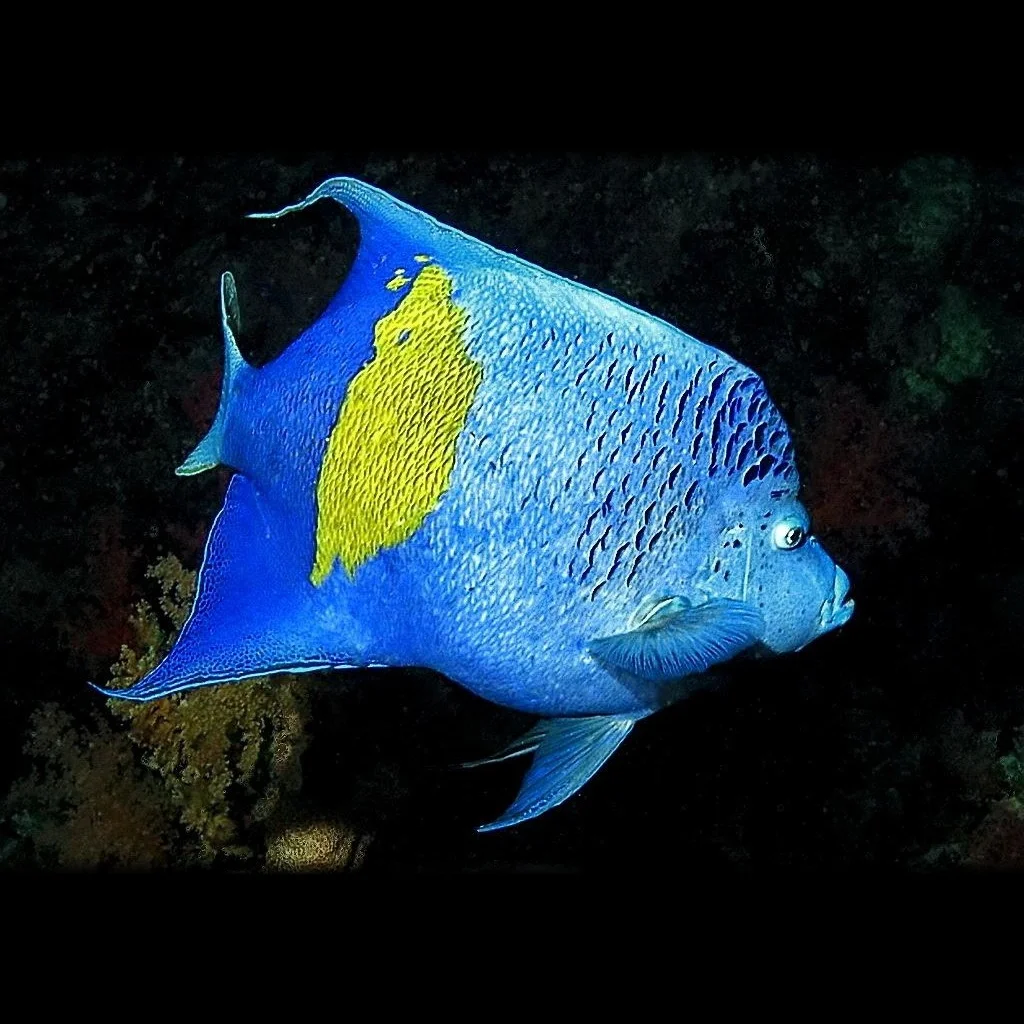
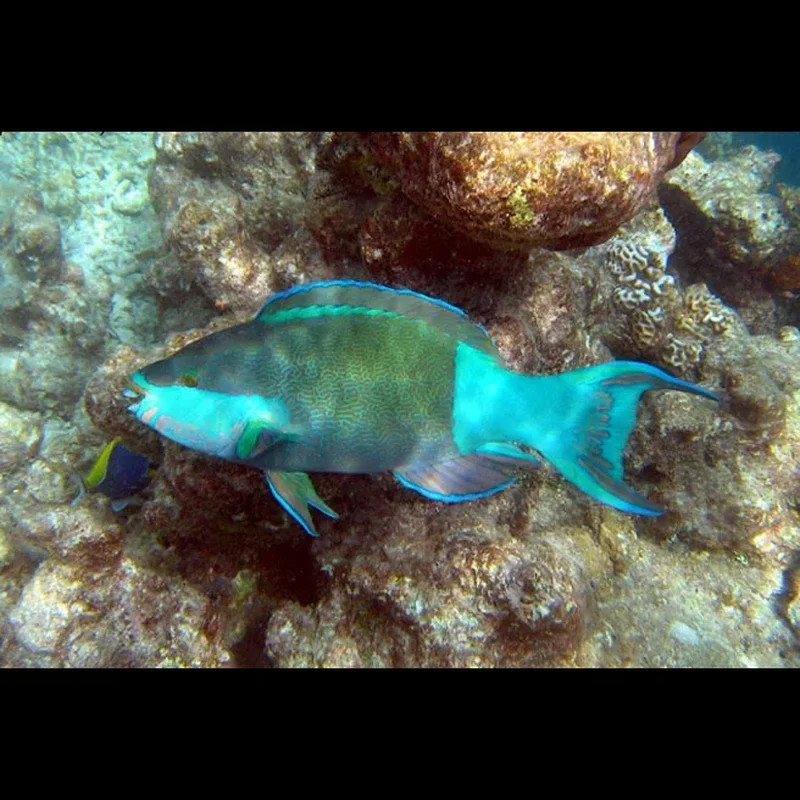
Observant divers can witness cleaning shrimps diligently attending to angelfish, groupers, snappers, and parrotfish. Overall, the atmosphere encourages gentle observation, prompting closer inspection of smaller details.
While a broad variety of marine life can be observed, some reports indicate localized coral health concerns; conditions may vary depending on specific area and time of visit. Nevertheless, a productive location for macro photography, it offers rewarding night dive experiences due to its calm behavior.
Conditions are Good
Optimal conditions expected
Current conditions near Angel Reef show 27° air, 30° sea temperature, 1.1 m waves, and 25 km/h wind. Forecast data is refreshed regularly to ensure accuracy.
Best Time to Dive
Planning a dive at Angel Reef? Optimal conditions for clarity often emerge between January and June. Visibility tends to be at its peak during these months. Climate data reports lower rainfall from January through May, with monthly averages ranging from 1.46 to 3.11 mm. Reduced precipitation typically limits runoff, preserving clearer waters. Air temperatures during this period are pleasantly warm, averaging between 26.5°C and 27.5°C (79-82°F). As the year progresses into the June to November wet season, increased rainfall, with July averaging 5.76 mm, can introduce runoff from the Orinoco River, potentially impacting visibility. Despite prevailing conditions, overall dive scores remain "Good" from April through November. Even in months rated "Moderate," the site is generally diveable. Water temperatures stay consistently warm, around 27°C (80°F) year-round. Later summer and fall might offer slightly calmer waves, but visibility trade-offs frequently make the earlier half of the year more attractive for photographers and those prioritizing excellent underwater views.
PEAK SEASON SCORE
Scores combine air & water temps, waves, wind & rainfall for overall conditions.
BEST MONTHS TO DIVE
Monthly records compiled from satellite and marine observation nodes over the last 3 years. Data provided by Open-Meteo and MET Norway.
Dive Experience & Conditions
Underwater conditions here typically feature quiet currents, making it an excellent site for divers who prefer a more relaxed pace or are honing drift diving skills. Stable underwater conditions often result from an absence of strong flow. Visibility is usually quite good, though reports suggest it can vary, especially with seasonal changes or localized runoff. Water temperatures remain consistently warm, settling around 27°C (80°F) throughout the year, negating the need for thick exposure protection. A comfortable environment makes extended bottom times pleasant. A beginner-friendly depth range means divers can explore without significant advanced training. However, some individual dive accounts have noted varying states of coral health across different sections of the reef or during specific visits. It's advisable to consult with local dive operators for the most current on-site conditions, as these can fluctuate.
Dive Difficulty & Safety Guidelines
Approaching Angel Reef as a beginner-level drift and reef dive site requires attention to standard safety practices. Always maintain situational awareness, particularly regarding your position relative to the reef and your dive buddy. Given the potential for gentle drift, carrying a surface marker buoy (SMB) is a sensible precaution to ensure easy surface location by your boat crew.
While currents are generally slack, knowing how to safely manage a mild drift is beneficial. It's also critical to practice good buoyancy control to avoid damaging the varied coral structures present.
Divers should respect all marine life, observing interactions at cleaning stations from a respectful distance without interfering. Checking with local dive shops for up-to-date conditions, including any localized current patterns or visibility reports, will enhance your planning.
Recommended Equipment
Current and surface separation risk. Local briefing strongly recommended.
- Dive Computer
- DSMB
- Reel / Spool
This gear list is based on verified equipment signals for Angel Reef, Trinidad and Tobago. Always confirm final gear choices with your dive operator, guide, or liveaboard.
Recommended Dive Suit
With water temperatures around 30°C (85°F), many divers find a dive skin or rash guard provides comfortable protection.
Divers performing multiple dives may appreciate slightly warmer protection later in the day.
Forecast models indicate that diving conditions should remain largely unchanged.
Emergency & Medical Support
Essential information to help you plan your dive trip to Angel Reef.

Hyperbaric chambers are a critical part of dive safety infrastructure. Availability varies significantly by region, and not all dive areas have immediate access.
Before diving, it's recommended to:
- confirm nearest medical facilities
- check emergency procedures with local dive operators
- ensure dive insurance covers evacuation if required
Divers Alert Network
Diving emergency assistance available through DAN World.
+1-919-684-9111- 24/7 emergency hotline
- Diving medical assistance
- Evacuation coordination
Emergency contacts are provided for reference. Always verify local emergency services before diving.
Marine Life at Angel Reef
Divers often first notice active cleaning stations scattered across Angel Reef. Here, observing cleaning shrimps meticulously tending to angelfish, groupers, snappers, and parrotfish is common.
Such interactions offer excellent opportunities for close-up viewing and photography. Diverse hard corals, including star, starlet, honeycomb, and plate formations, also thrive on the reef.
Soft corals like sea plumes, black sea rods, and bent sea rods add to the vibrant underwater landscape. While specific sightings vary, busy cleaning stations and diverse coral formations consistently capture attention, revealing intricate life cycles of the reef's inhabitants.
Dive Sites Near Angel Reef
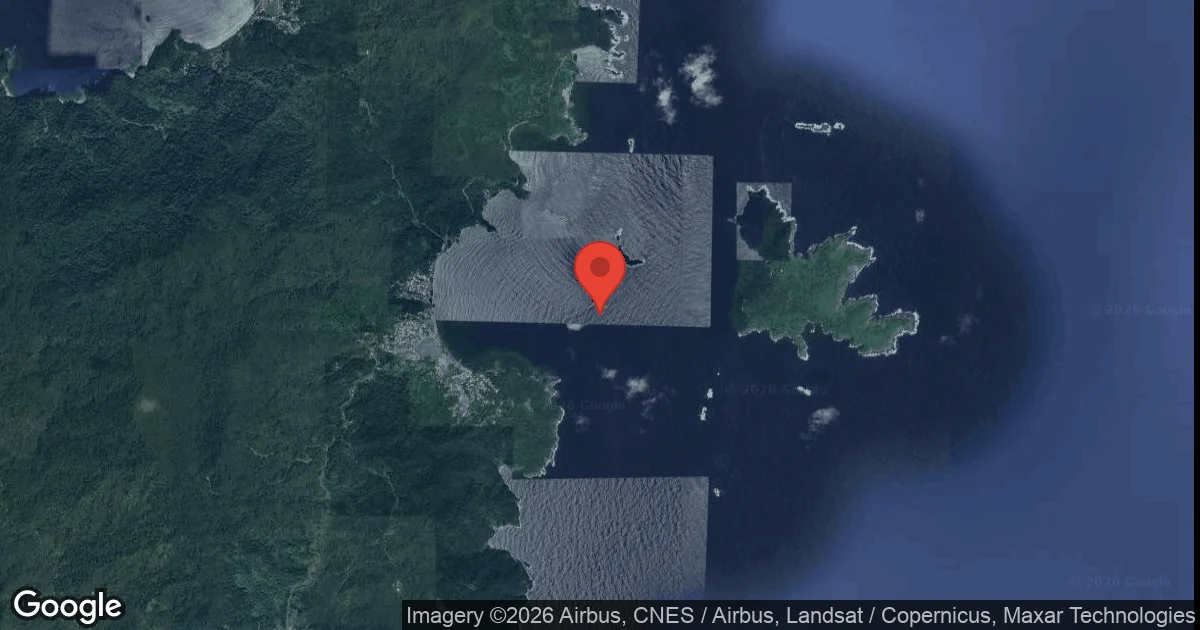
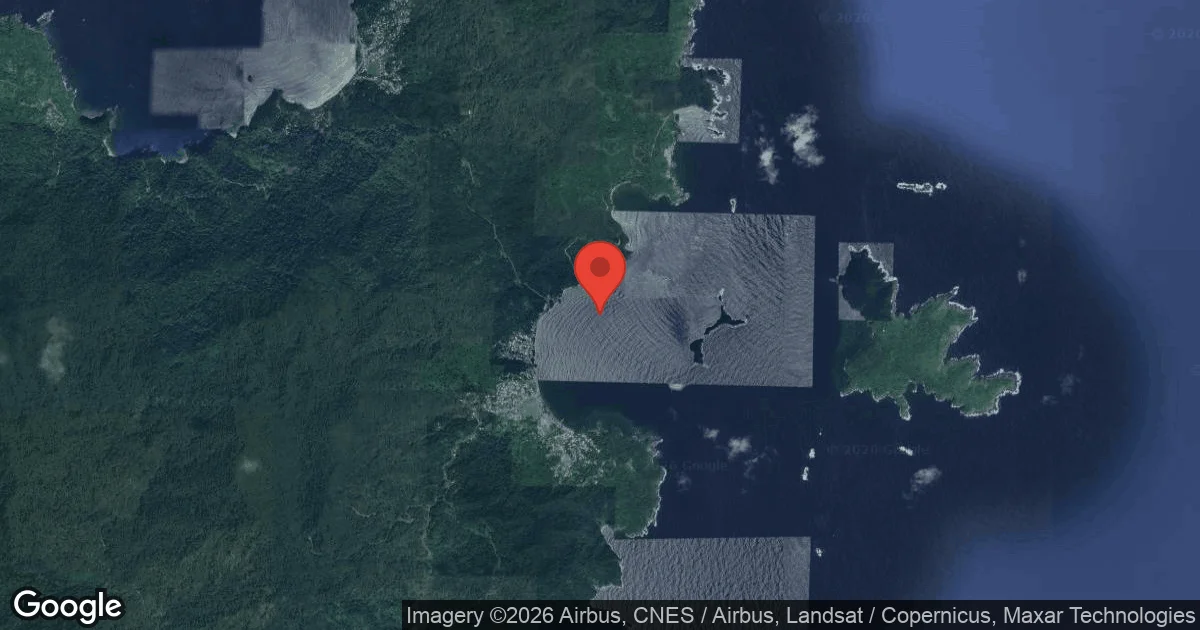
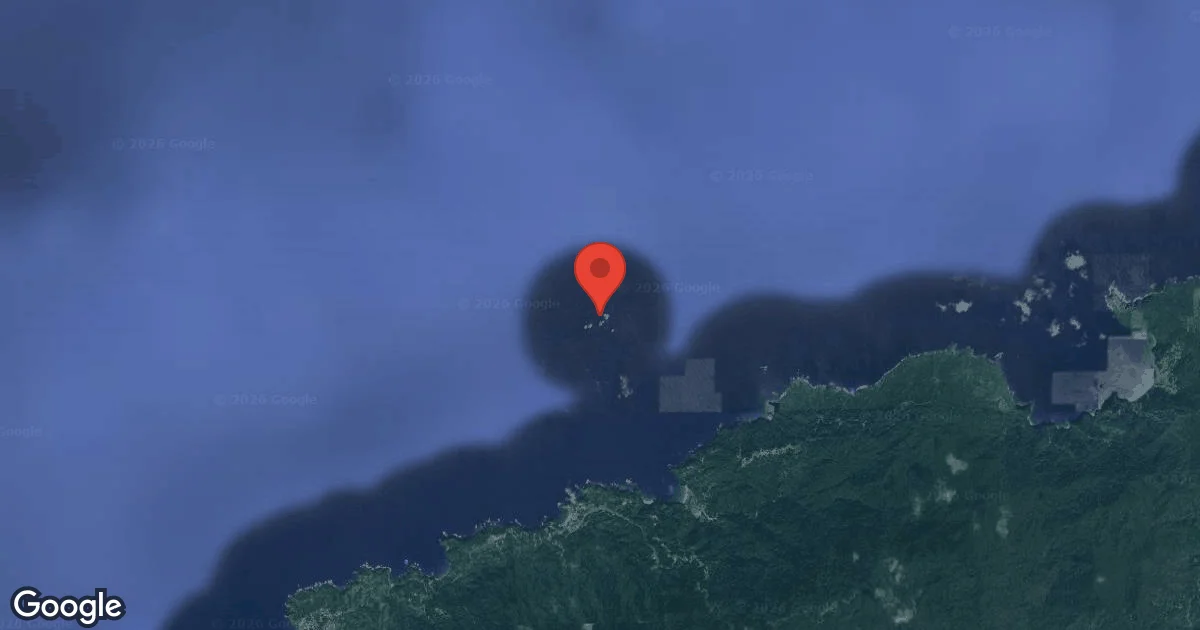
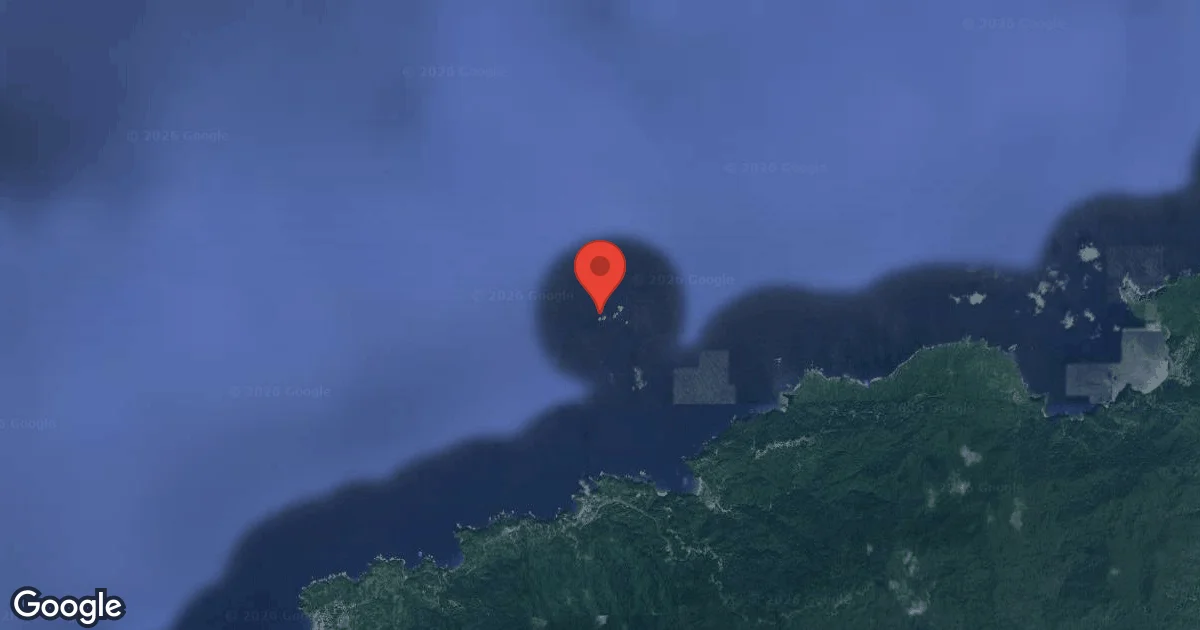
View all dive sites in Trinidad and TobagoDiscover more underwater gems in this area.
Dive Centers Near Angel Reef
No Dive Centers Local To Angel Reef
Are you a dive center visiting this location? Get listed to reach divers.
Nearest Airports
Nearest airports to help plan travel to this dive area.
Search Flights
Check available flights and routes on Expedia, using the nearby airports listed in this section.
Search Flights on ExpediaFrequently Asked Questions
What is the typical depth range at Angel Reef?
Angel Reef generally offers depths between 4 to 18 meters (15 to 60 feet), making it accessible for a wide range of certified divers. The shallower profile is suitable for extended bottom times.
Are the currents strong at Angel Reef?
No, Angel Reef is primarily known for its clear waters and quiet, or slack, currents. This makes it a good site for beginner drift dives and macro photography.
Is Angel Reef suitable for beginner divers?
Yes, Angel Reef is considered a beginner-friendly dive site due to its moderate depths and generally calm conditions. It's an excellent location for gaining experience in reef and gentle drift diving.
What marine life can I expect to see at Angel Reef?
The reef is known for its cleaning stations, where you can observe cleaning shrimps interacting with angelfish, groupers, snappers, and parrotfish. You'll also find various hard and soft corals.
Is night diving recommended at Angel Reef?
Absolutely. With its clear waters and minimal currents, Angel Reef is considered an excellent choice for night dives, providing different perspectives on the reef's nocturnal inhabitants.
What is the water temperature like at Angel Reef?
Water temperatures at Angel Reef are consistently warm, typically hovering around 27°C (80°F) throughout the year. This allows for comfortable diving with minimal thermal protection.
How is the coral health at Angel Reef?
While Angel Reef features a variety of coral formations, some reports have indicated localized concerns about coral health. Conditions can vary, so checking with a local dive operator for the latest updates is advisable.
Planning to dive Angel Reef?
Send one inquiry and receive offers directly from the best verified local dive operators.
Conditions are Good
Optimal conditions expected
Current conditions near Angel Reef show 27° air, 30° sea temperature, 1.1 m waves, and 25 km/h wind. Forecast data is refreshed regularly to ensure accuracy.