
Diving at Flying Manta (Trinidad and Tobago)
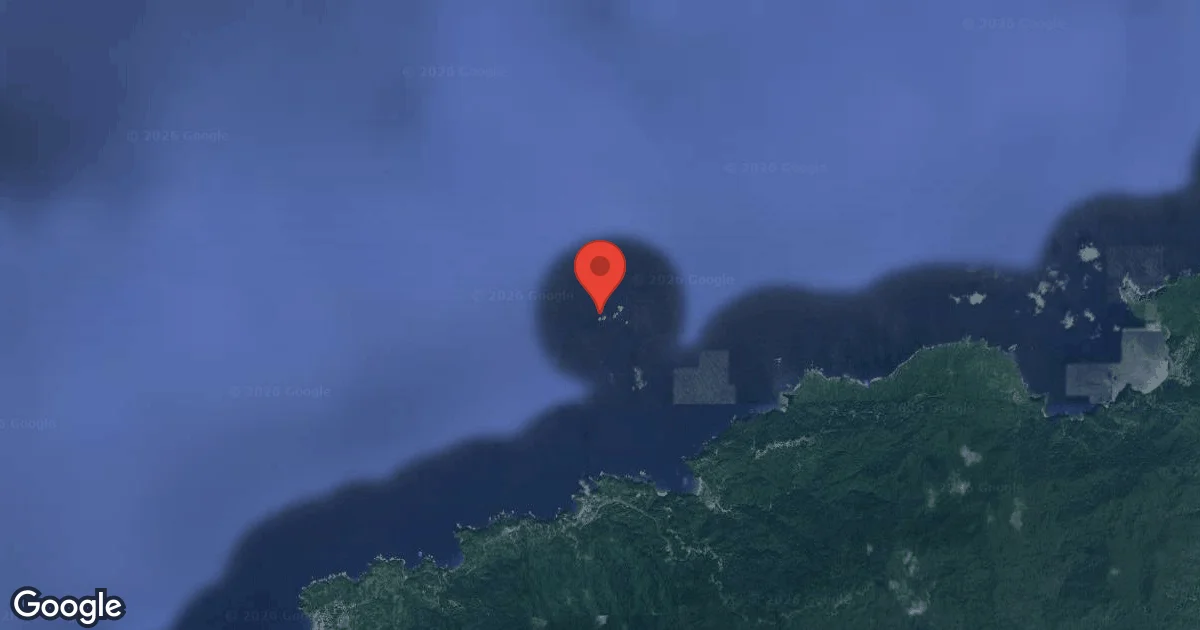
Positioned in the waters of Trinidad and Tobago, Flying Manta provides a distinctive drift dive experience. This reef site is celebrated for its expansive coral formations and the dynamic flow of its currents. Divers navigate through a relatively shallow reef environment, encountering a rich array of marine life along the way. It offers an engaging introduction to drift diving.
As evening covers Flying Manta, the local air temperature is measured at 26.5°C. The current wave height at the surface is recorded at 1 m. These late-day readings characterize the surface conditions for the night.
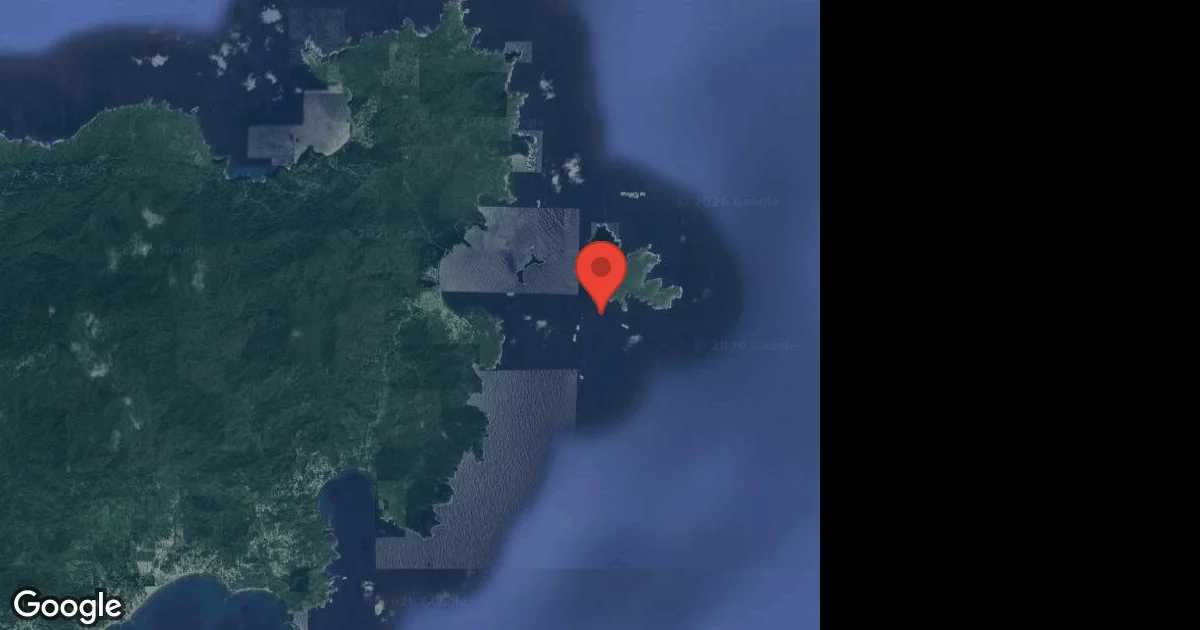
Dive Site Location & Key Facts
Dive Site Overview
Gliding effortlessly over the vibrant underwater landscape of Flying Manta provides a compelling introduction to drift diving. This distinctive reef site, located in Trinidad and Tobago's waters, is characterized by its consistently flowing currents, making it an ideal environment for divers new to this style of exploration.
Divers can anticipate a relatively shallow journey, typically within the recreational limits of 8 to 20 m (26 to 66 ft). This depth range facilitates generous bottom time and excellent light conditions. Impressive, sprawling formations of plate coral colonies and immense barrel sponges define the underwater topography, creating a structurally rich habitat with numerous hiding spots for smaller creatures.
As the gentle current naturally propels the dive group along, the experience transforms into a relaxed, guided exploration where observing the thriving ecosystem becomes almost effortless. Water's inherent flow dictates the dive profile, minimizing physical exertion and maximizing observational opportunities across the wide coral gardens.
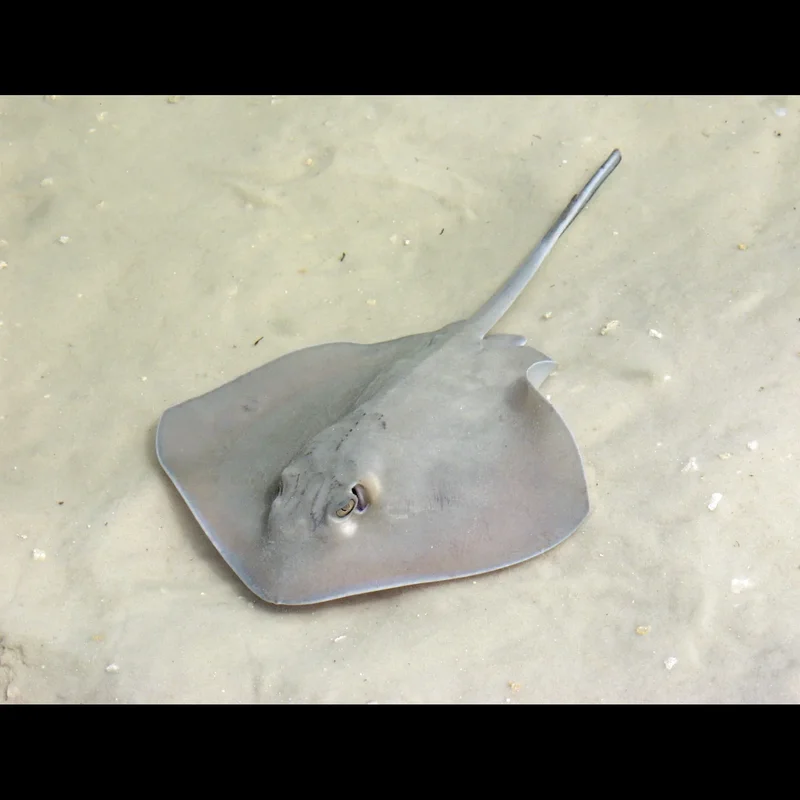
Schools of various reef fish gracefully drift alongside. Electric rays and stingrays are frequently spotted resting on the interspersed sandy bottom sections.
Flying Manta combines the rich visuals of a healthy reef dive with the dynamic element of a natural drift, catering effectively to certified divers seeking both vibrant scenery and an approachable, current-driven adventure.
Conditions are Good
Optimal conditions expected
Current conditions near Flying Manta show 27° air, 30° sea temperature, 1.1 m waves, and 24 km/h wind. Forecast data is refreshed regularly to ensure accuracy.
Best Time to Dive
Planning your visit to Flying Manta ideally aligns with the drier, calmer months in Trinidad and Tobago, typically from April through November, when dive conditions are rated 'Good'. During this period, average air temperatures range comfortably from 27-28.5°C (81-83°F), and rainfall is generally lower, promoting better visibility. In contrast, the months from December to March, and June, see 'Moderate' dive scores. Air temperatures remain warm, between 26.5-27°C (80-81°F), but these periods tend to experience slightly higher rainfall and increased wind speeds, which can influence surface conditions and overall dive comfort. Choosing months within the 'Good' rating offers a more consistent and enjoyable dive experience.
PEAK SEASON SCORE
Scores combine air & water temps, waves, wind & rainfall for overall conditions.
BEST MONTHS TO DIVE
Monthly records compiled from satellite and marine observation nodes over the last 3 years. Data provided by Open-Meteo and MET Norway.
Dive Experience & Conditions
As divers descend into Flying Manta, a palpable sense of movement guides the exploration. The site provides a unique sensation of gliding effortlessly over impressive underwater landscapes. It's primarily a drift dive, often characterized by gentle, flowing currents that make it approachable for divers new to this type of experience. While current intensity varies, it's typically a fun and controlled drift. Exploring the depths reveals extensive plate coral colonies and huge sponges, creating a structurally rich reef environment. Water temperatures in the region are generally warm, typically ranging from 22-27°C (72-81°F), ensuring comfort during the dive.
Dive Difficulty & Safety Guidelines
Navigating Flying Manta presents the enjoyable challenge of a controlled drift dive, making proper preparation essential for an optimal experience. Given the site's characteristics, divers should possess good buoyancy control to avoid contact with the fragile coral formations. Maintaining a vigilant awareness of your buddy and the dive group is paramount, especially when moving with the current.
While considered suitable for beginners to drift diving, a pre-dive briefing on current behavior and emergency procedures specific to drift conditions is always advisable. Staying within recreational dive limits helps ensure a safe and relaxed exploration of this vibrant reef.
Recommended Equipment
Current and surface separation risk. Local briefing strongly recommended.
- Dive Computer
- DSMB
- Reel / Spool
This gear list is based on verified equipment signals for Flying Manta, Trinidad and Tobago. Always confirm final gear choices with your dive operator, guide, or liveaboard.
Recommended Dive Suit
Current diving conditions indicate water temperatures around 30°C (85°F) at Flying Manta. Surface air temperatures are resting at 27°C (80°F).
The forecast outlook suggests that temperatures will stay close to current levels.
Divers who prefer moderate insulation typically choose dive skin or rash guard in similar environments. A hood or vest is suggested for sensitive divers due to surface winds. Many experienced divers adjust their exposure protection depending on the type of dive planned.
Emergency & Medical Support
Essential information to help you plan your dive trip to Flying Manta.

Hyperbaric chambers are a critical part of dive safety infrastructure. Availability varies significantly by region, and not all dive areas have immediate access.
Before diving, it's recommended to:
- confirm nearest medical facilities
- check emergency procedures with local dive operators
- ensure dive insurance covers evacuation if required
Divers Alert Network
Diving emergency assistance available through DAN World.
+1-919-684-9111- 24/7 emergency hotline
- Diving medical assistance
- Evacuation coordination
Emergency contacts are provided for reference. Always verify local emergency services before diving.
Marine Life at Flying Manta
The vibrant underwater landscape of Flying Manta supports a diverse array of marine inhabitants. Within the extensive plate coral colonies and huge sponges, various reef fish find shelter and sustenance.
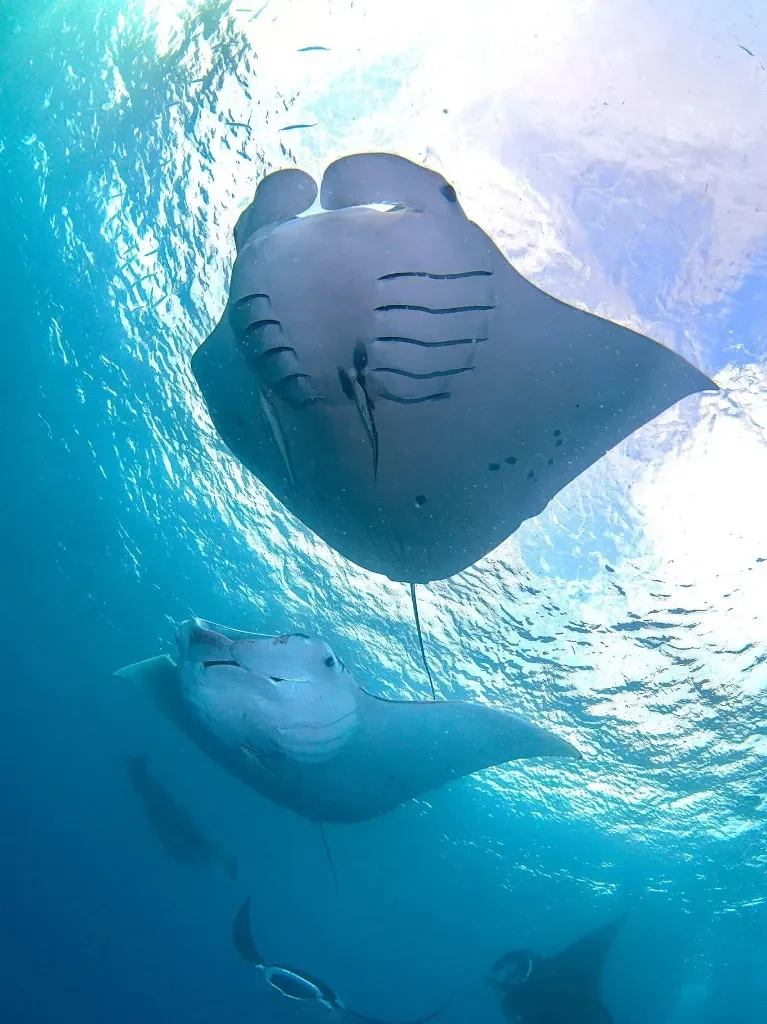
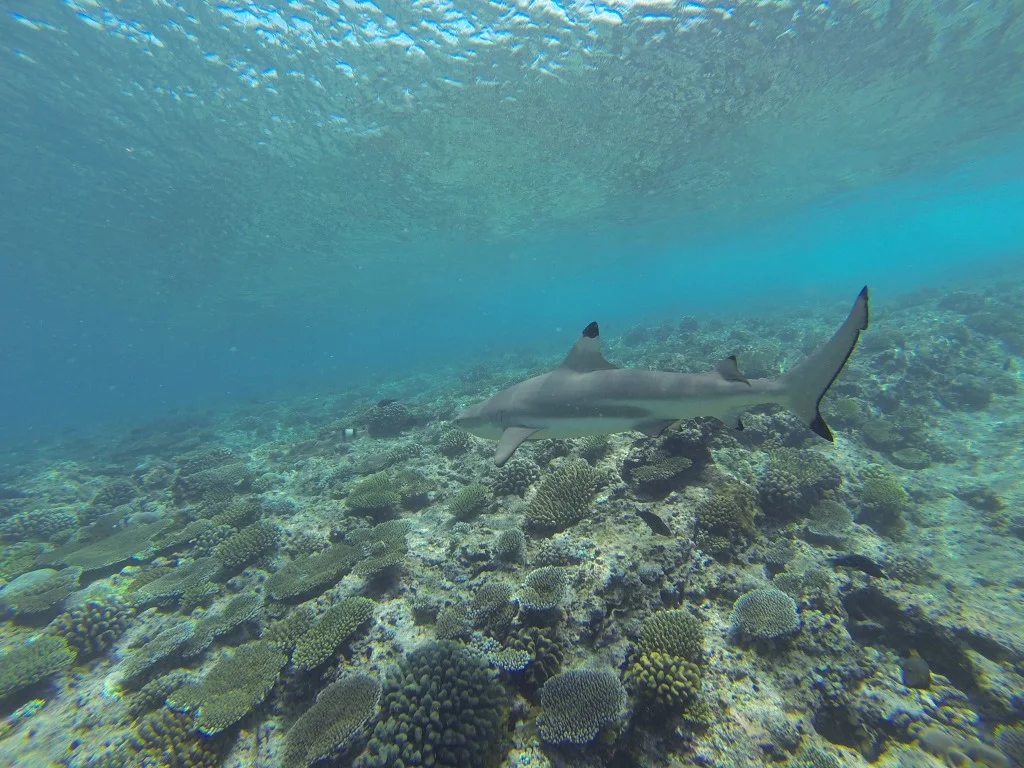
Divers frequently encounter both electric rays and stingrays gracefully moving across the sandy patches. Furthermore, the broader Tobago waters, and sometimes this site itself, are known for possibilities of spotting larger pelagic life such as sharks and turtles, as well as the namesake manta rays, which contribute to the rich biodiversity of the area.

Dive Sites Near Flying Manta
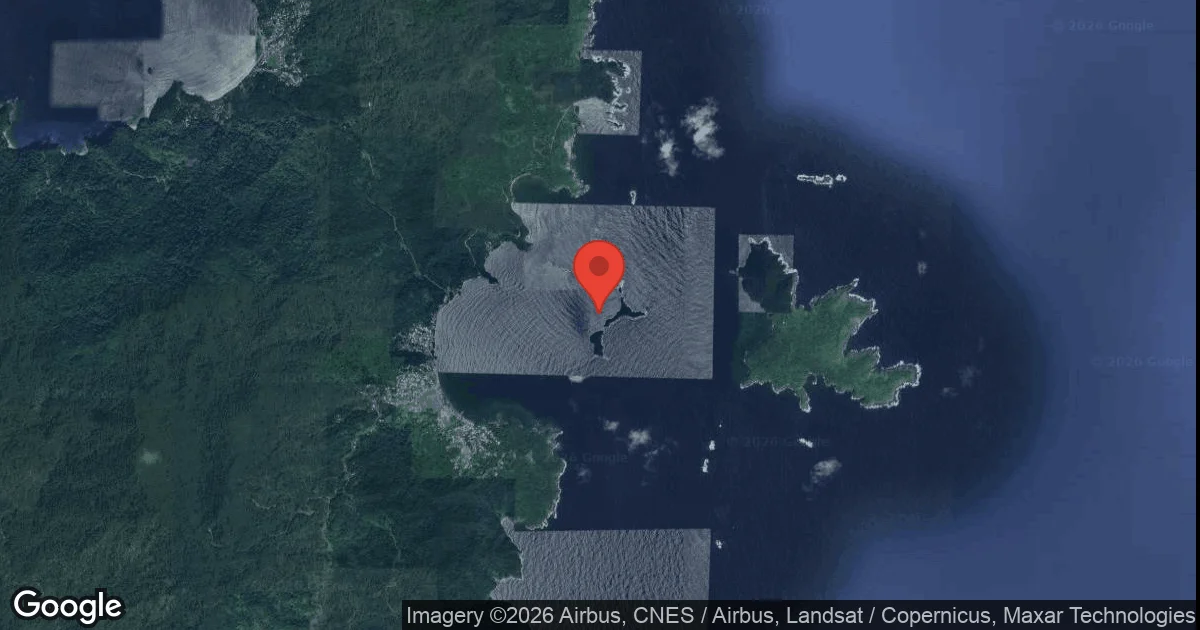
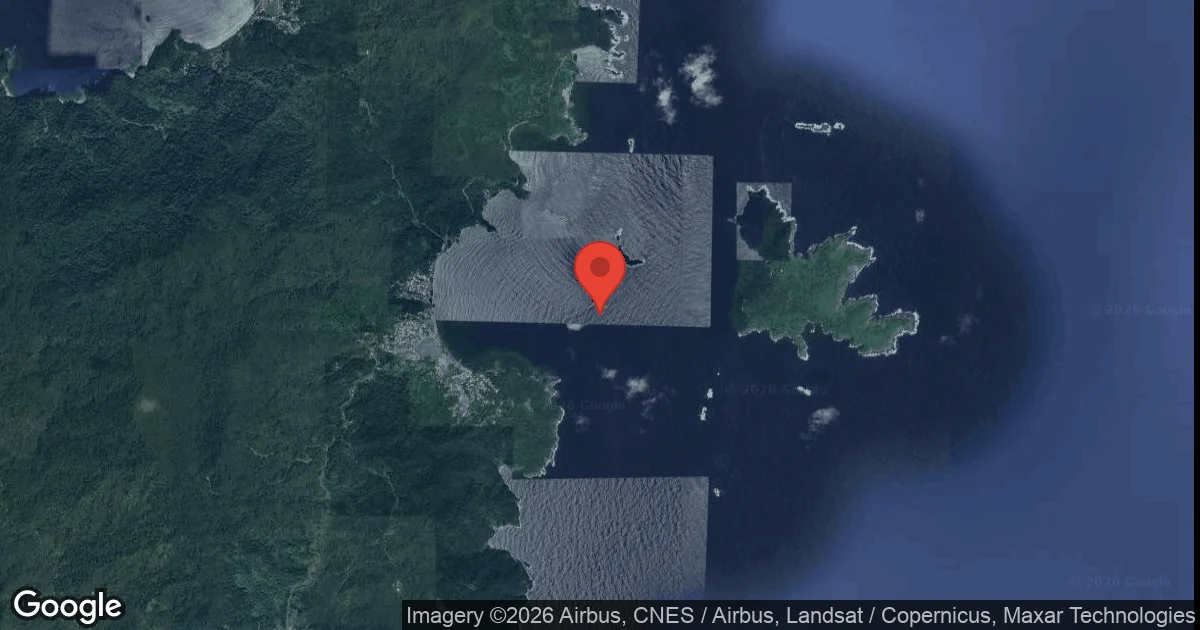
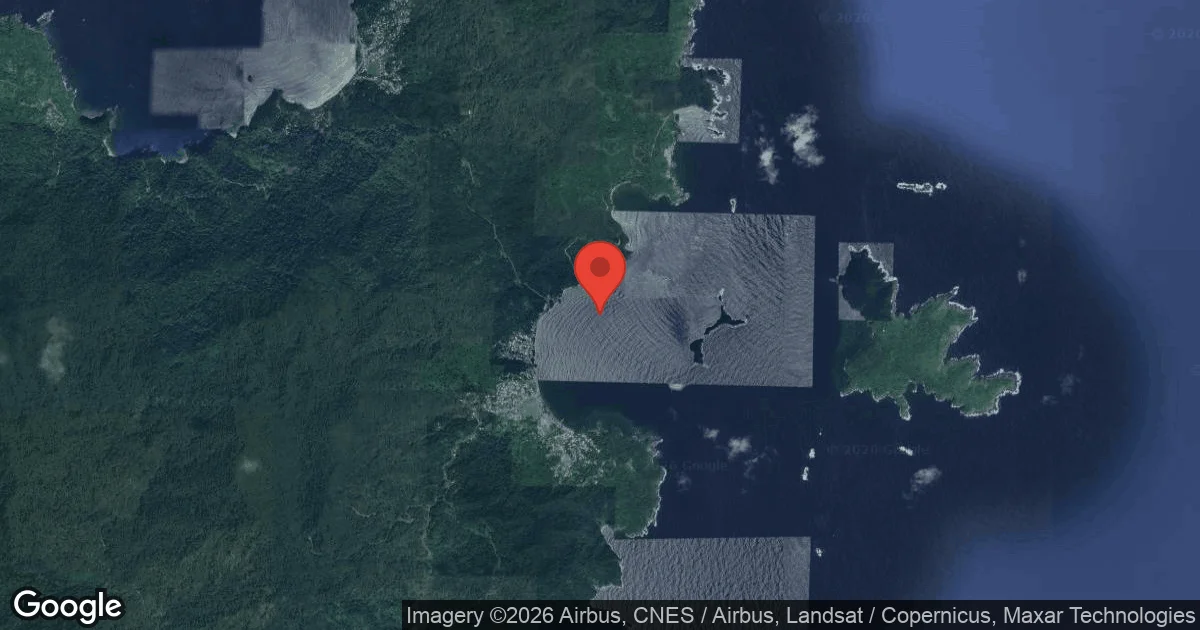
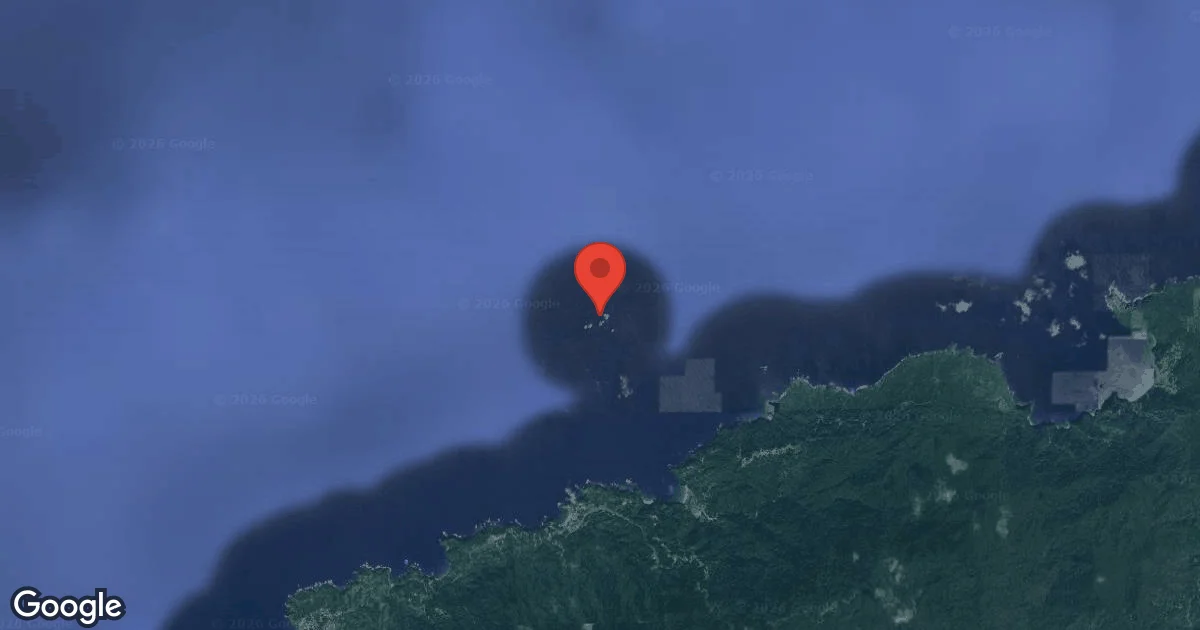
View all dive sites in Trinidad and TobagoDiscover more underwater gems in this area.
Dive Centers Near Flying Manta
No Dive Centers Local To Flying Manta
Are you a dive center visiting this location? Get listed to reach divers.
Nearest Airports
Nearest airports to help plan travel to this dive area.
Search Flights
Check available flights and routes on Expedia, using the nearby airports listed in this section.
Search Flights on ExpediaFrequently Asked Questions
What is the typical depth range at Flying Manta?
Divers can expect a relatively shallow exploration at Flying Manta, with depths typically ranging from 8 to 20 m (26 to 66 ft). Remaining within recreational dive limits, the site allows for good light penetration and extended bottom times.
How challenging are the currents at Flying Manta?
Flying Manta is known for its gentle, consistent currents, making it an ideal drift dive for beginners. While current intensity can vary slightly, it generally provides a controlled and enjoyable experience. Divers new to drift diving will find it very approachable.
What type of marine life can divers expect to see?
The reef supports a diverse array of inhabitants. Divers frequently encounter various reef fish, electric rays, and stingrays. Occasionally, sightings of larger pelagic species like sharks and turtles, and the namesake manta rays, are reported in the broader Tobago waters.
Is Flying Manta suitable for new divers?
Yes, Flying Manta is well-suited for certified divers looking to experience drift diving for the first time. Its manageable currents and relatively shallow depths create a comfortable environment. Good buoyancy control is always beneficial.
What are the typical water temperatures?
Water temperatures at Flying Manta are generally warm throughout the year. Divers can anticipate temperatures typically ranging from 22-27°C (72-81°F). This contributes to comfortable diving conditions.
Is Flying Manta accessible as a shore dive?
Flying Manta is primarily accessed via boat, typical for many dive sites off Trinidad and Tobago. This ensures direct access to the prime drift path and avoids potential surface entry challenges. Boat operations are standard for reaching the site.
What is the typical underwater visibility at the site?
Visibility at Flying Manta varies depending on seasonal conditions, particularly rainfall and surface chop. During the drier months (April-November), visibility tends to be 'Good', offering clearer views of the reef. In other periods, it can be 'Moderate' but still enjoyable.
Planning to dive Flying Manta?
Send one inquiry and receive offers directly from the best verified local dive operators.
Conditions are Good
Optimal conditions expected
Current conditions near Flying Manta show 27° air, 30° sea temperature, 1.1 m waves, and 24 km/h wind. Forecast data is refreshed regularly to ensure accuracy.