
Diving at Japanese Gardens (Trinidad and Tobago)
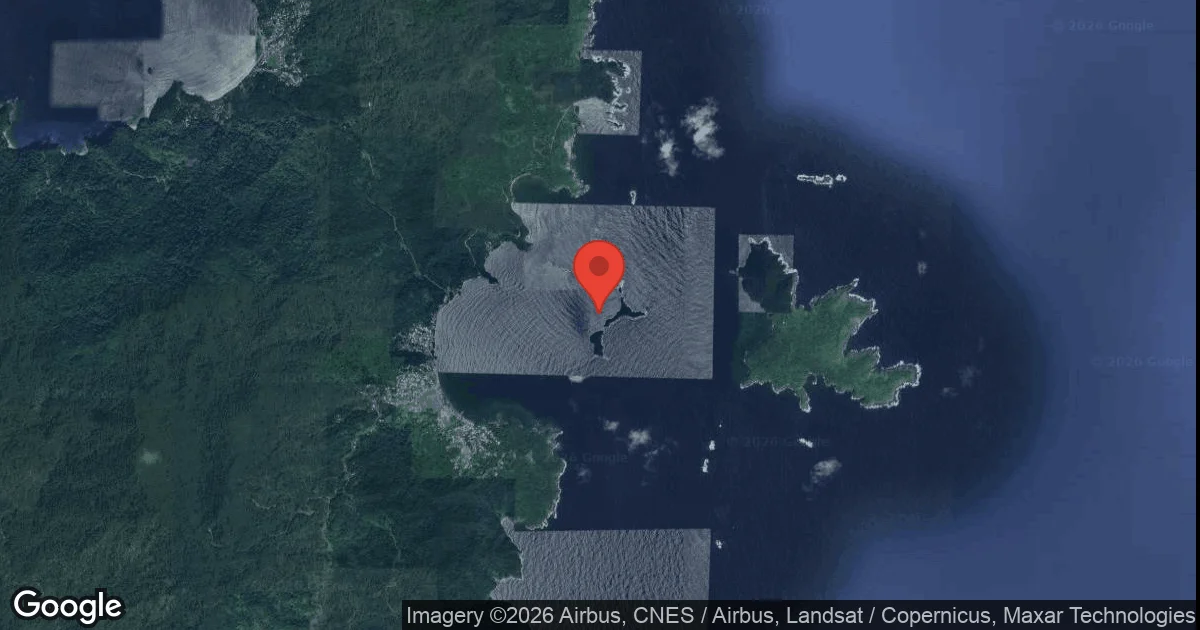
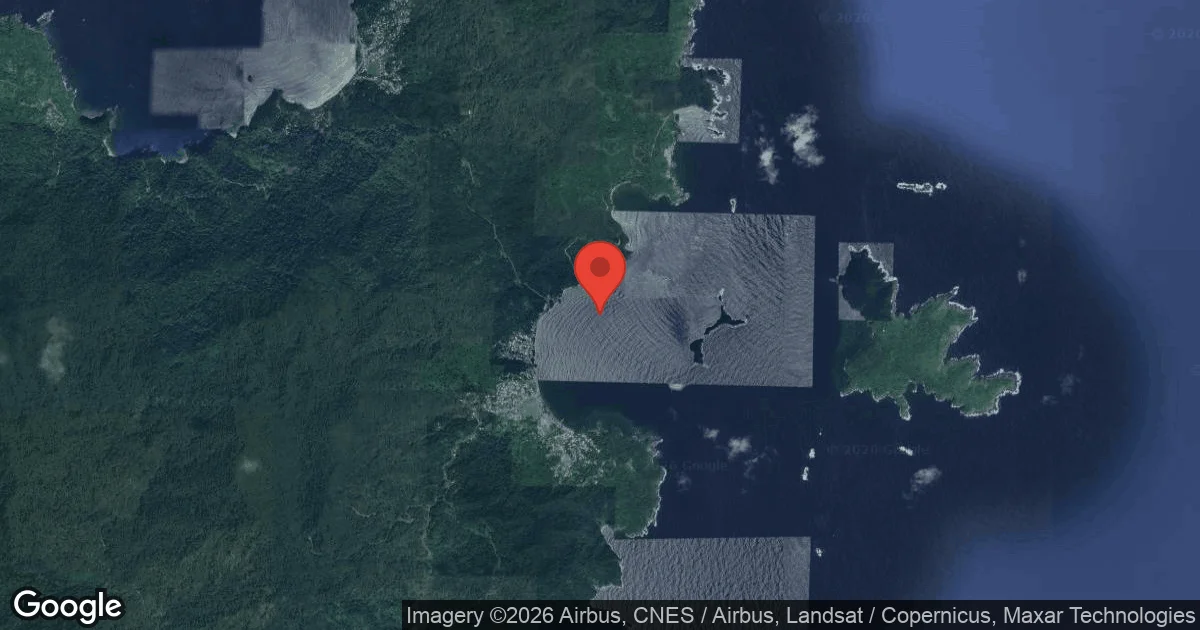
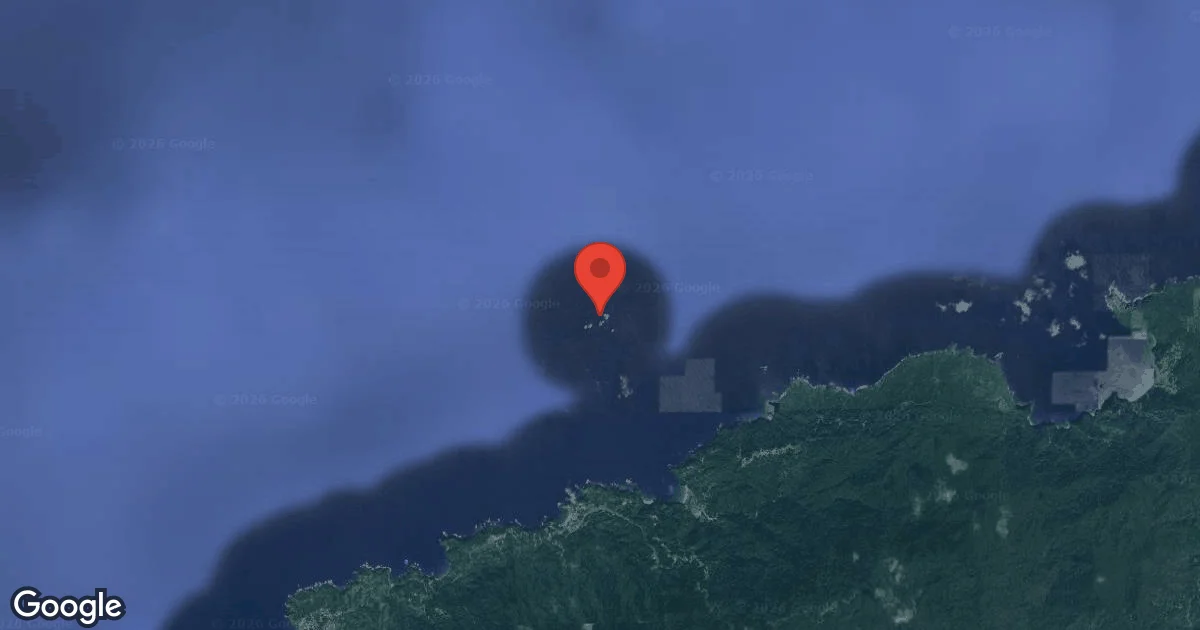
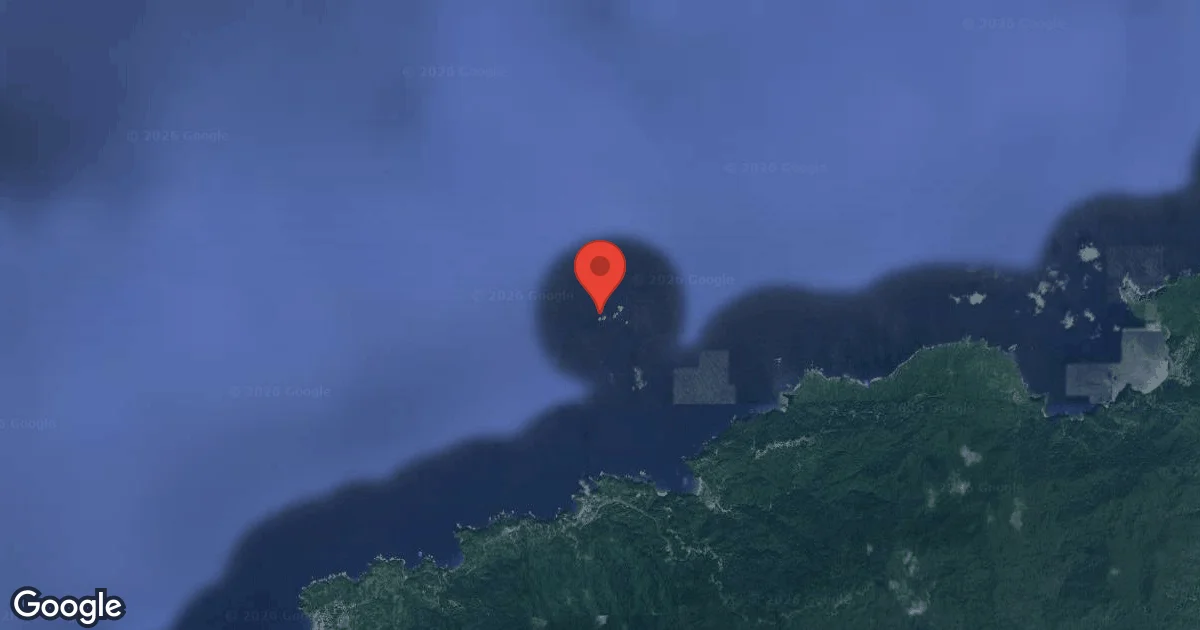
To truly grasp the allure of Japanese Gardens, approach it as an expert would—a carefully designed underwater spectacle off Tobago’s northern coast, near Speyside and Goat Island. This site offers a vibrant ecosystem, often described as a “fish soup,” presenting diverse soft and hard corals. Its coral slopes and reef life make it a signature eco-tourism experience, particularly suited for intermediate to advanced divers seeking breathtaking underwater scenery and active marine encounters.
Tonight's objective overview for Japanese Gardens shows an air temperature of 27°C. The measured surface conditions include wave heights around 1 m. This environmental data is logged for the close of the day.
Dive Site Location & Key Facts
Dive Site Overview
Dropping into Japanese Gardens feels like entering a meticulously crafted aquatic landscape, a living “zen garden beneath the sea” that has captivated divers for decades. This celebrated site, off Tobago’s northern coast near Speyside and Goat Island, earns its name from the breathtaking abundance and variety of colorful soft and hard corals, sponges, and fish that define its vibrant ecosystem.
Divers often describe the area as a “fish soup,” a testament to the concentrated marine activity you'll encounter. Exploration leads into areas like “Kamikaze Cutz,” where four distinct underwater zones unfold, each offering unique perspectives of coral slopes and gentle swim-throughs. The average depth here is around 24 m / 78.7 ft, with a maximum depth extending to 33 m / 108.3 ft.
It primarily functions as a drift and reef dive, providing an expansive exploration across its rich underwater terrain. Since the 1970s, it's been a highlight for photography tours due to its impressive reef life and dynamic formations.
Conditions are Good
Optimal conditions expected
Current conditions near Japanese Gardens show 27° air, 30° sea temperature, 1.1 m waves, and 25 km/h wind. Forecast data is refreshed regularly to ensure accuracy.
Best Time to Dive
Optimizing your visit to Japanese Gardens often hinges on achieving peak underwater visibility, a factor that truly enhances the garden-like spectacle. The period from January through May is often advised as the best time to dive. During these months, rainfall tends to be lower, ranging from approximately 1.4 mm / 0.05 inches in February to 3.1 mm / 0.12 inches in May, which can contribute to clearer conditions. While visibility is generally good, varying from 10 m / 32.8 ft to 30 m / 98.4 ft, drier periods can offer the most expansive views of the corals and marine life. Air temperatures remain consistently warm, hovering between 26°C and 28°C (79°F and 82°F) throughout much of the year, ensuring comfortable surface intervals. Moderate dive scores are typically reported from January to March and December, while April, May, and July through November often see good dive scores, even with slightly increased precipitation later in the year.
PEAK SEASON SCORE
Scores combine air & water temps, waves, wind & rainfall for overall conditions.
BEST MONTHS TO DIVE
Monthly records compiled from satellite and marine observation nodes over the last 3 years. Data provided by Open-Meteo and MET Norway.
Dive Experience & Conditions
Descending into Japanese Gardens delivers an immediate sensory immersion, often described as breathtaking right from the initial drop. This site caters to intermediate and advanced divers, requiring attentiveness to its dynamic underwater environment. Currents can vary, at times creating a drift experience, so divers should be prepared for varying water movements. Visibility is generally good, fluctuating between 10 m / 32.8 ft and 30 m / 98.4 ft, allowing for clear appreciation of the vibrant reef structure. The reefs here are largely unspoiled and rich, contributing to the impression of an abundant, thriving ecosystem. As a tropical dive, water temperatures are consistently warm, enhancing the overall comfort of extended explorations.
Dive Difficulty & Safety Guidelines
Navigating Japanese Gardens presents a rewarding challenge that requires careful attention to responsible diving practices. Given that currents can be a factor, often facilitating drift dives, divers should possess adequate experience for managing such conditions. It's crucial for every diver to maintain excellent buoyancy control to avoid any contact with the delicate ecosystem.
Disturbing or touching the corals and other marine formations is strongly discouraged, as these reefs are pristine and vital. This site is best suited for intermediate and advanced divers who are comfortable with variable conditions and committed to preserving the underwater environment.
Always dive within your certification limits and follow local dive operator briefings, especially regarding specific current patterns.
Recommended Equipment
Current and surface separation risk. Local briefing strongly recommended.
- Dive Computer
- DSMB
- Reel / Spool
This gear list is based on verified equipment signals for Japanese Gardens, Trinidad and Tobago. Always confirm final gear choices with your dive operator, guide, or liveaboard.
Recommended Dive Suit
According to recent observations, water temperatures near Japanese Gardens are approximately 30°C (85°F). Surface air temperatures are resting at 27°C (81°F).
The forecast outlook suggests that temperatures will stay close to current levels.
Divers who prefer moderate insulation typically choose dive skin or rash guard in similar environments. A hood or vest is suggested for sensitive divers due to surface winds. Many experienced divers adjust their exposure protection depending on the type of dive planned.
Emergency & Medical Support
Essential information to help you plan your dive trip to Japanese Gardens.

Hyperbaric chambers are a critical part of dive safety infrastructure. Availability varies significantly by region, and not all dive areas have immediate access.
Before diving, it's recommended to:
- confirm nearest medical facilities
- check emergency procedures with local dive operators
- ensure dive insurance covers evacuation if required
Divers Alert Network
Diving emergency assistance available through DAN World.
+1-919-684-9111- 24/7 emergency hotline
- Diving medical assistance
- Evacuation coordination
Emergency contacts are provided for reference. Always verify local emergency services before diving.
Marine Life at Japanese Gardens
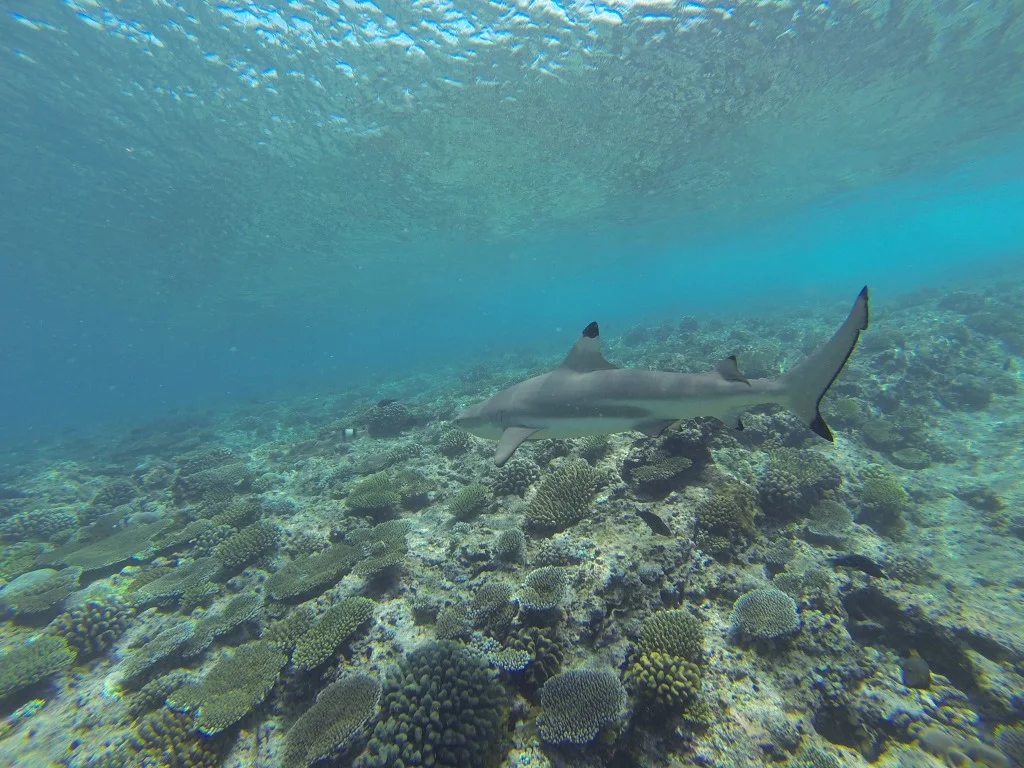
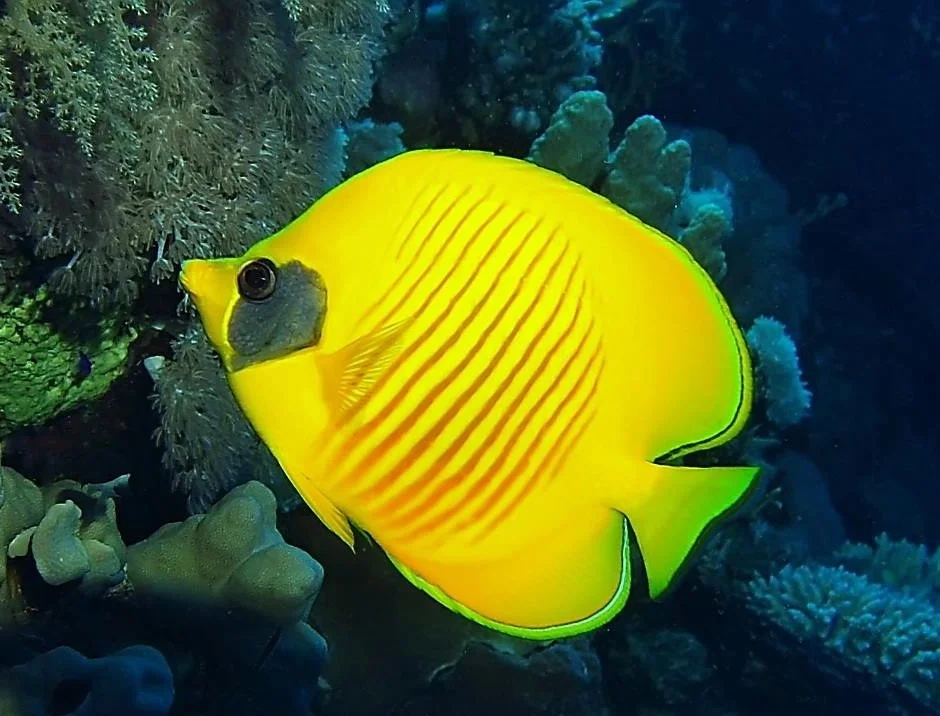
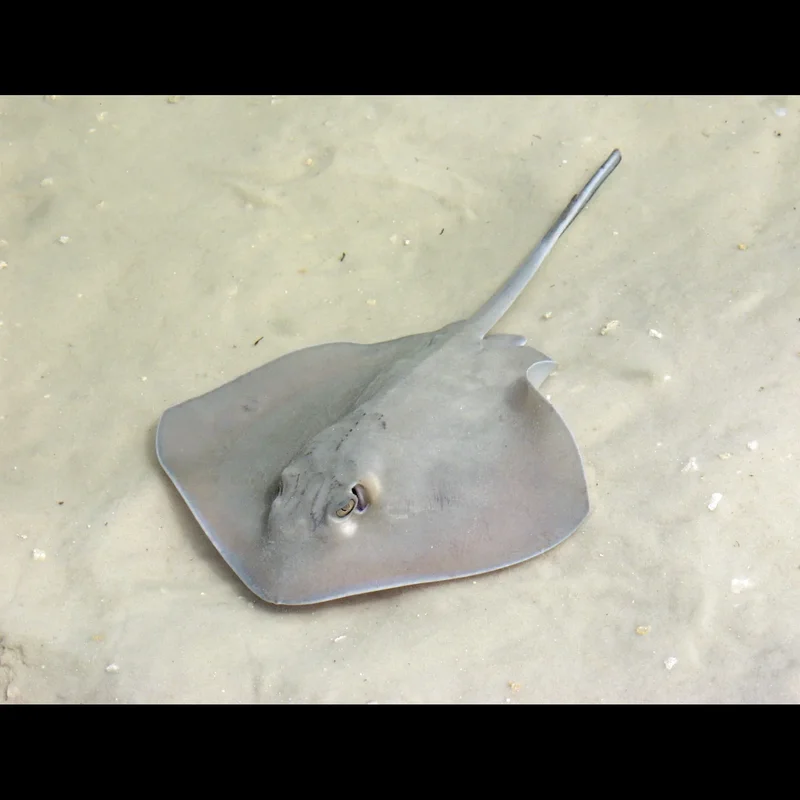
Japanese Gardens hosts an impressive array of marine life, earning its description as a “fish soup” for good reason. Divers frequently encounter a variety of species, from the graceful movements of mantas and stingrays to the vibrant presence of butterflyfish, goatfish, and angelfish.
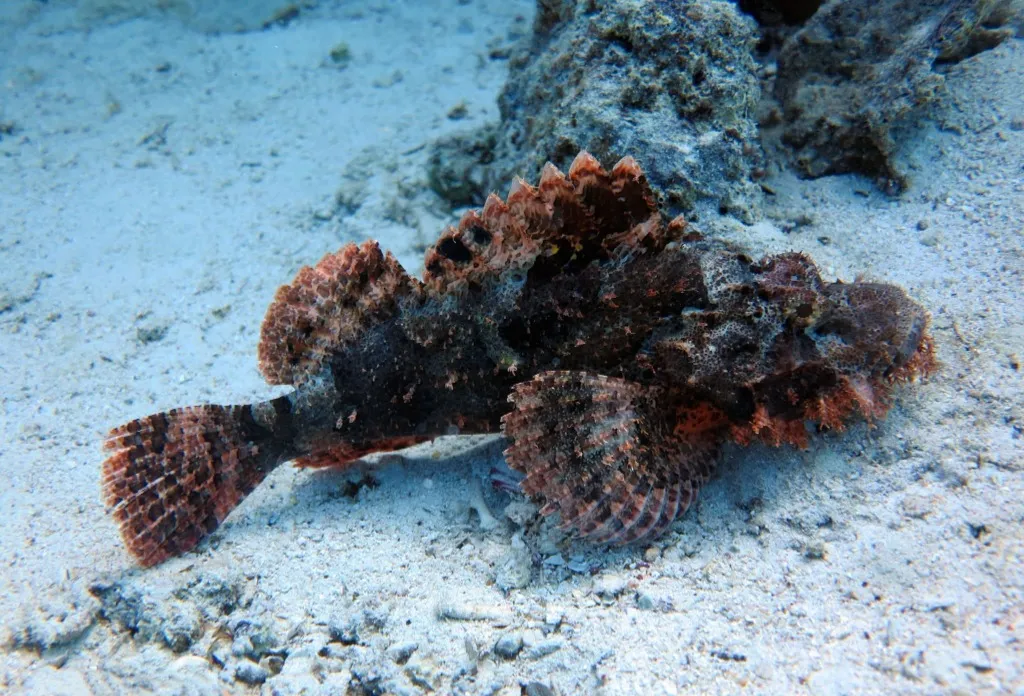
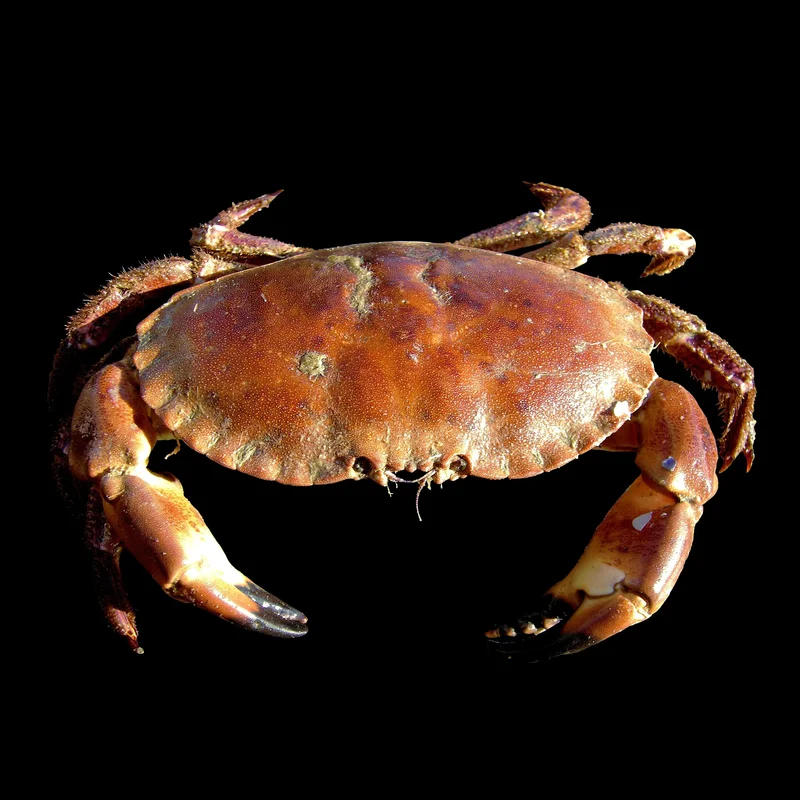
You might observe turtles gliding past, or spot camouflaged scorpionfish and various crabs tucked within the reef. Schools of reef fish create dynamic backdrops, and larger pelagics like tarpon, and occasionally even sharks, can pass by in the blue.
The site is also home to notable coral formations, including impressive brain corals, providing habitat for oceanic triggerfish and thousands of brown chromis.
Dive Sites Near Japanese Gardens
View all dive sites in Trinidad and TobagoDiscover more underwater gems in this area.
Dive Centers Near Japanese Gardens
No Dive Centers Local To Japanese Gardens
Are you a dive center visiting this location? Get listed to reach divers.
Nearest Airports
Nearest airports to help plan travel to this dive area.
Search Flights
Check available flights and routes on Expedia, using the nearby airports listed in this section.
Search Flights on ExpediaFrequently Asked Questions
What makes Japanese Gardens a unique dive site?
The spectacular array of colorful soft and hard corals, sponges, and fish makes this site distinctive. It creates an underwater landscape often compared to a meticulously designed garden. Divers frequently describe it as a “fish soup” due to the dense marine life.
What skill level is required to dive Japanese Gardens?
Japanese Gardens accommodates intermediate and advanced divers. Its dynamic conditions, including variable currents that can facilitate drift dives, require experience in managing underwater environments.
What are the typical depths at Japanese Gardens?
The average depth at Japanese Gardens is around 24 m / 78.7 ft, with the maximum depth reaching 33 m / 108.3 ft. Divers can explore various zones within this range.
What is the visibility like at this dive site?
Visibility at Japanese Gardens is generally good, varying from 10 m / 32.8 ft to 30 m / 98.4 ft. Conditions can be clearer during drier months, enhancing the overall dive experience.
Should I be aware of currents at Japanese Gardens?
Yes, divers should be careful of currents. The site is known for drift diving, meaning water movement can be a significant factor in the dive plan and experience.
What marine life can I expect to see here?
Expect a rich diversity including mantas, butterflyfish, angelfish, turtles, and stingrays. Larger species like tarpon and occasional sharks might also be spotted, along with schools of reef fish, crabs, and scorpionfish.
Is Japanese Gardens a land-based tourist attraction?
No, Japanese Gardens is strictly an underwater dive site. It is not intended to be visited as a land-based tourist attraction but rather as a signature eco-tourism experience for divers.
When is the best time to dive for optimal conditions?
The period from January through May is often recommended for diving due to lower rainfall and potentially clearer visibility. Air temperatures are consistently warm year-round, ensuring comfortable surface conditions.
Planning to dive Japanese Gardens?
Send one inquiry and receive offers directly from the best verified local dive operators.
Conditions are Good
Optimal conditions expected
Current conditions near Japanese Gardens show 27° air, 30° sea temperature, 1.1 m waves, and 25 km/h wind. Forecast data is refreshed regularly to ensure accuracy.