
Diving at Tyrrel Bay (Trinidad and Tobago)
Tyrrel's Bay presents dynamic dive conditions, reflecting Tobago's Atlantic and Caribbean influences. Water temperatures consistently hover around 26.5°C (80°F), with visibility generally good but varying seasonally. Divers encounter sites ranging from lively reefs with moderate currents to calmer wreck explorations on the Caribbean side. This environment supports diverse experiences, from drift dives to more sheltered areas.
Current morning readings from Tyrrel Bay indicate an air temperature of 28°C. Surface wave heights are averaging around 0.9 m at this time. These local measurements provide a baseline for your daily dive planning.
Dive Site Location & Key Facts
Dive Site Overview
Exploring Tobago's dive landscape, including the Tyrrel's Bay vicinity, offers divers varied experiences across its Atlantic and Caribbean shores. A prominent wreck on the Caribbean side is the M.V.
Maverick, a former ferry resting upright on a sandy bottom at 30 m (100 ft). Purposely sunk in 1997, it rapidly evolved into an artificial reef; sponges and deepwater purple sea fans now thickly cover its superstructure and hull. Divers can navigate interior portions, carefully prepped for relatively safe penetration by removing hazardous obstructions before sinking.
Unlike many Tobago sites, the Maverick features mooring buoys, simplifying entry. On the Atlantic side, sites such as Flying Reef, about a mile offshore from Crown Point, demonstrate prevailing currents' powerful influence.
Its reef surface, around 15 m (50 ft), features raised areas and low points, supporting a vibrant ecosystem of sea fans, plumes, rods, and various coral heads and sponges. Moderate to strong currents transport nutrients fostering abundant soft coral growth.
Diving here often involves drift diving along the coastline. Tobago's dive experiences are often "predictably unpredictable," with one side calm while another features a steady flow, making adaptability key for planning.
Conditions are Good
07:00 - 14:00
Optimal conditions expected
Current conditions near Tyrrel Bay show 28° air, 29° sea temperature, 0.9 m waves, and 27 km/h wind. Forecast data is refreshed regularly to ensure accuracy.
Best Time to Dive
Optimal diving conditions around Tyrrel's Bay typically emerge from January through June. During these months, visibility is generally at its best. Based on climate data, air temperatures range from approximately 26.5°C (80°F) in January to 28°C (82°F) in May, making surface intervals comfortable. Water temperatures consistently hover around 26.5°C (80°F) throughout the year. From June to November, rainier conditions arrive, with average monthly rainfall varying significantly; for instance, it peaks around 4.7 mm (0.19 inches) in July before dropping to 1.7 mm (0.07 inches) in September. Increased precipitation, coupled with potential runoff from the Orinoco River, can substantially impact underwater visibility. Wind speeds are generally moderate year-round, ranging from 17.6 km/h (10.9 mph) to 25.2 km/h (15.7 mph), contributing to wave action, which averages between 0.8 m (2.6 ft) and 1.4 m (4.6 ft). Humpback whale sightings in Tobago's waters are common from late January into May, though rarely experienced by divers themselves.
PEAK SEASON SCORE
Scores combine air & water temps, waves, wind & rainfall for overall conditions.
BEST MONTHS TO DIVE
Monthly records compiled from satellite and marine observation nodes over the last 3 years. Data provided by Open-Meteo and MET Norway.
Dive Experience & Conditions
Diving conditions around Tyrrel's Bay present a clear duality between Tobago's coasts. On the Atlantic side, expect drift diving; sites like Flying Reef often feature a steady, moderate current. Such a flow actively sculpts underwater topography and fosters extensive soft coral growth, providing shelter for diverse small schooling fish. Visibility in northern areas typically reaches around 24 m (80 ft), though specific days might see it drop to 15 m (50 ft). In contrast, Caribbean side conditions, as found at the M.V. Maverick wreck, are notably calmer, with currents generally absent. Unhurried exploration of the wreck is possible, resting at a maximum depth of 30 m. Most dives in Tobago begin with a backroll entry from a live boat; moorings are not consistently available, with the Maverick being a notable exception. Careful group management and thorough briefings are essential for safe operations. Divers navigating deeper sections, particularly wrecks, must remain vigilant regarding bottom time and no-decompression limits.
Dive Difficulty & Safety Guidelines
Prioritizing site-specific knowledge and dive planning is crucial when exploring waters near Tyrrel's Bay. Given Tobago's "predictably unpredictable" conditions, always consult with local dive operators about current reports and expected visibility before each dive. Many Atlantic-side sites involve drift diving due to persistent currents; ensure precise buoyancy control to avoid unintended reef contact.
On wreck dives, particularly those with penetrable sections like the M.V. Maverick, exercise caution against stirring up silt, which quickly reduces visibility.
Furthermore, divers exploring deeper sites, such as the Maverick wreck at around 30 m, must diligently monitor their depth and time. Almost all dives begin with a backroll entry from a live boat, as moorings are limited; comfortable boat diving skills are essential.
Although hazardous obstructions were removed from wrecks like the Maverick prior to sinking, interior navigation still demands advanced training and careful execution. Always dive within your certification limits.
Recommended Equipment
Overhead / entanglement risk. Wreck penetration requires proper training.
- Dive Computer
- Primary & Backup Lights
- Wreck Reel
- Cutting Tool
This gear list is based on verified equipment signals for Tyrrel Bay, Trinidad and Tobago. Always confirm final gear choices with your dive operator, guide, or liveaboard.
Recommended Dive Suit
Experienced divers often bring flexible gear options.
Divers exploring Tyrrel Bay today will likely encounter water temperatures close to 29°C (85°F). Surface air temperatures are resting at 28°C (82°F). Divers who spend longer periods underwater often choose dive skin or rash guard. Consider warmer surface protection (like a boat coat) due to brisk winds.
Current forecasts indicate relatively stable conditions for the coming days.
Emergency & Medical Support
Essential information to help you plan your dive trip to Tyrrel Bay.

Hyperbaric chambers are a critical part of dive safety infrastructure. Availability varies significantly by region, and not all dive areas have immediate access.
Before diving, it's recommended to:
- confirm nearest medical facilities
- check emergency procedures with local dive operators
- ensure dive insurance covers evacuation if required
Divers Alert Network
Diving emergency assistance available through DAN World.
+1-919-684-9111- 24/7 emergency hotline
- Diving medical assistance
- Evacuation coordination
Emergency contacts are provided for reference. Always verify local emergency services before diving.
Marine Life at Tyrrel Bay
Varied habitats support marine life around Tyrrel's Bay, shaped by currents on the Atlantic side and calmer conditions on the Caribbean. Reefs boast extensive soft corals, alongside brightly colored tube and misshapen barrel sponges, especially where currents deliver rich nutrients.
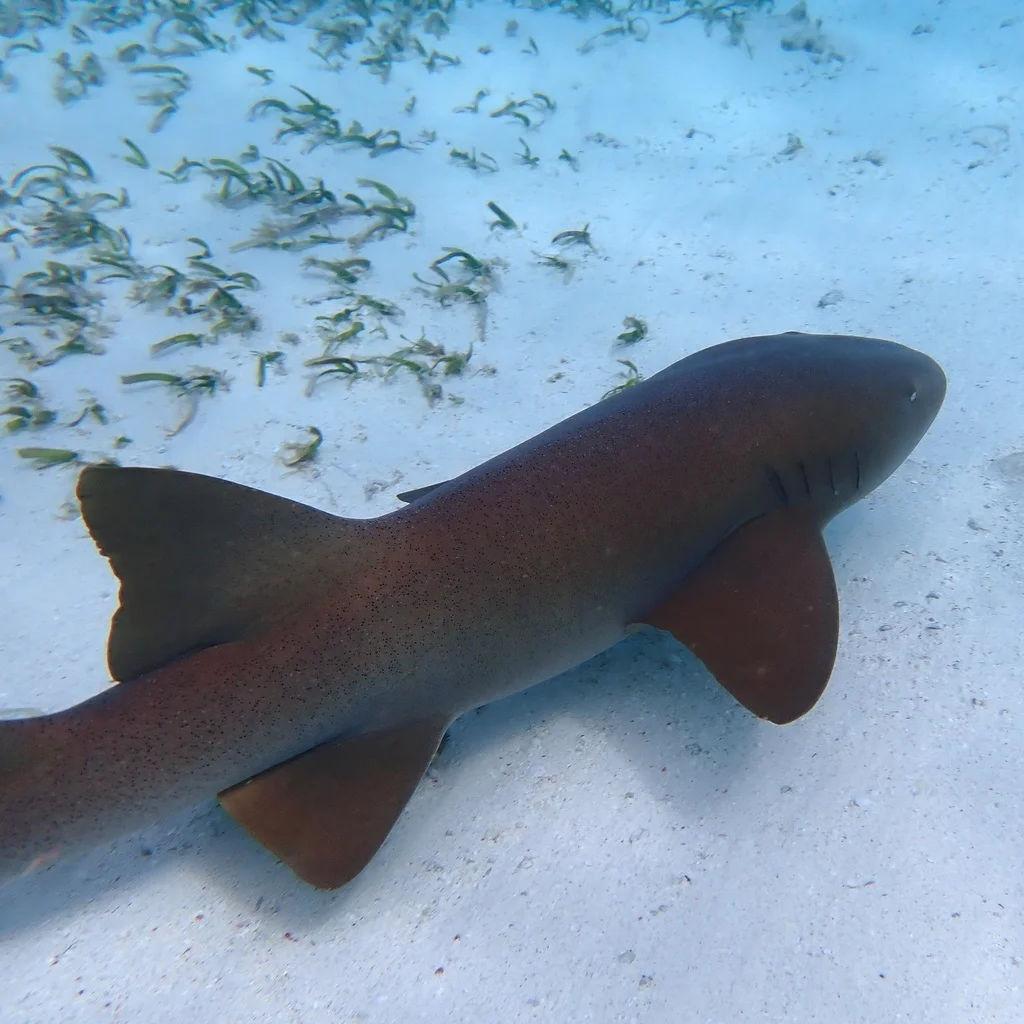
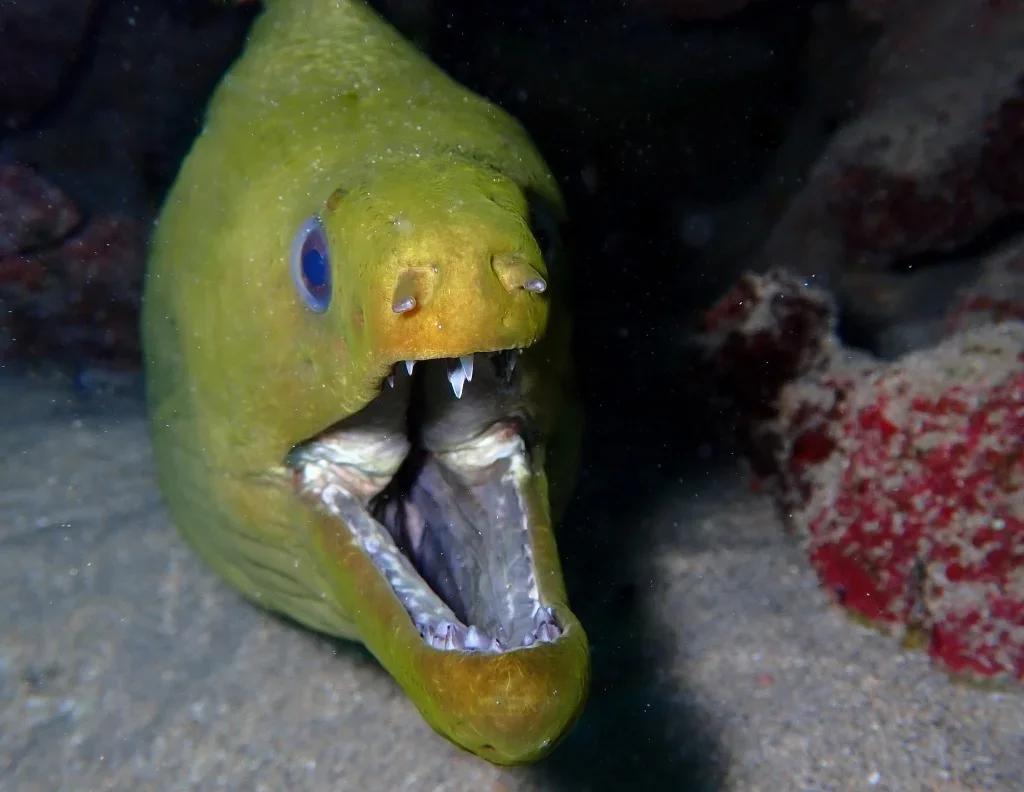
Expect to encounter French angelfish, white-spotted filefish, and various schooling fish like bar jacks, grunts, chubs, creole wrasses, and blue chromis. Nurse sharks are often seen on sandy bottoms, and large green moray eels frequent sites on Tobago's northeast end.
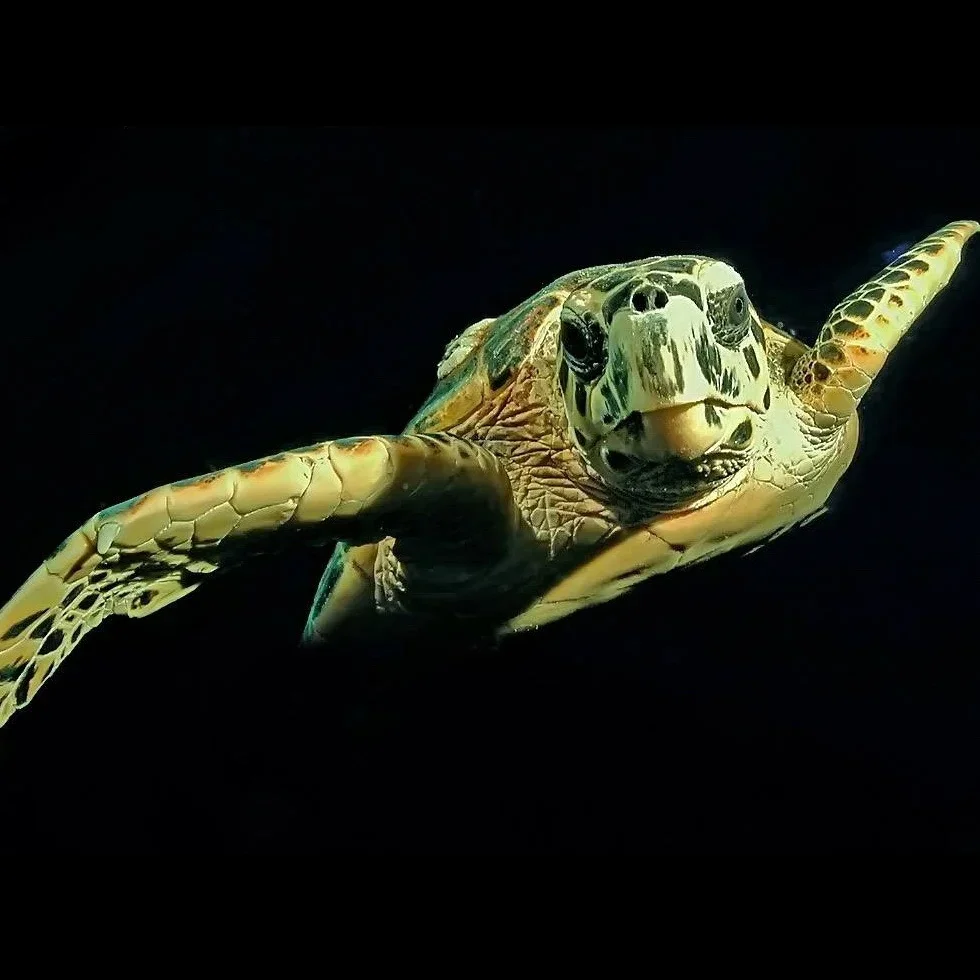
Hawksbill turtles are present, as are porcupine puffers. Wrecks, like the M.V. Maverick, become artificial refuges attracting silversides and diverse reef fish.

Dive Sites Near Tyrrel Bay
View all dive sites in Trinidad and TobagoDiscover more underwater gems in this area.
Dive Centers Near Tyrrel Bay
No Dive Centers Local To Tyrrel Bay
Are you a dive center visiting this location? Get listed to reach divers.
Nearest Airports
Nearest airports to help plan travel to this dive area.
Search Flights
Check available flights and routes on Expedia, using the nearby airports listed in this section.
Search Flights on ExpediaFrequently Asked Questions
What are the typical water temperatures in Tyrrel Bay?
Water temperatures consistently hover around 26.5°C (80°F) throughout the year. Conditions are generally warm for diving.
How does visibility change throughout the year?
Visibility is generally best from January to June. From June to November, rainier conditions and runoff from the Orinoco River can reduce underwater clarity. Northern sites typically offer better visibility around 24 m (80 ft).
What can I expect regarding currents?
Currents in Tobago are "predictably unpredictable." Atlantic-side sites, where Tyrrel's Bay faces, often feature moderate to strong currents suitable for drift diving. Caribbean sites, like the M.V. Maverick wreck, are typically calmer with minimal current.
Is the M.V. Maverick wreck suitable for all divers?
Sitting at 30 m (100 ft), the M.V. Maverick wreck has penetrable interior sections. While hazardous obstructions were removed, interior navigation requires advanced training. Its depth necessitates careful monitoring of bottom time.
Are there many mooring buoys in Tobago?
Mooring buoys are not common across Tobago dive sites, with the M.V. Maverick being one of the few exceptions. Most dives will involve a backroll entry from a live boat, necessitating comfortable boat diving skills.
What type of marine life might I see?
Divers often encounter nurse sharks, green moray eels, French angelfish, and various schooling fish like silversides, bar jacks, and blue chromis. Hawksbill turtles and porcupine puffers are also common sightings.
When is the best time for humpback whale sightings?
Humpback whales are commonly sighted in Tobago's waters from late January into May. However, encounters with them specifically while diving are rare.
Planning to dive Tyrrel Bay?
Send one inquiry and receive offers directly from the best verified local dive operators.
Conditions are Good
07:00 - 14:00
Optimal conditions expected
Current conditions near Tyrrel Bay show 28° air, 29° sea temperature, 0.9 m waves, and 27 km/h wind. Forecast data is refreshed regularly to ensure accuracy.