
Diving at Cave Island (Turkey)
Divers approaching Cave Island can anticipate exceptionally clear waters, often reaching visibility up to 40 meters (130 ft), complemented by a generally calm Mediterranean environment. Air temperatures during peak dive season, roughly March through October, consistently remain pleasant, ranging from 15-28°C (59-83°F). Wave heights typically stay below 1 meter (3.3 ft), contributing to comfortable boat rides and surface conditions. This site promises good conditions for exploring its underwater features.
Tonight's objective overview for Cave Island shows an air temperature of 24.5°C. The measured surface conditions include wave heights around 0.8 m. This environmental data is logged for the close of the day.
Dive Site Location & Key Facts
Dive Site Overview
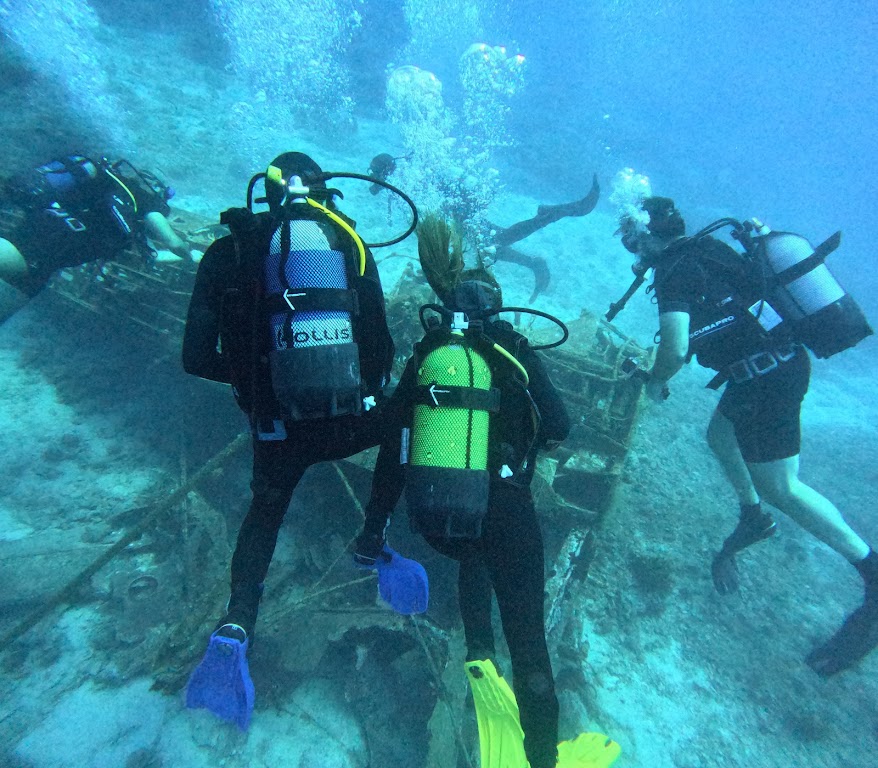
Cave Island presents divers with a compelling journey into the past, distinguishing itself through significant archaeological discoveries rather than exclusively relying on marine life. Below the surface, an ancient underwater realm awaits exploration, where divers encounter amphorae and other relics, some more than 2000 years old, scattered across striking underwater rocky landscapes.
These features form a distinctive setting for every dive, providing a compelling perspective on maritime history. The site belongs to the Kaş dive region, a location nestled on the Lycian coast in southwest Turkey. Exploration here reveals not just the artifacts themselves, but also the subtle signs of ancient trade routes and bygone maritime activity.
Each descent provides an opportunity to observe the interaction between natural geological formations and human history. Diving at Cave Island combines natural reef exploration with the profound added dimension of historical discovery.
While the main draw isn't strictly marine biodiversity, the immersive experience of finding fragments of a bygone era beneath clear, turquoise waters remains a significant highlight for many certified divers. It’s an opportunity to connect directly with human history underwater, often revealing more with each careful observation.
Conditions are Good
Optimal conditions expected
Current conditions near Cave Island show 25° air, 26° sea temperature, 0.9 m waves, and 29 km/h wind. Forecast data is refreshed regularly to ensure accuracy.
Best Time to Dive
The prime diving period for Cave Island spans from March through October, consistently earning a 'Good' dive score. During these months, air temperatures are inviting, starting at 15°C (59°F) in March and peaking around 28°C (83°F) in July, gradually cooling to 22°C (72°F) by October. Rainfall is minimal, particularly from June to September, with July typically reporting no rain. Average wave heights generally remain below 1 meter (3.3 ft), ensuring calmer seas, though conditions can vary. Wind speeds are also moderate throughout this period, typically ranging from 20-26 km/h (12-16 mph). While specific water temperature data isn't consistently reported, the warm air temperatures and favorable conditions suggest comfortable diving throughout these peak months. November and December still offer good diving, with air temperatures around 19°C (66°F) and 15°C (59°F) respectively, though with slightly increased rain and wave activity compared to summer.
PEAK SEASON SCORE
Scores combine air & water temps, waves, wind & rainfall for overall conditions.
BEST MONTHS TO DIVE
Monthly records compiled from satellite and marine observation nodes over the last 3 years. Data provided by Open-Meteo and MET Norway.
Dive Experience & Conditions
Entering the water at Cave Island often presents immediate visual clarity, with visibility extending up to 40 meters (130 ft). Divers quickly descend into an environment characterized by striking underwater rocky landscapes, serving as the stage for ancient finds. Gliding past millennia-old amphorae and other scattered relics provides a profound connection to history underwater. While specific water temperatures vary seasonally, the Mediterranean's generally mild conditions contribute to comfortable dives for much of the year, especially during warmer months. Depths at the site are within recreational limits, typically not exceeding 30 m (100 ft). The underwater terrain often involves exploring crevices and gentle slopes, making it accessible for a range of certified divers. This blend of natural beauty and historical intrigue offers a distinctive experience.
Dive Difficulty & Safety Guidelines
Diving at Cave Island requires adherence to standard safe diving practices and respect for the historical integrity of the site. Always dive within your certification limits; some deeper sections may necessitate advanced training. It's crucial to maintain excellent buoyancy control to avoid disturbing the fragile marine life and, more importantly, the ancient artifacts.
Never touch or remove any historical relics, as these are protected cultural heritage. Always dive with a buddy and follow the guidance of local dive operators, who are familiar with specific site conditions and any temporary restrictions.
Currents are generally manageable, but monitoring local conditions and forecasts is always prudent for a safe dive.
Recommended Equipment
- Dive Computer
This gear list is based on verified equipment signals for Cave Island, Turkey. Always confirm final gear choices with your dive operator, guide, or liveaboard.
Recommended Dive Suit
Short-term weather patterns suggest stable conditions for divers visiting the area.
Some divers prefer slightly warmer exposure protection simply for additional comfort. Stronger winds may also make surface intervals feel cooler than usual.
3mm wetsuit usually works well for maintaining comfort during standard dive profiles in these conditions. Consider warmer surface protection (like a boat coat) due to brisk winds. Divers preparing to enter the water at Cave Island will likely find temperatures around 26°C (78°F) today. Surface air temperatures are resting at 25°C (76°F).
Emergency & Medical Support
Essential information to help you plan your dive trip to Cave island.

Hyperbaric chambers are a critical part of dive safety infrastructure. Availability varies significantly by region, and not all dive areas have immediate access.
Before diving, it's recommended to:
- confirm nearest medical facilities
- check emergency procedures with local dive operators
- ensure dive insurance covers evacuation if required
Divers Alert Network
Diving emergency assistance available through DAN Europe.
+39 0642115685- 24/7 emergency hotline
- Diving medical assistance
- Evacuation coordination
Emergency contacts are provided for reference. Always verify local emergency services before diving.
Closest Listed Hyperbaric Chambers
Showing listed hyperbaric chamber facilities within 200 km of this dive site.
Distances are approximate straight-line distances and may not reflect emergency travel time.
DzKK Aksaz Deniz Üssü, Military base chamber
24/7 ListedMugla, Turkey•Approx. 110 km straight-line
DzKK Aksaz Deniz Üssü, Military base chamber
24/7 ListedInformation is provided for reference and planning purposes only. Dive Navigator does not verify operational status, staffing, availability, or quality of care at listed facilities. In an emergency, contact local emergency services, DAN, your dive operator, or the chamber directly. Do not travel to a facility without calling ahead.
Bozyaka Eğitim Araştırma Hastanesi, Sualtı Hekimliği ve Hiperbarik Tıp Kliniği
24/7 ListedICU CapableIzmir, Turkey•Approx. 160 km straight-line
Bozyaka Eğitim Araştırma Hastanesi, Sualtı Hekimliği ve Hiperbarik Tıp Kliniği
24/7 ListedICU CapableInformation is provided for reference and planning purposes only. Dive Navigator does not verify operational status, staffing, availability, or quality of care at listed facilities. In an emergency, contact local emergency services, DAN, your dive operator, or the chamber directly. Do not travel to a facility without calling ahead.
Denizli Özel Sağlık Hastanesi
24/7 ListedICU CapableDenizli, Turkey•Approx. 190 km straight-line
Denizli Özel Sağlık Hastanesi
24/7 ListedICU CapableInformation is provided for reference and planning purposes only. Dive Navigator does not verify operational status, staffing, availability, or quality of care at listed facilities. In an emergency, contact local emergency services, DAN, your dive operator, or the chamber directly. Do not travel to a facility without calling ahead.
Marine Life at Cave Island
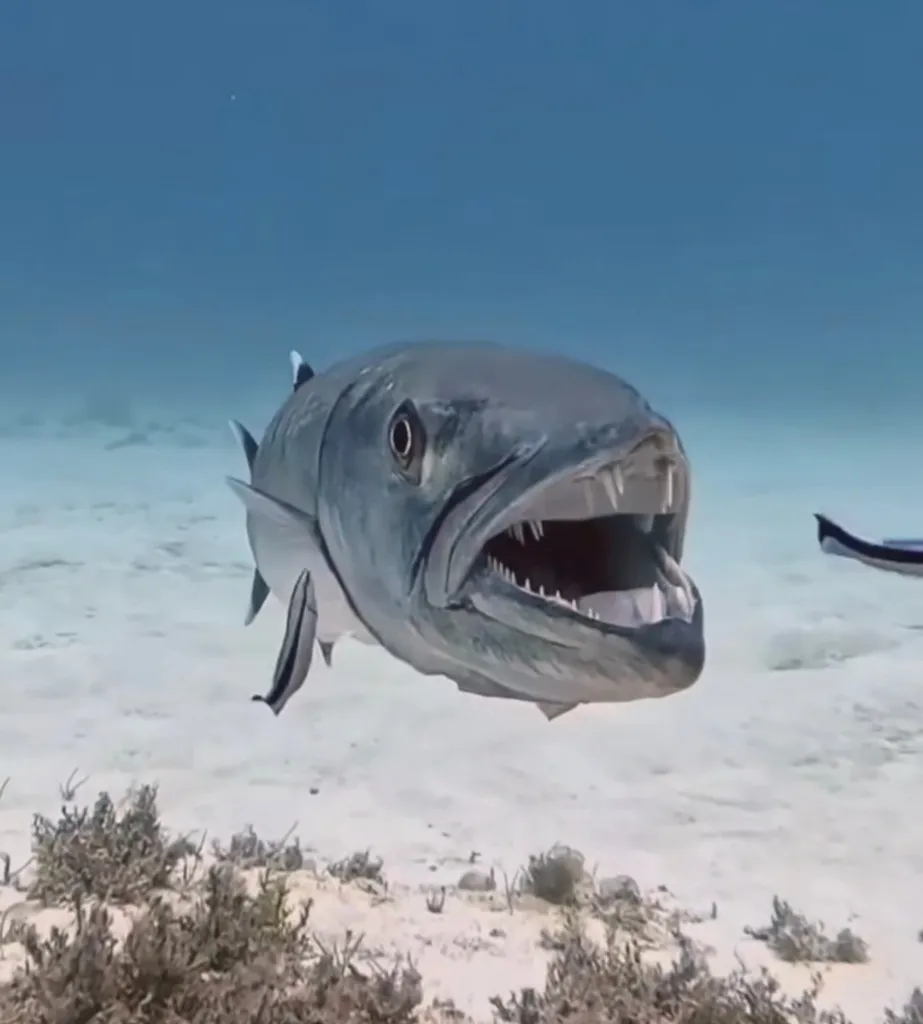
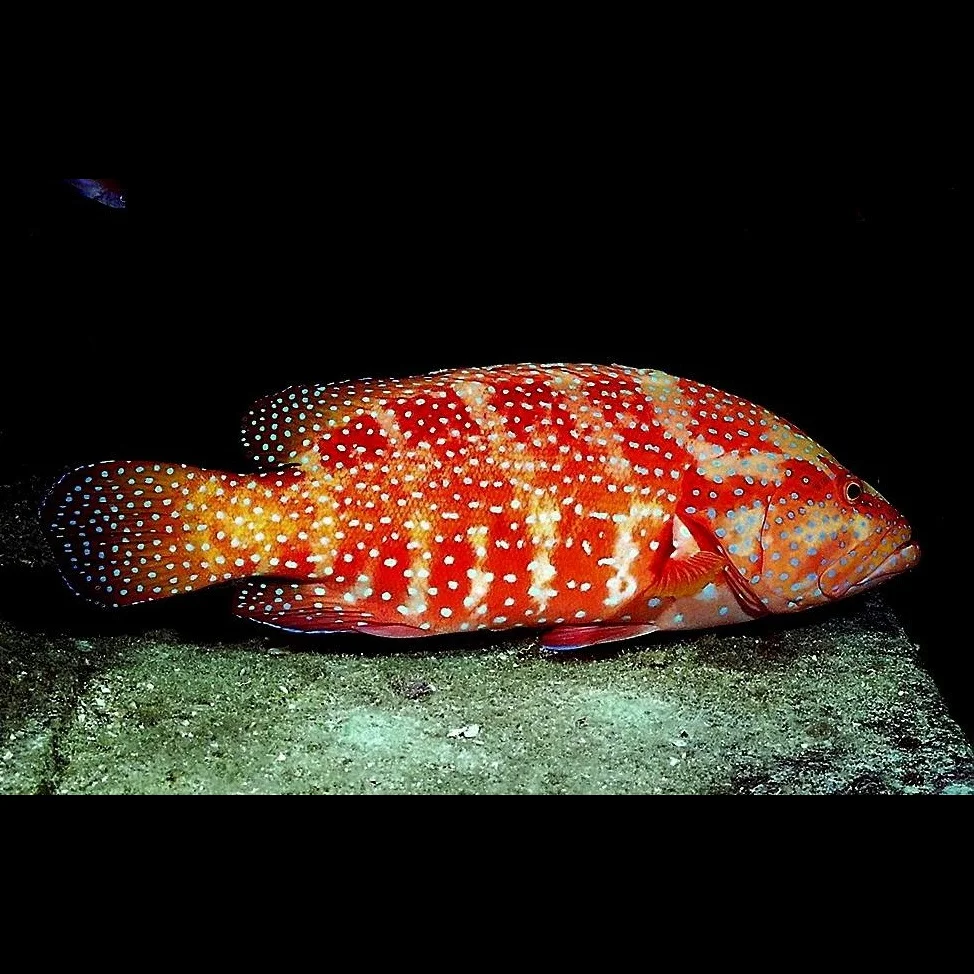
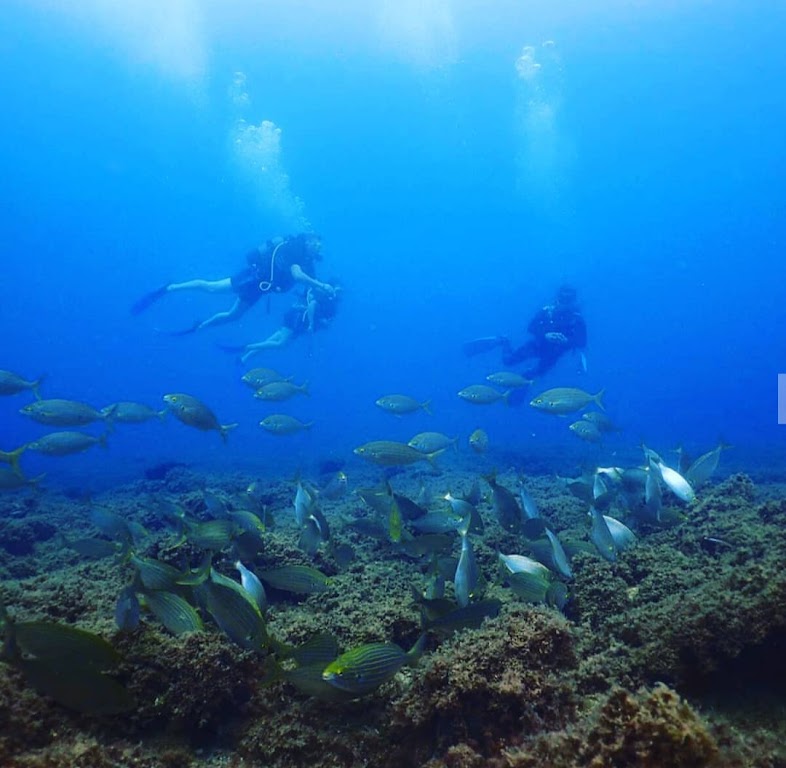
While the primary allure here centers on historical relics, divers will still observe a variety of Mediterranean marine life against the backdrop of ancient artifacts. Look closely among the rocky landscapes and scattered amphorae for resident groupers.
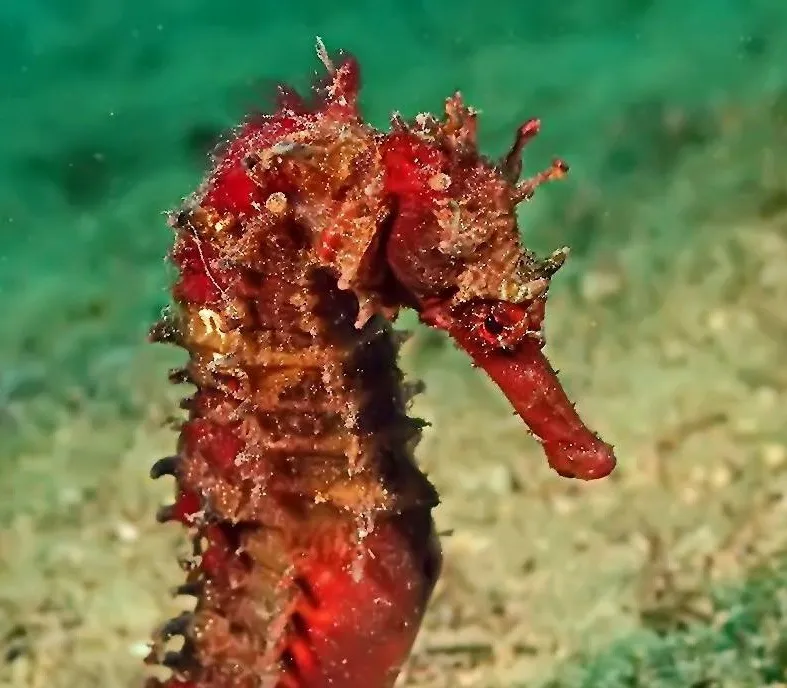
Delicate fan mussels might be spotted adhering to the seabed, their siphon tips occasionally visible. Divers with a keen eye for the unique might also encounter seahorses, often camouflaged within the seagrass or attached to reef structures.
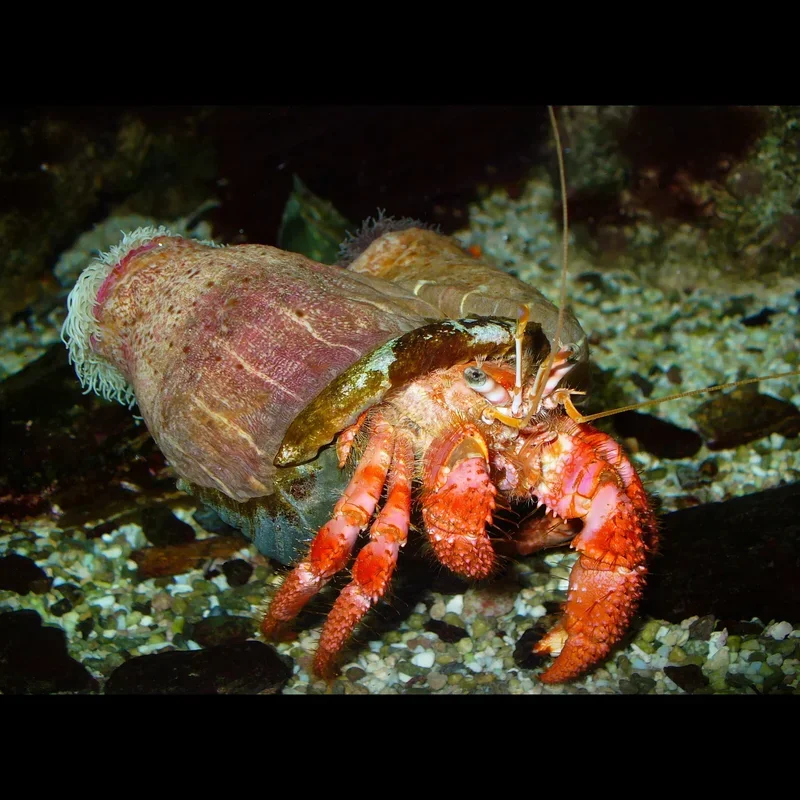
Hermit crabs are a common sight, scuttling across the seafloor in their borrowed shells, adding a touch of vibrant activity to the historical scenery.

Dive Sites Near Cave Island
View all dive sites in TurkeyDiscover more underwater gems in this area.
Dive Centers Near Cave Island
Today: 09:00 - 21:00
Nearest Airports
Nearest airports to help plan travel to this dive area.
Search Flights
Check available flights and routes on Expedia, using the nearby airports listed in this section.
Search Flights on ExpediaFrequently Asked Questions
What is the main attraction for divers at Cave Island?
The primary attraction at Cave Island is its rich archaeological landscape. Divers discover ancient amphorae and other relics, many over 2000 years old, scattered across the rocky seafloor. It's a blend of natural reef diving with significant historical exploration.
What are the typical visibility conditions at Cave Island?
Divers can expect excellent visibility at Cave Island. The waters are known to be crystal clear, with visibility often reaching up to 40 meters (130 ft), providing clear views of both marine life and historical artifacts.
When is the best time of year to dive Cave Island?
The best time to dive Cave Island is from March through October. During these months, conditions are consistently favorable with pleasant air temperatures, minimal rain, and generally calm seas, contributing to a comfortable dive experience.
Are specific certifications required to dive deeper sections?
Standard recreational certifications are suitable for many areas of Cave Island. However, for exploring deeper sections or more challenging routes, advanced open water certification or higher may be recommended by local dive operators.
What kind of marine life can be seen at the site?
Divers often encounter groupers, fan mussels, and hermit crabs. Seahorses are also occasionally spotted. While historical finds are the main draw, the marine environment offers interesting encounters amidst the ancient relics.
Can divers touch or remove the historical artifacts?
No, divers must not touch or remove any historical artifacts found at Cave Island. These relics are protected cultural heritage, and their preservation is paramount for future generations and archaeological study.
Planning to dive Cave Island?
Send one inquiry and receive offers directly from the best verified local dive operators.
Conditions are Good
Optimal conditions expected
Current conditions near Cave Island show 25° air, 26° sea temperature, 0.9 m waves, and 29 km/h wind. Forecast data is refreshed regularly to ensure accuracy.