
Diving at Small Reef (Turkey)
Small Reef in Turkey holds a history as a consistent dive destination for local centers, reflecting years of underwater exploration. It's not a newly discovered spot but rather a familiar site that has been revisited by divers seeking its distinct formations. Over time, its reputation has solidified among regional operators, offering diverse topography accessible by boat. Many certified divers have logged dives here, contributing to its established profile within the Turkish diving community.
Tonight's objective overview for Small Reef shows an air temperature of 22°C. The measured surface conditions include wave heights around 0.5 m. This environmental data is logged for the close of the day.
Dive Site Location & Key Facts
Dive Site Overview
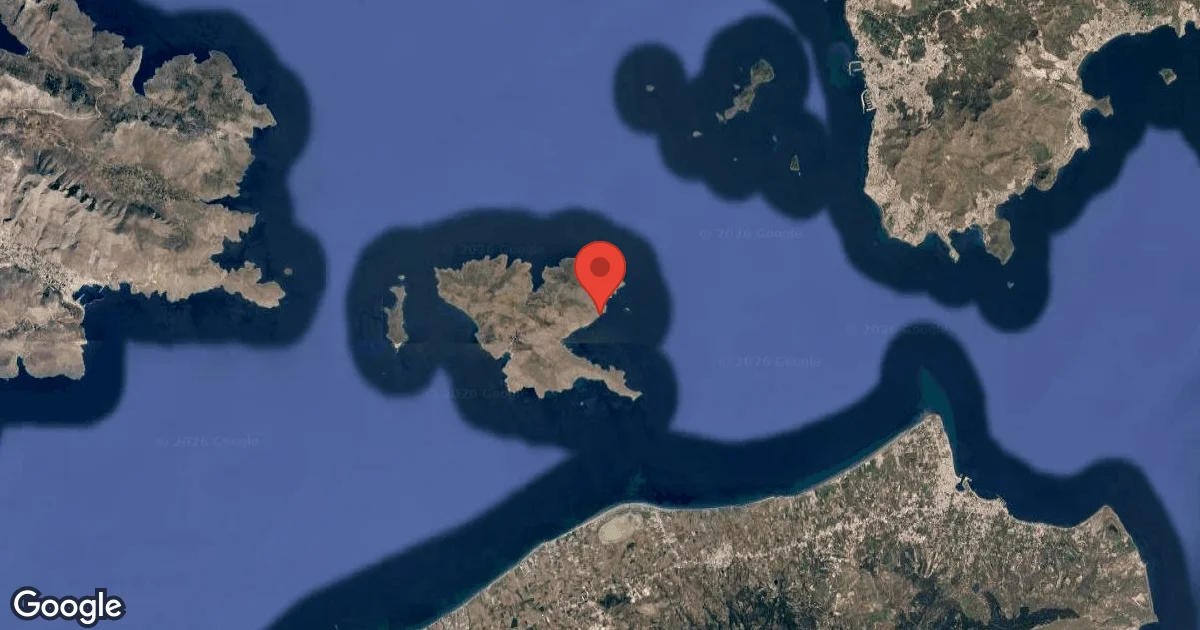
Small Reef in Turkey features varied underwater topography, primarily characterized by a dramatic wall system and intriguing natural tunnels. Divers typically enter from a RIB, finding the reef's top at approximately 15 m (50 ft).
From this initial gathering point, exploration often leads northwest past large rocky outcrops, with a gradual descent. An interesting geological feature is how the main wall fractures, forming three distinct tunnels. The deepest of these begins around 30 meters, while another lies nearer 20 meters; both offer convenient gaps for easy exit.
A considerably smaller and narrower top tunnel requires more careful navigation. Beyond the main reef, a cement wreck adds another point of interest, resting between 18-21 meters halfway back to the bay.
Reaching a maximum recreational depth of 30 meters, the site showcases cylindrical shapes and multiple walls inviting detailed inspection. Throughout the dive, diverse formations provide excellent opportunities for macro photography, particularly along reef surfaces and within the cavernous sections.
It's a location that often encourages multiple visits to fully appreciate its structural complexity and depth variations.
Conditions are Good
Optimal conditions expected
Current conditions near Small Reef show 22° air, 26° sea temperature, 0.6 m waves, and 33 km/h wind. Forecast data is refreshed regularly to ensure accuracy.
Best Time to Dive
Visibility is a primary consideration when planning a dive at Small Reef, with reports generally indicating clarity around 25 m (82 ft) during peak seasons. Diving conditions are often most favorable from May through October, aligning with higher dive scores and more stable weather patterns. During these months, the average air temperature typically ranges from 20.5°C (69°F) in May to highs of 29°C (84°F) in July, making surface intervals comfortable. Water temperatures during this period are reported to be between 17-24°C (63-75°F), varying by depth and specific month. For instance, August often sees warmer water around 24°C (75°F), while June might be cooler at 17°C (63°F). Rainfall is minimal from May to October, with July and August experiencing almost no precipitation, ensuring clearer coastal waters. The shoulder months of March, April, and November also offer good dive scores, though air temperatures are cooler, ranging from 15-17.5°C (59-64°F) in spring and 18°C (64°F) in November. Throughout the year, average wave heights generally remain below 0.7 meters, contributing to calmer boat entry and exit.
PEAK SEASON SCORE
Scores combine air & water temps, waves, wind & rainfall for overall conditions.
BEST MONTHS TO DIVE
Monthly records compiled from satellite and marine observation nodes over the last 3 years. Data provided by Open-Meteo and MET Norway.
Dive Experience & Conditions
Descending into Small Reef, divers will immediately notice the interplay of light and shadow, particularly near the reef's top at about 15 meters and within the wall fractures. As you explore deeper, especially along the drop-off from 18 meters to its maximum depth, a sense of expanded space contrasts with the confined feeling of the narrow top tunnel. Water temperatures fluctuate, generally ranging from 17-24°C (63-75°F) depending on the season and depth, with thermoclines sometimes present. Currents are generally mild, often reported between 0-2 knots, allowing for relaxed drifts along sections of the reef. Visibility here is typically good, frequently reaching 25 m (82 ft), which enhances the perception of the site's extensive structure and allows for distant observations of marine life. The overall feeling is one of engaging exploration, moving between open reef, dramatic walls, and the more enclosed tunnels, all while maintaining a comfortable ambient environment for most of the year.
Dive Difficulty & Safety Guidelines
Navigating the tunnels at Small Reef requires careful buoyancy control, especially within the narrow top tunnel to avoid stirring up silt. Divers exploring the deeper sections, particularly the bottom tunnel which starts at 30 meters, should be appropriately certified as Deep Divers. Maintaining awareness of your air supply is crucial, as the site offers options to head back on top of the wall if air becomes an issue, or to continue along deeper sections.
While currents are generally mild, typically 0-2 knots, divers should be mindful of their presence, particularly around exposed points. Safety stops should be conducted near the boat, being vigilant for other dive centers' vessels potentially coming and going.
A dive computer is essential here for monitoring depth, bottom time, and ascent rates, particularly when traversing varied depths or entering overhead environments.
Recommended Equipment
- Dive Computer
This gear list is based on verified equipment signals for Small Reef, Turkey. Always confirm final gear choices with your dive operator, guide, or liveaboard.
Recommended Dive Suit
Subtle variations in currents or depth can sometimes influence perceived water temperature.
2-3mm shorty or light wetsuit tends to perform well in water temperatures like those currently observed here. Consider warmer surface protection (like a boat coat) due to brisk winds. Surface intervals may feel cooler. Environmental models indicate a modest warming trend ahead. A warming trend is expected over the next few days.
Current temperature readings suggest that the water at Small Reef is around 26°C (79°F). Surface air temperatures are resting at 22°C (72°F).
Emergency & Medical Support
Essential information to help you plan your dive trip to SMALL REEF.

Hyperbaric chambers are a critical part of dive safety infrastructure. Availability varies significantly by region, and not all dive areas have immediate access.
Before diving, it's recommended to:
- confirm nearest medical facilities
- check emergency procedures with local dive operators
- ensure dive insurance covers evacuation if required
Divers Alert Network
Diving emergency assistance available through DAN Europe.
+39 0642115685- 24/7 emergency hotline
- Diving medical assistance
- Evacuation coordination
Emergency contacts are provided for reference. Always verify local emergency services before diving.
Closest Listed Hyperbaric Chambers
Showing listed hyperbaric chamber facilities within 200 km of this dive site.
Distances are approximate straight-line distances and may not reflect emergency travel time.
DzKK Aksaz Deniz Üssü, Military base chamber
24/7 ListedMugla, Turkey•Approx. 89 km straight-line
DzKK Aksaz Deniz Üssü, Military base chamber
24/7 ListedInformation is provided for reference and planning purposes only. Dive Navigator does not verify operational status, staffing, availability, or quality of care at listed facilities. In an emergency, contact local emergency services, DAN, your dive operator, or the chamber directly. Do not travel to a facility without calling ahead.
Bozyaka Eğitim Araştırma Hastanesi, Sualtı Hekimliği ve Hiperbarik Tıp Kliniği
24/7 ListedICU CapableIzmir, Turkey•Approx. 156 km straight-line
Bozyaka Eğitim Araştırma Hastanesi, Sualtı Hekimliği ve Hiperbarik Tıp Kliniği
24/7 ListedICU CapableInformation is provided for reference and planning purposes only. Dive Navigator does not verify operational status, staffing, availability, or quality of care at listed facilities. In an emergency, contact local emergency services, DAN, your dive operator, or the chamber directly. Do not travel to a facility without calling ahead.
Denizli Özel Sağlık Hastanesi
24/7 ListedICU CapableDenizli, Turkey•Approx. 168 km straight-line
Denizli Özel Sağlık Hastanesi
24/7 ListedICU CapableInformation is provided for reference and planning purposes only. Dive Navigator does not verify operational status, staffing, availability, or quality of care at listed facilities. In an emergency, contact local emergency services, DAN, your dive operator, or the chamber directly. Do not travel to a facility without calling ahead.
Marine Life at Small Reef
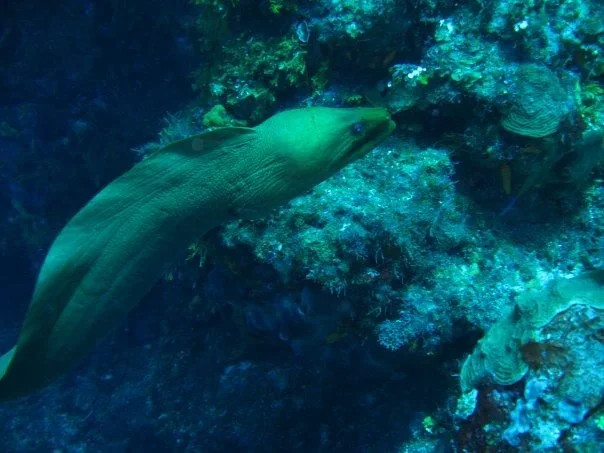
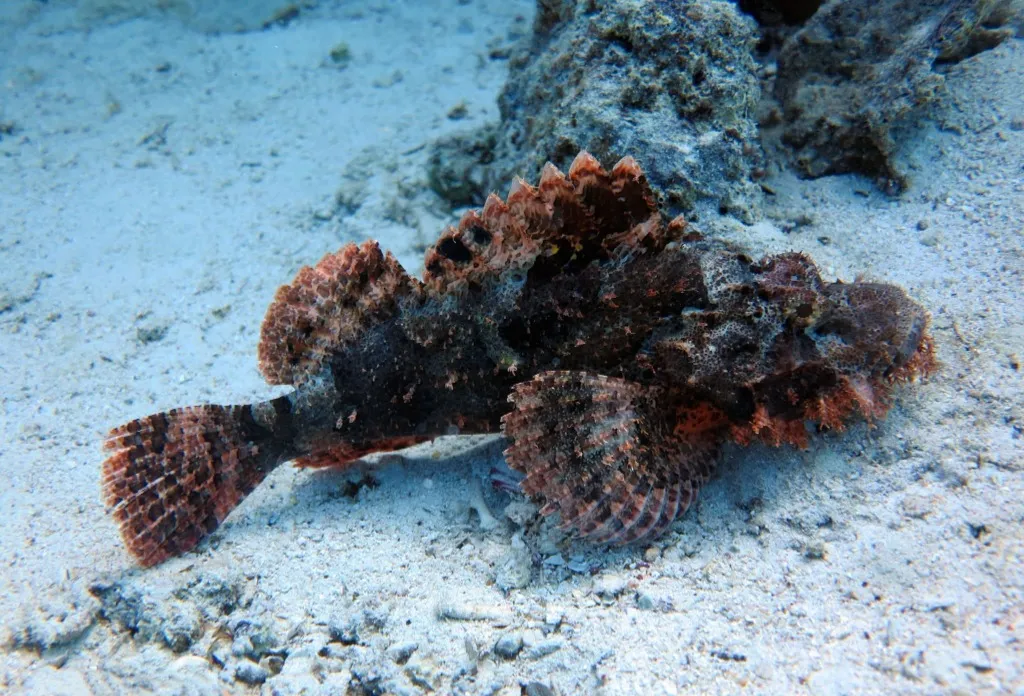
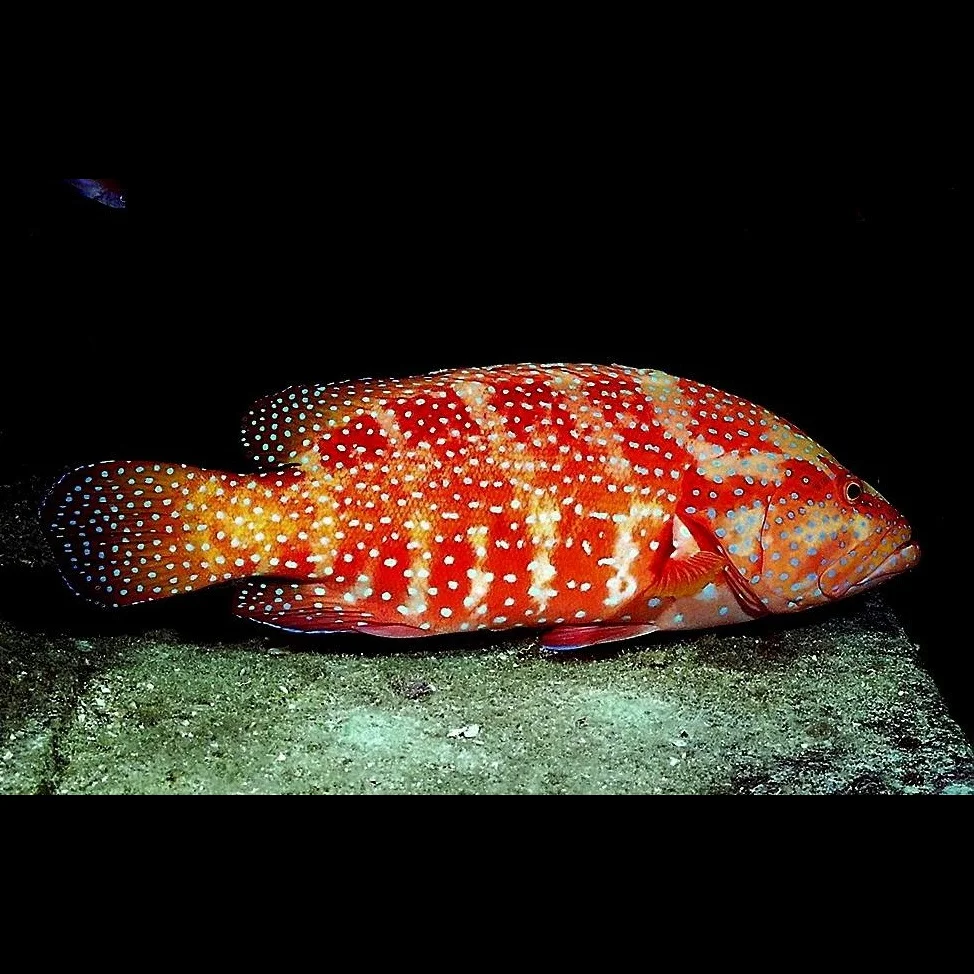
Upon approaching the reef's shallower sections, divers often first notice scorpionfish, octopus, and moray eels camouflaged among the rocks. Moving deeper, the wall formations become hunting grounds for groupers and leerfish.
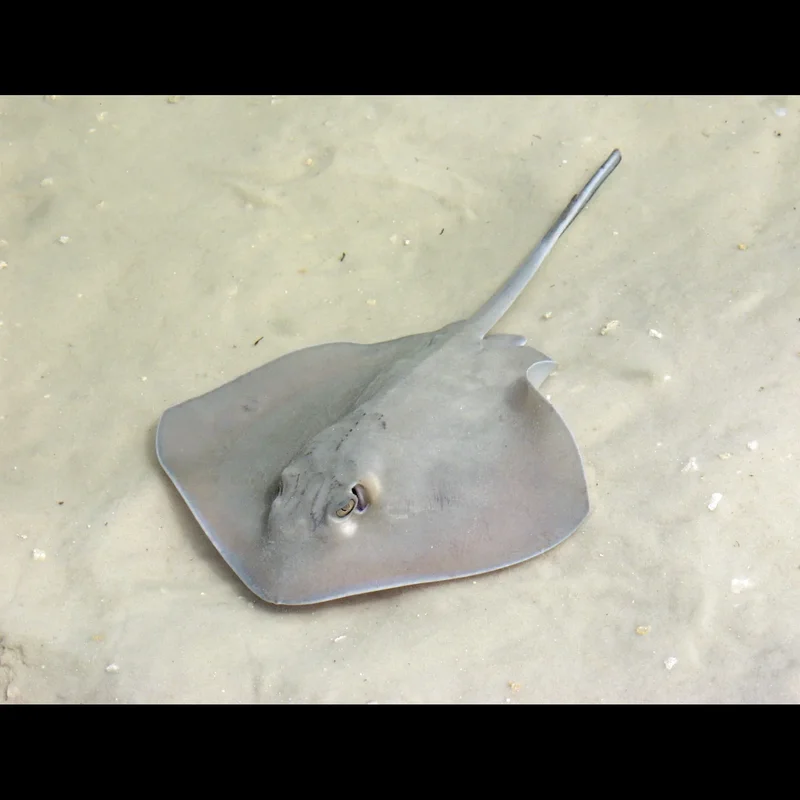
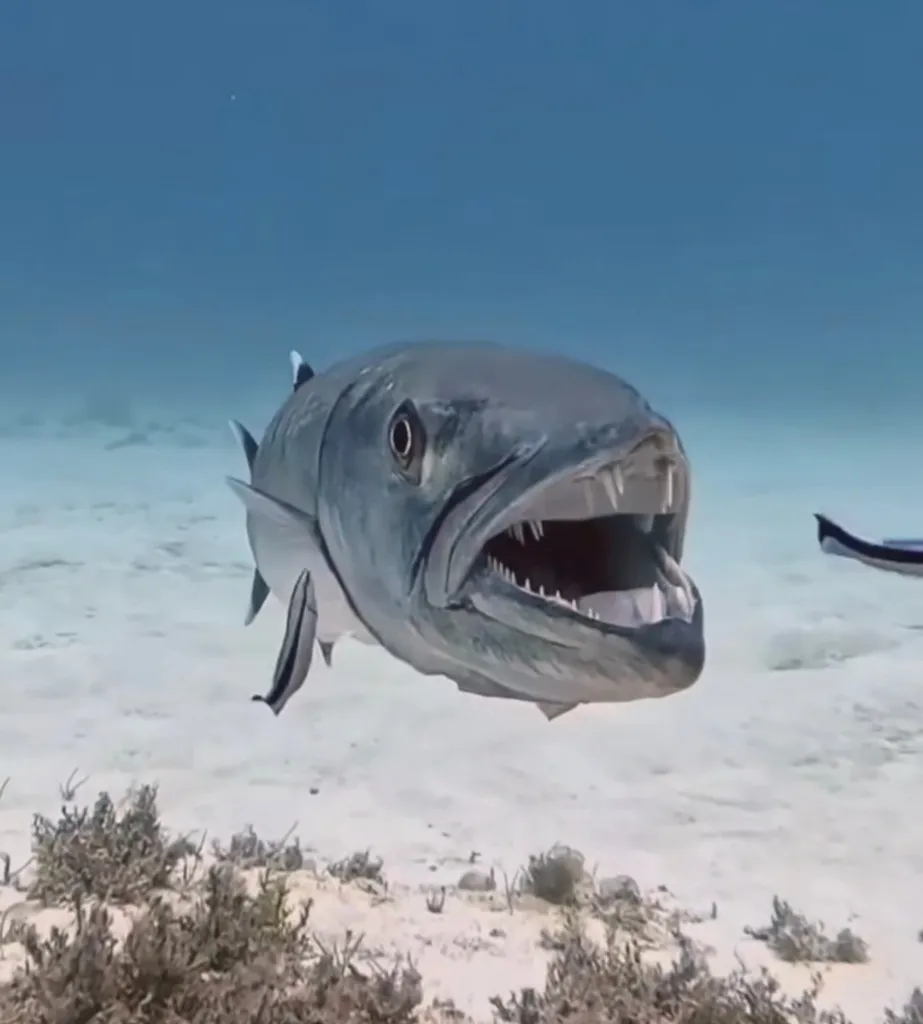
Schools of barracuda and dentex can often be observed patrolling the open water sections, providing dynamic displays. Keep an eye out for stingrays along the sandy patches, and upside-down jellyfish are occasionally spotted around 15 meters near anchor chains.
Various sponges add color and texture to the walls, offering excellent subjects for macro photography, especially along the cylindrical structures.
Dive Sites Near Small Reef
View all dive sites in TurkeyDiscover more underwater gems in this area.
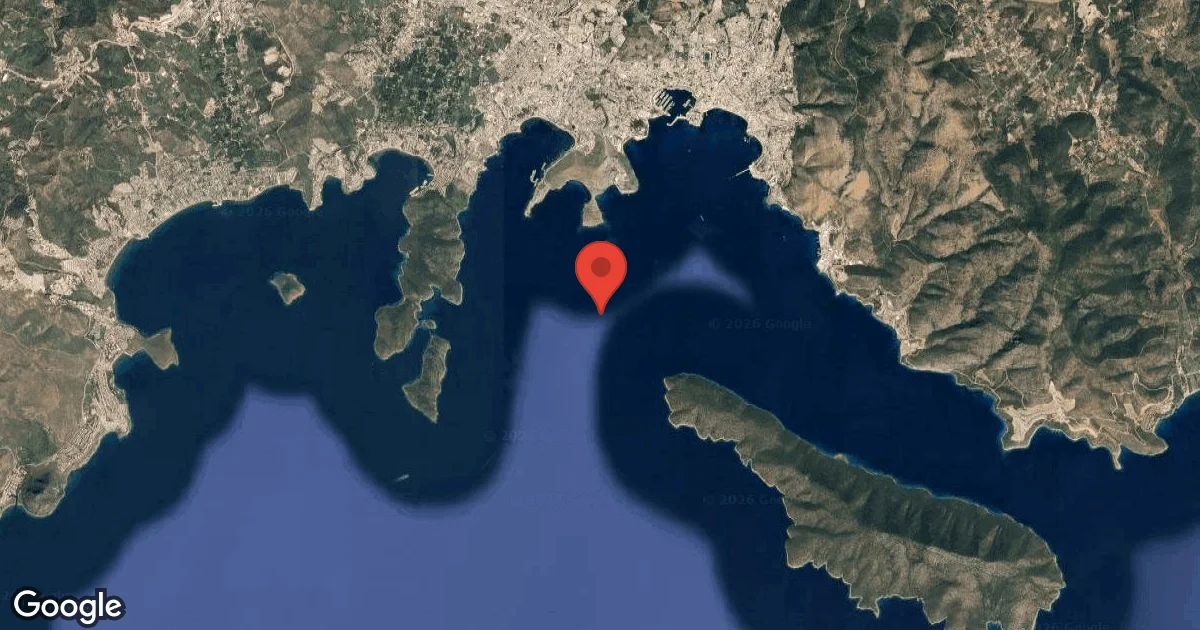
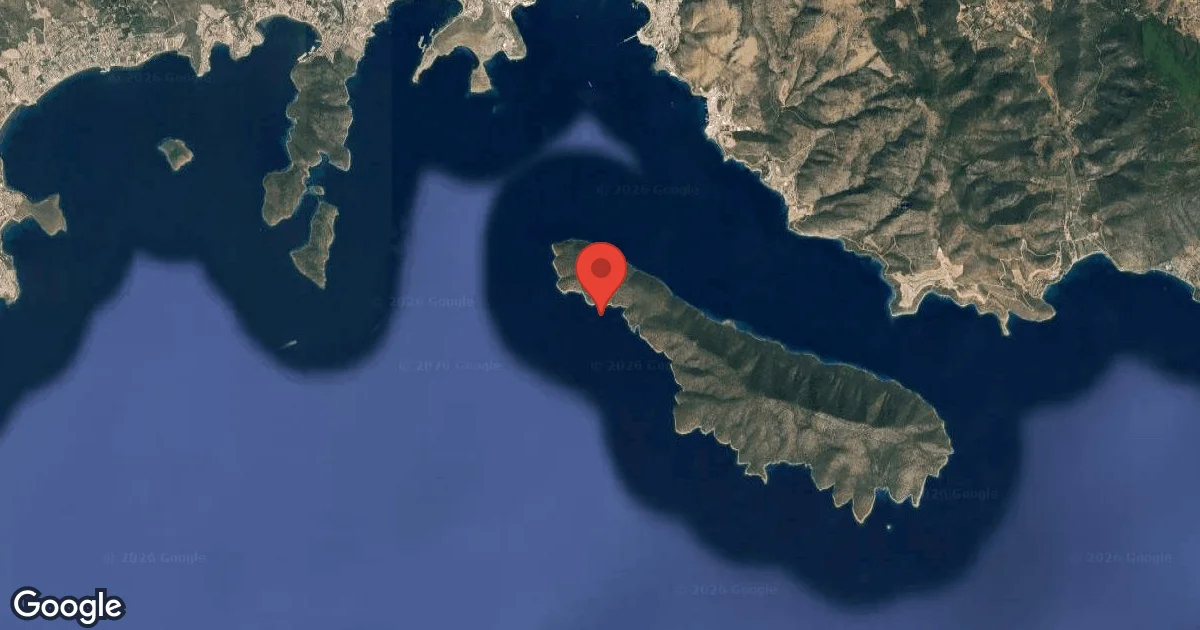
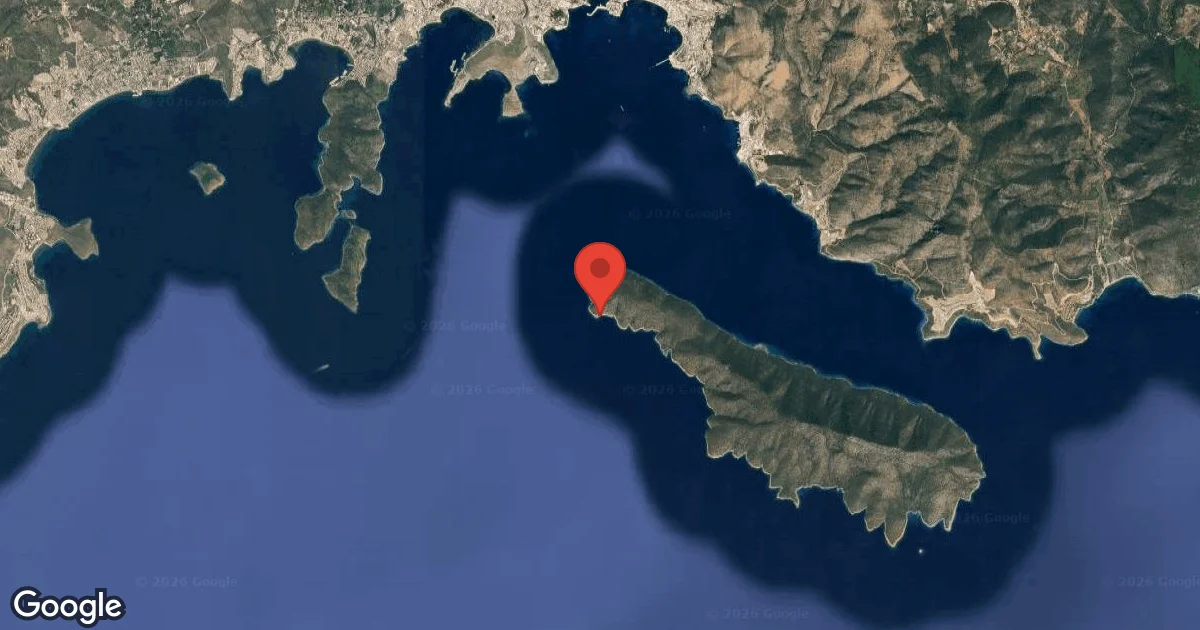
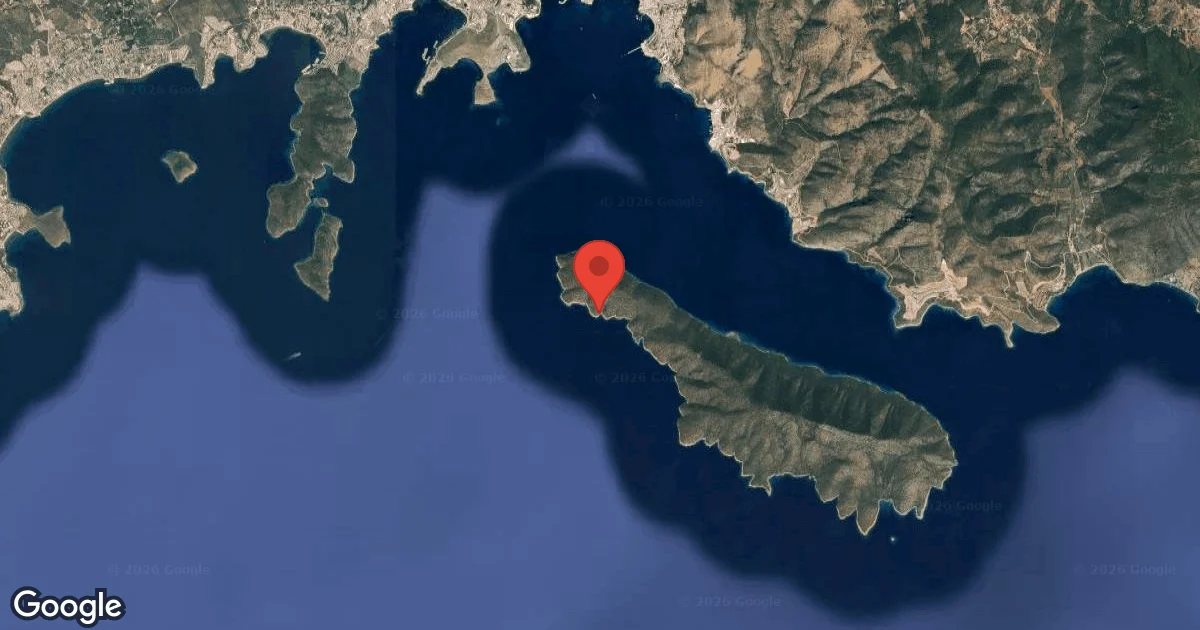
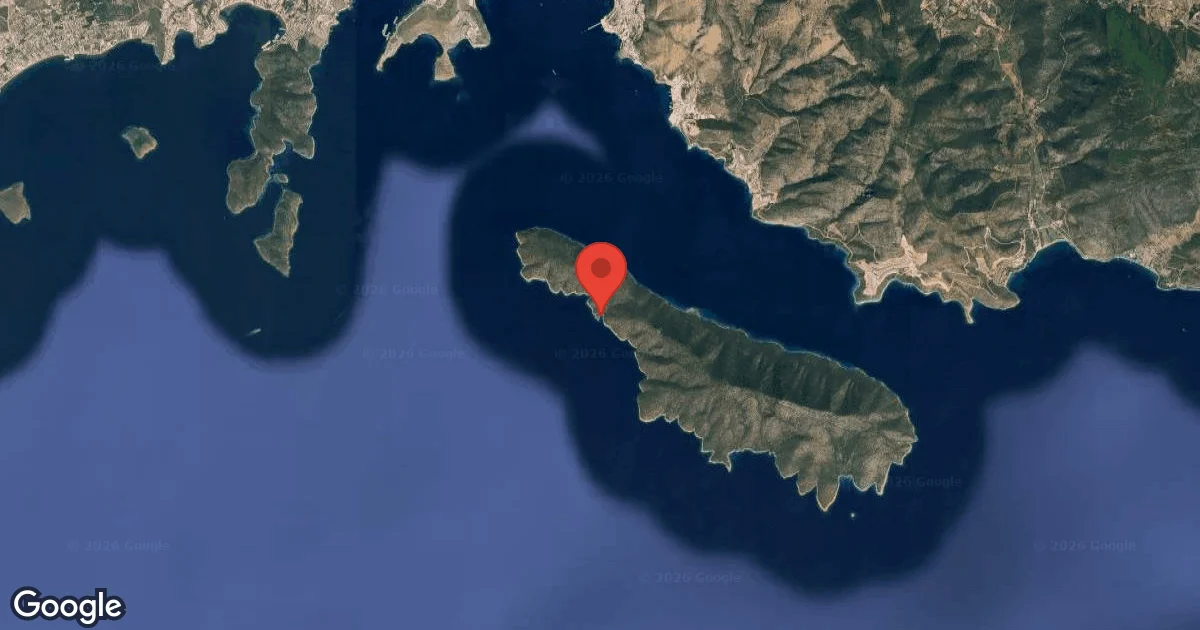
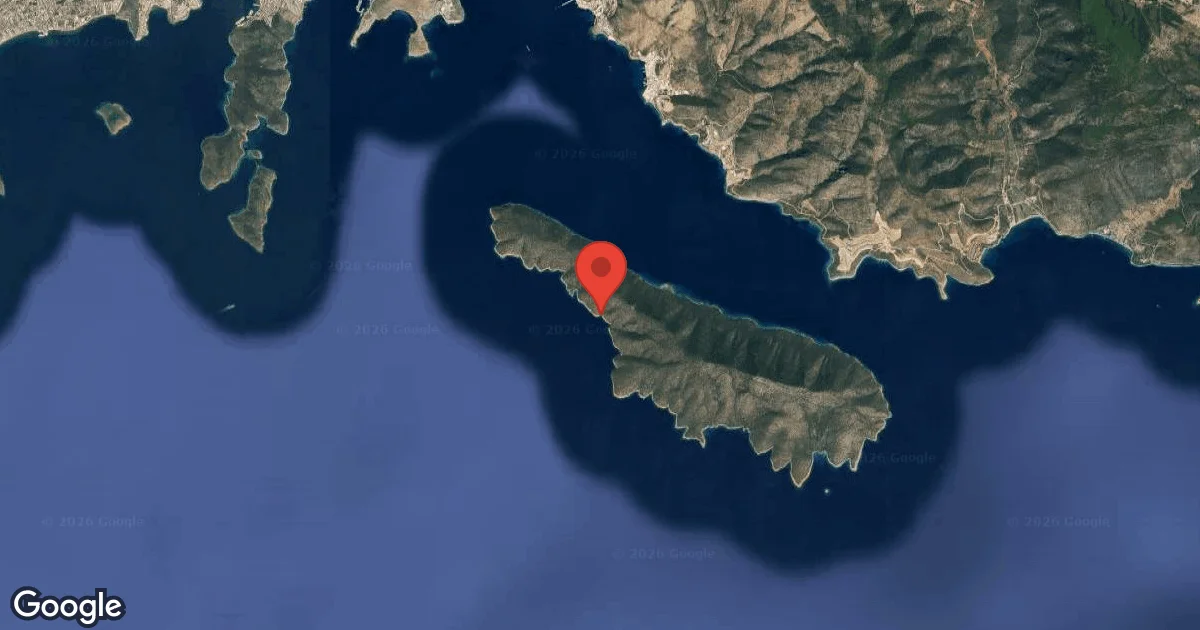
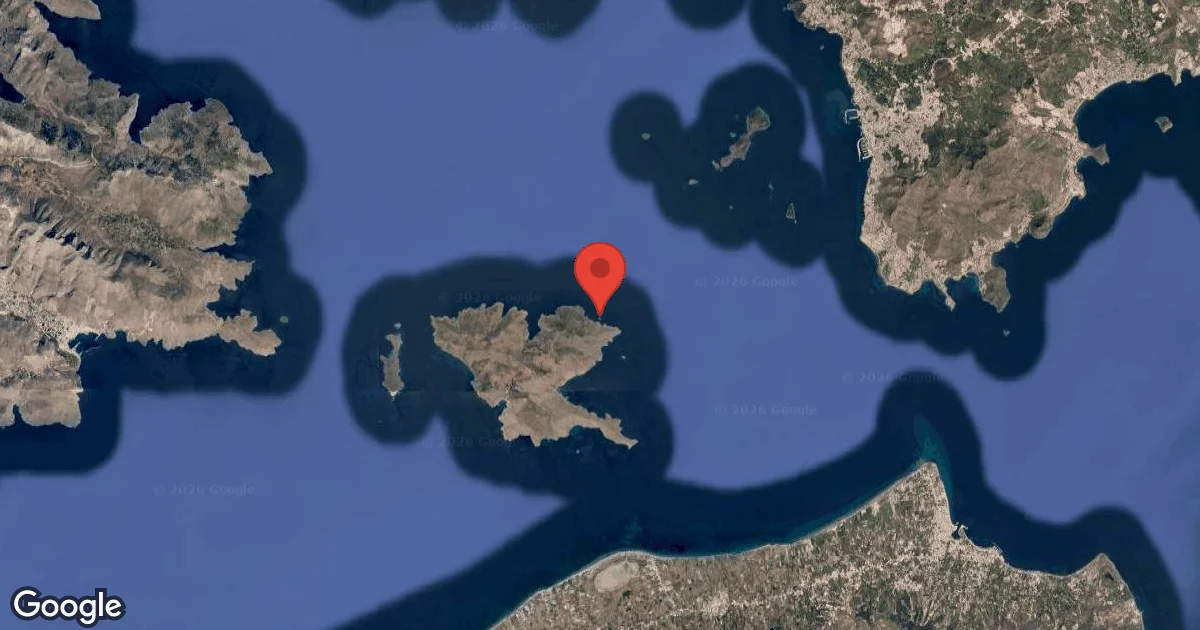
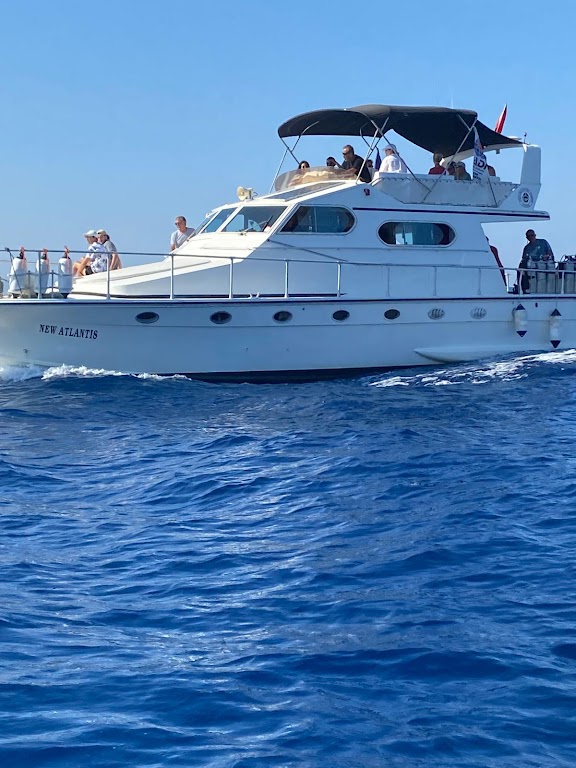
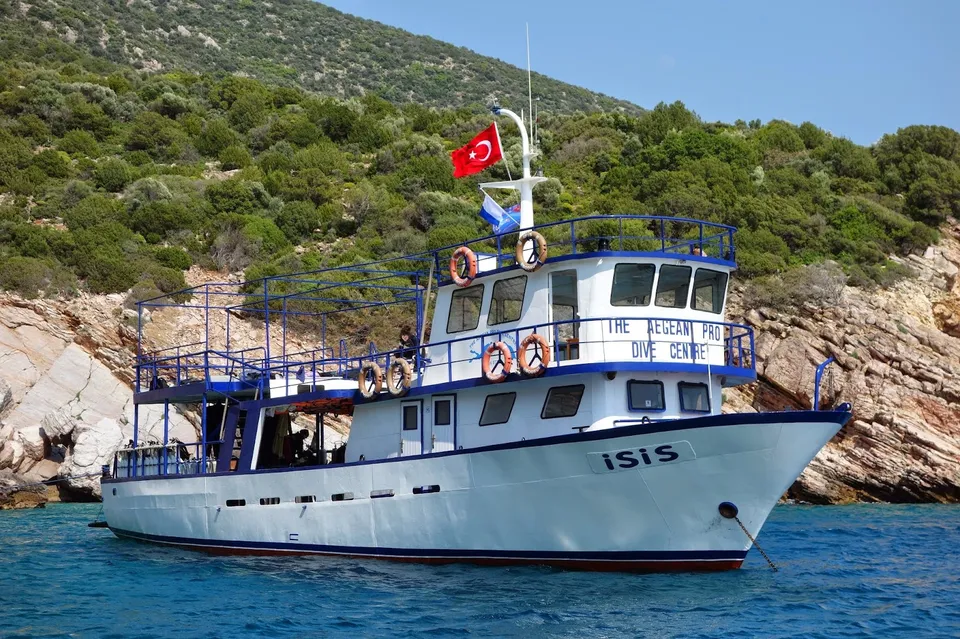
Dive Centers Near Small Reef
Today: 08:00 - 22:00
Nearest Airports
Nearest airports to help plan travel to this dive area.
Search Flights
Check available flights and routes on Expedia, using the nearby airports listed in this section.
Search Flights on ExpediaFrequently Asked Questions
What is the maximum depth at Small Reef?
The site consistently reaches 30 m (100 ft). Several sections, including the deepest tunnel, are found at this depth.
Are there any overhead environments at Small Reef?
Yes, the site features three distinct tunnels formed by fracturing walls. The top tunnel is small and narrow, while the deeper ones offer gaps for exiting if required.
What kind of currents can be expected?
Currents at Small Reef are generally mild, typically ranging from 0 to 2 knots. Always check local conditions with your dive operator on the day of your dive.
What marine life is commonly seen here?
Divers frequently encounter scorpionfish, octopus, and moray eels in shallower areas. Deeper, groupers, barracuda, and stingrays are often observed. Various sponges also adorn the walls.
What is the water temperature range?
Water temperatures at Small Reef vary seasonally, generally ranging from 17-24°C (63-75°F). August tends to be warmer, while June can be cooler.
Is Small Reef suitable for underwater photography?
Yes, with its diverse topography, including walls, tunnels, and a wreck, Small Reef is well-suited for both macro and wide-angle underwater photography. The varied marine life also provides ample subjects.
Is there a wreck at this dive site?
A cement wreck is present at Small Reef, located between 18-21 meters. It adds an additional point of interest to the dive plan.
Planning to dive Small Reef?
Send one inquiry and receive offers directly from the best verified local dive operators.
Conditions are Good
Optimal conditions expected
Current conditions near Small Reef show 22° air, 26° sea temperature, 0.6 m waves, and 33 km/h wind. Forecast data is refreshed regularly to ensure accuracy.