
Diving at PINAR-1 Turkish Navy Shipwreck (Turkey)
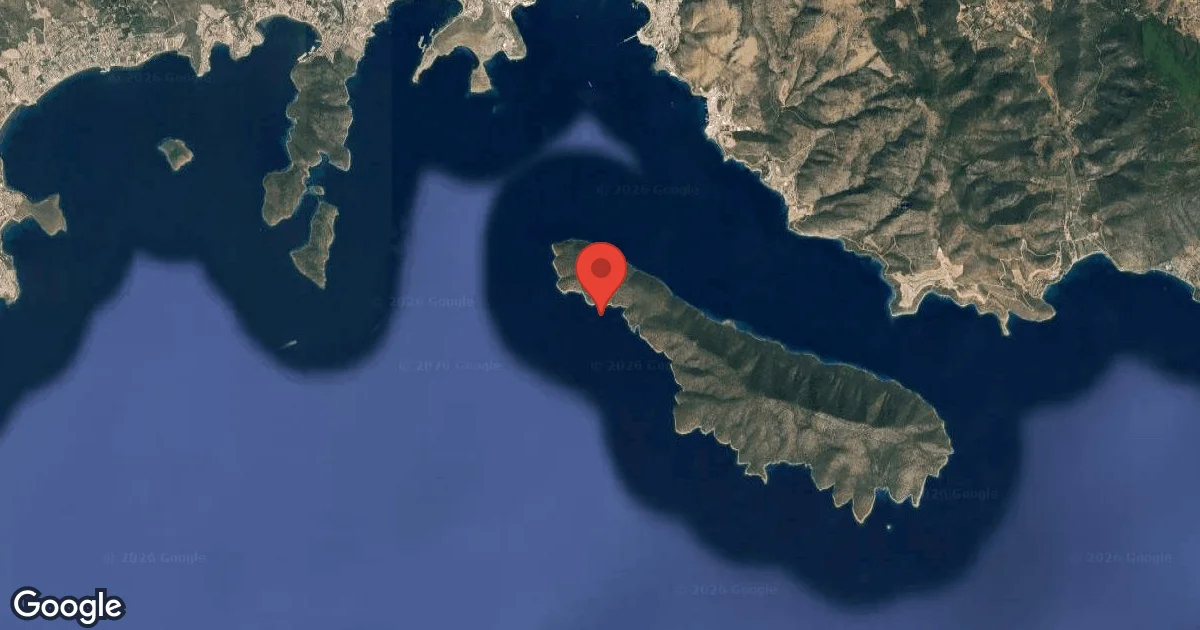
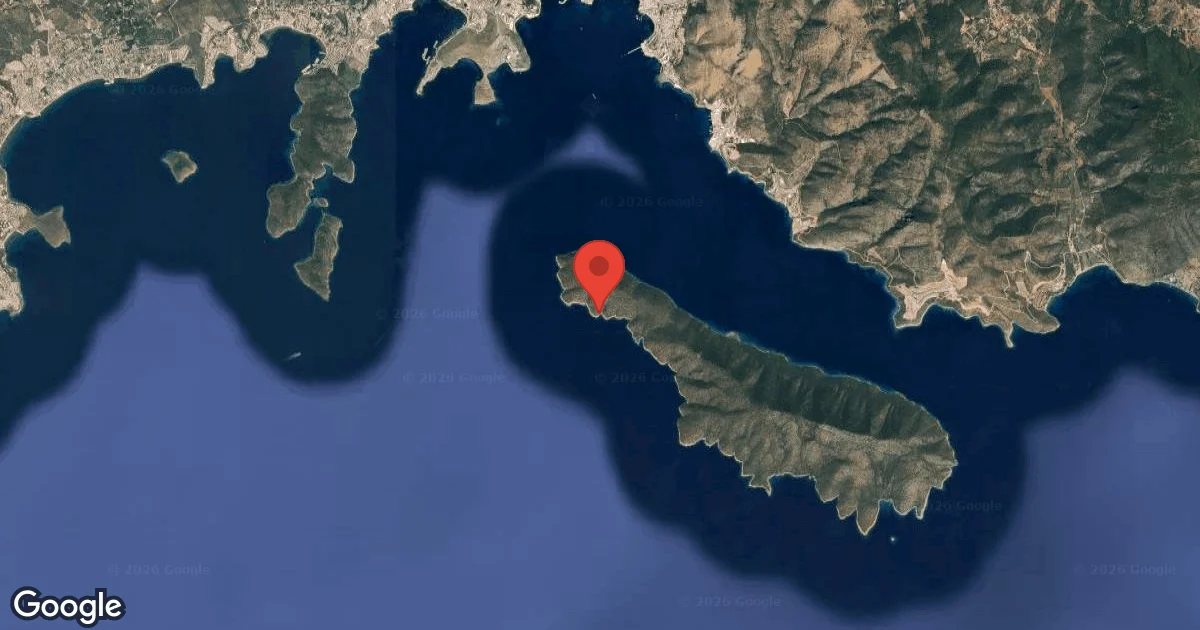
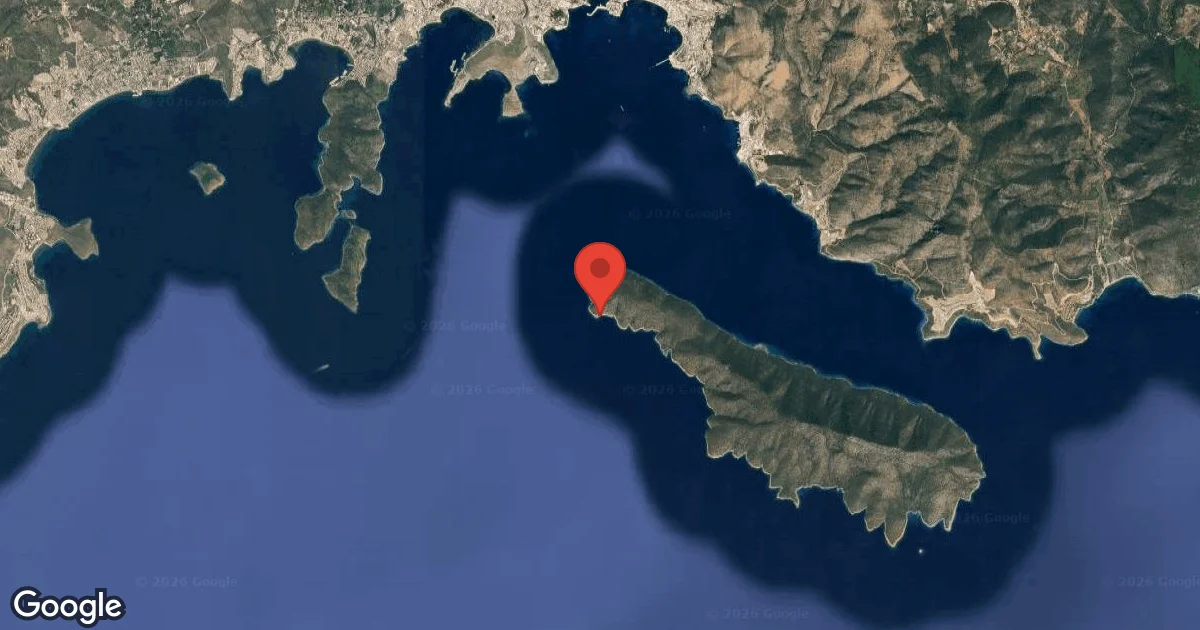
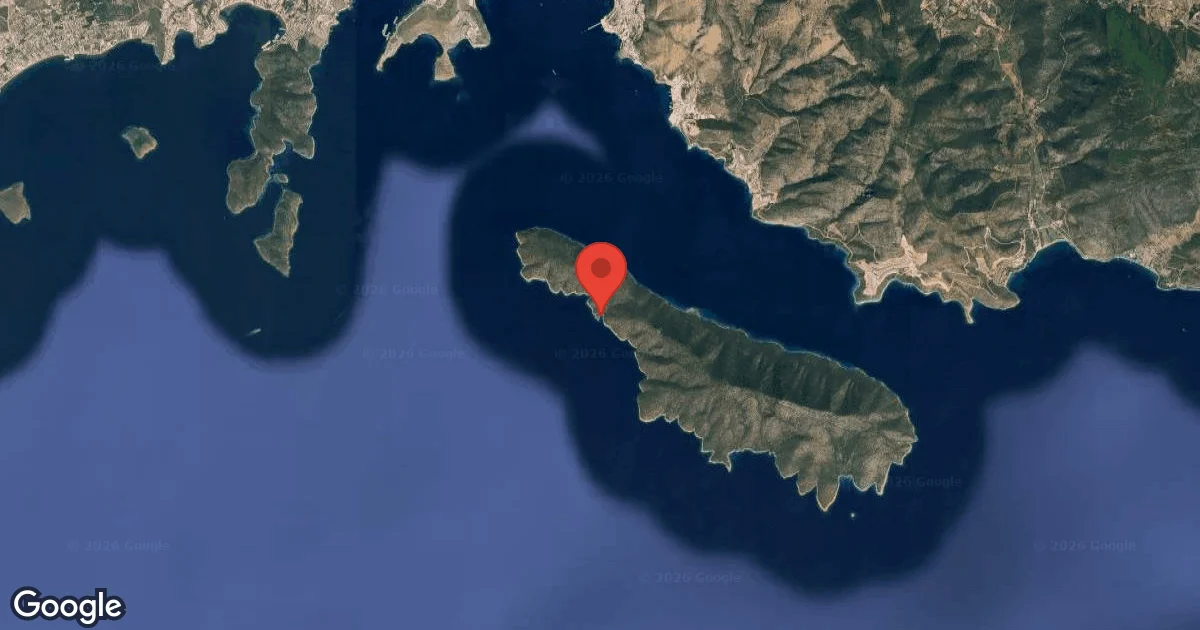
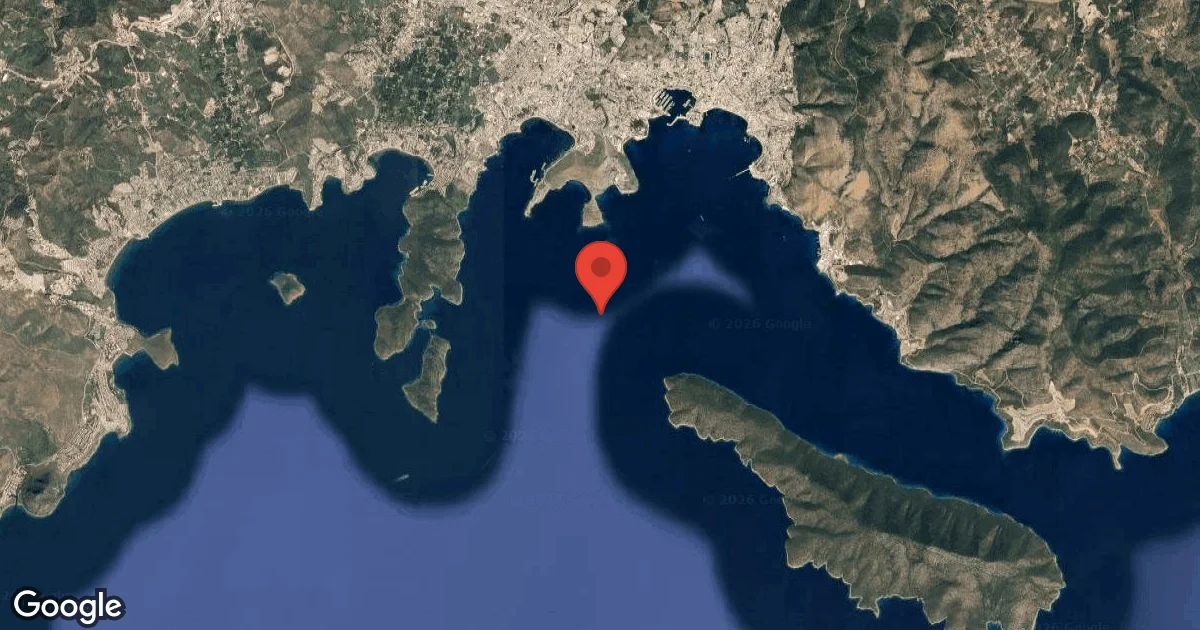
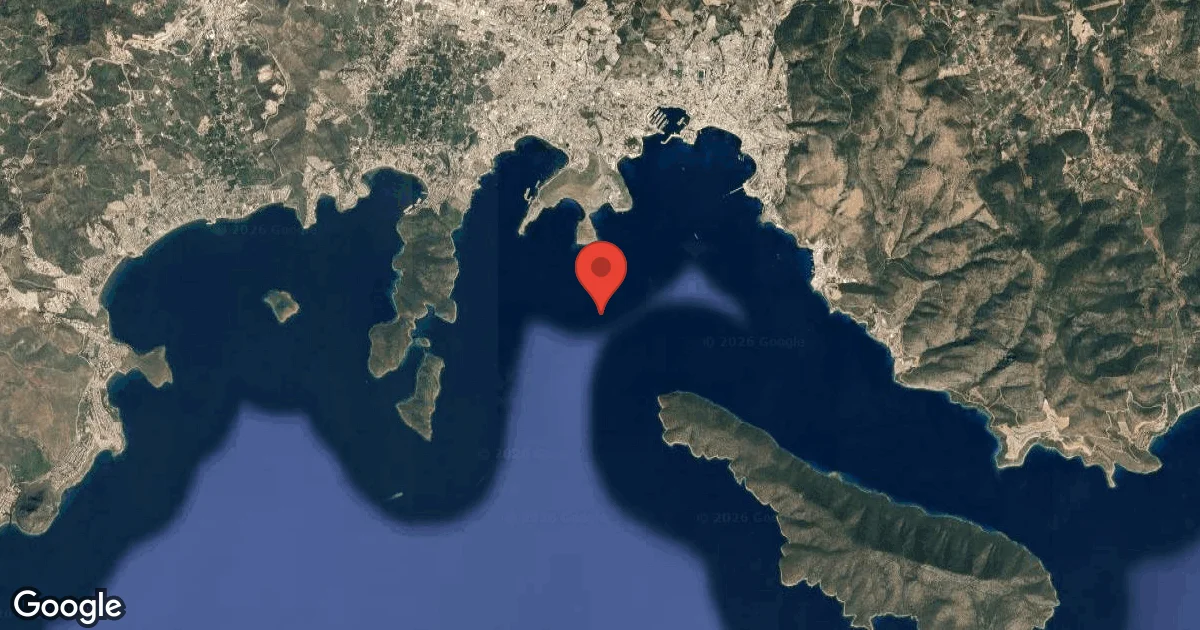
The Pınar-1 Wreck, a German-built water transport ship commissioned in 1938, once served the Turkish Navy. After its decommissioning, this historic vessel found a new purpose when it was intentionally sunk in 2007 by BOSAD to create an artificial reef. Resting near Black Island, the Pınar-1 now offers divers a unique opportunity to explore a piece of maritime history.
Tonight's objective overview for PINAR-1 Turkish Navy Shipwreck shows an air temperature of 25°C. The measured surface conditions include wave heights around 0.6 m. This environmental data is logged for the close of the day.
Dive Site Location & Key Facts
Dive Site Overview
Exploring the Pınar-1 Wreck near Bodrum, Turkey, presents a compelling journey into a well-preserved artificial reef. Boat entries typically begin with a 35-minute ride from The Divers Club to Black Island's southeast side, offering views of the coastline.
Divers will descend over a small wall, starting at about 5 m (16 ft) and extending to approximately 14 meters. From there, a gentle swim across lush Posidonia seagrass meadows leads directly to the wreck, a distinct silhouette emerging against the blue water. Pınar-1 measures 37 m (121 ft) long and 7 m (23 ft) wide.
Its stern rests around 23 meters, while the main deck sits at about 18 meters, creating distinct levels for exploration. Maximum depths can reach 34 to 40 meters in the surrounding open sea.
Catering to a range of certifications, from experienced Open Water divers to Advanced and Wreck Divers, opportunities exist, particularly for those keen on exploring inner chambers via multiple entry points. Visibility conditions at the wreck site are frequently good, aiding navigation and photography.
Conditions are Excellent
07:00 - 14:00
Optimal conditions expected
Current conditions near PINAR-1 Turkish Navy Shipwreck show 25° air, 26° sea temperature, 0.5 m waves, and 27 km/h wind. Forecast data is refreshed regularly to ensure accuracy.
Best Time to Dive
Planning a dive to the Pınar-1 Wreck is often most comfortable during the extended period from May through October, aligning with consistently excellent dive scores. During these months, the air temperatures are particularly inviting, ranging from approximately 21°C (70°F) in May to 30.5°C (87°F) in July, before settling back to 21.5°C (71°F) in October. Rainfall during this peak season is minimal, ensuring clear surface conditions and stable weather for boat trips. While the warmer months offer peak comfort, the site maintains good dive scores (7-8) even in cooler periods like March and November, when air temperatures average between 14.5°C (58°F) and 17.5°C (64°F). Year-round diving is feasible; however, the summer and early autumn months generally provide the most pleasant overall experience.
PEAK SEASON SCORE
Scores combine air & water temps, waves, wind & rainfall for overall conditions.
BEST MONTHS TO DIVE
Monthly records compiled from satellite and marine observation nodes over the last 3 years. Data provided by Open-Meteo and MET Norway.
Dive Experience & Conditions
Divers approach the Pınar-1 Wreck via boat, embarking on a short transit to the site. Initial descent follows a modest wall, reaching about 14 meters before divers transition to a swim over extensive Posidonia seagrass beds. Building anticipation, the wreck's structure gradually becomes visible against the deep blue. Pınar-1 presents a substantial structure, its deck around 18 meters and the stern extending deeper, to roughly 20-23 meters. Surrounding seabed slopes gently, allowing for maximum depths of up to 40 meters on the perimeter. Good visibility conditions are frequently observed, enhancing the navigation experience around and within the wreck's many features. Multiple entry points appeal to advanced divers trained for overhead environments, but require careful planning.
Dive Difficulty & Safety Guidelines
Diving the Pınar-1 Wreck requires adherence to established safety protocols, especially for those considering internal exploration. Given that sections of the wreck present an overhead environment, proper wreck diving procedures are essential. Divers should ensure their training is appropriate for such conditions and plan their depth carefully, acknowledging that the site can reach a maximum depth of 40 meters.
Adequate buoyancy control is paramount to prevent accidental contact with the wreck or marine life. Always dive within your certification limits and consider the experience level required for deeper sections or penetrations. A comprehensive dive plan, including gas management, is crucial for a safe and enjoyable dive here.
Recommended Equipment
Deep dive hazard. Increased narcosis and gas consumption risk.
Overhead / entanglement risk. Wreck penetration requires proper training.
- Dive Computer
- DSMB
- Primary & Backup Lights
- Wreck Reel
- Cutting Tool
This gear list is based on verified equipment signals for PINAR-1 Turkish Navy Shipwreck, Turkey. Always confirm final gear choices with your dive operator, guide, or liveaboard.
Recommended Dive Suit
2-3mm shorty or light wetsuit is widely used for recreational dives in waters of this temperature. Consider warmer surface protection (like a boat coat) due to brisk winds. Water conditions at PINAR-1 Turkish Navy Shipwreck are currently measured at approximately 26°C (79°F). Surface air temperatures are resting at 25°C (77°F).
Forecasts suggest rising temperatures later this week. A warming trend is expected over the next few days.
Water temperatures can occasionally shift throughout the day depending on currents and depth layers.
Emergency & Medical Support
Essential information to help you plan your dive trip to PINAR-1 TURKISH NAVY SHIPWRECK.

Hyperbaric chambers are a critical part of dive safety infrastructure. Availability varies significantly by region, and not all dive areas have immediate access.
Before diving, it's recommended to:
- confirm nearest medical facilities
- check emergency procedures with local dive operators
- ensure dive insurance covers evacuation if required
Divers Alert Network
Diving emergency assistance available through DAN Europe.
+39 0642115685- 24/7 emergency hotline
- Diving medical assistance
- Evacuation coordination
Emergency contacts are provided for reference. Always verify local emergency services before diving.
Closest Listed Hyperbaric Chambers
Showing listed hyperbaric chamber facilities within 200 km of this dive site.
Distances are approximate straight-line distances and may not reflect emergency travel time.
DzKK Aksaz Deniz Üssü, Military base chamber
24/7 ListedMugla, Turkey•Approx. 86 km straight-line
DzKK Aksaz Deniz Üssü, Military base chamber
24/7 ListedInformation is provided for reference and planning purposes only. Dive Navigator does not verify operational status, staffing, availability, or quality of care at listed facilities. In an emergency, contact local emergency services, DAN, your dive operator, or the chamber directly. Do not travel to a facility without calling ahead.
Bozyaka Eğitim Araştırma Hastanesi, Sualtı Hekimliği ve Hiperbarik Tıp Kliniği
24/7 ListedICU CapableIzmir, Turkey•Approx. 160 km straight-line
Bozyaka Eğitim Araştırma Hastanesi, Sualtı Hekimliği ve Hiperbarik Tıp Kliniği
24/7 ListedICU CapableInformation is provided for reference and planning purposes only. Dive Navigator does not verify operational status, staffing, availability, or quality of care at listed facilities. In an emergency, contact local emergency services, DAN, your dive operator, or the chamber directly. Do not travel to a facility without calling ahead.
Denizli Özel Sağlık Hastanesi
24/7 ListedICU CapableDenizli, Turkey•Approx. 167 km straight-line
Denizli Özel Sağlık Hastanesi
24/7 ListedICU CapableInformation is provided for reference and planning purposes only. Dive Navigator does not verify operational status, staffing, availability, or quality of care at listed facilities. In an emergency, contact local emergency services, DAN, your dive operator, or the chamber directly. Do not travel to a facility without calling ahead.
Marine Life at PINAR-1 Turkish Navy Shipwreck
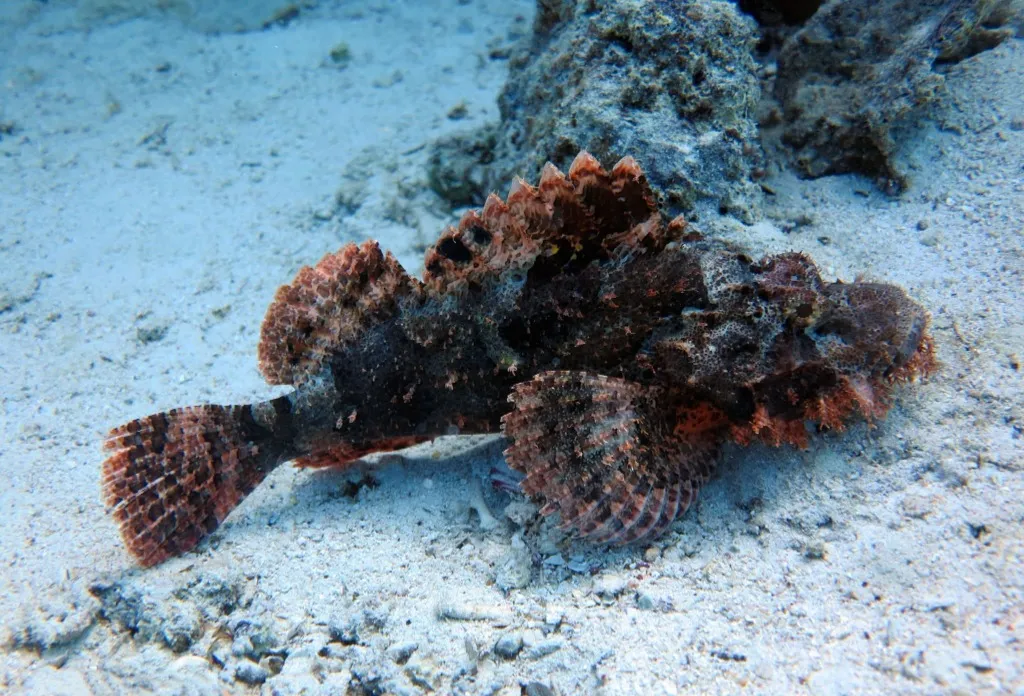
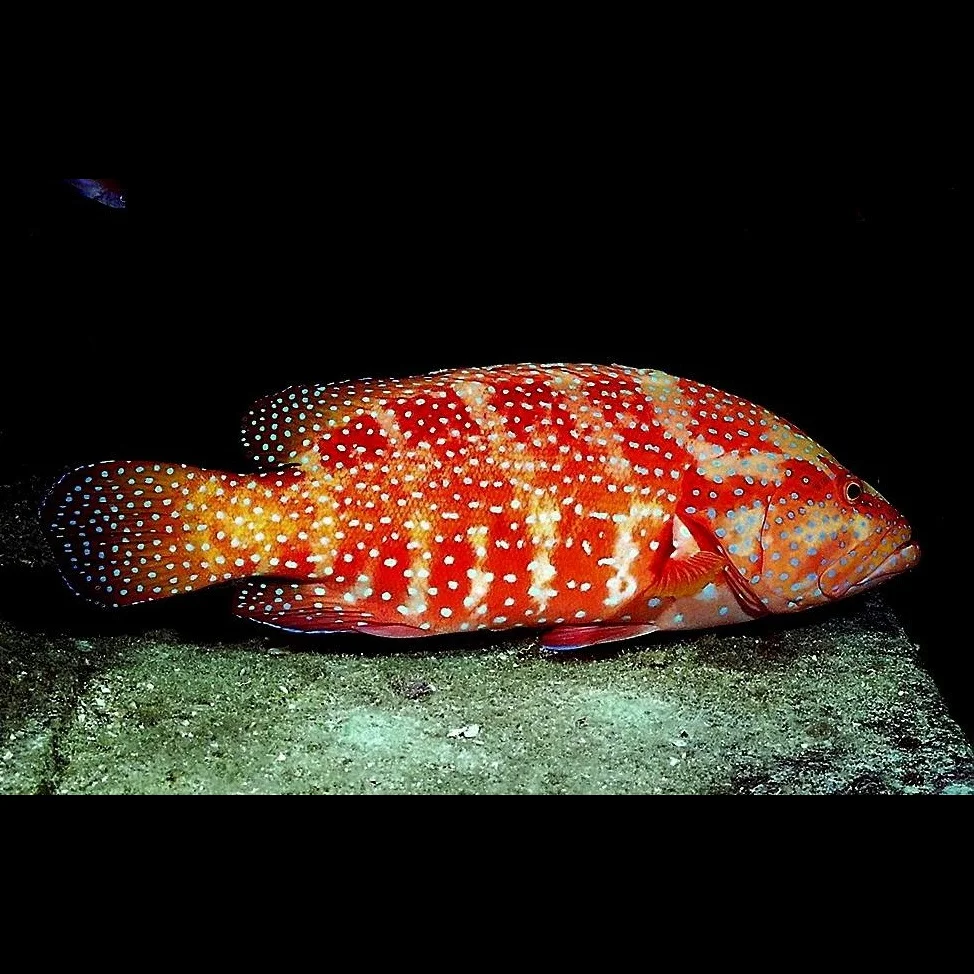
Pınar-1 Wreck has transformed into a vibrant artificial reef, supporting a diverse array of marine species. Scorpionfish frequently seek shelter within its structure, making careful observation worthwhile.
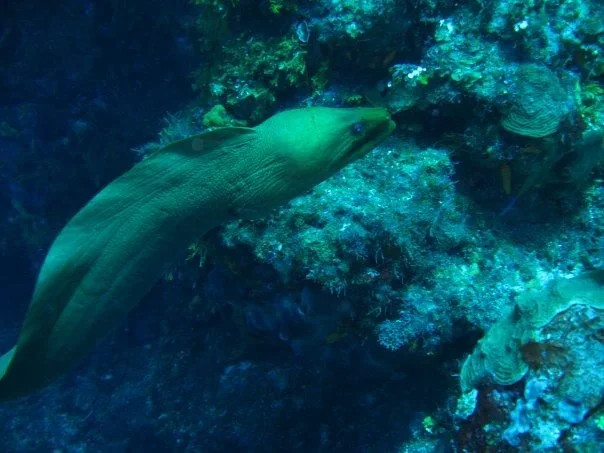
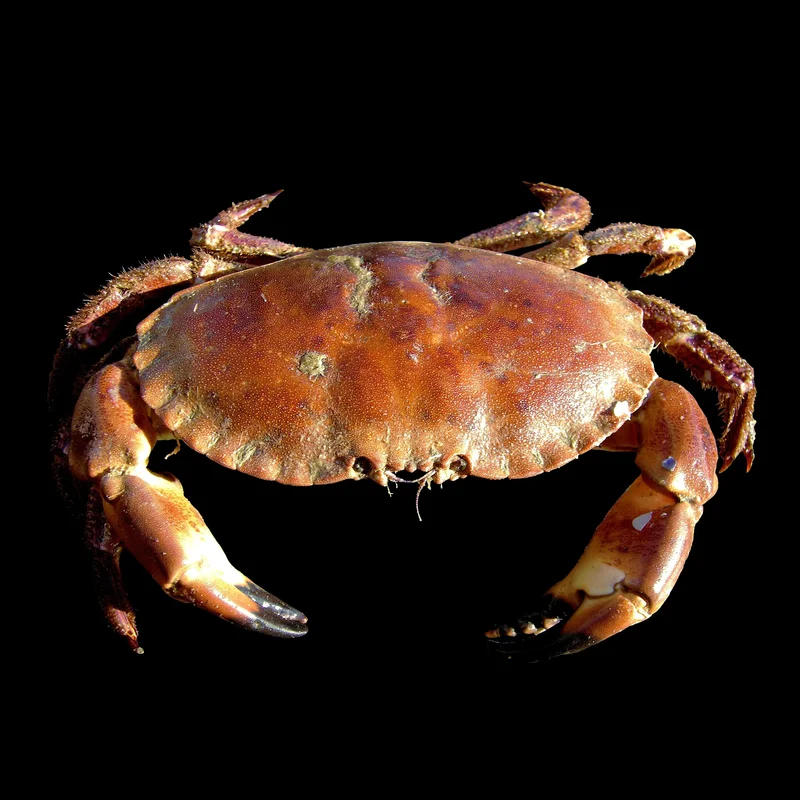
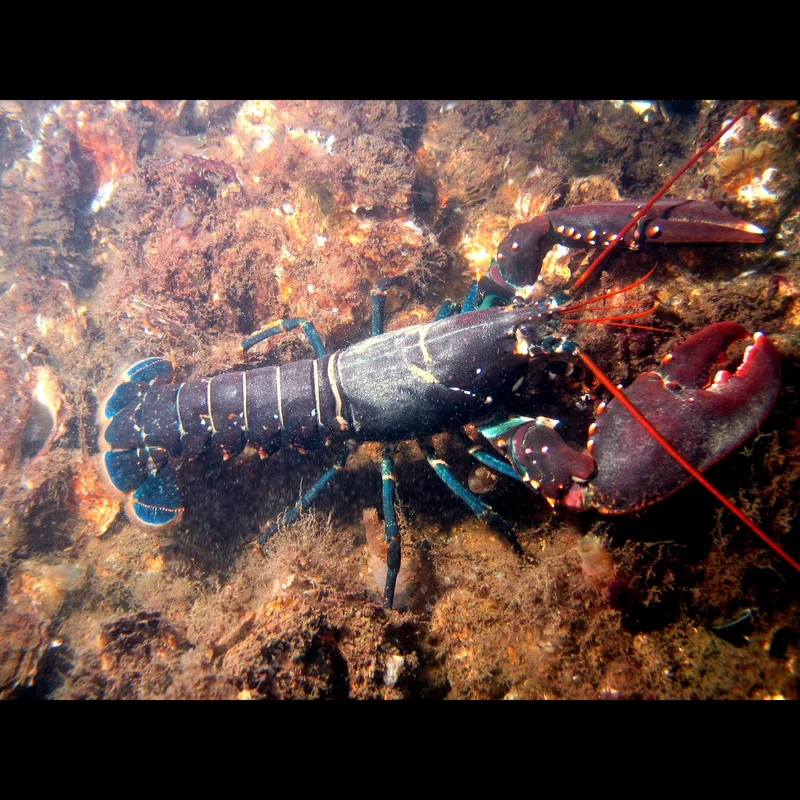
Divers commonly encounter moray eels, octopi, and starfish around the wreck's exterior. Groupers, brown meagres, lionfish, lobsters, and crabs are often spotted navigating its various sections.
Its hull provides a substrate for smaller organisms, including nudibranchs, tube worms, and squid eggs, which photographers often seek out. A sunken vessel offers a rich habitat, attracting both resident species and transient visitors.
Dive Sites Near PINAR-1 Turkish Navy Shipwreck
View all dive sites in TurkeyDiscover more underwater gems in this area.
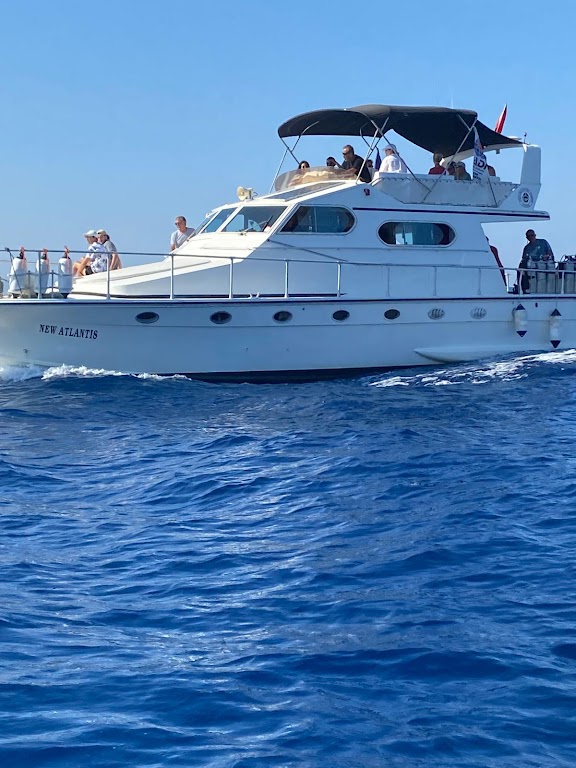
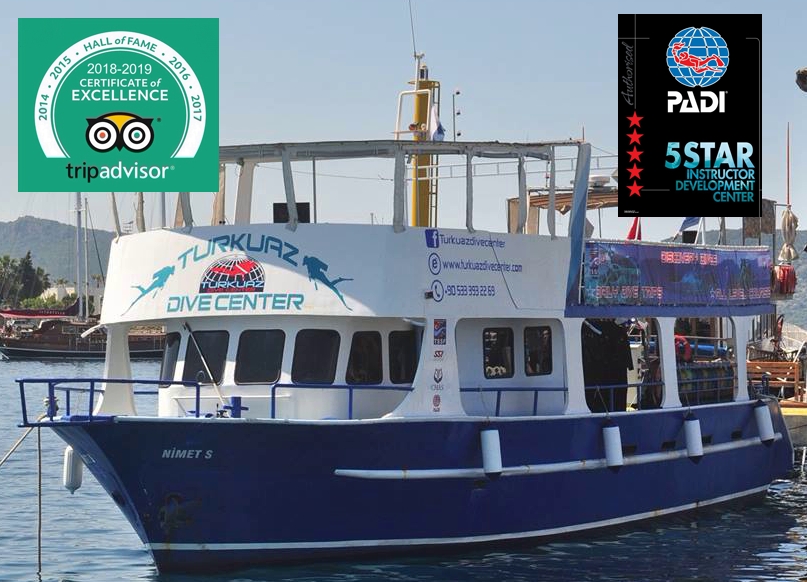
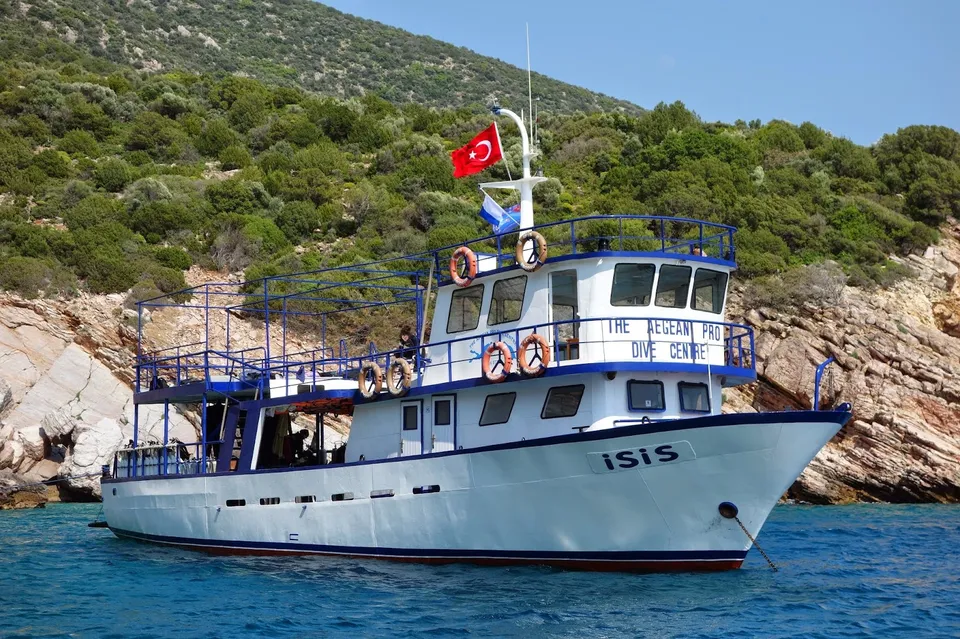
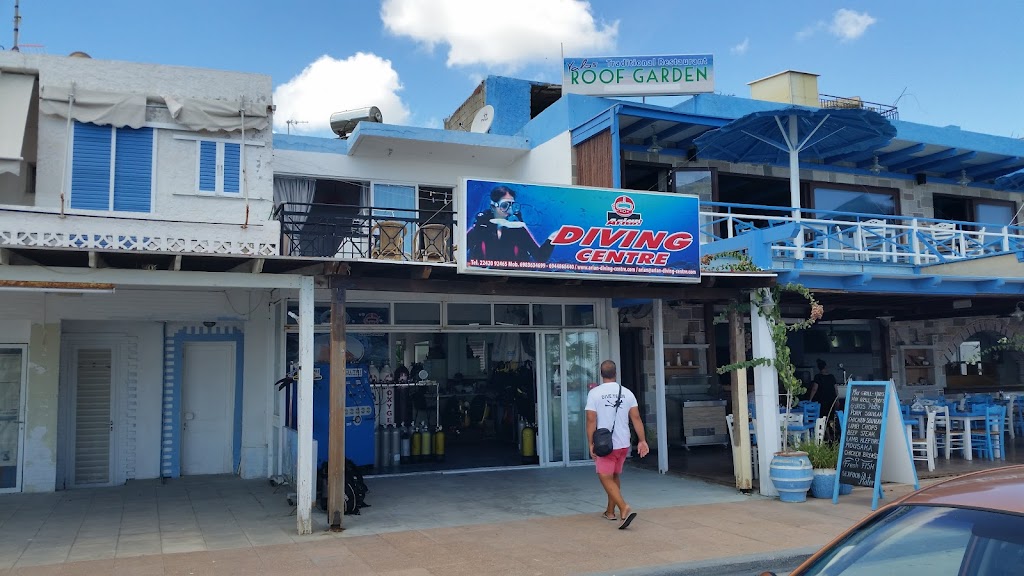
Dive Centers Near PINAR-1 Turkish Navy Shipwreck
Today: 08:00 - 22:00
Nearest Airports
Nearest airports to help plan travel to this dive area.
Search Flights
Check available flights and routes on Expedia, using the nearby airports listed in this section.
Search Flights on ExpediaFrequently Asked Questions
What kind of vessel was the Pınar-1?
The Pınar-1 was a German-built water transport ship, commissioned in 1938, that served in the Turkish Navy. It was intentionally sunk in 2007 to create an artificial reef.
Where is the Pınar-1 Wreck located?
The wreck is located on the southeast side of Black Island in Bodrum, Turkey. It's accessible via a boat ride from local dive centers.
What is the maximum depth at the Pınar-1 Wreck site?
While the deck is at approximately 18 meters, and the stern at 23 meters, the maximum depth in the surrounding open sea can reach 34 to 40 meters (112 to 131 feet).
What level of diving experience is recommended for this site?
This dive site is suitable for experienced Open Water divers (especially with wreck diving experience), Advanced Divers, and certified Wreck Divers due to its depth and potential for penetration.
Is it possible to penetrate the Pınar-1 Wreck?
Yes, for experienced wreck divers, there are multiple entry points into the wreck, offering opportunities to explore its inner chambers and structures. Proper training and procedures are required for this.
What kind of marine life can be observed at the Pınar-1 Wreck?
Divers can expect to see scorpionfish, moray eels, octopi, starfish, groupers, lionfish, and various smaller creatures like nudibranchs and squid eggs. The wreck acts as a habitat for diverse marine species.
How long does it take to reach the Pınar-1 Wreck by boat?
The boat ride to the Pınar-1 Wreck from The Divers Club is approximately 35 minutes.
Planning to dive PINAR-1 Turkish Navy Shipwreck?
Send one inquiry and receive offers directly from the best verified local dive operators.
Conditions are Excellent
07:00 - 14:00
Optimal conditions expected
Current conditions near PINAR-1 Turkish Navy Shipwreck show 25° air, 26° sea temperature, 0.5 m waves, and 27 km/h wind. Forecast data is refreshed regularly to ensure accuracy.