
Diving at Potteries (Turkey)
Expert divers know that planning a dive at Potteries, near Kaş, Turkey, is about more than just marine life. This region presents a rare opportunity to engage with ancient history beneath the waves. You'll encounter millennia-old amphorae and other relics scattered across rocky landscapes. These sites demand respectful observation, offering a tangible connection to past civilizations. Prepare for clear waters and significant archaeological interest.
Tonight's objective overview for Potteries shows an air temperature of 24.5°C. The measured surface conditions include wave heights around 0.9 m. This environmental data is logged for the close of the day.
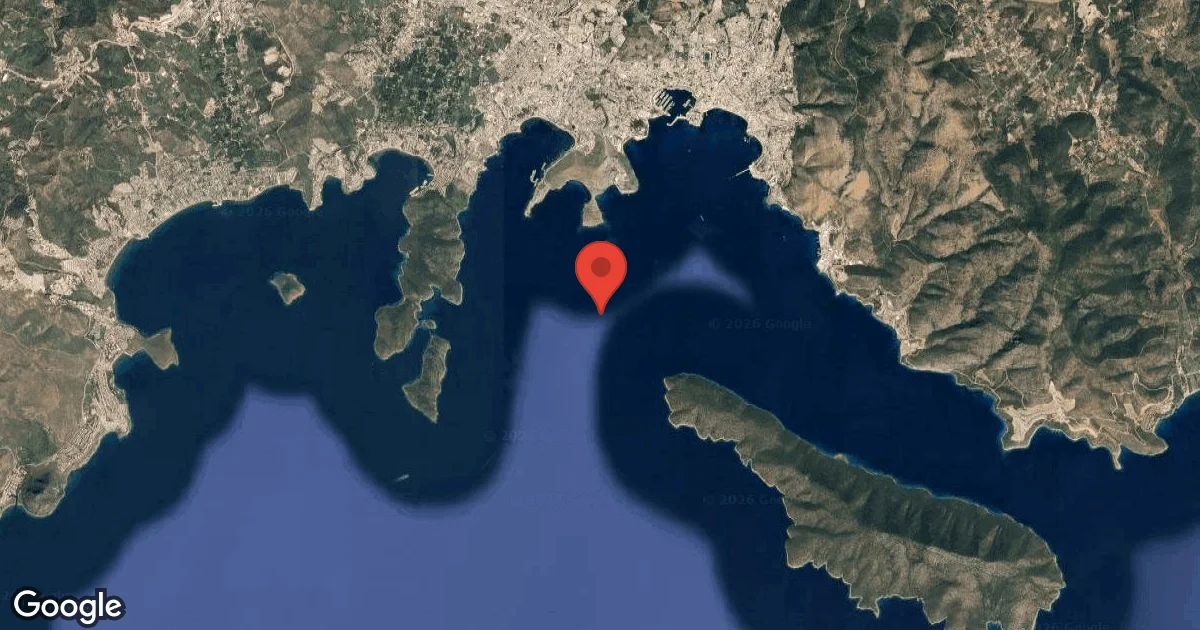
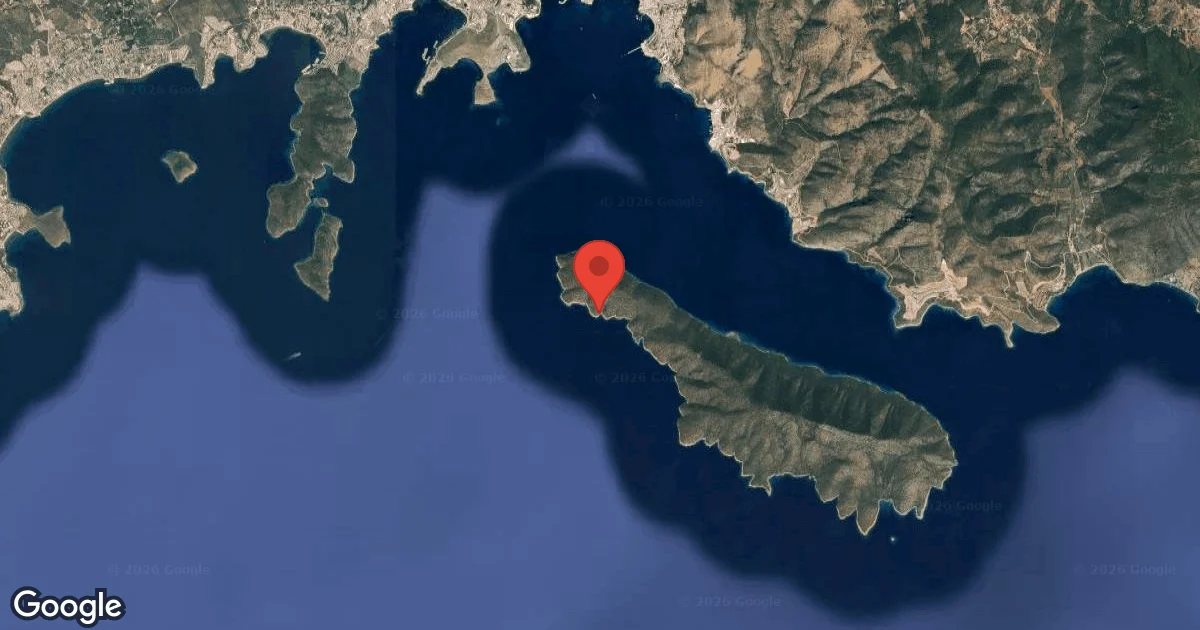
Dive Site Location & Key Facts
Dive Site Overview
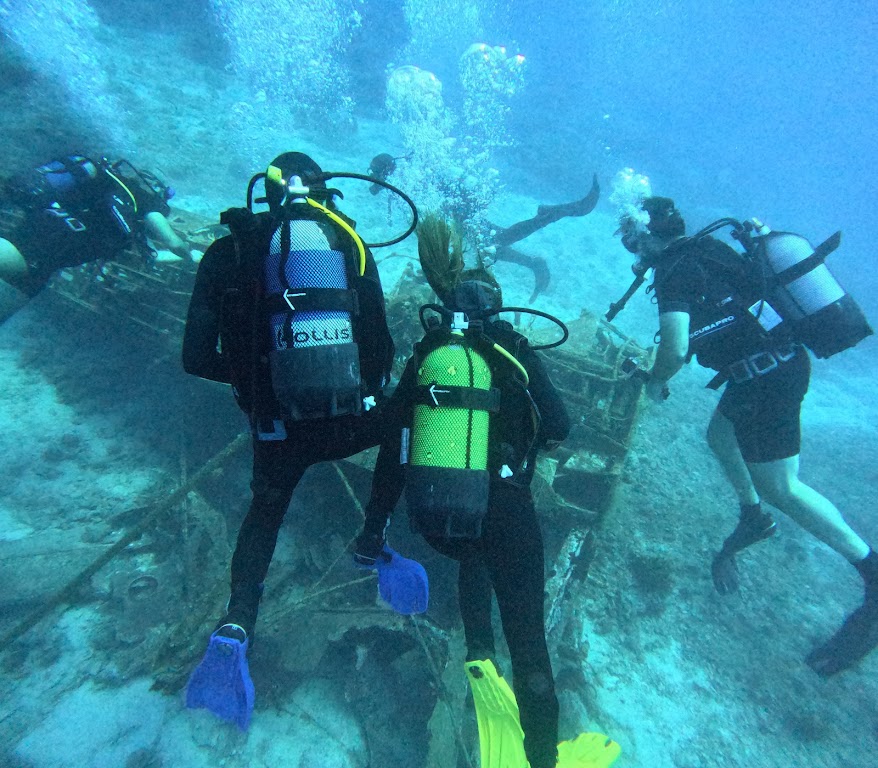
Imagine descending into the turquoise embrace of the Mediterranean, where rocky formations give way to scattered fragments of ancient history. Diving in the Kaş area, including sites like Potteries, is often less about vibrant coral gardens and more about discovering an underwater museum.
This experience transforms a recreational dive into an archaeological exploration. We're talking about exploring areas where amphorae and other artifacts, some over 2000 years old, rest on the seabed. Water clarity is notably impressive, frequently reaching up to 40 meters (130 ft), allowing for unobstructed views of these historical treasures and the surrounding underwater topography.
Underwater archaeologists have identified over 125 historical sites in Turkish waters, indicating the rich heritage embedded within these depths. The stretch of the Lycian coast, located between Bodrum and Antalya, offers a compelling blend of natural beauty and profound historical significance for divers.
It’s a compelling destination for those who appreciate both exploration and the echoes of bygone eras underwater.
Conditions are Good
Optimal conditions expected
Current conditions near Potteries show 25° air, 26° sea temperature, 1.0 m waves, and 32 km/h wind. Forecast data is refreshed regularly to ensure accuracy.
Best Time to Dive
Considering a dive at Potteries often highlights the seasonal shifts in conditions. While year-round diving is possible, the period from March through October generally provides the most favorable experience. During these months, dive scores are consistently rated as "Good" (8/10), reflecting calmer seas and more comfortable air temperatures. Air temperatures vary from a mild 15°C (59°F) in March, peaking at 28.5°C (83°F) in July, before gradually cooling to 22°C (72°F) by October. Rain is minimal to non-existent from June to October, with July and August reporting 0 mm. Wave heights remain relatively low, typically below 0.9 meters (3 ft) for much of this period. In contrast, winter months like January and February see dive scores drop to "Moderate" (6/10), accompanied by cooler air temperatures around 13-14°C (55-57°F) and higher chances of rain, making conditions less predictable. Water temperature isn't consistently reported, though warmer surface air temperatures generally correspond to more agreeable water conditions during peak season.
PEAK SEASON SCORE
Scores combine air & water temps, waves, wind & rainfall for overall conditions.
BEST MONTHS TO DIVE
Monthly records compiled from satellite and marine observation nodes over the last 3 years. Data provided by Open-Meteo and MET Norway.
Dive Experience & Conditions
Entering the water at Potteries, divers typically encounter the exceptional clarity that defines this part of the Mediterranean; visibility can extend up to 40 meters (130 ft). A descent reveals rugged, rocky underwater landscapes serving as the foundation for the historical artifacts. You'll navigate over and around these natural formations, where ancient amphorae and pottery fragments lie embedded or scattered. Depths vary across different dive sites in the Kaş region, but many archaeological features are accessible within recreational limits. Exploring shallower sections, light penetration remains excellent, illuminating the details of the seabed. Deeper dives reveal more subtle nuances of the submerged terrain. Current strength varies depending on specific site geometry and prevailing weather, though conditions are often calm, particularly during peak season. Expect a relatively serene dive experience, with a primary focus on careful observation of the historical relics.
Dive Difficulty & Safety Guidelines
Navigating the historical dive sites around Kaş, including Potteries, requires a commitment to responsible diving practices. The primary challenge lies in preserving the ancient artifacts. These sites contain delicate amphorae and other relics, many over 2000 years old, which must remain undisturbed.
Divers should maintain excellent buoyancy control to avoid accidental contact with the seabed and its historical contents. It's crucial to remember that removing any artifact is strictly prohibited and can carry severe legal consequences.
Current conditions are generally mild, but divers should always be aware of local currents, which can vary. Local dive operators will provide detailed briefings regarding site-specific characteristics and any potential hazards, ensuring a safe and respectful exploration of these underwater treasures. Always dive within your certification limits.
Recommended Equipment
- Dive Computer
This gear list is based on verified equipment signals for Potteries, Turkey. Always confirm final gear choices with your dive operator, guide, or liveaboard.
Recommended Dive Suit
Forecast trends indicate little change in overall diving conditions during the next few days.
Divers who prefer a balanced level of warmth often select 3mm wetsuit in water temperatures like this. Consider warmer surface protection (like a boat coat) due to brisk winds.
Current dive conditions indicate that water temperatures around Potteries are sitting at roughly 26°C (78°F). Surface air temperatures are resting at 25°C (76°F).
Emergency & Medical Support
Essential information to help you plan your dive trip to Potteries.

Hyperbaric chambers are a critical part of dive safety infrastructure. Availability varies significantly by region, and not all dive areas have immediate access.
Before diving, it's recommended to:
- confirm nearest medical facilities
- check emergency procedures with local dive operators
- ensure dive insurance covers evacuation if required
Divers Alert Network
Diving emergency assistance available through DAN Europe.
+39 0642115685- 24/7 emergency hotline
- Diving medical assistance
- Evacuation coordination
Emergency contacts are provided for reference. Always verify local emergency services before diving.
Closest Listed Hyperbaric Chambers
Showing listed hyperbaric chamber facilities within 200 km of this dive site.
Distances are approximate straight-line distances and may not reflect emergency travel time.
DzKK Aksaz Deniz Üssü, Military base chamber
24/7 ListedMugla, Turkey•Approx. 110 km straight-line
DzKK Aksaz Deniz Üssü, Military base chamber
24/7 ListedInformation is provided for reference and planning purposes only. Dive Navigator does not verify operational status, staffing, availability, or quality of care at listed facilities. In an emergency, contact local emergency services, DAN, your dive operator, or the chamber directly. Do not travel to a facility without calling ahead.
Bozyaka Eğitim Araştırma Hastanesi, Sualtı Hekimliği ve Hiperbarik Tıp Kliniği
24/7 ListedICU CapableIzmir, Turkey•Approx. 162 km straight-line
Bozyaka Eğitim Araştırma Hastanesi, Sualtı Hekimliği ve Hiperbarik Tıp Kliniği
24/7 ListedICU CapableInformation is provided for reference and planning purposes only. Dive Navigator does not verify operational status, staffing, availability, or quality of care at listed facilities. In an emergency, contact local emergency services, DAN, your dive operator, or the chamber directly. Do not travel to a facility without calling ahead.
Denizli Özel Sağlık Hastanesi
24/7 ListedICU CapableDenizli, Turkey•Approx. 190 km straight-line
Denizli Özel Sağlık Hastanesi
24/7 ListedICU CapableInformation is provided for reference and planning purposes only. Dive Navigator does not verify operational status, staffing, availability, or quality of care at listed facilities. In an emergency, contact local emergency services, DAN, your dive operator, or the chamber directly. Do not travel to a facility without calling ahead.
Marine Life at Potteries
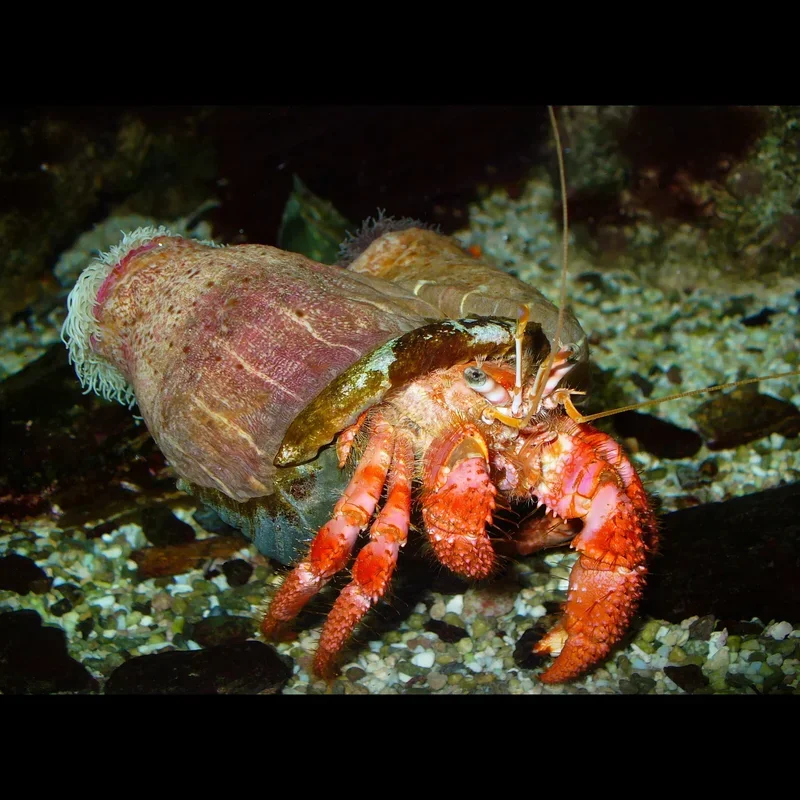
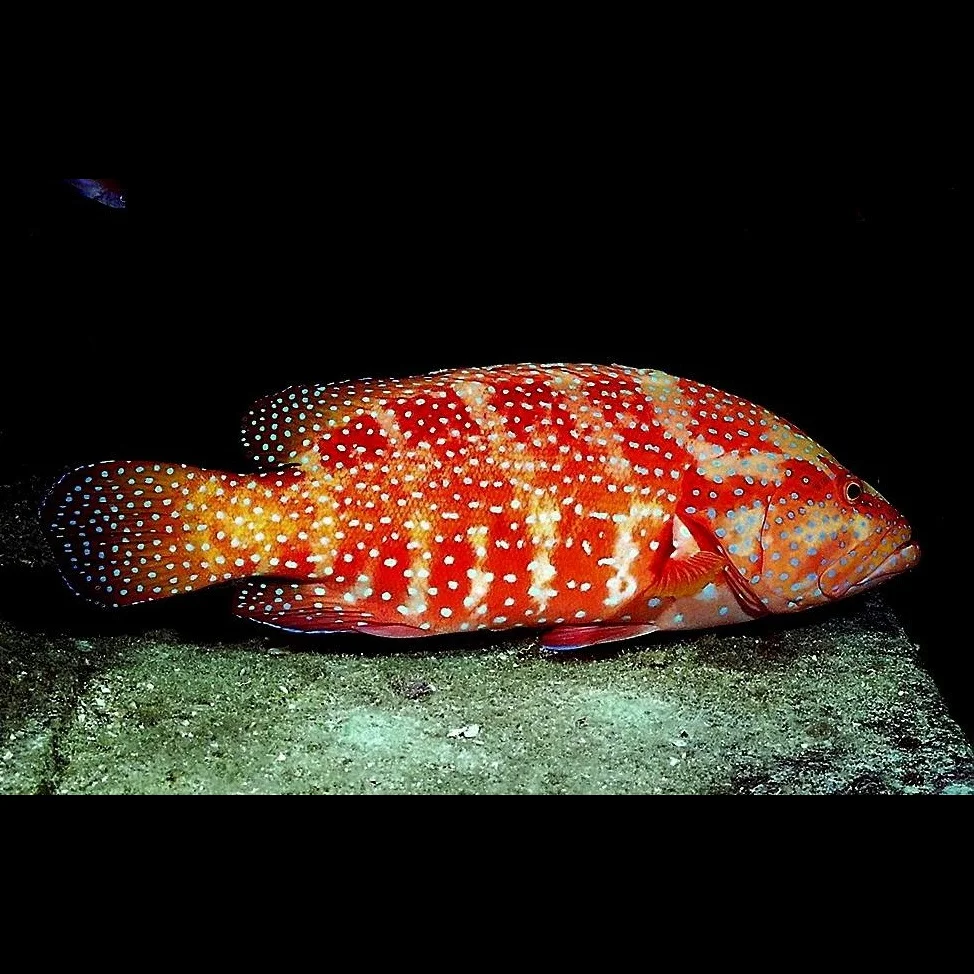
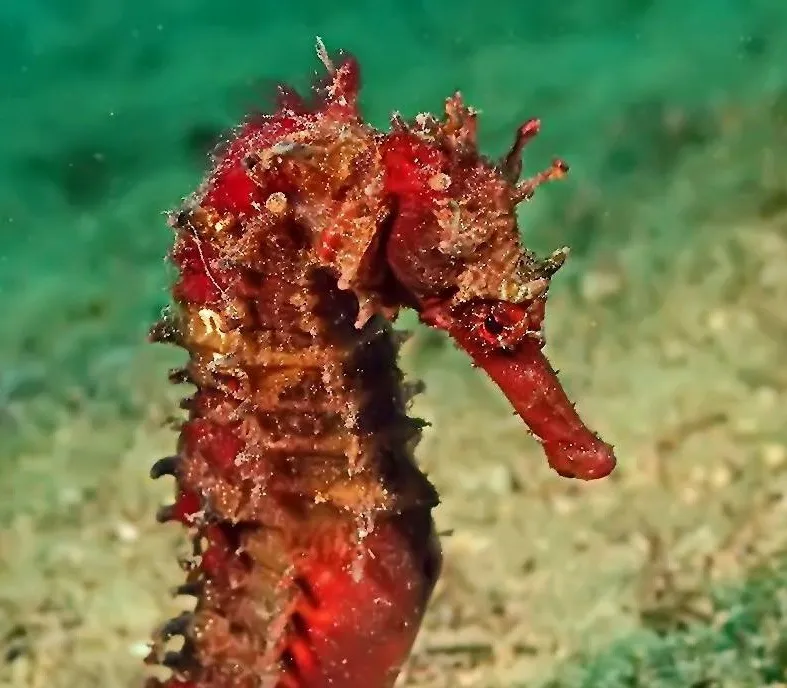
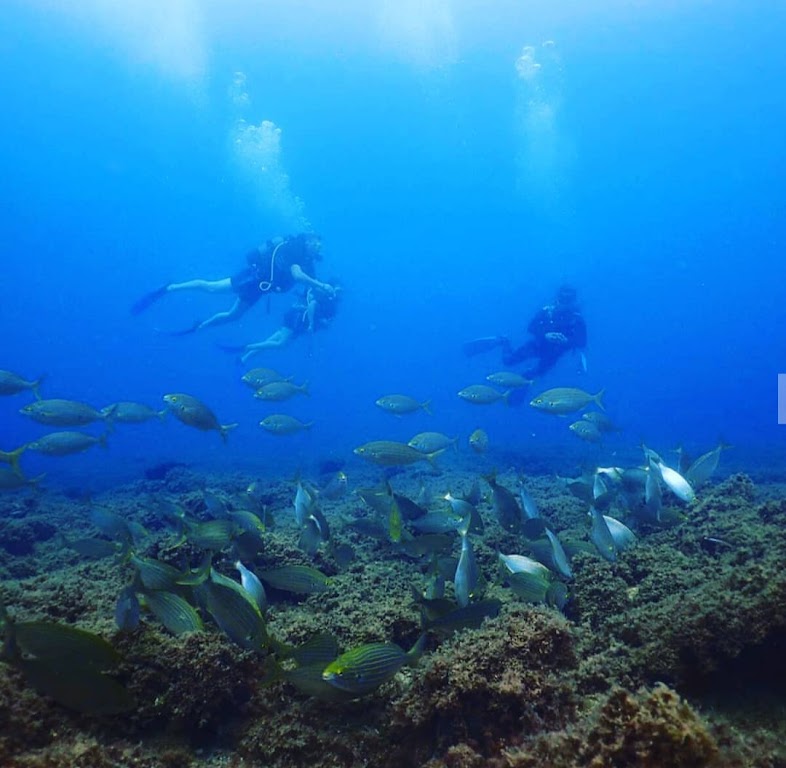
While the ancient history is the dominant feature, the rocky underwater landscapes of Potteries also host a range of Mediterranean marine life. Divers may spot groupers lurking among the rocks or observe fan mussel fields anchoring themselves to the seabed.
Keep an eye out for smaller creatures such as seahorses, which can be elusive, and hermit crabs scuttling across the substrate. This marine life often integrates subtly with the historical setting, creating an intriguing blend of natural and ancient elements. Water clarity assists in observing these inhabitants within their unique habitat.

Dive Sites Near Potteries
View all dive sites in TurkeyDiscover more underwater gems in this area.
Dive Centers Near Potteries
Today: 09:00 - 21:00
Nearest Airports
Nearest airports to help plan travel to this dive area.
Search Flights
Check available flights and routes on Expedia, using the nearby airports listed in this section.
Search Flights on ExpediaFrequently Asked Questions
What makes diving at Potteries unique?
Potteries, like other sites in the Kaş area, stands out for its ancient archaeological significance. Divers can explore dive sites adorned with amphorae and other relics dating back over two millennia, essentially diving through a submerged historical museum.
What is the typical underwater visibility like?
The Kaş region is known for its exceptional water clarity. Visibility often extends up to 40 meters (130 ft), providing expansive views of the underwater topography and historical artifacts.
Are there specific depth ranges for these dives?
Depths vary across the Kaş dive sites. Many historical features are accessible within recreational dive limits, with both shallower sections for beginners and deeper areas for more experienced divers.
What kind of marine life can be seen?
While the focus is historical, you can still encounter Mediterranean marine life such as groupers, fan mussel fields, seahorses, and various crustaceans like hermit crabs, integrated with the rocky seafloor.
What is the best time of year to dive?
The optimal time for diving at Potteries is generally from March to October. During these months, air temperatures are warmer, rain is minimal, and dive conditions are consistently rated "Good."
Is special equipment required for these dives?
Standard recreational dive gear is sufficient. However, due to the historical nature of the sites, excellent buoyancy control is advised, and an underwater torch can help illuminate details on the artifacts.
Is it allowed to touch or collect artifacts?
No, it is strictly forbidden to touch, disturb, or remove any ancient artifacts from the dive sites. These relics are protected, and their preservation is paramount.
Planning to dive Potteries?
Send one inquiry and receive offers directly from the best verified local dive operators.
Conditions are Good
Optimal conditions expected
Current conditions near Potteries show 25° air, 26° sea temperature, 1.0 m waves, and 32 km/h wind. Forecast data is refreshed regularly to ensure accuracy.