
Diving at Frenk Bay (Turkey)
Exploring the depths at Frenk Bay reveals a varied underwater environment, with dive sites ranging from shallow reefs at 5 m (16 ft) to deeper wall sections descending to 20 m (66 ft). Such flexibility makes it an accessible destination for divers across various certification levels. Its sheltered positions typically provide calm conditions, ideal for extending bottom time and appreciating the underwater details.
As evening covers Frenk Bay, the local air temperature is measured at 23.5°C. The current wave height at the surface is recorded at 0.1 m. These late-day readings characterize the surface conditions for the night.
Dive Site Location & Key Facts
Dive Site Overview
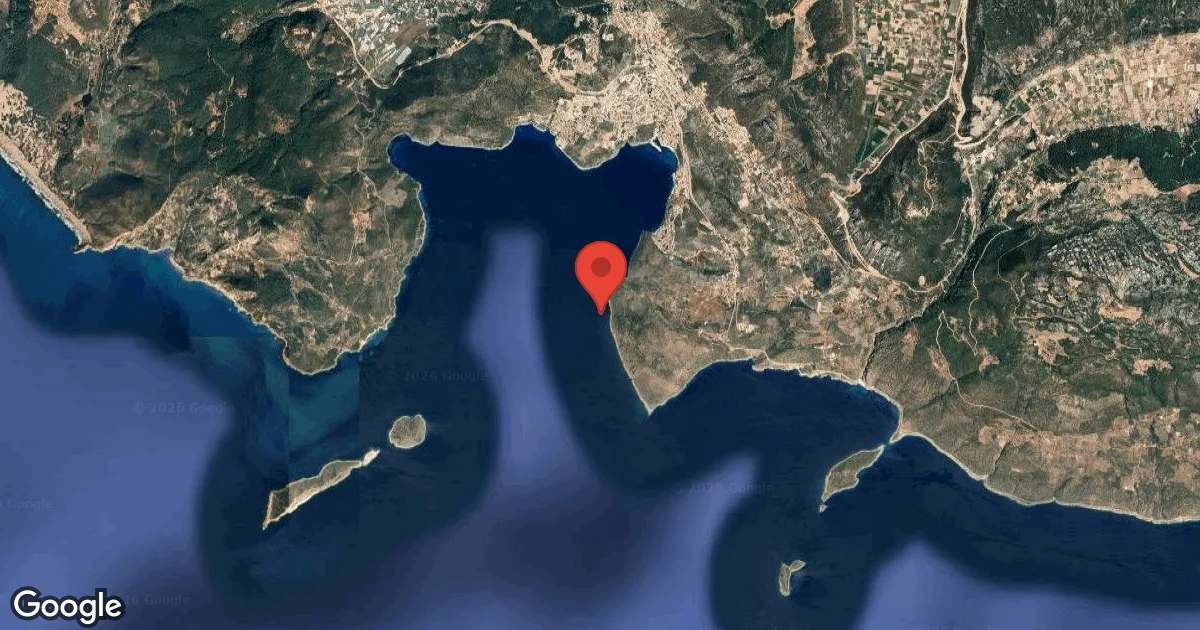
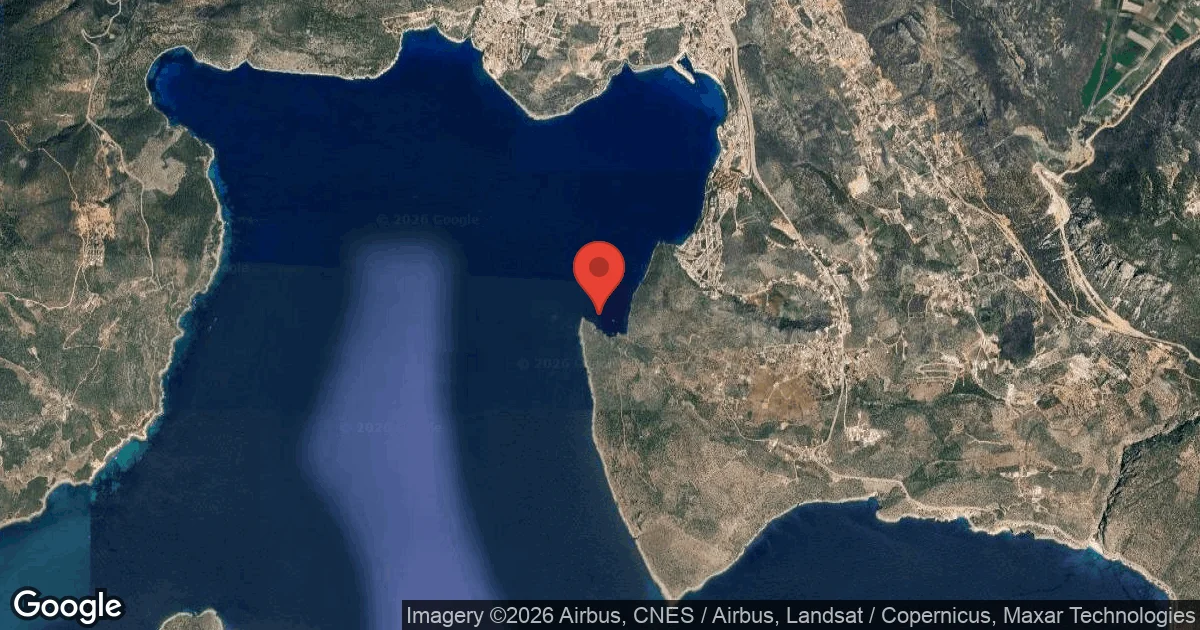
Frenk Bay's dive sites present a varied underwater landscape, encompassing both vibrant reefs and dramatic walls. One popular area, Frenk Bay Inner Wall, offers a gentle introduction to wall diving, with depths from 5 m (16 ft) to 20 m (66 ft).
Divers often encounter ancient jetsam scattered across the seabed here. Another section, specifically Frenk Bay South Wall, provides a reef starting around 12 m (39 ft) that drops off into a deeper wall, also reaching about 20 m (66 ft).
One notable aspect of this area is its absence of strong currents. A shallower section, the main Frenk Bay site, is typically between 5 m (16 ft) and 15 m (49 ft), featuring an amazing seabed strewn with Hellenistic/Roman amphora fragments.
These sheltered locations make Frenk Bay an excellent choice for newly certified divers or for those seeking calm conditions when stronger southerly winds affect other sites.
Conditions are Good
07:00 - 14:00
Optimal conditions expected
Current conditions near Frenk Bay show 24° air, 29° sea temperature, 0.7 m waves, and 26 km/h wind. Forecast data is refreshed regularly to ensure accuracy.
Best Time to Dive
Seasonal changes distinctly influence the diving conditions at Frenk Bay, with the warmer months generally providing the most comfortable experience. Water temperatures in the broader Kalkan region typically range from 18°C (64°F) in April, warming up to 30°C (86°F) by August. Air temperatures closely mirror this, peaking around 30°C (86°F) in July and August. Summer months, especially June through August, see minimal rainfall and relatively low wave heights, creating excellent visibility often exceeding 25-30 m (82-98 ft). While diving is rated 'Good' year-round, conditions in winter (December-February) involve cooler air temperatures, around 12-14°C (54-57°F), and slightly higher wave activity, though dive scores remain favorable.
PEAK SEASON SCORE
Scores combine air & water temps, waves, wind & rainfall for overall conditions.
BEST MONTHS TO DIVE
Monthly records compiled from satellite and marine observation nodes over the last 3 years. Data provided by Open-Meteo and MET Norway.
Dive Experience & Conditions
Divers frequently find the water movement around Frenk Bay to be minimal. Sites are well-sheltered, and tidal streams are usually negligible or very modest, contributing to a calm and controlled diving environment. An absence of strong currents makes this a suitable spot for newly certified and intermediate divers to practice their skills comfortably. Visibility remains excellent for much of the year, often consistently reported in excess of 25-30 m (82-98 ft), allowing clear views of the site's topography and marine inhabitants. Water temperatures in the wider Kalkan area range from approximately 18°C (64°F) in spring to a pleasant 30°C (86°F) during the late summer months, ensuring comfortable dives throughout peak season.
Dive Difficulty & Safety Guidelines
Despite the generally safe environment, adherence to established dive practices is crucial for all dives at Frenk Bay. Sheltered conditions and a typically calm environment, coupled with an absence of strong currents, make this a forgiving location, particularly for less experienced divers.
However, all divers should still maintain proper buoyancy control, especially when exploring areas with ancient amphora fragments to prevent disturbing these historical artifacts. It's recommended that newly certified and intermediate divers review their skills before entering the water. Always dive within the limits of your certification and experience, and never dive alone.
Recommended Equipment
- Dive Computer
This gear list is based on verified equipment signals for Frenk Bay, Turkey. Always confirm final gear choices with your dive operator, guide, or liveaboard.
Recommended Dive Suit
Current diving conditions indicate water temperatures around 29°C (83°F) at Frenk Bay. Surface air temperatures are resting at 24°C (74°F).
Forecasts suggest rising temperatures later this week. A warming trend is expected over the next few days.
Most divers exploring waters at this temperature rely on 2-3mm shorty or light wetsuit for effective insulation. A hood or vest is suggested for sensitive divers due to surface winds. Water temperature is only one factor influencing overall comfort during a dive.
Due to technical issues with our weather providers, live updates are temporarily delayed. The data above reflects the conditions at the time of the last successful fetch.
Emergency & Medical Support
Essential information to help you plan your dive trip to Frenk Bay.

Hyperbaric chambers are a critical part of dive safety infrastructure. Availability varies significantly by region, and not all dive areas have immediate access.
Before diving, it's recommended to:
- confirm nearest medical facilities
- check emergency procedures with local dive operators
- ensure dive insurance covers evacuation if required
Divers Alert Network
Diving emergency assistance available through DAN Europe.
+39 0642115685- 24/7 emergency hotline
- Diving medical assistance
- Evacuation coordination
Emergency contacts are provided for reference. Always verify local emergency services before diving.
Closest Listed Hyperbaric Chambers
Showing listed hyperbaric chamber facilities within 200 km of this dive site.
Distances are approximate straight-line distances and may not reflect emergency travel time.
DzKK Aksaz Deniz Üssü, Military base chamber
24/7 ListedMugla, Turkey•Approx. 112 km straight-line
DzKK Aksaz Deniz Üssü, Military base chamber
24/7 ListedInformation is provided for reference and planning purposes only. Dive Navigator does not verify operational status, staffing, availability, or quality of care at listed facilities. In an emergency, contact local emergency services, DAN, your dive operator, or the chamber directly. Do not travel to a facility without calling ahead.
Sağlık Bilimleri Üniversitesi Antalya Eğitim ve Araştırma Hastanesi
24/7 ListedICU CapableAntalya, Turkey•Approx. 135 km straight-line
Sağlık Bilimleri Üniversitesi Antalya Eğitim ve Araştırma Hastanesi
24/7 ListedICU CapableInformation is provided for reference and planning purposes only. Dive Navigator does not verify operational status, staffing, availability, or quality of care at listed facilities. In an emergency, contact local emergency services, DAN, your dive operator, or the chamber directly. Do not travel to a facility without calling ahead.
Özel Hiperox Hiperbarik Oksijen Tedavi Merkezi
Antalya, Turkey•Approx. 137 km straight-line
Özel Hiperox Hiperbarik Oksijen Tedavi Merkezi
Information is provided for reference and planning purposes only. Dive Navigator does not verify operational status, staffing, availability, or quality of care at listed facilities. In an emergency, contact local emergency services, DAN, your dive operator, or the chamber directly. Do not travel to a facility without calling ahead.
Marine Life at Frenk Bay
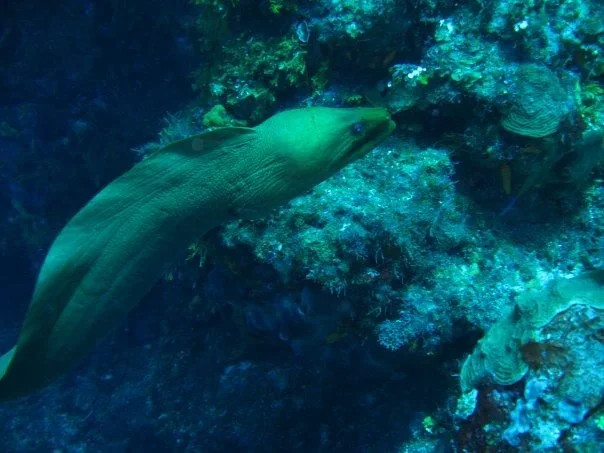
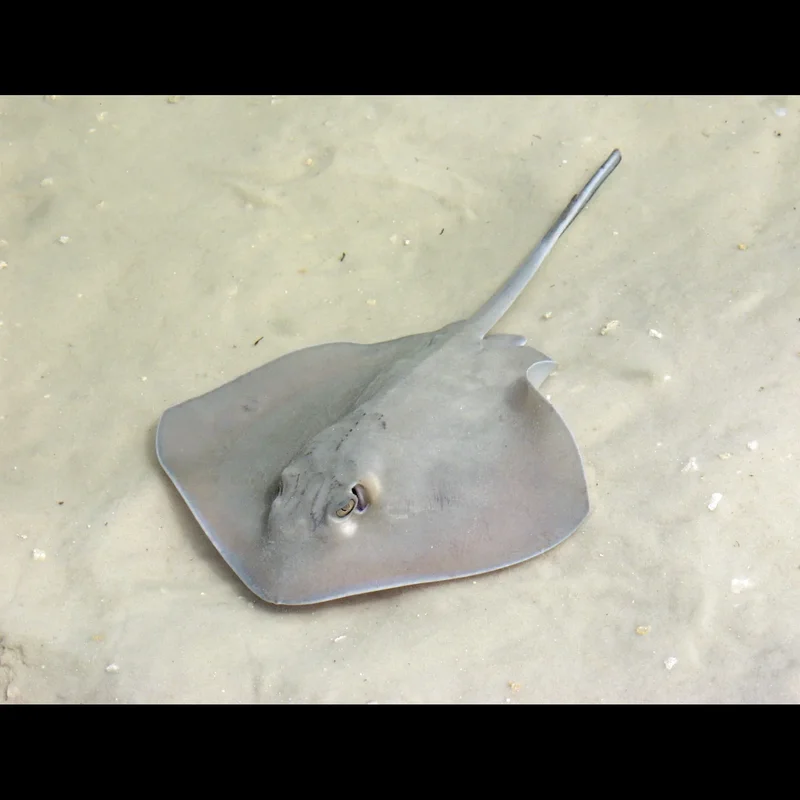
Frenk Bay's diverse topography supports a rich array of marine species, contributing to an engaging underwater experience. Lucky divers might spot rays and moray eels navigating the reef and wall structures.
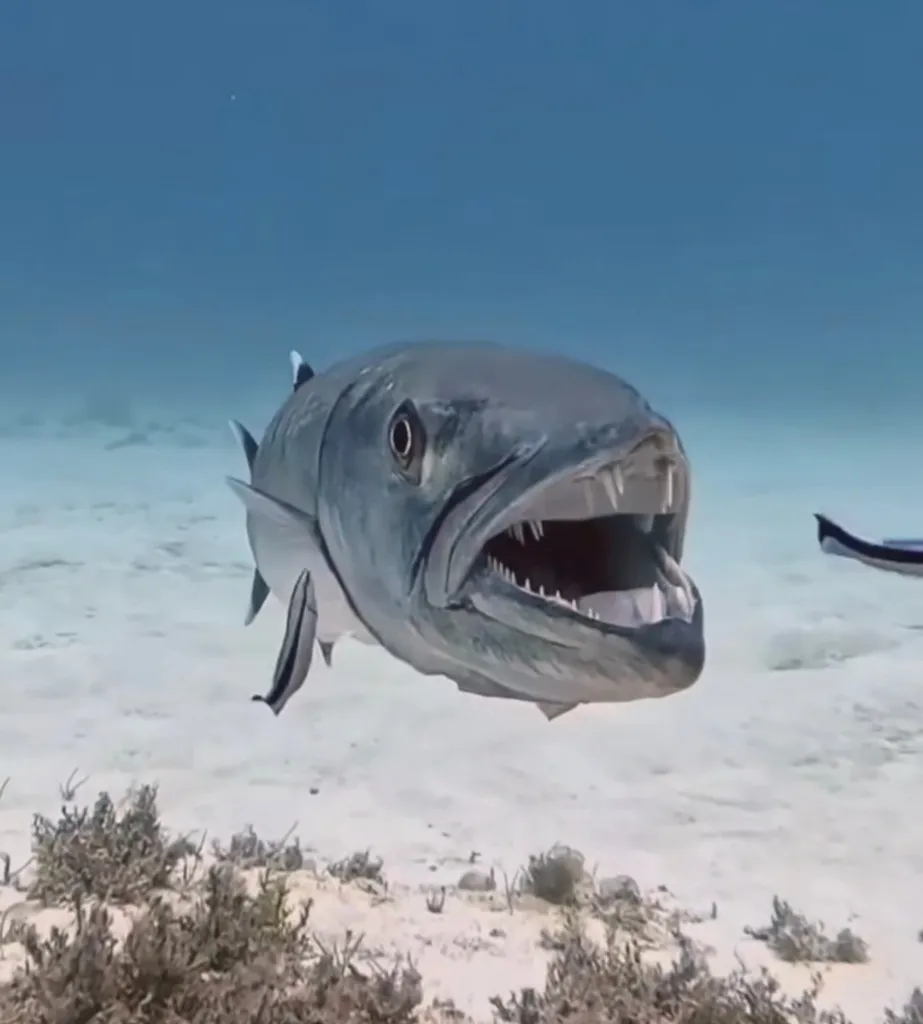
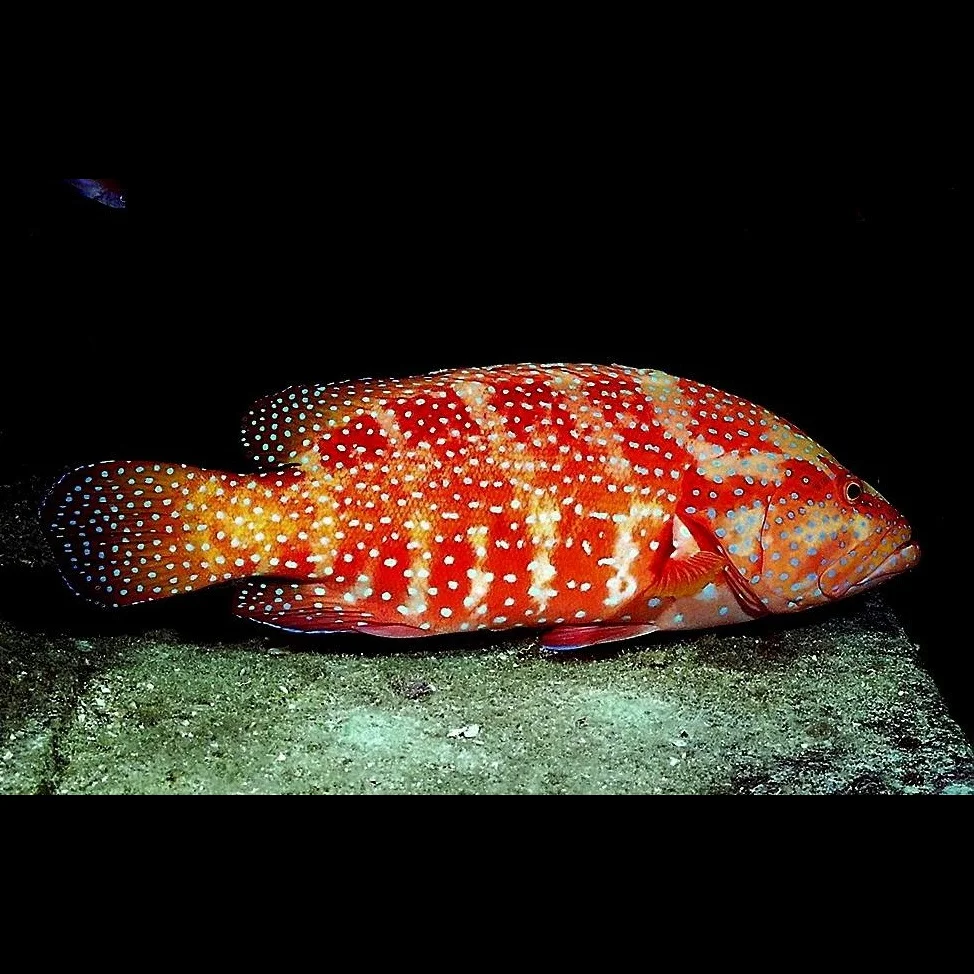
A variety of common Mediterranean inhabitants call this area home, including groupers, sardines, and barracudas. You might also encounter turtles, stingrays, sea bream, rainbow wrasse, and damsel fish.
Occasional sightings of bonita, sea mullet, starfish, octopus, and even dolphins or squid have been noted, adding to the site's allure.

Dive Sites Near Frenk Bay
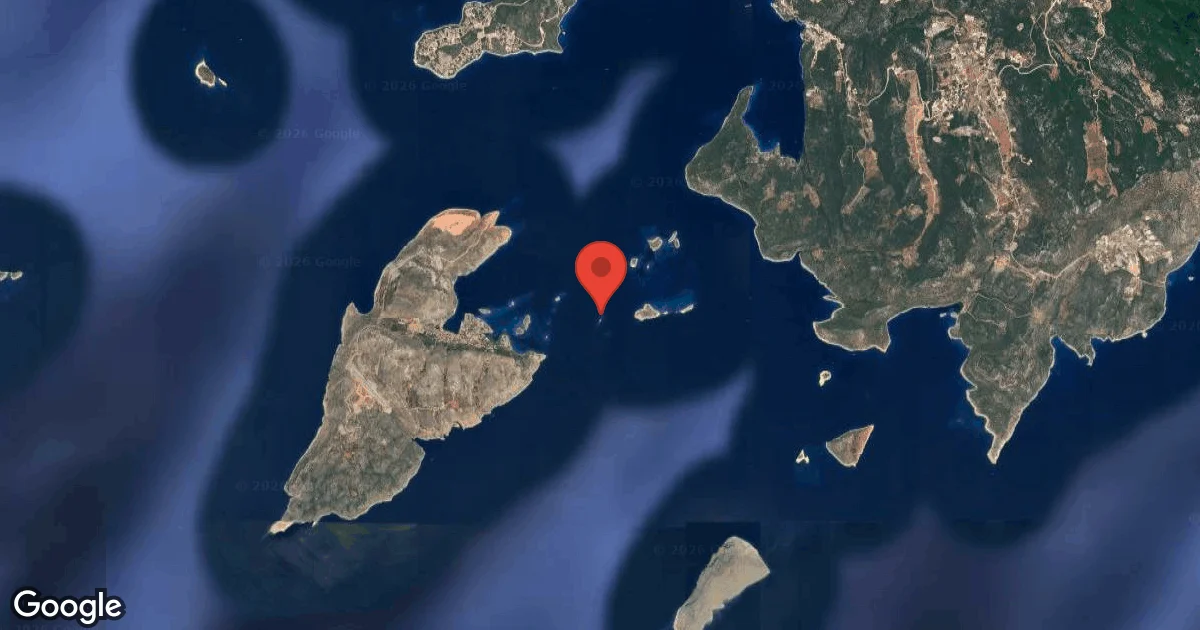
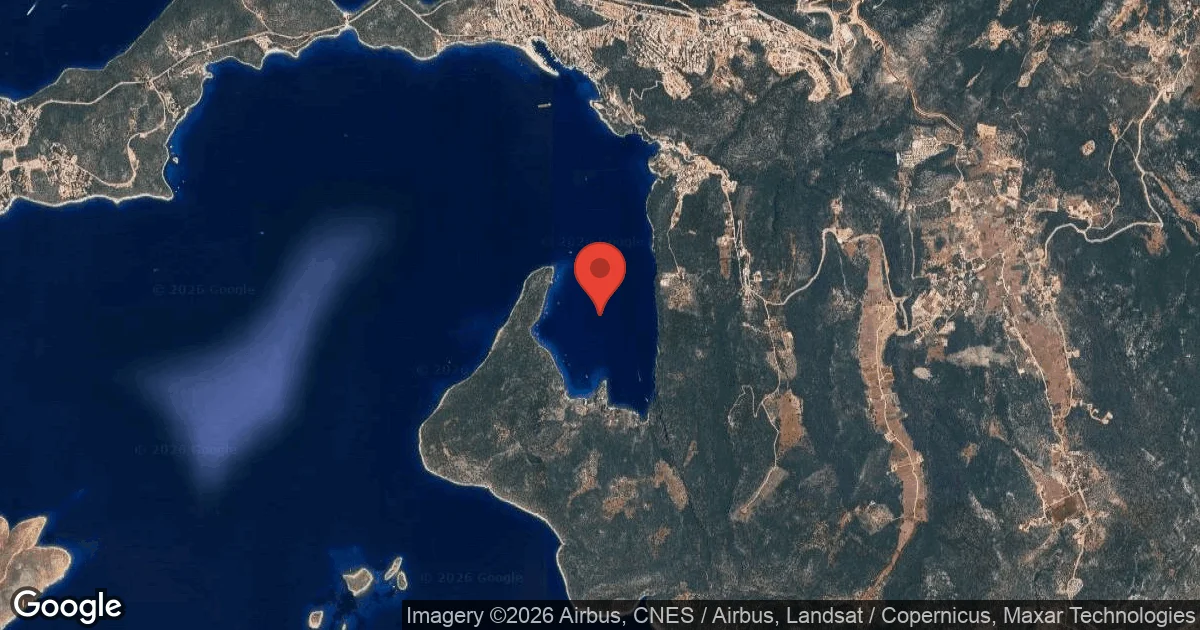
View all dive sites in TurkeyDiscover more underwater gems in this area.
Dive Centers Near Frenk Bay
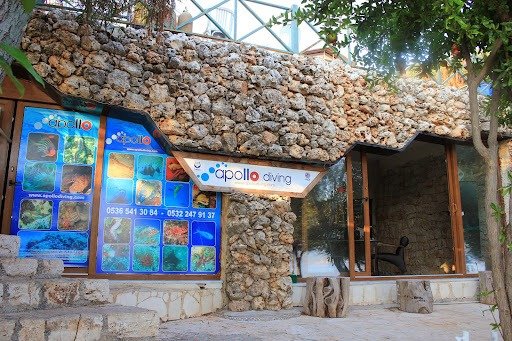
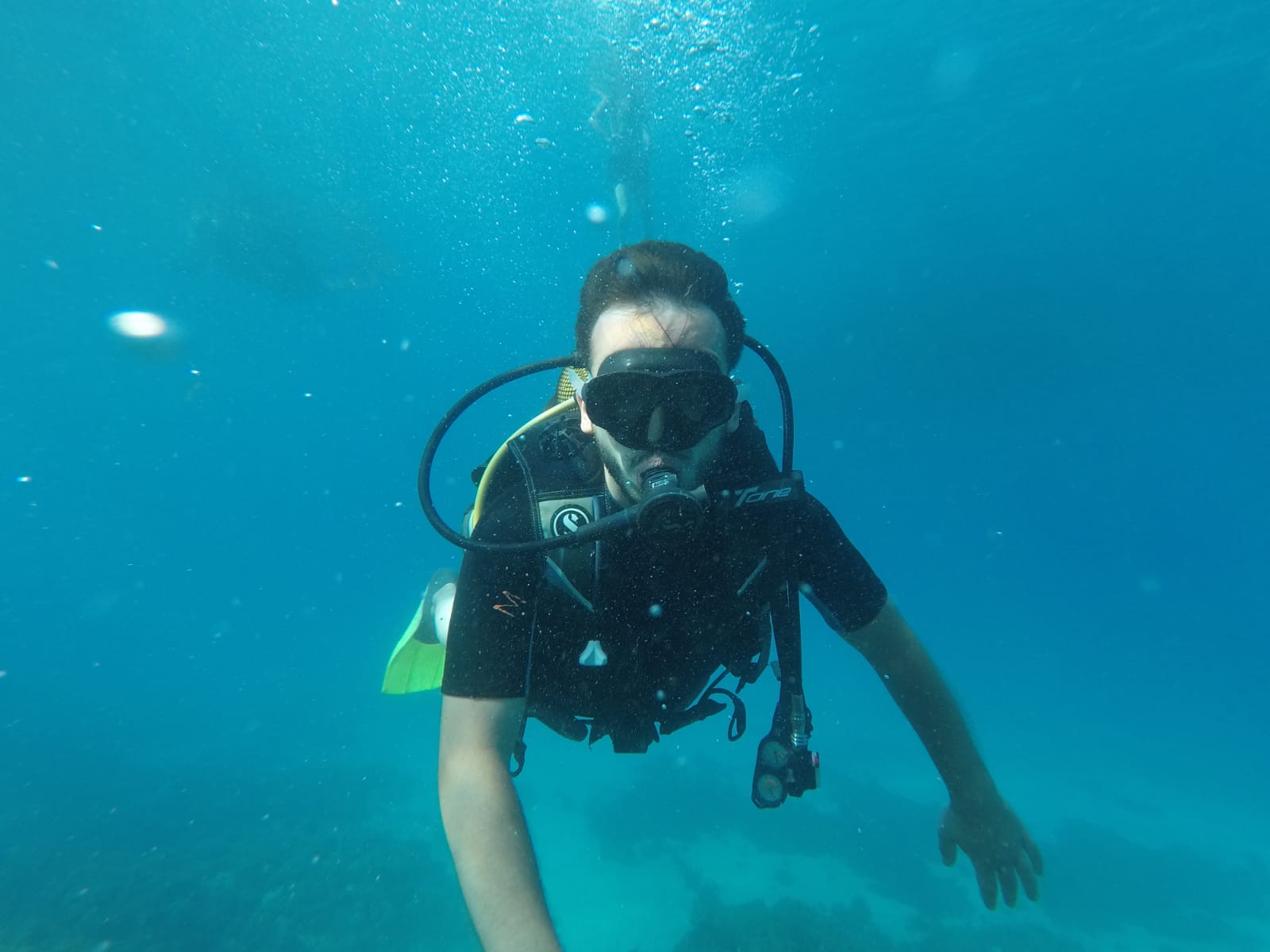
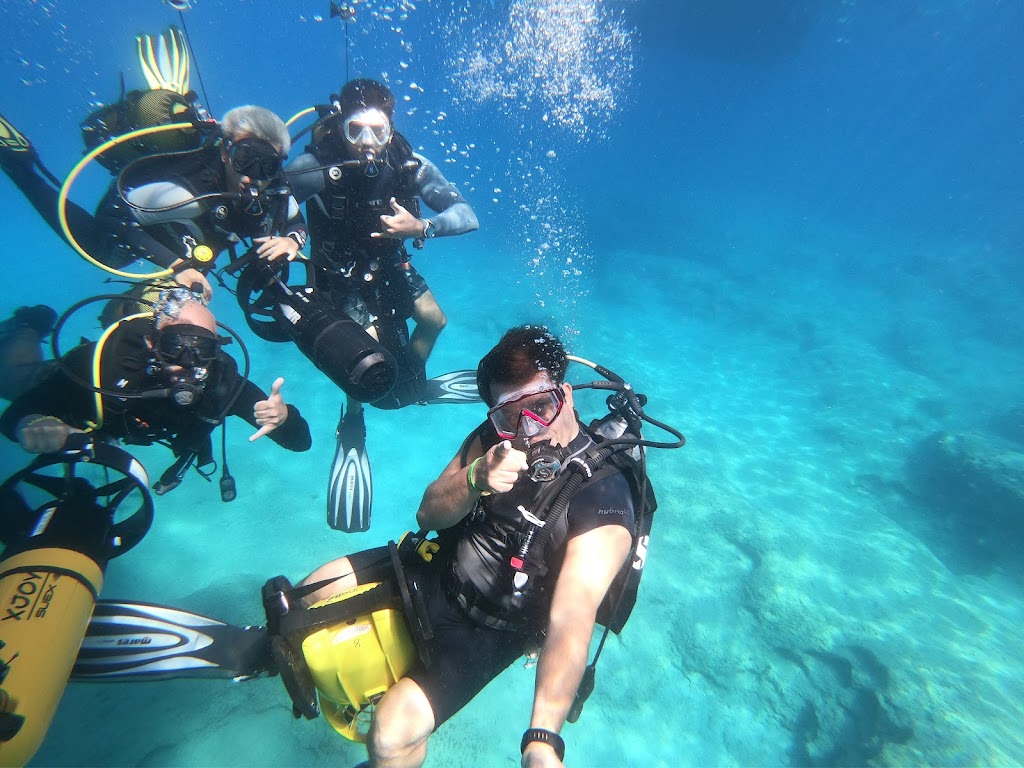

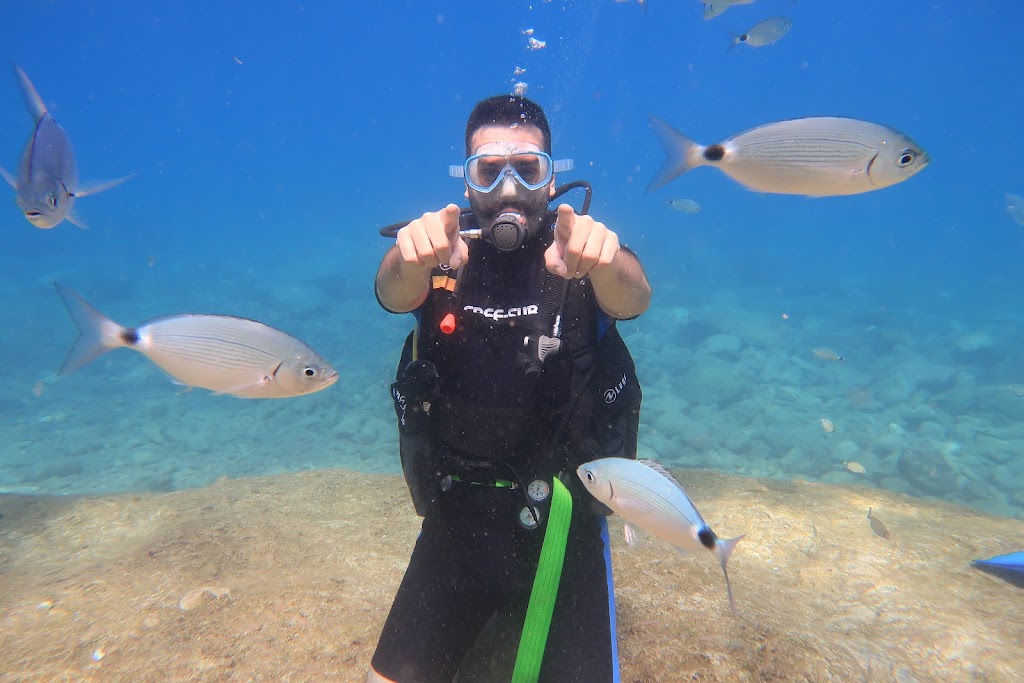
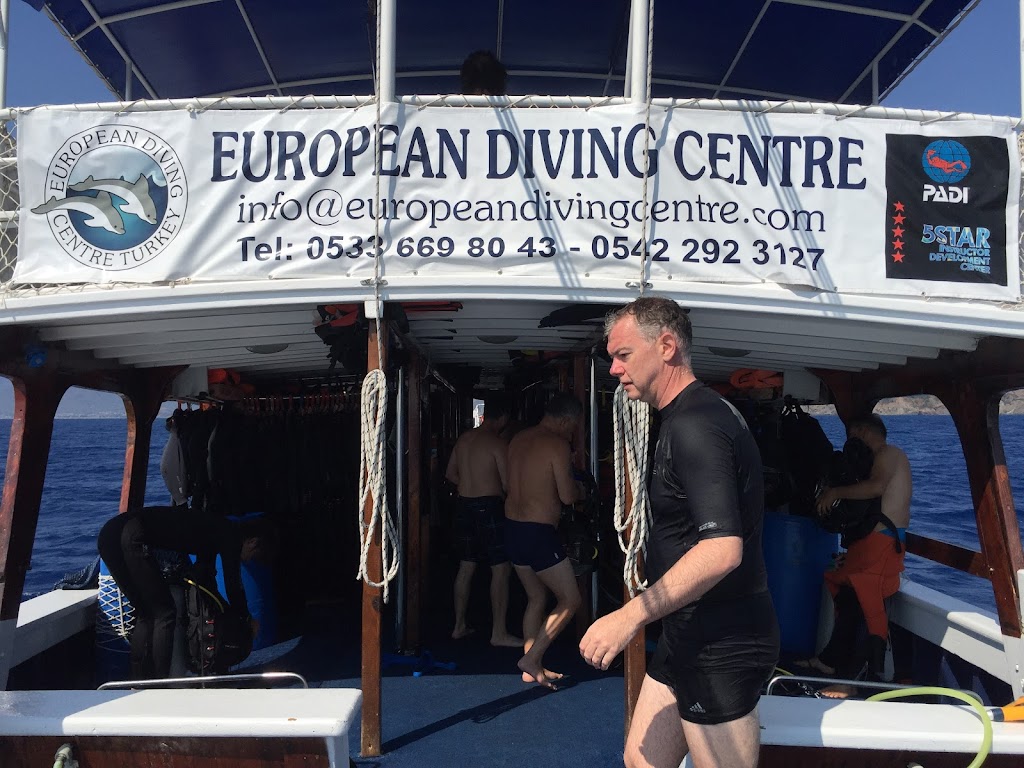
Nearest Airports
Nearest airports to help plan travel to this dive area.
Search Flights
Check available flights and routes on Expedia, using the nearby airports listed in this section.
Search Flights on ExpediaFrequently Asked Questions
What is the typical depth range for diving at Frenk Bay?
Dive sites within Frenk Bay generally range from shallow reef sections at 5 m (16 ft) down to deeper wall dives at 20 m (66 ft). A depth profile like this caters to a wide range of diver experience levels, from beginners to more advanced certified divers.
Are there strong currents at Frenk Bay?
Frenk Bay is known for its calm conditions. Currents are typically negligible or very modest due to its sheltered location, making it an excellent site for divers who prefer relaxed dives or are new to wall diving.
What kind of marine life can I expect to see?
The bay is home to various marine species, including groupers, sardines, moray eels, and barracudas. Rays, turtles, and different types of reef fish like sea bream and rainbow wrasse are also commonly encountered. Occasional sightings of dolphins and squid have also been reported.
Is Frenk Bay suitable for beginner divers?
Yes, Frenk Bay is highly suitable for newly certified and intermediate divers. Its sheltered nature, calm currents, and accessible depths provide a safe and comfortable environment for learning and recreational diving.
What historical artifacts can be found at Frenk Bay?
Divers often observe ancient jetsam and Hellenistic/Roman amphora fragments scattered across the seabed, particularly in the main Frenk Bay site. These artifacts add a historical dimension to the dive, but divers must not disturb them.
What is the water visibility like?
Visibility at Frenk Bay is usually excellent, often exceeding 25-30 m (82-98 ft). Clear waters enhance the enjoyment of the diverse topography and abundant marine life.
Planning to dive Frenk Bay?
Send one inquiry and receive offers directly from the best verified local dive operators.
Conditions are Good
07:00 - 14:00
Optimal conditions expected
Current conditions near Frenk Bay show 24° air, 29° sea temperature, 0.7 m waves, and 26 km/h wind. Forecast data is refreshed regularly to ensure accuracy.