
Diving at Vomit (Lighthouse) Reef (Turkey)
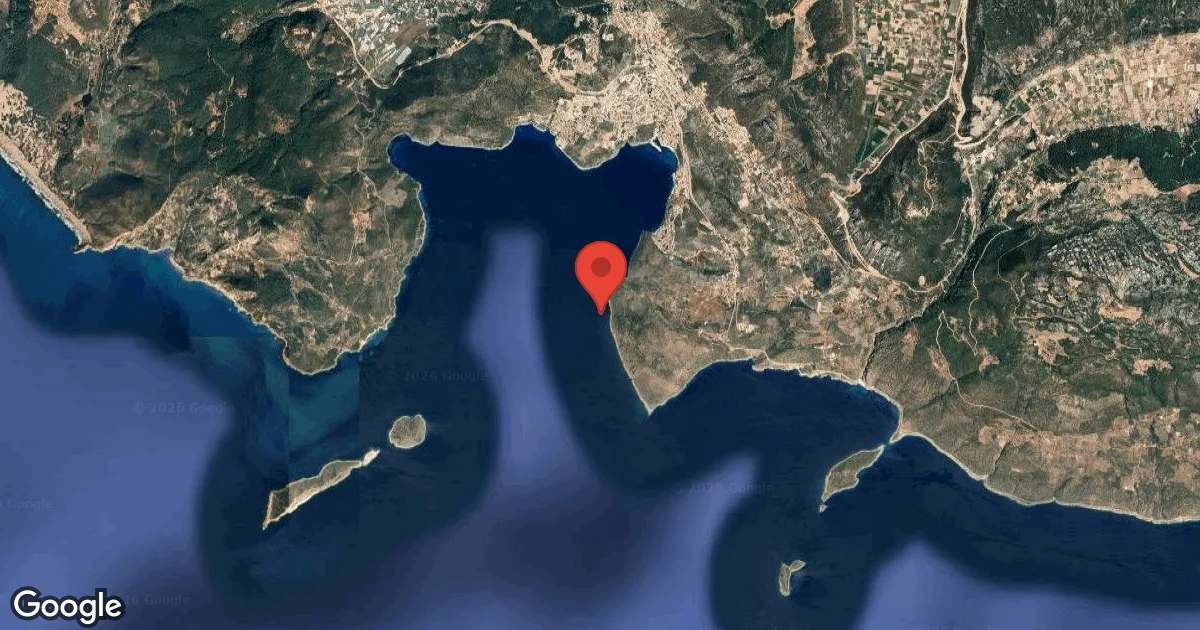
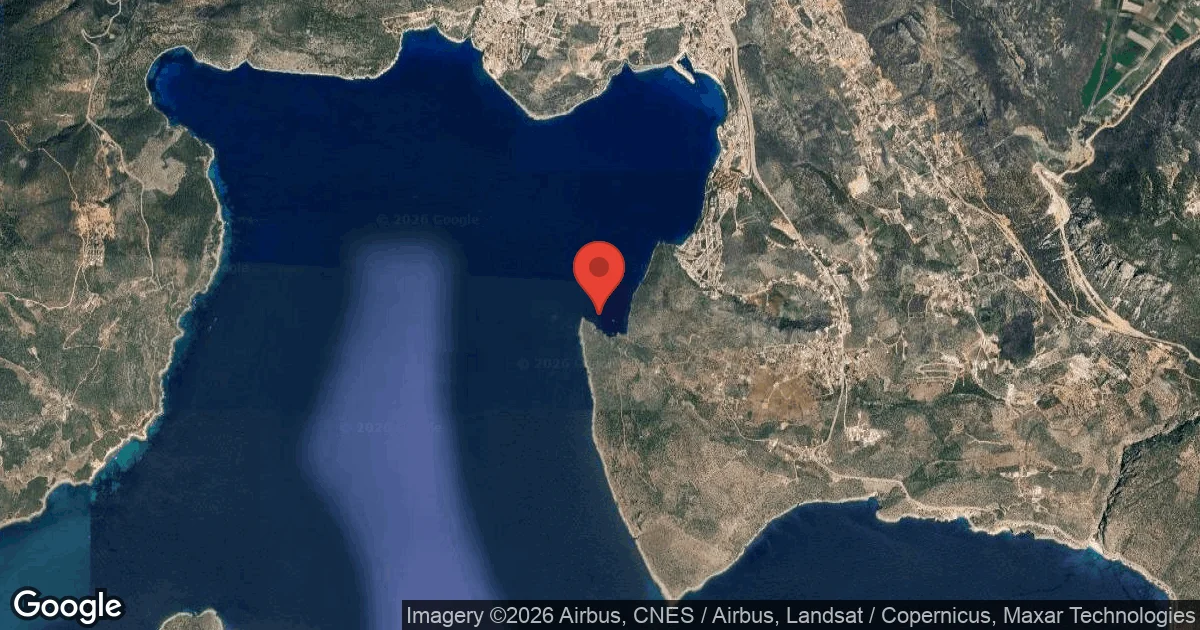
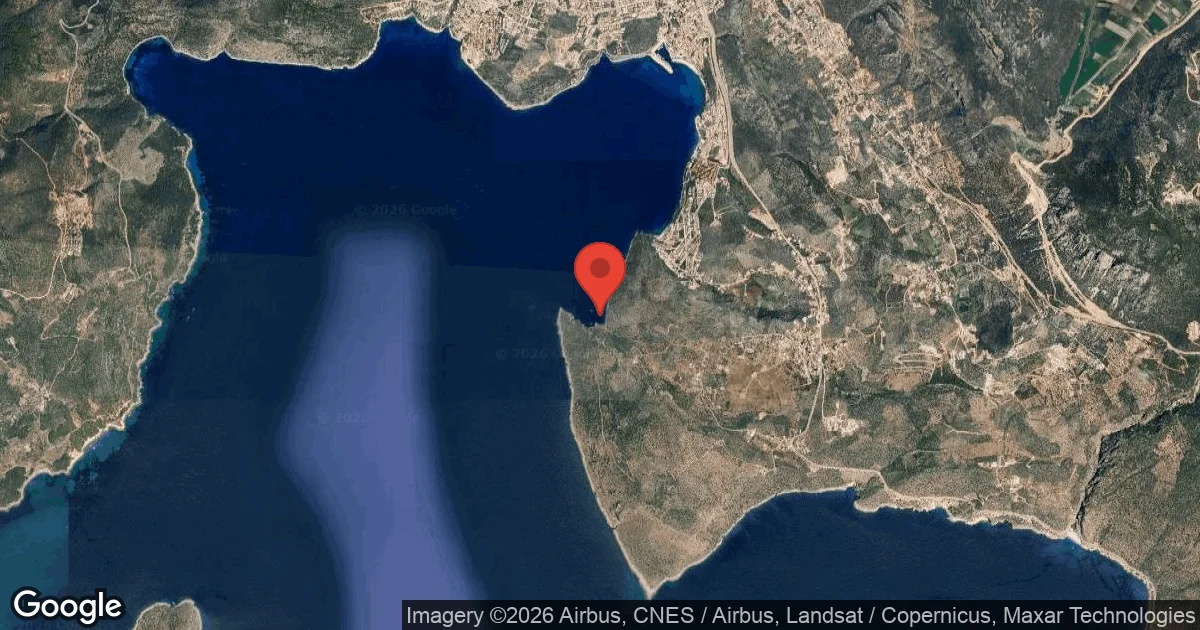
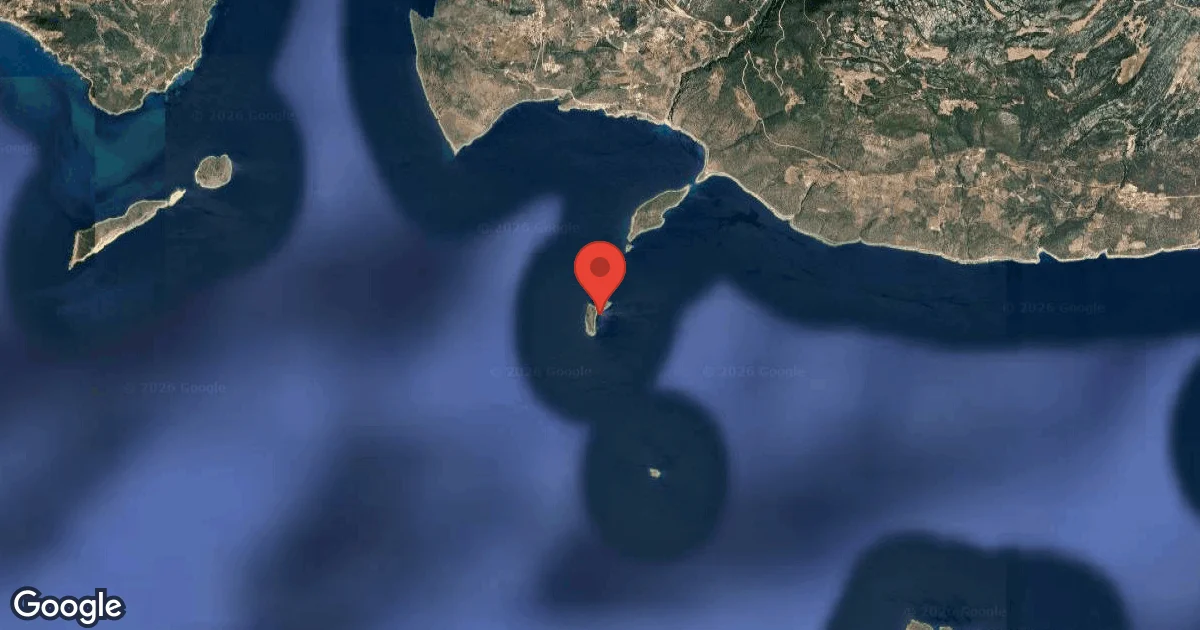
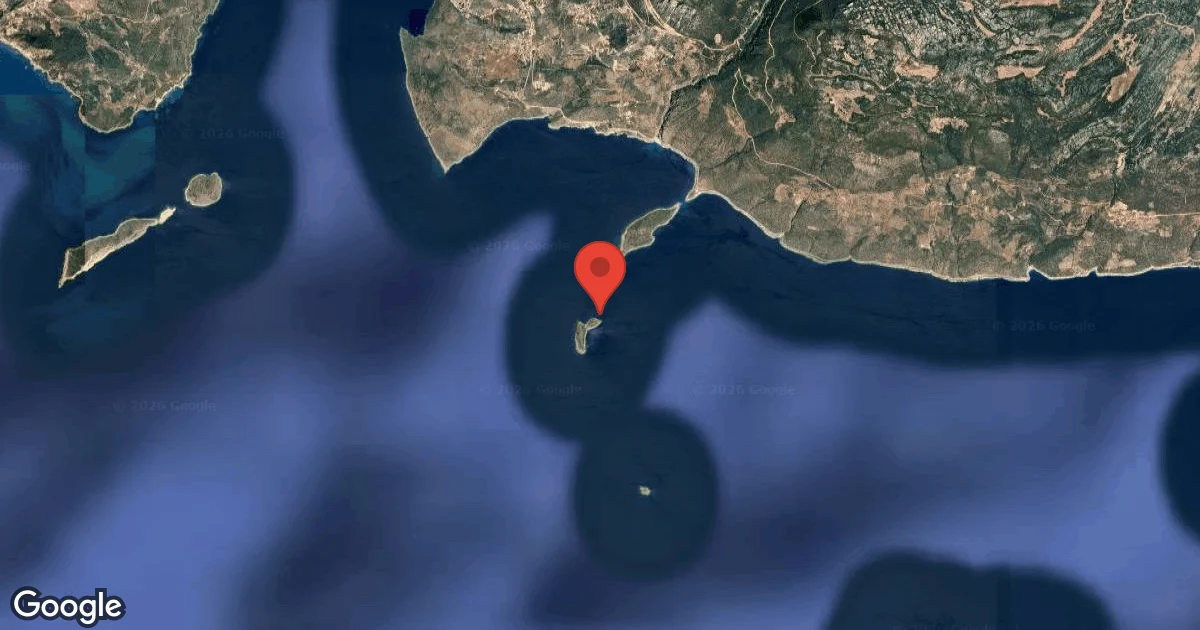
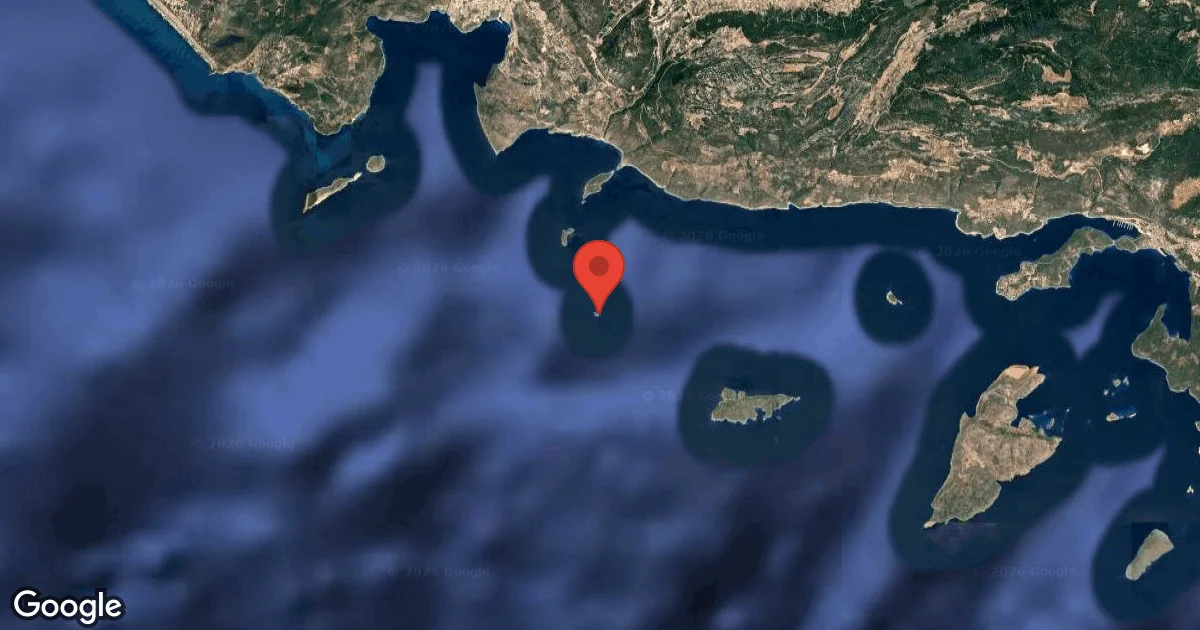
Vomit (Lighthouse) Reef emerges approximately 4.6 nautical miles offshore, serving as an extension of the broader reef system near Kalkan, Turkey. This site is primarily experienced as a drift dive, guiding divers along a vibrant wall that originates from Catal Ada. Its structure includes diverse hard and soft coral formations, dropping away into deeper sections.
As evening covers Vomit (Lighthouse) Reef, the local air temperature is measured at 25.5°C. The current wave height at the surface is recorded at 0.5 m. These late-day readings characterize the surface conditions for the night.
Dive Site Location & Key Facts
Dive Site Overview
Vomit (Lighthouse) Reef unfolds as a quintessential drift dive, guiding divers along a magnificent wall that begins near Catal Ada. This site offers some of the most engaging diving in the Kalkan area, appealing to those who appreciate dynamic underwater topography.
Recreational exploration primarily focuses on depths between 18-20 m (60-66 ft), where the wall presents a vibrant display of life and structure.
However, the reef structure extends much deeper, with its slopes and deeper sections providing opportunities for more advanced dive plans. Along the expansive reef, numerous cracks and crevices carve into the rock, creating intricate hideaways for a variety of smaller marine creatures.
Divers encounter striking large tube sponges and expansive leather corals clinging to the wall, painting a rich panorama of hard and soft corals. As the current carries you along this natural formation, occasional overhangs add a dramatic flair, creating shadowed alcoves.
The vitality of this site often intensifies with active currents, which encourage corals to fully bloom, showcasing their full spectrum of colors and drawing in diverse marine life. It's a journey that emphasizes the natural flow of the ocean and the intricate beauty of its coral gardens.
Conditions are Good
07:00 - 14:00
Optimal conditions expected
Current conditions near Vomit (Lighthouse) Reef show 26° air, 29° sea temperature, 0.6 m waves, and 28 km/h wind. Forecast data is refreshed regularly to ensure accuracy.
Best Time to Dive
Optimal conditions for diving Vomit (Lighthouse) Reef generally span from March through November, months that consistently report 'Good' dive scores. During this period, air temperatures are inviting, ranging from 15.5°C (60°F) in March to a high of 31.5°C (89°F) in July, before gradually cooling to 18.5°C (65°F) in November. Rainfall is minimal in the summer months, with July experiencing merely 0.04 mm (0.001 inches), contributing to clearer waters. Although wave heights vary, they tend to be lower during these warmer months, usually below 1 meter (3.3 ft), leading to calmer sea conditions suitable for boat travel to this offshore reef.
PEAK SEASON SCORE
Scores combine air & water temps, waves, wind & rainfall for overall conditions.
BEST MONTHS TO DIVE
Monthly records compiled from satellite and marine observation nodes over the last 3 years. Data provided by Open-Meteo and MET Norway.
Dive Experience & Conditions
Navigating Vomit (Lighthouse) Reef feels like a gentle journey along a thriving undersea wall, provided weather and sea conditions are favorable for the drift. This wall begins shallow, progressing to deeper slopes and occasional overhangs. Currents here can vary, influencing both the dive profile and the marine life observed, which often become more active with stronger flows. While no specific water temperatures were reported for this site, the region typically sees warm Mediterranean waters through the prime diving season. Divers should be comfortable with buoyancy control, especially on wall sections where currents might affect positioning along the vibrant coral gardens and rock formations.
Dive Difficulty & Safety Guidelines
Diving Vomit (Lighthouse) Reef necessitates adherence to established drift diving protocols, ensuring a secure and enjoyable experience. Given that this is an offshore site, proper surface support and a well-briefed dive plan are essential. Always maintain situational awareness regarding current strength and direction, as conditions can influence the dive's progression along the wall.
Divers should prioritize buddy system integrity and carry appropriate signaling devices, such as a surface marker buoy (SMB), for safe ascent and surface pickup. Consulting local dive operators for real-time conditions is always recommended before commencing the dive.
Recommended Equipment
- Dive Computer
This gear list is based on verified equipment signals for Vomit (Lighthouse) Reef, Turkey. Always confirm final gear choices with your dive operator, guide, or liveaboard.
Recommended Dive Suit
Repeated dives during the same day can gradually reduce overall body warmth.
Divers exploring Vomit (Lighthouse) Reef today will likely encounter water temperatures close to 29°C (84°F). Surface air temperatures are resting at 26°C (78°F). Divers spending extended time underwater often rely on dive skin or rash guard for balanced warmth and flexibility. A hood or vest is suggested for sensitive divers due to surface winds.
The upcoming forecast points to generally steady conditions in the area.
Emergency & Medical Support
Essential information to help you plan your dive trip to Vomit (Lighthouse) Reef.

Hyperbaric chambers are a critical part of dive safety infrastructure. Availability varies significantly by region, and not all dive areas have immediate access.
Before diving, it's recommended to:
- confirm nearest medical facilities
- check emergency procedures with local dive operators
- ensure dive insurance covers evacuation if required
Divers Alert Network
Diving emergency assistance available through DAN Europe.
+39 0642115685- 24/7 emergency hotline
- Diving medical assistance
- Evacuation coordination
Emergency contacts are provided for reference. Always verify local emergency services before diving.
Closest Listed Hyperbaric Chambers
Showing listed hyperbaric chamber facilities within 200 km of this dive site.
Distances are approximate straight-line distances and may not reflect emergency travel time.
DzKK Aksaz Deniz Üssü, Military base chamber
24/7 ListedMugla, Turkey•Approx. 110 km straight-line
DzKK Aksaz Deniz Üssü, Military base chamber
24/7 ListedInformation is provided for reference and planning purposes only. Dive Navigator does not verify operational status, staffing, availability, or quality of care at listed facilities. In an emergency, contact local emergency services, DAN, your dive operator, or the chamber directly. Do not travel to a facility without calling ahead.
Sağlık Bilimleri Üniversitesi Antalya Eğitim ve Araştırma Hastanesi
24/7 ListedICU CapableAntalya, Turkey•Approx. 142 km straight-line
Sağlık Bilimleri Üniversitesi Antalya Eğitim ve Araştırma Hastanesi
24/7 ListedICU CapableInformation is provided for reference and planning purposes only. Dive Navigator does not verify operational status, staffing, availability, or quality of care at listed facilities. In an emergency, contact local emergency services, DAN, your dive operator, or the chamber directly. Do not travel to a facility without calling ahead.
Özel Hiperox Hiperbarik Oksijen Tedavi Merkezi
Antalya, Turkey•Approx. 144 km straight-line
Özel Hiperox Hiperbarik Oksijen Tedavi Merkezi
Information is provided for reference and planning purposes only. Dive Navigator does not verify operational status, staffing, availability, or quality of care at listed facilities. In an emergency, contact local emergency services, DAN, your dive operator, or the chamber directly. Do not travel to a facility without calling ahead.
Marine Life at Vomit (Lighthouse) Reef
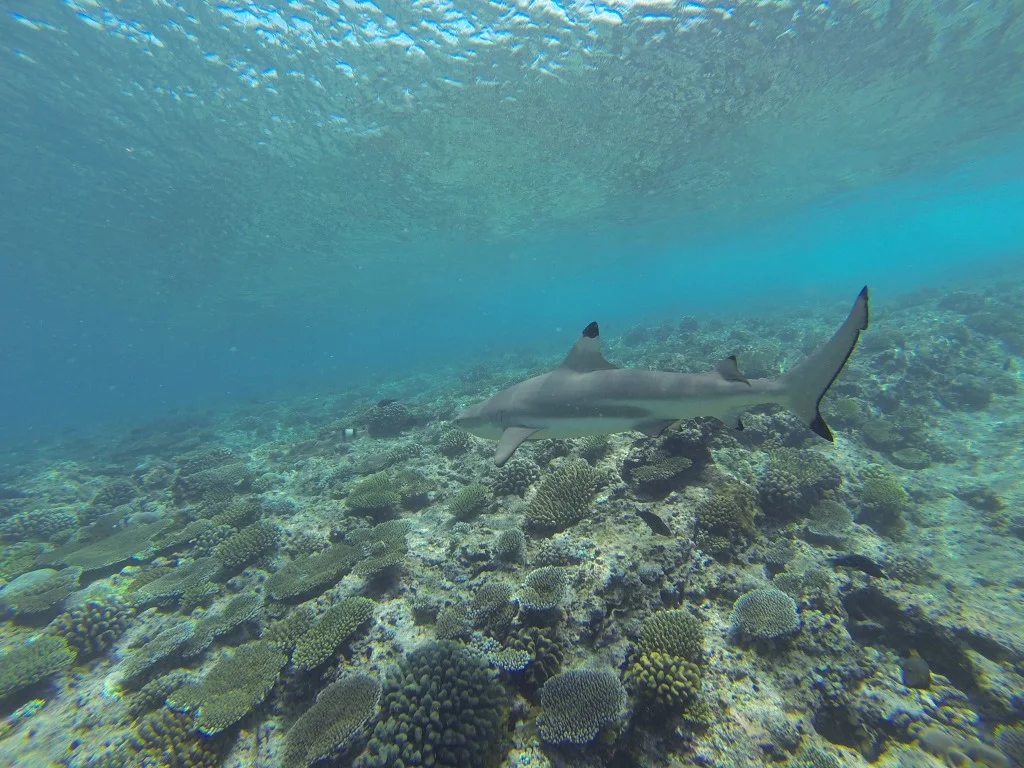
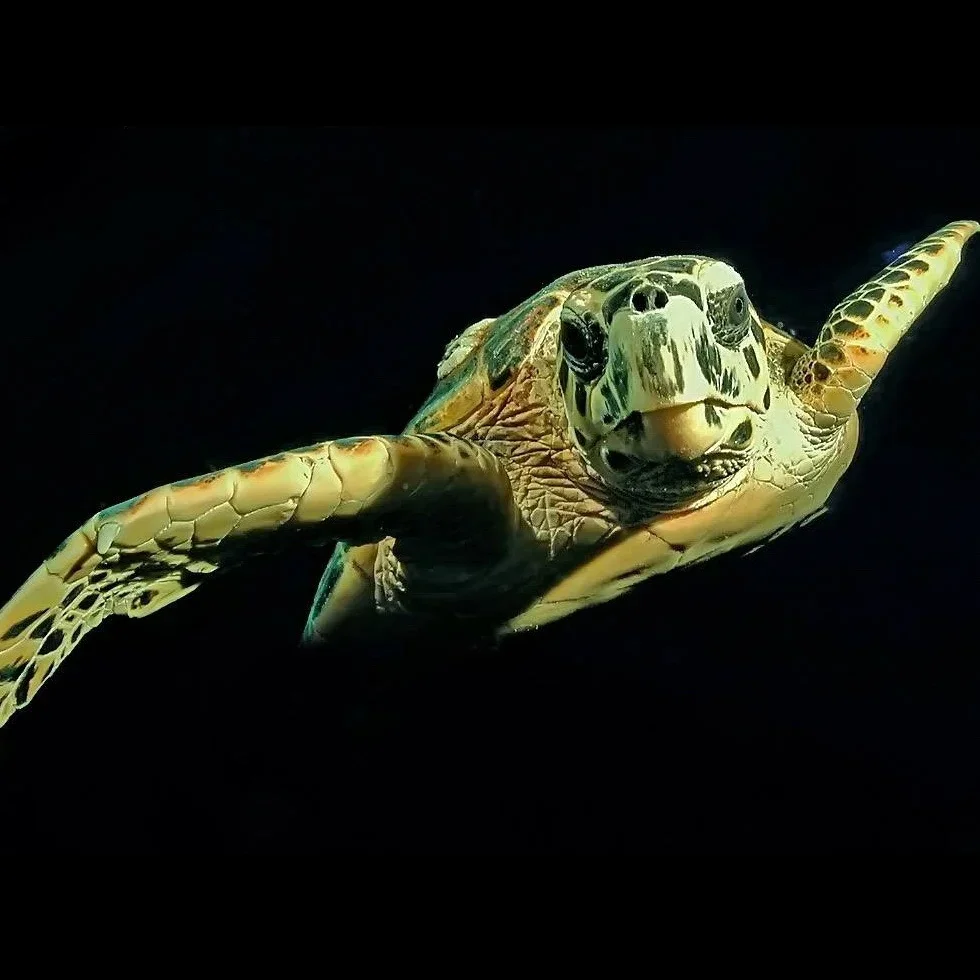
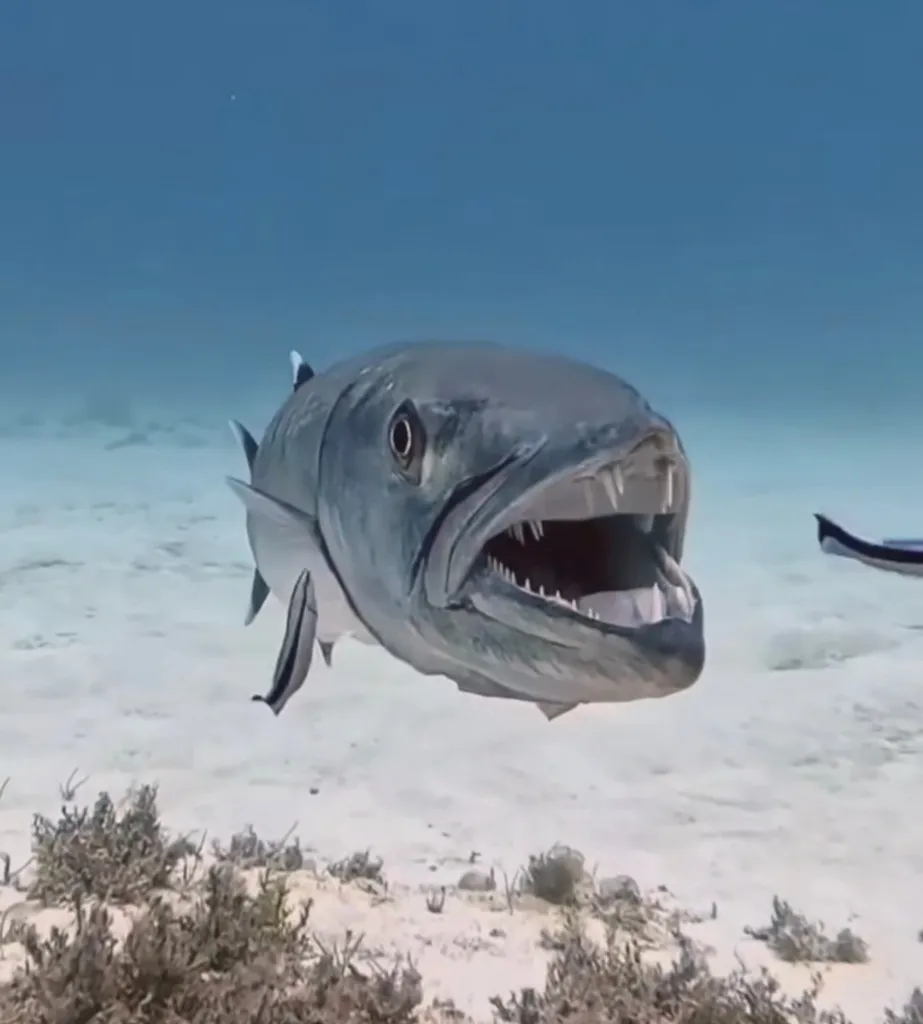
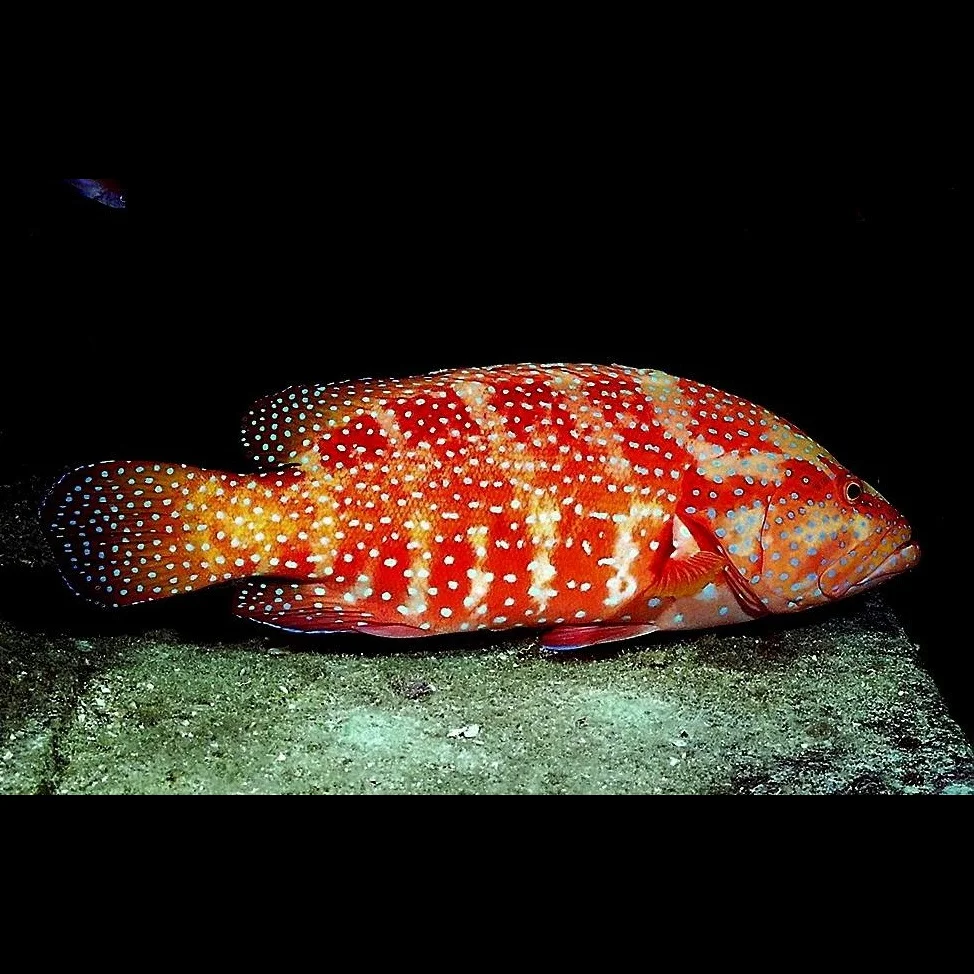
Encounters at Vomit (Lighthouse) Reef regularly include grouper, barracuda, and green and hawksbill turtles, particularly during peak season. Additionally, the broader region's waters frequently host sightings of various sharks, as well as dolphins and occasional whales, although these are less commonly reported at this specific reef. Keep an eye out for diverse schools of fish congregating along the wall and within the extensive coral formations, especially when currents stimulate increased activity.
Dive Sites Near Vomit (Lighthouse) Reef
View all dive sites in TurkeyDiscover more underwater gems in this area.
Dive Centers Near Vomit (Lighthouse) Reef
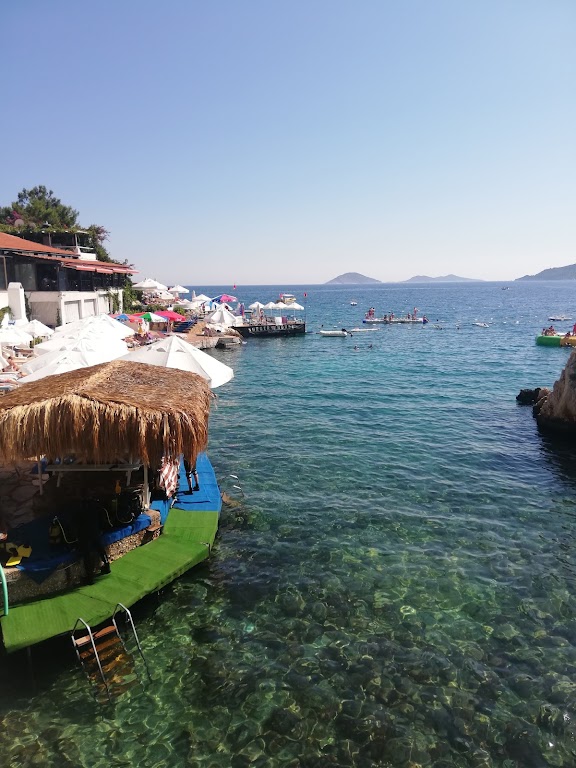
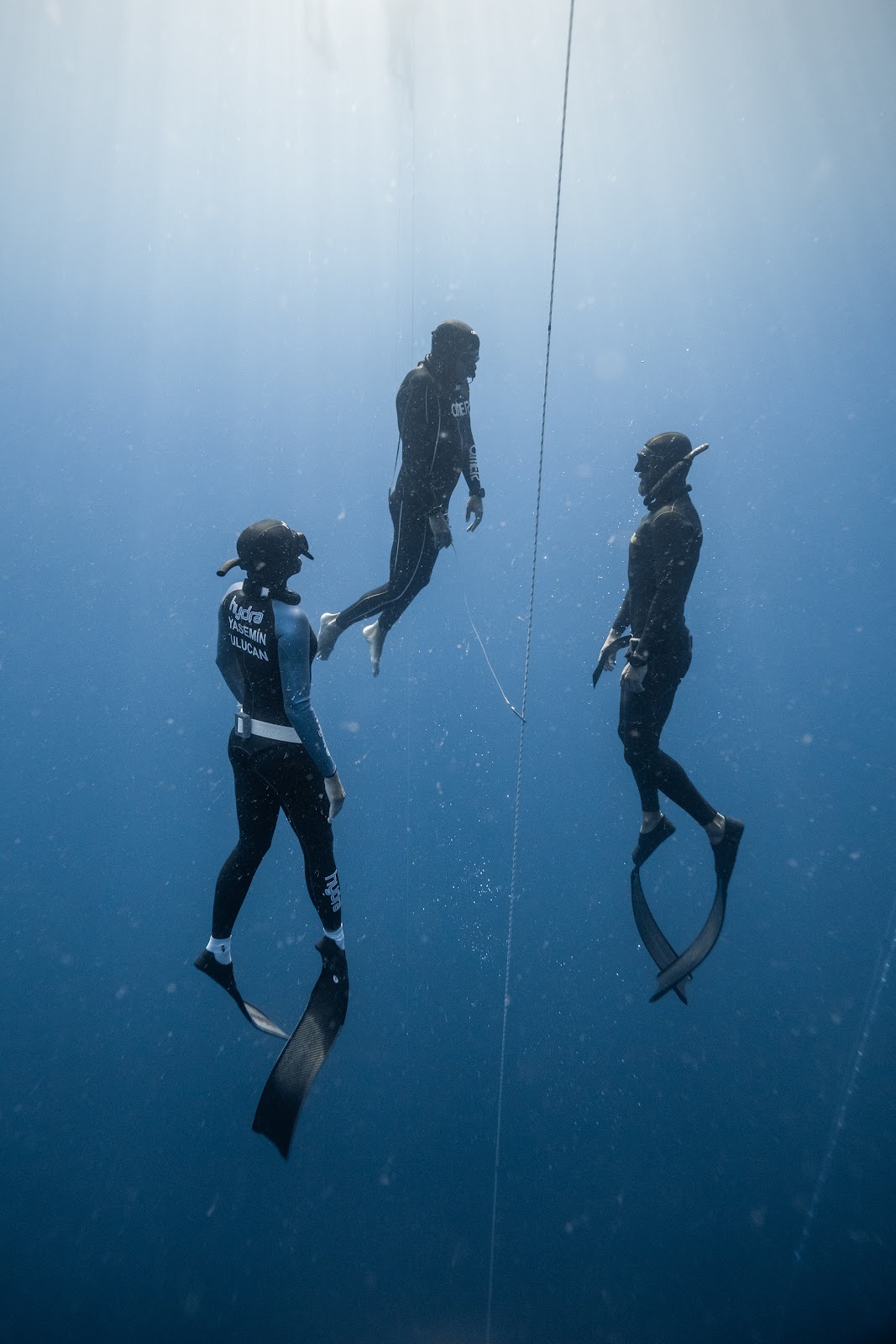
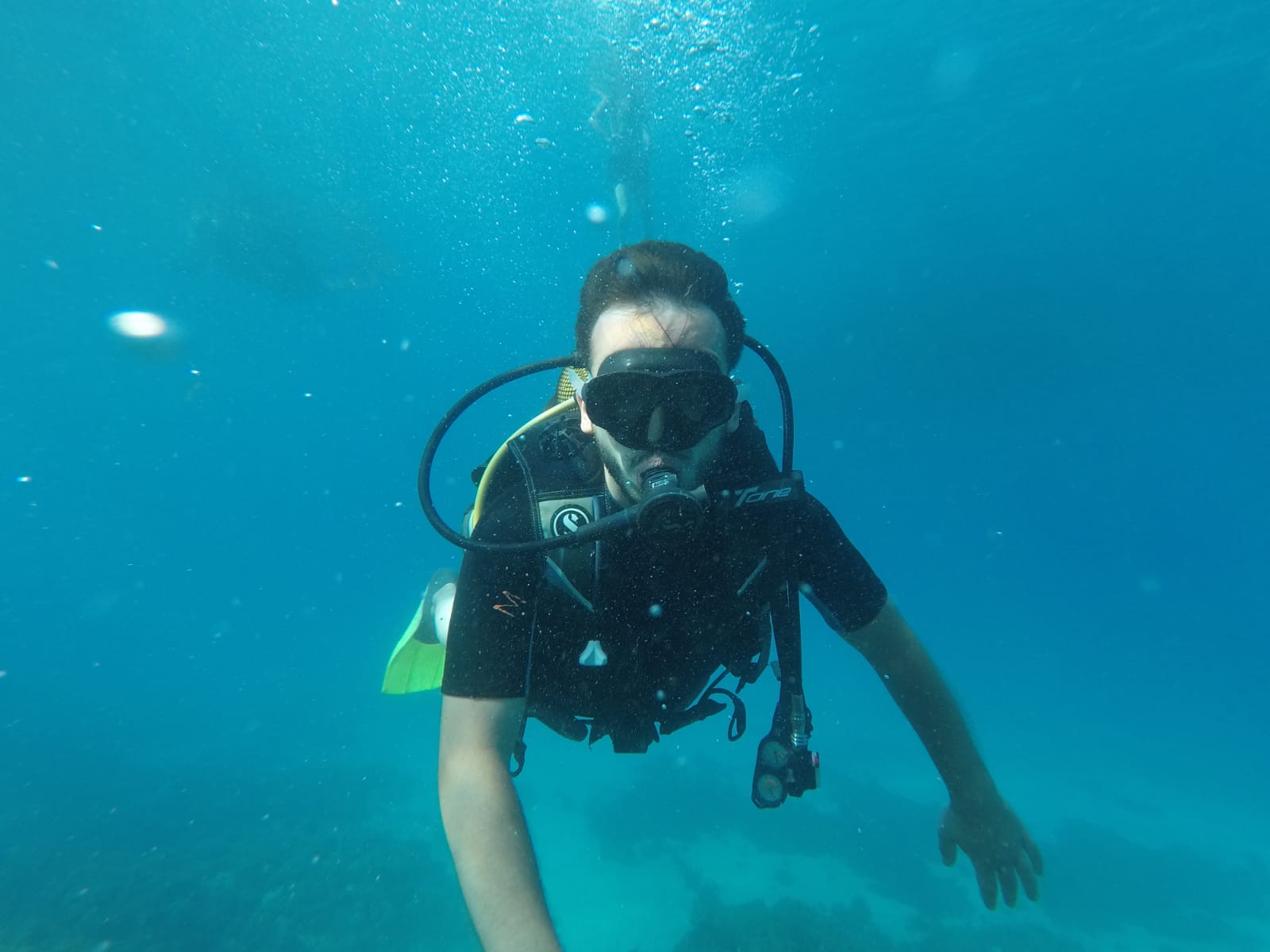

Nearest Airports
Nearest airports to help plan travel to this dive area.
Search Flights
Check available flights and routes on Expedia, using the nearby airports listed in this section.
Search Flights on ExpediaFrequently Asked Questions
What type of dive is Vomit (Lighthouse) Reef?
Vomit (Lighthouse) Reef is primarily a drift dive along a vibrant wall, originating from Catal Ada. It offers a dynamic experience as divers are carried along by the current.
What is the typical depth range for diving here?
Recreational diving often focuses on the 18-20 m (60-66 ft) range, but the wall itself extends deeper, accommodating various dive plans and certifications. Deeper sections are present along the main structure.
What marine life can I expect to see at this site?
Divers often encounter grouper, barracuda, and turtles, especially in season. While less frequent, sharks, dolphins, and whales are common sightings in the wider region.
Are currents a significant factor at Vomit (Lighthouse) Reef?
Yes, currents can be present and vary in strength. The drift dive nature of the site means currents are often a key element, influencing marine life activity and the dive experience.
When is the best time of year to dive Vomit (Lighthouse) Reef?
The period from March to November generally offers the best diving conditions, with favorable air temperatures and minimal rainfall. Dive scores during these months are consistently rated as 'Good'.
What is the topography of the reef like?
The site features a wall that drops into deeper areas, characterized by slopes, cracks, crevices, and occasional overhangs. It's adorned with a variety of hard and soft corals.
Planning to dive Vomit (Lighthouse) Reef?
Send one inquiry and receive offers directly from the best verified local dive operators.
Conditions are Good
07:00 - 14:00
Optimal conditions expected
Current conditions near Vomit (Lighthouse) Reef show 26° air, 29° sea temperature, 0.6 m waves, and 28 km/h wind. Forecast data is refreshed regularly to ensure accuracy.