
Diving at Pigeon Island (Turkey)
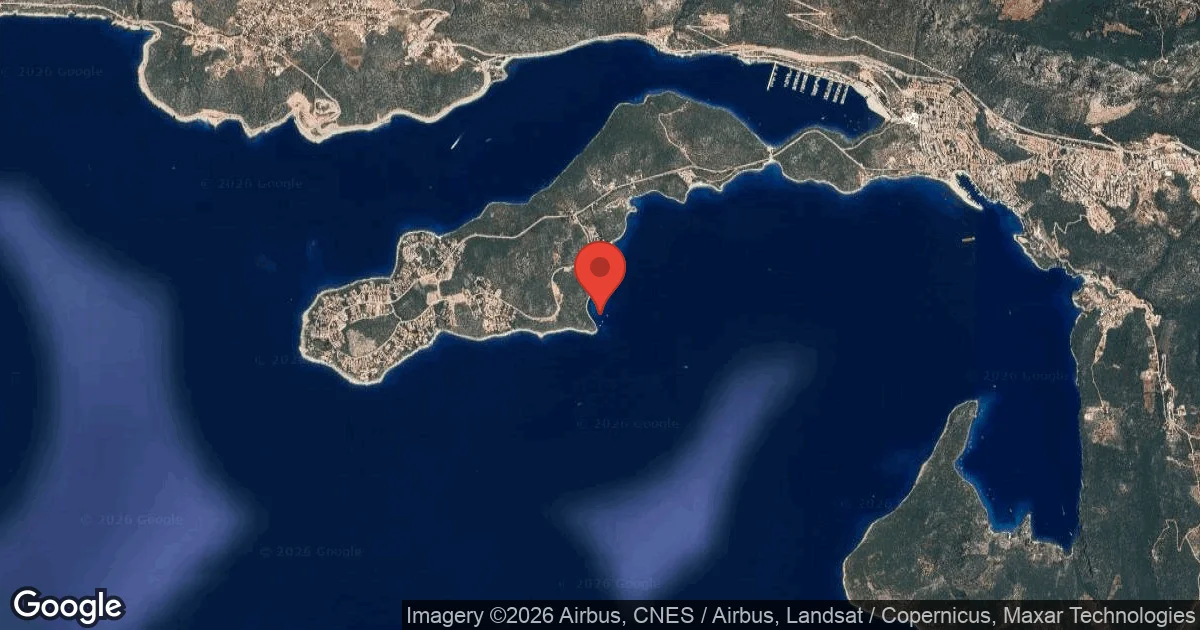
Pigeon Island in Kaş, Antalya, holds a past suggested by its name, though the namesake birds are no longer the primary attraction. Easily accessible by boat, this site presents a calm and protected environment. It's an inviting destination for divers of all experience levels, from snorkelers and beginners getting reacquainted with diving, to advanced explorers seeking deeper features and historical remnants.
Evening condition tracking at Pigeon Island features an air temperature of 28°C. We have recorded wave heights measuring 0.4 m during this period. These figures outline the environmental parameters currently present.
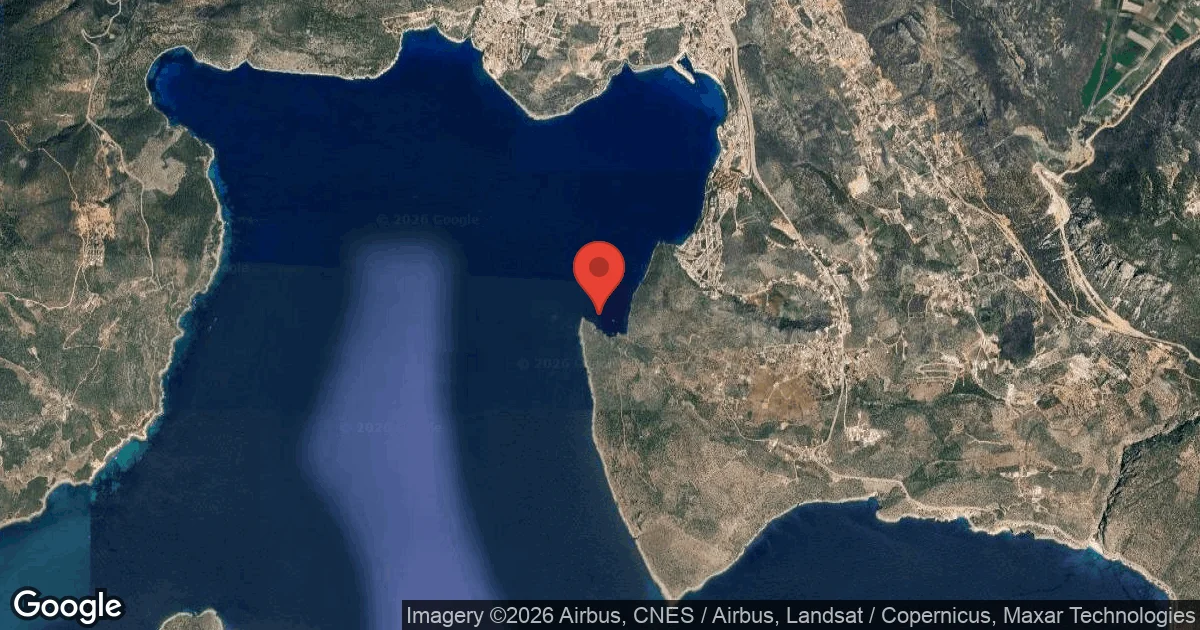
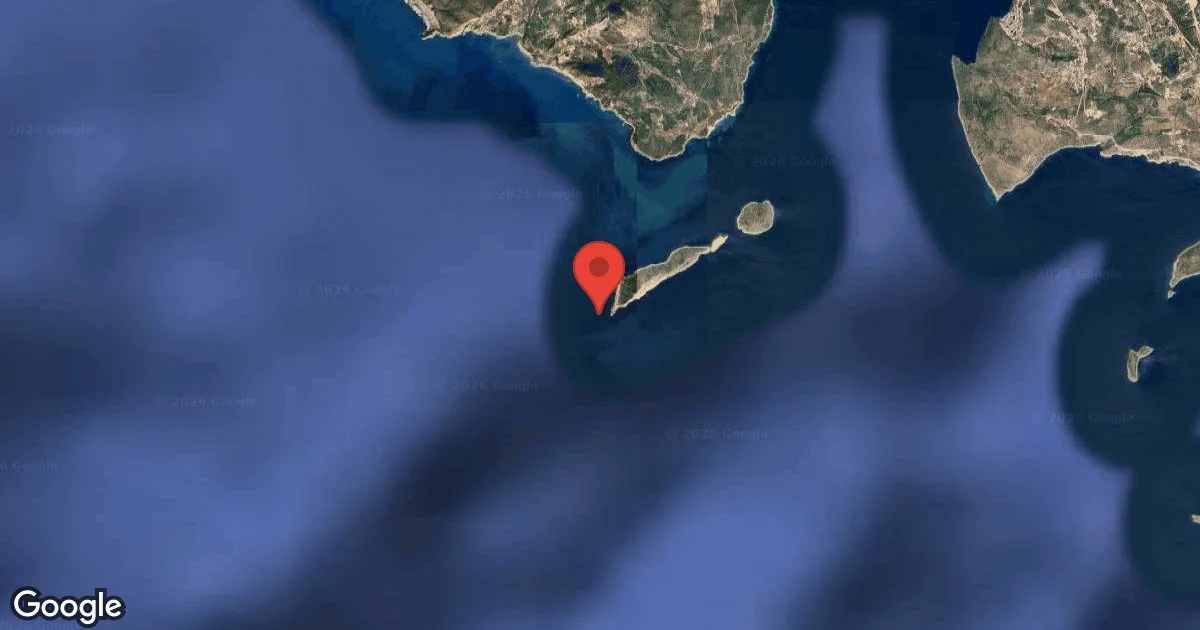
Dive Site Location & Key Facts
Dive Site Overview
Underwater topography at Pigeon Island unfolds from shallow, vibrant zones to deeper, more intricate structures, making it a versatile dive destination. Initial descents reveal gently sloping sandy patches and areas lively with rabbitfish and breams, ideal for snorkelers and those undertaking their initial dive training.
A distinctive white marble shark sculpture surprises first-time divers, adding an unexpected artistic element. For more experienced divers, the site extends deeper, revealing intriguing features. An old wooden wreck lies scattered around 22 m / 72 ft; its remnants invite closer inspection.
Not far, a smaller reef sits deeper, known for its resident striped groupers and a visible profusion of broken amphorae, hinting at the area's historical maritime activity. Around this same depth, a sheet metal wreck, intentionally sunk as an artificial reef, also awaits exploration.
Exploring all these features would be impossible within a single dive, suggesting the richness of the site. Down in the soft sand, gobies and their shrimp companions engage in their characteristic hide-and-seek, further enhancing detailed exploration possibilities. Maximum depth for diving here is approximately 30 m / 98 ft.
Conditions are Good
07:00 - 14:00
Optimal conditions expected
Current conditions near Pigeon Island show 28° air, 29° sea temperature, 0.6 m waves, and 28 km/h wind. Forecast data is refreshed regularly to ensure accuracy.
Best Time to Dive
Planning a dive at Pigeon Island should consider consistent "Good" dive conditions reported throughout the entire year. While diving is possible year-round, warmer months from late spring through early autumn typically offer the most comfortable surface intervals and potentially clearer visibility. Air temperatures average from a cooler 12°C (54°F) in February to 30.5°C (87°F) in July, influencing overall comfort. Rainfall is significantly lower from June to September, with near-negligible amounts, contributing to calmer surface conditions. Wave heights remain relatively low, generally below 1 meter (3.3 feet) throughout the year, suggesting a consistently calm environment. These calmer surface conditions and reduced runoff during drier periods may enhance underwater visibility, allowing for clearer views of wrecks and reef structures.
PEAK SEASON SCORE
Scores combine air & water temps, waves, wind & rainfall for overall conditions.
BEST MONTHS TO DIVE
Monthly records compiled from satellite and marine observation nodes over the last 3 years. Data provided by Open-Meteo and MET Norway.
Dive Experience & Conditions
Descending into Pigeon Island feels notably calm, making it a very welcoming site for diverse diver profiles. A serene underwater environment is often characterized by mild currents, providing a relaxed experience. It creates an ideal setting for snorkelers and those undertaking PADI Open Water Diver training, or for certified divers returning to the sport after a break. For more experienced individuals certified for advanced dives, exploring deeper wrecks and reefs adds adventure without battling strong flows. Site suitability for PADI Advanced Open Water Diver and Enriched Air Diver training underscores its varied depths and features. Conditions here facilitate detailed observation of smaller marine life, such as gobies and shrimp in the sand, enhancing sensory immersion.
Dive Difficulty & Safety Guidelines
Prioritizing safe diving practices is essential at Pigeon Island, particularly given the site's multi-level attractions. While no inherently dangerous natural hazards like strong currents are consistently reported, divers should be mindful of navigation across multiple wrecks and reefs. It's important to remember that the site holds more to explore than can typically be covered in a single dive, requiring careful planning to manage bottom time and gas consumption.
Presence of artifacts like broken amphorae and the artificial shark sculpture warrants maintaining good buoyancy control to avoid accidental contact or startling new divers. All dives are typically conducted by boat entry, and standard safety stops and slow ascent rates are always recommended.
Recommended Equipment
Overhead / entanglement risk. Wreck penetration requires proper training.
- Dive Computer
- DSMB
- Primary & Backup Lights
- Wreck Reel
- Cutting Tool
This gear list is based on verified equipment signals for Pigeon Island, Turkey. Always confirm final gear choices with your dive operator, guide, or liveaboard.
Recommended Dive Suit
Forecast conditions over the next few days suggest temperatures will remain relatively stable.
Divers who prefer a balanced level of warmth often select dive skin or rash guard in water temperatures like this.
At Pigeon Island, the water is currently sitting around 29°C (84°F). Surface air temperatures are resting at 28°C (82°F).
Emergency & Medical Support
Essential information to help you plan your dive trip to Pigeon Island.

Hyperbaric chambers are a critical part of dive safety infrastructure. Availability varies significantly by region, and not all dive areas have immediate access.
Before diving, it's recommended to:
- confirm nearest medical facilities
- check emergency procedures with local dive operators
- ensure dive insurance covers evacuation if required
Divers Alert Network
Diving emergency assistance available through DAN Europe.
+39 0642115685- 24/7 emergency hotline
- Diving medical assistance
- Evacuation coordination
Emergency contacts are provided for reference. Always verify local emergency services before diving.
Closest Listed Hyperbaric Chambers
Showing listed hyperbaric chamber facilities within 200 km of this dive site.
Distances are approximate straight-line distances and may not reflect emergency travel time.
Sağlık Bilimleri Üniversitesi Antalya Eğitim ve Araştırma Hastanesi
24/7 ListedICU CapableAntalya, Turkey•Approx. 124 km straight-line
Sağlık Bilimleri Üniversitesi Antalya Eğitim ve Araştırma Hastanesi
24/7 ListedICU CapableInformation is provided for reference and planning purposes only. Dive Navigator does not verify operational status, staffing, availability, or quality of care at listed facilities. In an emergency, contact local emergency services, DAN, your dive operator, or the chamber directly. Do not travel to a facility without calling ahead.
Özel Hiperox Hiperbarik Oksijen Tedavi Merkezi
Antalya, Turkey•Approx. 126 km straight-line
Özel Hiperox Hiperbarik Oksijen Tedavi Merkezi
Information is provided for reference and planning purposes only. Dive Navigator does not verify operational status, staffing, availability, or quality of care at listed facilities. In an emergency, contact local emergency services, DAN, your dive operator, or the chamber directly. Do not travel to a facility without calling ahead.
DzKK Aksaz Deniz Üssü, Military base chamber
24/7 ListedMugla, Turkey•Approx. 131 km straight-line
DzKK Aksaz Deniz Üssü, Military base chamber
24/7 ListedInformation is provided for reference and planning purposes only. Dive Navigator does not verify operational status, staffing, availability, or quality of care at listed facilities. In an emergency, contact local emergency services, DAN, your dive operator, or the chamber directly. Do not travel to a facility without calling ahead.
Marine Life at Pigeon Island
Pigeon Island's underwater environment hosts a diverse range of Mediterranean species, particularly concentrated in its shallower zones. Within these sunlit areas, divers frequently encounter energetic schools of rabbitfish and breams, gracefully moving across the reefs and sandy patches.
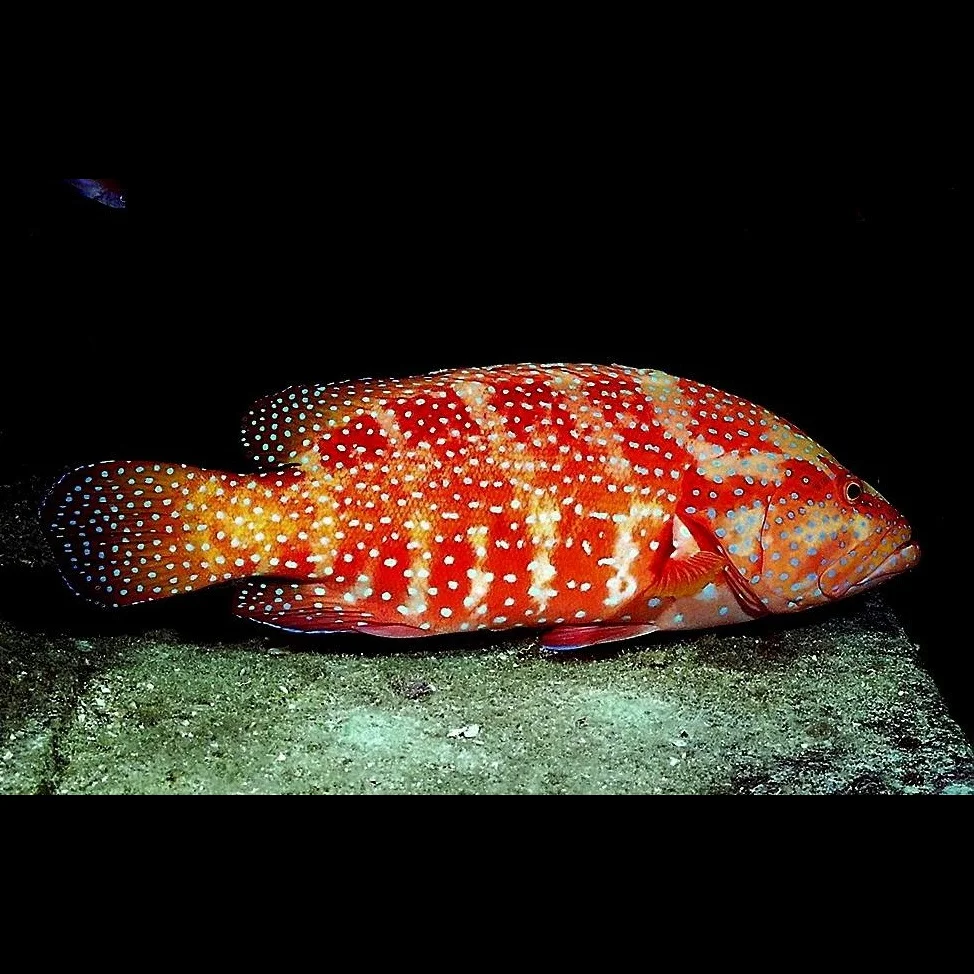
Further down, among the deeper rock formations and scattered historical artifacts, friendly striped groupers are a common sight, often observed surveying their territory. The sandy seabed offers fascinating glimpses into smaller ecosystems; keen eyes might spot gobies and their symbiotic shrimp companions engaged in their characteristic hide-and-seek near their shared burrows.
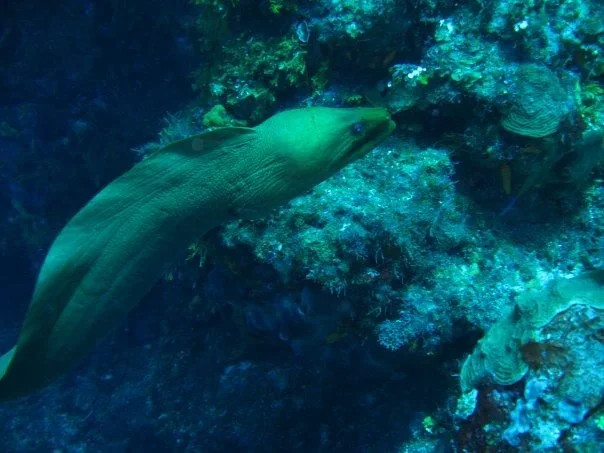
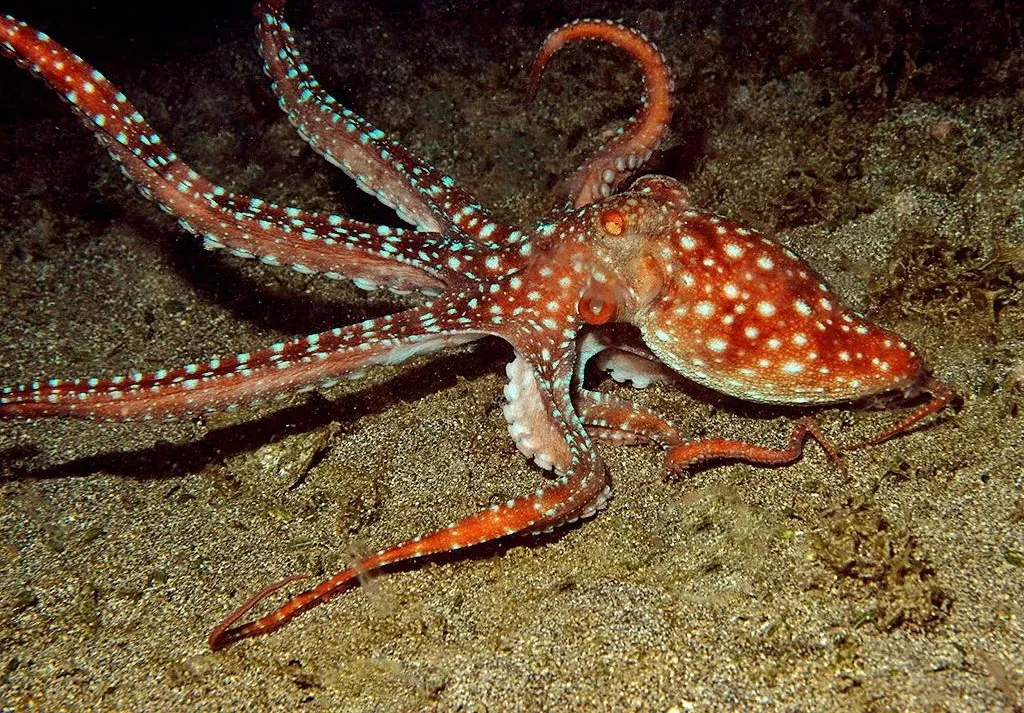
Occasional encounters with moray eels tucked into crevices, or small octopuses camouflaged against the rocks, further enhance the experience, contributing to the rich tapestry of life at the site.

Dive Sites Near Pigeon Island
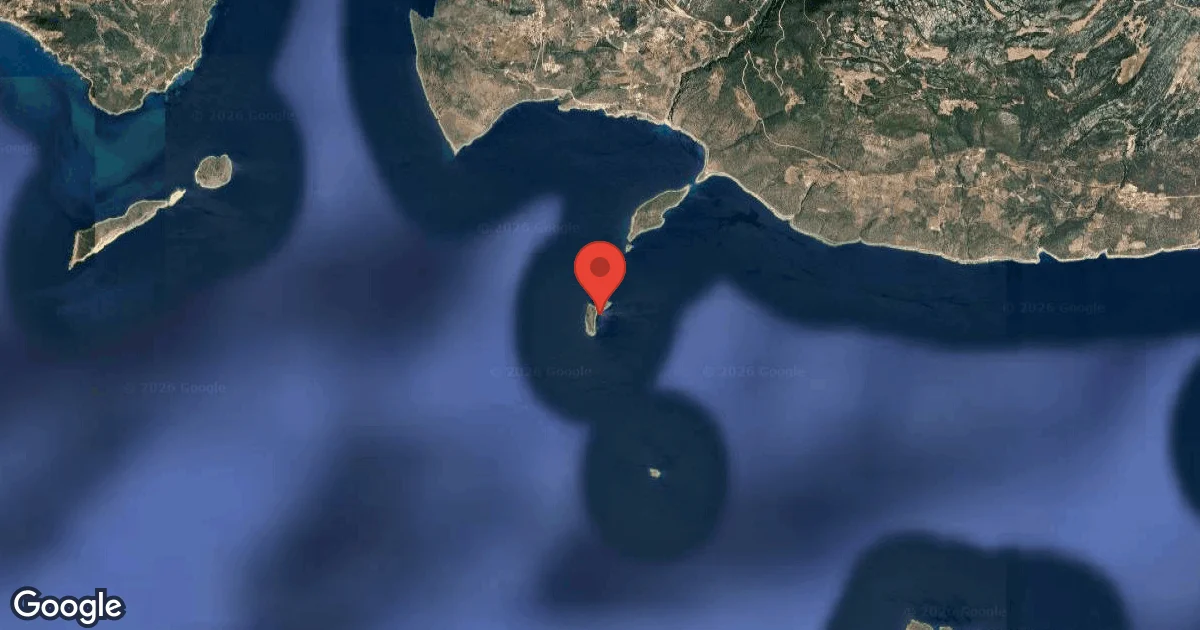
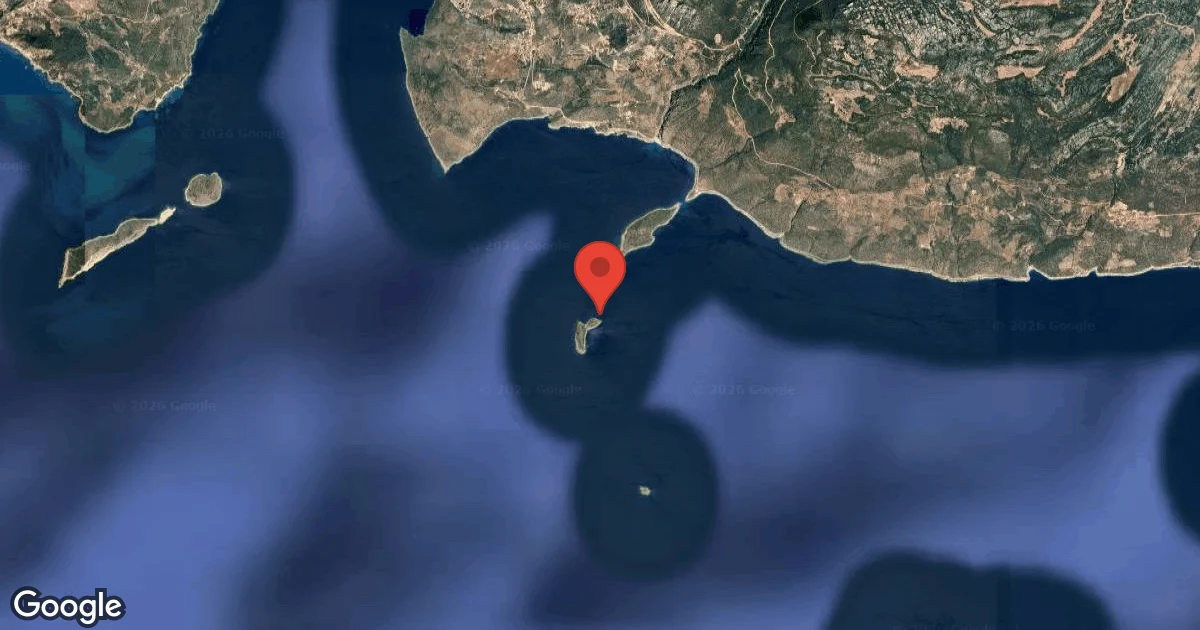
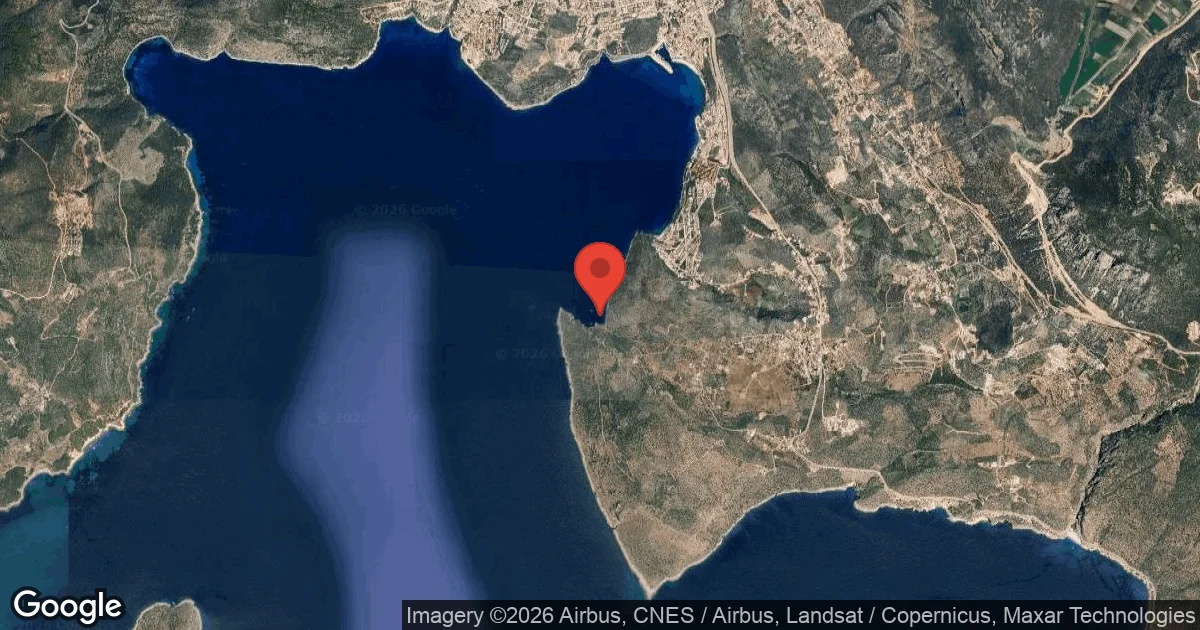
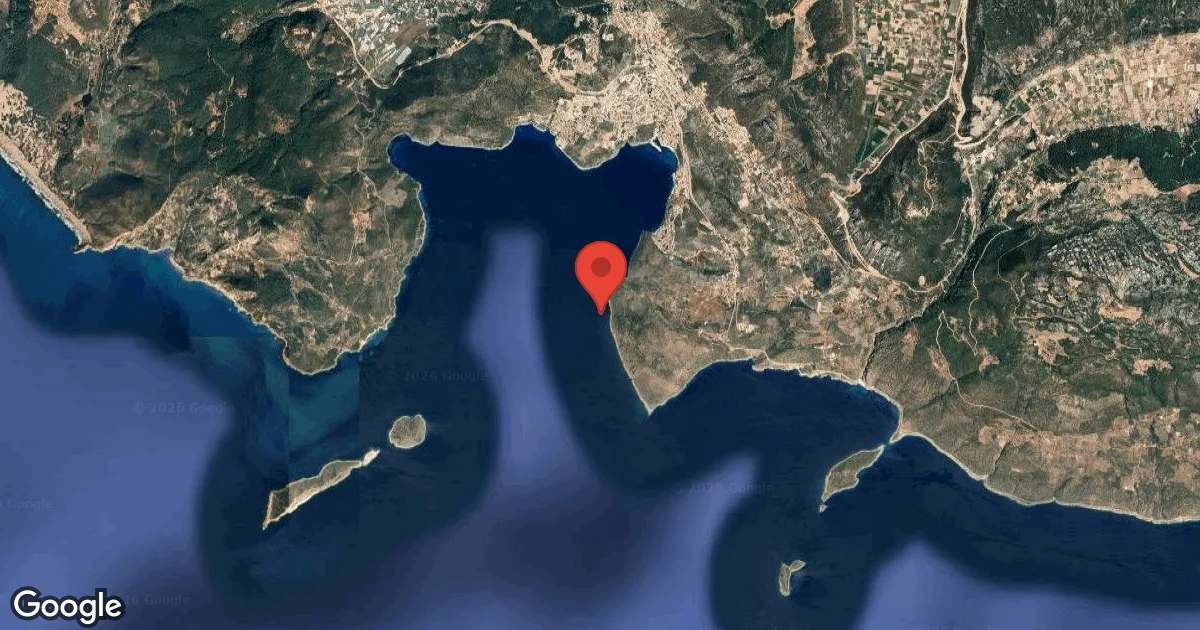
View all dive sites in TurkeyDiscover more underwater gems in this area.
Dive Centers Near Pigeon Island
Today: 08:00 - 19:00
Nearest Airports
Nearest airports to help plan travel to this dive area.
Search Flights
Check available flights and routes on Expedia, using the nearby airports listed in this section.
Search Flights on ExpediaFrequently Asked Questions
What depth ranges can I expect to dive at Pigeon Island?
Pigeon Island caters to various depths. Beginners can explore shallower areas. Experienced divers can reach around 22 meters for the wooden wreck, and deeper sections feature a reef and sheet metal wreck at about 28 meters. The site's maximum depth is 30 meters.
Is Pigeon Island suitable for beginner divers and snorkelers?
Yes, it's considered an ideal and very calm site for snorkelers and those beginning their dive training. The shallow depths are lively and provide a safe, accessible environment for learning or refreshing skills.
Are there any artificial structures or historical artifacts to see?
The site features a white marble shark sculpture, which is an artificial art piece. Additionally, deeper sections contain remnants of an old wooden wreck and a profusion of broken amphorae, adding historical interest to the dives.
What types of marine life are commonly sighted here?
Divers can expect to see an abundance of rabbitfish and breams in the shallows. Deeper areas host friendly striped groupers, and keen observers might spot gobies and their shrimp companions in the sandy patches.
What kind of training is recommended for diving at Pigeon Island?
PADI Open Water Diver certification is suitable for exploring the shallower areas. For the deeper wrecks and reefs, PADI Advanced Open Water Diver or PADI Enriched Air Diver certifications would be beneficial.
Can all dive sites at Pigeon Island be explored in a single dive?
No, the site offers multiple points of interest, including several wrecks and reefs at varying depths. It's often impossible to cover all features in a single dive, encouraging repeat visits.
Planning to dive Pigeon Island?
Send one inquiry and receive offers directly from the best verified local dive operators.
Conditions are Good
07:00 - 14:00
Optimal conditions expected
Current conditions near Pigeon Island show 28° air, 29° sea temperature, 0.6 m waves, and 28 km/h wind. Forecast data is refreshed regularly to ensure accuracy.