
Diving at Louis Sheid (United Kingdom)
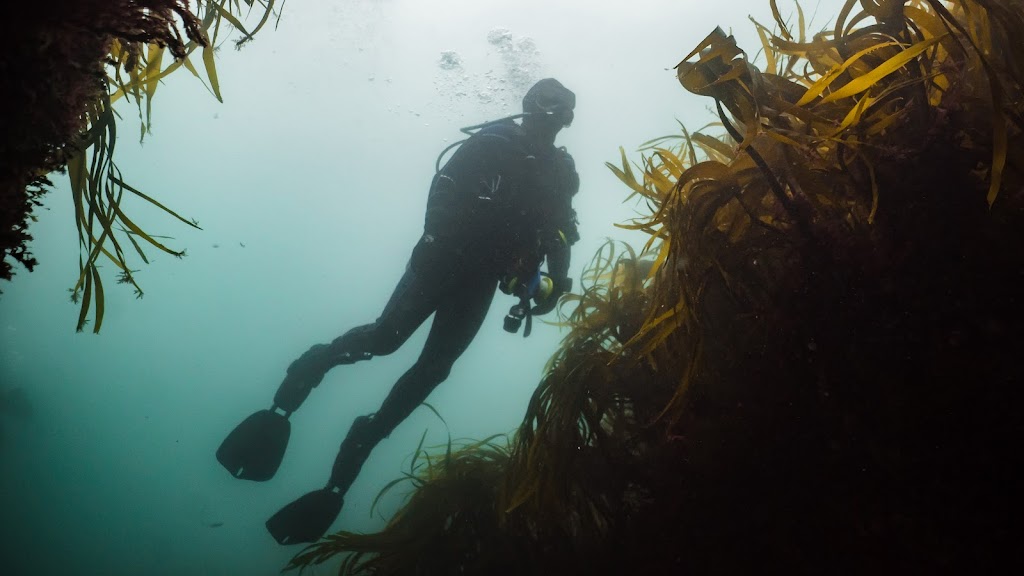
Descending into the shallow waters of Thurlestone Bay, the broken hull of the Louis Sheid emerges, offering an immediate sense of an accessible historical site. The wreckage, scattered across a sandy bottom, provides visual interest from the moment you fin down. It's a shore dive, meaning you feel the cool embrace of the Atlantic as you swim out, anticipation building before the structure takes shape beneath you.
Evening condition tracking at Louis Sheid features an air temperature of 17°C. We have recorded wave heights measuring 1.4 m during this period. These figures outline the environmental parameters currently present.
Dive Site Location & Key Facts
Dive Site Overview
The Louis Sheid wreck presents as a shallow, accessible dive, encompassing the remains of a Belgian steamer measuring 128 m (420 ft) long with a 17 m (55 ft) beam, which ran aground in Thurlestone Bay in December 1939. Originally fleeing a German U-boat after a rescue mission, the vessel now lies broken up on the seabed at a maximum depth of 12 m (39 ft).
Such shallow depths position it as an excellent location for divers of all experience levels, including beginners and snorkelers, to explore a significant piece of maritime history. Within its structure, recognizable hull sections and impressive exposed boilers serve as natural guides for exploration. A prominent prop shaft runs almost the entire length of the wreckage, simplifying navigation, while its sheltered position typically ensures limited currents within the bay. This combination of character and accessibility establishes it as a notable UK dive for many.
Conditions are Moderate
Optimal conditions expected
Current conditions near Louis Sheid show 17° air, 15° sea temperature, 1.4 m waves, and 39 km/h wind. Forecast data is refreshed regularly to ensure accuracy.
Best Time to Dive
To maximize enjoyment at Louis Sheid, target the months with generally calmer conditions and milder air temperatures. May and June typically offer the most favorable dive scores, along with August. During these periods, average air temperatures range from 13-17°C (55-63°F), accompanied by lower average wave heights, often around 0.8-1.1 m (2.6-3.6 ft), and reduced rainfall, averaging 2-3.7 mm (0.08-0.15 inches). While the wreck is diveable year-round and at any state of tide, periods outside these months may bring increased wind speeds and wave activity, potentially impacting surface conditions and underwater visibility. Always consult local forecasts for specific swell and wind directions before planning your trip.
PEAK SEASON SCORE
Scores combine air & water temps, waves, wind & rainfall for overall conditions.
BEST MONTHS TO DIVE
Monthly records compiled from satellite and marine observation nodes over the last 3 years. Data provided by Open-Meteo and MET Norway.
Dive Experience & Conditions
Diving the Louis Sheid typically begins with a shore entry from Thurlestone Beach. Divers will surface swim approximately 100-200 m (330-660 ft) to reach the wreck, which can be navigated by aligning specific landmarks on the cliff top. Once submerged, the maximum depth encountered is around 12 m (39 ft). Visibility varies but is commonly reported between 5-10 m (16-33 ft), with an average of 6 m (20 ft). While currents are generally limited, a significant swell can arise with southwesterly or westerly winds, potentially impacting conditions. The wreckage is relatively spread out, with large portions of the hull still recognizable and the boilers clearly exposed. Its prop shaft provides a consistent navigational aid, stretching almost the full length of the site, guiding divers towards the stern and rudder remnants.
Dive Difficulty & Safety Guidelines
When planning a dive at Louis Sheid, prioritizing safety means carefully assessing the sea state. It's crucial to never enter the water if high waves are breaking into the bay, as conditions can become dangerous. Strong swell, particularly with southwesterly or westerly winds, can significantly impact diver comfort and safety; consider a boat dive as an alternative in such circumstances.
Once in the water, be mindful of potential dive boat traffic, especially during peak seasons. Navigation to the wreck from the shore involves specific visual alignment cues from the cliff top, and a compass bearing of southeast is recommended when exploring the wreckage. Access to the site is free, and no specific permit is required.
Recommended Equipment
Overhead / entanglement risk. Wreck penetration requires proper training.
- Dive Computer
- Primary & Backup Lights
- Wreck Reel
- Cutting Tool
- Hard-soled Dive Boots
This gear list is based on verified equipment signals for Louis Sheid, United Kingdom. Always confirm final gear choices with your dive operator, guide, or liveaboard.
Recommended Dive Suit
Temperatures look set to gradually increase over the next several days. A warming trend is expected over the next few days.
For typical recreational dives, 7mm wetsuit or semidry generally provides comfortable insulation. Consider warmer surface protection (like a boat coat) due to brisk winds. A thermal robe or jacket is recommended between dives.
At Louis Sheid, the water is currently sitting around 15°C (59°F). Surface air temperatures are resting at 17°C (62°F).
Emergency & Medical Support
Essential information to help you plan your dive trip to Louis Sheid.

Hyperbaric chambers are a critical part of dive safety infrastructure. Availability varies significantly by region, and not all dive areas have immediate access.
Before diving, it's recommended to:
- confirm nearest medical facilities
- check emergency procedures with local dive operators
- ensure dive insurance covers evacuation if required
Divers Alert Network
Diving emergency assistance available through DAN Europe.
+39 0642115685- 24/7 emergency hotline
- Diving medical assistance
- Evacuation coordination
Emergency contacts are provided for reference. Always verify local emergency services before diving.
Closest Listed Hyperbaric Chambers
Showing listed hyperbaric chamber facilities within 200 km of this dive site.
Distances are approximate straight-line distances and may not reflect emergency travel time.
DDRC Healthcare
24/7 ListedICU CapablePlymouth, United Kingdom•Approx. 25 km straight-line
DDRC Healthcare
24/7 ListedICU CapableInformation is provided for reference and planning purposes only. Dive Navigator does not verify operational status, staffing, availability, or quality of care at listed facilities. In an emergency, contact local emergency services, DAN, your dive operator, or the chamber directly. Do not travel to a facility without calling ahead.
Marine Life at Louis Sheid
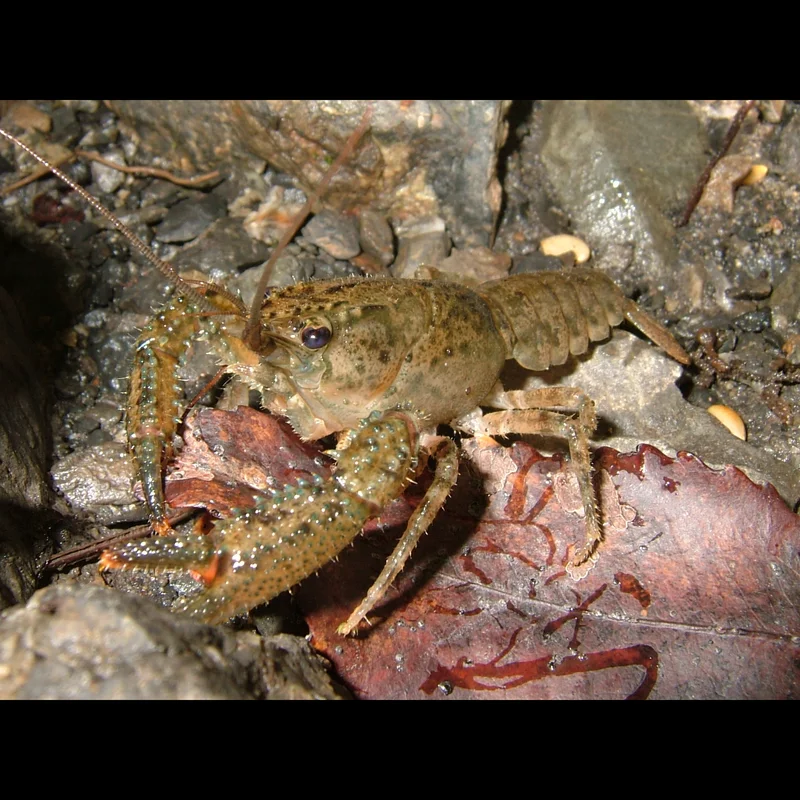
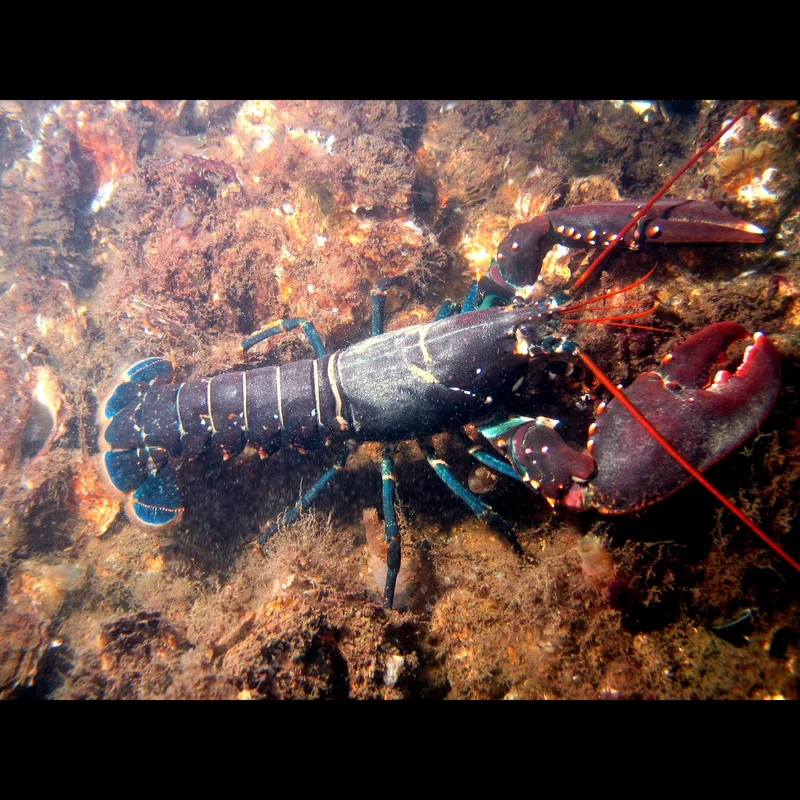
The fragmented structure of the Louis Sheid forms an engaging habitat for local marine species. Crayfish and lobsters often shelter within the deeper recesses of the broken hull sections.
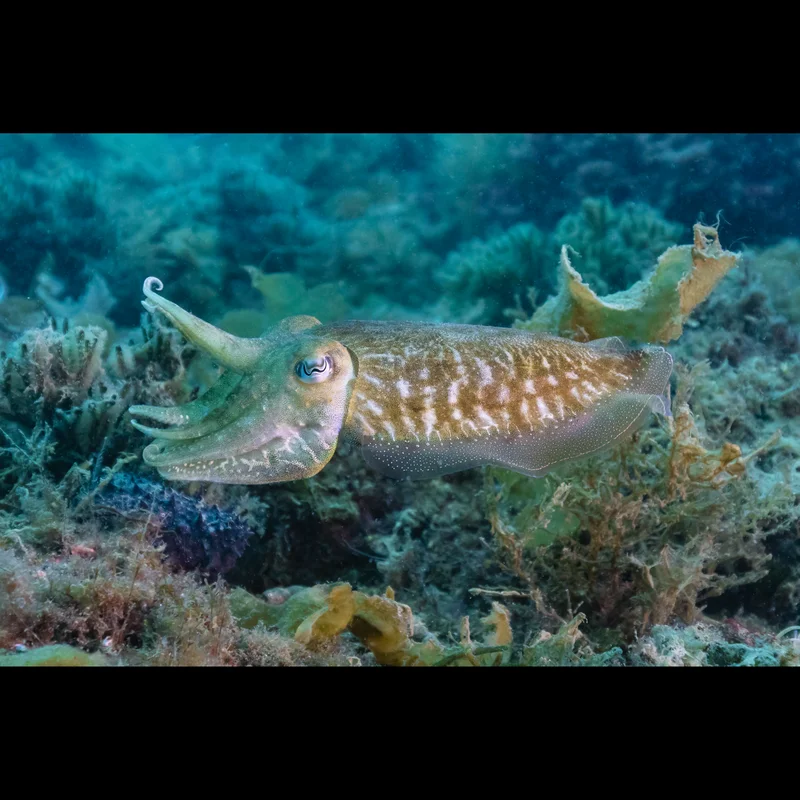
Exploring the impressive boilers, you may observe leopard spotted gobies, while various wrasse species, including corkwing and large wrasse, frequently weave through the metal framework and kelp. Tompot blennies are commonly spotted peering from crevices, and cuttlefish are known to frequent the wreck.
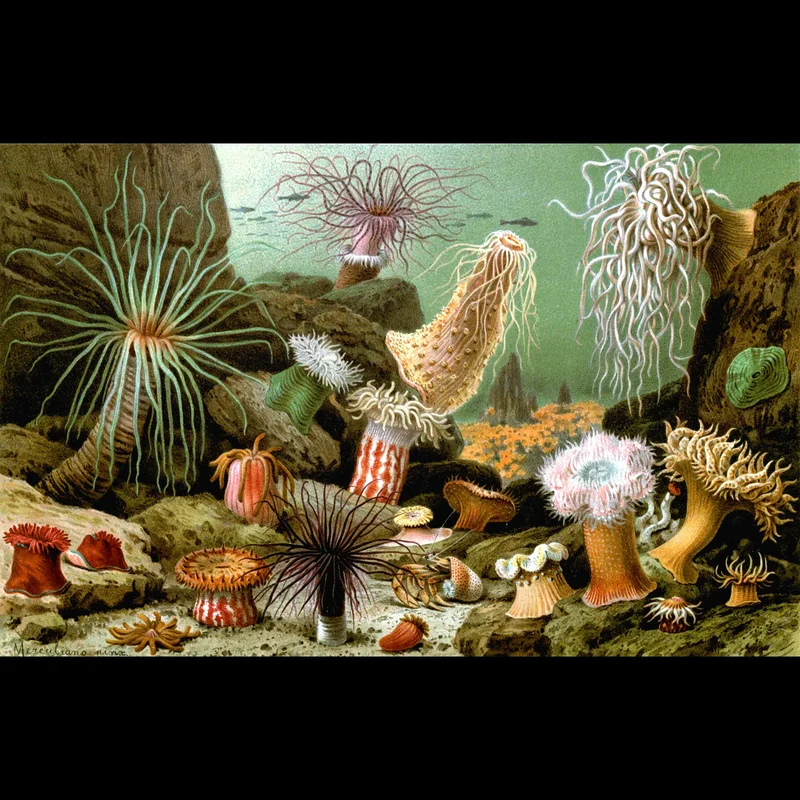
Sea hares graze on the surfaces, and below overhangs, the delicate Sargatia elegans anemones add vibrant splashes of color to the underwater landscape.

Dive Centers Near Louis Sheid
Nearest Airports
Nearest airports to help plan travel to this dive area.
Search Flights
Check available flights and routes on Expedia, using the nearby airports listed in this section.
Search Flights on ExpediaFrequently Asked Questions
What is the maximum depth of the Louis Sheid wreck?
The Louis Sheid wreck sits in a maximum depth of 12 m (39 ft). Its shallow nature makes it accessible for divers of all experience levels.
Is Louis Sheid suitable for beginner divers?
Yes, Louis Sheid is considered an excellent dive site for beginners and snorkelers. Its shallow depth and relatively sheltered position contribute to its suitability for less experienced divers.
How do you access the Louis Sheid dive site?
The dive site is accessed via a shore entry from Thurlestone Beach. Divers typically surface swim around 100-200 m (330-660 ft) from the beach to reach the wreck.
What marine life can be observed at Louis Sheid?
Divers can expect to see lobsters, crayfish, conger eels, various wrasse species, tompot blennies, cuttlefish, sea hares, and Sargatia elegans anemones. Leopard spotted gobies are often found within the wreck's boilers.
Are there any strong currents at the Louis Sheid wreck?
Currents at Louis Sheid are generally limited. However, a significant swell can develop, especially with southwesterly or westerly winds, which can make entry and diving conditions challenging.
What are the main navigational features of the wreck?
The wreck is relatively simple to navigate due to the prop shaft that runs almost its entire length. Divers can also use a southeast compass bearing to locate the stern and rudder, and follow the wreckage around the boilers.
Planning to dive Louis Sheid?
Send one inquiry and receive offers directly from the best verified local dive operators.
Conditions are Moderate
Optimal conditions expected
Current conditions near Louis Sheid show 17° air, 15° sea temperature, 1.4 m waves, and 39 km/h wind. Forecast data is refreshed regularly to ensure accuracy.