
Diving at Nest Ends Gully (United Kingdom)
Diving at Nest Ends Gully provides a straightforward entry into temperate UK waters, often serving as an accessible shore dive for various experience levels. Its sheltered nature and clear water, particularly after calm periods, offer a refreshing re-introduction or first exploration of the region's underwater environment. The site is a reliable choice when seeking an enjoyable, manageable dive without the complexities of boat logistics. It balances convenience with diverse marine observations.
Evening condition tracking at Nest Ends Gully features an air temperature of 12°C. We have recorded wave heights measuring 0.6 m during this period. These figures outline the environmental parameters currently present.
Dive Site Location & Key Facts
Dive Site Overview
A prominent feature near Eyemouth's harbour, Nest Ends Gully serves as a reliable shore diving location for the North East coast. Access to the water benefits from local infrastructure, specifically a concrete path built over an old sewer pipe extending offshore.
This functional pathway offers a direct route into the site's depths. Within its embrace, the gully forms a natural channel, stepping down towards a sandy bottom typically found at 15 m (50 ft). Divers often find themselves drawn to this defined structure, which offers a relatively confined and manageable exploration zone.
Although road access was a recent point of discussion, the Eyemouth Harbour Trust confirmed a rerouted pathway, ensuring the site's continued availability for divers. Bottom sediment occasionally stirs, particularly during periods of high diver activity, yet visibility generally remains respectable, often ranging between 10 to 14 m (33 to 46 ft).
Its appeal derives from the combination of easy entry and consistent encounters with temperate marine life, securing its place as a frequent choice for local clubs and individuals. Scattered debris from the original sewer pipe construction is still discernible, sometimes creating the impression of small, scattered wreckage for those observing closely.
Conditions are Good
High Wind Advisory (44km/h). Unsafe surface.
Current conditions near Nest Ends Gully show 12° air, 15° sea temperature, 0.8 m waves, and 44 km/h wind. Forecast data is refreshed regularly to ensure accuracy.
Best Time to Dive
For an optimal dive experience at Nest Ends Gully, consider visiting during the warmer, calmer months when conditions are generally more favorable. The period from May to September typically offers the highest dive scores, reflecting reduced wave heights, which average around 0.7 to 0.9 meters (2.3 to 3.0 feet). These months also present milder air temperatures, ranging from approximately 12°C (54°F) in May to 16°C (61°F) in August, making surface intervals more comfortable. While water temperatures are not consistently reported, calmer seas often correlate with better underwater visibility, occasionally reaching 14 m (46 ft). Rainfall is generally lower during this peak season, averaging 1.8 to 3.6 mm (0.07 to 0.14 inches), minimizing run-off that could affect clarity. Winter months, conversely, see higher wave activity and cooler air, with average air temperatures dropping to 4.5°C (40°F) in January, making conditions more challenging.
PEAK SEASON SCORE
Scores combine air & water temps, waves, wind & rainfall for overall conditions.
BEST MONTHS TO DIVE
Monthly records compiled from satellite and marine observation nodes over the last 3 years. Data provided by Open-Meteo and MET Norway.
Dive Experience & Conditions
Descending into Nest Ends Gully, divers follow a rocky slope that transitions into a defined gully. The gully itself proceeds in a series of natural steps, gradually leading towards a sandy bottom typically found at a maximum depth of 15 m (50 ft). Underwater visibility, while variable, can be excellent after periods of settled weather, sometimes reaching 14 m (46 ft). However, high diver traffic or swell may stir up bottom sediment, temporarily reducing clarity to around 10 m (33 ft). Water temperatures are consistently chilly, characteristic of UK diving, and often require substantial thermal protection. Tidal currents can be noticeable, particularly when the tide is ebbing, with kelp streaming out into the flow. This current, however, contributes to the site's rich nutrient supply, supporting the diverse life observed on exposed rock surfaces. Easy water access is maintained via a concrete path, though a rock gap at low tide can pose a tight squeeze for some divers entering or exiting.
Dive Difficulty & Safety Guidelines
Diving at Nest Ends Gully is generally considered safe and accessible, suitable for a wide range of diver experiences, but certain considerations apply. It's crucial for divers to be aware of tidal movements, as currents can become noticeable, especially during an ebbing tide. While typically sheltered, assessing sea conditions for calm seas is vital for comfortable entry and optimal visibility.
Limited parking at the top necessitates a fairly steep walk down to the water's edge, which can be challenging with full gear. During low tide, a specific rock gap at the end of the concrete path may require some agility to navigate, particularly for those with bulkier equipment.
Always plan your dive around the tides to ensure easier access and egress. The chilly waters dictate appropriate thermal exposure protection, even in summer.
Recommended Equipment
- Dive Computer
This gear list is based on verified equipment signals for Nest Ends Gully, United Kingdom. Always confirm final gear choices with your dive operator, guide, or liveaboard.
Recommended Dive Suit
7mm wetsuit or semidry is widely used for recreational dives in waters of this temperature. Consider warmer surface protection (like a boat coat) due to brisk winds. A thermal robe or jacket is recommended between dives. For divers entering the water at Nest Ends Gully, temperatures are currently hovering around 15°C (58°F). Surface air temperatures are resting at 12°C (54°F).
Forecasts suggest rising temperatures later this week. A warming trend is expected over the next few days.
Water temperatures can occasionally shift throughout the day depending on currents and depth layers.
Emergency & Medical Support
Essential information to help you plan your dive trip to Nest Ends Gully.

Hyperbaric chambers are a critical part of dive safety infrastructure. Availability varies significantly by region, and not all dive areas have immediate access.
Before diving, it's recommended to:
- confirm nearest medical facilities
- check emergency procedures with local dive operators
- ensure dive insurance covers evacuation if required
Divers Alert Network
Diving emergency assistance available through DAN Europe.
+39 0642115685- 24/7 emergency hotline
- Diving medical assistance
- Evacuation coordination
Emergency contacts are provided for reference. Always verify local emergency services before diving.
Closest Listed Hyperbaric Chambers
Showing listed hyperbaric chamber facilities within 200 km of this dive site.
Distances are approximate straight-line distances and may not reflect emergency travel time.
Aberdeen Royal Infirmary
Aberdeen, United Kingdom•Approx. 142 km straight-line
Aberdeen Royal Infirmary
Information is provided for reference and planning purposes only. Dive Navigator does not verify operational status, staffing, availability, or quality of care at listed facilities. In an emergency, contact local emergency services, DAN, your dive operator, or the chamber directly. Do not travel to a facility without calling ahead.
Marine Life at Nest Ends Gully
Upon entering Nest Ends Gully, the vibrant kelp forests in shallower sections immediately capture attention, swaying with the currents. Delving deeper, one notices a rich profusion of life blanketing the more exposed rock surfaces, particularly thick carpets of white and orange deadman's fingers.
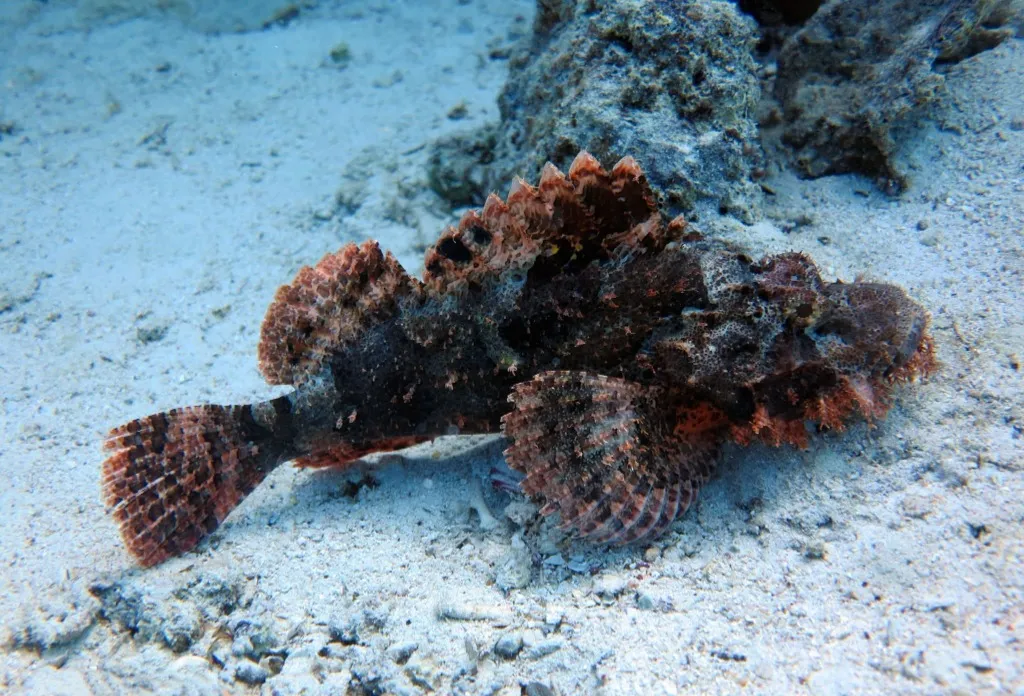
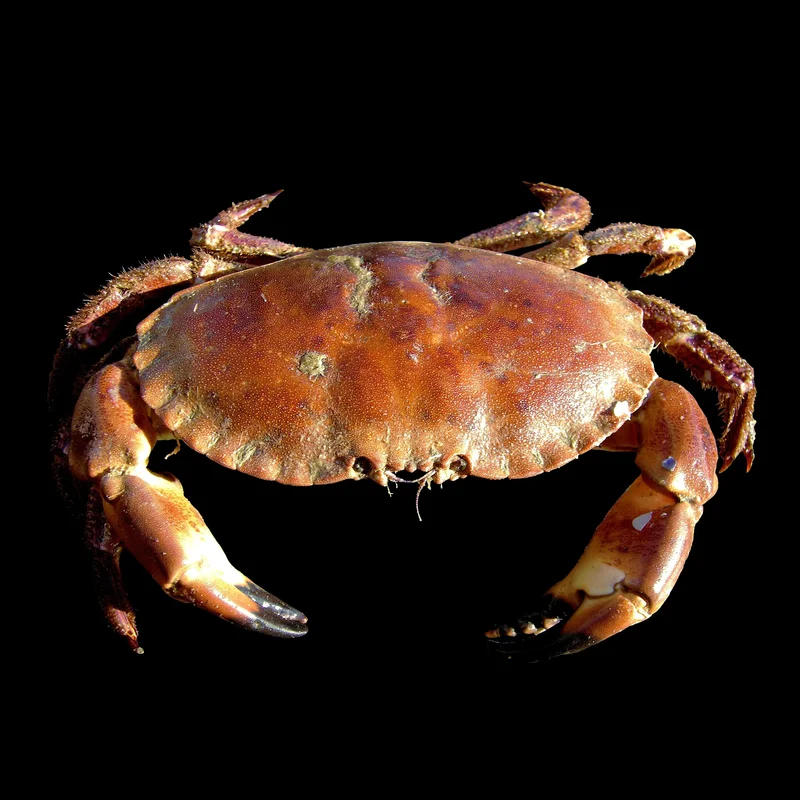
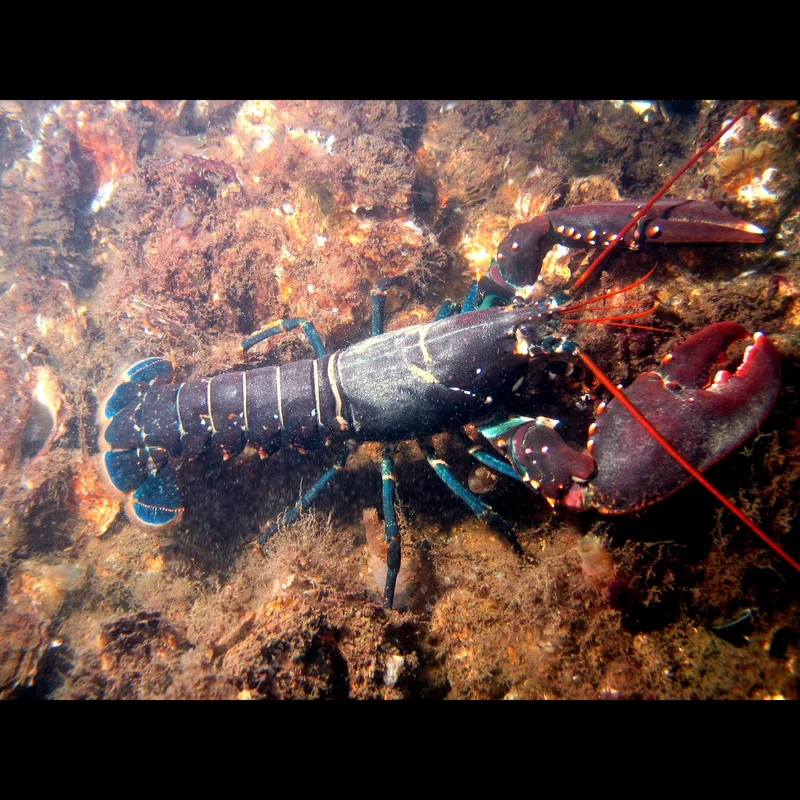
Exploring the nooks and crannies of the gully often reveals small lobsters and various specimens of gobies tucked away. Encounters with larger marine life, such as scorpionfish, are not uncommon on the sandy bottom sections.
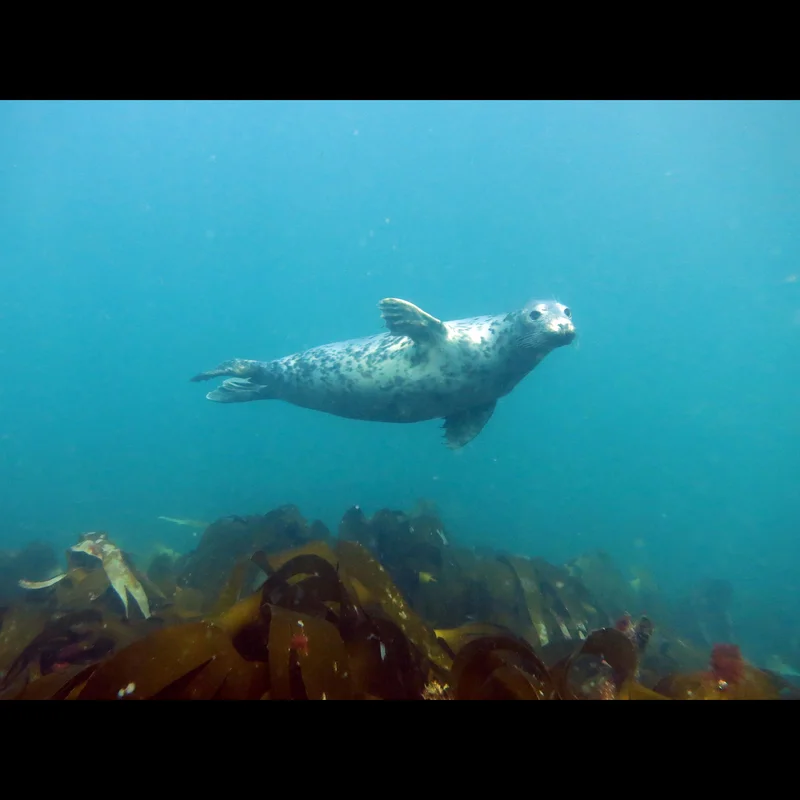
On occasion, a lone seal might approach, inspecting divers with curiosity before darting off. These tidal currents, carrying nutrients, contribute significantly to the site's thriving ecosystem, ensuring a dynamic display of temperate water species.

Dive Sites Near Nest Ends Gully
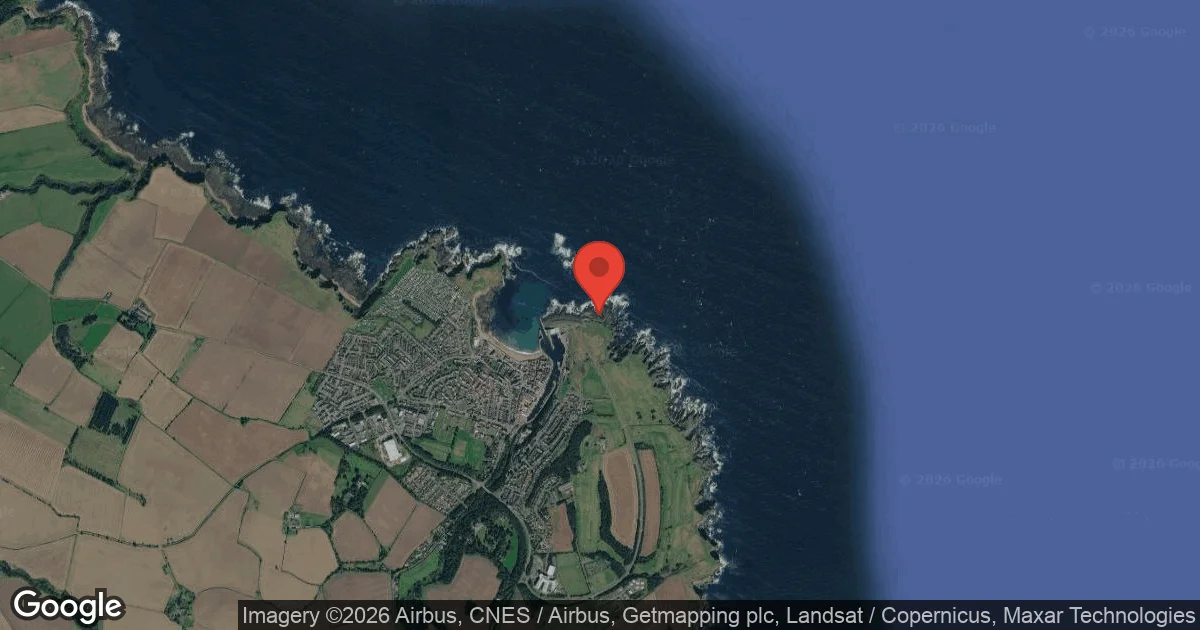
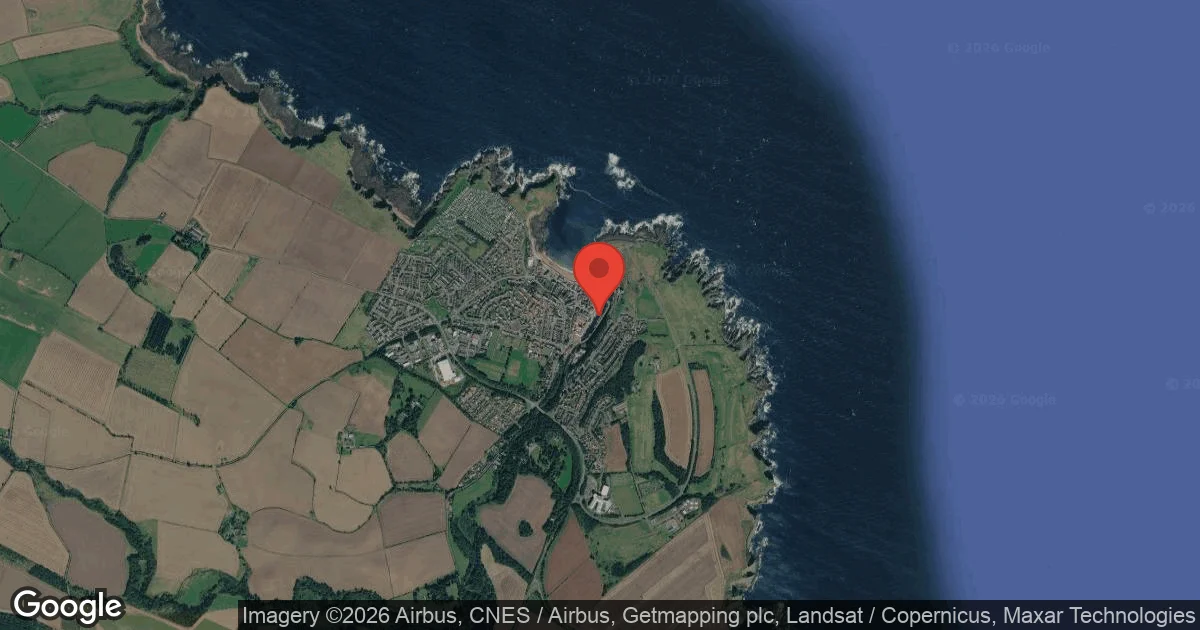
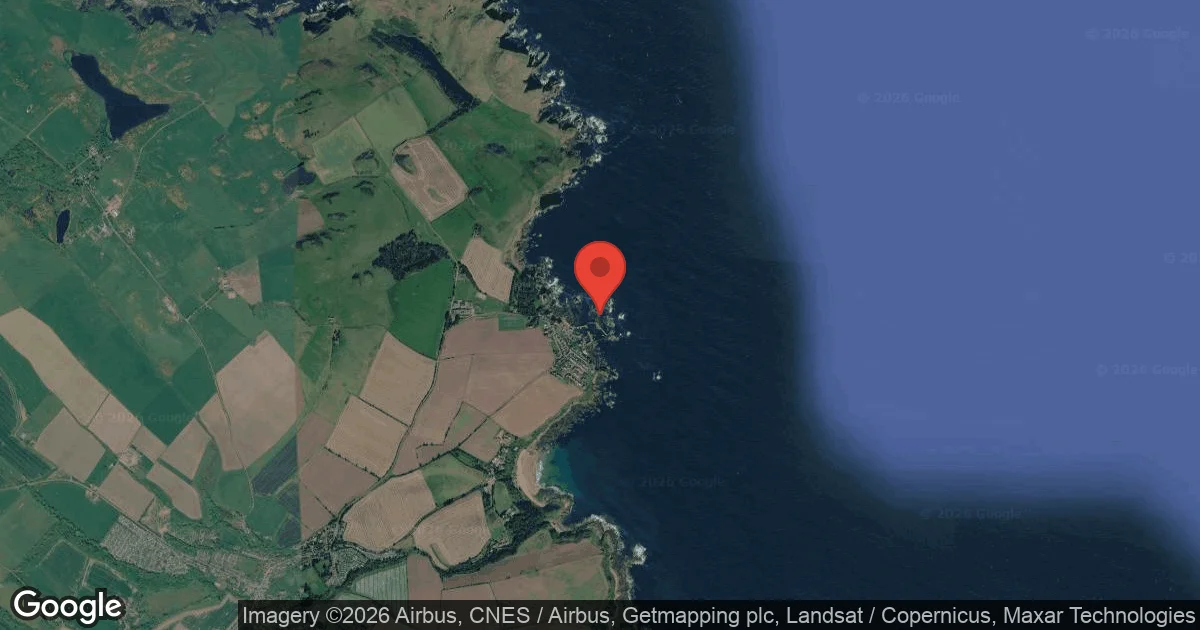
View all dive sites in United KingdomDiscover more underwater gems in this area.
Dive Centers Near Nest Ends Gully
Today: 11:00 - 23:00
Nearest Airports
Nearest airports to help plan travel to this dive area.
Search Flights
Check available flights and routes on Expedia, using the nearby airports listed in this section.
Search Flights on ExpediaFrequently Asked Questions
Is Nest Ends Gully suitable for beginners?
Yes, it's considered a relatively safe and sheltered shore dive. Its easy access and defined gully make it suitable for a wide range of diver experiences, including those new to UK diving.
What is the maximum depth at Nest Ends Gully?
The gully typically bottoms out on a sandy area at around 15 m (50 ft). Shallower sections are also abundant for longer dive times.
How is the visibility at this dive site?
Visibility varies but can be excellent, sometimes reaching 14 m (46 ft) after calm weather. However, heavy diver traffic or swell can stir up sediment, reducing it to about 10 m (33 ft).
Are there strong currents at Nest Ends Gully?
Tidal currents can be felt, particularly during an ebbing tide. Divers should be mindful of the tide schedule to plan for optimal conditions.
What kind of marine life can I expect to see?
Divers often observe thick kelp forests, white and orange deadman's fingers, small lobsters, gobies, and occasionally scorpionfish. Seals have also been known to make appearances.
How do I access the water at Nest Ends Gully?
Water access is gained via a concrete path that covers an old sewer pipe. At low tide, a rock gap at the end of this path may be a tight squeeze. Parking is limited and requires a steep walk.
Is the dive site still accessible after the road closures?
Yes, while the original road was closed, the Eyemouth Harbour Trust confirmed that access has been rerouted. The dive site remains accessible for divers.
Planning to dive Nest Ends Gully?
Send one inquiry and receive offers directly from the best verified local dive operators.
Conditions are Good
High Wind Advisory (44km/h). Unsafe surface.
Current conditions near Nest Ends Gully show 12° air, 15° sea temperature, 0.8 m waves, and 44 km/h wind. Forecast data is refreshed regularly to ensure accuracy.