
Diving at Eyemouth Boat Trips to St Abbs (United Kingdom)
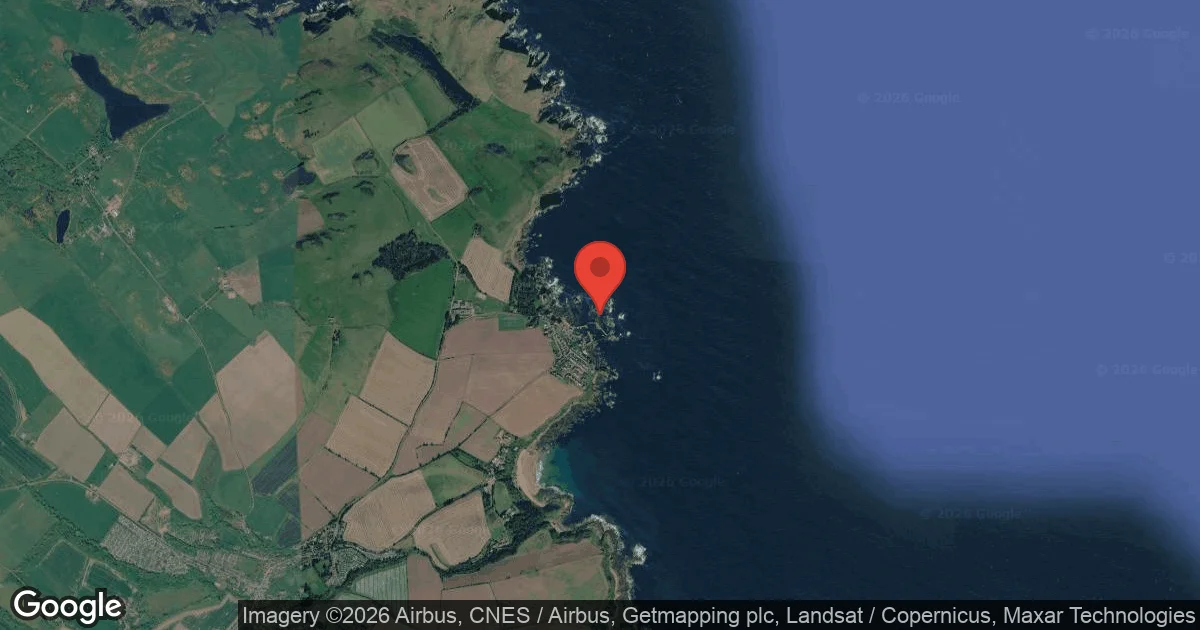
Boat trips from Eyemouth Harbour provide access to the Berwickshire Voluntary Marine Reserve, which encompasses a variety of dive sites reaching St Abbs. This area features diverse underwater landscapes, including dramatic reefs, vertical walls, and fascinating wrecks. Divers can explore channels or experience drift dives, all within a protected environment designed to preserve its unique biodiversity. Access to these sites is primarily by charter vessels, departing regularly from the harbour.
Evening condition tracking at Eyemouth Boat Trips to St Abbs features an air temperature of 13.5°C. We have recorded wave heights measuring 0.5 m during this period. These figures outline the environmental parameters currently present.
Dive Site Location & Key Facts
Dive Site Overview
Tracing a significant maritime incident, the Glanmire wreck serves as a central point of interest for divers visiting the St Abbs and Eyemouth area. Built in 1888 as an armed steamer, the vessel met its end on July 25, 1912, when heavy fog caused it to strike the Black Carr Rocks.
Although all crew and passengers survived the incident, the Glanmire ultimately sank off St Abbs Head, coming to rest at depths ranging from 20 to 35 m (65-115 ft). Today, this large steamer wreck offers a historical journey, presenting well-preserved features such as intact deck-planking, sections of cranes, boilers, and a four-bladed propeller.
Beyond this notable shipwreck, the marine reserve offers extensive opportunities for reef, wall, and channel diving, showcasing the diverse underwater topography that characterizes this Scottish coastline.
Conditions are Good
Optimal conditions expected
Current conditions near Eyemouth Boat Trips to St Abbs show 13° air, 15° sea temperature, 0.6 m waves, and 28 km/h wind. Forecast data is refreshed regularly to ensure accuracy.
Best Time to Dive
Planning a dive trip to Eyemouth and St Abbs largely depends on seeking milder weather to enhance the overall experience. The period from April through September generally provides the most favorable conditions for diving. During these months, average air temperatures rise, ranging from approximately 8.5°C (47°F) in April to a peak of 16°C (61°F) in August, then settling around 13.5°C (56°F) in September. Wave heights typically decrease, and rainfall averages are among the lowest of the year, usually below 2 mm (0.08 inches) per day. While diving is possible year-round, the colder months, particularly October through March, see air temperatures drop considerably, often accompanied by higher wind speeds, increased wave activity, and more frequent rainfall, potentially impacting boat trips and surface comfort.
PEAK SEASON SCORE
Scores combine air & water temps, waves, wind & rainfall for overall conditions.
BEST MONTHS TO DIVE
Monthly records compiled from satellite and marine observation nodes over the last 3 years. Data provided by Open-Meteo and MET Norway.
Dive Experience & Conditions
Descending into the waters off St Abbs and Eyemouth reveals a vibrant, protected environment. Divers typically encounter generally good visibility, allowing for clear views of the underwater structures. The Glanmire wreck lies within recreational to advanced technical diving depths, ranging from 20 to 35 m (65-115 ft), where moderate currents can be present. Understanding slack water times, which occur three hours after high water or two hours after low water at Eyemouth, is crucial for planning dives on sites with current. The colder North Sea temperatures necessitate appropriate exposure protection, ensuring comfort throughout the dive. As one explores, soft corals and dead man's fingers often adorn the reefs, with various anemones adding splashes of color. Deeper areas sometimes reveal vast blankets of brittle starfish covering the seabed.
Dive Difficulty & Safety Guidelines
Ensuring a safe dive experience in the waters off St Abbs requires adherence to appropriate training and careful planning. Due to the depths involved, particularly at sites like the Glanmire wreck which reaches around 30 m, divers should possess certifications such as PADI Advanced Open Water or BSAC Sports Diver. It's essential to plan dives around slack water to manage potential moderate currents effectively; specific timings are available based on local high and low tides.
While conditions are generally good, being prepared for colder water temperatures is critical for comfort and safety. The popularity of these sites can sometimes mean busier conditions, requiring heightened situational awareness among diving groups.
Recommended Equipment
Overhead / entanglement risk. Wreck penetration requires proper training.
Current and surface separation risk. Local briefing strongly recommended.
- Dive Computer
- DSMB
- Primary & Backup Lights
- Wreck Reel
- Reel / Spool
- Cutting Tool
This gear list is based on verified equipment signals for Eyemouth Boat Trips to St Abbs, United Kingdom. Always confirm final gear choices with your dive operator, guide, or liveaboard.
Recommended Dive Suit
Temperatures look set to gradually increase over the next several days. A warming trend is expected over the next few days.
For typical recreational dives, 5-7mm wetsuit generally provides comfortable insulation. Consider warmer surface protection (like a boat coat) due to brisk winds. A thermal robe or jacket is recommended between dives.
At Eyemouth Boat Trips to St Abbs, the water is currently sitting around 15°C (59°F). Surface air temperatures are resting at 13°C (56°F).
Due to technical issues with our weather providers, data hasn't been fetched for over 48 hours. The data above reflects the conditions at the time of the last successful fetch.
Emergency & Medical Support
Essential information to help you plan your dive trip to Eyemouth Boat Trips to St Abbs.

Hyperbaric chambers are a critical part of dive safety infrastructure. Availability varies significantly by region, and not all dive areas have immediate access.
Before diving, it's recommended to:
- confirm nearest medical facilities
- check emergency procedures with local dive operators
- ensure dive insurance covers evacuation if required
Divers Alert Network
Diving emergency assistance available through DAN Europe.
+39 0642115685- 24/7 emergency hotline
- Diving medical assistance
- Evacuation coordination
Emergency contacts are provided for reference. Always verify local emergency services before diving.
Closest Listed Hyperbaric Chambers
Showing listed hyperbaric chamber facilities within 200 km of this dive site.
Distances are approximate straight-line distances and may not reflect emergency travel time.
Aberdeen Royal Infirmary
Aberdeen, United Kingdom•Approx. 143 km straight-line
Aberdeen Royal Infirmary
Information is provided for reference and planning purposes only. Dive Navigator does not verify operational status, staffing, availability, or quality of care at listed facilities. In an emergency, contact local emergency services, DAN, your dive operator, or the chamber directly. Do not travel to a facility without calling ahead.
Marine Life at Eyemouth Boat Trips to St Abbs
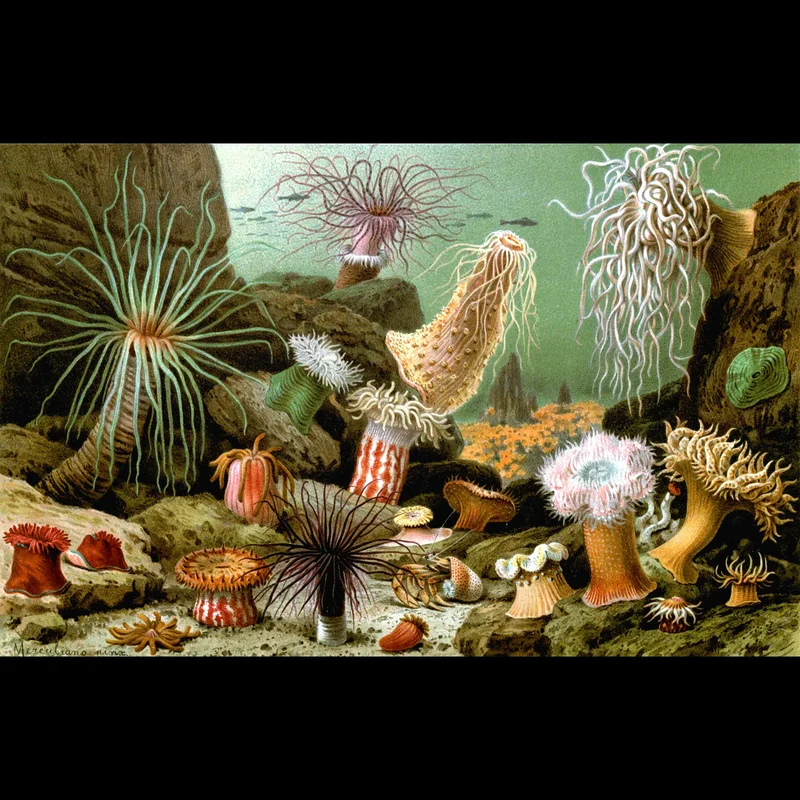
As you begin your exploration, the reefs immediately capture attention with abundant soft corals and distinctive dead man's fingers, creating a textured, colorful landscape. Anemones of various species cling to the rock faces, adding dynamic visual interest.
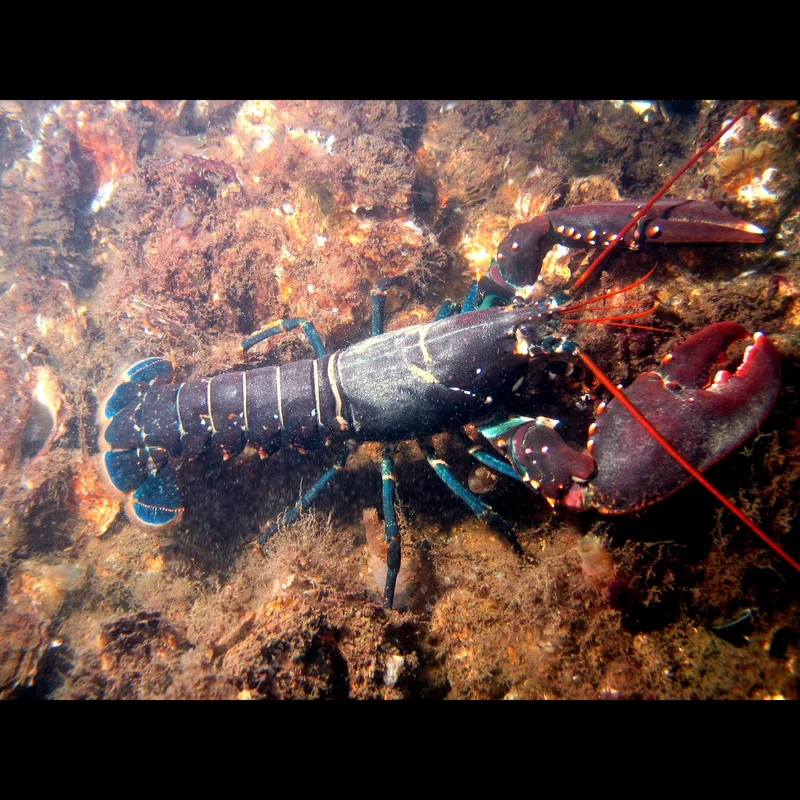
In shallower sections, and occasionally deeper, you'll spot extensive blankets of brittle starfish, a common and striking feature of the seabed. Keep an eye out for specific marine life; lobsters and ling are often observed around the Glanmire wreck.
The area also holds the possibility of encountering the elusive wolf fish, especially in crevices and overhangs.

Dive Sites Near Eyemouth Boat Trips to St Abbs
View all dive sites in United KingdomDiscover more underwater gems in this area.
Dive Centers Near Eyemouth Boat Trips to St Abbs
Today: 11:00 - 23:00
Nearest Airports
Nearest airports to help plan travel to this dive area.
Search Flights
Check available flights and routes on Expedia, using the nearby airports listed in this section.
Search Flights on ExpediaFrequently Asked Questions
What dive types are available around Eyemouth and St Abbs?
The area offers a variety of dive experiences including wreck, drift, reef, and wall diving. There are also specific channel dives available, all accessible via boat trips from Eyemouth Harbour.
What certifications are recommended for diving the Glanmire wreck?
Due to its maximum depth of 35 m (115 ft) and potential for moderate currents, the Glanmire wreck is suitable for divers holding PADI Advanced Open Water or BSAC Sports Diver certifications.
What marine life can divers expect to see?
Divers can expect to see a rich array of marine life including soft corals, dead man's fingers, and various anemones. Lobsters, ling, and extensive blankets of brittle starfish are common, with a chance to spot the elusive wolf fish.
How deep are the dives in this area?
Dive depths vary significantly. For instance, the Glanmire wreck ranges from 20 to 35 m (65-115 ft), while other sites within the marine reserve offer shallower and deeper sections.
What are the typical water conditions and visibility?
Visibility is generally good in the area. Water temperatures are cold, typical of the North Sea, necessitating appropriate thermal protection. Moderate currents can be present, making slack water planning important.
Are there facilities for divers in Eyemouth?
Yes, Eyemouth offers facilities like boat charters, bunk-room accommodation for divers, a lounge, and efficient drying rooms for gear. Gas mixing stations providing air, Nitrox, and Trimix are also available on site.
How do divers access the dive sites?
Access to the dive sites, including the Glanmire wreck and various reefs, is primarily by boat. Charters operate from Eyemouth Harbour, and slipways are also available at St Abbs and Eyemouth for launching.
Planning to dive Eyemouth Boat Trips to St Abbs?
Send one inquiry and receive offers directly from the best verified local dive operators.
Conditions are Good
Optimal conditions expected
Current conditions near Eyemouth Boat Trips to St Abbs show 13° air, 15° sea temperature, 0.6 m waves, and 28 km/h wind. Forecast data is refreshed regularly to ensure accuracy.