
Diving at St Abbs (United Kingdom)
St Abbs presents a captivating challenge for divers eager to explore Scotland's dynamic underwater landscape. Navigating this coastline means embracing cool, nutrient-rich waters and variable conditions. It's a destination for those who appreciate robust marine environments and the satisfaction of mastering northern temperate diving. Prepare for an engaging dive that rewards preparedness with striking visuals.
Tonight's objective overview for St Abbs shows an air temperature of 16°C. The measured surface conditions include wave heights around 0.4 m. This environmental data is logged for the close of the day.
Dive Site Location & Key Facts
Dive Site Overview
Imagine descending into the remarkably clear waters of St Abbs, a dive that begins to unveil Scotland's rugged marine reserve. Here, the underwater topography mirrors the dramatic cliffs above, with numerous rocky outcrops extending from the surface down to depths often exceeding 18m (60ft).
These structures create a labyrinth of swim-throughs and sheltered nooks awaiting exploration. Dives frequently concentrate around the pier area, especially along the back of the harbour wall, offering extensive opportunities for various skill levels. Visibility in these temperate waters can be surprisingly good, with reports of 10m (33ft) or more, allowing divers to clearly appreciate the vibrant, encrusting life that clings to the rock faces.
A gritty seabed, rather than a purely sandy one, contributes to this clarity by minimizing stirred-up sediment. Dive sites like Cathedral Rock and its neighboring formations provide intricate underwater landscapes.
Exploring these features reveals a complex environment where light filters through crevices, illuminating diverse invertebrate communities in shades of green and orange. This shore dive feels expansive, inviting repeated visits to discover its many facets within the Berwickshire Marine Reserve.
Divers of all abilities can find suitable sections, from shallower zones starting at around three meters to deeper recreational depths, each offering a distinct perspective on this vibrant cold-water ecosystem.
Conditions are Good
High Wind Advisory (44km/h). Unsafe surface.
Current conditions near St Abbs show 16° air, 15° sea temperature, 0.7 m waves, and 44 km/h wind. Forecast data is refreshed regularly to ensure accuracy.
Best Time to Dive
While St Abbs offers diving opportunities year-round, conditions contrast significantly across seasons. The period from April through September generally presents the most favorable diving scores, peaking in May, June, August, and September, which consistently register "Good" dive scores. During these months, air temperatures are more agreeable, ranging from approximately 8°C (46°F) in April to a high of around 15.5°C (60°F) in August. Wave heights are typically lower, averaging between 0.6 and 1.0 meter, roughly two to three feet, reducing surface chop and making boat entries smoother. Rainfall also tends to be lighter, with monthly averages often below 2.5mm (0.1 inches) from May to September, contributing to more pleasant topside conditions. Conversely, the winter months, particularly January, October, November, and December, see "Moderate" dive scores due to colder air temperatures, higher wind speeds (up to 33.3 km/h or 20.7 mph in December), and increased wave activity, sometimes exceeding 1.2 meters, or about four feet. Planning for the warmer, calmer months will generally provide a more comfortable experience, though experienced cold-water divers might appreciate the quieter sites during off-peak times, accepting the trade-off of potentially rougher seas.
PEAK SEASON SCORE
Scores combine air & water temps, waves, wind & rainfall for overall conditions.
BEST MONTHS TO DIVE
Monthly records compiled from satellite and marine observation nodes over the last 3 years. Data provided by Open-Meteo and MET Norway.
Dive Experience & Conditions
Underwater, the experience at St Abbs is characterized by dynamically clear water, which can exceed ten meters visibility, especially close to the surface where moon jellyfish might be observed dancing. The varied rocky outcrops form the backbone of these dive sites, creating an intricate landscape from shallow areas to deeper reaches. These formations extend from above the water down to a gritty seabed. Water temperatures are typical for temperate northern regions; they are not consistently reported but generally fall within the cooler range. Wave height averages range significantly throughout the year, from as low as 0.6 meters in summer to over 1.4 meters during winter, influencing entry and exit ease for both shore and boat dives. Wind speeds also vary, impacting surface conditions and boat transfers; expect averages between 20 km/h (12 mph) in May and 33 km/h (20 mph) in December. Such dynamic elements mean conditions can shift rapidly, requiring divers to remain adaptable and situationally aware, particularly with regard to currents that might be present around the outcrops and along the coastline.
Dive Difficulty & Safety Guidelines
Effective preparation is fundamental for diving safely at St Abbs, especially given its variable conditions. This site, with its rugged coastline and exposed rocky outcrops, necessitates careful dive planning. Always assess local conditions, including wave height and wind speed, before entering the water; stronger winds, exceeding 30 km/h (18 mph) in certain months, can create challenging surface conditions and make boat travel difficult.
Staying within your certification limits and understanding the local tidal patterns is crucial, as currents can be a factor around the rock formations and throughout the Berwickshire Marine Reserve. Diving here often involves shore entries or boat trips from Eyemouth Harbour; coordinating with local dive operators familiar with specific site behaviors is highly recommended.
It's important to respect the marine reserve guidelines to ensure minimal impact on the delicate ecosystem. Maintain situational awareness throughout your dive, especially when navigating around the extensive rocky structures.
Recommended Equipment
- Dive Computer
- DSMB
- Hard-soled Dive Boots
This gear list is based on verified equipment signals for St Abbs, United Kingdom. Always confirm final gear choices with your dive operator, guide, or liveaboard.
Recommended Dive Suit
Water temperatures at St Abbs are currently estimated to be around 15°C (58°F), shaping the overall diving conditions for today. Surface air temperatures are resting at 16°C (61°F).
Many divers choose 7mm wetsuit or semidry when diving in similar conditions. Consider warmer surface protection (like a boat coat) due to brisk winds. A thermal robe or jacket is recommended between dives.
Forecast models show minimal temperature variation in the coming days.
Emergency & Medical Support
Essential information to help you plan your dive trip to St Abbs.

Hyperbaric chambers are a critical part of dive safety infrastructure. Availability varies significantly by region, and not all dive areas have immediate access.
Before diving, it's recommended to:
- confirm nearest medical facilities
- check emergency procedures with local dive operators
- ensure dive insurance covers evacuation if required
Divers Alert Network
Diving emergency assistance available through DAN Europe.
+39 0642115685- 24/7 emergency hotline
- Diving medical assistance
- Evacuation coordination
Emergency contacts are provided for reference. Always verify local emergency services before diving.
Closest Listed Hyperbaric Chambers
Showing listed hyperbaric chamber facilities within 200 km of this dive site.
Distances are approximate straight-line distances and may not reflect emergency travel time.
Aberdeen Royal Infirmary
Aberdeen, United Kingdom•Approx. 140 km straight-line
Aberdeen Royal Infirmary
Information is provided for reference and planning purposes only. Dive Navigator does not verify operational status, staffing, availability, or quality of care at listed facilities. In an emergency, contact local emergency services, DAN, your dive operator, or the chamber directly. Do not travel to a facility without calling ahead.
Marine Life at St Abbs
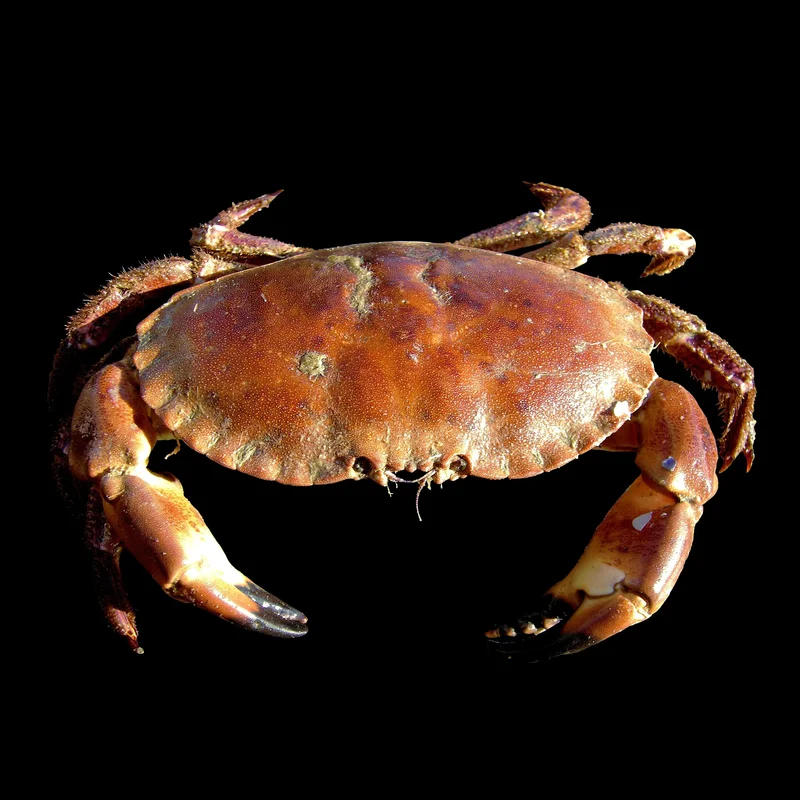
St Abbs reveals a rich tapestry of marine life against its rocky underwater backdrop. Divers can anticipate encounters with a variety of invertebrates, with starfish and crabs commonly observed navigating the diverse reef structures.
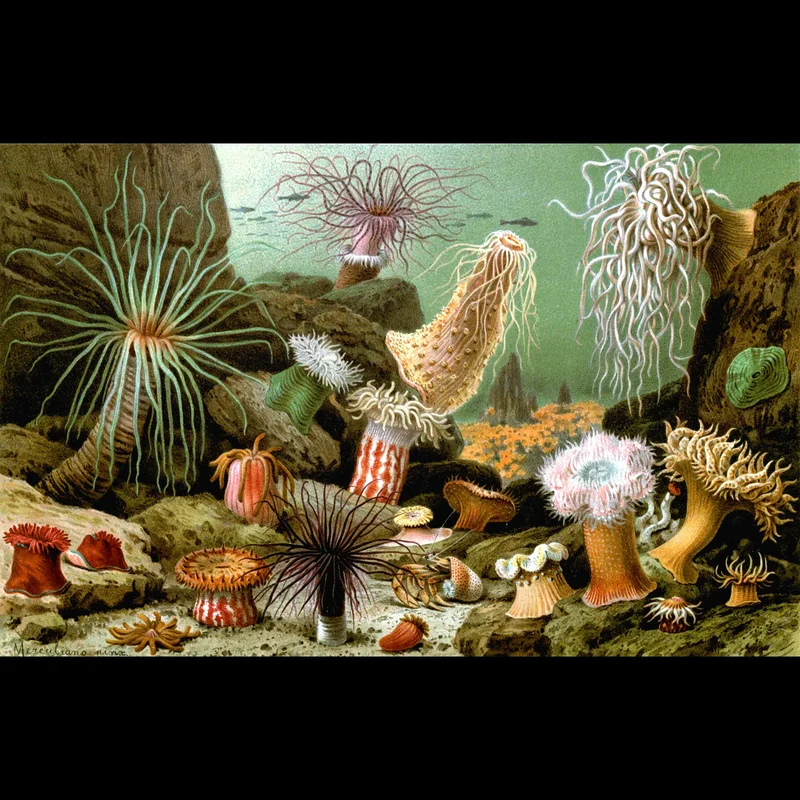
Sea anemones cling to the rocky outcrops, adding bursts of color and texture to the environment, creating vivid underwater gardens. The clear surface waters have also been noted for the presence of moon jellyfish, gracefully drifting with the currents.
While specific fish species aren't consistently reported, the habitat created by the complex rock formations provides ample shelter and feeding grounds, encouraging a healthy ecosystem. Look closely at the crevices and under ledges to discover smaller, more cryptic creatures that thrive in this productive cold-water environment, often camouflaged amongst the growth.

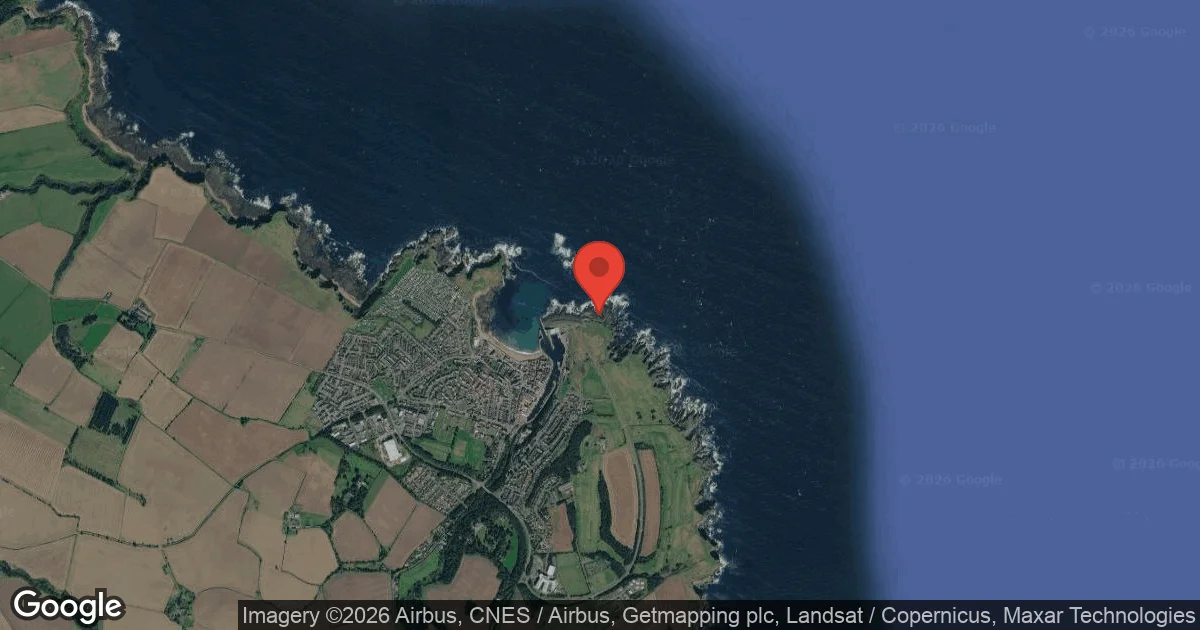
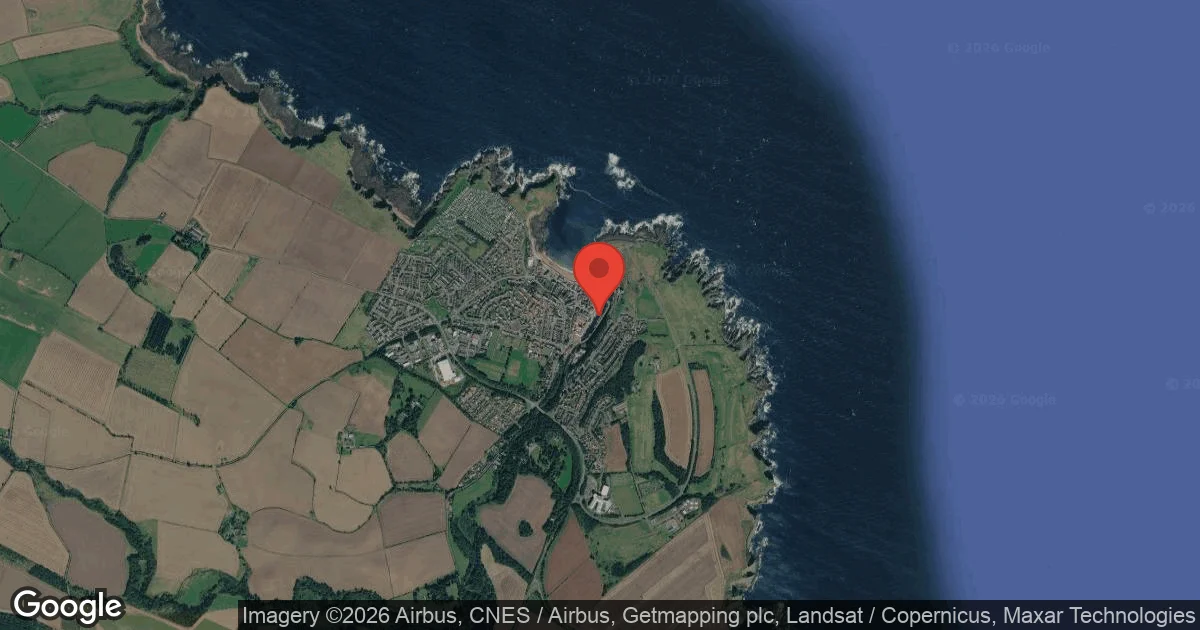
Dive Sites Near St Abbs
View all dive sites in United KingdomDiscover more underwater gems in this area.
Dive Centers Near St Abbs
Today: 11:00 - 23:00
Nearest Airports
Nearest airports to help plan travel to this dive area.
Search Flights
Check available flights and routes on Expedia, using the nearby airports listed in this section.
Search Flights on ExpediaFrequently Asked Questions
What is the typical depth range for diving at St Abbs?
Dive sites around St Abbs offer a range of depths suitable for various certifications. Depths typically span from 3m (10ft) in shallower sections to over 18m (60ft) in deeper areas, often descending along rocky outcrops.
How is the visibility generally at St Abbs?
Visibility at St Abbs can be quite good for a temperate site, with reports of over ten meters. Surface visibility has also been noted to be clear enough to spot marine life from above.
What marine life can I expect to see at St Abbs?
The marine environment supports various invertebrates. Divers frequently encounter starfish, crabs, and sea anemones. Moon jellyfish are sometimes visible near the surface.
Are there any specific dive sites I should know about?
Cathedral Rock and its neighboring rock formations are prominent dive sites mentioned in the area. These sites feature diverse rocky outcrops extending to the seabed.
What are the best months for diving here?
The most favorable months for diving, with "Good" dive scores and calmer conditions, are generally April through September. During this period, air temperatures are milder, and wave heights are typically lower.
Is St Abbs suitable for beginner divers?
Yes, St Abbs offers dive sites that cater to various abilities. While deeper sections are available, shallower areas starting at three meters can be suitable for less experienced divers under proper guidance.
Planning to dive St Abbs?
Send one inquiry and receive offers directly from the best verified local dive operators.
Conditions are Good
High Wind Advisory (44km/h). Unsafe surface.
Current conditions near St Abbs show 16° air, 15° sea temperature, 0.7 m waves, and 44 km/h wind. Forecast data is refreshed regularly to ensure accuracy.