
Diving at St Abbs Marine Park (United Kingdom)
Established as Britain's inaugural Voluntary Marine Reserve in 1984, St Abbs Marine Park holds a distinctive status. This designation, predating official Marine Protected Area classifications by decades, underpins its well-preserved underwater environment. Divers here encounter a unique blend of historical commitment to conservation and thriving biodiversity, setting it apart within the UK's dive landscape.
Evening condition tracking at St Abbs Marine Park features an air temperature of 15.5°C. We have recorded wave heights measuring 0.5 m during this period. These figures outline the environmental parameters currently present.
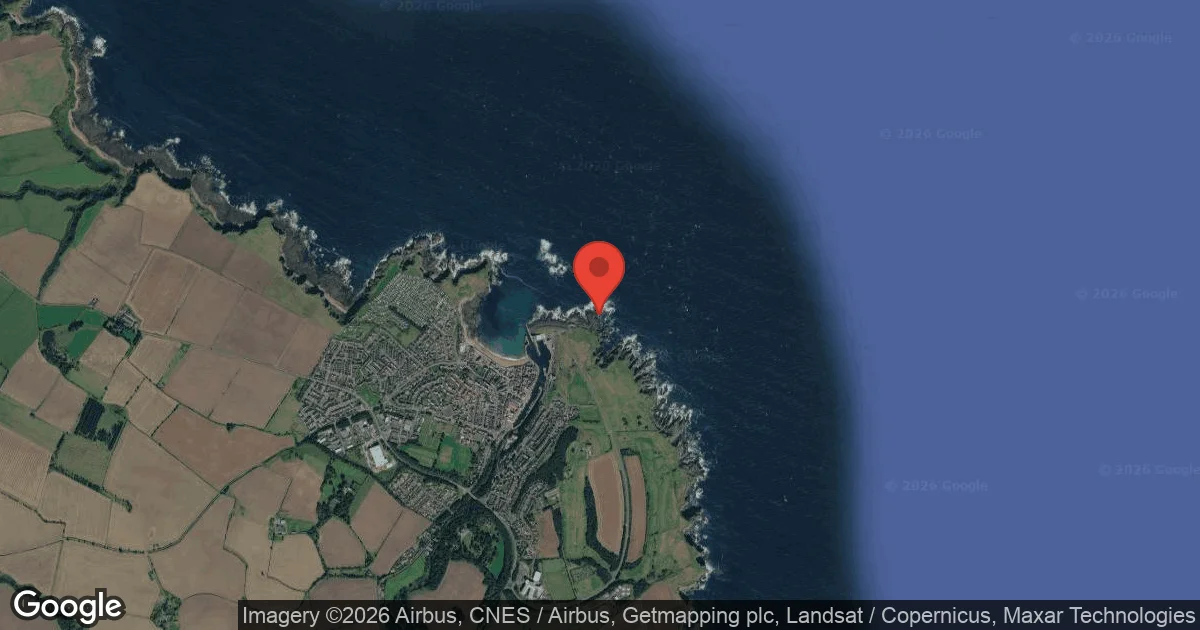
Dive Site Location & Key Facts
Dive Site Overview
Exploring St Abbs Marine Park reveals a diverse underwater world, a testament to its long-standing protected status. Established as Britain's first Voluntary Marine Reserve in 1984, the park's conservation relies on a community-driven Code of Practice, which divers are encouraged to follow.
This commitment directly influences the health and diversity of the dive sites encountered. Divers here discover a wide variety of experiences, from exploring dramatic wall formations to navigating intricate reef systems that support diverse local marine life. For more adventurous individuals, intriguing cave systems offer unique exploration opportunities, and numerous wrecks provide historical insight beneath the waves.
Specific sites like Cathedral Rock exemplify the geological complexity available. Access to these diverse locations is predominantly via local dive boats operating directly from St Abbs harbor.
Many vessels are well-equipped, featuring facilities that streamline entry and exit for divers, particularly for those accessing more distant or deeper sections. Its varied terrain ensures options suitable for all skill levels; some sheltered areas are ideal for less experienced divers, while deeper, more exposed sections cater to advanced certifications.
Consistently good visibility often enhances the experience across these varied underwater landscapes.
Conditions are Good
Optimal conditions expected
Current conditions near St Abbs Marine Park show 16° air, 15° sea temperature, 0.6 m waves, and 31 km/h wind. Forecast data is refreshed regularly to ensure accuracy.
Best Time to Dive
Planning a dive trip to St Abbs often revolves around the more favorable conditions typically experienced from spring through early autumn. Dive scores indicate 'Good' conditions during months like February through September, with peak scores (8) consistently reported from April to September. During this period, average air temperatures climb from 8°C (46°F) in April to 15.5°C (60°F) in August, creating a more comfortable surface environment. Wave heights are generally lower, averaging between 0.6 m (2.0 ft) and 1.0 m (3.3 ft) from April to September, which can make boat entries and exits smoother. Wind speeds also tend to decrease, dropping to around 20-25 km/h (12-16 mph) in the summer months, and rainfall is at its lowest, particularly in May, June, and September. While water temperatures aren't consistently reported, these months typically offer the calmest and most accessible diving experiences.
PEAK SEASON SCORE
Scores combine air & water temps, waves, wind & rainfall for overall conditions.
BEST MONTHS TO DIVE
Monthly records compiled from satellite and marine observation nodes over the last 3 years. Data provided by Open-Meteo and MET Norway.
Dive Experience & Conditions
Exploring the underwater realm here reveals a diverse topography, encompassing dramatic walls, vibrant reefs, and intriguing caves. Depths commonly encountered fall within the recreational range, though specific sites can lead to deeper sections. Visibility can often be remarkably clear; at the surface, moon jellyfish are sometimes visible from above, indicating good water clarity. During descents into the deeper sections, divers should anticipate cooler water temperatures, which vary depending on the season and specific dive site. Current conditions can fluctuate, particularly during drift dives, requiring divers to be proficient in managing varying water movements. Surface wave heights average between 0.6 m (2.0 ft) and 1.4 m (4.6 ft) throughout the year, with calmer periods in summer, influencing overall site accessibility.
Dive Difficulty & Safety Guidelines
Diving within St Abbs Marine Park requires adherence to the established Code of Practice, which is crucial for preserving its protected marine life. Divers should always plan their dives conservatively, accounting for potential cold water conditions and variable visibility. Always confirm local tidal charts and current forecasts before entering the water, especially when planning drift dives.
Because it is a cold water environment, proper thermal protection is paramount for diver safety and comfort. Staying within your certified limits and never diving alone are fundamental safety tenets here. Respecting the marine ecosystem ensures future generations can also enjoy this exceptional site.
Recommended Equipment
Overhead / entanglement risk. Wreck penetration requires proper training.
Overhead environment. Do not enter beyond training and gas planning limits.
Current and surface separation risk. Local briefing strongly recommended.
- Dive Computer
- DSMB
- Primary & Backup Lights
- Wreck Reel
- Reel / Spool
- Cutting Tool
This gear list is based on verified equipment signals for St Abbs Marine Park, United Kingdom. Always confirm final gear choices with your dive operator, guide, or liveaboard.
Recommended Dive Suit
Exposure protection is partly a personal preference.
7mm wetsuit or semidry typically provides a reliable level of thermal protection for dives here. A hood or vest is suggested for sensitive divers due to surface winds. A thermal robe or jacket is recommended between dives. Weather models currently point toward consistent diving conditions over the next several days.
Water temperatures across the dive area at St Abbs Marine Park are presently estimated to be around 15°C (59°F). Surface air temperatures are resting at 16°C (60°F).
Due to technical issues with our weather providers, data hasn't been fetched for over 48 hours. The data above reflects the conditions at the time of the last successful fetch.
Emergency & Medical Support
Essential information to help you plan your dive trip to St Abbs Marine Park.

Hyperbaric chambers are a critical part of dive safety infrastructure. Availability varies significantly by region, and not all dive areas have immediate access.
Before diving, it's recommended to:
- confirm nearest medical facilities
- check emergency procedures with local dive operators
- ensure dive insurance covers evacuation if required
Divers Alert Network
Diving emergency assistance available through DAN Europe.
+39 0642115685- 24/7 emergency hotline
- Diving medical assistance
- Evacuation coordination
Emergency contacts are provided for reference. Always verify local emergency services before diving.
Closest Listed Hyperbaric Chambers
Showing listed hyperbaric chamber facilities within 200 km of this dive site.
Distances are approximate straight-line distances and may not reflect emergency travel time.
Aberdeen Royal Infirmary
Aberdeen, United Kingdom•Approx. 135 km straight-line
Aberdeen Royal Infirmary
Information is provided for reference and planning purposes only. Dive Navigator does not verify operational status, staffing, availability, or quality of care at listed facilities. In an emergency, contact local emergency services, DAN, your dive operator, or the chamber directly. Do not travel to a facility without calling ahead.
Marine Life at St Abbs Marine Park
Descending into the protected waters, divers are immediately struck by the abundant marine life populating the varied underwater structures. Moon jellyfish are frequently observed, sometimes dancing near the surface in clear conditions.
Look closely along the rocky reefs and wall formations for a wide array of smaller invertebrates and fish species. While common sightings can include larger pelagic species like sharks, whales, and dolphins in the broader region, direct sightings on a typical dive may vary.
However, the density of smaller organisms thriving within this protected habitat ensures a captivating experience.
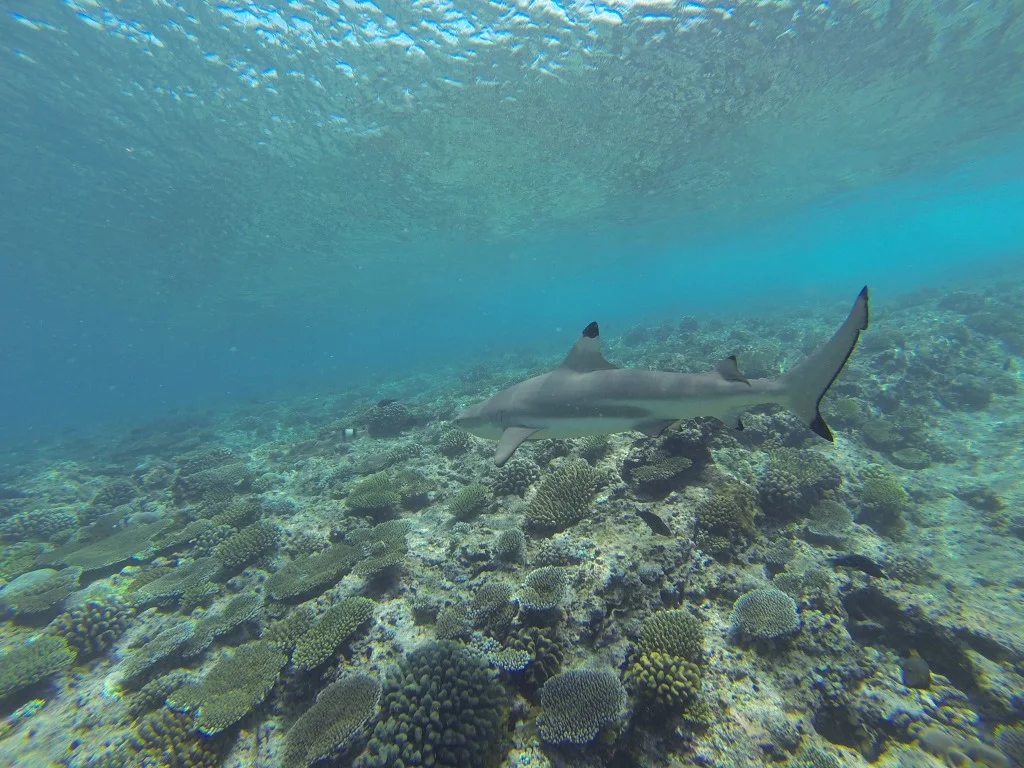
Dive Sites Near St Abbs Marine Park
View all dive sites in United KingdomDiscover more underwater gems in this area.
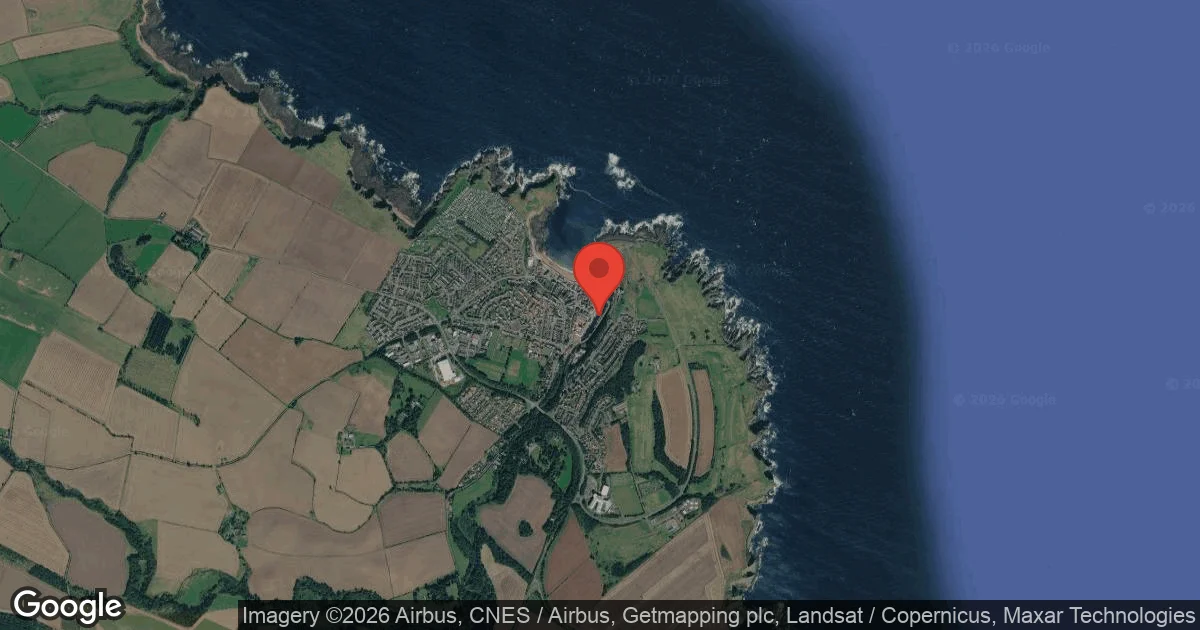
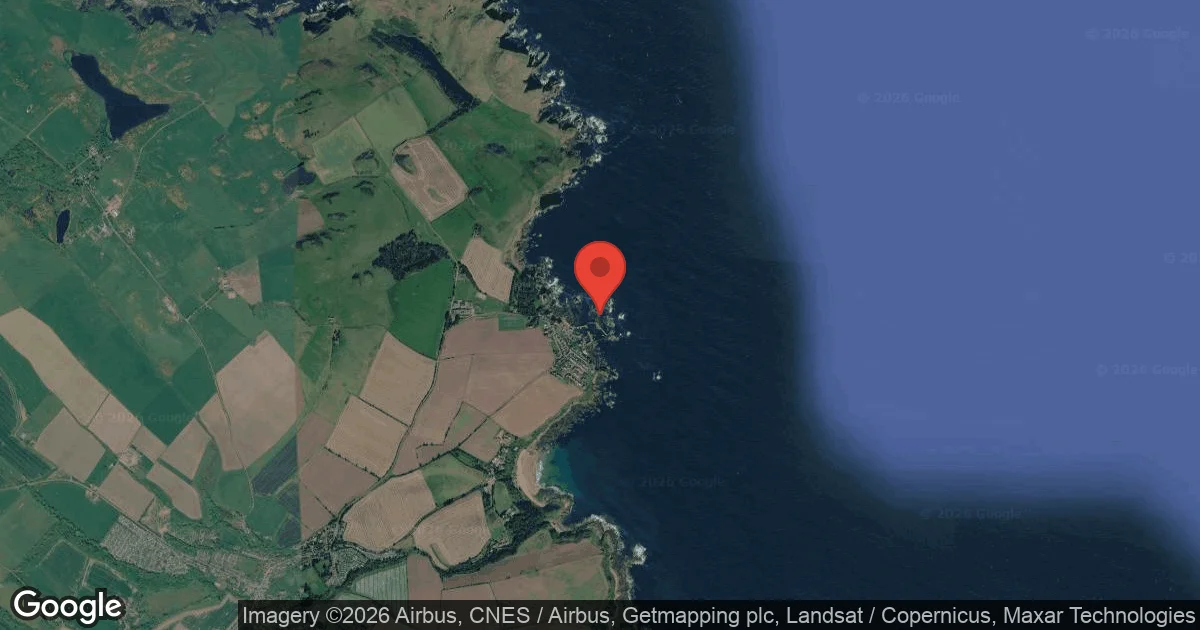
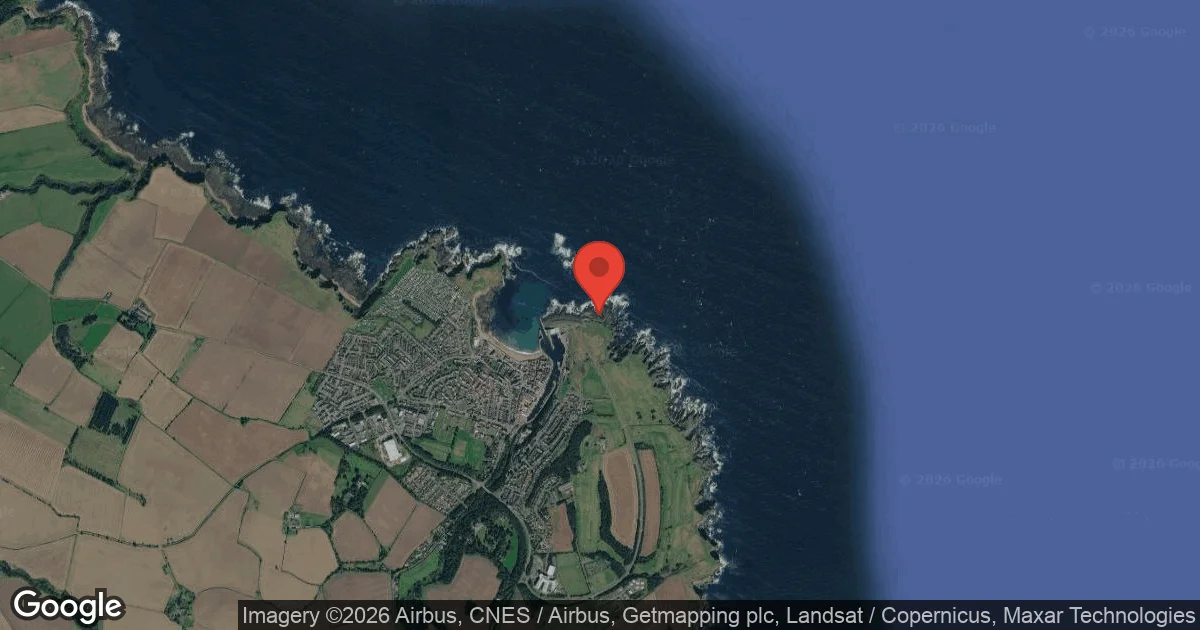
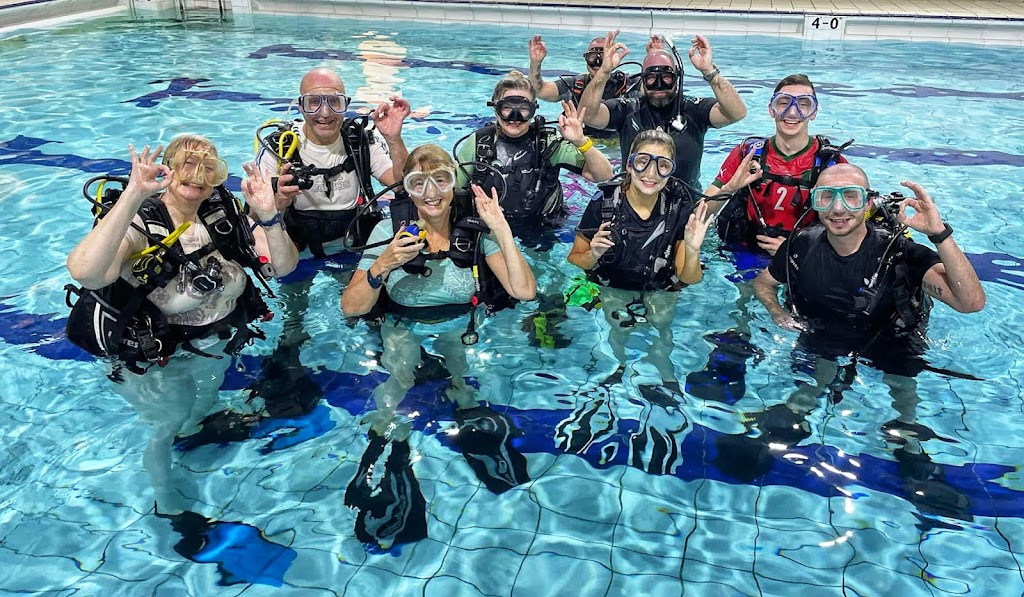
Dive Centers Near St Abbs Marine Park
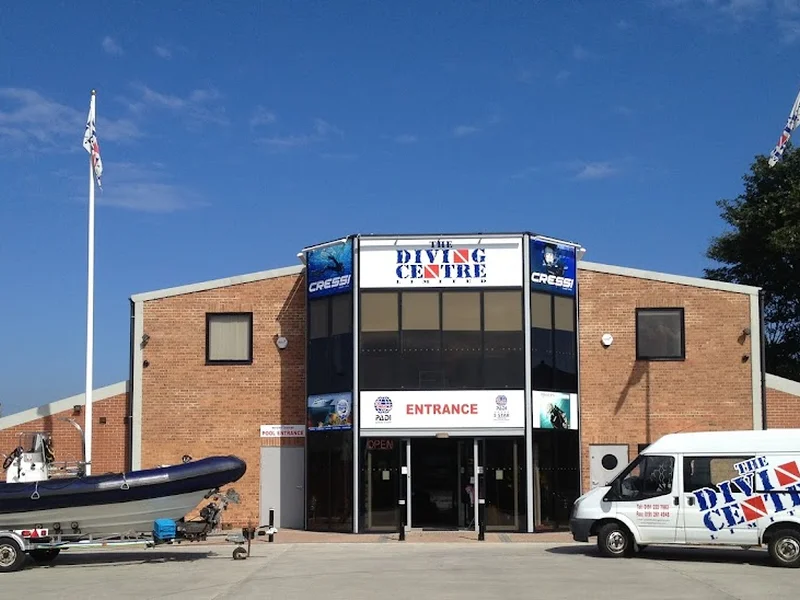
Today: 11:00 - 23:00
Nearest Airports
Nearest airports to help plan travel to this dive area.
Search Flights
Check available flights and routes on Expedia, using the nearby airports listed in this section.
Search Flights on ExpediaFrequently Asked Questions
What types of diving are available at St Abbs Marine Park?
St Abbs offers a diverse range of dive types, including wreck, cave, beach, drift, reef, and wall dives. This variety caters to different experience levels and interests.
What is the typical water temperature?
Specific water temperature data is not consistently reported for St Abbs. However, as a UK dive site, expect cooler water conditions, often requiring substantial thermal protection such as a drysuit.
Is St Abbs suitable for beginner divers?
With its diverse sites, St Abbs can accommodate various skill levels. Some sheltered reef and beach dives are suitable for less experienced divers, while deeper wreck or cave dives are best reserved for advanced certifications.
What marine life can I expect to see?
The park is known for abundant marine life. You can anticipate seeing various reef inhabitants, particularly moon jellyfish, and other invertebrates. While larger animals like sharks, whales, and dolphins are noted as common sightings in the area, direct encounters during a dive are not guaranteed but possible.
How does St Abbs Marine Park's status affect diving?
As Britain's first Voluntary Marine Reserve, its status means divers are encouraged to adhere to a Code of Practice. This commitment to conservation helps protect the marine ecosystem, ensuring a richer diving experience and promoting responsible interaction with the environment.
Are there dive shops or boat charters available in St Abbs?
Yes, St Abbs hosts dive operations, with many divers staying near the harbor and utilizing local charter services. Dive boats are often fully equipped, some even featuring lifts for ease of entry and exit.
Planning to dive St Abbs Marine Park?
Send one inquiry and receive offers directly from the best verified local dive operators.
Conditions are Good
Optimal conditions expected
Current conditions near St Abbs Marine Park show 16° air, 15° sea temperature, 0.6 m waves, and 31 km/h wind. Forecast data is refreshed regularly to ensure accuracy.