
Diving at A H DuMont (United States)
Imagine the cool, invigorating embrace of temperate waters as you descend. A H DuMont calls to divers with a palpable sense of history beneath the waves. This site offers a distinct connection to the ocean's depths, a place where marine life finds refuge and structure. It's an experience defined by discovery and the quiet hum of the underwater world.
As evening covers A H DuMont, the local air temperature is measured at 24°C. The current wave height at the surface is recorded at 0.7 m. These late-day readings characterize the surface conditions for the night.
Dive Site Location & Key Facts
Dive Site Overview
The A H DuMont site forms part of the New Jersey artificial reef program, designed to enhance marine habitats and provide excellent opportunities for both fishing and diving. Intentionally placed structures contribute significantly to local underwater ecosystems.
While specific details on the original deployment of the DuMont structure aren't extensively detailed in available records, its purpose aligns with creating a diverse environment for marine species. Divers exploring this location can expect a maximum recreational depth of around 30 m (100 ft), depending on the exact coordinates and structure. The site's presence as a designated reef helps concentrate marine life, providing a focal point for underwater exploration.
Over time, these artificial reefs become integrated into the natural seafloor, offering shelter and foraging grounds. Understanding its role as a constructed habitat enriches the dive, revealing the dynamic interplay between human effort and natural processes in supporting coastal biodiversity.
Conditions are Good
Optimal conditions expected
Current conditions near A H DuMont show 24° air, 24° sea temperature, 1.2 m waves, and 37 km/h wind. Forecast data is refreshed regularly to ensure accuracy.
Best Time to Dive
For optimal conditions at A H DuMont, planning your dive between July and October typically yields the most favorable experience. July stands out with the highest 'Good' dive score (8), largely due to more settled surface conditions. During these months, average air temperatures range from 21°C (70°F) in September to a pleasant 24°C (75°F) in July, making surface intervals comfortable. Rainfall tends to be lower in July and August, averaging around 2.86 mm (0.11 in) and 1.49 mm (0.06 in) respectively, which generally correlates with better visibility. Conditions become more moderate from November through June, with air temperatures dropping significantly to 2-14°C (36-57°F) and higher average wave heights (1.1 to 1.5 meters). While diving is possible year-round, the warmer air and calmer seas of late summer and early autumn provide a more enjoyable and accessible dive.
PEAK SEASON SCORE
Scores combine air & water temps, waves, wind & rainfall for overall conditions.
BEST MONTHS TO DIVE
Monthly records compiled from satellite and marine observation nodes over the last 3 years. Data provided by Open-Meteo and MET Norway.
Dive Experience & Conditions
Current dynamics at A H DuMont can vary, often influenced by tidal flows and broader oceanic patterns typical of temperate coastal regions. Divers should be prepared for moderate currents, particularly around structures that may funnel water movement. Surface conditions are often dictated by seasonal wind speeds, which average 28.7 km/h (17.8 mph) in July, increasing to 38.9-40.1 km/h (24.2-24.9 mph) in winter months. These winds contribute to wave heights that average around 1.0 m (3.3 ft) in summer, rising to 1.4-1.5 m (4.6-4.9 ft) in spring and winter. Visibility here is not consistently reported but generally ranges from moderate to good, influenced by recent weather and particulate matter in the water column. Cooler water temperatures in the region suggest the use of appropriate thermal protection.
Dive Difficulty & Safety Guidelines
Approaching any artificial reef requires attention to established safety protocols. Always conduct a thorough pre-dive check and ensure your equipment is well-maintained for colder water environments. Due to variable currents, maintaining good buoyancy control is essential to avoid accidental contact with the reef structure.
Dive with a buddy and establish clear communication signals before descent. Plan your dive within no-decompression limits and always monitor your air supply, especially when exploring deeper sections.
Given that this is a documented reef, consulting local dive operators for real-time conditions and specific site information is always a wise expert tip.
Recommended Equipment
- Dive Computer
This gear list is based on verified equipment signals for A H DuMont, United States. Always confirm final gear choices with your dive operator, guide, or liveaboard.
Recommended Dive Suit
3-5mm wetsuit usually provides adequate warmth in water around this temperature. A hood or vest is suggested for sensitive divers due to surface winds. Those diving at A H DuMont today will likely encounter water temperatures in the region of 24°C (74°F). Surface air temperatures are resting at 24°C (75°F).
Surface temperatures may decrease slightly later in the week. Cooler days are ahead; you might want a warmer option for later in the week. Some divers bring an extra layer for surface intervals between dives.
Conditions can vary slightly across different parts of the same dive site.
Emergency & Medical Support
Essential information to help you plan your dive trip to A H DuMont.

Hyperbaric chambers are a critical part of dive safety infrastructure. Availability varies significantly by region, and not all dive areas have immediate access.
Before diving, it's recommended to:
- confirm nearest medical facilities
- check emergency procedures with local dive operators
- ensure dive insurance covers evacuation if required
Divers Alert Network
Diving emergency assistance available through DAN World.
+1-919-684-9111- 24/7 emergency hotline
- Diving medical assistance
- Evacuation coordination
Emergency contacts are provided for reference. Always verify local emergency services before diving.
Marine Life at A H DuMont
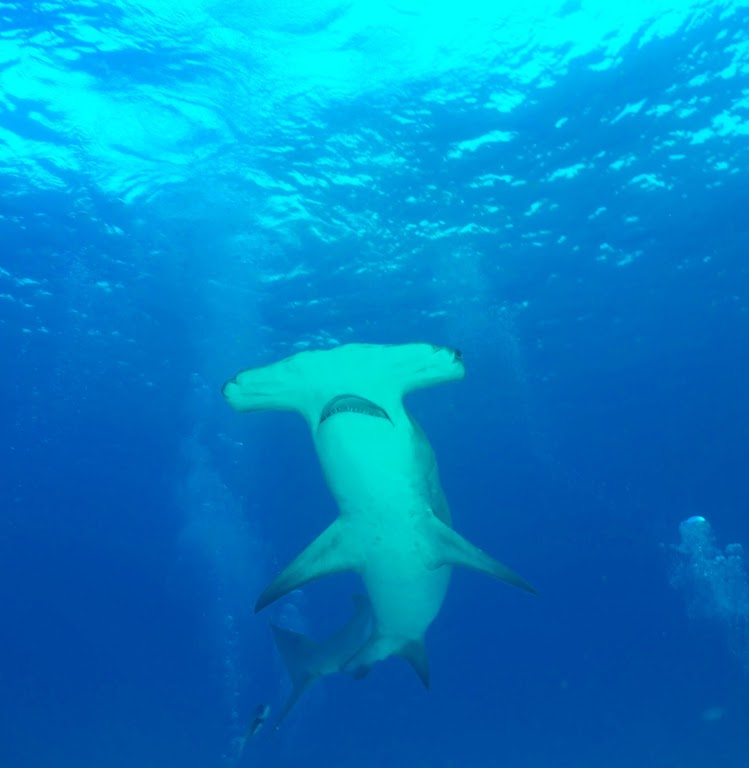
Venturing beneath the surface at A H DuMont, divers often notice a diversity of temperate marine life adapting to the artificial reef. Various schooling fish typically patrol the structures, seeking shelter and food.
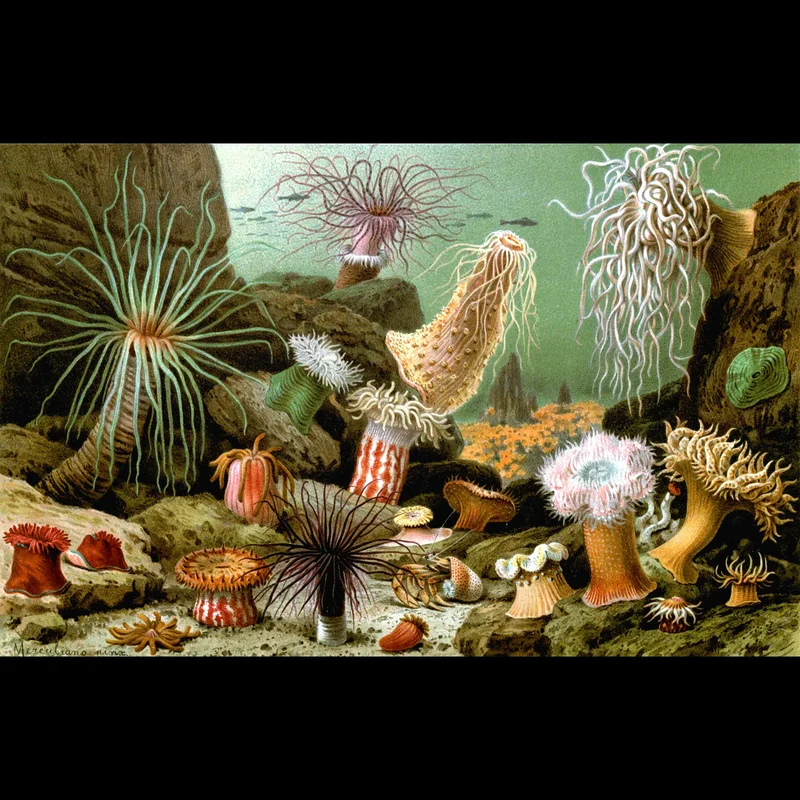
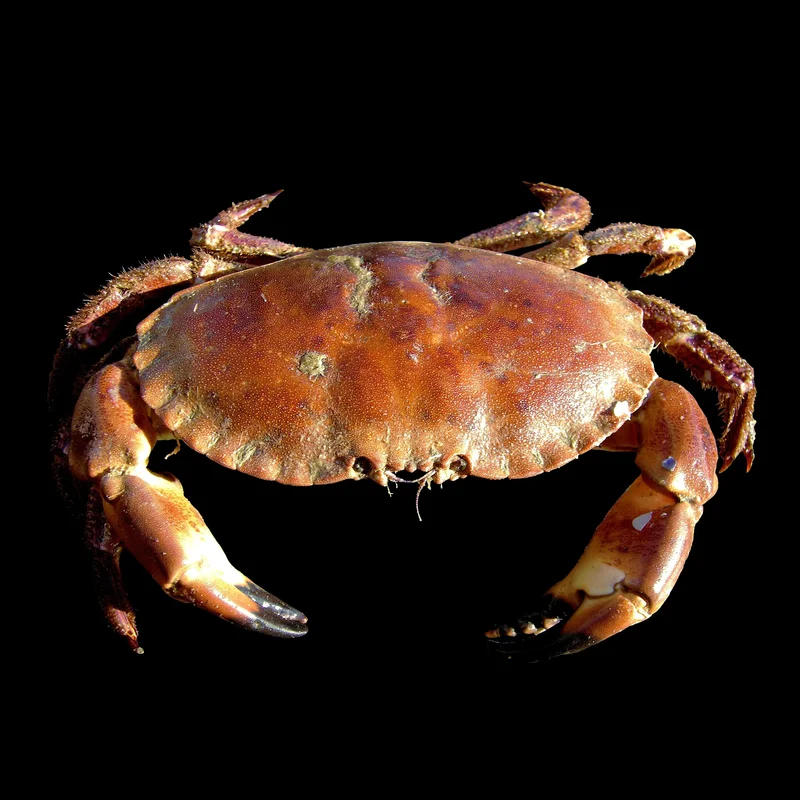
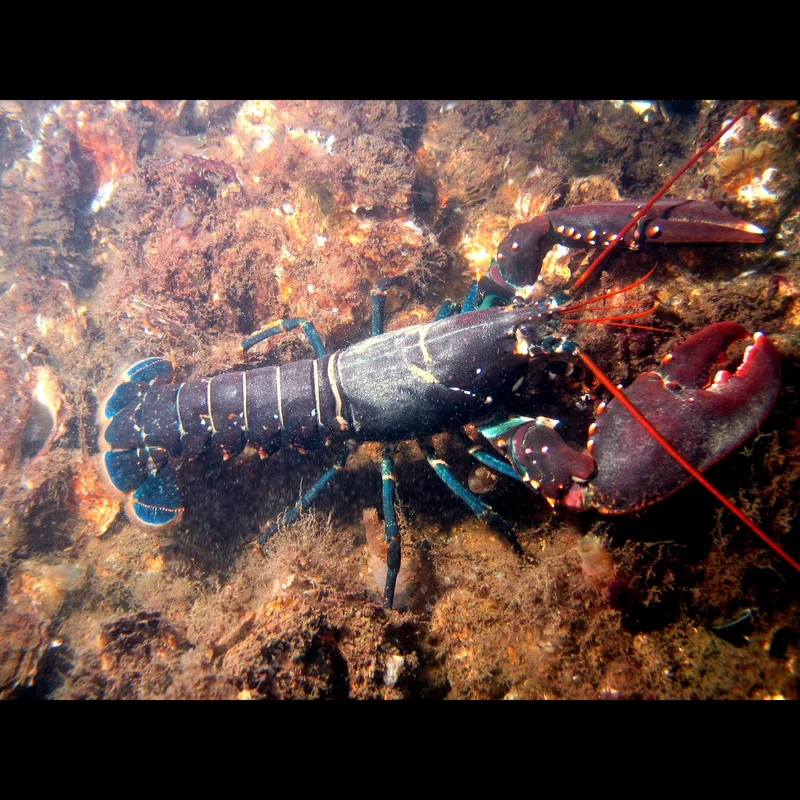
You might observe crabs and lobsters nestled within crevices. An array of encrusting organisms, like anemones and sponges, colonize the surfaces, creating a vibrant, living ecosystem on the deployed materials.
Keep an eye out for larger predatory fish that visit the reef. The site provides a concentrated area for observing the region's typical benthic and pelagic species.
Dive Centers Near A H DuMont
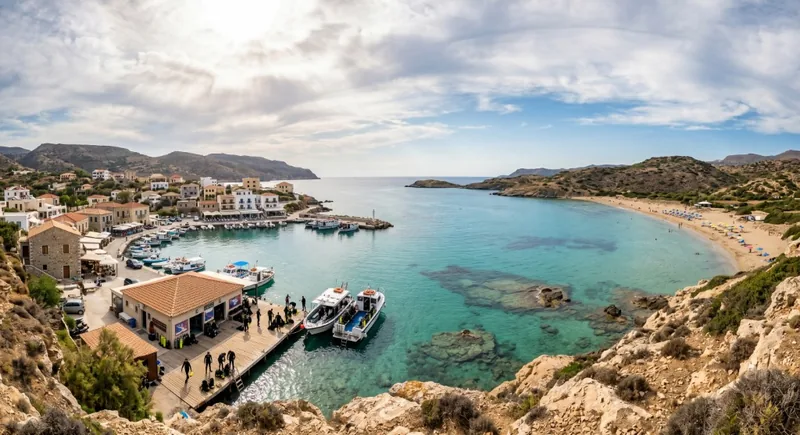
Today: 08:00 - 18:00

Nearest Airports
Nearest airports to help plan travel to this dive area.
Search Flights
Check available flights and routes on Expedia, using the nearby airports listed in this section.
Search Flights on Expedia
Plan Your Stay
Looking for a place to stay for your dive trip? Explore hotels, stays, and vacation rentals for dive groups near Surf City.
Dive Navigator may earn a commission from these links at no extra cost to you.
Frequently Asked Questions
What is the typical depth range for diving A H DuMont?
Diving at A H DuMont is typically within recreational limits, reaching a maximum depth of approximately 30 m (100 ft). Shallower sections are also available depending on the specific structures.
When is the best time of year to dive this site?
The period from July to October generally offers the best diving conditions, with July having the highest dive score. Air temperatures are warmer, and wave heights tend to be lower during these months.
What kind of marine life can I expect to see?
Divers can anticipate observing various temperate marine life, including schooling fish, crabs, and lobsters seeking refuge within the artificial reef structures. Encrusting organisms like anemones and sponges are also common.
Are there strong currents at A H DuMont?
Currents at A H DuMont can vary from mild to moderate, often influenced by local tidal patterns. Divers should be prepared for potential water movement, especially around the reef's structures.
What type of dive experience should I have to visit this site?
Due to variable conditions and depths, this site is generally suitable for certified divers with some experience in temperate waters. Good buoyancy control is advisable.
What is A H DuMont?
A H DuMont is an artificial reef site established as part of the New Jersey artificial reef program. It provides enhanced marine habitats and diving opportunities.
Planning to dive A H DuMont?
Send one inquiry and receive offers directly from the best verified local dive operators.
Conditions are Good
Optimal conditions expected
Current conditions near A H DuMont show 24° air, 24° sea temperature, 1.2 m waves, and 37 km/h wind. Forecast data is refreshed regularly to ensure accuracy.