
Diving at Air Force Barge (United States)
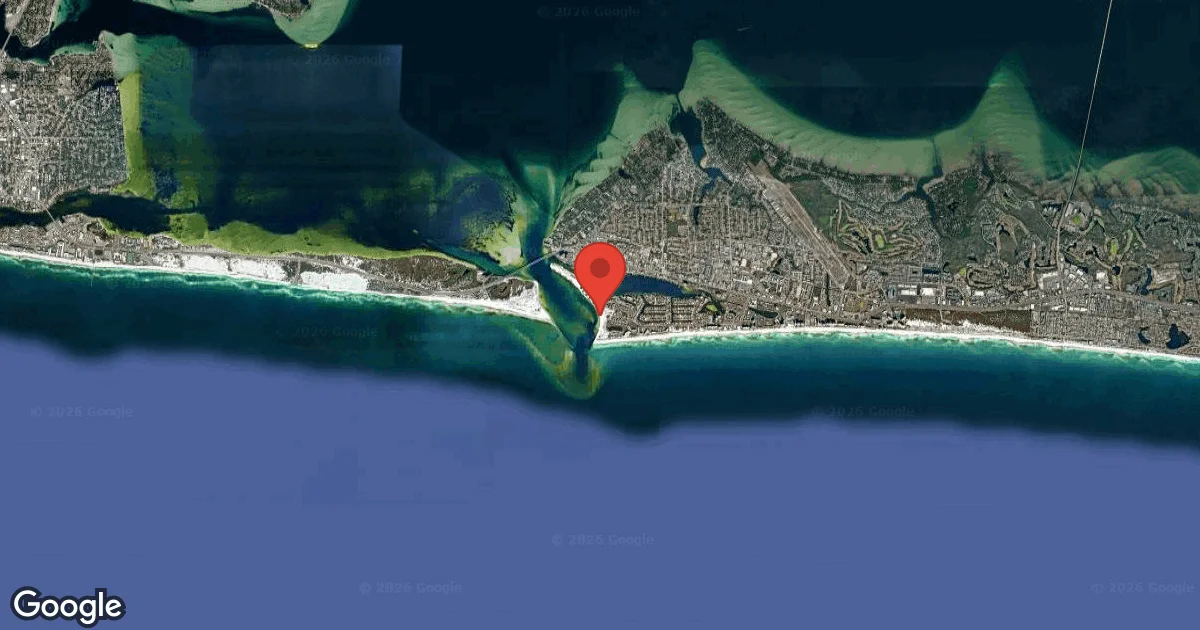
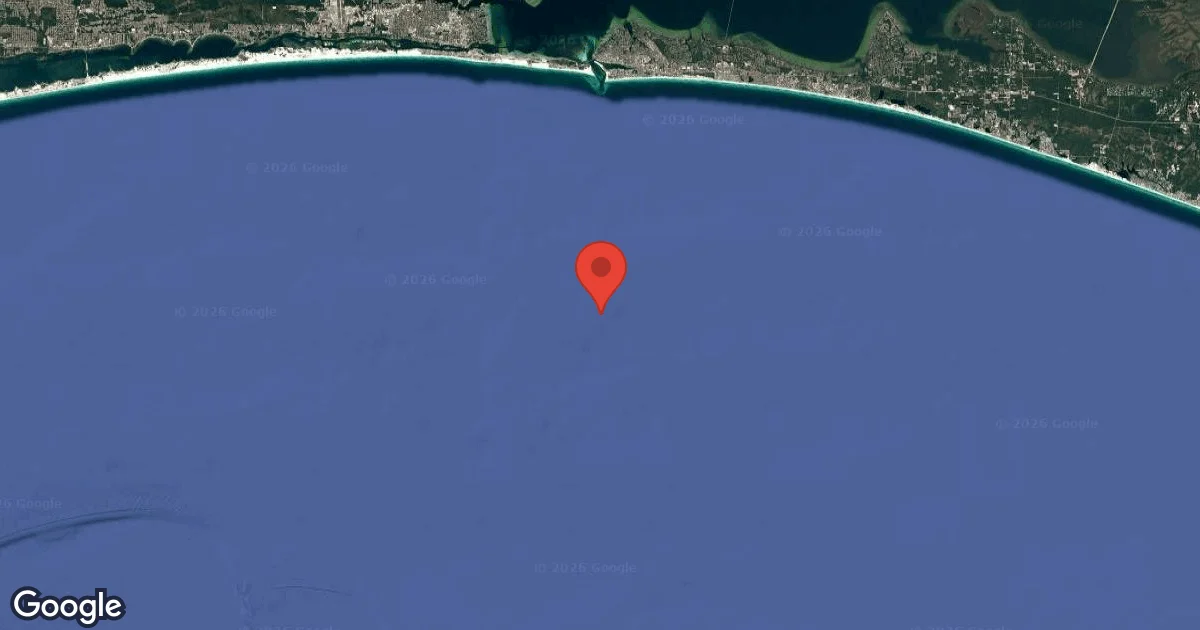
The Air Force Barge, also known as the Eglin Barge, is a deliberately sunk 100-foot (30-meter) steel vessel situated off Destin, Florida. It functions as an artificial reef, drawing diverse aquatic life since its reefing in 1977. Positioned as an accessible dive, this site provides a compact yet engaging structure for exploration, acting as a vibrant habitat rather than a complex penetration wreck. It invites divers to observe the ongoing transformation of a man-made structure into a thriving underwater ecosystem.
Evening condition tracking at Air Force Barge features an air temperature of 28°C. We have recorded wave heights measuring 0.4 m during this period. These figures outline the environmental parameters currently present.
Dive Site Location & Key Facts
Dive Site Overview
Diving the Air Force Barge provides an accessible wreck experience, distinct in its role as a purpose-built artificial reef. A 100-foot (30-meter) steel barge, intentionally sunk in 1977, immediately transformed into a foundational structure for marine habitats.
Its relatively shallow maximum depth, ranging from 18.6 to 21.3 meters (61-70 feet), makes it widely suitable for recreational divers. A thriving ecosystem now encompasses the wreck, which has become completely encrusted with various organisms, blurring the lines between metal and marine growth. Divers often encounter different species of fish, sea cucumbers, and starfish utilizing the barge's structure for shelter and foraging.
Exploring here offers a tangible sense of how the ocean reclaims and integrates man-made objects. Average visibility typically ranges between 6.4 to 7.6 meters (21-25 feet), generally allowing for clear views of the wreck and its inhabitants.
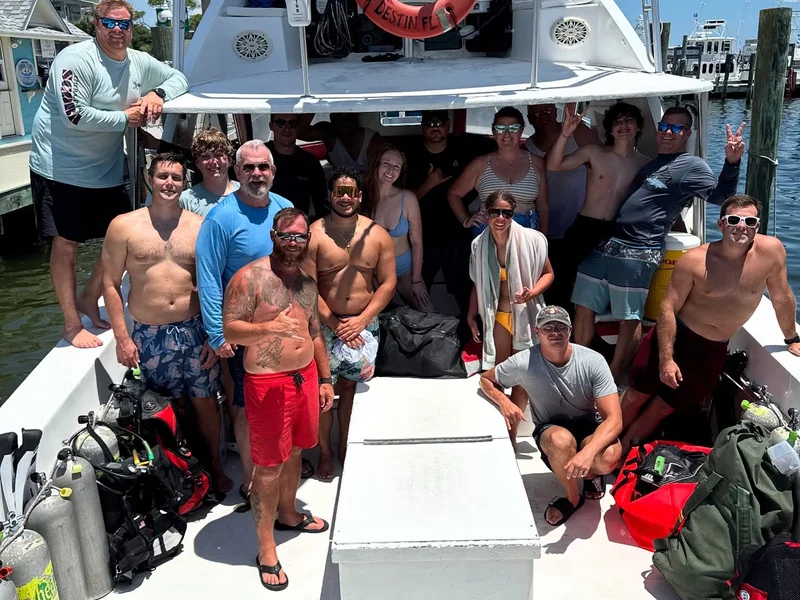
Local operators, such as ScubaTech in Destin, provide regular trips to this site, making it a convenient option for exploring artificial reefs in the region. Observing dives here illustrates a practical example of how sunken vessels significantly contribute to local marine biodiversity.
Conditions are Excellent
07:00 - 14:00
Optimal conditions expected
Current conditions near Air Force Barge show 28° air, 30° sea temperature, 0.3 m waves, and 21 km/h wind. Forecast data is refreshed regularly to ensure accuracy.
Best Time to Dive
Optimizing a dive to the Air Force Barge largely depends on surface conditions, as overall dive scores remain consistently "Good" year-round. Air temperatures provide a clear seasonal progression, ranging from a cooler 12°C (54°F) in January to a warmer 29°C (84°F) in August. Wind speeds and wave heights tend to be higher during winter months, potentially influencing boat comfort and underwater visibility. For example, January sees average wave heights around 1.0 meters (3.3 feet) and wind speeds near 31.6 km/h (19.6 mph), while July offers calmer averages of 0.6 meters (2.0 feet) and 22.7 km/h (14.1 mph). Rainfall levels are generally low, with monthly averages typically between 2.4 and 5.6 mm. Water temperature is not consistently reported for specific months, but warmer air temperatures generally correlate with more comfortable water conditions. Planning for periods with lower winds and waves, often in the summer and early fall, can enhance the dive experience by improving surface travel and overall site calm.
PEAK SEASON SCORE
Scores combine air & water temps, waves, wind & rainfall for overall conditions.
BEST MONTHS TO DIVE
Monthly records compiled from satellite and marine observation nodes over the last 3 years. Data provided by Open-Meteo and MET Norway.
Dive Experience & Conditions
Underwater, the Air Force Barge provides a straightforward yet engaging dive environment. Divers navigate a maximum depth typically between 18.6 and 21.3 meters (61-70 feet), placing it well within recreational limits. Visibility often averages 6.4 to 7.6 meters (21-25 feet), generally allowing for good observation of the wreck's structure and resident marine life. While no specific current data is reported, conditions can vary; divers should be prepared for moderate water movement. A single, relatively intact 100-foot (30-meter) steel barge presents clear structural outlines to follow. It's an ideal site for divers to practice wreck navigation skills or simply enjoy a relaxing exploration of an artificial reef. A dive here offers a tangible sense of how human-made objects integrate into the marine ecosystem.
Dive Difficulty & Safety Guidelines
Diving the Air Force Barge requires adherence to standard safe diving practices, especially when exploring any wreck structure. While it's a recreational depth, maintaining proper buoyancy control is crucial to avoid disturbing the wreck or stirring up sediment, which could reduce visibility for others. Divers should plan their air consumption carefully, especially given the maximum depths around 21 meters (70 feet).
Always dive within your certification limits; this site does not typically involve complex penetration, but any entry into confined spaces should only be attempted with appropriate wreck diver training and equipment. It's recommended to dive with a buddy and to conduct thorough pre-dive checks.
Finally, following Leave No Trace ethics is paramount to preserve the delicate artificial reef environment for future divers.
Recommended Equipment
- Dive Computer
This gear list is based on verified equipment signals for Air Force Barge, United States. Always confirm final gear choices with your dive operator, guide, or liveaboard.
Recommended Dive Suit
Forecasts suggest a slight cooling pattern in the days ahead. Cooler days are ahead; you might want a warmer option for later in the week. Divers planning multiple dives may appreciate having a warmer option available.
Factors such as dive duration, depth, and activity level can influence how warm a diver feels underwater.
Dive skin or rash guard typically balances flexibility and thermal protection in these temperatures. The latest environmental readings for Air Force Barge suggest water temperatures around 30°C (86°F). Surface air temperatures are resting at 28°C (83°F).
Emergency & Medical Support
Essential information to help you plan your dive trip to Air Force Barge.

Hyperbaric chambers are a critical part of dive safety infrastructure. Availability varies significantly by region, and not all dive areas have immediate access.
Before diving, it's recommended to:
- confirm nearest medical facilities
- check emergency procedures with local dive operators
- ensure dive insurance covers evacuation if required
Divers Alert Network
Diving emergency assistance available through DAN World.
+1-919-684-9111- 24/7 emergency hotline
- Diving medical assistance
- Evacuation coordination
Emergency contacts are provided for reference. Always verify local emergency services before diving.
Marine Life at Air Force Barge
As an established artificial reef, the Air Force Barge fosters a vibrant collection of aquatic inhabitants. Its structure provides shelter and foraging grounds for many different species of fish.
Divers commonly observe sea cucumbers and starfish adhering to the barge's surfaces or moving along its perimeter. Here, a sunken vessel quickly becomes an integral part of the local marine environment, attracting and supporting diverse organisms.
A visible transformation from a steel barge to a living reef is a key aspect of the underwater landscape here.

Dive Sites Near Air Force Barge
View all dive sites in United StatesDiscover more underwater gems in this area.
Dive Centers Near Air Force Barge
Today: 09:00 - 16:00
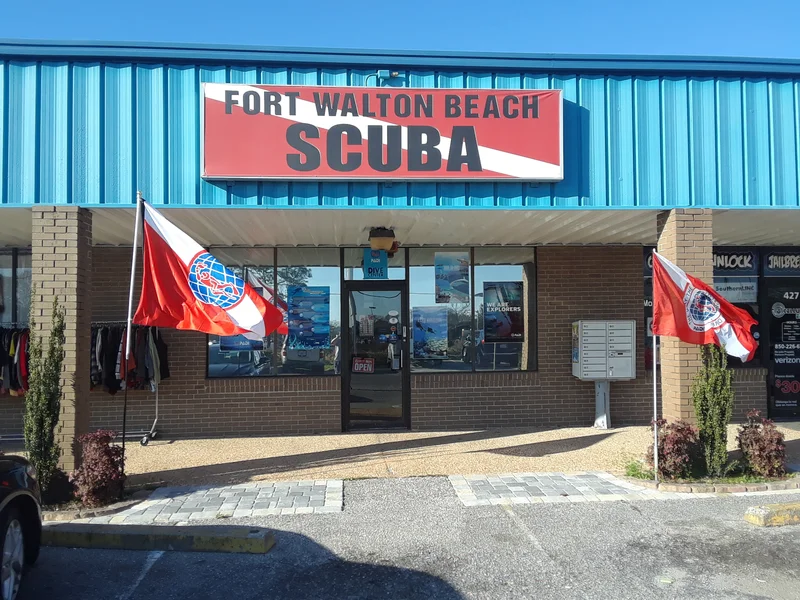
Nearest Airports
Nearest airports to help plan travel to this dive area.
Search Flights
Check available flights and routes on Expedia, using the nearby airports listed in this section.
Search Flights on Expedia
Plan Your Stay
Looking for a place to stay for your dive trip? Explore hotels, stays, and vacation rentals for dive groups near Destin.
Dive Navigator may earn a commission from these links at no extra cost to you.
Frequently Asked Questions
What is the maximum depth of the Air Force Barge dive site?
The maximum depth at the Air Force Barge typically ranges from 18.6 to 21.3 meters (61-70 feet). This makes it an accessible dive for recreational divers.
What kind of marine life can I expect to see at the barge?
Divers often encounter sea cucumbers, starfish, and many different species of fish using the wreck as a habitat. The site supports numerous aquatic life forms that have colonized the artificial reef.
What is the average visibility at the Air Force Barge?
Average visibility at the site is generally between 6.4 and 7.6 meters (21-25 feet). Conditions can vary based on weather and water movement.
Is the Air Force Barge suitable for beginner divers?
Yes, with its recreational depth range and relatively simple structure, the Air Force Barge is considered suitable for certified recreational divers, including those newer to wreck diving. Proper buoyancy control is still essential.
When is the best time of year to dive this site?
While dive conditions are rated 'Good' year-round, calmer surface conditions, with lower wave heights and wind speeds, are generally observed during the summer and early fall months. This can make for a more comfortable boat ride and potentially clearer underwater conditions.
What year was the Air Force Barge sunk?
The 100-foot steel Air Force Barge was intentionally sunk in 1977 to create an artificial reef off the coast of Destin, Florida.
Do I need special equipment for this dive?
While not strictly required, an underwater light is recommended to enhance visibility within the wreck's structure and highlight marine life. A compass can also be useful for navigation around the site.
Planning to dive Air Force Barge?
Send one inquiry and receive offers directly from the best verified local dive operators.
Conditions are Excellent
07:00 - 14:00
Optimal conditions expected
Current conditions near Air Force Barge show 28° air, 30° sea temperature, 0.3 m waves, and 21 km/h wind. Forecast data is refreshed regularly to ensure accuracy.