
Diving atAmerica (United States)
Diving across the United States presents an immense range of underwater sensations, from the sun-drenched, vibrant coral gardens of its southern reaches to the intriguing, cooler wrecks and geological formations found further north. Each descent offers a distinct visual and thermal experience, reflecting the nation's diverse aquatic environments. Expect varying landscapes, each with its own character and charm.
Recent updates for America show an air temperature measuring 10.4°C. Overall water conditions reflect the typical seasonal state for United States. Please exercise standard safety precautions before entering the water.
Dive Site Coordinates
44.4503, -75.8098
Dive Site Overview
Exploring the underwater world of the United States reveals a vast and varied network of dive sites, reflecting its extensive coastlines and inland water bodies. With over 300 listed locations, recreational divers encounter diverse settings, including 88 documented reef dives, 84 open ocean sites, and 71 accessible beach dives.
This expansive territory encompasses the volcanic topography and vibrant marine ecosystems found around Hawaii, offering dramatic drop-offs and pelagic encounters. Conversely, the Atlantic and Gulf coasts, particularly Florida, provide access to historical shipwrecks and intricate coral formations in shallower sections.
Inland, unique freshwater sites, such as Devil’s Den in Florida, present cavern environments with excellent visibility. Divers might find themselves navigating the clear waters of natural springs or exploring artificial reefs created from sunken vessels.
The maximal depth varies significantly across sites, from shallow coral patches to deeper wreck penetrations, accommodating a broad spectrum of certification levels.
Best Time to Dive
Planning a dive in the United States involves considering distinct regional weather patterns, as water temperatures are not consistently reported and vary significantly. The peak diving season generally aligns with warmer air temperatures and less rainfall. Summer months, from June through August, typically offer the most favorable conditions, with average air temperatures ranging from 18.9°C (66°F) to 22.5°C (72.5°F) and moderate rainfall, typically between 3.3 to 4.1 mm (0.13-0.16 inches). September and October also provide a good window, maintaining pleasant air temperatures around 18.1°C (64.6°F) and some of the lowest monthly rainfall totals, averaging 1.5 to 3.2 mm (0.06-0.13 inches). Winter months, notably December to February, present colder average air temperatures, dipping to -5.9°C (21.4°F) in January, and increased wind speeds, which can influence surface conditions and overall comfort.
Climate Historical Averages
Monthly records compiled from satellite and marine observation nodes over the last 3 years. Data provided by Open-Meteo and MET Norway.
Dive Experience & Conditions
Beginning a dive in the United States often means preparing for a wide array of conditions, depending heavily on the chosen location. For instance, a descent into Hawaiian waters might bring encounters with dynamic volcanic landscapes and strong ocean currents. Florida's Key Largo, in contrast, often presents calmer conditions over extensive coral reefs, with dives on the Vandenberg shipwreck reaching maximum depths that are well within recreational limits. Visibility can range from excellent in clear spring waters to more variable in coastal ocean environments, influenced by local weather and sediment. Divers exploring colder northern sites should anticipate brisk water temperatures and plan accordingly. Entry methods are equally diverse, from boat charters to shore entries at various beach dive locations. Each site offers a distinct underwater journey, whether it's navigating through wreck interiors or drifting along colorful reef walls.
Dive Difficulty & Safety Guidelines
Diving safely in the United States mandates adherence to standard protocols and a keen awareness of specific site conditions. Always conduct thorough pre-dive checks and ensure your equipment is in optimal working order. Given the wide range of environments, from warm ocean reefs to colder inland sites, understanding the local forecast and potential currents is crucial before planning any immersion. Divers should always dive within their certification limits and consider the experience level of their buddy. Maintaining proper buoyancy control is particularly important when exploring delicate reef ecosystems or navigating confined spaces found in some freshwater caverns. Respect local regulations concerning marine life interaction and conservation, ensuring minimal impact on the underwater environment. Seeking advice from local dive operators can provide valuable, up-to-date information on conditions and any temporary restrictions.
Recommended Equipment
No verified equipment items yet.
Verified equipment recommendations for this dive site are being reviewed and may be added as additional source checks are completed.
Recommended Dive Suit
Conditions may fluctuate slightly depending on wind and weather patterns. Cooler days are ahead; you might want a warmer option for later in the week. Divers planning multiple dives may appreciate having a warmer option available.
Even in warm destinations, extended dives can gradually draw heat away from the body. Surface intervals may feel noticeably cooler once you exit the water.
Based on regional estimates and current weather, the likely required exposure protection is a thicker wetsuit or drysuit. Note that local currents and upwellings can alter this. Strong cold advisory: dress warmly immediately after exiting the water. Because recent water temperature readings are not available for America, the guidance below is based mainly on current air conditions and seasonal expectations. Current surface air temperatures are roughly 10°C (51°F).
Conditions last reviewed: 18:00 using the latest environmental data.
Dive Logistics & Preparation
Hyperbaric Chamber
Check local United States medical facilities.
Entry Requirements
View United States Visa Hub
Currency
USD
Nearest Airports
Nearest airports to help plan travel to this dive area.
Marine Life at America
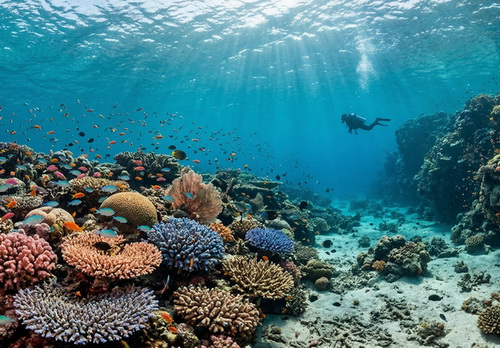
The underwater landscape throughout the United States supports a diverse array of marine inhabitants, though specific species vary by region. In warmer areas like Florida, vibrant coral formations serve as crucial habitats for reef fish, creating a bustling environment for smaller macro life and juvenile species. Hawaiian sites, with their volcanic structures, often attract pelagic species moving along the currents, alongside unique endemic fish. Wreck sites, both coastal and in deeper sections, become artificial reefs, providing shelter for various fish, moray eels, and crustaceans. Divers can anticipate observing different types of schooling fish, rays, and sea turtles across temperate and tropical zones. The composition of marine life is inherently tied to the structure of the seabed, whether it's sandy flats, rocky outcrops, or intricate reef systems, offering varied viewing opportunities.
Dive Sites Near America
View all dive sites in United StatesDiscover more underwater gems in this area.

Dive Centers Near America
No Dive Centers Local To America
Are you a dive center visiting this location? Get listed to reach divers.
Frequently Asked Questions
What types of dive sites are most common in the United States?
The United States features a wide array of dive sites. These include numerous reef dives, open ocean dives, and accessible beach dives. Divers can explore natural coral formations, artificial reefs created by shipwrecks, and unique freshwater springs.
Are there cold water diving opportunities in the US?
Yes, beyond the tropical sites, the United States offers significant cold water diving opportunities, particularly in its northern coastal regions and certain inland lakes. These dives often feature unique geological formations and different marine ecosystems, attracting divers looking for distinct experiences.
What are the best months for diving in the US?
The period from June through October generally offers the most favorable conditions for diving across the United States. During these months, air temperatures are warmer, and rainfall is typically lower, contributing to more comfortable diving experiences.
Is specialized equipment needed for diving in the US?
Due to the broad range of water temperatures and environments, specialized equipment may be needed. While a 3mm wetsuit might suffice for warmer southern sites, a drysuit is often recommended for colder northern or inland dives. Always check local conditions when planning your gear.
Can beginners find suitable dive sites in the US?
Yes, many sites across the United States are suitable for beginner divers, especially numerous beach dives and shallower reef sections. Specific locations like parts of the Florida Keys are known for accommodating new divers with accessible and relatively calm conditions. It's always advisable for beginners to dive with a certified instructor or experienced buddy.
Are there notable wreck dives in the US?
The US has several significant wreck dives, particularly off Florida's coast. One example is the Vandenberg shipwreck near Key West, serving as an artificial reef that attracts considerable interest. Many other historical and purpose-sunk vessels offer captivating exploration opportunities for certified wreck divers.
Liveaboards Sailing to America
Explore highly rated liveaboards visiting this dive site and discover the best routes in United States.
Resorts & Accommodation
Find partner hotels and dive resorts directly accessing the reef.
Around This Area
Explore top-rated restaurants, activities, and attractions near America reviewed by travelers.
Planning to dive America?
Send one inquiry and receive offers directly from the best verified local dive operators.