
Diving at Anna a Lennen (United States)
Anna A Lennen wreck provides a captivating underwater structure, resting upright in a scour hole at recreational depths. This 59-foot (18-meter) fishing vessel, a metal-hulled wreck discovered in 1993, rises two to three yards (1.8-2.7 meters) off the bottom, making it accessible for a range of certified divers. Exploration here generally remains within typical recreational limits, allowing ample bottom time to inspect its features and surrounding environment. Against the sandy seabed, a distinct profile emerges from the site.
Evening condition tracking at Anna a Lennen features an air temperature of 24°C. We have recorded wave heights measuring 0.5 m during this period. These figures outline the environmental parameters currently present.
Dive Site Location & Key Facts
Dive Site Overview
Around Anna A Lennen, the underwater landscape is defined by artificial structures, primarily shipwrecks and debris fields, which create diverse habitats. This particular site features a 59-foot (18-meter) fishing vessel wreck, reportedly a single-screw metal hull with fiberglass decking.
It sits upright within a scour hole, its highest points rising two to three yards (1.8-2.7 meters) from the sediment. Divers will find the bow generally oriented towards the west if referencing the nearby King Cobra tug, which lies east-west. Nearby, a collection of other submerged structures enriches the diving experience.
The wreck of the tugboat King Cobra, an 85-foot (26-meter) vessel, rests on its port side at 11 to 12.1 meters (36-40 ft), with an intact superstructure and eroded deck plating. Further afield, the "China Wreck," a British cargo vessel from the 1880s, offers scattered cargo and hull sections up to eight feet (2.4 meters) high.
Additionally, uncharted obstructions such as boulder fields or scattered steel barge wreckage, like the John R. Williams, add complexity to the topography.
Collectively, these sites form an intricate network of underwater features, all within typical recreational diving depths.
Conditions are Good
Optimal conditions expected
Current conditions near Anna a Lennen show 24° air, 25° sea temperature, 0.9 m waves, and 35 km/h wind. Forecast data is refreshed regularly to ensure accuracy.
Best Time to Dive
Diving at Anna A Lennen experiences considerable seasonal shifts, primarily dictated by air temperature, wind, and wave conditions. Optimal conditions typically present themselves during summer months, especially July and August, when the average dive score is highest. During these peak months, air temperatures average 24°C (75°F) in July and 22.5°C (72°F) in August, contributing to a pleasant surface interval. Rainfall is also minimal then, averaging around 2.3 mm (0.09 inches) in both months, further supporting favorable surface conditions. Wind speeds also decrease significantly, making for calmer waters and easier boat access. Conversely, winter diving becomes a colder, more challenging endeavor from December through March, with air temperatures dropping to between 2.5°C (36°F) and 7.5°C (46°F). Wave heights and wind speeds are generally higher during these months, potentially limiting dive opportunities. Spring and fall transition periods, particularly May, June, and November, often provide good diving opportunities with moderate air temperatures and improving or stable conditions, though September can see increased wave heights.
PEAK SEASON SCORE
Scores combine air & water temps, waves, wind & rainfall for overall conditions.
BEST MONTHS TO DIVE
Monthly records compiled from satellite and marine observation nodes over the last 3 years. Data provided by Open-Meteo and MET Norway.
Dive Experience & Conditions
Upon descending towards the Anna A Lennen, divers will find the 59-foot (18-meter) fishing vessel sitting upright within a natural scour hole. Visibility in these waters can fluctuate significantly, depending on recent weather, tides, and sediment stirring, but is not consistently reported. The wreck's depth means that available light can be good on clear days, enhancing the exploration of its features. Exploring this upright fishing vessel, divers observe its metal hull and what remains of its fiberglass decking. The structure provides ample nooks and crannies. Current can be a factor, particularly during tidal exchanges, and while not consistently strong, divers should anticipate potential mild to moderate flow. Water temperatures are not consistently reported in available data, but typically reflect the cooler conditions of temperate US Atlantic waters, varying significantly with the season. Maximum depth for exploration around the Lennen wreck generally sits within the recreational depth range, similar to nearby sites like the King Cobra tug, found at 11 to 12.1 meters (36-40 ft).
Dive Difficulty & Safety Guidelines
Navigating the waters near Anna A Lennen requires acute awareness of commercial shipping traffic, especially given its proximity to the Cape Henlopen-Five Fathom Bank (FFB) Traffic Separation Scheme (TSS). The marine highway, including inbound and outbound lanes and a precautionary area, sees continuous large vessel movement. Divers must always give way to commercial shipping and be vigilant for approaching or departing ships from the Bay Entrance.
Local conditions, including wind and waves, frequently influence dive safety; monitoring weather forecasts is critical before any excursion. Uncharted obstructions, such as the described boulder field near the FFB TSS centerline, also exist, necessitating careful navigation.
Adequate surface signaling devices are essential for all dives, and sound dive planning, including current assessment and contingency measures, should always be in place.
Recommended Equipment
- Dive Computer
This gear list is based on verified equipment signals for Anna a Lennen, United States. Always confirm final gear choices with your dive operator, guide, or liveaboard.
Recommended Dive Suit
3mm wetsuit is widely used for recreational dives in waters of this temperature. A hood or vest is suggested for sensitive divers due to surface winds. For divers entering the water at Anna a Lennen, temperatures are currently hovering around 25°C (76°F). Surface air temperatures are resting at 24°C (75°F).
Forecasts suggest a slight cooling pattern in the days ahead. Cooler days are ahead; you might want a warmer option for later in the week. Some divers bring an extra layer for surface intervals between dives.
Water temperatures can occasionally shift throughout the day depending on currents and depth layers.
Emergency & Medical Support
Essential information to help you plan your dive trip to Anna A Lennen.

Hyperbaric chambers are a critical part of dive safety infrastructure. Availability varies significantly by region, and not all dive areas have immediate access.
Before diving, it's recommended to:
- confirm nearest medical facilities
- check emergency procedures with local dive operators
- ensure dive insurance covers evacuation if required
Divers Alert Network
Diving emergency assistance available through DAN World.
+1-919-684-9111- 24/7 emergency hotline
- Diving medical assistance
- Evacuation coordination
Emergency contacts are provided for reference. Always verify local emergency services before diving.
Marine Life at Anna a Lennen
The wrecks surrounding Anna A Lennen serve as significant artificial habitats, attracting various marine species to an otherwise sandy seabed. These structures provide essential shelter and feeding grounds.
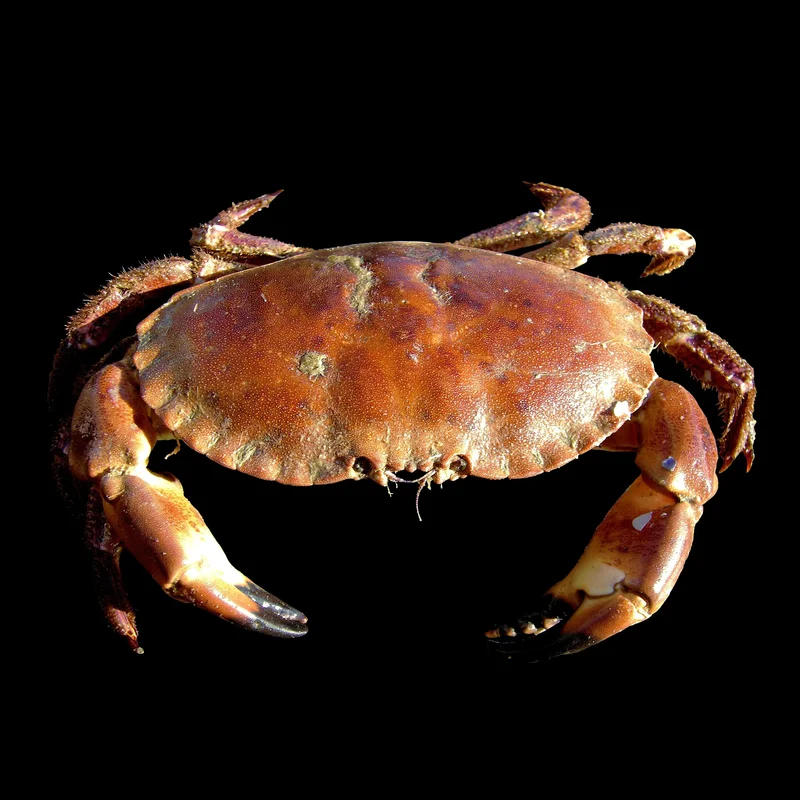
Divers frequently observe flounder seeking cover amongst the scattered wreckage and within the scour holes created around the wrecks. Smaller reef fish, crabs, and other invertebrates often colonize the hard surfaces of the fishing vessel, creating pockets of biodiversity.
Observing smaller species sheltering within the structural remnants is common. While not a coral reef environment, the density of structural elements supports a concentrated ecosystem that differs markedly from the open bottom, making each dive a discovery of how life adapts to submerged artifacts.
Dive Centers Near Anna a Lennen

Nearest Airports
Nearest airports to help plan travel to this dive area.
Search Flights
Check available flights and routes on Expedia, using the nearby airports listed in this section.
Search Flights on Expedia
Plan Your Stay
Looking for a place to stay for your dive trip? Explore hotels, stays, and vacation rentals for dive groups near Cape May.
Dive Navigator may earn a commission from these links at no extra cost to you.
Frequently Asked Questions
What type of wreck is the Anna A Lennen?
The Anna A Lennen is identified as an unidentified 59-foot (18-meter) single-screw fishing vessel wreck. It's a metal hull with evidence of fiberglass covering its deck. Divers discovered this upright wreck in a scour hole during a 1993 hydrographic survey.
What is the maximum depth at the Anna A Lennen dive site?
Exploration at the Anna A Lennen typically remains within recreational depth limits. While not explicitly stated for this wreck, nearby sites like the King Cobra tug are found at 11 to 12.1 meters (36-40 ft). This suggests a similar recreational depth range for the Lennen wreck.
Are there other notable wrecks or structures nearby?
Yes, the area is rich with other submerged structures. These include the King Cobra tug, the "China Wreck" (a British cargo vessel), and scattered remnants of steel barges like the John R. Williams. Uncharted boulder fields and other debris also contribute to the varied underwater topography.
What are the primary hazards when diving in this area?
A significant hazard is the presence of commercial shipping traffic, as the site is near a major Traffic Separation Scheme. Divers must always give way to large vessels and remain vigilant. Additionally, local weather, surface conditions, and potential currents require careful planning and monitoring.
When is the best time of year to dive Anna A Lennen?
The best time to dive Anna A Lennen is typically during the summer months, particularly July and August. Air temperatures are warmest then, averaging between 22.5°C (72°F) and 24°C (75°F), with minimal rainfall. This period generally offers calmer surface conditions and a higher dive score.
Is current a significant factor at the wreck site?
Current can be a factor, particularly during tidal changes, and may vary depending on specific conditions. While not consistently strong, divers should be prepared for potential mild to moderate flow. Assessing local current reports is always recommended before diving.
What kind of marine life can divers expect to see?
The wrecks act as artificial reefs, attracting various marine life. Divers can frequently observe flounder seeking shelter among the wreckage and within scour holes. Smaller reef fish, crabs, and other invertebrates also colonize the hard surfaces of the vessel, contributing to the site's biodiversity.
Planning to dive Anna a Lennen?
Send one inquiry and receive offers directly from the best verified local dive operators.
Conditions are Good
Optimal conditions expected
Current conditions near Anna a Lennen show 24° air, 25° sea temperature, 0.9 m waves, and 35 km/h wind. Forecast data is refreshed regularly to ensure accuracy.