
Diving at Aquatic Life Ecosystem (Ale) Center #2 (United States)
Successfully navigating the dive site behind the Alaska Sealife Center presents a distinctive challenge, rewarding divers with unique underwater encounters. Access isn't always straightforward, requiring careful consideration of entry points and seasonal conditions. An intriguing blend of natural marine habitats and historical remnants sets this location apart as a specific, experience-driven dive. It demands preparation, but the visual rewards below the surface are considerable.
As evening covers Aquatic Life Ecosystem (Ale) Center #2, the local air temperature is measured at 26°C. The current wave height at the surface is recorded at 1 m. These late-day readings characterize the surface conditions for the night.
Dive Site Location & Key Facts
Dive Site Overview
Behind the Alaska Sealife Center in downtown Seward, divers encounter a site characterized by a gradual descent into the local marine environment. Getting into the water can be the trickiest part, with two distinct access options: either from the Sealife Center parking lot over rocky terrain, or by pulling off just before the bridge and navigating carefully.
Primary exploration focuses on the area around the pilings and a historic sea wall, where rusted metal may be visible above the waterline, indicating significant underwater structure. The dive experience is influenced by highly variable conditions; water temperatures are not consistently reported. Air temperatures, however, range from approximately 13.5°C (56°F) in January to 29°C (84°F) in August, suggesting significant thermal changes that impact the surface environment.
Wave heights are generally calmer in summer, averaging around 0.7 m (2.3 ft) in July, compared to winter peaks of 1.3 m (4.3 ft) in January. Wind speeds follow a similar pattern, with summer seeing lighter winds around 22.5 km/h (14 mph) and winter experiencing stronger gusts up to 35 km/h (21.7 mph). Remnants from the 1964 earthquake add a historical dimension to the underwater landscape.
Conditions are Excellent
07:00 - 14:00
Optimal conditions expected
Current conditions near Aquatic Life Ecosystem (Ale) Center #2 show 26° air, 30° sea temperature, 0.4 m waves, and 23 km/h wind. Forecast data is refreshed regularly to ensure accuracy.
Best Time to Dive
Optimizing visibility for a dive behind the Alaska Sealife Center often aligns with periods of calmer surface conditions and reduced rainfall. Prime dive scores, indicating generally favorable weather, occur from April through October, when average rainfalls are typically lower, ranging from 2.4 mm (0.09 in) in April to 4.6 mm (0.18 in) in July. During these months, air temperatures are milder, climbing from around 21°C (70°F) in April to a peak of 29°C (84°F) in August, contributing to a more comfortable surface experience. Wave heights are also at their lowest between May and September, which can translate to better underwater clarity. External information specifically recommends this as a spring, fall, or winter dive site, which might point to particular marine life activity during those colder periods despite the 'Good' climate scores for summer months. Water temperatures are not consistently reported for this specific location, making comprehensive thermal planning challenging; however, seasonal air temperatures provide a proxy for expected surface conditions.
PEAK SEASON SCORE
Scores combine air & water temps, waves, wind & rainfall for overall conditions.
BEST MONTHS TO DIVE
Monthly records compiled from satellite and marine observation nodes over the last 3 years. Data provided by Open-Meteo and MET Norway.
Dive Experience & Conditions
Gaining access to this site requires navigating over potentially rugged terrain. Divers have two primary entry points: one from the Sealife Center parking lot across rocks, and another via a pull-off just before the bridge. In winter, a path near the bridge may be preferable for traversing icy rocks. Diving here features a gradual drop-off, making it accessible for recreational divers. Visibility can vary significantly depending on recent weather events and tidal conditions. Underwater, main points of interest include the pilings supporting nearby structures and an old sea wall, which provide habitat for various species. Remnants of wreckage from the 1964 earthquake are also scattered across the seabed, adding a historical element to the exploration. Water temperatures are not consistently reported for this specific site, but being in Alaska, divers should anticipate cold-water conditions year-round, regardless of surface air temperatures.
Dive Difficulty & Safety Guidelines
Addressing the inherent challenges of this Alaskan dive site, divers must prioritize preparation and situational awareness. Entering and exiting the water requires careful navigation over potentially unstable rocks; during winter months, ice can make the terrain particularly hazardous. Cold water diving principles should be strictly adhered to, implying the need for appropriate thermal protection and redundant equipment.
Always dive within your training limits. Since specific site hazards beyond the rugged entry are not consistently reported, divers should conduct thorough pre-dive checks, remain vigilant for any environmental changes, and respect local guidelines for interaction with marine life.
Maintaining proper buoyancy control is essential to avoid disturbing fragile ecosystems around the pilings and sea wall.
Recommended Equipment
- Dive Computer
This gear list is based on verified equipment signals for Aquatic Life Ecosystem (Ale) Center #2, United States. Always confirm final gear choices with your dive operator, guide, or liveaboard.
Recommended Dive Suit
For relaxed exploration dives, dive skin or rash guard generally provides adequate warmth. Consider warmer surface protection (like a boat coat) due to brisk winds. Those diving at Aquatic Life Ecosystem (Ale) Center #2 today will likely encounter water temperatures in the region of 30°C (86°F). Surface air temperatures are resting at 26°C (79°F).
Forecast trends indicate similar diving conditions over the next few days.
A diver's personal tolerance to cold water can play a large role in suit selection.
Due to technical issues with our weather providers, live updates are temporarily delayed. The data above reflects the conditions at the time of the last successful fetch.
Emergency & Medical Support
Essential information to help you plan your dive trip to Aquatic Life Ecosystem (Ale) Center #2.

Hyperbaric chambers are a critical part of dive safety infrastructure. Availability varies significantly by region, and not all dive areas have immediate access.
Before diving, it's recommended to:
- confirm nearest medical facilities
- check emergency procedures with local dive operators
- ensure dive insurance covers evacuation if required
Divers Alert Network
Diving emergency assistance available through DAN World.
+1-919-684-9111- 24/7 emergency hotline
- Diving medical assistance
- Evacuation coordination
Emergency contacts are provided for reference. Always verify local emergency services before diving.
Marine Life at Aquatic Life Ecosystem (Ale) Center #2
Underwater structures define the marine life encounters behind the Alaska Sealife Center. Around the pilings and the old sea wall, a variety of invertebrate species have established habitats.
Divers may also spot various fish species making use of protective structures. Sea lions are known to frequent the area, occasionally making appearances during dives, while sea birds can be observed from the surface.
An exciting, though less common, sighting is the Giant Pacific octopus. For a truly unique experience, a night dive can reveal a remarkable number of shrimp, creating an immersive and distinct visual effect.

Dive Sites Near Aquatic Life Ecosystem (Ale) Center #2
View all dive sites in United StatesDiscover more underwater gems in this area.
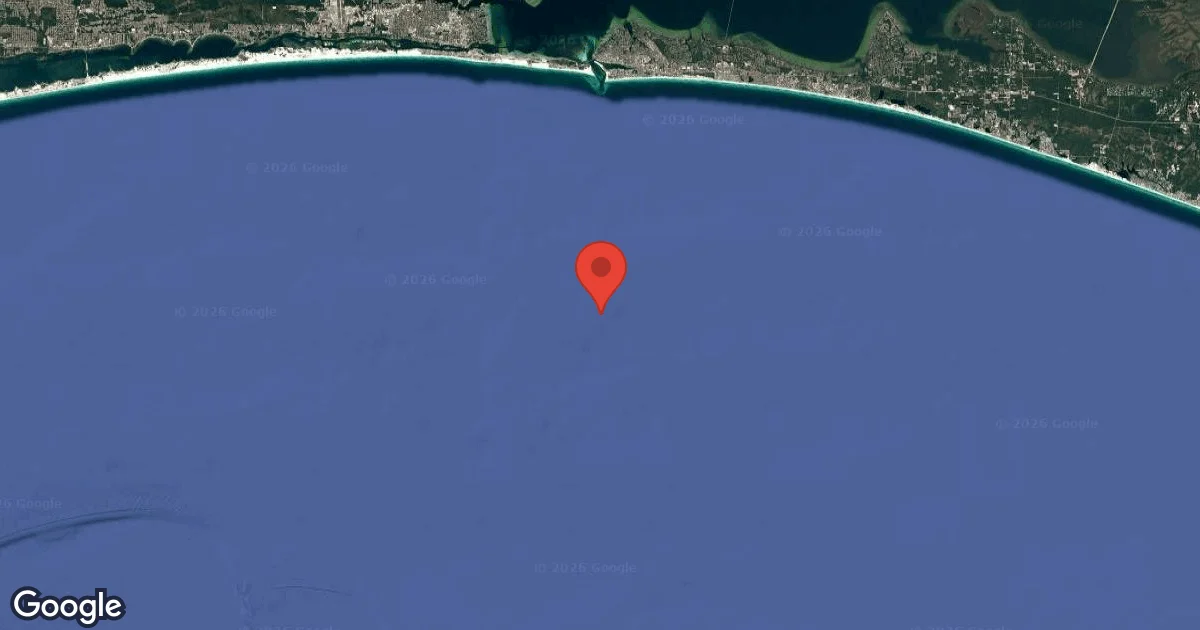
Dive Centers Near Aquatic Life Ecosystem (Ale) Center #2
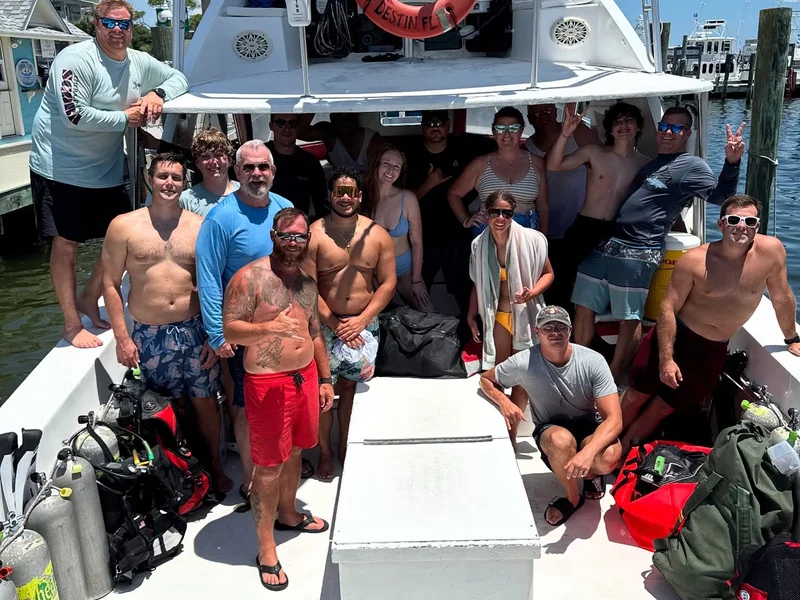
Today: 09:00 - 16:00
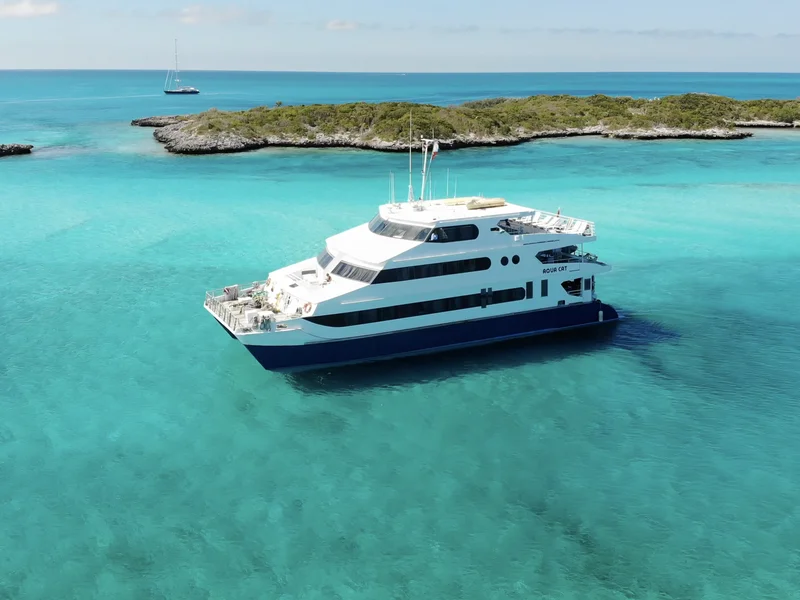
Nearest Airports
Nearest airports to help plan travel to this dive area.
Search Flights
Check available flights and routes on Expedia, using the nearby airports listed in this section.
Search Flights on ExpediaFrequently Asked Questions
What are the primary entry points for diving here?
Divers can access the site from two main points: cautiously navigating over rocks from the Sealife Center parking lot, or pulling off just before the bridge. Access near the bridge is often recommended during winter due to potentially icy conditions near the parking lot.
Are there any historical features to explore underwater?
Visible wreckage from the 1964 earthquake is present. Remnants are scattered across the seabed, offering an interesting historical element to the dive experience alongside the natural marine environment.
What kind of marine life can be expected?
Diverse marine life flourishes around the pilings and old sea wall. Common sightings include various invertebrate species, fish, sea lions, and occasional sea birds. Giant Pacific octopuses are also spotted, and night dives are notable for the sheer number of shrimp present.
Is this a cold water dive site?
While specific water temperatures are not consistently reported, this site is in Alaska. Divers should expect and prepare for cold water conditions year-round, making proper thermal protection, like drysuits, crucial for comfort and safety.
When is the best time for surface conditions?
Generally, April through October offers 'Good' dive scores due to milder air temperatures, lower average rainfall, and calmer wave heights. Air temperatures can reach up to 29°C (84°F) in August, and wave heights are typically lowest between May and September.
Are there particular challenges for winter diving?
Winter diving here can be more challenging. Entry points, especially over rocks, may become icy and difficult to navigate. Using the pull-off before the bridge is often preferred during these colder months for a slightly easier entry.
Planning to dive Aquatic Life Ecosystem (Ale) Center #2?
Send one inquiry and receive offers directly from the best verified local dive operators.
Conditions are Excellent
07:00 - 14:00
Optimal conditions expected
Current conditions near Aquatic Life Ecosystem (Ale) Center #2 show 26° air, 30° sea temperature, 0.4 m waves, and 23 km/h wind. Forecast data is refreshed regularly to ensure accuracy.