
Diving at Argoil Wreck Concrete Pile (United States)
The Argoil wreck concrete pile forms a foundational element of a thriving artificial reef system. These carefully placed concrete structures create an intricate underwater landscape, contrasting sharply with the natural seabed. Designed to provide habitat and shelter, they attract diverse marine life and offer essential vertical relief. It's a testament to intentional reef building efforts, fostering biodiversity in a structured environment.
Tonight's objective overview for Argoil Wreck Concrete Pile shows an air temperature of 28°C. The measured surface conditions include wave heights around 1.6 m. This environmental data is logged for the close of the day.
Dive Site Location & Key Facts
Dive Site Overview
Created as an integral part of an artificial reef program, the Argoil wreck concrete pile offers divers a structured underwater environment, meticulously designed to foster marine growth. Robust concrete piles have become integrated into the local ecosystem over time.
Divers can explore depths typically within the recreational range, allowing ample bottom time to inspect the intricate nooks and crannies created by the structures. Maximum depth often reaches around 20-30 m (65-100 ft), suitable for a wide range of certified divers. Water temperatures exhibit seasonal shifts, generally ranging from 16°C (61°F) in winter to 28°C (82°F) in summer, influencing the diversity and abundance of marine life observed.
While visibility can vary depending on oceanic conditions and plankton activity, opportunities often arise for clear observation of both the reef’s architecture and its inhabitants. Concrete structures provide critical substrate, quickly colonizing with encrusting invertebrates that form the basis of a complex food web.
Exploring these deliberate underwater installations showcases ecological restoration efforts and the resilience of marine life adapting to new, deliberately placed environments. Expect a dive that blends structural exploration with biological observation, highlighting marine conservation principles in action.
Conditions are Good
Optimal conditions expected
Current conditions near Argoil Wreck Concrete Pile show 28° air, 28° sea temperature, 0.9 m waves, and 28 km/h wind. Forecast data is refreshed regularly to ensure accuracy.
Best Time to Dive
Optimal diving conditions at the Argoil wreck concrete pile often contrast significantly between seasons. Summer months, particularly July and August, present the calmest surface conditions with average wave heights around 0.6-0.9 m (2.0-3.0 ft) and lighter winds, averaging 24.6-26.2 km/h (15.3-16.3 mph). During this period, air temperatures are warmest, typically 27.5-28°C (82°F), making surface intervals more comfortable. However, while rainfall is moderate in summer, the fall season, especially September and October, sees increased precipitation, with October averaging 5.04 mm (0.2 inches) of rain and higher wave heights, averaging up to 1.6 m (5.2 ft). Spring and winter generally offer more variable conditions, with lower air temperatures and often stronger winds impacting dive accessibility.
PEAK SEASON SCORE
Scores combine air & water temps, waves, wind & rainfall for overall conditions.
BEST MONTHS TO DIVE
Monthly records compiled from satellite and marine observation nodes over the last 3 years. Data provided by Open-Meteo and MET Norway.
Dive Experience & Conditions
Current dynamics around the Argoil wreck concrete pile are often influenced by local tides and prevailing weather patterns; divers should anticipate conditions that range from mild to moderate. Visibility at the site is not consistently reported, but typically varies with plankton blooms and recent weather events, potentially ranging from a few meters to over 10 meters (30 ft). Water temperatures are seasonal, generally reaching warmer ranges in summer and cooler temperatures through winter. During periods of stronger currents, drift diving might be an option if planned with appropriate safety measures, adding a different dimension to the exploration of the concrete structures. Divers should always assess current conditions prior to entry and plan accordingly.
Dive Difficulty & Safety Guidelines
Diving the Argoil wreck concrete pile requires a mindful approach, as with any artificial reef or wreck. The primary challenge here involves navigating around and potentially within the complex concrete structures; proficient buoyancy control is essential to avoid accidental contact. Divers should be prepared for potentially variable currents, which can intensify quickly depending on the tides.
No specific hazards are reported for this site, but prudent dive planning includes a thorough briefing on prevailing conditions and maintaining situational awareness. Always dive within your certification limits and consider carrying an audible signaling device and a surface marker buoy (SMB) for increased safety.
Recommended Equipment
- Dive Computer
This gear list is based on verified equipment signals for Argoil Wreck Concrete Pile, United States. Always confirm final gear choices with your dive operator, guide, or liveaboard.
Recommended Dive Suit
With water temperatures around 28°C (83°F), many divers find a 2-3mm shorty or light wetsuit provides comfortable protection.
Divers performing multiple dives may appreciate slightly warmer protection later in the day.
Forecast models indicate that diving conditions should remain largely unchanged.
Due to technical issues with our weather providers, data hasn't been fetched for over 48 hours. The data above reflects the conditions at the time of the last successful fetch.
Emergency & Medical Support
Essential information to help you plan your dive trip to Argoil wreck concrete pile.

Hyperbaric chambers are a critical part of dive safety infrastructure. Availability varies significantly by region, and not all dive areas have immediate access.
Before diving, it's recommended to:
- confirm nearest medical facilities
- check emergency procedures with local dive operators
- ensure dive insurance covers evacuation if required
Divers Alert Network
Diving emergency assistance available through DAN World.
+1-919-684-9111- 24/7 emergency hotline
- Diving medical assistance
- Evacuation coordination
Emergency contacts are provided for reference. Always verify local emergency services before diving.
Marine Life at Argoil Wreck Concrete Pile
The concrete piles of the Argoil wreck serve as critical substrate, fostering a diverse community of marine life typical for artificial reefs in temperate waters. Expect to observe various encrusting organisms like barnacles and mussels adhering to the surfaces, providing a food source for other species.
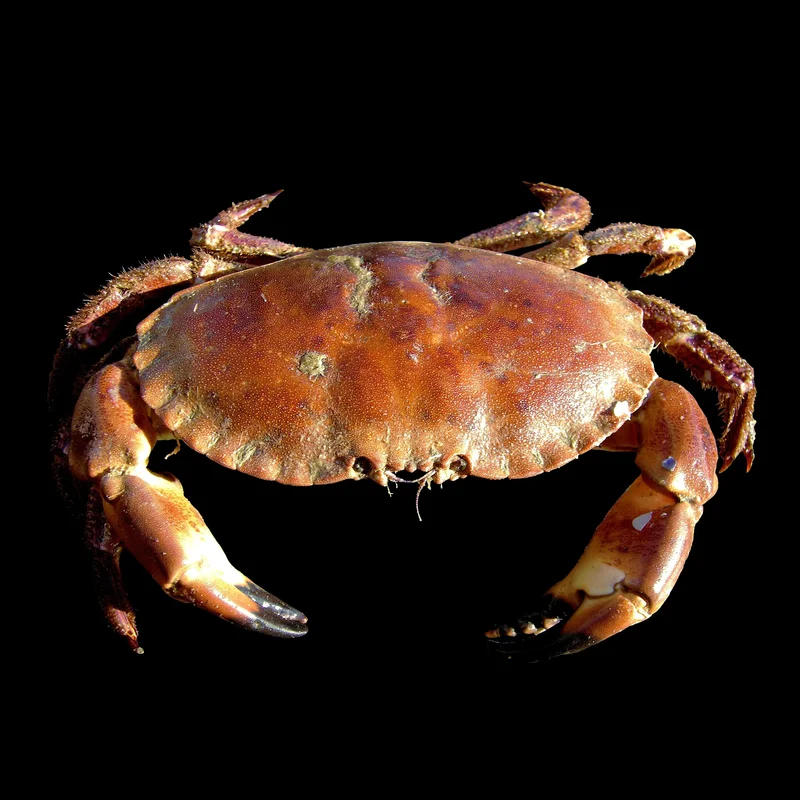
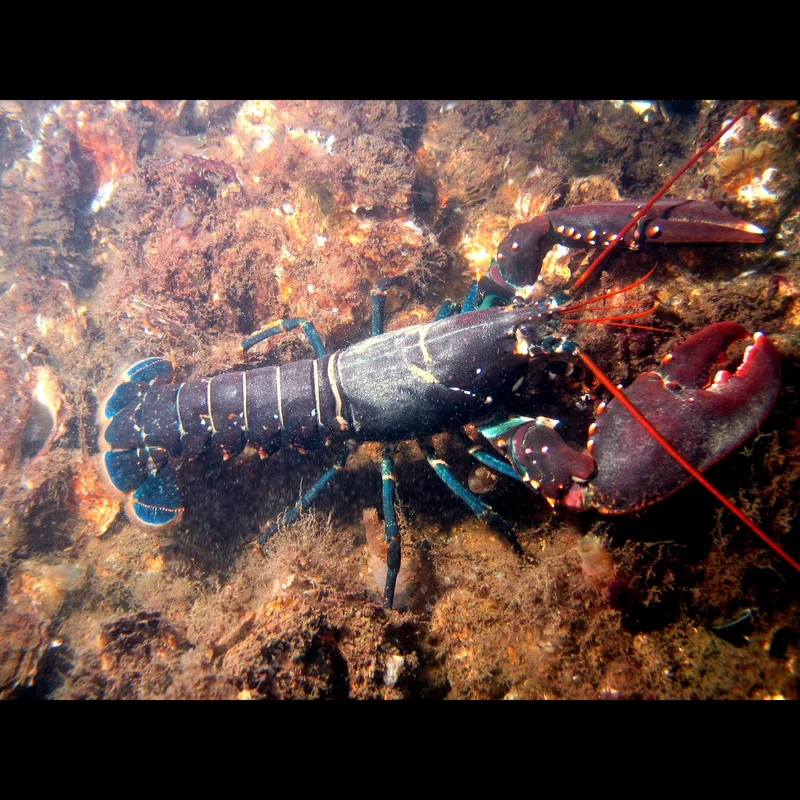
Schools of baitfish commonly congregate around the structures, attracting larger predatory fish. Divers might also spot crustaceans, such as crabs and lobsters, seeking refuge within the crevices and underneath the larger concrete sections, alongside various bottom-dwelling fish.

Dive Centers Near Argoil Wreck Concrete Pile
Today: 10:00 - 19:00
Nearest Airports
Nearest airports to help plan travel to this dive area.
Search Flights
Check available flights and routes on Expedia, using the nearby airports listed in this section.
Search Flights on ExpediaFrequently Asked Questions
What is the average depth of the Argoil wreck concrete pile?
The average depth is not specifically documented, but the site is generally considered within recreational diving limits. Divers can expect depths that accommodate various certification levels, likely in the shallower to mid-range of recreational diving.
What kind of structure is the Argoil wreck concrete pile?
The Argoil wreck concrete pile is an intentional artificial reef structure, composed of concrete elements placed to create marine habitat. It acts as a foundational substrate for marine growth and provides shelter for a variety of aquatic species.
Is the site suitable for new divers?
The site is generally accessible, though variable conditions mean proficiency in buoyancy control and current management can significantly enhance the experience. It's advisable for new divers to undertake this dive with experienced guides or instructors.
What is visibility typically like at the site?
Visibility at the site is not consistently reported and can vary. Conditions depend heavily on factors like plankton blooms and recent weather, ranging from fair to good. It is always recommended to check local dive reports closer to your planned dive date.
Are there strong currents at the Argoil wreck concrete pile?
Currents at the site can range from mild to moderate, influenced by local tidal flows and prevailing weather. Divers should anticipate these dynamics and plan their dive profile accordingly, especially if engaging in a drift dive.
What marine life can typically be seen at the site?
The concrete structures attract diverse marine life, including various encrusting organisms like barnacles and mussels. Schools of baitfish are common, which in turn draw larger predatory fish. Divers might also find crustaceans such as crabs and lobsters hiding within the crevices.
What is the water temperature like throughout the year?
Water temperatures at the Argoil wreck concrete pile are seasonal, reaching warmer averages during the summer months, while becoming cooler in winter and spring. The surface air temperature also shows a wide range, from approximately 16°C (61°F) in winter to 28°C (82°F) in summer.
Planning to dive Argoil Wreck Concrete Pile?
Send one inquiry and receive offers directly from the best verified local dive operators.
Conditions are Good
Optimal conditions expected
Current conditions near Argoil Wreck Concrete Pile show 28° air, 28° sea temperature, 0.9 m waves, and 28 km/h wind. Forecast data is refreshed regularly to ensure accuracy.