
Diving at BC2014-Set#14 (United States)
BC2014-Set#14" represents a dynamic training environment within the United States, specifically focused on demanding underwater tasks rather than conventional recreational diving. Operations here inherently challenge psychological and physiological limits, where the ability to adapt to stress is paramount. This environment requires a high degree of mental resilience and physical conditioning, pushing participants to develop essential cognitive and physical capabilities. It's a setting for rigorous assessment and growth under duress.
Tonight's objective overview for BC2014-Set#14 shows an air temperature of 27.5°C. The measured surface conditions include wave heights around 0.3 m. This environmental data is logged for the close of the day.
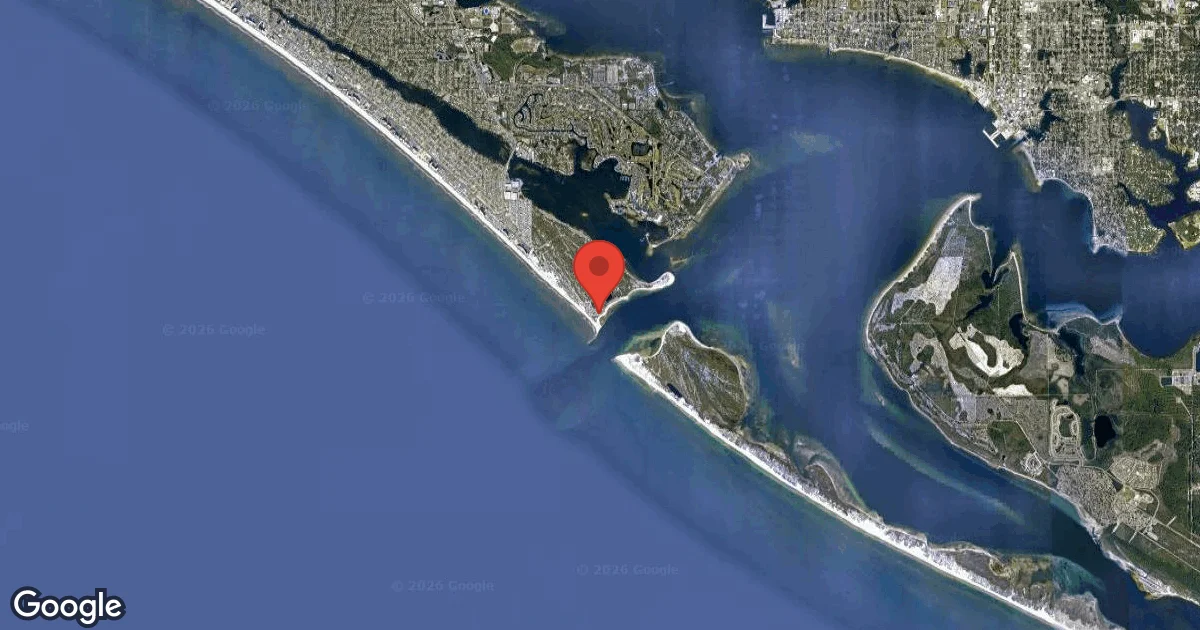
Dive Site Location & Key Facts
Dive Site Overview
Understanding human performance under extreme stress provides the foundational context for underwater operations at "BC2014-Set#14." Research from similar demanding environments, including specialized underwater navigation tasks, has explored how individuals develop resilience and manage pressure. For instance, some studies indicate physiological adaptations, such as a decline in cortisol during intense training, which suggests a degree of habituation to stress.
Yet, psychological indicators like grit or resilience don't consistently follow this trend, sometimes revealing initial overestimation before growth stabilizes. This site, therefore, functions as a controlled environment for assessing and enhancing a diver's capacity to perform complex, high-stakes tasks rather than for recreational exploration.
Preparing for these specific underwater activities means prioritizing mental fortitude, stress mitigation, and sustained adaptation. Performance metrics here involve monitoring biomarkers like DHEA and cortisol, important indicators of growth during high-stress scenarios.
Operations at this location are less about traditional dive discovery and more about pushing human capabilities.
Conditions are Excellent
07:00 - 14:00
Optimal conditions expected
Current conditions near BC2014-Set#14 show 28° air, 30° sea temperature, 0.3 m waves, and 18 km/h wind. Forecast data is refreshed regularly to ensure accuracy.
Best Time to Dive
Conditions for undertaking tasks at "BC2014-Set#14" are influenced by the regional climate, with several periods offering favorable weather for surface support and logistics. The summer and autumn months, from July through November, typically present lower average wave heights, often below 0.8 m (2.6 ft), which can facilitate calmer operations. During this period, average wind speeds also tend to be lower, generally ranging from 15.6 to 18.2 km/h (9.7 to 11.3 mph). Air temperatures are notably warmer, peaking around 28.5°C (83°F) in August, making surface operations more comfortable. Rainfall also decreases during October, with an average of 1.72 mm, potentially offering clearer skies. While specific water temperature data for this operational site isn't consistently reported, the general climate data indicates consistent weather scores of 'Good' (7-8 out of 10) for most of the year, with a slight dip in winter months.
PEAK SEASON SCORE
Scores combine air & water temps, waves, wind & rainfall for overall conditions.
BEST MONTHS TO DIVE
Monthly records compiled from satellite and marine observation nodes over the last 3 years. Data provided by Open-Meteo and MET Norway.
Dive Experience & Conditions
Approaching underwater tasks at "BC2014-Set#14" involves a strong mental component, akin to a structured descent into a highly demanding environment. This experience isn't characterized by typical dive conditions like visibility or currents, as the primary focus is on human performance under pressure. Instead, divers must prepare for intense scenarios that test psychological resilience and adaptive capabilities. The environment is designed to elicit significant physiological responses, where individuals might experience elevated cortisol and NPY concentrations, reflecting acute stress. Successfully navigating these tasks requires maintaining focus amidst potential disorientation, a trait observed to correlate with higher DHEA concentrations. It is less about the aquatic environment itself and more about the internal processing of stress, requiring robust mental skills training to sustain performance.
Dive Difficulty & Safety Guidelines
An expert tip for anyone involved in underwater tasks at "BC2014-Set#14" emphasizes the critical role of psychological preparedness alongside physical fitness. The operational demands here are such that monitoring both psychological indicators and physiological biomarkers provides a comprehensive view of adaptation. For instance, observing changes in cortisol and DHEA-to-cortisol ratios can indicate how individuals are responding to repeated stress exposure.
Developing robust resilience and hardiness is key, as studies show these attributes can grow over the course of intense training, though perhaps after an initial adjustment period. A structured approach to mental skills training, potentially including mindfulness, has been shown to mitigate stress responses effectively.
It's crucial to understand individual stress responses and apply learned coping mechanisms consistently.
Recommended Equipment
- Dive Computer
This gear list is based on verified equipment signals for BC2014-Set#14, United States. Always confirm final gear choices with your dive operator, guide, or liveaboard.
Recommended Dive Suit
In these water temperatures, dive skin or rash guard is a common choice for recreational diving. Longer dive profiles can make thermal protection more important than short exploratory dives.
Conditions at BC2014-Set#14 currently place the water temperature near 30°C (86°F). Surface air temperatures are resting at 28°C (82°F).
A modest cooling trend is expected in the upcoming forecast. Cooler days are ahead; you might want a warmer option for later in the week. Bringing an additional thermal layer can be helpful if conditions change.
Emergency & Medical Support
Essential information to help you plan your dive trip to BC2014-Set#14.

Hyperbaric chambers are a critical part of dive safety infrastructure. Availability varies significantly by region, and not all dive areas have immediate access.
Before diving, it's recommended to:
- confirm nearest medical facilities
- check emergency procedures with local dive operators
- ensure dive insurance covers evacuation if required
Divers Alert Network
Diving emergency assistance available through DAN World.
+1-919-684-9111- 24/7 emergency hotline
- Diving medical assistance
- Evacuation coordination
Emergency contacts are provided for reference. Always verify local emergency services before diving.
Marine Life at BC2014-Set#14
What one notices first when engaging in underwater tasks at "BC2014-Set#14" isn't the marine life, as the operational focus is intensely on human performance and task execution. The environment serves as a functional arena for specialized training, not an ecological observation point.
Consequently, there isn't consistent reporting or emphasis on specific marine species. While some aquatic life may be present, it does not form a significant part of the training objectives or observational outcomes for individuals undertaking these demanding activities.
Dive Sites Near BC2014-Set#14
View all dive sites in United StatesDiscover more underwater gems in this area.
Dive Centers Near BC2014-Set#14
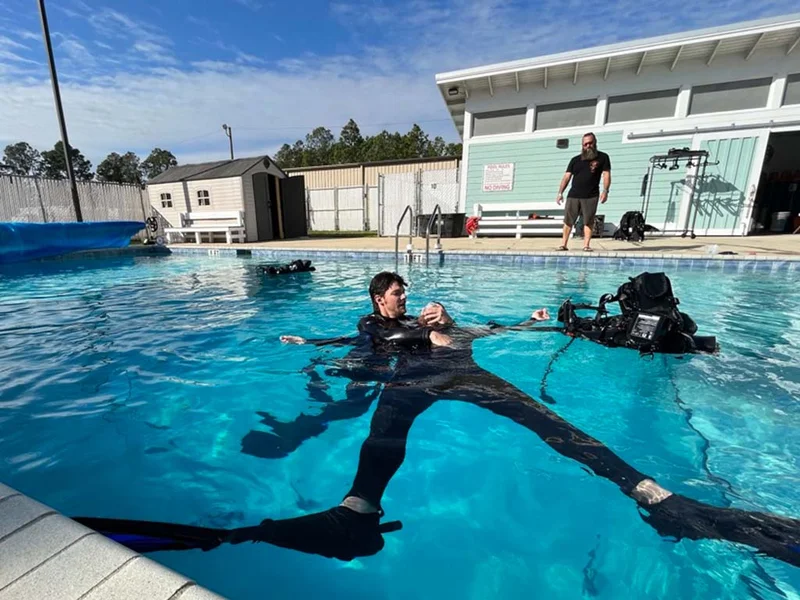
Today: 09:00 - 16:00
Nearest Airports
Nearest airports to help plan travel to this dive area.
Search Flights
Check available flights and routes on Expedia, using the nearby airports listed in this section.
Search Flights on Expedia
Plan Your Stay
Looking for a place to stay for your dive trip? Explore hotels, stays, and vacation rentals for dive groups near Laguna Beach.
Dive Navigator may earn a commission from these links at no extra cost to you.
Frequently Asked Questions
Is "BC2014-Set#14" a recreational dive site?
No, this location is primarily a specialized training environment within the United States, designed for demanding underwater tasks and assessing human performance under stress. It is not intended for typical recreational diving activities.
What kind of underwater activities are conducted here?
Activities involve high-stress underwater navigation tasks and other operational challenges focused on evaluating and enhancing psychological and physiological resilience. The goal is to develop adaptive responses to extreme pressure.
What are the typical water conditions at this site?
Specific water temperature and clarity data for this operational site are not consistently reported. Conditions are managed to provide a challenging but controlled environment suitable for military-grade training exercises.
How important is mental preparation for tasks at "BC2014-Set#14"?
Mental preparation is paramount. Studies indicate that psychological factors like resilience and hardiness are critical for enduring the stressors encountered during such rigorous training, often as important as physical conditioning.
Are there any specific safety protocols or guidelines?
Safety protocols focus heavily on monitoring both physiological biomarkers (like cortisol levels) and psychological indicators of stress. Comprehensive medical and psychological support is integrated to manage the intense demands of the training.
Can I visit "BC2014-Set#14" for a dive?
Access to "BC2014-Set#14" is restricted. It operates as a controlled training facility for specialized personnel, not as a public or commercial dive destination.
What marine life can be seen during underwater tasks?
Marine life observation is not a primary objective or reported aspect of operations at "BC2014-Set#14." The focus is strictly on human performance and task completion in a challenging underwater setting.
Planning to dive BC2014-Set#14?
Send one inquiry and receive offers directly from the best verified local dive operators.
Conditions are Excellent
07:00 - 14:00
Optimal conditions expected
Current conditions near BC2014-Set#14 show 28° air, 30° sea temperature, 0.3 m waves, and 18 km/h wind. Forecast data is refreshed regularly to ensure accuracy.