
Diving at Betty Castor Reef (United States)
M/V Castor wreck, resting off Boynton Beach, holds a distinctive place in South Florida's dive history. This 258 ft (78.6 m) Dutch freighter, originally named M/V Dorothee Bos, gained notoriety in 1999 when the U.S. Coast Guard seized it for smuggling over 10,000 pounds of cocaine. Sunk in 2001, it now serves as a prominent artificial reef, transforming its illicit past into a vibrant underwater attraction. Its transformation from a cargo ship with a criminal record to a thriving marine habitat makes it particularly memorable.
Tonight's objective overview for Betty Castor Reef shows an air temperature of 28°C. The measured surface conditions include wave heights around 0.3 m. This environmental data is logged for the close of the day.
Dive Site Location & Key Facts
Dive Site Overview
Off Boynton Beach, a premier artificial reef experience awaits advanced divers exploring the deep wreck of the M/V Castor. The 258 ft (78.6 m) Dutch freighter, built in 1970, rests at a maximum depth of 33 m (110 ft).
Deeper sections typically place its deck between 29-30.5 m (95-100 ft), with the bow rising to approximately 24 m (80 ft). Descending onto the wreck often means contending with variable currents, but a richly textured environment rewards those who manage. Hurricane forces have broken up sections of the ship over time; for instance, the stern, retaining most of the house structure, now lies rolled onto its starboard side.
Such structural alterations, particularly around the stern, offer divers varied swim-throughs and sheltered spots, allowing for detailed exploration. Vivid orange cup corals and sponges adorn its surfaces, creating a remarkably colorful habitat that attracts a diverse array of smaller reef fish.
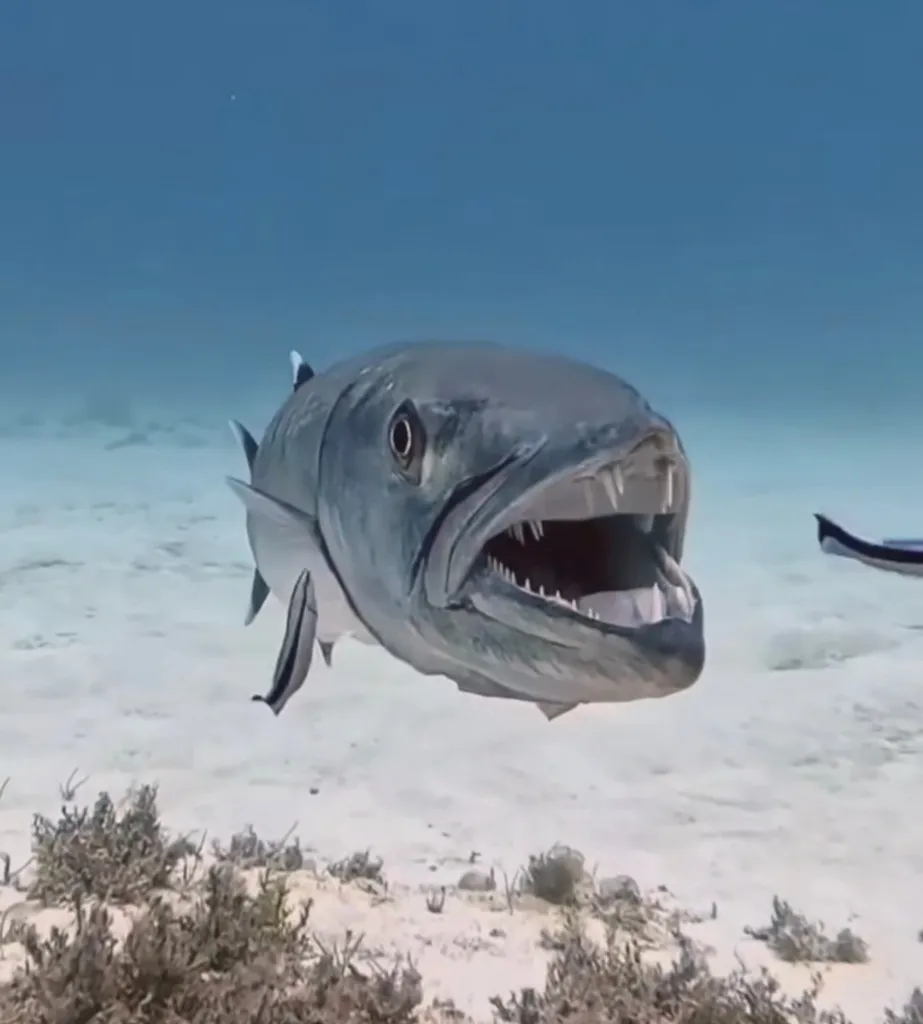
A significant feature of the site is its role in hosting one of Florida's largest aggregations of Goliath Groupers. Numbering 20-30 year-round, these gentle giants can swell to over 100 during their spawning season, drawing schools of bait fish, jacks, and barracuda to the area.
The dynamic ecosystem here offers prolific photographic opportunities, illustrating the vibrant marine life that has reclaimed the former freighter as its own, showcasing the transformative power of artificial reefs.
Conditions are Good
07:00 - 14:00
Optimal conditions expected
Current conditions near Betty Castor Reef show 28° air, 30° sea temperature, 0.3 m waves, and 22 km/h wind. Forecast data is refreshed regularly to ensure accuracy.
Best Time to Dive
Planning a dive to the M/V Castor involves considering Florida's seasonal weather patterns. Cooler air temperatures, averaging 12-18°C (54-64°F), are typical from January to March, with slightly higher average wave heights around 0.7-0.8 m (2.3-2.6 ft). As spring progresses, air temperatures rise to 21-25°C (70-77°F) by April and May, often accompanied by calmer seas. Summer months, from June through August, bring the warmest air temperatures, averaging 27-29°C (81-84°F), and the calmest average wave heights, sometimes as low as 0.5 m (1.6 ft) in July. Rain activity is highest during these summer months, reaching averages of 4-6 mm (0.16-0.24 in). Though water temperature is not consistently reported in system data, external accounts suggest late summer temperatures can be around 28°C (82°F) at depth, likely varying throughout the year. The Goliath Grouper spawning aggregation, a major draw, typically occurs from late July through September. Visibility and current can be unpredictable, regardless of the season, making local conditions crucial for planning.
PEAK SEASON SCORE
Scores combine air & water temps, waves, wind & rainfall for overall conditions.
BEST MONTHS TO DIVE
Monthly records compiled from satellite and marine observation nodes over the last 3 years. Data provided by Open-Meteo and MET Norway.
Dive Experience & Conditions
Dynamic currents often present a significant challenge at the M/V Castor. Conditions here are highly variable; no two dives are truly alike regarding visibility, current strength, or water temperature. Divers frequently encounter heavy current, sometimes reported at speeds up to 3 knots, necessitating a controlled descent and ascent along a fixed wreck line. Visibility on the wreck can range from exceptional to limited, depending on recent weather and oceanographic factors. On clear days, the expansive wreck is easily appreciated, while stronger currents can reduce visibility but also bring in more pelagic life. Reaching a maximum depth of 33 m (110 ft), the wreck places itself firmly within advanced recreational limits, requiring careful dive planning and gas management. Navigating the stern section, which lies on its side, provides interesting structural elements to explore.
Dive Difficulty & Safety Guidelines
Approaching the M/V Castor requires an Advanced Open Water certification or higher due to its depth and variable conditions. Divers should possess proficiency in deep diving techniques and experience with strong currents. Boat operators often deploy a descent line directly to the wreck, which is crucial for managing the often-heavy current.
Maintaining buoyancy control and being vigilant about potential overhead environments within the wreck structure are important considerations. Though not consistently reported, the unpredictability of conditions demands a conservative approach to no-decompression limits and gas reserves.
Always confirm current conditions with your dive operator on the day of your dive, as they can shift rapidly.
Recommended Equipment
- Dive Computer
This gear list is based on verified equipment signals for Betty Castor Reef, United States. Always confirm final gear choices with your dive operator, guide, or liveaboard.
Recommended Dive Suit
Dive skin or rash guard is widely used for recreational dives in waters of this temperature. A hood or vest is suggested for sensitive divers due to surface winds. Water conditions at Betty Castor Reef are currently measured at approximately 30°C (86°F). Surface air temperatures are resting at 28°C (82°F).
The coming days appear slightly cooler according to the latest forecast. Cooler days are ahead; you might want a warmer option for later in the week. Some divers bring an extra layer for surface intervals between dives.
Water temperatures can occasionally shift throughout the day depending on currents and depth layers.
Emergency & Medical Support
Essential information to help you plan your dive trip to Betty Castor Reef.

Hyperbaric chambers are a critical part of dive safety infrastructure. Availability varies significantly by region, and not all dive areas have immediate access.
Before diving, it's recommended to:
- confirm nearest medical facilities
- check emergency procedures with local dive operators
- ensure dive insurance covers evacuation if required
Divers Alert Network
Diving emergency assistance available through DAN World.
+1-919-684-9111- 24/7 emergency hotline
- Diving medical assistance
- Evacuation coordination
Emergency contacts are provided for reference. Always verify local emergency services before diving.
Marine Life at Betty Castor Reef
Upon descending to the M/V Castor, divers are immediately struck by the sheer number of resident Goliath Groupers. These impressive fish, weighing 300 to 600 pounds, are a constant presence, with 20 to 30 individuals typically seen year-round.
During late summer and early fall, the wreck transforms into a major spawning aggregation site, where numbers can surge to over 100 groupers. This event attracts vast schools of small bait fish, known as Scad, which in turn draw in predatory Jacks and Barracuda, creating a lively feeding spectacle.
Covering its surfaces are vibrant orange cup corals and various sponges, providing intricate habitats for smaller reef fish and invertebrates, adding to the rich biodiversity.

Dive Centers Near Betty Castor Reef
Today: 10:00 - 17:00
Nearest Airports
Nearest airports to help plan travel to this dive area.
Search Flights
Check available flights and routes on Expedia, using the nearby airports listed in this section.
Search Flights on ExpediaFrequently Asked Questions
What is the maximum depth of the M/V Castor wreck?
The M/V Castor lies on the seafloor at a maximum depth of 33 meters (110 feet). Its main deck typically sits between 29-30.5 meters (95-100 feet), while the bow rises to about 24 meters (80 feet).
What skill level is required to dive the M/V Castor?
Diving the M/V Castor requires an Advanced Open Water certification or higher. Due to its depth and frequently strong currents, divers should have experience with deep dives and current management.
What marine life can be seen on the M/V Castor?
Home to a significant population of Goliath Groupers, the wreck often hosts 20-30 resident individuals. During spawning season, over 100 groupers can congregate, attracting schools of bait fish, Jacks, and Barracuda. The wreck's structure itself is covered in colorful orange cup corals and sponges.
When is the best time to see Goliath Groupers on the M/V Castor?
While Goliath Groupers are present year-round, their annual spawning aggregation is the best time for large numbers. This spectacular event typically occurs from late July through September, when over 100 groupers may be found on the wreck.
Are currents usually strong at the M/V Castor?
Conditions at the M/V Castor are notoriously variable, and strong currents are a common characteristic of the site. Divers should be prepared for heavy current, sometimes reported up to 3 knots, requiring a controlled descent and ascent on a line.
What is the history of the M/V Castor?
Built in 1970 as the M/V Dorothee Bos, this Dutch freighter was later seized by the U.S. Coast Guard in 1999 for cocaine smuggling. Following its seizure, the vessel was purposefully sunk in 2001 to serve as an artificial reef off Boynton Beach.
Planning to dive Betty Castor Reef?
Send one inquiry and receive offers directly from the best verified local dive operators.
Conditions are Good
07:00 - 14:00
Optimal conditions expected
Current conditions near Betty Castor Reef show 28° air, 30° sea temperature, 0.3 m waves, and 22 km/h wind. Forecast data is refreshed regularly to ensure accuracy.